Top 12 Castles around Piasco
Castles around Piasco are situated in the Valle Varaita, a region with ancient origins that served as a Roman customs station. The area, located on the left of the Varaita stream, has a rich history, having passed through the hands of the Lords of Venasca, the Marquises of Saluzzo, and the Savoy. This historical background has left a legacy of various fortifications and historic sites. The broader Cuneo area, where Piasco is located, is known for its historical fortifications.
Best…
Last updated: August 12, 2026
The Castiglia of Saluzzo
Highlight • Castle
Translated by Google •
Tip by

Historic center of Piasco
Highlight • Historical Site
Translated by Google •
Tip by

Sign up now to discover places like this
Get recommendations on the best single tracks, peaks, & plenty of other exciting outdoor places.
Sign up for free
Manta Castle
Highlight • Castle
Translated by Google •
Tip by

Verzuolo
Highlight • Settlement
Translated by Google •
Tip by
Castellar Castle
Highlight • Castle
Translated by Google •
Tip by

Sign up for free to discover even more castles around Piasco.
Sign up for free
Already have an account?
Start today with a free account
Your next adventure awaits.
Login or Signup
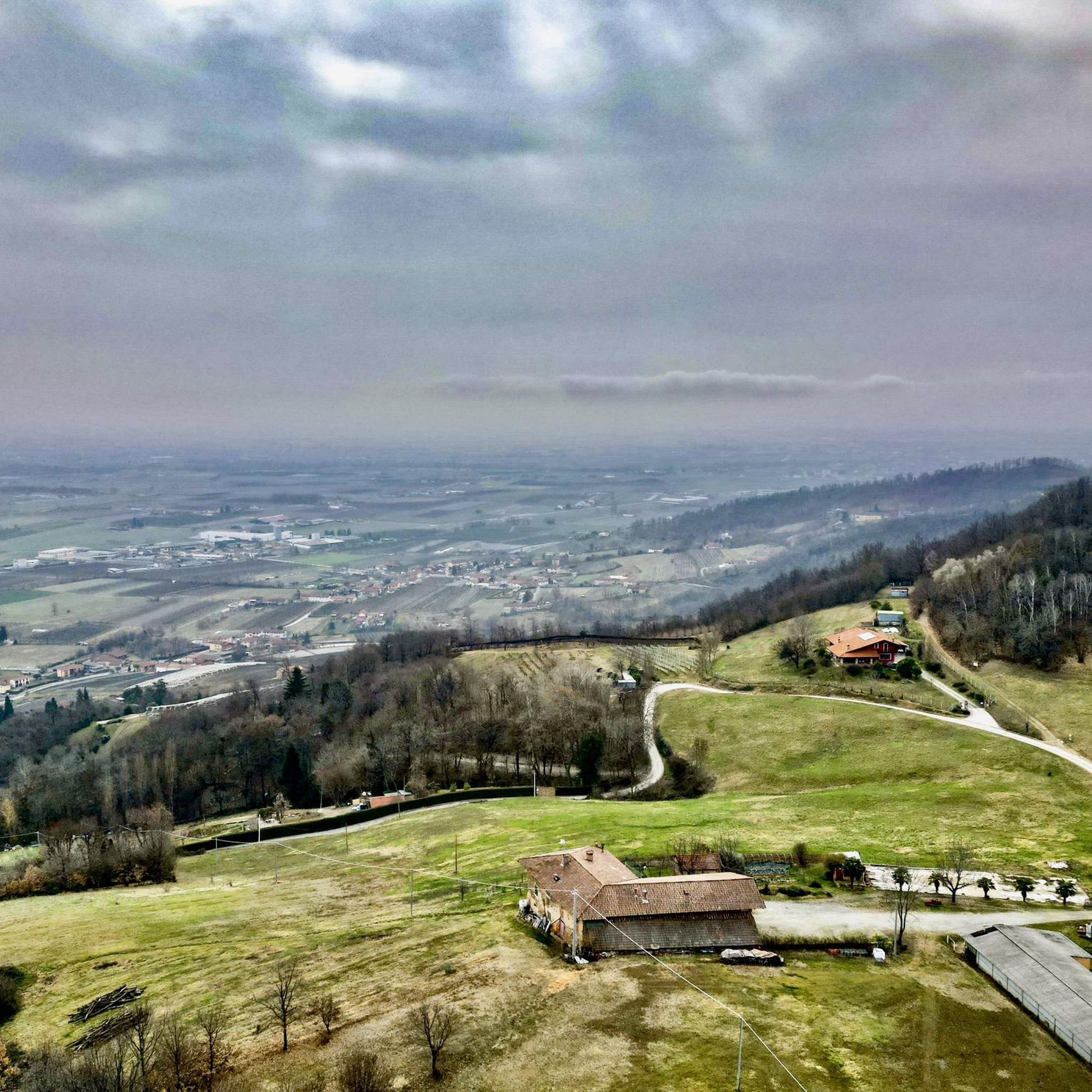
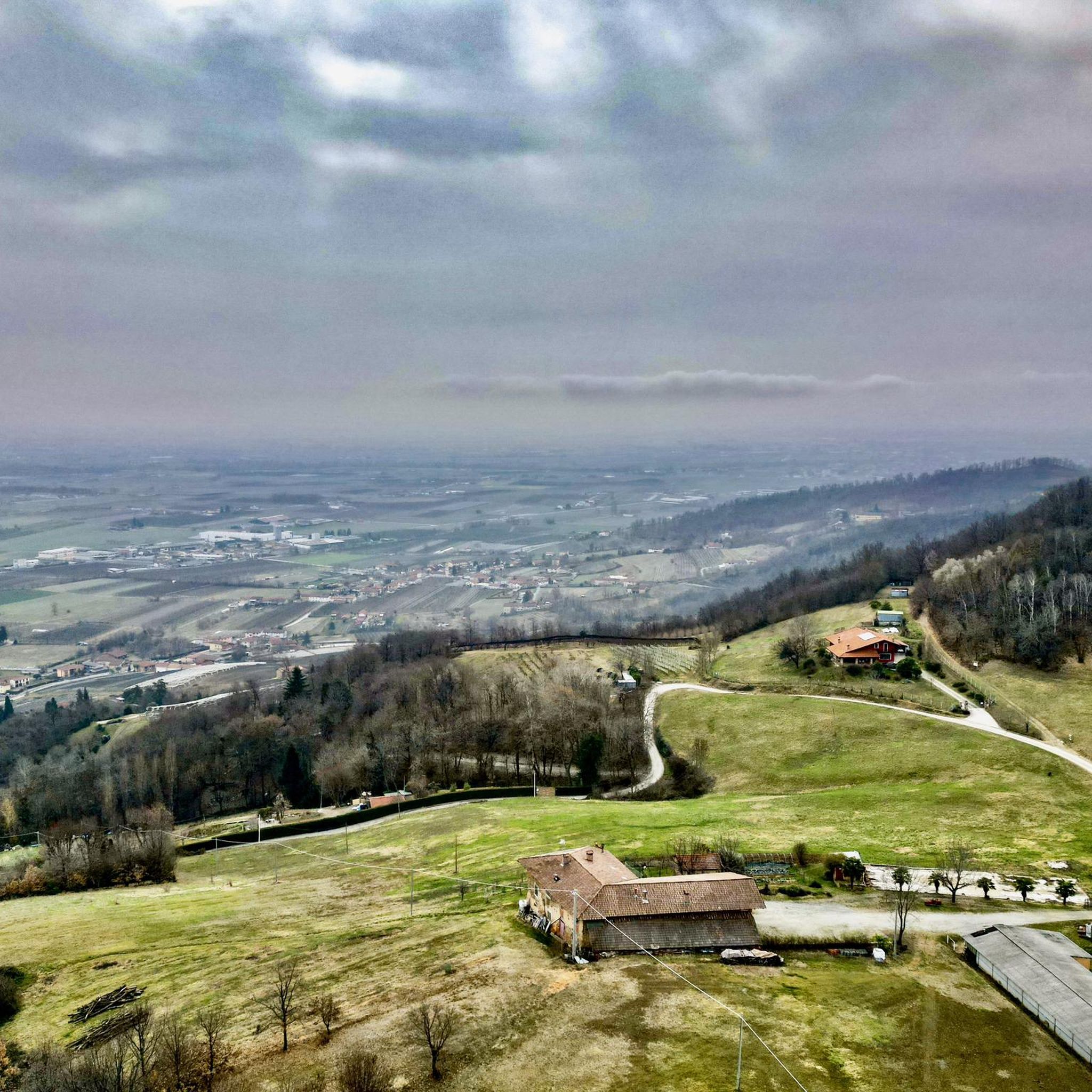
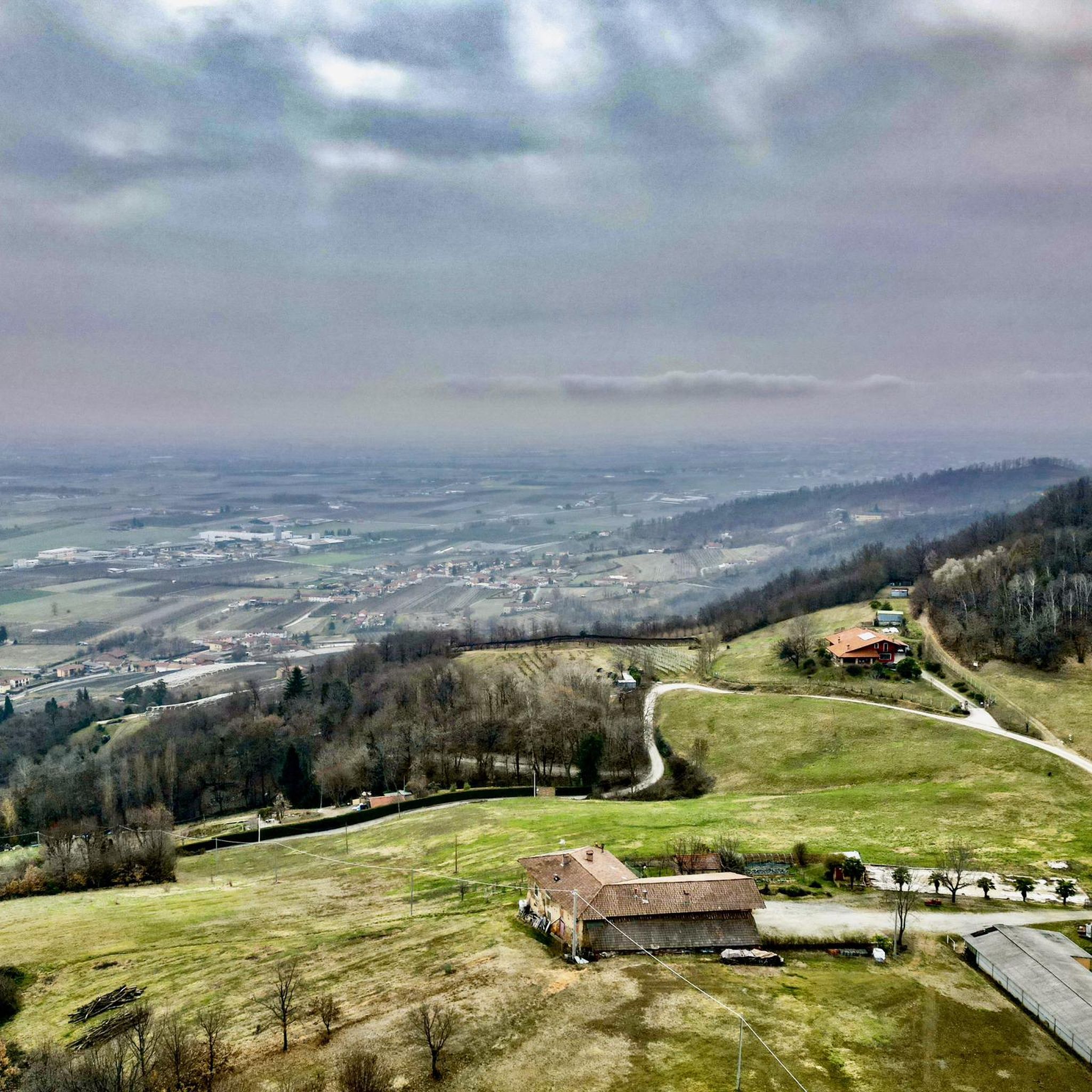
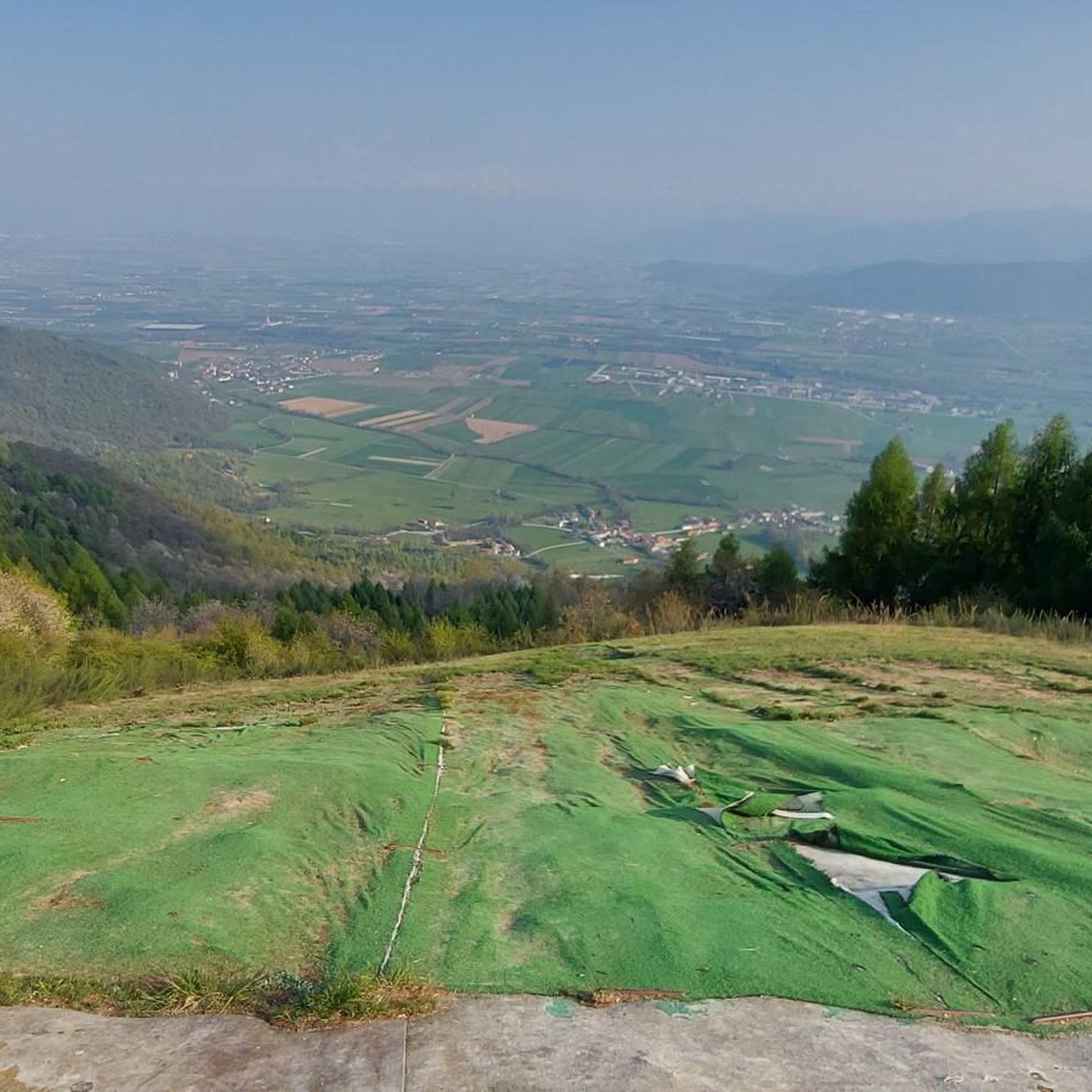

Tips from the Community


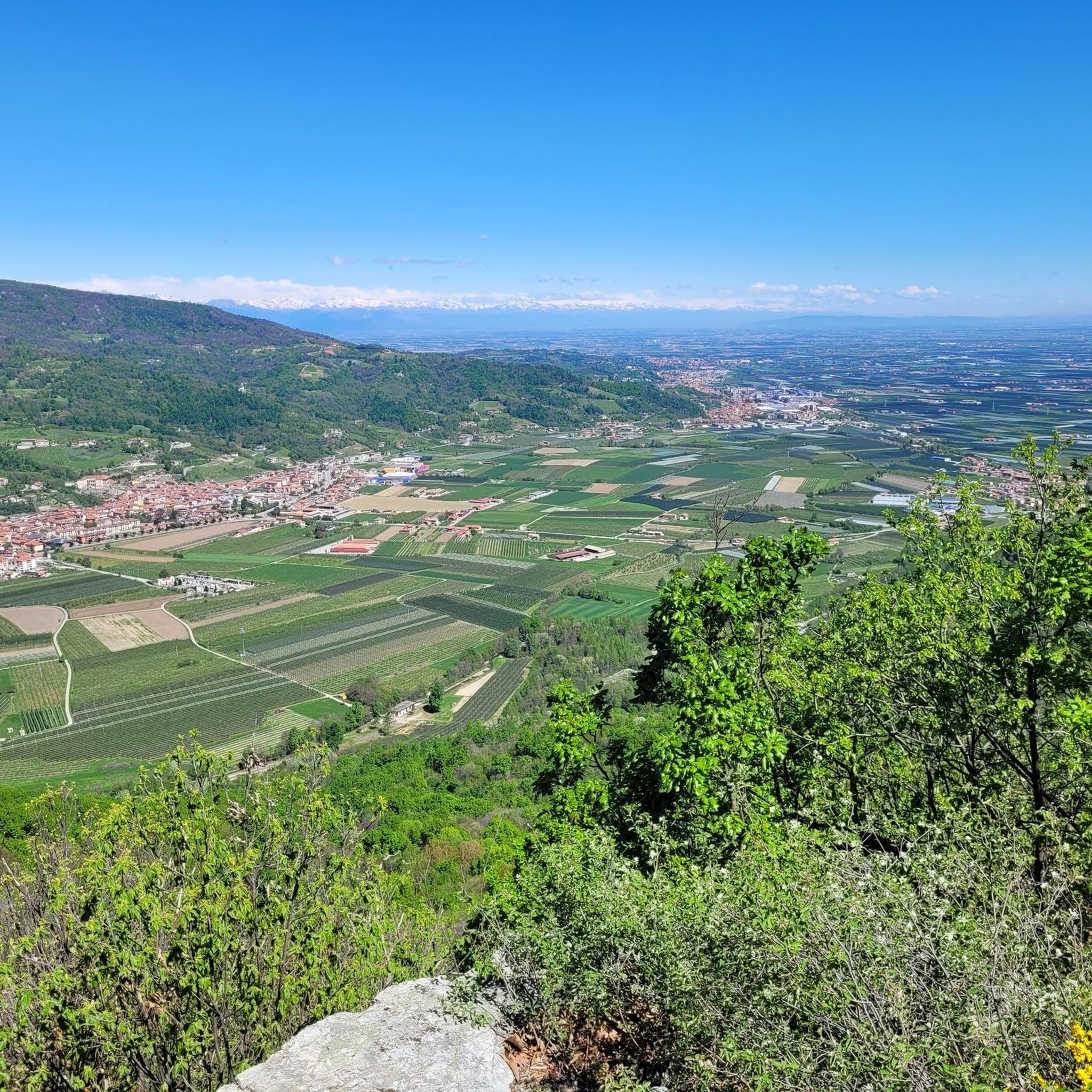
Going to Castellar without passing by the castle is impossible 🤪
1
0


Piasco, located on the left of the Varaita stream, has ancient origins. It was a Roman customs station and then passed from the Lords of Venasca to the Marquises of Saluzzo up to the Savoy. Among the medieval testimonies still visible today, the civic tower, once a bell tower, and the Church of San Giovanni stand out. The Porporati castle, dating back to 1655, dominates the historic center.
2
0
Built in the 13th century as a military outpost, Manta Castle was transformed in the 15th century by Valerano, regent of the Marquisate of Saluzzo, into a sumptuous family residence. The Baronial Hall was decorated with unique frescoes on the culture of chivalry, including the Fountain of Youth and figures of heroes and heroines of antiquity. In the 16th century, the complex underwent further modifications, including the Salone delle Grottesche, decorated in Mannerist style. Next to the castle, don't miss the church with frescoes on the Passion of Christ and the panoramic park on the Varaita valley.
2
0
Verzuolo, located in the Varaita Valley, boasts a medieval village rich in history and architecture. The castle, built in 1377 by the Marquis Federico II of Saluzzo on the ruins of a previous fortress from the 11th century, dominates the town from above. The village preserves medieval elements, such as decorated peaks and terracotta friezes from the 15th century, as well as a house with a typical Gothic structure. The parish church of Saints Philip and James, built in the 18th century, houses significant works of art, including a fresco depicting the "Pietà" dated 1422. The recent history of Verzuolo is linked to the Burgo paper mill, founded at the beginning of the 20th century by the engineer Luigi Burgo, who contributed to the economic development of the area.
2
0

Church that can be visited with the Manta Castle ticket. Inside there are some very valuable paintings. It is a property preserved thanks to the FAI. In the photo some more information about the church.
0
0
Frequently Asked Questions
What historical castles can I visit near Piasco?
The area around Piasco, particularly in the broader Cuneo region, offers several historical castles. Notable options include The Castiglia of Saluzzo, a former fortress and seat of rulers with panoramic views, and Manta Castle, a 13th-century fortress transformed into a lavish residence known for its unique frescoes. You can also explore Castellar Castle, which dominates a picturesque village amidst orchards and vineyards.
Are there any castles directly within Piasco?
While Piasco itself doesn't host prominent ancient castles, its Historic center of Piasco features the Porporati castle, dating back to 1655, which dominates the town center alongside a civic tower and the Church of San Giovanni. The broader Cuneo area, however, is rich in historical fortifications.
What makes Manta Castle a significant historical site?
Manta Castle, originally a 13th-century fortress, was transformed into a sumptuous family residence in the 15th century. It is particularly renowned for the beautiful frescoes in its Baronial Hall, which are unique testaments to the knightly culture of the time. The castle also features the Salone delle Grottesche and has been meticulously restored by the FAI (Fondo Ambiente Italiano).
Are there family-friendly castles to visit around Piasco?
Yes, several castles and historical sites in the area are considered family-friendly. The Historic center of Piasco, with its pedestrian area and the Porporati castle, is suitable for families. Castellar Castle is also noted as family-friendly, offering a charming village setting.
What outdoor activities can I do near these castles?
The region around Piasco offers various outdoor activities. You can find numerous cycling routes, including touring bicycle and road cycling options, that pass by historical sites and offer scenic views. For mountain biking enthusiasts, there are challenging MTB trails available. You can explore detailed routes and guides for these activities on the cycling, road cycling, and MTB trails around Piasco guide pages.
What is the history behind The Castiglia of Saluzzo?
The Castiglia of Saluzzo is a significant fortress that once served as the privileged and fortified residence of the Marquises of Saluzzo. It later functioned as a prison and now offers impressive panoramic views over the city of Saluzzo, reflecting centuries of regional power and history.
Is there a castle known for its medieval village atmosphere?
Yes, Verzuolo boasts a medieval village rich in history and architecture, dominated by its castle built in 1377. The village preserves medieval elements like decorated peaks and Gothic structures. Similarly, Castellar Castle is situated in a characteristic village in the Bronda Valley, immersed in orchards and vineyards, offering a charming medieval feel.
What are some lesser-known or hidden gem castles in the Piasco region?
Beyond the more prominent sites, the broader Cuneo area is home to other historically rich castles. For instance, the **Visconti Castle in Cherasco**, built in the 14th century, is an impressive brick structure with a quadrangular design. Another notable site is the **Castello di Osasco**, built by the Princes of Acaja, featuring mighty walls, watchtowers, and a moat, later transformed with elegant additions and a park designed by Benedetto Alfieri.
Where can I find more information about Visconti Castle in Cherasco?
For more details on the Visconti Castle in Cherasco, including its history and architectural significance, you can refer to its dedicated page on Wikipedia.
What do visitors particularly enjoy about the castles around Piasco?
Visitors appreciate the rich history and architectural beauty of the castles, often highlighting the panoramic views they offer over the surrounding landscapes. The intricate frescoes at places like Manta Castle and the well-preserved medieval elements in villages like Verzuolo are frequently mentioned. The community has shared over 22 photos and given more than 50 upvotes for these historical sites.
What is the best time of year to explore castles in the Piasco area?
The best time to explore castles and enjoy outdoor activities in the Piasco area is generally during the spring (April to June) and autumn (September to October) months. During these periods, the weather is typically mild and pleasant, making it ideal for walking around historical sites and enjoying the scenic routes without the intense heat of summer or the colder conditions of winter.
Most popular attractions around Piasco

Get inspired with the komoot mobile app


Explore more
Looking for the best castles somewhere else? Discover other guides around Piasco:
