Top 8 Castles around La Maxe
Best castles around La Maxe are found in a region with a rich historical tapestry, characterized by its agricultural past and strategic location. The area's origins include fortified farms and ancient feudal residences, reflecting centuries of human occupation from the Neolithic period through medieval times. While La Maxe itself is known for its historical "fermes-châteaux" rather than grand standing castles, the broader vicinity offers significant historical structures. The landscape around La Maxe provides a context for understanding the evolution of…
Last updated: November 13, 2026
Porte des Allemands and Metz Cathedral
Highlight • Historical Site
Translated by Google •
Tip by

Porte des Allemands
Highlight • Historical Site
Translated by Google •
Tip by

Sign up now to discover places like this
Get recommendations on the best single tracks, peaks, & plenty of other exciting outdoor places.
Fort Saint-Quentin
Highlight (Segment) • Historical Site
Tip by

Fort de Queuleu
Highlight (Segment) • Historical Site
Translated by Google •
Tip by

Governor's Palace
Highlight • Historical Site
Translated by Google •
Tip by

Sign up for free to discover even more castles around La Maxe.
Already have an account?
Start today with a free account
Your next adventure awaits.
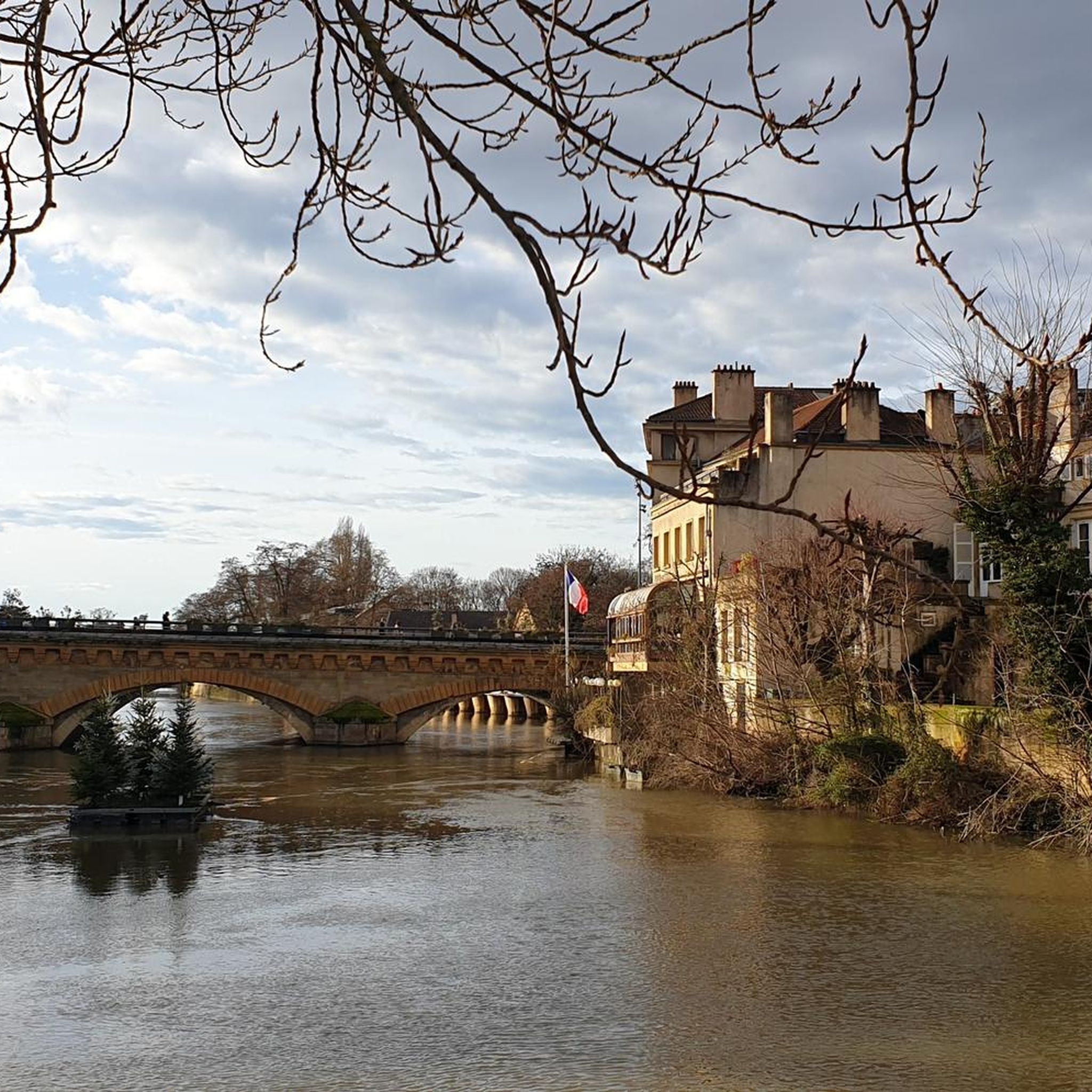
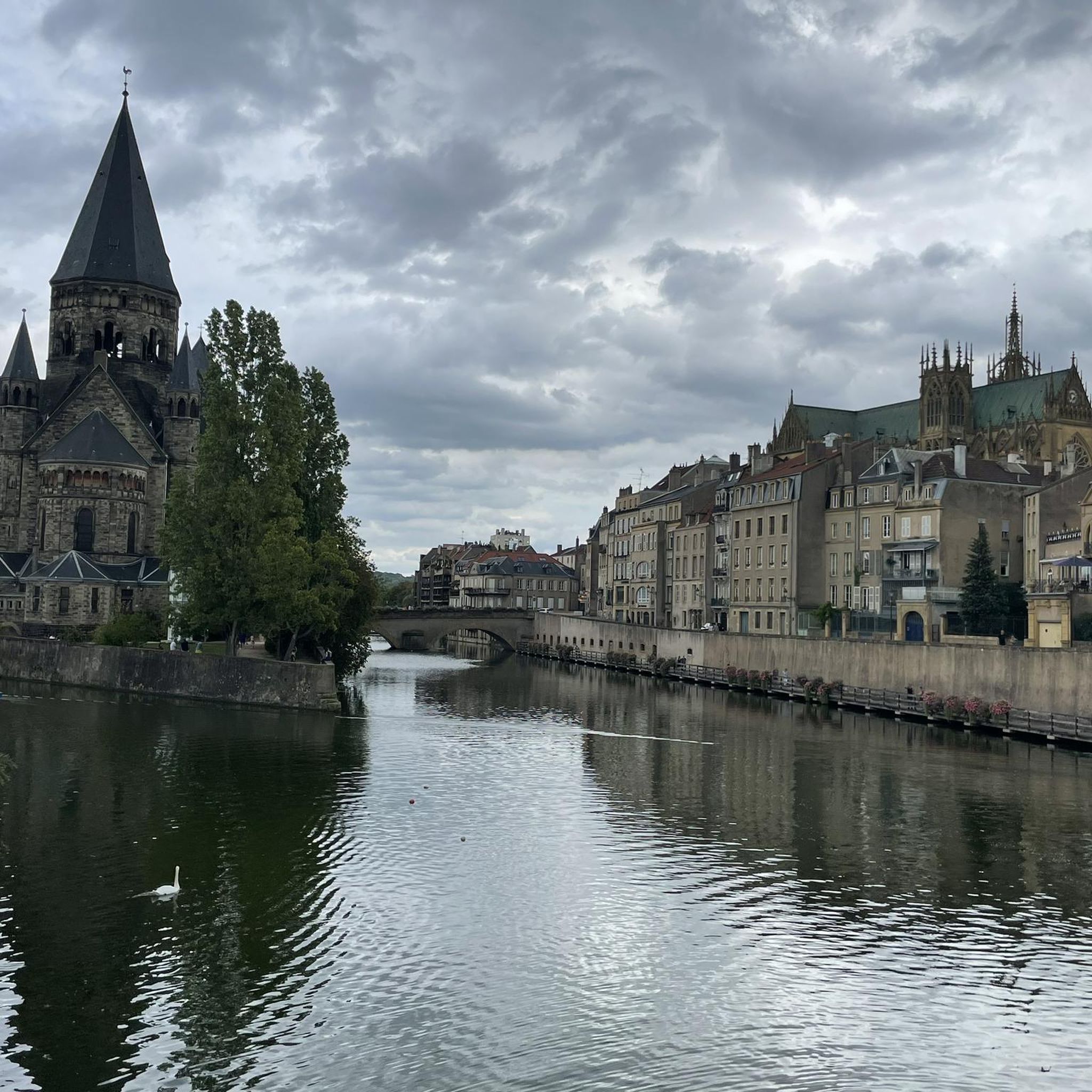
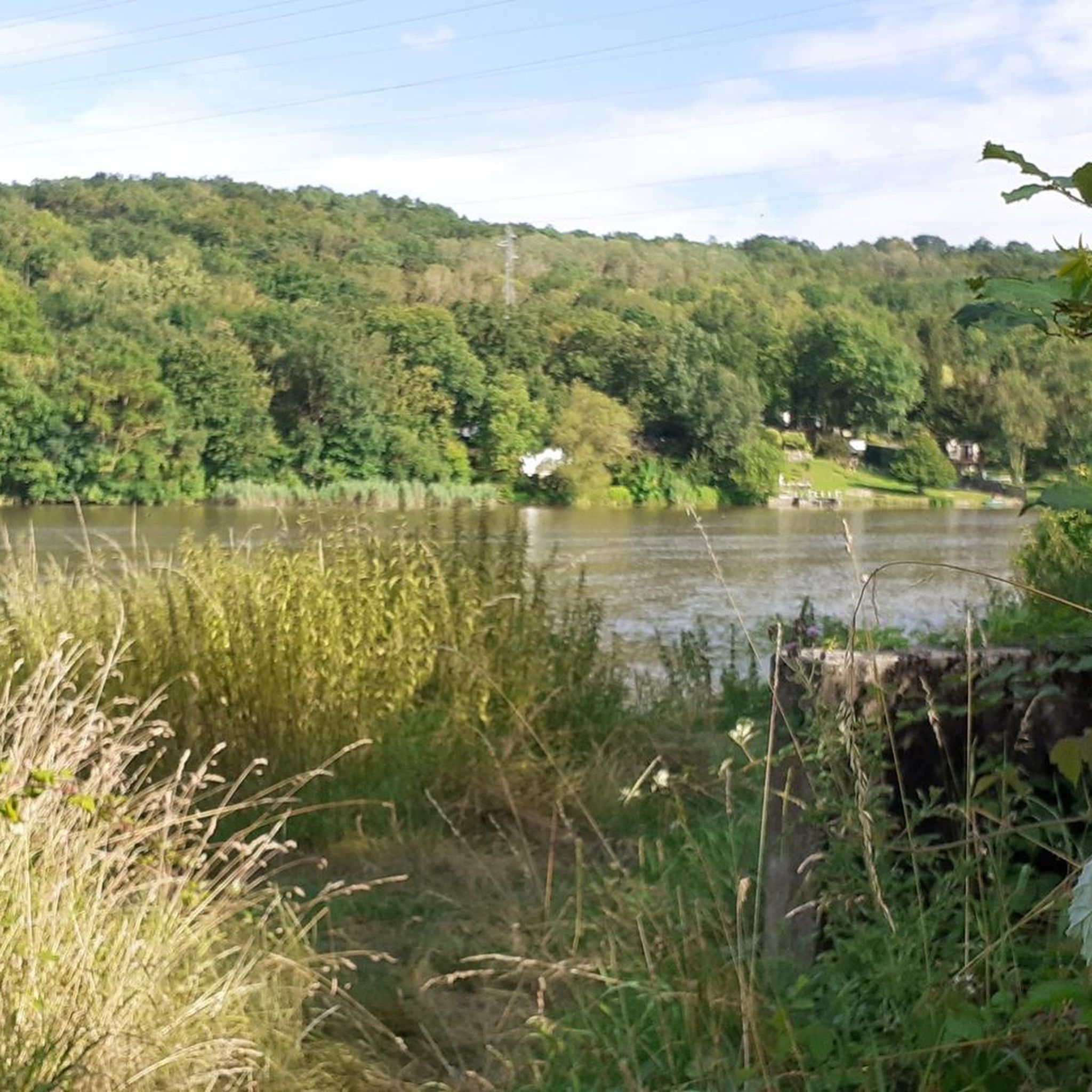
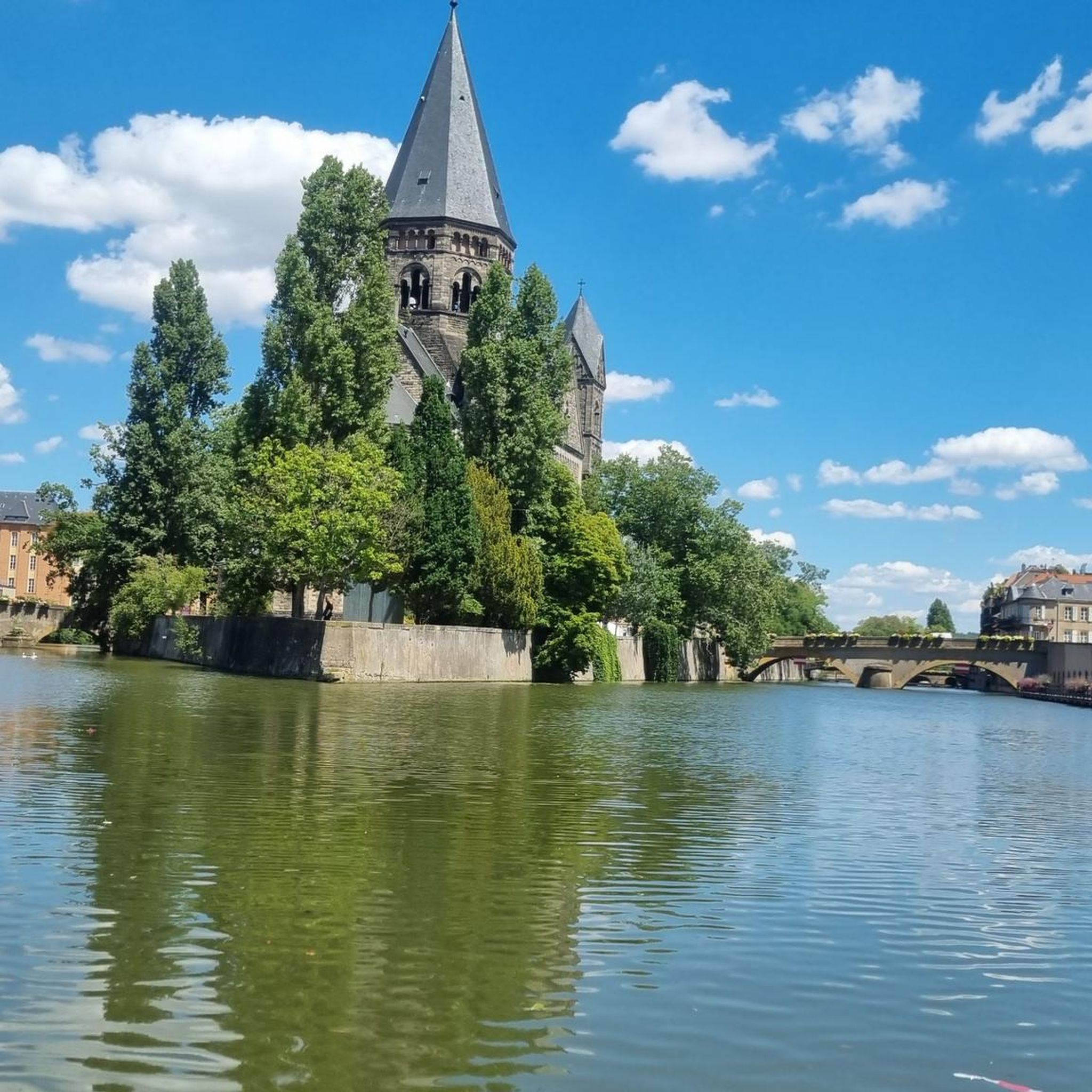
Tips from the Community

great place in front of the cathedral
0
0

The former palace of the commander of the 16th German Army Corps was built between 1902 and 1904 in the German Neo-Renaissance style. The palace is characteristic of historicism in the architecture of that time. It can be visited together with the park on the European Heritage Days. tourisme-metz.com
0
0

The fort is still maintained as a historical memorial. The inner fortress is actually more of a small park - with playgrounds and picnic areas. The still recognizable building ruins serve as a refuge for bats. The very extensive area around it is surrounded by hiking trails, the fortress walls and, above all, the deep defensive ditch are always present.
2
0

Of the original 17 city gates, only the German Gate in the east remains. Named after the former hospital of the Teutonic Order, which stood nearby, it was built as an entrance to the city on a bridge over the Seuille River. A medieval structure straight out of a picture book.
6
1

Always worth a bike tour! In the old town area, however, you should keep an eye on the ground. The cobblestones are very rough in places and have deep, wide cracks.
1
0

beautiful walk starting from the Col de Lessy
1
0

Impressive and well-preserved gate of the medieval city fortifications on the Seille.
6
0
Frequently Asked Questions
What kind of castles can I expect to find around La Maxe?
While La Maxe itself is historically known for its fortified farms, or "fermes-châteaux," rather than grand standing castles, the broader region around Metz offers significant historical structures. You'll find medieval city gates like the Porte des Allemands, 19th-century fortifications such as Fort Saint-Quentin, and even more traditional castles like Mercy Castle in the vicinity.
Are there any family-friendly castles or historical sites near La Maxe?
Yes, several historical sites around La Maxe are considered family-friendly. The Porte des Allemands in Metz, a fortified city gate, is a great option for families. Additionally, the broader category of Historic landmarks in Metz often includes sites suitable for all ages.
What are the most popular historical sites or castles recommended by visitors?
Visitors frequently highlight the Porte des Allemands in Metz, which is a well-preserved medieval city gate. Another popular choice is the combination of Porte des Allemands and Metz Cathedral, showcasing the architectural diversity and rich history of the area.
Can I visit the historical fortified farms in La Maxe, like Franclonchamps?
La Maxe's historical significance lies in its agricultural past and the fortified farms that contributed to its formation, such as the fortified farm of Franclonchamps. While these structures are foundational to the village's history, they are typically private properties and not generally open for public tours or visits. Their historical importance is more about their role in the region's development.
What happened to the historical Château de Thury near La Maxe?
A historical "Château de Thury" once stood at the site where the EDF thermal power plant is currently located. Records from 1841 also mention a "Château de Thury, prés la Maxe, commune de Woippy." However, this noble residence is no longer a visible landmark in La Maxe itself.
Are there any outdoor activities or routes near these historical sites?
Yes, the area around La Maxe and Metz offers various outdoor activities. You can find numerous routes for hiking, cycling, and even gravel biking. Many of these routes pass by or are close to historical landmarks, allowing you to combine outdoor exploration with cultural discovery.
What kind of historical architecture can I see in the Metz area?
The Metz area boasts a diverse range of historical architecture. You can see medieval military architecture at the Porte des Allemands, Gothic grandeur at the Metz Cathedral, and 19th-century fortifications like Fort Saint-Quentin. The city's history of changing affiliations between German and French empires is reflected in its varied building styles.
What do visitors enjoy most about the historical sites around La Maxe?
Visitors often appreciate the rich history and architectural diversity of the region. They enjoy exploring well-preserved medieval structures like the Porte des Allemands and discovering the stories behind the fortifications. The blend of historical sites with the charm of Metz's old town and riverside promenades is also a highlight.
Is there an archaeological site in La Maxe?
Yes, La Maxe is home to an archaeological site that demonstrates continuous human occupation since the Neolithic period, with vestiges from Gallo-Roman and medieval times. This site provides insight into the long history of human presence in the area.
Are there any castles or historical sites that offer views of the surrounding landscape?
While not a traditional castle, Fort Saint-Quentin, located on Mont Saint-Quentin northwest of Metz, offers strategic views of the surrounding area due to its elevated position as part of the first fortified belt around Metz.
How far is Mercy Castle from La Maxe?
Mercy Castle is located at the city entrance of Metz, which is a short distance from La Maxe. The exact travel time will depend on your mode of transport, but it is easily accessible from La Maxe.
Can I find information about the history of La Maxe itself?
Yes, you can find more information about the history of La Maxe, including its origins from fortified farms and ancient feudal residences, on the official tourism website for Metz Métropole. Visit the tourisme-metz.com page for La Maxe for details.
Most popular routes around La Maxe
Most popular attractions around La Maxe

Get inspired with the komoot mobile app


Explore more
Looking for the best castles somewhere else? Discover other guides around La Maxe:
