Top 8 Castles around Saint-Julien-Lès-Metz
Best castles around Saint-Julien-Lès-Metz include historical sites and former military fortifications. The area, situated near Metz, offers a blend of historical architecture and natural landscapes, including views over the Moselle valley. These sites reflect centuries of regional history, from medieval structures to 19th-century military installations. The diverse historical landmarks provide insight into the area's past.
Best castles around Saint-Julien-Lès-Metz
- The most popular castles is Porte des Allemands, a historical site that served as a fortified city gate and bridge…
Last updated: May 18, 2026
Porte des Allemands and Metz Cathedral
Highlight • Historical Site
Translated by Google •
Tip by

Porte des Allemands
Highlight • Historical Site
Translated by Google •
Tip by

Sign up now to discover places like this
Get recommendations on the best single tracks, peaks, & plenty of other exciting outdoor places.
Sign up for free
Fort Saint-Quentin
Highlight (Segment) • Historical Site
Tip by

Fort de Queuleu
Highlight (Segment) • Historical Site
Translated by Google •
Tip by

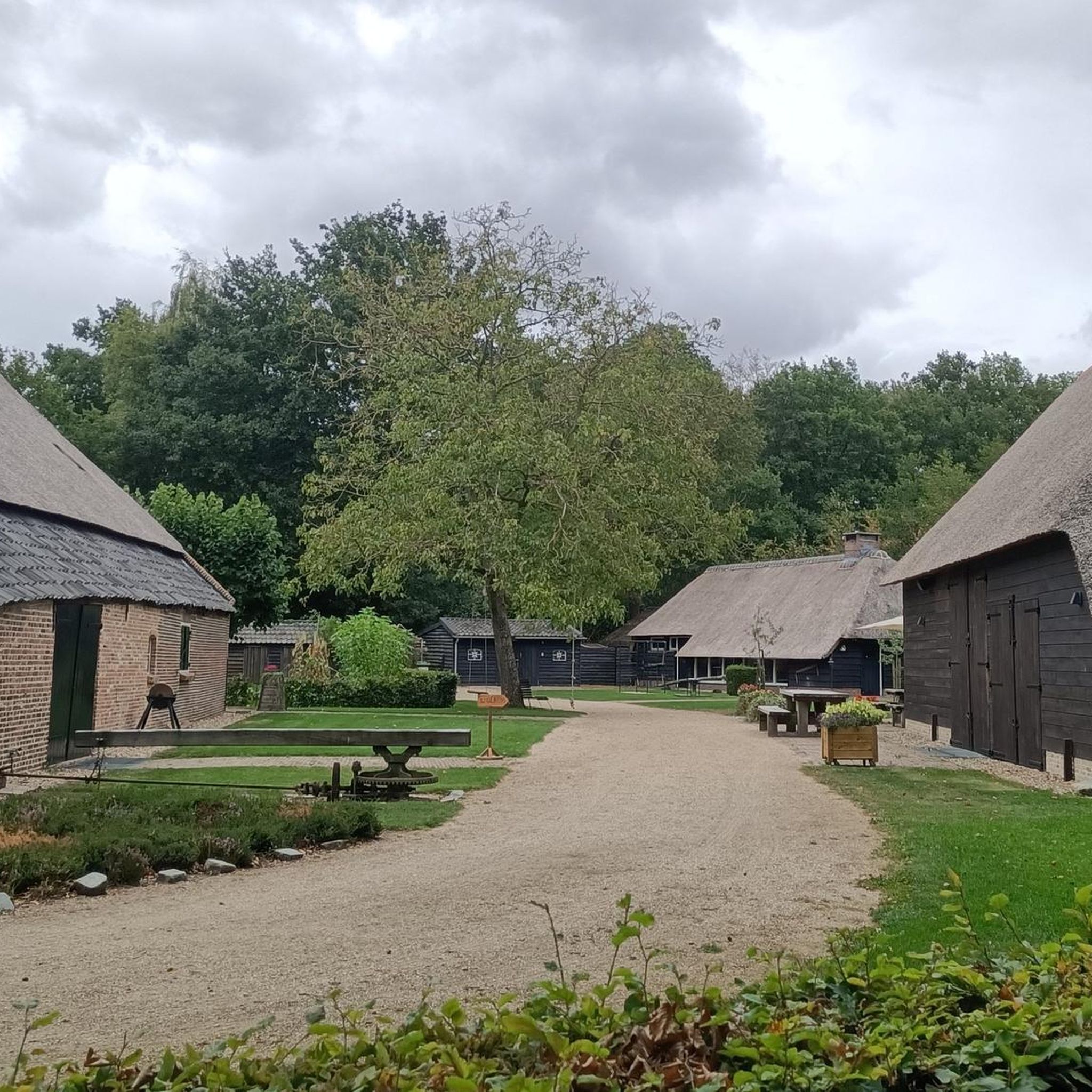
Ferme de la Haute-Bevoye
Highlight • Castle
Translated by Google •
Tip by

Sign up for free to discover even more castles around Saint-Julien-Lès-Metz.
Sign up for free
Already have an account?
Start today with a free account
Your next adventure awaits.
Login or Signup

Tips from the Community

Two farms were located on the old path between Metz and Peltre, the Haute Bévoye and the Basse Bévoye. The Haute Bévoye, on a hill, is a fortified farm documented from the early 14th century. In 1404, it belonged to "Jehan Xaippey", i.e. Jean de Raigecourt, known as Xappel; 12 cattle and 8 horses were raised there at the time. In addition to an 18th-century dwelling and farm buildings, the layout of the medieval castle remains legible, with four rectangular wings surrounded by a moat; two wings and three towers recall the initial state. https://melodi.univ-lorraine.fr/s/projet-cite-de-metz/item/2973
1
0

The fort is still maintained as a historical memorial. The inner fortress is actually more of a small park - with playgrounds and picnic areas. The still recognizable building ruins serve as a refuge for bats. The very extensive area around it is surrounded by hiking trails, the fortress walls and, above all, the deep defensive ditch are always present.
2
0

Of the original 17 city gates, only the German Gate in the east remains. Named after the former hospital of the Teutonic Order, which stood nearby, it was built as an entrance to the city on a bridge over the Seuille River. A medieval structure straight out of a picture book.
6
1

Always worth a bike tour! In the old town area, however, you should keep an eye on the ground. The cobblestones are very rough in places and have deep, wide cracks.
1
0

beautiful walk starting from the Col de Lessy
1
0

Impressive and well-preserved gate of the medieval city fortifications on the Seille.
6
0

"...One of the sights in Metz that really impressed me was the German Gate (Porte des Allemands). It is an imposing city gate that looks like a small castle with its massive towers and double gate. It was built in the 13th century and was part of the city wall that..." Find out more about the sights of Metz in my blog post: 👉 https://www.netreisetagebuch.de/metz-sehenswuerdigkeiten/
5
1
Frequently Asked Questions
What historical sites can I visit around Saint-Julien-lès-Metz?
The area offers a mix of historical sites. You can explore the 19th-century military installation of Fort de Saint-Julien, which now houses a restaurant. Another significant site is the Porte des Allemands, a well-preserved medieval city gate in Metz. Additionally, the Fort Saint-Quentin, part of the first fortified belt around Metz, is also notable.
Is Château de Grimont accessible to the public?
The Château de Grimont in Saint-Julien-lès-Metz is recognized as a 15th-century historical enclosure. However, it was voluntarily razed in 1552, meaning what remains today is likely more of a historical site or ruins rather than a fully standing, traditional castle available for public tours. Its physical state for visitation might be limited.
What is unique about Fort de Saint-Julien?
The Fort de Saint-Julien is a significant 19th-century military installation with a pentagonal, bastion shape and dry moats, reflecting defensive architectural principles. It played a crucial role in history, particularly during World War II. Today, it has been repurposed and houses a restaurant within its peaceful 22-hectare domain, offering a unique blend of history and hospitality.
Can I visit Château d'Urville, and what should I expect?
The Château d'Urville, located near Pont-à-Chaussy, has a long history with structures dating back to the 12th century. It now houses an agricultural and horticultural school and features a medieval garden. While not always open for general public access, it can be visited during specific events such as heritage days and the 'Printemps d'Urville' event. Its architectural blend and imperial connections make it a fascinating historical excursion.
Are there family-friendly historical sites around Saint-Julien-lès-Metz?
Yes, the Porte des Allemands is categorized as family-friendly. It's a historical city gate that served as a bridge over the Seille, offering an interesting glimpse into medieval architecture and history for all ages.
What outdoor activities can I do near these historical sites?
You can find various outdoor activities. For cycling, consider the Road Cycling Routes around Saint-Julien-Lès-Metz, which include routes like the 'Château de Buy loop'. If you prefer hiking, there are Hiking routes around Saint-Julien-Lès-Metz, such as the 'Porte des Allemands – Moyen Bridge loop'.
What is the best time of year to visit the historical sites in this region?
The region's historical sites, including Fort de Saint-Julien and the various fortifications, can be enjoyed throughout the year. Spring and autumn offer pleasant weather for exploring the outdoor areas and views over the Moselle valley. Specific events at places like Château d'Urville often occur in spring, such as the 'Printemps d'Urville' event.
Are there any historical sites with good viewpoints?
Yes, the Fort de Saint-Julien is situated on the heights of Saint-Julien-lès-Metz and offers excellent views over the city of Metz and the Moselle valley. It's a great spot to combine history with scenic vistas.
What do visitors enjoy most about the historical sites around Saint-Julien-lès-Metz?
Visitors appreciate the rich historical context and architectural diversity. Many enjoy exploring the well-preserved medieval structures like the Porte des Allemands and the impressive fortifications such as Fort Saint-Quentin. The blend of history with natural landscapes and the unique repurposing of sites like Fort de Saint-Julien also receive positive feedback.
Are there public transport options to reach these historical sites?
While specific public transport details for each site can vary, Metz itself is well-connected. For sites within Metz, like the Porte des Allemands and Metz Cathedral, public transport within the city is available. For sites further afield, such as Château d'Urville, checking local bus routes or considering a car might be necessary, especially for specific event days.
Where can I find parking near the historical sites?
For sites within Metz, such as the Porte des Allemands, public parking facilities are available in the city center. For the Fort de Saint-Julien, which houses a restaurant, dedicated parking is typically available on-site for visitors.
Can I explore the area around the historical sites by gravel bike?
Yes, the region offers opportunities for gravel biking. You can find routes in the Gravel biking around Saint-Julien-Lès-Metz guide, which includes routes like the 'Plan d'Eau de Metz – Blocaus plappeville loop'.
Most popular routes around Saint-Julien-Lès-Metz
Most popular attractions around Saint-Julien-Lès-Metz

Get inspired with the komoot mobile app


Explore more
Looking for the best castles somewhere else? Discover other guides around Saint-Julien-Lès-Metz:
