Attractions and Places To See around Azinheira Dos Barros E São Mamede Do Sádão - Top 9
Best attractions and places to see around Azinheira Dos Barros E São Mamede Do Sádão include a blend of natural landscapes and historical sites. This civil parish in Grândola, Portugal, is characterized by gentle reliefs, cork oaks, and holm oaks, traversed by the Sado, Davino, and Corona rivers. The area holds a rich history, with human presence dating back to prehistoric times, including Neolithic, Chalcolithic, and Roman vestiges. Visitors can explore both natural features and cultural landmarks within this rural…
Last updated: May 17, 2026
Vale do Gaio Dam
Highlight • Monument
Located near Torrão, …
Translated by Google •
Tip by

Lousal Ciência Viva Science Center
Highlight • Historical Site
Translated by Google •
Tip by
Sign up now to discover places like this
Get recommendations on the best single tracks, peaks, & plenty of other exciting outdoor places.
Sign up for free
Vale de Gaio Dam
Highlight • Lake
Translated by Google •
Tip by
Lousal Mining Museum
Highlight • Historical Site
Translated by Google •
Tip by
São Romão do Sado 🇵🇹
Highlight • Settlement
From the 16th century onwards, this entire area was colonized …
Translated by Google •
Tip by
Sign up for free to discover even more attractions around Azinheira Dos Barros E São Mamede Do Sádão.
Sign up for free
Already have an account?
Start today with a free account
Your next adventure awaits.
Login or Signup
Popular around Azinheira Dos Barros E São Mamede Do Sádão
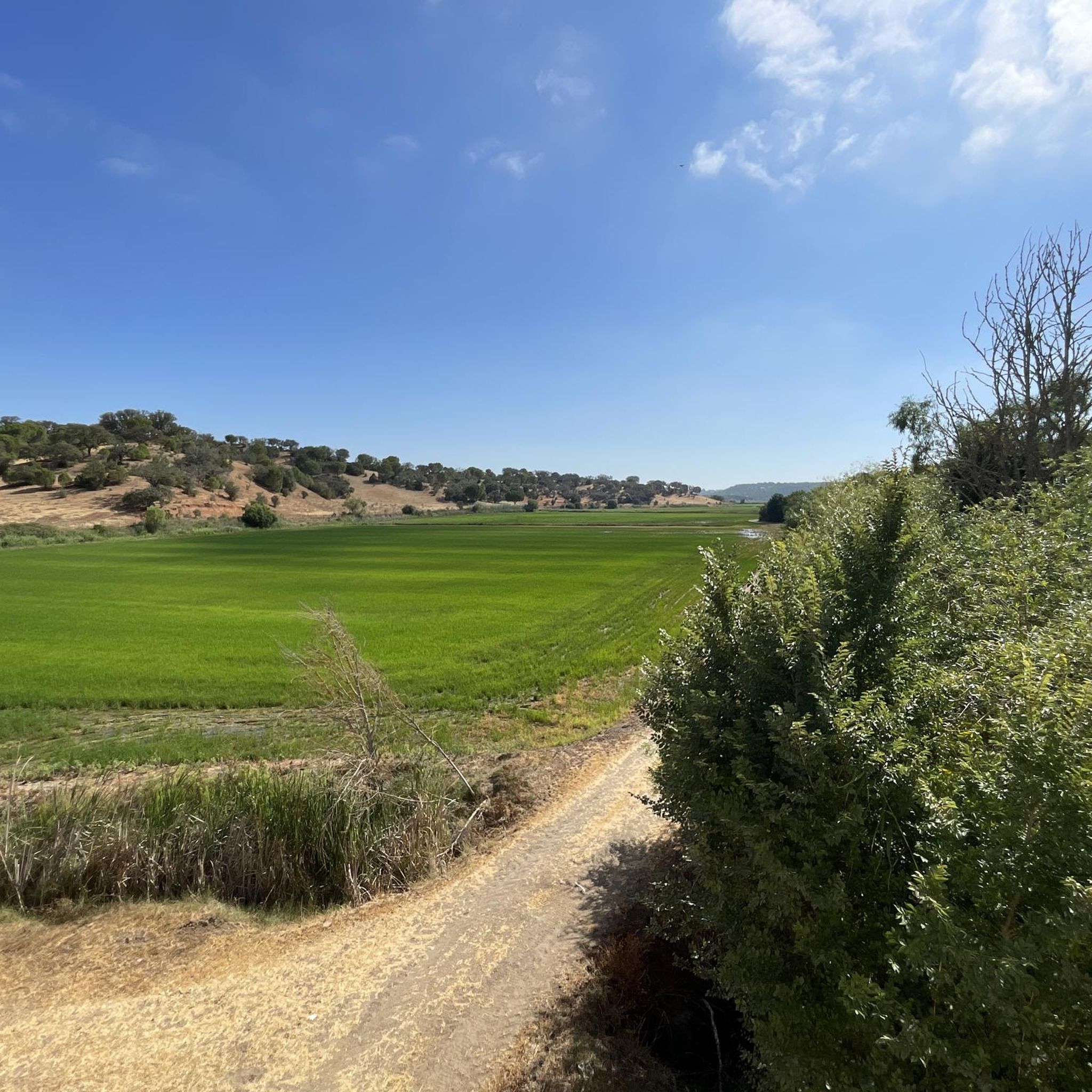
Tips from the Community

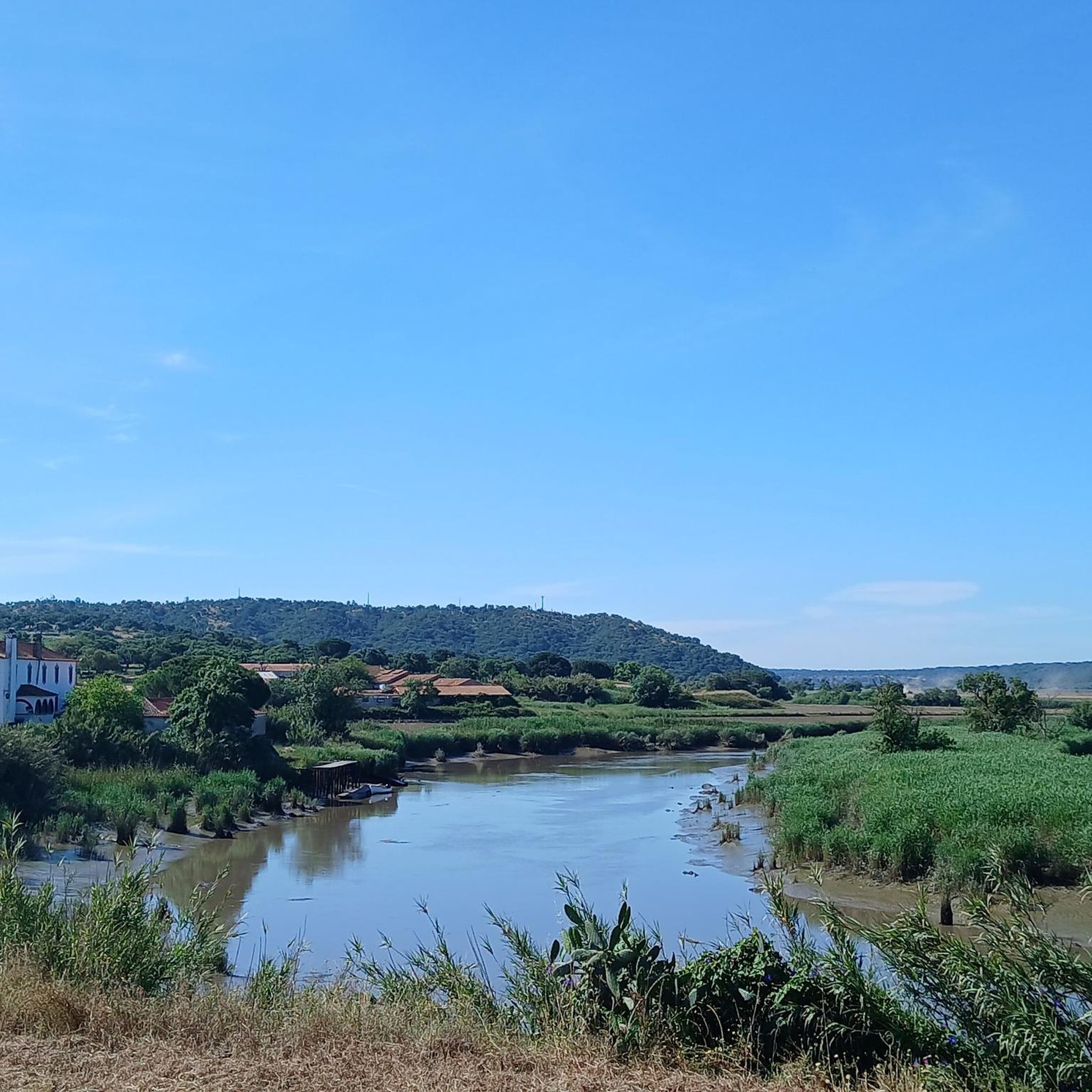
Almost abandoned, the village is located on the banks of the Sado River, shortly after it meets the Xarrama River. From the 16th century onwards, this entire area was colonized by African slaves, in order to transform the existing swamps into salt pans or farmland. Currently, some genetic traces of the past of these people can still be found, who became mixed-race through interbreeding with their white neighbors over the generations...
5
0
Visiting the Lousal Science Centre is like stepping back in time to when its mine was active and where ores formed millions of years ago were exploited by thousands of miners who worked and lived there with their families. In this house of science, housed in three buildings once associated with mining activity, science is explored and the richest of minerals is extracted: knowledge. Inaugurated on June 30, 2010, today this space is a new future, a land reinvented by the will of many and sustained by the richest of minerals: knowledge. Adjacent to the Science Centre, the Mining Museum, housed in the former Power Plant, is also worth a visit. The outdoor walking trails lead visitors to discover the cork oak ecosystem and megalithic monuments, culminating in a "journey to the center of the Earth" with entry into an old gallery of the Lousal mine. The sunset invites observation of bats and the Milky Way.
4
0
Located in the former Lousal Mine Power Plant, the Lousal Mining Museum preserves some of the equipment used to produce electricity and compressed air, essential to ensuring the operation of the entire mining area. In addition to the equipment, in this museum you can take a journey through the history of mining and the people who made it possible to make this mine a benchmark in Portugal.
4
0
A dam located in the Xarama river (Sado's River Basin) right in the planes of the Alentejo region. Fishing and swimming are allowed. Motor boats and surfing are allowed with some restrictions.
7
1
With a watershed that extends over 509 square kilometres, the Engenheiro Trigo de Morais Dam, better known as the "Vale do Gaio Dam", began operating in 1949. Located near Torrão, on the watercourse of the Xarrama River, the construction was selected by the Order of Engineers to be included in the book “100 Civil Engineering Works in the 20th Century”, which aims to present to society works that have contributed to the development of Portugal and to reinforce the role of Portuguese Engineering in the world. Surrounded by beautiful green areas, the Vale do Gaio dam is an ideal place for sports and water activities (walking, fishing, canoeing, etc.), for a simple walk in the open air or to enjoy a few days of rest in the guesthouse located there. Source: C.M. Alcáçer do Sal
7
1
The Vale de Gaio Dam (formerly Trigo de Morais) is a small paradise for hikers and outdoor enthusiasts in general. On its banks, you can find the peace and quiet that characterizes the Alentejo as an excellent eco-tourism destination. Fishing, canoeing, birdwatching or simply walking are obvious and viable options for those who visit us. There is also a guesthouse and picnic areas. Nearby, many rural tourism establishments await your visit. Although it is located in the District of Setubal, Municipality of Alcácer do Sal and Parish of Torrão, this is a gateway to the Central Alentejo, allowing you to easily reach the small whitewashed towns and villages and the golden plains of our Alentejo.
6
1
Frequently Asked Questions
What historical sites can I explore in Azinheira Dos Barros E São Mamede Do Sádão?
The region is rich in history. You can visit the significant Lousal Mining Museum, which preserves equipment and tells the story of the area's mining past. Adjacent to it is the Lousal Ciência Viva Science Center, offering interactive exhibits on science and mining history. Additionally, the area is home to ancient megalithic monuments like the "tholos" of Pata do Cavalo and the dolmens near Lousal, dating back to around 2000 B.C., showcasing prehistoric human presence.
Are there any natural attractions or scenic spots to visit?
Absolutely. The Vale de Gaio Dam is a beautiful highlight, offering a serene setting for walks, fishing, and canoeing amidst green spaces. The landscape itself, characterized by gentle hills, cork oaks, holm oaks, and the Sado, Davino, and Corona rivers, provides ample opportunities for enjoying nature.
What outdoor activities can I do near these attractions?
The area is ideal for outdoor enthusiasts. You can enjoy hiking on various trails, with options like the 'Majestic Cork Oak loop' or 'Old Olive Tree' trails. Cycling is also popular, with routes such as the 'Bike loop from Monte Naturista O Barão'. The Vale de Gaio Dam is perfect for fishing, canoeing, and birdwatching. For more detailed routes, explore the hiking guide or cycling guide for the region.
Are there family-friendly attractions in Azinheira Dos Barros E São Mamede Do Sádão?
Yes, several attractions cater to families. The Lousal Ciência Viva Science Center offers engaging and educational exhibits for all ages, exploring science and the history of the Lousal mine. The Vale de Gaio Dam is also considered family-friendly, providing space for walks, picnics, and water activities in a natural setting.
What is the significance of the Lousal area?
The Lousal area holds significant historical importance due to its extensive mining past. It is home to the Lousal Mining Museum, which showcases the equipment and stories of the miners, and the Lousal Ciência Viva Science Center, which educates visitors on the science behind mining. The area also features megalithic monuments, indicating human presence from ancient times.
Can I find places for hiking or walking in the region?
Definitely. The landscape around Azinheira Dos Barros E São Mamede Do Sádão is well-suited for hiking and walking. You can explore trails like the 'Majestic Cork Oak loop' or the 'Old Olive Tree – Majestic Cork Oak loop' from Monte Naturista O Barão. The Vale de Gaio Dam also offers pleasant walks. For more options, consult the Hiking around Azinheira Dos Barros E São Mamede Do Sádão guide.
What is the Vale de Gaio Dam known for?
The Vale de Gaio Dam, also known as Engenheiro Trigo de Morais Dam, is a significant landmark operating since 1949. It's recognized for its beautiful green surroundings and is an ideal spot for sports and water activities like walking, fishing, and canoeing. It was even included in the book “100 Civil Engineering Works in the 20th Century” for its contribution to Portugal's development.
Are there any ancient monuments besides the Lousal sites?
Yes, the region boasts the Monumento Megalítico da Pata do Cavalo / Monte das Boiças 1. This 'tholos' or false dome monument dates back to approximately 2000 B.C. and is considered the second-largest of its kind identified in Portugal, featuring a rectangular gallery and a polygonal crypt.
What is the best time to visit Azinheira Dos Barros E São Mamede Do Sádão for outdoor activities?
While specific seasonal data isn't provided, regions with cork and holm oaks, like Azinheira Dos Barros E São Mamede Do Sádão, generally offer pleasant conditions for outdoor activities during spring (March-May) and autumn (September-November) when temperatures are milder. Summers can be hot, making early mornings or late afternoons more suitable for longer excursions.
What can I expect from the landscape and natural environment?
The landscape is characterized by gentle reliefs, extensive forests of cork oaks and holm oaks, and is traversed by the Sado, Davino, and Corona rivers. This creates a tranquil rural environment, perfect for nature observation, enjoying fresh air, and experiencing the unique Alentejo ecosystem. You might even spot local wildlife like wild ducks and otters near water bodies.
What do visitors enjoy most about the attractions in this area?
Visitors particularly appreciate the blend of natural beauty and historical depth. The Vale de Gaio Dam is often described as a 'small paradise' for its tranquility and outdoor opportunities. The Lousal sites are valued for their educational insights into mining history and science. The overall peaceful, rural environment and the chance to explore ancient monuments also receive positive feedback.
Are there any nearby towns or settlements worth visiting?
While not a major tourist hub, the settlement of São Romão do Sado, located on the banks of the Sado River, offers a glimpse into local life and history, with its past linked to African slave colonization for salt pans and farmland. It provides a quiet, authentic experience of the region.
Most popular routes around Azinheira Dos Barros E São Mamede Do Sádão

Get inspired with the komoot mobile app


Explore more
Still not found the Highlight you’re looking for? See guides of the top attractions in other regions:
