The 8 Most Amazing Peaks in the Central Mexican Plateau
Best mountain peaks in the Central Mexican Plateau offer diverse landscapes and challenging ascents. This elevated region features a variety of summits, from high points in national parks to peaks with historical significance. Visitors can explore a range of natural monuments and viewpoints that provide expansive vistas. The area is characterized by its unique geological formations and opportunities for outdoor exploration.
Best mountain peaks in the Central Mexican Plateau
- The most popular mountain peaks is Emory Peak, a summit…
Last updated: October 11, 2026
Emory Peak
Highlight • Summit
Tip by

Mount Cristo Rey
Highlight • Summit
Tip by

Sign up now to discover places like this
Get recommendations on the best single tracks, peaks, & plenty of other exciting outdoor places.
South Franklin Mountain summit
Highlight • Summit
Tip by

Ranger Peak
Highlight • Summit
Tip by
Views along South Rim
Highlight (Segment) • Viewpoint
Tip by
Comanche Peak
Highlight • Summit
Tip by

Sugarloaf Mountain Summit Hut and View
Highlight • Summit
Tip by
View of North Franklin Mountain
Highlight • Summit
Tip by
Start today with a free account
Your next adventure awaits.
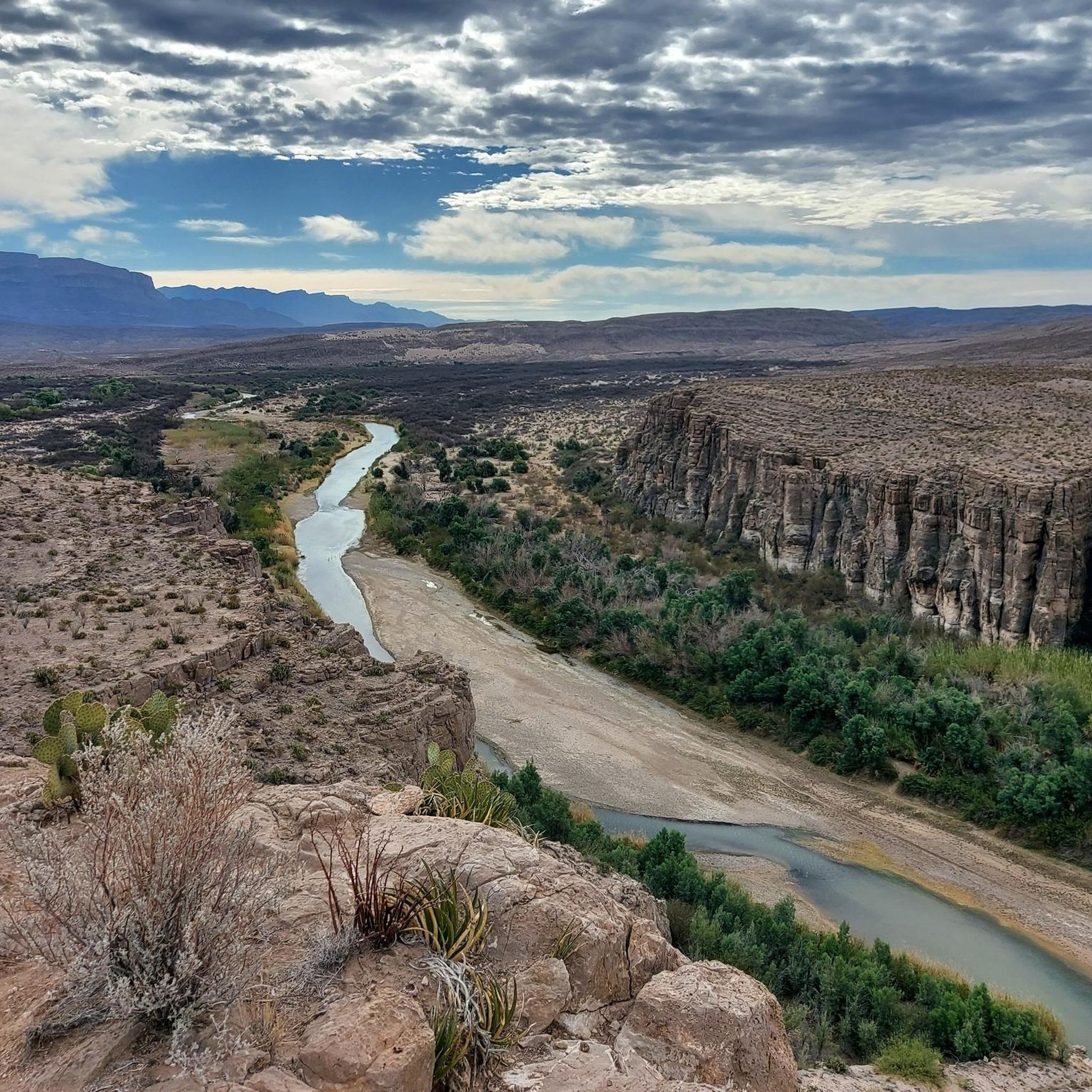
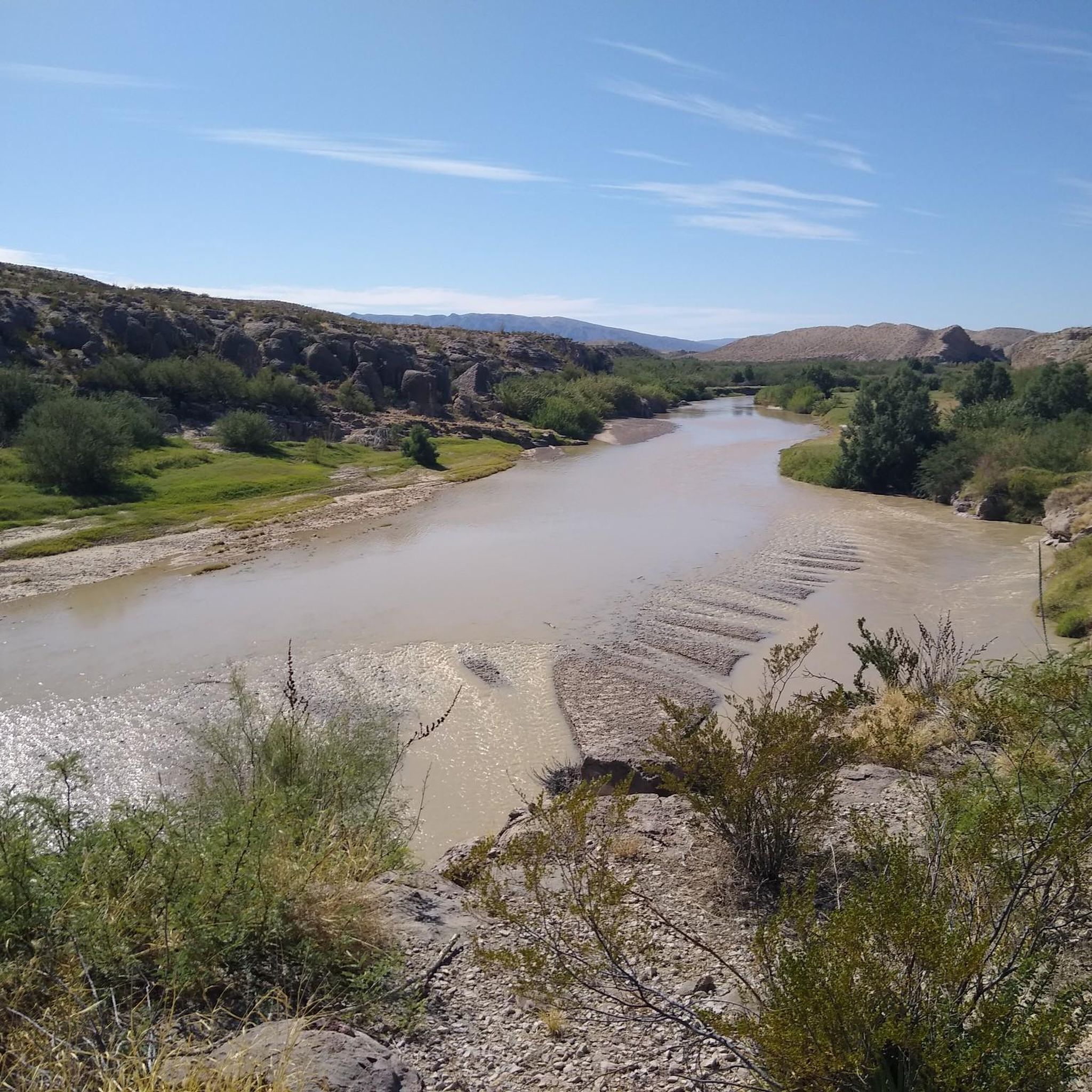
Other adventures in the Central Mexican Plateau

Tips from the Community

From the summit you can see far into Mexico, and across El Paso and southern New Mexico. The giant historic statue of Christ at the summit is both a scenic and spiritual destination.
0
0

Sierra Del Cristo Rey translates to "Mountain of Christ the King". It is a peak right on the border of Texas, New Mexico, and Mexico.
0
0
Sierra Del Cristo Rey translates to "Mountain of Christ the King". It is a peak right on the border of Texas, New Mexico, and Mexico. There is a cool statue at the top and view all along the trail. This one is smooth enough to really push the pace on the uphill and the downhill.
0
0

South Rim is a section of trail that offers wide-reaching views of the Chisos Basin and of the Chihuahuan Desert. It is thought of as some of the best scenery in Big Bend National Park. Sections of the trail are closed during peregrine falcon nesting season. Updates on this can be found on Big Bend's park website. South Rim Trail is a challenging climb with over 2,000 feet in elevation gain from its beginning at an intersection with Laguna Meadow Trail and Colima Trail. This trail is only accessed through Laguna Meadow or Boot Canyon (via Pinnacles) trails from the north or the East Rim Trail to the east.
0
0
Emory Peak is the highest point in Big Bend National Park at 7,796 feet. The summit provides panoramic views of the rocky peaks in Chisos Basin. The last quarter mile of the climb to this mountain top is steep and rocky. The last 25 feet to the summit requires scrambling along a rock face. There is very little shade along most of this trail and Texas's summer temps can be brutal. Make sure to pack appropriately.
0
0
Sierra Del Cristo Rey translates to "Mountain of Christ the King". It is a peak right on the border of Texas, New Mexico, and Mexico. There is a cool statue at the top and view all along the trail. This one is smooth enough to really push the pace on the uphill and the downhill.
0
0
At an elevation of 7,192 feet, North Franklin Mountain is the highest peak in the Franklin Mountains. Couple that statistic with the fact that the route to gain the peak is a little less burly than the route to South Franklin, and you have a recipe for a busier trail. You still probably won't see a ton of other runners and hikers once you make it up to the ridge.
0
0
South Franklin Mountain is a 6,791-foot peak in Franklin Mountain State Park. It's a little over 300 feet lower than the tallest peak in the range, North Franklin Mountain, but it doesn't lack in views. The Mammoth and Fusselman Canyon expand to the west and north, and you can see deep into Mexico from the summit when looking south.
0
0
Frequently Asked Questions
What are the most prominent mountain peaks in the Central Mexican Plateau region?
The Central Mexican Plateau is bordered by the Trans-Mexican Volcanic Belt, which features several iconic peaks. These include Pico de Orizaba, Mexico's highest mountain; the active stratovolcano Popocatépetl; Iztaccíhuatl, known as the 'Sleeping Woman'; Nevado de Toluca with its unique crater lakes; and the accessible La Malinche.
Which mountain peak in the Central Mexican Plateau is best for experienced mountaineers?
Pico de Orizaba (Citlaltépetl), Mexico's highest mountain at 5,636 meters (18,491 feet), is a major draw for experienced mountaineers globally. It offers challenging climbs with two main routes to the summit, providing breathtaking views and diverse ecosystems during the ascent.
Are there any active volcanoes in the Central Mexican Plateau region?
Yes, Popocatépetl, standing at 5,436 meters (17,835 feet), is one of Mexico's most active stratovolcanoes. While direct climbing is often prohibited due to its activity, it remains a majestic spectacle visible from Mexico City and surrounding areas.
Which mountain offers stunning panoramic views of other major peaks?
Iztaccíhuatl, Mexico's third-highest mountain, offers stunning panoramic views that often include its 'twin brother' Popocatépetl and Nevado de Toluca. Its proximity to Mexico City makes it a prominent and frequently visited peak for mountaineering and scenic vistas.
What unique natural features can I find at Nevado de Toluca?
Nevado de Toluca is an extinct volcano known for its unique, large caldera at the summit. This caldera contains two stunning crater lakes: Lake of the Sun (Lago del Sol) and Lake of the Moon (Lago de la Luna). It's a popular destination for hikers and photographers, especially for its distinct crater environment and potential for snow.
Which mountain is suitable for a wider range of hikers, including those looking for a relatively easier climb?
La Malinche (Malintzin), an inactive volcano at 4,420 meters (14,501 feet), is considered a relatively easy climb compared to other major volcanoes in the region. It features accessible hiking trails within a national park, making it suitable for a wider range of hikers. From its summit, you can enjoy spectacular views of the Trans-Mexican Volcanic Belt.
Are there historical sites near the mountain peaks of the Central Mexican Plateau?
Yes, the region around Popocatépetl offers historical attractions, including 16th-century Spanish monasteries built on its slopes. These sites provide insight into Mexico's colonial past and are recognized for their cultural significance.
What kind of outdoor activities can I do near the mountain peaks in the Central Mexican Plateau?
Beyond mountaineering and hiking on peaks like Iztaccíhuatl and La Malinche, the broader Central Mexican Plateau offers diverse outdoor activities. You can find various road cycling routes, MTB trails, and easy hikes. Activities like mountain biking, horseback riding, and camping are also popular, especially around La Malinche.
Are there family-friendly hiking options in the Central Mexican Plateau mountains?
While some major peaks are challenging, areas like the national park surrounding La Malinche offer accessible hiking trails suitable for families. Additionally, komoot features a guide for easy hikes in the Central Mexican Plateau, which includes trails like Balanced Rock and Santa Elena Canyon, providing less strenuous options for family outings.
What do visitors enjoy most about the mountain peaks in the Central Mexican Plateau?
Visitors are captivated by the dramatic volcanic landscapes, the challenge of high-altitude climbs, and the breathtaking panoramic views. The unique natural features, such as Nevado de Toluca's crater lakes, and the rich cultural heritage found in areas like Popocatépetl's slopes, also contribute to a memorable experience. The opportunity to witness diverse ecosystems during ascents is also highly appreciated.
Can I find viewpoints that offer expansive vistas of the Central Mexican Plateau?
Yes, many peaks and trails in the region offer expansive vistas. For instance, the summit of Emory Peak provides panoramic views of the rocky peaks in Chisos Basin. Similarly, Mount Cristo Rey offers views stretching into Mexico, El Paso, and southern New Mexico. The South Franklin Mountain summit and North Franklin Mountain also provide stunning desert scapes of Texas, New Mexico, and northern Mexico.
Most popular routes in the Central Mexican Plateau
Most popular attractions in the Central Mexican Plateau

Get inspired with the komoot mobile app


Explore more
See even more amazing summits in the Central Mexican Plateau with these guides:
