Top 10 Castles around Volterra
Best castles around Volterra are found in a historic town in Tuscany, known for its rich past and monumental buildings. The area features a landscape characterized by rolling hills and ancient fortifications. Volterra's strategic position offers panoramic views of the surrounding Valdicecina landscape. The region provides a blend of historical exploration and natural beauty for visitors.
Best castles around Volterra
- The most popular castles is Cistern Square, a historical site that is the heart of the medieval city, named…
Last updated: August 11, 2026
Cistern Square
Highlight • Historical Site
Translated by Google •
Tip by

Castello di Querceto
Highlight • Castle
Translated by Google •
Tip by

Sign up now to discover places like this
Get recommendations on the best single tracks, peaks, & plenty of other exciting outdoor places.
Sign up for free
Medici Fortress of Volterra
Highlight • Historical Site
Translated by Google •
Tip by

Castelvecchio Ruins
Highlight • Castle
Translated by Google •
Tip by

Rocca di Berignone (Castle of the Bishops)
Highlight • Castle
Translated by Google •
Tip by

Sign up for free to discover even more castles around Volterra.
Sign up for free
Already have an account?
Start today with a free account
Your next adventure awaits.
Login or Signup
Popular around Volterra
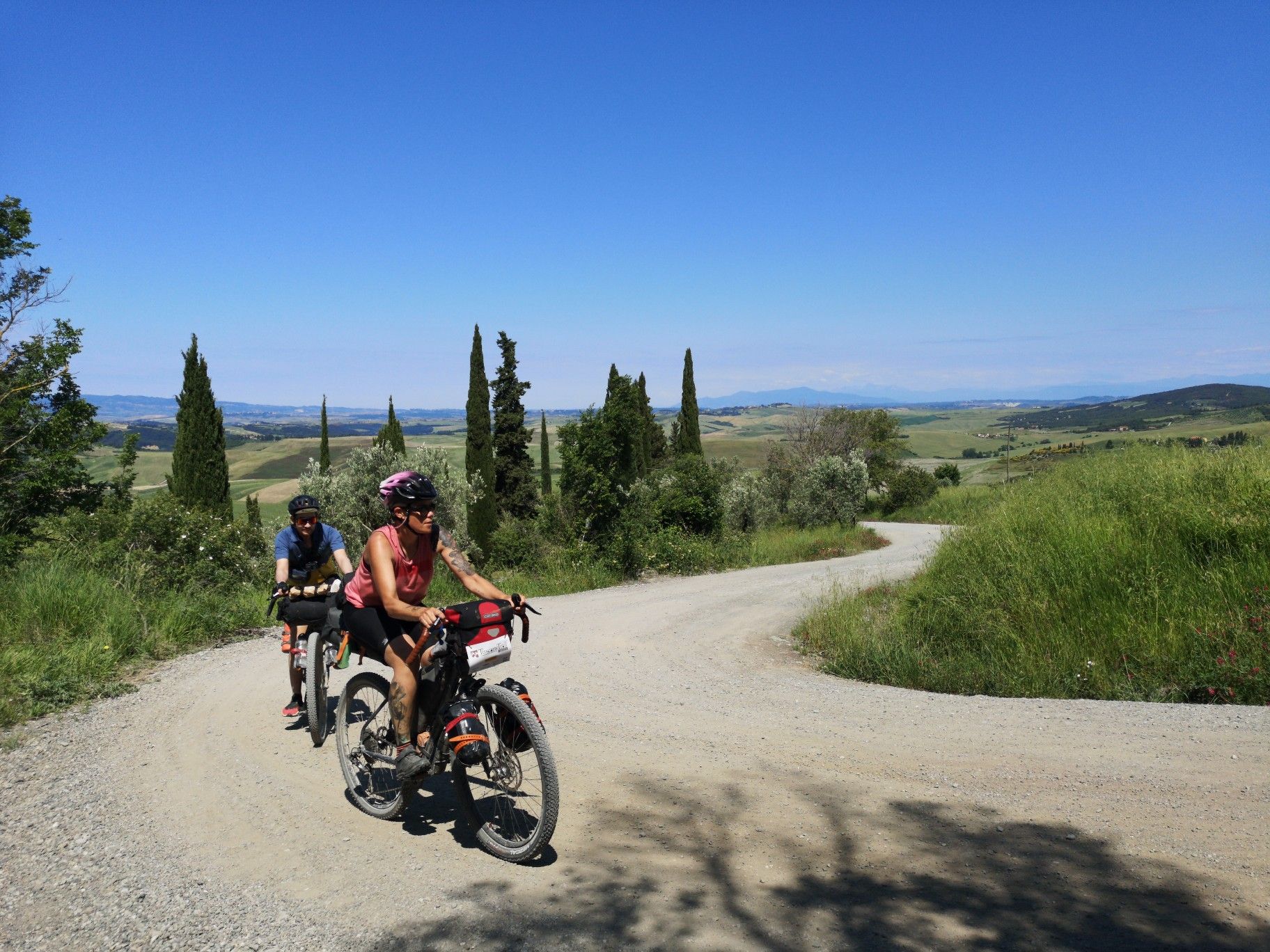
The Tuscany Trail – bikepacking in the heart of Italy
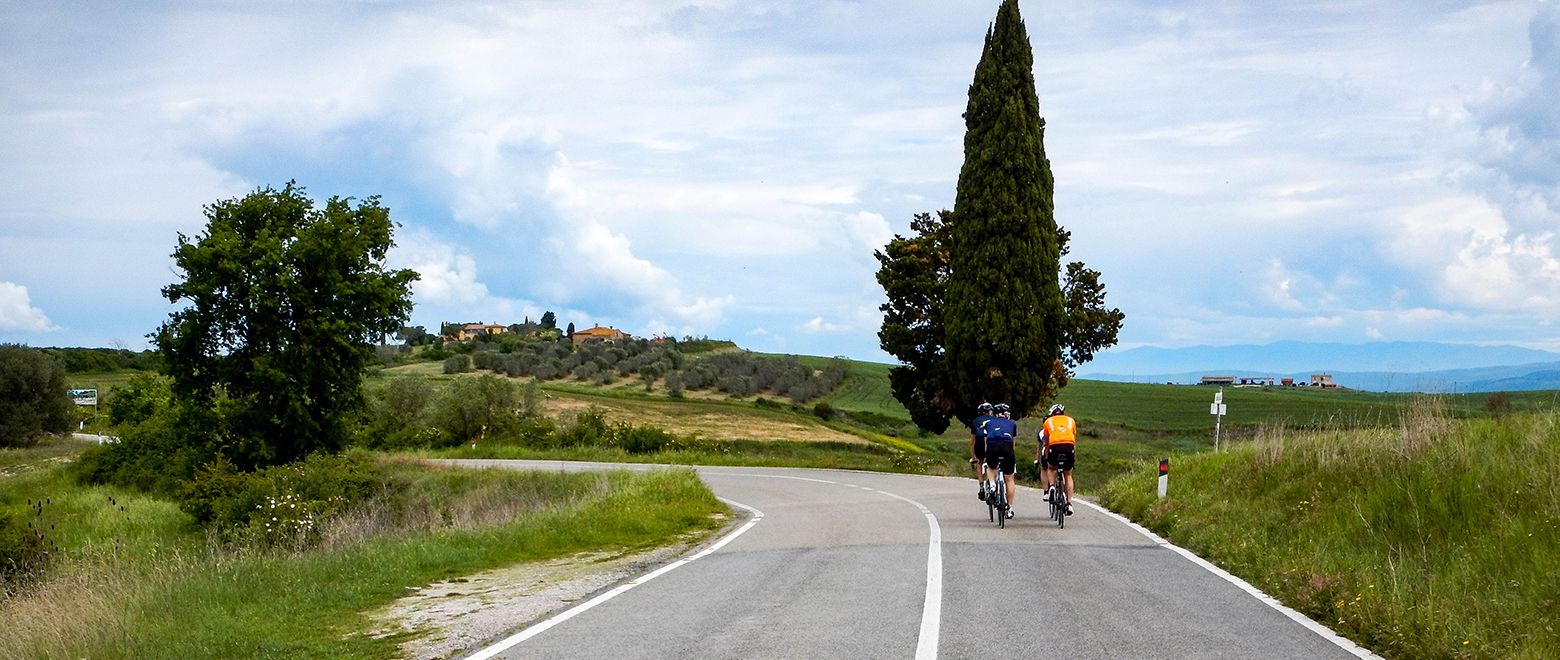
A heavenly week cycling in Tuscany

Terre di Pisa Bike Trail – 500 km in the saddle in beautiful Tuscany
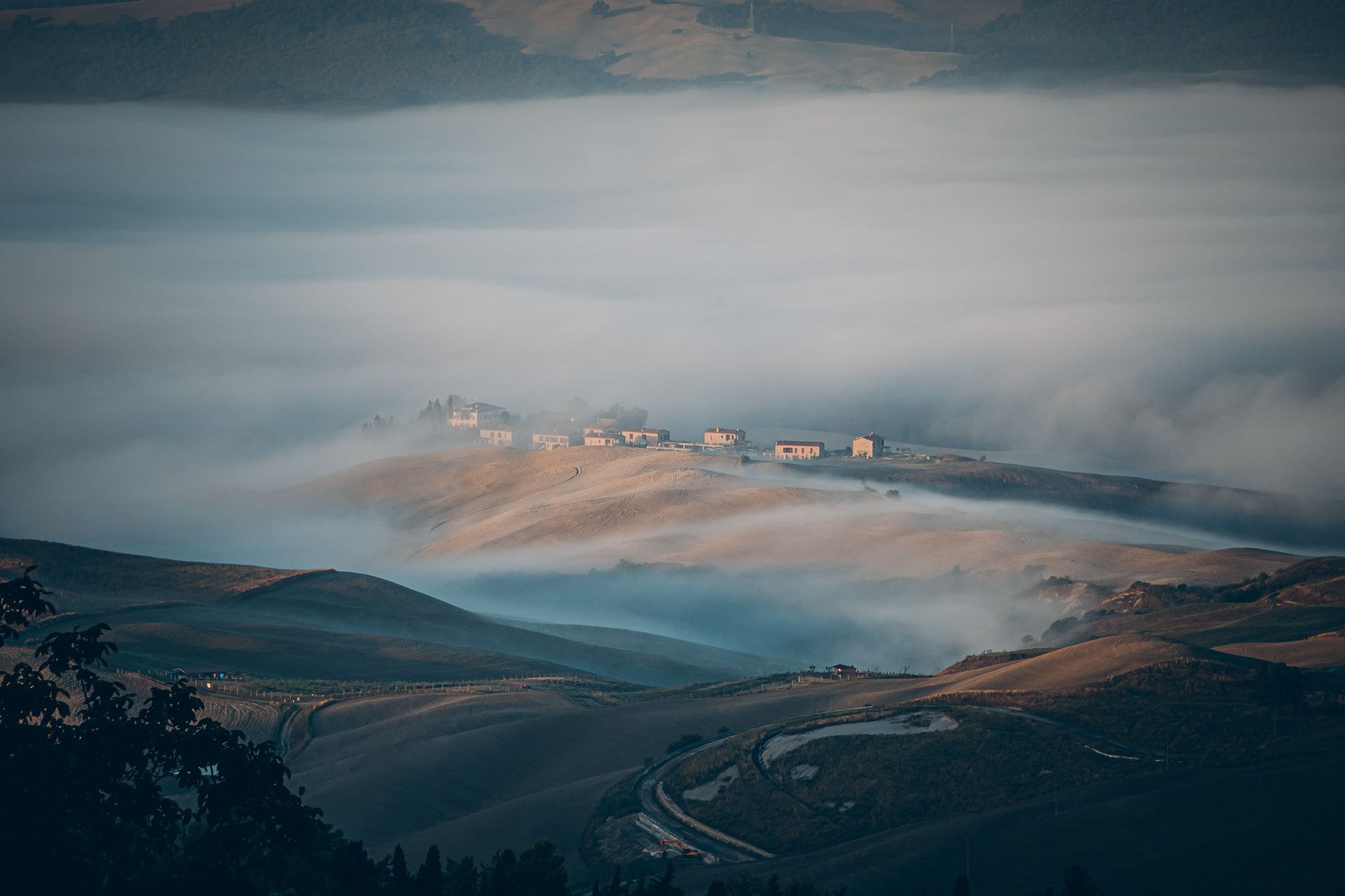
Between the Pisan hills and famous cliffs – Volterra and Valdicecina
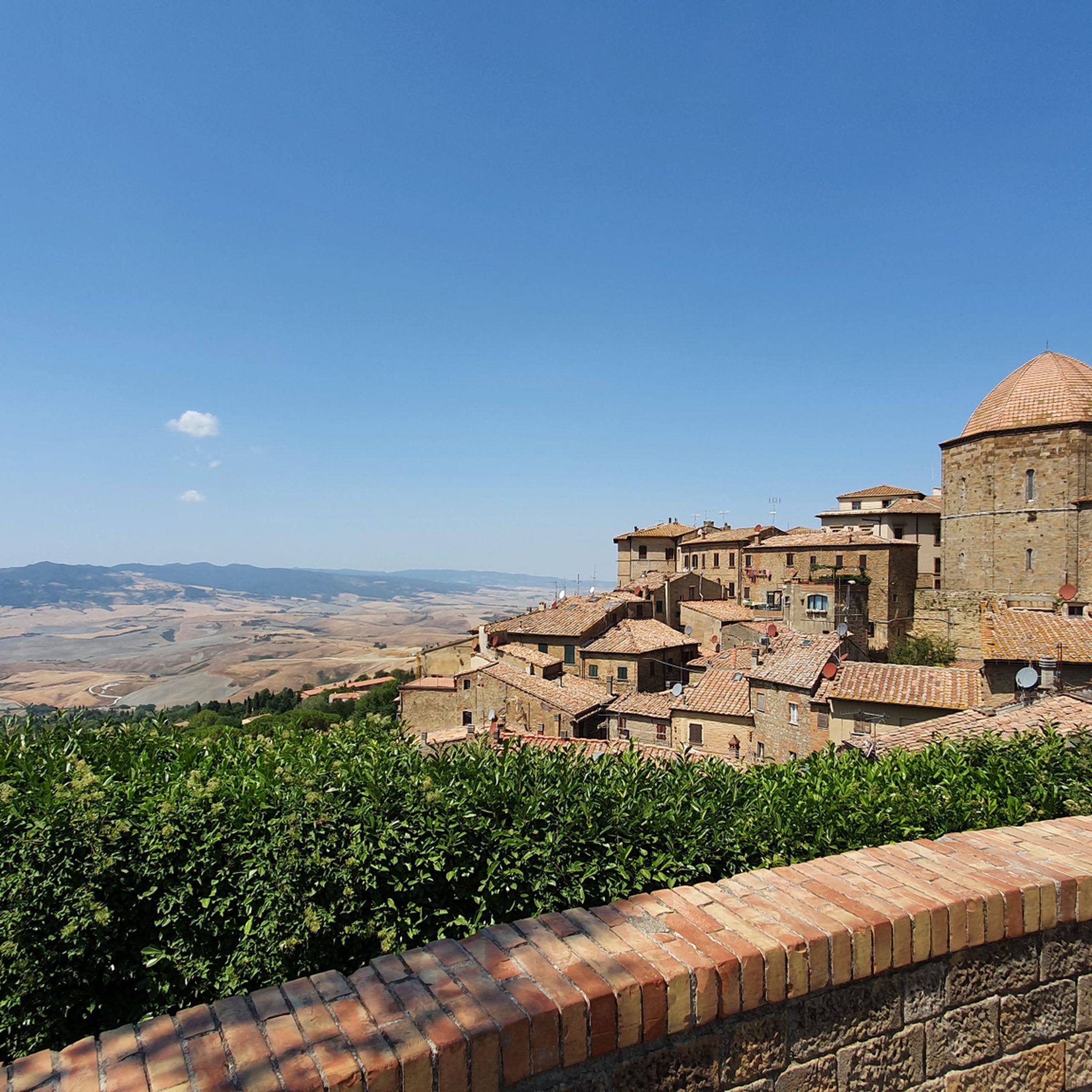
Hiking around Volterra
Road Cycling Routes around Volterra
Cycling around Volterra
MTB Trails around Volterra

Gravel biking around Volterra
Running Trails around Volterra
Other adventures around Volterra


Tips from the Community

The Castello di Querceto is a historic medieval fortress and a renowned winery located in the heart of Chianti Classico, precisely in the municipality of Greve in Chianti (FI). Since 1897, the property has belonged to the François family, who have transformed the estate into an international benchmark for Tuscan wine production.
0
0

A jewel nestled among the hills of Val di Cecina, Castello di Querceto dominates the landscape with its discreet and timeless elegance. 🚴♂️✨ 🌾 Surrounded by vineyards and white roads, it represents one of the most evocative points of passage in the area of Montecatini Val di Cecina. 📸 The contrast between the historic architecture of the castle and the Tuscan rural landscape makes it a perfect spot for a photo stop.
0
0

Castelvecchio in Val d'Elsa is an archaeological site with the ruins of a medieval castle, located near San Gimignano, in Tuscany. It is part of the Castelvecchio Nature Reserve, known for its diverse flora and fauna, including rare bird species such as the peregrine falcon.
0
0

The majestic and powerful fortress was built on the highest point of the city. Today it is used as a state prison.
0
0

Perched on a rocky spur in the Cecina valley, the Rocca di Berignone, also known as the Bishops' Castle or Torraccia, is a place that smells of history and legend. Already mentioned in 896, it was a bastion of the episcopal power of Volterra, a refuge and symbol of resistance in the struggles against the Municipality. Besieged, rebellious, conquered by the Sienese in 1399, it then began its slow decline. Today, its imposing ruins emerge among the woods of Berignone, silent witnesses of a tumultuous past, framed by a landscape that still retains a wild and fascinating aura.
4
0

Panoramic viewpoint with stone tower can only be reached on foot from the ruins.
0
0

The small, medieval hamlet of Querceto, dating back to 1082, is located on Monte Aneo at an altitude of 260 m above the Cecina River. Querceto means "oak forest" and can only be reached via a narrow, winding path. The ascent and descent are challenging and are a great destination for racing cyclists who love altitude.
1
0
Worth a visit at any time of year.
1
0
Frequently Asked Questions
What is the historical significance of the main fortress in Volterra?
The Medici Fortress of Volterra, or Fortezza Medicea, is a powerful symbol of Florentine dominance and the strategic importance of Volterra during the Renaissance. It served as both a military stronghold and a political prison for centuries, asserting control over the region. It's considered one of the finest examples of Renaissance military architecture.
Can I visit the Medici Fortress in Volterra?
The Medici Fortress of Volterra currently functions as a medium-security prison, so it is generally not open to the public for regular tours. However, there are rare special occasions, such as the "Cene Galeotte" events, where parts of the fortress can be visited for a unique dinner experience. The "Mastio" Tower is also occasionally open for visits during the summer season. You can admire its grandeur from the city walls and various viewpoints in Volterra.
What is the Palazzo dei Priori and can I visit it?
The Palazzo dei Priori is Volterra's monumental civic building, recognized as the oldest continuously operating seat of local government in Tuscany, built between 1208 and 1257. While not a traditional castle, it features defensive elements and Gothic architecture. You can visit its interior to see artworks and the Council Chamber, and ascend the Civic Tower for panoramic views across the town and countryside. More information can be found on Wikipedia.
Are there any ancient castle ruins to explore near Volterra?
Yes, you can explore the Castelvecchio Ruins, which are immersed in dense forests. Here, you'll find the foundations of several buildings, including a keep, the Church of San Frediano, and a monumental water collection tank, all surrounded by walls from 1208. Another significant ruin is the Rocca di Berignone (Castle of the Bishops), perched on a rocky spur, offering a glimpse into a tumultuous past amidst a wild and fascinating landscape.
What kind of natural features or viewpoints can I expect near Volterra's castles?
Volterra's strategic position offers breathtaking panoramic views of the surrounding Valdicecina landscape. From the Medici Fortress and the Civic Tower of the Palazzo dei Priori, you can enjoy expansive vistas. The Castelvecchio Ruins are nestled within dense forests of turkey oaks, oaks, and holm oaks, providing a unique natural context for historical exploration.
Are there family-friendly historical sites around Volterra?
While the main fortress has limited access, the Cistern Square in Volterra is a historical site that serves as the heart of the medieval city, surrounded by towers and palaces, offering an engaging glimpse into the town's past for families. Additionally, the Castello di Querceto, located in a delightful hamlet, can be a pleasant visit for families, especially if interested in wine tourism tours.
What unique experiences are offered at the castles or historical sites?
At the Medici Fortress, you might have the rare opportunity to attend "Cene Galeotte" events, where guests can experience a unique dinner prepared by supervised prisoners. The Castello di Querceto offers wine tourism tours, allowing visitors to explore the ancient castle and enjoy local wines.
What outdoor activities can I do near these castles around Volterra?
The area around Volterra offers various outdoor activities. You can find numerous routes for gravel biking, cycling, and mountain biking. These routes often pass through scenic landscapes and offer views of historical sites. For example, you can find challenging MTB trails that lead to places like the Castelvecchio Ruins.
Are there specific hiking trails near the castles around Volterra?
While specific hiking trails directly to every castle aren't detailed, the paths leading to the Castelvecchio Ruins are described as challenging but rewarding, winding through dense forests. The region's MTB trails and gravel biking routes often double as excellent walking paths, allowing you to explore the countryside and reach various historical points of interest.
What is the best time of year to visit the castles and historical sites around Volterra?
Tuscany generally enjoys pleasant weather in spring (April-May) and autumn (September-October), making these ideal times to visit. The temperatures are milder, and the landscapes are beautiful, perfect for exploring historical sites and engaging in outdoor activities without the intense heat of summer. Summer can also be a good time, especially if you plan to visit the Mastio Tower of the Medici Fortress, which is occasionally open during this season.
How long does it typically take to visit the main historical sites in Volterra?
To fully appreciate the Medici Fortress from the outside, explore the Palazzo dei Priori (including ascending its tower), and wander through the Cistern Square and the medieval town, you would likely need a full day. If you plan to venture out to sites like the Castelvecchio Ruins or the Rocca di Berignone, which involve more challenging access, allocate additional time, possibly another half to full day per site.
Most popular routes around Volterra
Most popular attractions around Volterra

Get inspired with the komoot mobile app


Explore more
Looking for the best castles somewhere else? Discover other guides around Volterra:
