Attractions and Places To See around Torres Novas (São Pedro) - Top 10
Best attractions and places to see around Torres Novas (São Pedro) include a mix of historical landmarks, natural features, and cultural sites. The region is traversed by the Almonda River and is close to the Parque Natural das Serras de Aire e Candeeiros, offering diverse landscapes. Evidence of Roman occupation and medieval strategic importance is present throughout the area. Visitors can explore ancient ruins, a historic castle, and significant natural monuments.
Best attractions and places to see around Torres Novas…
Last updated: May 8, 2026
Moitas Venda
Highlight • Settlement
Translated by Google •
Tip by

Serras de Aire e Candeeiros Natural Park
Highlight (Segment) • Natural Monument
Tip by

Sign up now to discover places like this
Get recommendations on the best single tracks, peaks, & plenty of other exciting outdoor places.
Sign up for free
Cimo da Lagoa
Highlight • Viewpoint
Translated by Google •
Tip by

Birds of prey, storks
Highlight • Natural
Translated by Google •
Tip by

Ploughs and all those birds
Highlight • Natural
Translated by Google •
Tip by
Sign up for free to discover even more attractions around Torres Novas (São Pedro).
Sign up for free
Already have an account?
Start today with a free account
Your next adventure awaits.
Login or Signup

Tips from the Community

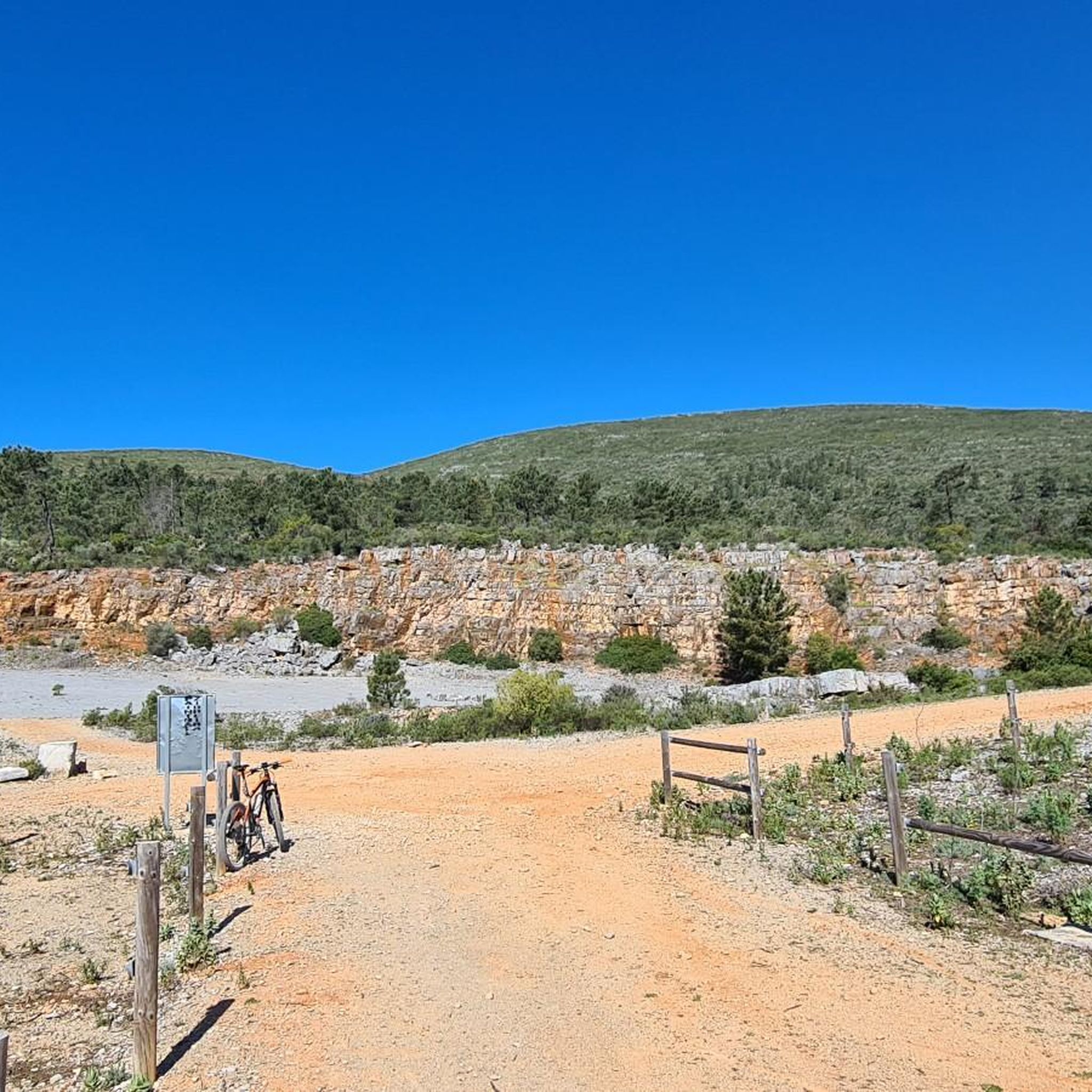
The region is ideal for nature tourism and outdoor activities: Cabeço de Santa Marta: An imposing natural viewpoint offering panoramic views and a central point for trekking and mountain biking routes. Trails and Routes: The parish is crossed by several routes, such as the Santa Marta Route (PR11 ACN), popular with hikers and mountain bikers. Climbing: There is a dedicated climbing area at Cabeço de Santa Marta. Heritage: Local history can be explored in the exhibition "From Saint Peter to Saint Martha," which celebrated the parish's 100th anniversary at the Alcanena Municipal Museum.
1
0
Moitas Venda is a Portuguese parish belonging to the municipality of Alcanena, in the district of Santarém. Situated between the Serra de Aire and the Serra dos Candeeiros mountain ranges, the town celebrated its centenary of elevation to parish status in 2025 (created on April 11, 1925).
1
0

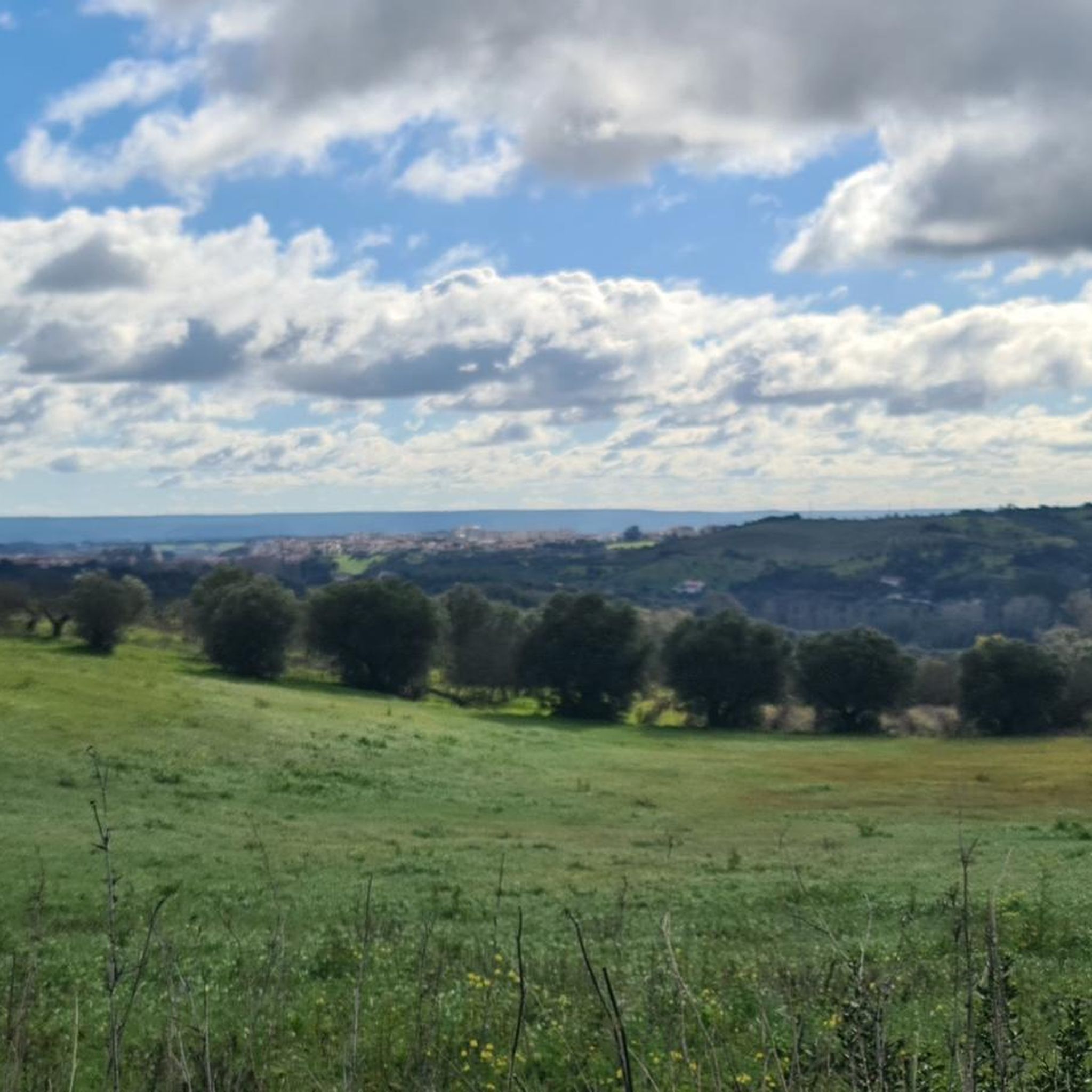
From the top of the lake, amidst the lush greenery, you can see what was once the scene of giants: the Dinosaur Footprints Natural Monument stretches out nearby, revealing the grandeur of times gone by. This is the highest point in the area, ideal for contemplating the vastness of the site. For those who enjoy running, the trails here are pure pleasure — to the north, dirt roads invite you to run at a smooth pace; to the south, the rocky terrain brings a touch of challenge. And the landscape, wide and serene, is the perfect bonus for every step.
2
1

They are white storks. A long-distance migratory bird, wintering in Africa from sub-Saharan Africa to South Africa or even the Indian subcontinent. When migrating between Europe and Africa, the bird avoids crossing the Mediterranean and detours through the Levant to the east or the Strait of Gibraltar to the west, because the air thermals on which the bird depends do not form over water. The white stork feeds on a wide variety of animals, including insects, fish, amphibians, reptiles, small mammals, and small birds. It gathers most of its food from the ground in areas with low vegetation or in shallow water.
1
0
The birds in the pictures are grey herons, also known as white herons.
0
0

such a variety and multitude of birds here
15
0
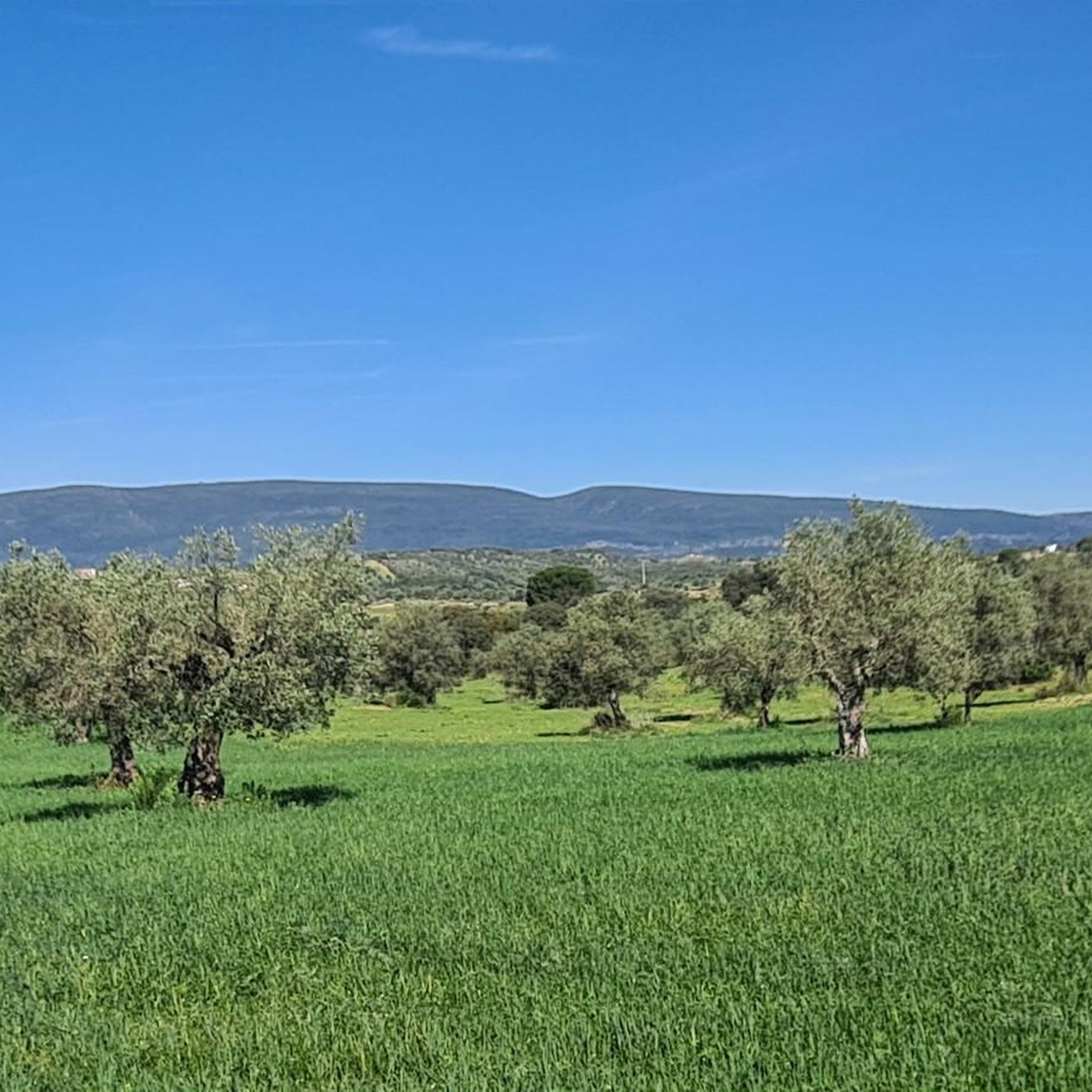
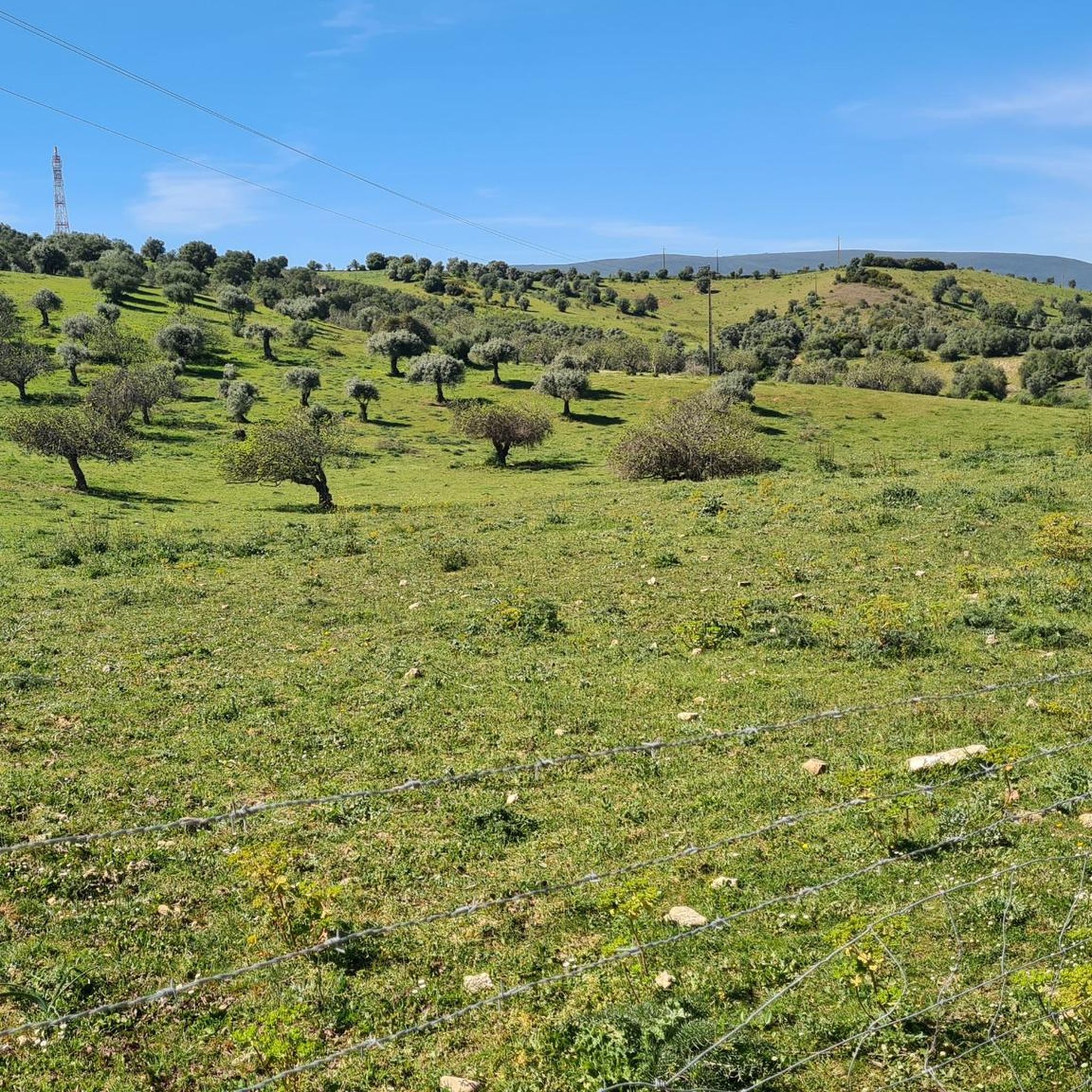
There is a lot of food to be found behind the plow
14
0

Fátima is a city in central Portugal that houses the Sanctuary of Fátima, a place of Catholic pilgrimage. The Capelinha das Aparições marks the spot where the Virgin Mary allegedly appeared in 1917. Other sacred sites include the Basilica of Nossa Senhora do Rosário, with its golden angels, and the modern Church of the Holy Trinity. The Museum of Sacred Art and Ethnology displays religious artefacts.
2
0
Frequently Asked Questions
What natural features can I explore around Torres Novas (São Pedro)?
The region offers diverse natural landscapes. You can visit the Serras de Aire e Candeeiros Natural Park, known for its limestone caves and hiking trails. The Almonda River traverses the town, offering charming garden areas for leisurely strolls. For birdwatching, the Reserva Natural do Paul do Boquilobo, about seven kilometers away, is a significant protected area, especially for storks and other birds.
Are there historical landmarks to visit in Torres Novas (São Pedro)?
Yes, the area is rich in history. Explore the medieval Castle of Torres Novas with its eleven turrets and panoramic views. Discover the ancient Roman Ruins of Vila Cardílio, a National Monument featuring intricate mosaics and remains of baths. The Church of São Pedro, a 14th-century Gothic structure, is also a significant cultural landmark.
What kind of outdoor activities can I do near these attractions?
The region is excellent for outdoor enthusiasts. You can find numerous hiking trails, including those within the Serras de Aire e Candeeiros Natural Park. For more specific routes, consider exploring the options for hiking around Torres Novas (São Pedro), cycling, or mountain biking.
Where can I see dinosaur footprints?
About five kilometers south-east of Torres Novas, you can visit the Monumento Natural das Pegadas de Dinossáurios de Ourém/Torres Novas. This natural monument preserves exceptionally clear 175-million-year-old dinosaur footprints, including sauropod and theropod tracks, across 6,000 m² of rock. The Cimo da Lagoa viewpoint offers excellent views of this site.
Are there any museums in the area?
Yes, the Carlos Reis Municipal Museum in Torres Novas is dedicated to the renowned 19th-century Portuguese painter Carlos Reis, showcasing his landscape paintings and portraits. A short distance away in Entroncamento, the National Railway Museum delves into 160 years of Portugal's rail travel history.
What is Moitas Venda known for?
Moitas Venda is a settlement situated between the Serra de Aire and Serra dos Candeeiros mountain ranges. It's recognized as an ideal spot for nature tourism and outdoor activities, including trekking and mountain biking routes like the Santa Marta Route. There's also a dedicated climbing area at Cabeço de Santa Marta.
Are there any interesting caves or underground formations to visit?
Just two kilometers from Torres Novas, you can explore the Grutas de Lapas. These are a spectacular labyrinth of tunnels carved from soft tufa rock, whose origin and purpose remain a mystery, with theories ranging from Neolithic shelters to medieval mines.
What is the best time to visit Torres Novas (São Pedro) for attractions and outdoor activities?
The region hosts various cultural events throughout the year, including traditional festivals in July, a dried fruit fair in October, and the gastronomic Festival of the Goat in March. For outdoor activities like hiking, spring and autumn generally offer pleasant temperatures. Summer can be warm, but the natural parks and river areas provide cooler spots.
Are there any viewpoints offering scenic panoramas?
Yes, Cimo da Lagoa is the highest point in the area, providing expansive views, including the Dinosaur Footprints Natural Monument. The outer curtain of the Castle of Torres Novas also offers panoramic views of the Ribatejo region.
What are some other cultural or religious sites worth seeing?
Beyond the Church of São Pedro, you can visit the historic Churches of São Salvador, Santa Maria do Castelo, and São Tiago. The Chapel of Nossa Senhora do Vale is another point of religious and architectural interest in Torres Novas, contributing to the town's rich heritage.
Can I find any historical mills in the area?
Yes, the region has historical connections to agricultural practices. You can find the Moinhos da Pena, which are points of interest, and the Moinho dos Duques (Dukes' Mill), a water mill historically powered by the Almonda River.
Most popular routes around Torres Novas (São Pedro)

Get inspired with the komoot mobile app


Explore more
Still not found the Highlight you’re looking for? See guides of the top attractions in other regions:
