The best cycling routes around South Varanki
4.0
(10)
102
riders
9
rides
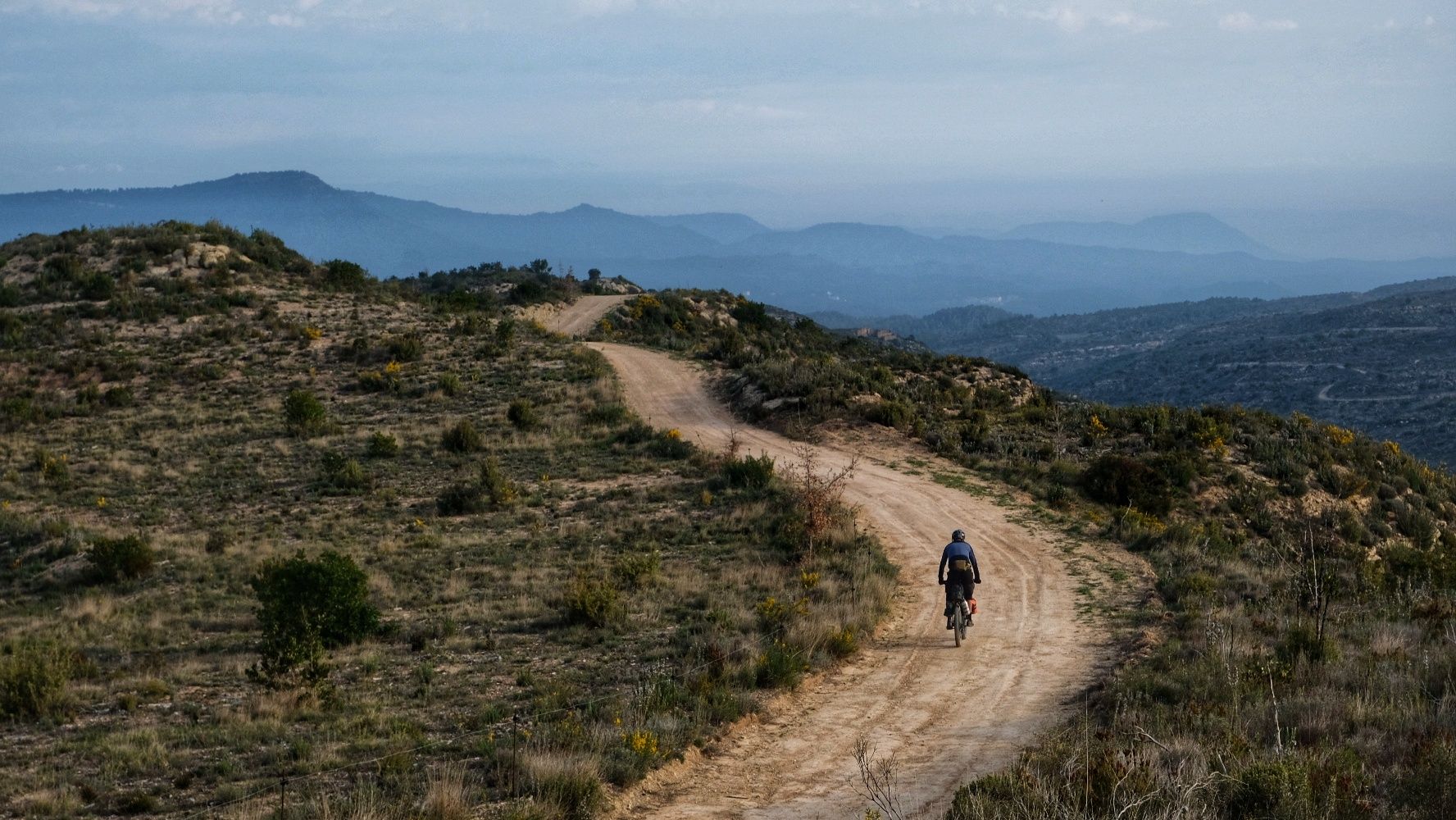
Touring cycling around South Varanki, primarily centered in Norway's Sør-Varanger Municipality, features a landscape of low-lying pine and birch forests, interspersed with barren sections near the Barents Sea. The region includes the Pasvik Valley, known for its Russian and Siberian taiga flora, and is characterized by numerous lakes and fjords. Cyclists can expect routes that traverse varied terrain, from coastal areas to forested valleys.
Best touring cycling routes around South Varanki
- The most popular touring cycling route is Kirkenes to…
Last updated: July 21, 2026
3.5
(4)
32
riders
91.8km
05:42
940m
940m
This difficult 57.0-mile (91.8 km) touring cycling route from Kirkiness to Neiden offers Arctic landscapes and diverse nature with 3072 feet
5
riders
15.4km
01:01
130m
130m
Cycle an easy 9.5-mile route through Kirkeneshalvøya wildlife sanctuary, enjoying Arctic scenery and views of Lake Prestevatn.

Sign up for free
5.0
(1)
22
riders
117km
08:23
1,450m
1,450m
Hard bike ride. Very good fitness required. Mostly paved surfaces. Suitable for all skill levels.
3.0
(1)
15
riders
40.2km
02:39
340m
340m
Moderate bike ride. Good fitness required. Mostly paved surfaces. Suitable for all skill levels.
4.5
(2)
11
riders
Hard bike ride. Very good fitness required. Mostly paved surfaces. Suitable for all skill levels.
Get access to more routes and recommendations from other explorers.
Sign up for free
Already have an account?
Our route recommendations are based on thousands of hikes, rides, and runs completed by other people on komoot.
Start today with a free account
Your next adventure awaits.
Login or Signup


Tips from the Community

A peaceful gravel path with a nice view of the lake and the bridge. Suitable for all bike types.
0
0

From here it is 5km to the camping and restaurant Fjellstue
0
0
From Kirkenes, a Hurtigruten or Havila ship departs daily for Bergen, the first stop being Vardø.
2
0

Until the border agreement between Russia and Norway/Sweden, concluded in 1826, the area around Neiden belonged to the so-called "Common District." The border with Russia – from 1751 – ran at Bugeyfjord, a few kilometers to the west. The Common District was of considerable importance to Russia in terms of economic cooperation (fish and reindeer), as was the spiritual care provided by Boris Gleb. This included the small St. George Chapel in Neiden. After the new border agreement, the new area came under the Vadse church administration. In 1840, the question arose of the need to build a new chapel on the south side of the Varangerfjord. The bishop suggested Korsfjord, the area that also included Neiden. At that time, about 400 people lived in this area, mostly Sami. And, in the bishop's opinion, they should hear God's word in their own language. In 1858, Ser-Varanger became a separate municipality. With a church, built on a site called "Kirkenes." Geographically well-located for the entire municipality. However, this is probably not the real reason. Rather, it is its importance as a border municipality in relation to Russia. This national issue becomes clearly apparent when Grenz Jakobselv received its own chapel in 1869. This was intended to be a place of worship for the population in the border area and a border guard at Norway's outermost border post. In 1874, the new Russian church in Boris Gleb was completed. It was red in color, with gilded domes and room for more people than the population of the region. Perhaps this was an expression of Russian expansion, as at the same time there was a rumor that the Russians wanted to build a new chapel in Neiden to replace the "unsightly Russian Chapel." In the second half of the 19th century, there was significant immigration of Finnish people to the Neiden area. These immigrants were mostly "Læstadians," and preachers came from Finland. In Neiden, one could find both books and magazines in the "Kvaener" language. Therefore, the Norwegian administration was interested in strengthening the Norwegian counterweight. Especially through schools, churches, etc. Therefore, it was in both the national and local interest that a chapel be built in Neiden. In 1898, 26 fathers from Neiden, Munkefjord, and Korsfjord submitted a request for the construction of a chapel with an adjacent cemetery, built with public funds. The justification for this request also emphasized the national question. Supported by the mayor and the county council, Karl Norum was chosen as the architect. He was employed by a timber trading company in Trondheim. Norum was fascinated by Norwegian history, especially Viking finds and stave churches. He designed a church as an expression of "Norwegian culture in national unity in a border region." This church, like seven other churches, was prefabricated as a kit in Mostadmarka near Hommelvik. The chapel in Neiden is considered one of Norum's finest works and has been described as a "pearl of Norwegian National Romantic architecture." The chapel was consecrated on July 13, 1902, in the presence of the Church Council, the bishop, the bailiff, and the Finnmark clergy. State Councilor Wexelsen, who had been a staunch advocate for the chapel's construction, presented King Oscar with eleven silver altar receptacles and a copper baptismal font with a jug. The chapel had 155 seats and cost 32,900 kroner.
1
0

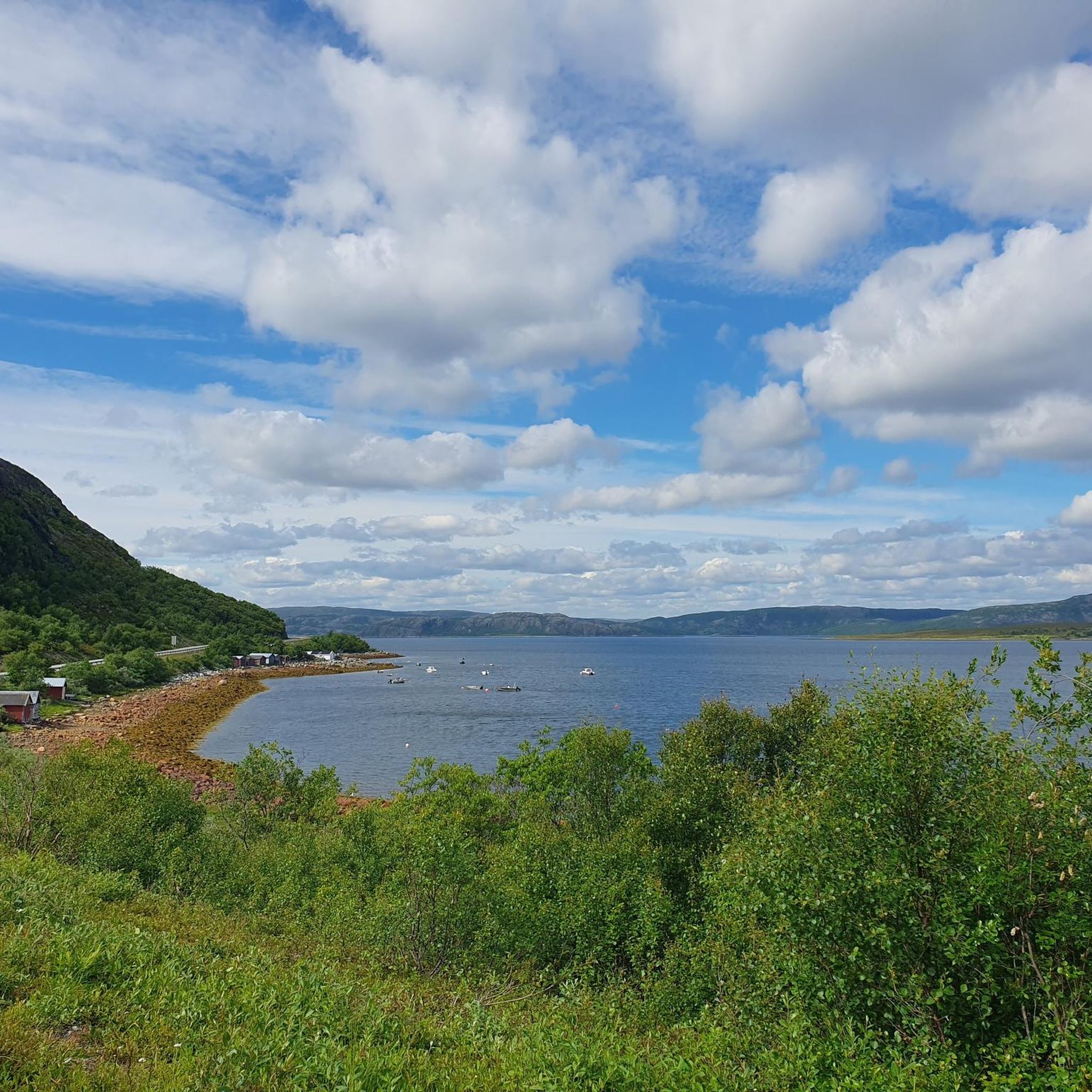
nice bush camp spot at the lake. Not the very best grass ground, but peaceful. We hardly had any mosquitos (end of July).
0
0

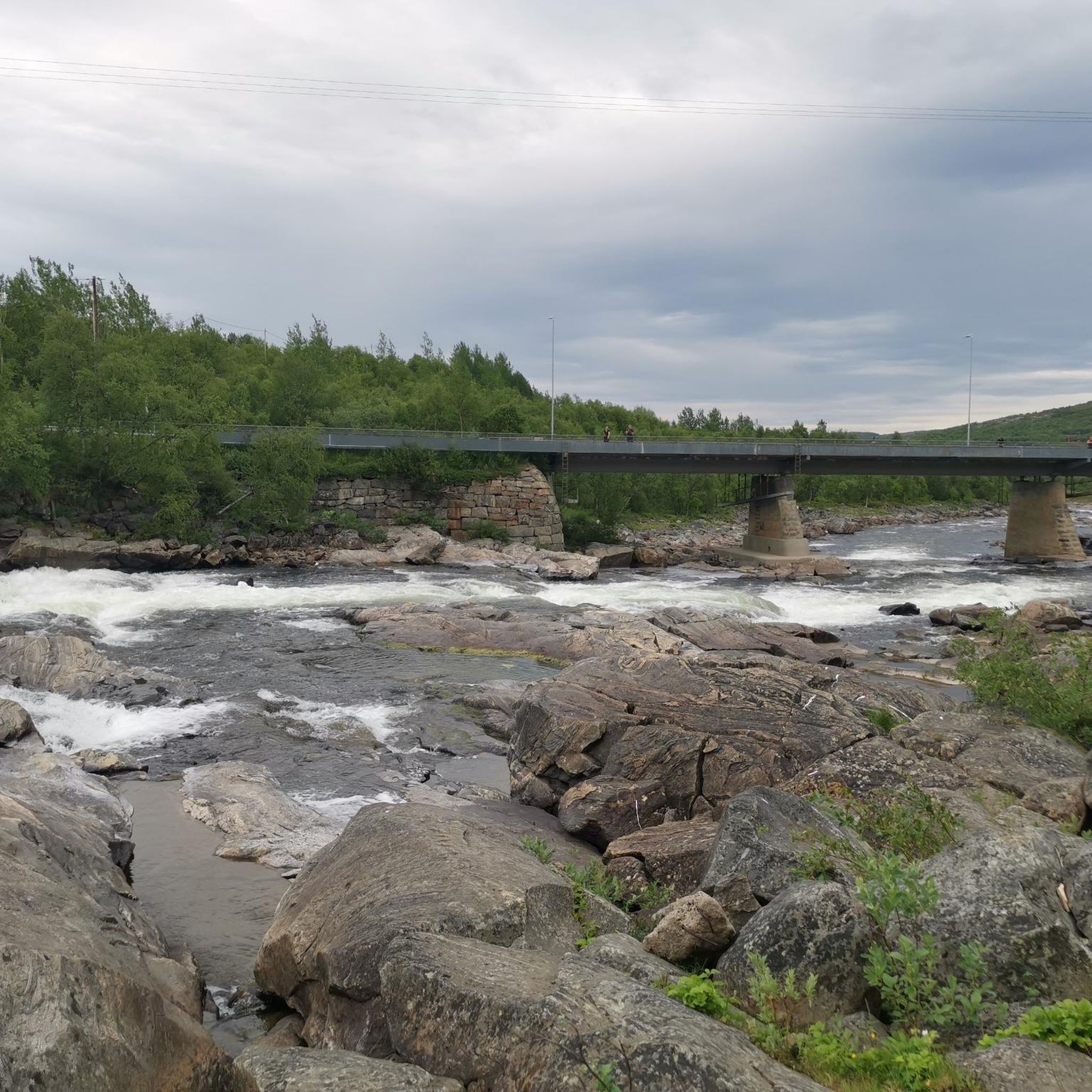
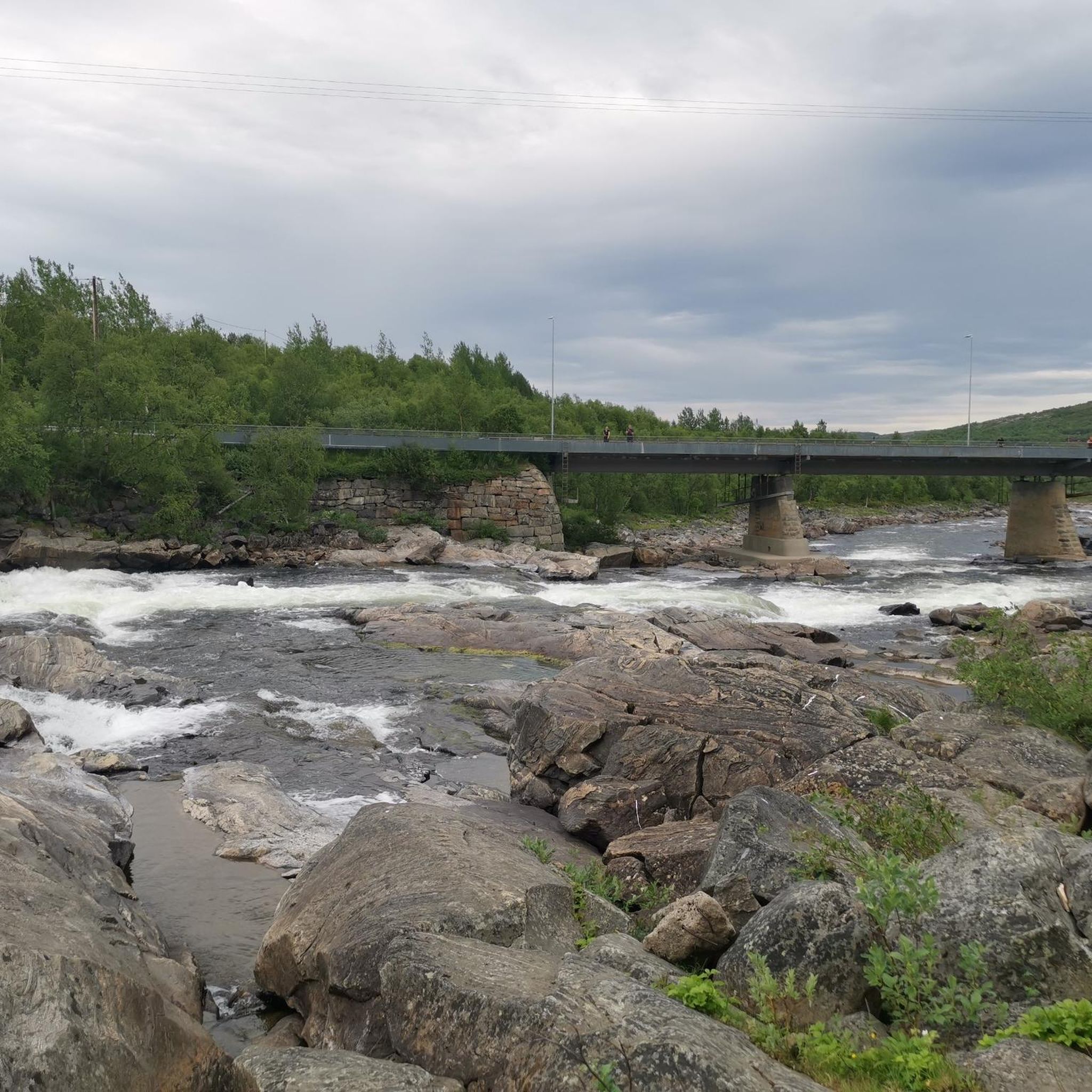
Waterfall or rapids, 🤔 Definitely a great nature experience. A short stop that was worth it.
1
0

Beautiful but very simple church, picturesquely situated on a mountain slope
1
0

The beautiful chapel was inaugurated in 1869 and named after him four years later after a visit by the Swedish King Oscar II.
1
0
Frequently Asked Questions
What kind of terrain can I expect on touring cycling routes in South Varanki?
Touring cycling in South Varanki, particularly around Norway's Sør-Varanger Municipality, offers a diverse landscape. You'll encounter low-lying forests of pine and birch, coastal paths near the Barents Sea, and routes traversing the scenic Pasvik Valley. The region features numerous lakes and fjords, providing varied and picturesque cycling experiences.
Are there easy touring cycling routes suitable for beginners in South Varanki?
Yes, South Varanki offers several easy touring cycling routes perfect for beginners. For instance, the Kirkeneshalvøya Loop is an easy 15.4 km path that provides scenic views around the Kirkenes Peninsula, taking just over an hour to complete. There are 4 easy routes available in total.
What are some challenging touring cycling routes for experienced riders?
Experienced touring cyclists looking for a challenge will find several demanding routes. The Kirkenes to Neiden on the Coastal Route is a difficult 91.8 km trail with significant elevation gain, typically taking nearly 6 hours. Another challenging option is the Grense Jakobselv – Norway's Oldest Mountain loop from Kirkenes, a 117.1 km route that can take over 8 hours.
Are there any circular touring cycling routes in South Varanki?
Yes, there are several excellent circular touring cycling routes. A popular choice is the Kirkeneshalvøya Loop, which offers a scenic ride around the Kirkenes Peninsula. For a longer, more challenging loop, consider the Grense Jakobselv – Norway's Oldest Mountain loop from Kirkenes.
What historical or cultural landmarks can I explore along the cycling routes?
South Varanki offers several interesting historical and cultural landmarks. You can visit the Andersgrotta World War II Bomb Shelter or the Soviet Liberation Memorial in Kirkenes. The region also features the Airship 'Norge' Mooring Mast, offering a glimpse into aviation history.
What natural attractions or scenic viewpoints can I find while cycling?
The region is rich in natural beauty. You can cycle through the Kirkenes Peninsula Nature Reserve, known for its accessible hiking areas and scenic views. The Pasvik Valley, with its unique Russian and Siberian taiga flora, and the numerous lakes and fjords like Korsfjorden, provide stunning natural backdrops for your rides.
What do other touring cyclists say about their experience in South Varanki?
The touring cycling routes in South Varanki are highly regarded by the komoot community, with an average score of 3.9 stars from over 9 reviews. Cyclists often praise the diverse landscapes, from coastal views to forested valleys, and the variety of routes available for different skill levels.
Is South Varanki suitable for family-friendly touring cycling trips?
Yes, South Varanki has options for family-friendly touring cycling. The easier routes, such as the Kirkeneshalvøya Loop, are generally shorter and less strenuous, making them suitable for families with children or those preferring a more relaxed pace. Always check the route difficulty and length to match your family's abilities.
What is the best time of year for touring cycling in South Varanki?
The best time for touring cycling in South Varanki is typically during the warmer months, from late spring to early autumn. This period offers more favorable weather conditions, longer daylight hours, and accessible routes. The region's northern location means winters are cold and snowy, making cycling challenging.
Are there any unique natural features or wildlife to look out for?
Absolutely. The Pasvik Valley, which borders Russia, is particularly unique, featuring Russian and Siberian taiga flora, including Russian variety spruce trees. This area is also known to be home to bears, especially in the Øvre Pasvik National Park and Pasvik Nature Reserve. Keep an eye out for diverse birdlife and other Arctic wildlife.
How many touring cycling routes are available in South Varanki?
There are nearly 10 touring cycling routes available in South Varanki, offering a range of difficulties from easy to difficult. This provides ample choice for cyclists of all experience levels to explore the region's unique landscapes.
Can I find places to stay or eat along the touring cycling routes?
While specific cafes, pubs, or accommodations are not detailed for every route, Kirkenes, being the primary hub of Sør-Varanger Municipality, offers various options for lodging and dining. It's advisable to plan your stops, especially on longer routes, as services may be sparse in more remote areas.
Most popular routes around South Varanki
Most popular attractions around South Varanki

Get inspired with the komoot mobile app


Explore more
Browse the best Cycling routes in other regions.
