The best road cycling routes around the Patsoyoki
5.0
(1)
14
riders
3
rides
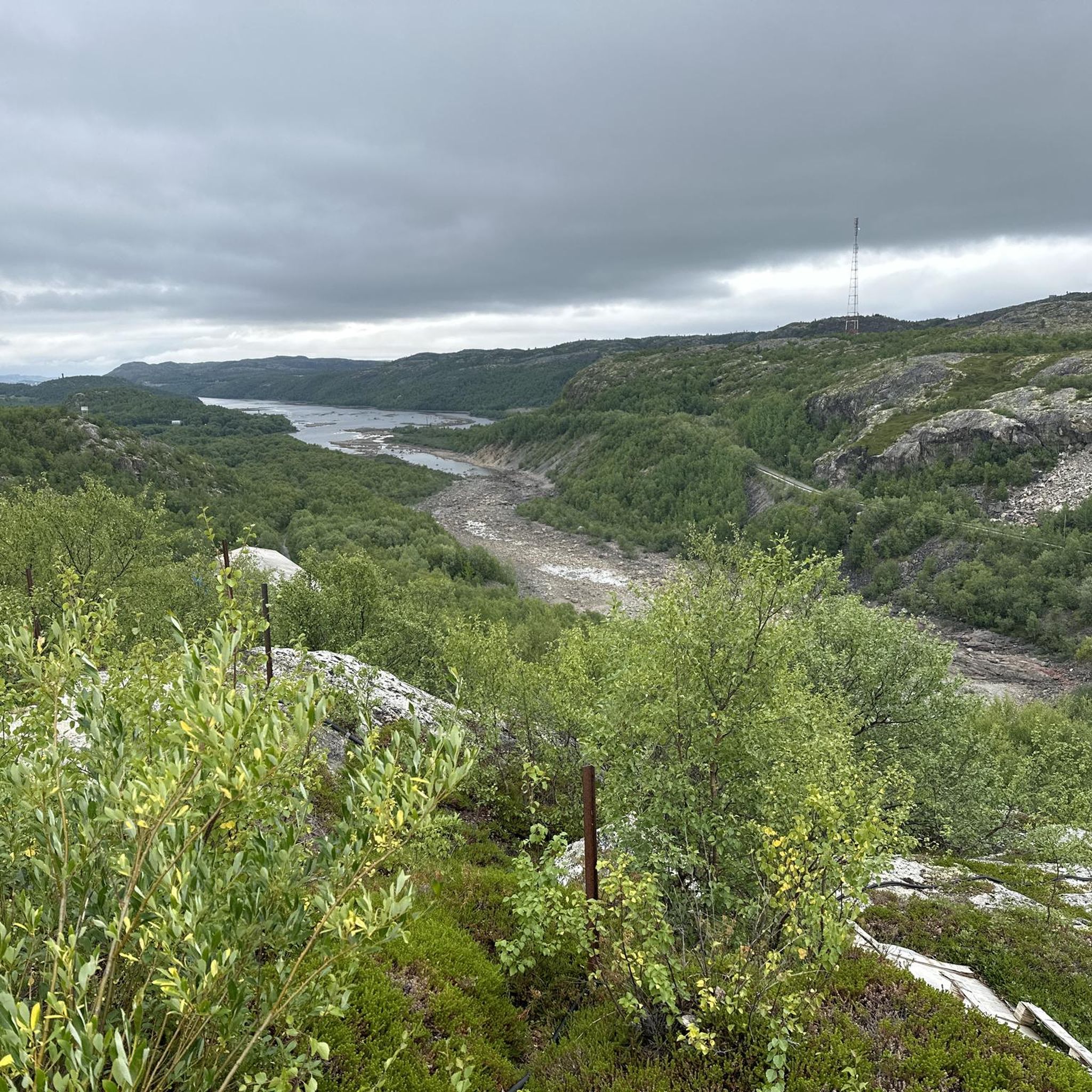
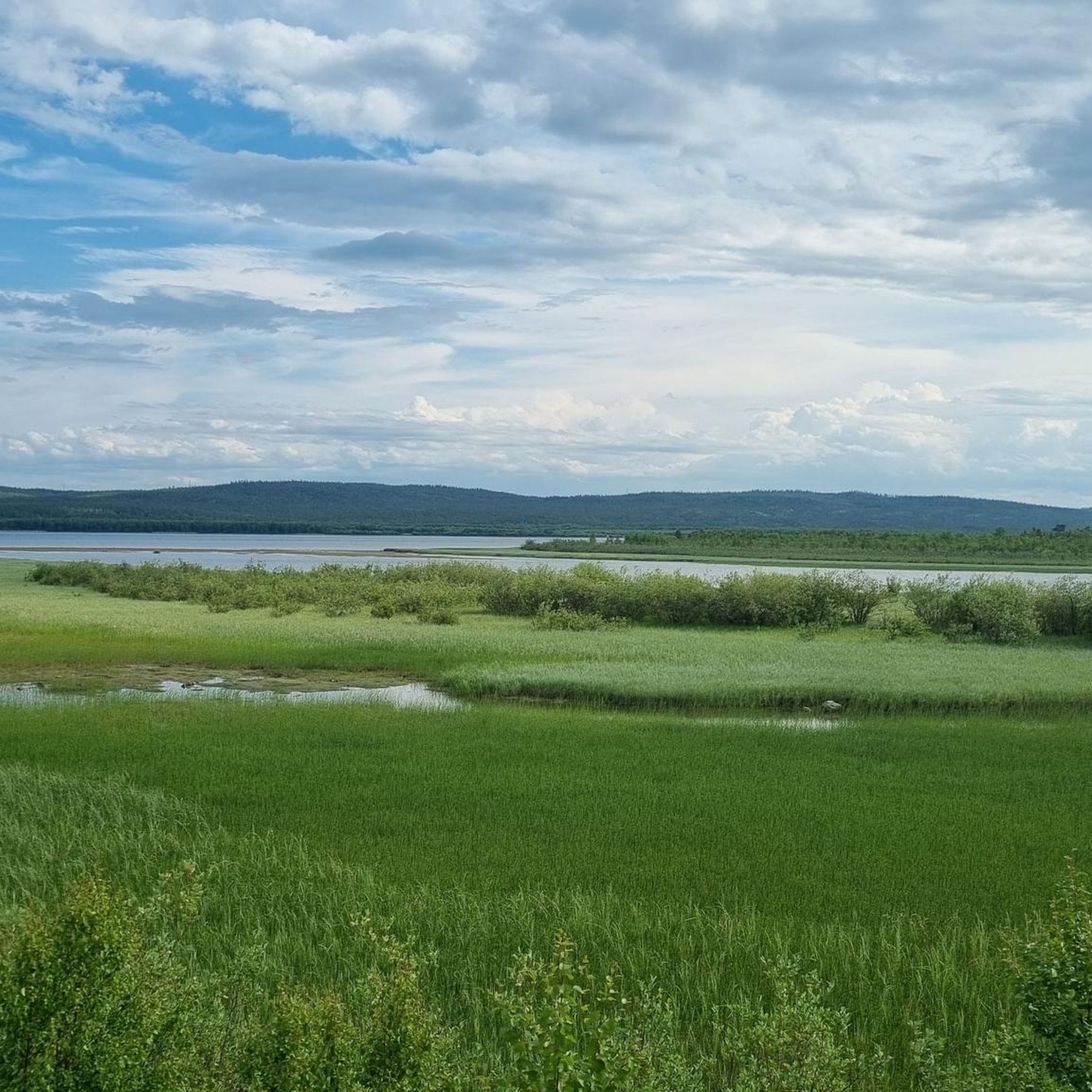
Road cycling routes around the Patsoyoki traverse a subarctic wilderness characterized by the Paatsjoki River, which flows through Finland, Norway, and Russia. The landscape features a mix of pine and birch forests, extensive mires, and rounded rock formations and hills shaped by glacial activity. This region offers varied terrain for road cyclists, from riverine scenery to areas with gentle ascents.
Best road cycling routes around the Patsoyoki
- The most popular road cycling route is Bjørnevatnet – Firkantvatnet loop from Gartnerjordet…
Last updated: May 19, 2026
6
riders
61.9km
02:36
450m
450m
Moderate road ride. Good fitness required. Mostly well-paved surfaces and easy to ride.
3
riders
65.2km
02:48
570m
570m
Moderate road ride. Good fitness required. Mostly well-paved surfaces and easy to ride.

Sign up for free
5.0
(1)
5
riders
21.4km
00:57
170m
170m
Easy road ride. Great for any fitness level. Mostly well-paved surfaces and easy to ride.
Our route recommendations are based on thousands of hikes, rides, and runs completed by other people on komoot.
Start today with a free account
Your next adventure awaits.
Login or Signup
Popular around Patsoyoki
Frequently Asked Questions
How many road cycling routes are available in the Patsoyoki region?
The Patsoyoki region offers a selection of 4 road cycling routes, catering to various skill levels. These routes traverse the unique subarctic wilderness, providing diverse experiences for cyclists.
What kind of terrain can I expect on road cycling routes around Patsoyoki?
Road cycling in the Patsoyoki region features a mix of landscapes. You'll encounter scenic riverine stretches along the Paatsjoki River, pine and birch forests, and extensive mires. The terrain is shaped by glacial activity, resulting in rounded rock features and rolling hills, offering varied ascents and descents.
Are there road cycling routes suitable for beginners in Patsoyoki?
Yes, there is one easy road cycling route in the Patsoyoki area. The Sør-Varanger Town Hall – Jungbäkskjæringa loop from Bjørnevatn is a 21.4 km trail, perfect for those looking for a less strenuous ride.
What is the best time of year for road biking in Patsoyoki?
The best time for road biking in Patsoyoki is typically during the warmer months, from late spring through early autumn. September is particularly beautiful for experiencing the vibrant autumn foliage. The region's far northern location means unique seasonal experiences, so always check local weather conditions before planning your trip.
Are there any challenging road cycling routes in the Patsoyoki region?
Yes, the Patsoyoki region offers several moderate routes for cyclists seeking a challenge. For instance, the Тайменъярви loop from Nikel covers 65.2 km with an elevation gain of over 560 meters, providing a rewarding ride through varied terrain.
Can I find loop routes for road cycling in Patsoyoki?
Yes, all of the road cycling routes in the Patsoyoki region are designed as loops, allowing you to start and finish at the same point. Examples include the Bjørnevatnet – Firkantvatnet loop from Gartnerjordet and the Tårnelva loop from Behrens plass.
What do other road cyclists enjoy most about road cycling in Patsoyoki?
The Patsoyoki area is highly rated by the komoot community, with an average score of 5.0 stars. Reviewers often praise the unique subarctic wilderness, the peaceful remote atmosphere, and the opportunity to experience riverine scenery and diverse terrain.
Are there any particularly scenic viewpoints along the road cycling routes?
While specific viewpoints are not detailed for every route, the entire region is known for its natural beauty. The Paatsjoki River itself offers picturesque riverine scenery. Additionally, the nearby Utsjoki region features the Mighty Ailegas Fell, which provides breathtaking views of the Tana River Valley, though this may require a short detour from road cycling paths.
What should I pack for road biking in the Patsoyoki region?
Given the subarctic environment, it's wise to pack layers of clothing suitable for varying weather conditions, even in summer. Be prepared for potential changes in temperature and bring rain gear. Essential cycling equipment, repair kits, sufficient water, and snacks are also recommended, as services can be sparse in this remote region.
Are there opportunities for cross-border cycling from Patsoyoki?
Yes, the region offers unique cross-border cycling possibilities. From Utsjoki, you can easily cross the border into Norway via the Sámi Bridge over the Tana River, expanding your cycling adventures into different coastal landscapes. This allows for exploration of the tri-national river region.
What natural features define the Patsoyoki road cycling experience?
The road cycling experience in Patsoyoki is defined by its untouched subarctic wilderness. You'll encounter landscapes shaped by glacial activity, including rounded rock features and moraines. The Paatsjoki River is a central feature, alongside pine-dominated forests, birch groves, and extensive mires covered in unique subarctic flora.

Get inspired with the komoot mobile app


