Top 11 Caves around Wals-Siezenheim
Best caves around Wals-Siezenheim are found within the wider Salzburg region, characterized by its alpine landscapes and significant geological formations. The area is known for its diverse subterranean features, ranging from immense ice caves to deep karst systems. These natural wonders offer insights into the region's geological history and provide unique exploration opportunities. The vicinity of Wals-Siezenheim serves as a gateway to these notable underground attractions.
Best caves around Wals-Siezenheim
- The most popular caves is Schellenberger Ice Cave, a…
Last updated: October 5, 2026
Mittagsscharte
Highlight • Mountain Pass
location
It is located between the Salzburg Hochthron (1 853 m above sea level) in the north and the Raucheck (1 …
Translated by Google •
Tip by

St. Peter's Cemetery (Petersfriedhof)
Highlight • Historical Site
Translated by Google •
Tip by

Sign up now to discover places like this
Get recommendations on the best single tracks, peaks, & plenty of other exciting outdoor places.
Thomas-Eder Trail
Highlight (Segment) • Trail
Translated by Google •
Tip by

Schellenberger Ice Cave
Highlight • Cave
Translated by Google •
Tip by

Lourdes Grotto at Kirchholz
Highlight • Religious Site
Translated by Google •
Tip by

Sign up for free to discover even more caves around Wals-Siezenheim.
Already have an account?
Start today with a free account
Your next adventure awaits.
Popular around Wals-Siezenheim
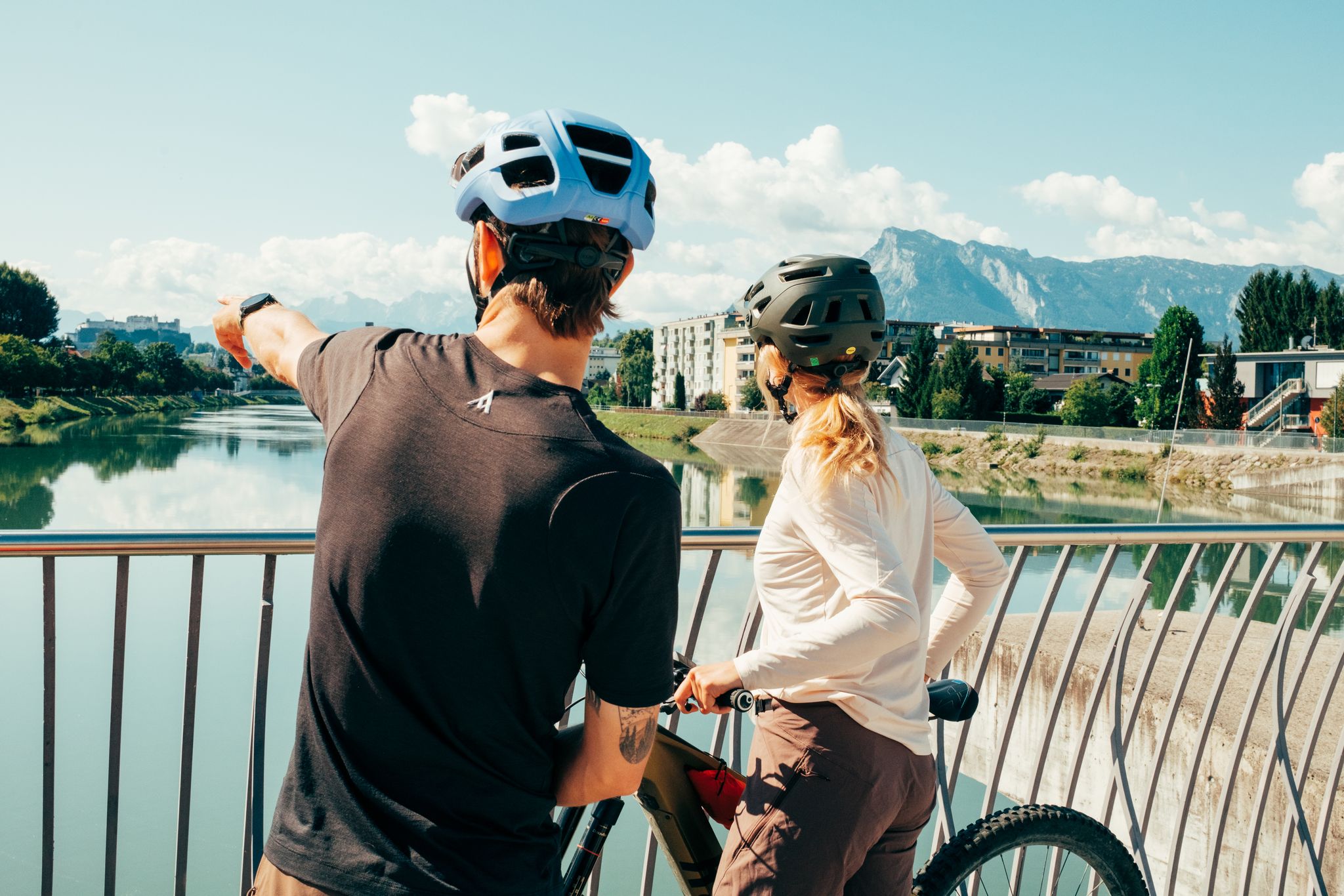
Salzburger Handwerk, Tradition und Natur
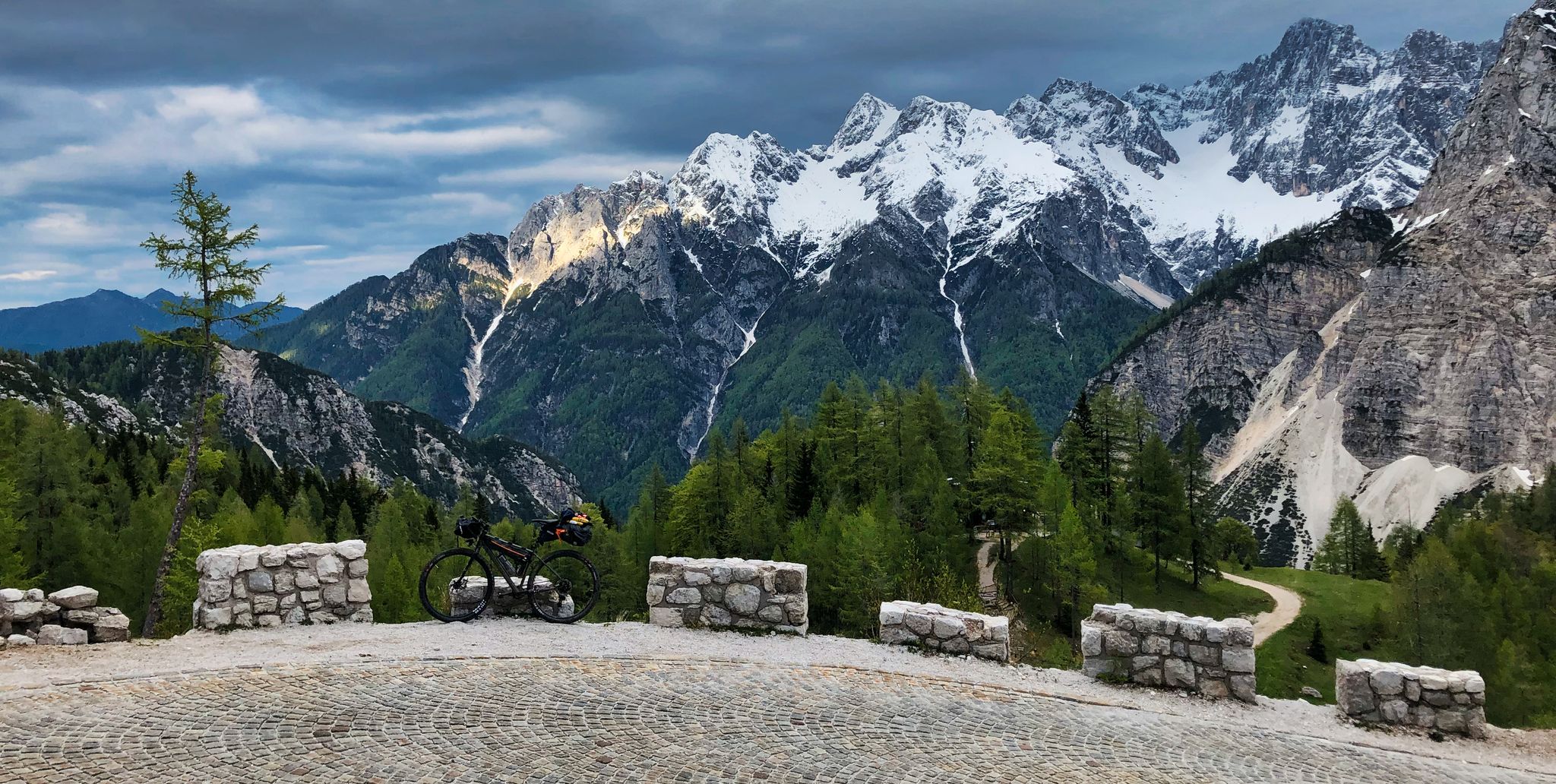
My first bikepacking trip – four countries, joys and mistakes
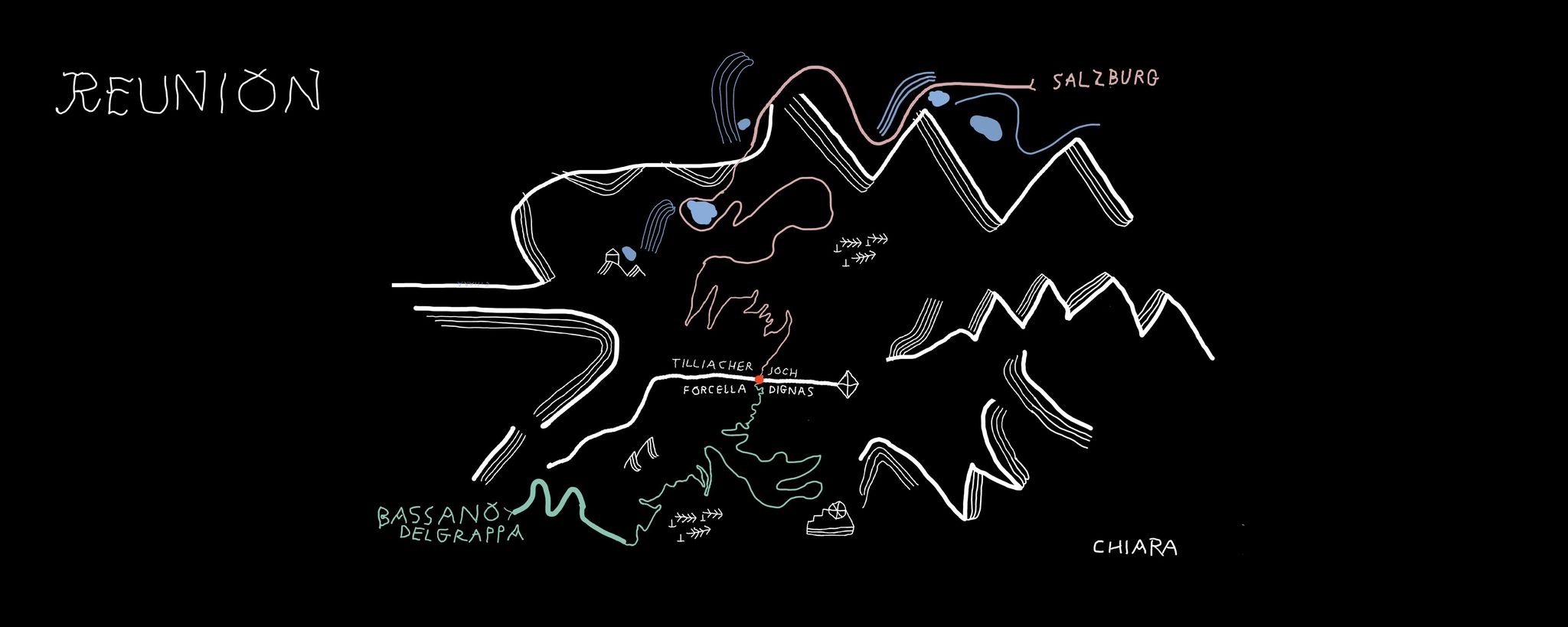
rEUnion – a gravel ride without borders with Max Riese & Bruno Ferraro
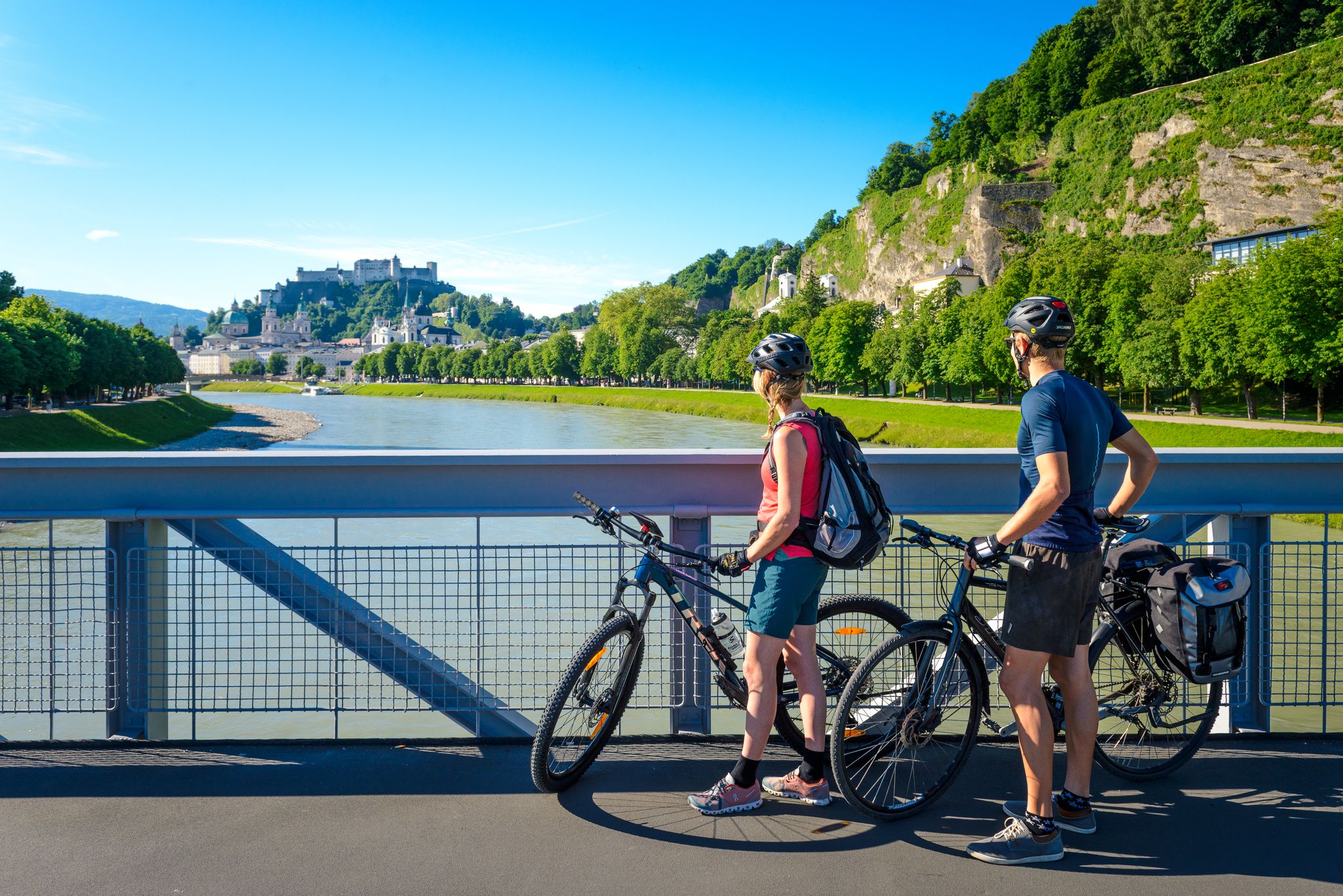
By bike into the City of Mozart — Bike rides around Salzburg
Bike Hotels im Salzburgerland
Cycling around Wals-Siezenheim
Running Trails around Wals-Siezenheim
Mountain Hikes around Wals-Siezenheim
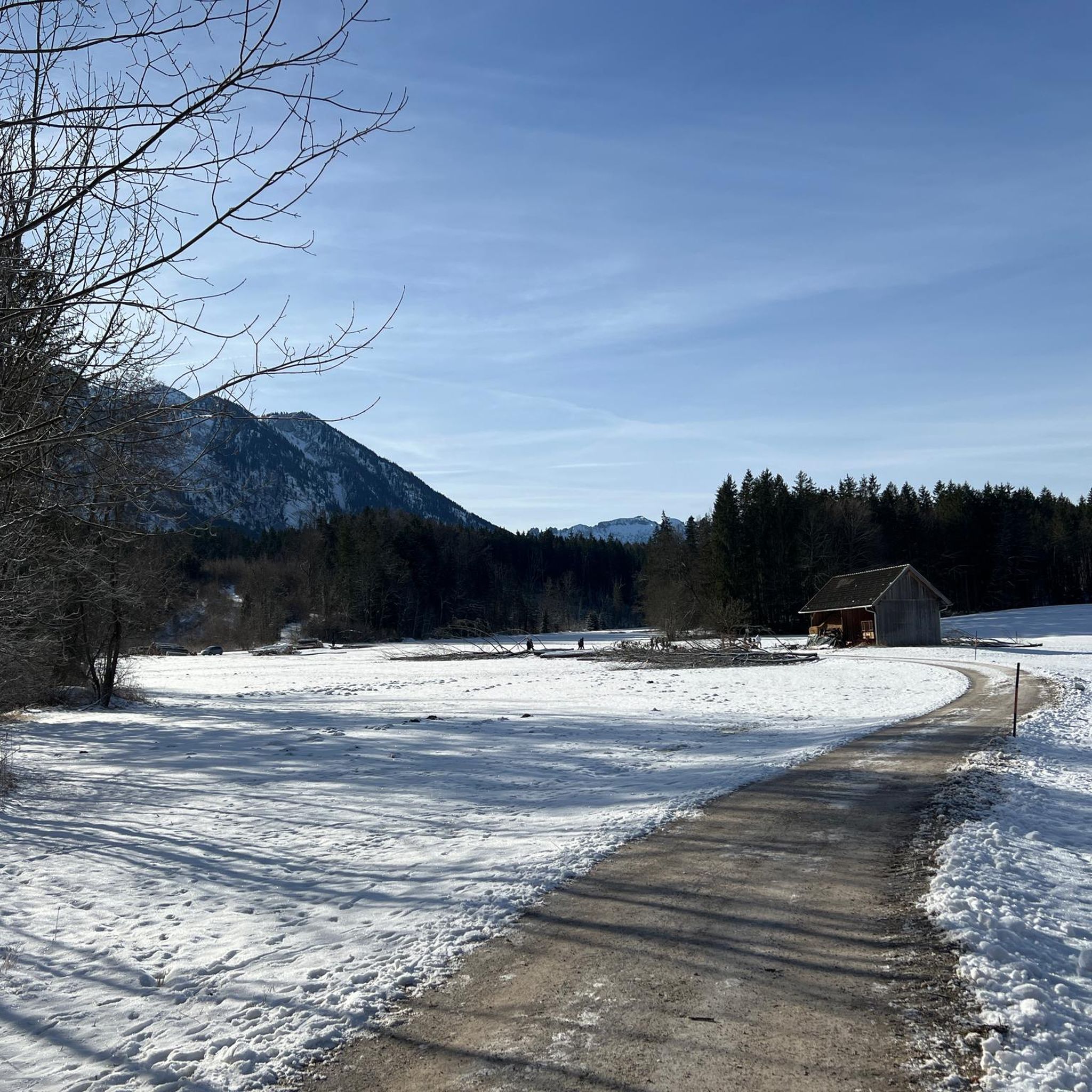
Hiking around Wals-Siezenheim
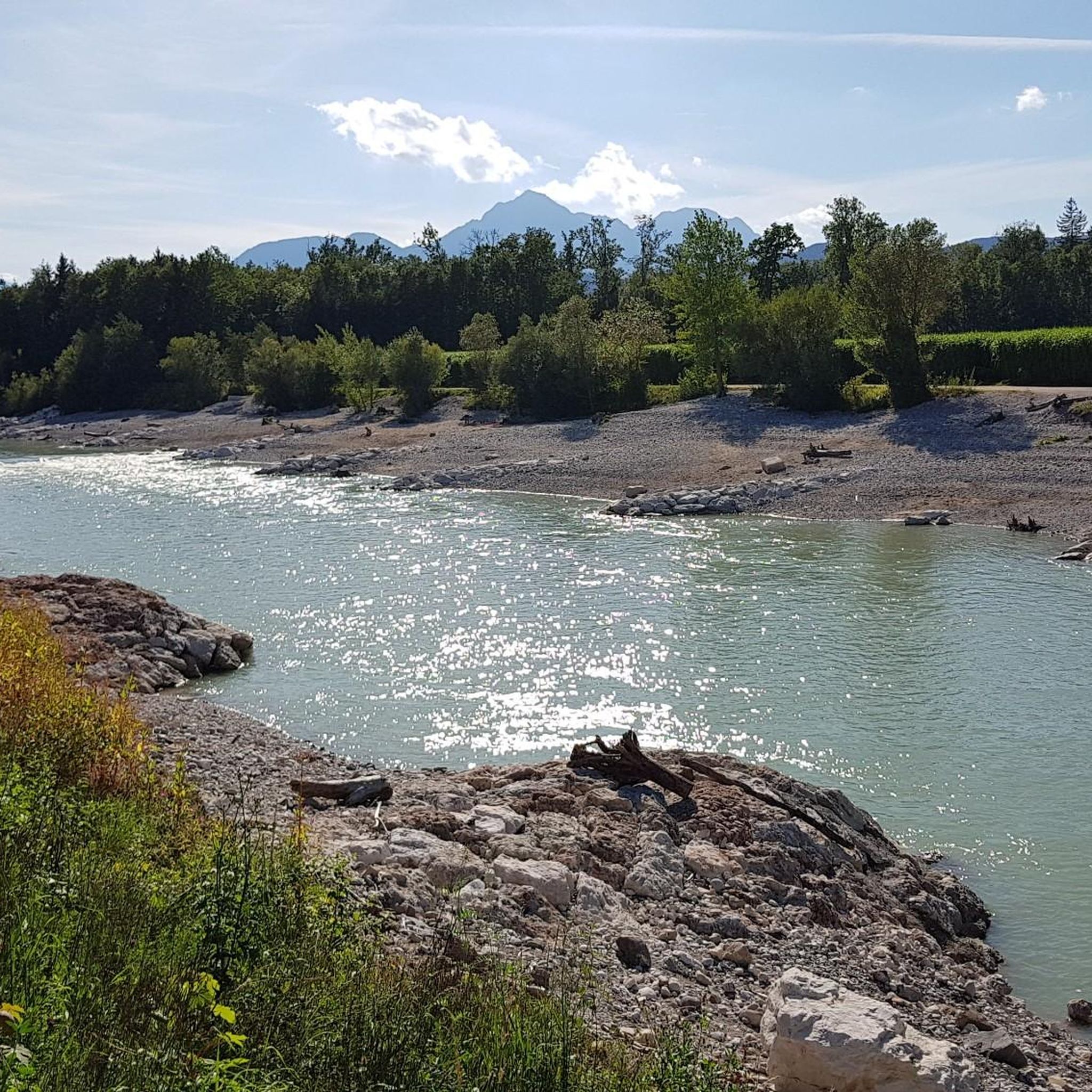
MTB Trails around Wals-Siezenheim
Other adventures around Wals-Siezenheim


Tips from the Community

When you hike from one Hochthronn to another, you have to descend into the Mittagsscharte in between. Also a reason why the crossing takes longer than you initially think... ;-)
1
0

very steep and challenging descent and ascent :-)
1
0

Good footwear Take enough to drink with you Sure-footedness required
1
1

The Thomas-Eder-Steig is a varied and panoramic round trip over secured and partly blasted paths through the steep walls of the Untersberg. The scenic highlights on this tour include the Mittagsscharte and the Schellenberger ice cave. Attention: For experienced users only! Only feasible for really experienced, absolutely sure-footed, free from vertigo and fit mountaineers. Characteristic of the Thomas Eder Steig's on the Untersberg Challenging mountain climb (KS 1), which mostly leads through tunnels blasted into the rock. It was completely renovated in 2004 and runs through the rotten south wall of the Gr. Heubergkopfs. From the partially exposed, secured Thomas-Eder-Steig you have an impressive view of the steepness of the Untersberg walls. Although the climb is well insured, it should only be attempted by sure-footed mountain hikers when it is wet....
4
1
It is located between the Salzburger Hochthron (1,853 m above sea level) in the north and the Raucheck (1,891 m above sea level) in the south at an altitude of 1,671 m above sea level. A. right on the border between Austria and Germany. Crossing the Untersberg from the Berchtesgadener to the Salzburger Hochthron is one of the most beautiful tours in the Berchtesgaden Alps. The varied path leads over the extensive high plateau with its huge sinkholes - an extraordinary landscape that is second to none.
1
2

great views, which you have to work out on many steps
4
0

At the southern end of the Mittagsscharte, a few meters north of the crossroads, directly below the "Steinerner Kaser" stone hut (currently leased from the State Speleology Association in Salzburg) is the entrance to the cave of the same name. The Salzburg ethnographer and historian Franz Valentin Zillner writes about this: ...(The) Mittagsscharte, from which one enters the large cave, the Steinernen Kaser, through which all legends say the entrance to the interior of the mountain is located.. .
5
0

The border between Bavaria and the Salzburger Land runs through the Mittagsscharte. It is located between the Salzburger Hochthron (1,853 m above sea level) in the north and the Raucheck (1,891 m above sea level) in the south at an altitude of 1,671 m above sea level. A. right on the border between Austria and Germany. At the southern end of the Mittagsscharte, a few meters north of the crossroads, the entrance to the cave of the same name is located directly below the stone hut "Steinerner Kaser" (currently leased from the Landesverein für Speleology in Salzburg). The Salzburg ethnographer and historian Franz Valentin Zillner writes about this: ...(The) Mittagsscharte, from which one enters the large cave, the Steinernen Kaser, through which all legends say the entrance to the interior of the mountain is located.. .
5
0
Frequently Asked Questions
What are some of the most impressive caves to visit near Wals-Siezenheim?
The wider Salzburg region, easily accessible from Wals-Siezenheim, offers several spectacular caves. Notable options include Schellenberger Ice Cave, Germany's largest accessible ice cave, and Eisriesenwelt Werfen, the world's largest ice cave. Lamprechtsofen Cave is known as one of the deepest river caves globally, while Entrische Kirche offers impressive dripstone formations and historical significance.
Are there any ice caves near Wals-Siezenheim?
Yes, the region boasts several impressive ice caves. The Schellenberger Ice Cave in the Berchtesgaden Alps is Germany's largest accessible ice cave. Further south, you'll find Eisriesenwelt Werfen, the world's largest ice cave, and the high-alpine Eiskogelhöhle, which combines ice and speleothems.
What makes the caves in the Salzburg region unique?
The caves in the Salzburg region are unique for their diversity, ranging from immense ice caves with colossal formations to deep karst systems and river caves. Many also hold historical or cultural significance, such as Entrische Kirche, which served as a hiding place for Protestants, or the "Steinerner Kaser" cave at Mittagsscharte, known for a light phenomenon and its role as an entrance to the mountain's interior.
Are there family-friendly caves suitable for all ages near Wals-Siezenheim?
While many caves in the region involve some physical exertion, show caves like the accessible parts of Lamprechtsofen Cave or the guided tours at Schellenberger Ice Cave are generally suitable for families. However, visitors should be prepared for stairs and cool temperatures. Always check specific cave requirements for children before planning your visit.
What should I expect regarding physical demands when visiting these caves?
Many caves in the region, especially the ice caves, require a good level of physical fitness. For instance, Eisriesenwelt Werfen involves approximately 1,400 steps, and the ascent to Schellenberger Ice Cave is a rewarding but challenging alpine hike. Lamprechtsofen Cave also has a 70-meter altitude difference within the show cave. Eiskogelhöhle is considered a robust caving experience for those seeking adventure. Always wear sturdy footwear and be prepared for cool, damp conditions.
Do any caves near Wals-Siezenheim have historical significance?
Yes, several caves in the region are historically significant. Entrische Kirche, for example, served as a hiding and meeting place for Protestants in the 16th to 18th centuries. Lamprechtsofen Cave has a history of treasure hunts, adding a layer of intrigue. The "Steinerner Kaser" cave at Mittagsscharte is also noted for its historical significance as an entrance to the mountain's interior.
When is the best time to visit the ice caves near Wals-Siezenheim?
Ice caves like Eisriesenwelt Werfen and Schellenberger Ice Cave are typically open from late May or early June through October. Visiting during the warmer months allows for easier access and more comfortable conditions for the often-demanding hikes to their entrances. Temperatures inside remain around 0°C even in summer, so warm clothing is essential.
What should I wear when exploring caves in this region?
Regardless of the season, temperatures inside most caves, especially ice caves, remain very cold (around 0-6°C). It is crucial to wear warm layers, including a jacket, and sturdy, non-slip footwear suitable for potentially wet and uneven surfaces. Gloves and a hat are also recommended for ice caves. Some tours, like at Schellenberger Ice Cave, provide helmets.
Can I find guided tours for the caves near Wals-Siezenheim?
Yes, most major show caves in the region, including Eisriesenwelt Werfen, Lamprechtsofen Cave, Schellenberger Ice Cave, Entrische Kirche, and Eiskogelhöhle, offer guided tours. These tours provide insights into the geological formations, history, and unique features of each cave. Some, like Lamprechtsofen, also offer more challenging explorer tours for experienced speleologists.
Are there hiking opportunities near the caves?
Absolutely. Many caves are situated in scenic alpine areas, offering excellent hiking opportunities. The ascent to Eisriesenwelt Werfen provides fantastic panoramic views, and the hike to Schellenberger Ice Cave is a rewarding alpine trek. For more hiking options around Wals-Siezenheim, you can explore routes like the "View of Gaisberg – View of Untersberg loop" or the "Saalach Riverbank Trail" found in the Hiking around Wals-Siezenheim guide.
What other outdoor activities can I do near the caves around Wals-Siezenheim?
Beyond caving and hiking, the area around Wals-Siezenheim offers various outdoor activities. You can find numerous running trails, such as the "Saalach Cycle Path – Saalach Riverbank Trail loop," detailed in the Running Trails around Wals-Siezenheim guide. Mountain biking is also popular, with routes like the "Hammerauer Bridge – View from Strobl Alm loop" available in the MTB Trails around Wals-Siezenheim guide.
Is the Grassl Cave accessible, and what are its features?
The Grassl Cave is known for its energetic forces and a nearby creek with clear, cold water originating from the Untersberg. It's located about 150m above the old spring building of the Fürstenbrunner spring. While it's a natural monument, access involves a path from the Untersberg Museum in Fürstenbrunn, and parts may be more exploratory than a typical show cave.
Are there any caves near Wals-Siezenheim that are also protected natural areas?
Yes, Entrische Kirche in the Gasteinertal is a Natura 2000 protected area. This designation is due to its importance as a winter habitat for various bat species, highlighting its ecological value in addition to its geological and historical significance.
Most popular routes around Wals-Siezenheim
Most popular attractions around Wals-Siezenheim

Get inspired with the komoot mobile app


Explore more
Extend your search for the best caves by checking out these guides of the top ones around Wals-Siezenheim:
