Top 6 Mountain Passes around Signac
Best mountain passes around Signac are found in the Haute-Garonne department of southwestern France, a region situated near the Pyrenees mountains. Signac itself has elevations ranging from 490 to 1,644 meters. While specific named passes within the commune are not widely documented, the broader Signac region France offers access to notable mountain passes in the adjacent Pyrenees. These passes provide routes through elevated terrain, often featuring significant climbs and views.
Best mountain passes around Signac
- The most popular mountain pass is Port de Balès, a mountain pass that rises to an altitude of 1,755 meters. The climb from Mauléon-Barousse is 18.9 kilometers long with an average gradient of 6.3%.
- Another must-see spot is Ascent of the Col de Menté from Lez, a climb. From Lez, this ascent is classified as first-class, featuring nine kilometers at an average gradient of 8.7%.
- Visitors also love Ascent of the Port de Balès from Mauléon-Barousse, a challenging mountain pass. This 19-kilometer hors catégorie climb is completed in three stages, with the final five kilometers exceeding a 9% gradient.
- Signac is known for various types of mountain passes, including challenging climbs, scenic viewpoints, and trails suitable for cycling. The area offers a variety of routes to explore, from intermediate trails to demanding ascents.
- The mountain passes around Signac are appreciated by the komoot community, with 117 upvotes and 97 photos contributed by users.
Last updated: November 23, 2026
Port de Balès
Highlight • Mountain Pass
Translated by Google •
Tip by

Ascent of the Col de Menté from Lez
Highlight (Segment) • Climb
Translated by Google •
Tip by

Sign up now to discover places like this
Get recommendations on the best single tracks, peaks, & plenty of other exciting outdoor places.
Ascent of the Port de Balès from Mauléon-Barousse
Highlight (Segment) • Mountain Pass
Translated by Google •
Tip by
Col d'Esclot d'Aou
Highlight • Mountain Pass
Tour to the highlight: komoot.de/tour/340691902?ref=itd
Translated by Google •
Tip by

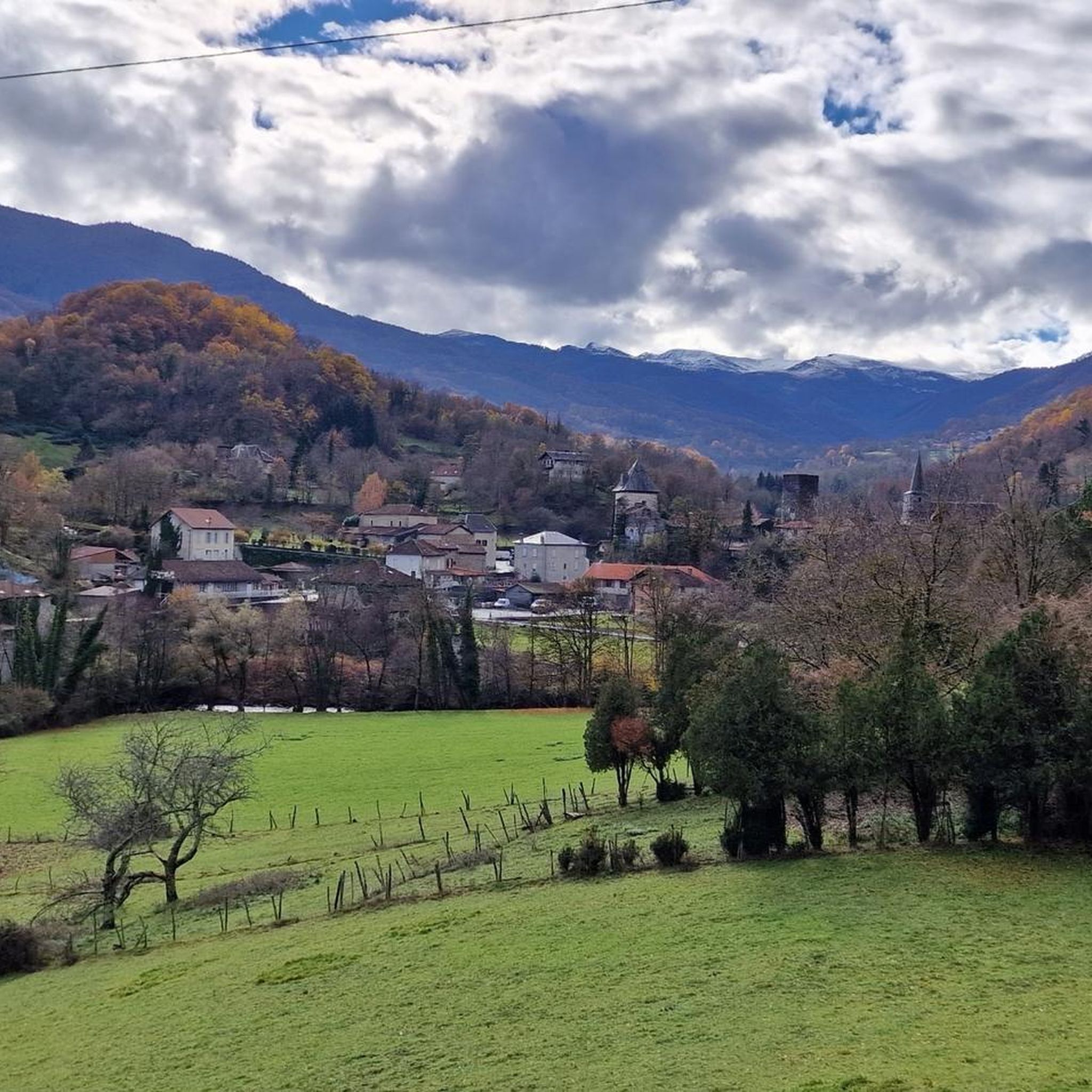
View of the Pyrenees
Highlight • Viewpoint
Translated by Google •
Tip by

Start today with a free account
Your next adventure awaits.


Tips from the Community

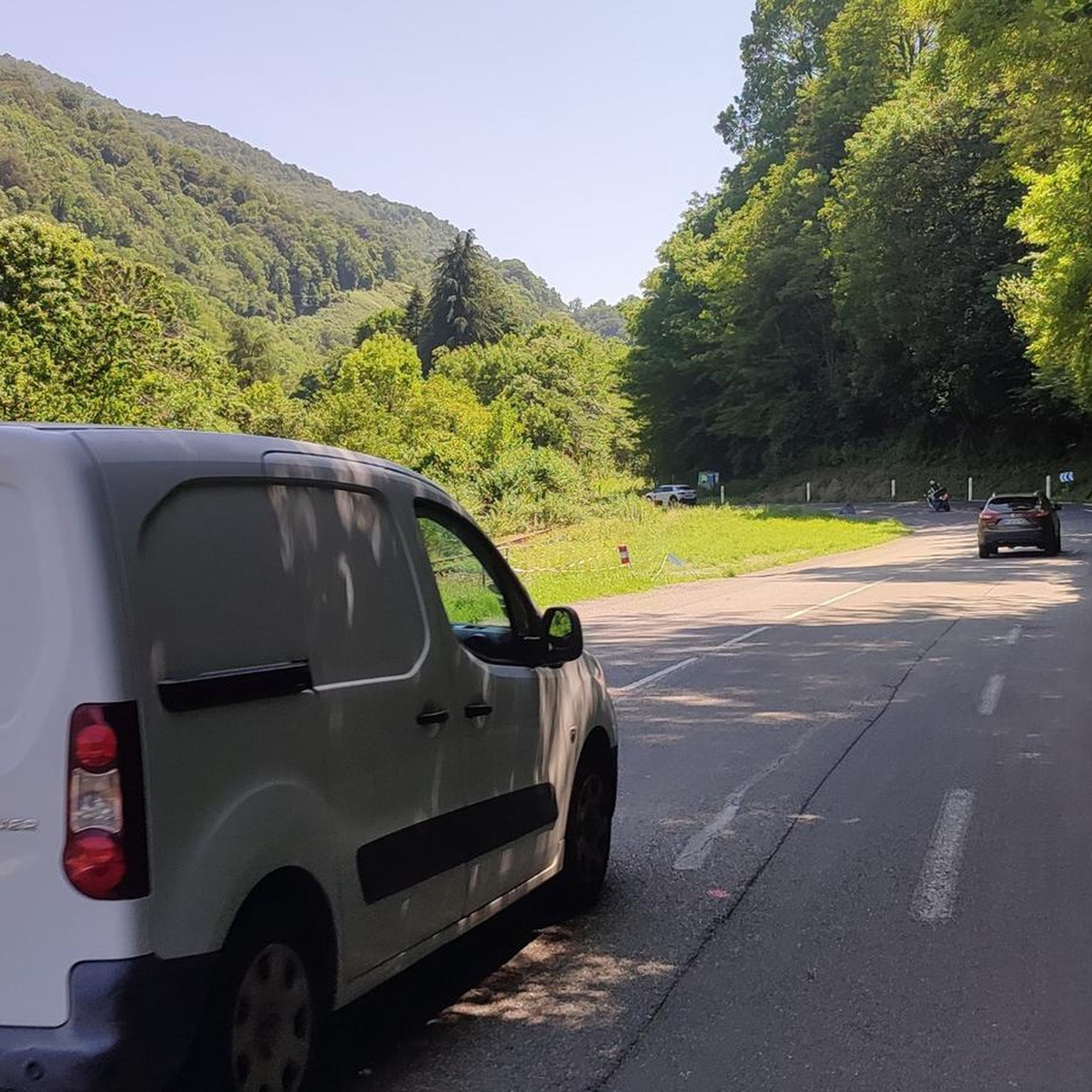
Beautiful climb up Col de Menté. Although not a really famous climb it is a beautiful one, with nice hairpins inside the forest and beautiful views at the end.
0
0

From Mauléon-Barousse, this 19-kilometer hors catégorie climb is completed in three stages. The first seven kilometers are fairly straightforward, then the next seven become more complicated, before culminating in a grand finale with the last five at over 9%. Even more so than on other passes, the key here is economy.
1
0
From Lez, the ascent of the Col de Menté is classified as first-class, with nine kilometers at an average gradient of 8.7%. Its fairly steady gradient allows you to find your own pace.
1
0

I would just like to remember that Alejandro Valverde was the first rider at the top of this pass when the Tour crossed it for the first time in 2012, subsequently winning the stage that ended in Peryagudes.
0
0
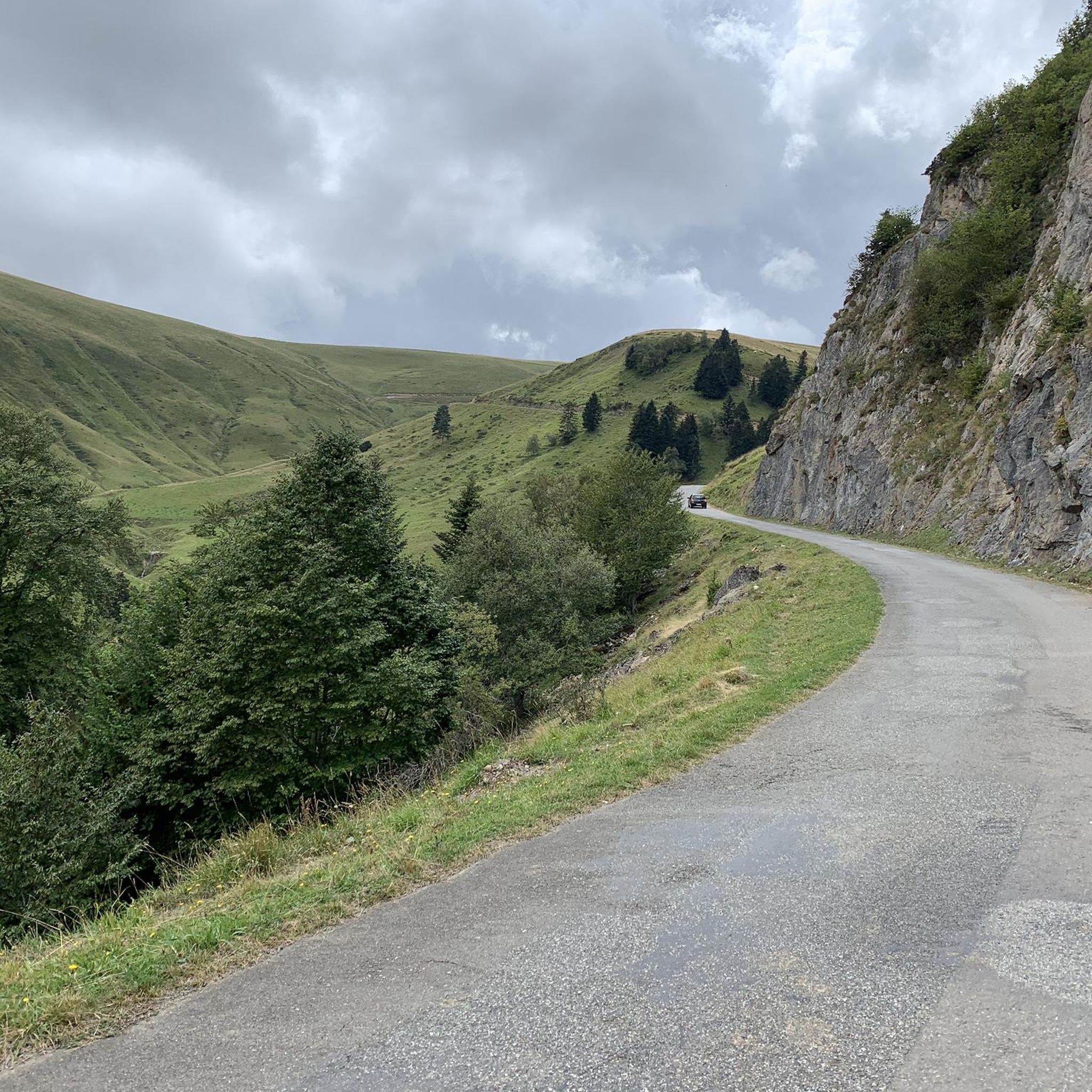
Port de Balès is one of the great colossi of the Pyrenees, discovered for professional cycling in the 2012 Tour, crowned by Alejandro Valverde for the first time. The two times I have climbed it it has been on its northern slope, the longest and hardest, although the southern slope is also very hard. The northern slope begins with a very nice road that runs next to the river and goes up it at a very gentle rate. Starting from a bridge, where you leave the river on the left, the hard 11 km stretch to the top begins, although it is true that there are 2 stretches where the slope softens and allows you to take a break. The last 5 km have spectacular views of the valley and the surrounding peaks. At the top, the panoramic view of the Pyrenees is incredible.
0
0

If you are pedaling here, a stop to breathe and enjoy the impressive spectacle that this mountainous landscape offers is almost mandatory.
0
0

The port of Balès rises to an altitude of 1,755 meters. The climb from Mauléon-Barousse is 18.9 kilometers long with an average gradient of 6.3%, including some sections at over 14%.
1
0

Occitania Pedals Route
0
0
Frequently Asked Questions
What types of mountain passes can I expect around Signac?
The mountain passes around Signac, situated near the Pyrenees, offer a variety of experiences. You'll find challenging climbs, scenic viewpoints, and trails suitable for cycling. The area provides routes ranging from intermediate trails to demanding ascents, catering to different skill levels.
Which mountain passes offer the most rewarding views?
Several passes provide excellent viewpoints. Port de Balès is known for its spectacular scenery. The Caube Pass offers lovely views and access to peaks like Pic du Gar and Pic de l'Escalette. Additionally, the Col d'Esclot d'Aou provides great vistas, especially if you take the variant over the crête de Sacaube.
Are there any particularly challenging mountain passes for experienced cyclists or hikers?
Yes, for a significant challenge, consider the Ascent of the Port de Balès from Mauléon-Barousse. This 19-kilometer hors catégorie climb is completed in three stages, with the final five kilometers exceeding a 9% gradient. Another demanding option is the Ascent of the Col de Menté from Lez, classified as first-class with nine kilometers at an average gradient of 8.7%.
What is the best time of year to visit the mountain passes near Signac?
The best time to visit the mountain passes near Signac, especially for hiking and cycling, is generally from late spring through early autumn (May to October). During these months, the weather is typically more stable, and the passes are clear of snow. Winter can offer opportunities for snow-related activities, but many passes may be closed or require specialized equipment.
What outdoor activities can I do near these mountain passes?
Beyond exploring the passes themselves, the region around Signac offers a variety of outdoor activities. You can find numerous road cycling routes, such as the challenging Bagnères-de-Luchon – Superbagnères Summit loop, or moderate options like the Mauléon-Barousse – Izaourt loop. For mountain biking, there are trails like the 'View of the Mountains – Saint-Bertrand-de-Comminges loop'. You can explore more options on the Road Cycling Routes around Signac, MTB Trails around Signac, and Cycling around Signac guide pages.
Are there any family-friendly options among the mountain passes?
While many passes involve significant climbs, some sections or approaches can be more accessible. For family-friendly activities, it's often best to look for trails that are specifically marked as 'intermediate' or have gentler gradients. The region offers a variety of routes, so checking individual trail descriptions for difficulty and length is recommended to find suitable options for families.
Are the mountain passes around Signac suitable for dog walking?
Many trails and passes in the Pyrenees region are dog-friendly, but it's always advisable to check specific regulations for each area or national park you plan to visit. Ensure your dog is on a leash, especially in areas with livestock or wildlife, and always carry water and waste bags. The natural environment is generally welcoming for dogs, but preparedness is key.
What amenities like cafes or accommodation are available near the mountain passes?
While Signac itself is a smaller commune, the broader region near the Pyrenees offers amenities. Larger towns like Bagnères-de-Luchon, which is a popular base for exploring the Pyrenees, provide various accommodation options, cafes, and restaurants. Some passes might have small refuges or seasonal establishments, but it's best to plan ahead and carry provisions, especially on longer routes.
What do visitors enjoy most about the mountain passes around Signac?
Visitors frequently praise the challenging nature of the climbs and the spectacular views from the summits. For instance, the crêpes at the top of Port de Balès are a popular treat. The beauty of the landscapes, the sense of achievement after a tough ascent, and the relatively wild character of some passes are often highlighted by the komoot community.
How can I access the mountain passes, and is parking available?
Access to the mountain passes typically involves driving to the base of the climb or a nearby village. Parking availability varies by location; some popular starting points for climbs will have designated parking areas, while others might require parking in nearby towns or along wider sections of the road. Public transport options directly to the passes are generally limited, so a car is often the most convenient way to reach them.
Are there any historical or cultural points of interest near the mountain passes?
While the passes themselves are primarily natural features, the broader Haute-Garonne department and the Pyrenees region are rich in history and culture. Nearby towns and villages often feature historic churches, traditional architecture, and local museums. For example, the historic site of Saint-Bertrand-de-Comminges is a notable landmark in the vicinity, offering a glimpse into the region's past.
Most popular attractions around Signac

Get inspired with the komoot mobile app


Explore more
See even more epic mountain passes by checking out these guides around Signac:
