Top 20 Natural Monuments in Liège
Natural monuments in Liège province showcase a diverse landscape, from ancient moorlands to intricate cave systems and significant geological formations. The region's natural heritage includes cascading waterfalls, deep gorges, and unique geological sites. These locations offer varied experiences for nature enthusiasts, highlighting the area's long-term ecological and geological processes. Liège provides opportunities to explore river valleys, high-altitude points, and historical natural features.
Best natural monuments in Liège
- The most popular natural monuments is Trôs Marets Valley, a gorge that…
Last updated: August 6, 2026
Bayehon Waterfall
Highlight • Waterfall
Translated by Google •
Tip by

Vaalserberg Three-Country Point
Highlight • Monument
Translated by Google •
Tip by

Sign up now to discover places like this
Get recommendations on the best single tracks, peaks, & plenty of other exciting outdoor places.
Sign up for free
Boardwalks Through the Hohes Venn Moor
Highlight • Trail
Translated by Google •
Tip by
Trôs Marets Valley
Highlight (Segment) • Gorge
Translated by Google •
Tip by

Brackvenn Moor Lakes
Highlight • Lake
The palsen or pingos in the High Fens were formed around 10,000 to 11,000 years ago at …
Translated by Google •
Tip by
Ninglinspo Valley
Highlight (Segment) • Gorge
Tip by

Venus' Bath
Highlight • Waterfall
Translated by Google •
Tip by
Hohes Venn Nature Reserve
Highlight • Natural Monument
Translated by Google •
Tip by

Coo Waterfall
Highlight • Waterfall
Translated by Google •
Tip by

Hohnbach Valley
Highlight (Segment) • River
Translated by Google •
Tip by

Sign up for free to discover even more natural monuments in Liège.
Sign up for free
Already have an account?
Start today with a free account
Your next adventure awaits.
Login or Signup
Popular around Liège
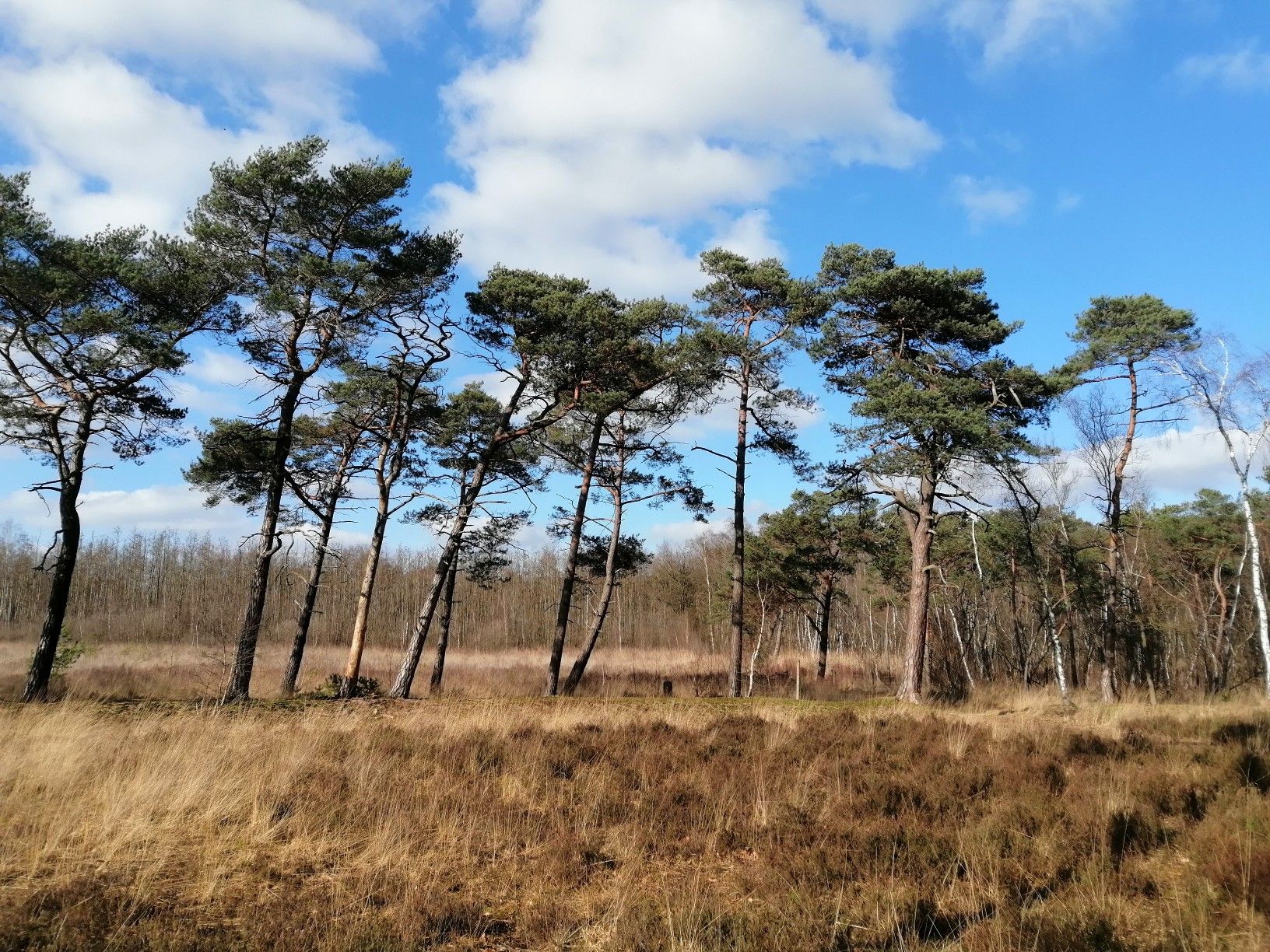
From Flanders to the Ardennes — GR 5 in Belgium
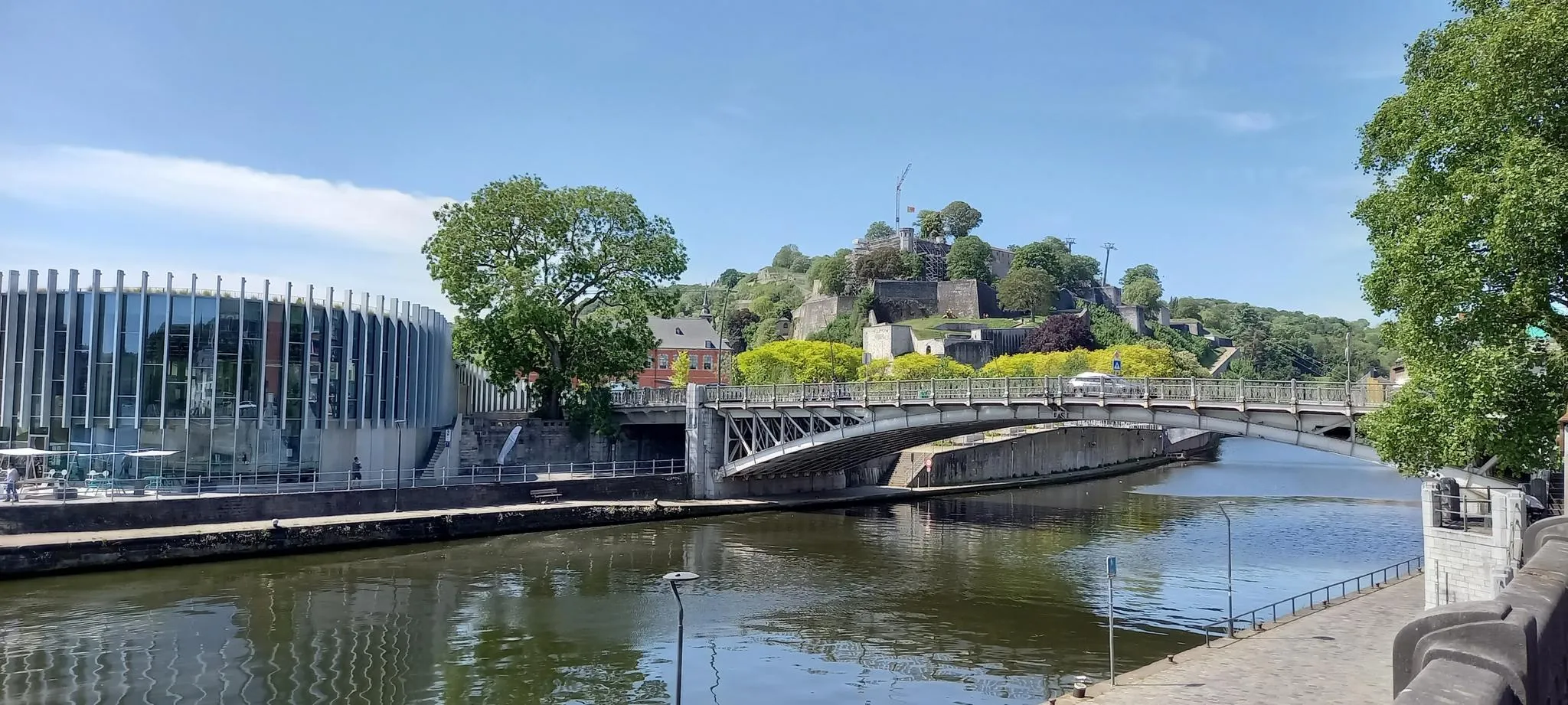
EuroVelo 3 — The adventure in the heart of Belgium
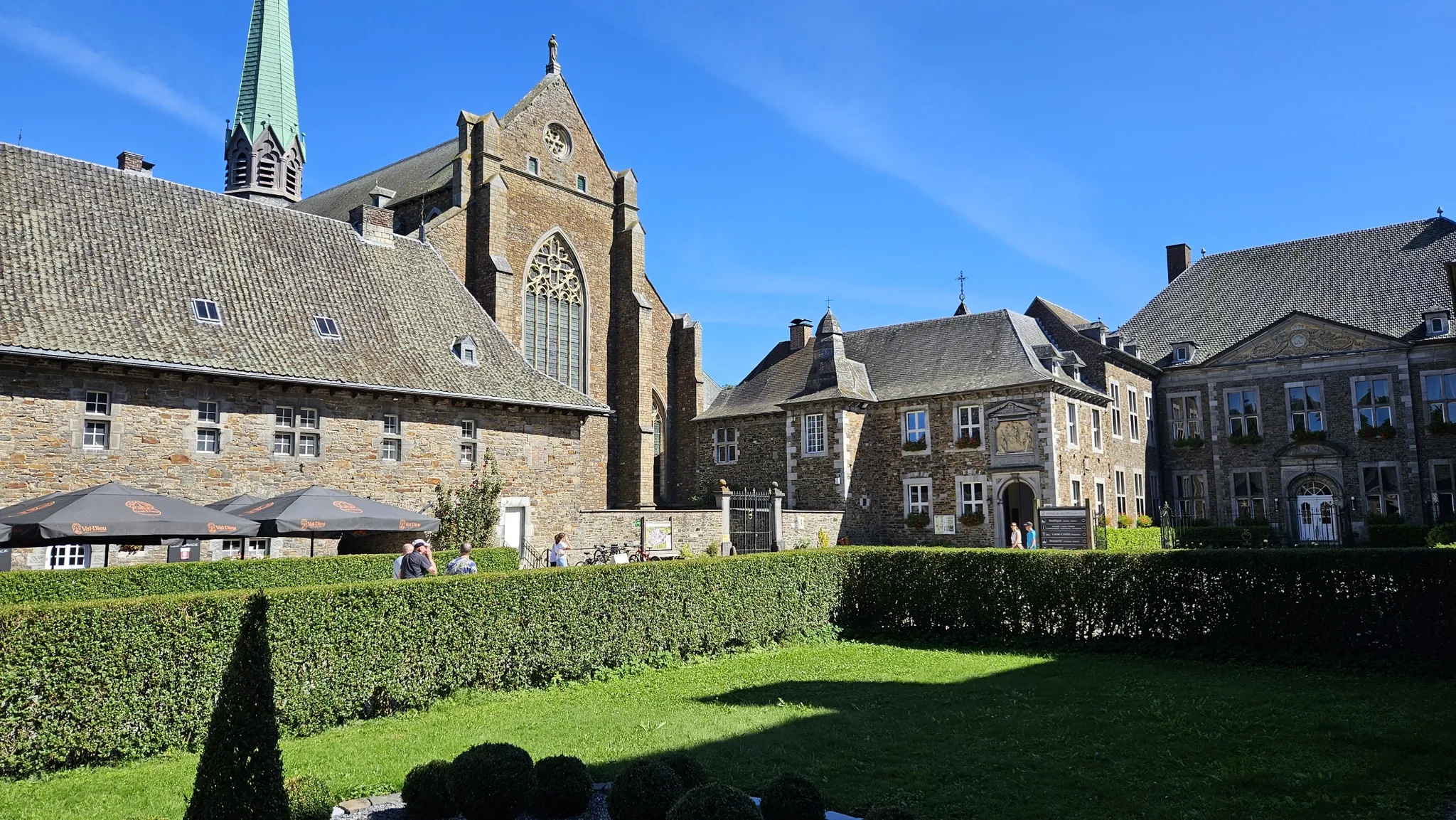
Trappist abbeys cycle route – Between beers and heritage
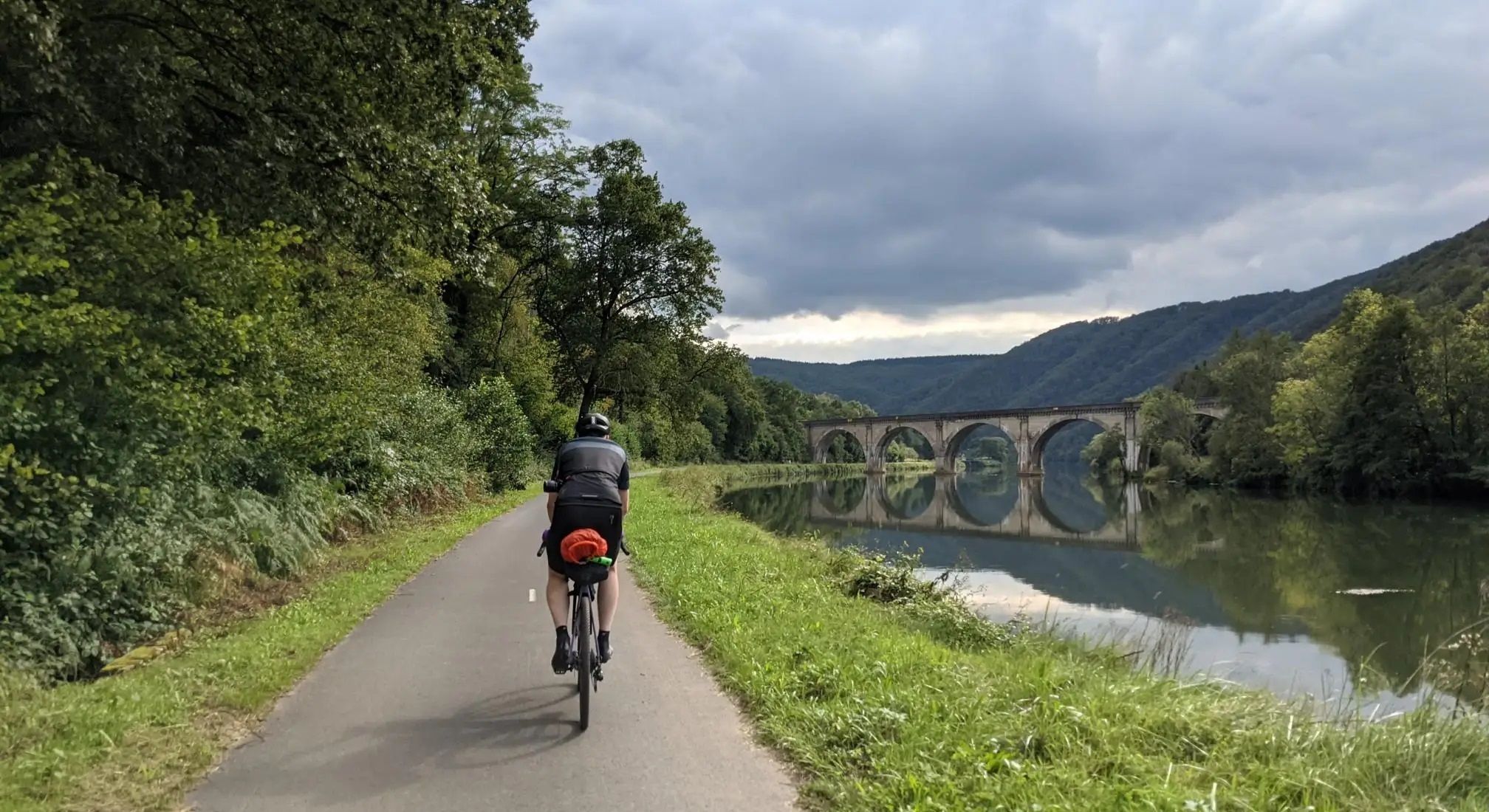
Aachen to Reims – Ardennes, Meuse and Champagne
Running an ultra in Belgium – long trails in a small country
The most beautiful bike rides in Wallonia – pure nature and culture
RAVeL W7 — On the road of the Ardennes
Hardennes Gravel Tour by Resist & Ride - 700 kilometers of unpaved adventure
Crossing from east to west — Wallonia by Gravel
GR 2 from Verviers to Orval — The beautiful Ardennes in gravel
Other adventures in Liège


Tips from the Community

Adventure tours, amusement park, kayaking or just marveling, there can be a lot going on here.
11
0

The Coo waterfall is artificial. Starting from a simple waterfall that appeared in the 15th century, the monks of Stavelot Abbey dug the large waterfall, crossing a meander of the river, to protect the village of Petit-Coo. The fact remains that it is very impressive and at its height of 15 meters is the pride of Belgium.
1
0

The highest point in the Netherlands coincides with the three-country point and is an important tourist attraction.
21
0

As early as the late Middle Ages, the border of the former Aachen Empire, fortified with the Aachen Moat, ran from south to north across the ridge of the Vaalserberg. From 1839 to 1919, the Vaalserberg, with the disputed area of Neutral Moresnet as the fourth country, was even a four-country corner (Vierlandenpunt), which is still remembered in the name of the access road on the Dutch side - Viergrenzenweg. During the First World War, from 1915 to 1918, the high-voltage border barrier stretched along the Belgian-Dutch border for a length of 300 kilometers from the then four-country corner on the Vaalserberg to the Belgian North Sea coast near Knokke. The German invasion of Belgium in 1914 via Gemmenich to Diksmuide, which brought much suffering to the Belgian population, is commemorated by a memorial made of compressed war material at the southern tip of the Vaalserberg, called Via Dolorosa.
23
0

This "bathtub" shows very well what the water can do with its natural power over the millennia.
10
0
One of the highlights of the Ninglinspo Valley is this beautiful waterfall.
9
0


The earliest mention of the town of Coo, under the Latin form “collo”, dates back to 1307. A mill, whose existence is documented from 1483, was fed by the water of the Amel. It is very likely that the monks of Stavelot Abbey created a meander along the river to feed the mill and not to create a waterfall, but it is likely that the water sometimes had to overflow and spread over the nearby rocks … Source: http://tourismestavelot.be/de/wasserfall-von-coo
36
1
Frequently Asked Questions
What are some unique geological features to explore in Liège province?
Liège province offers several fascinating geological sites. The Mount Saint Peter (Montagne Saint-Pierre/Caestert Plateau) is known for its limestone composition and flint nodules, with a history of flint mining since Neolithic times. You can also visit the Geological Wall near Comblain-au-Pont, which visually represents 540 million years of Belgian geological history through a 'carpet' of stone layers.
Are there family-friendly natural monuments in Liège?
Yes, several natural monuments in Liège are suitable for families. The Bayehon Waterfall is easily accessible via the nearby Moulin de Bayehon watermill, offering parking and friendly service. The Vaalserberg Three-Country Point, with its observation tower, is also considered family-friendly. Additionally, the Coo Waterfall and the Hohes Venn Nature Reserve are popular choices for families.
What kind of outdoor activities can I do near Liège's natural monuments?
The natural monuments in Liège are excellent starting points for various outdoor activities. You can find numerous hiking trails, from easy to challenging, such as those in the Trôs Marets Valley or the Ninglinspo Valley. The Ourthe River in the Ortho Valley provides opportunities for canoeing and kayaking. For cycling enthusiasts, there are gravel biking and MTB trails available, including routes like the 'High Fens and Two Dams Loop' or the 'New Wolfsbusch round'. You can explore more options for easy hikes, gravel biking, and MTB trails in Liège.
Where can I find impressive waterfalls in Liège province?
Liège province is home to several beautiful waterfalls. The Bayehon Waterfall, approximately nine meters high, is nestled within a deep, wooded gorge near Longfaye and offers picturesque photo opportunities. Another notable waterfall is the Coo Waterfall, a popular and family-friendly attraction. You can also discover the Venus' Bath, a unique basin formed by river erosion.
Can I visit a place where three countries meet in Liège?
Yes, the Vaalserberg Three-Country Point is a unique geographical landmark where Belgium, Germany, and the Netherlands converge. It is also the highest point in the Netherlands. An observation tower at the summit provides unobstructed views across all three countries, making it a popular spot for visitors.
What is the High Fens region known for?
The High Fens (Hohes Venn Moor) is an extensive moorland characterized by thick, velvety moss pillows and a unique ecosystem where peat moss thrives. It features common heather, bell heather, sour grass, rushes, and sedges. Geologically, it forms the core of the 'Stavelot massif,' containing some of the oldest geological layers. Wooden boardwalks allow visitors to traverse this distinctive landscape, which is an important site for understanding long-term ecological and geological processes.
Are there any cave systems to explore in Liège?
Yes, the Caves of Remouchamps are a natural gem in the province, famous for housing Belgium's only navigable underground river, the Rubicon. Visitors can embark on a unique journey, first on foot through various rooms and galleries, and then by boat through narrow passages. Notable features include the 'Cathedral' room and the 'Palm Tree' formation.
What are some good hiking trails in the natural monuments of Liège?
Liège offers numerous scenic hiking trails. The Ninglinspo Walk is a popular spot with paths ranging from 7 km to 14.6 km, winding through stunning scenery with streams and forests. The Trôs Marets Valley offers an idyllic hike alongside a wild river, known for its natural and primeval scenery. The High Fens also provide unique trails, often with wooden boardwalks over the moorland.
Are there dog-friendly natural monuments or walks in Liège province?
Many natural areas in Liège province are dog-friendly, though specific rules may apply in certain nature reserves. The hike through the Trôs Marets Valley is explicitly mentioned as suitable for hikers with dogs. It's always advisable to check local regulations or signage at the specific natural monument you plan to visit, especially regarding leash requirements.
What is the best time of year to visit the natural monuments in Liège?
The natural monuments in Liège can be enjoyed year-round, but each season offers a different experience. Spring brings lush greenery and blooming flora, while summer is ideal for longer hikes and outdoor activities. Autumn showcases vibrant fall foliage, particularly beautiful in forested gorges like the Ninglinspo Valley. Winter can offer serene, snow-covered landscapes, especially in the High Fens, though some paths might be slippery or require appropriate gear.
Are there any natural monuments with historical significance?
Yes, the Mount Saint Peter (Montagne Saint-Pierre/Caestert Plateau) is a significant nature reserve with a rich history. It was extensively mined for flint since Neolithic times, and an extensive network of mining tunnels once stretched 200 kilometers. Today, abandoned quarries highlight its geological interest and historical past.
What should I wear when visiting natural monuments in Liège, especially for hiking?
When visiting natural monuments in Liège, especially for hiking, sturdy shoes with good grip are essential, as paths can be root-covered and slippery, particularly in wet weather. Layered clothing is recommended to adapt to changing conditions, as temperatures can vary, and the High Fens, for example, can have colder and wetter climates. Waterproof outerwear is also advisable, especially during cooler or rainy seasons.
Where can I find scenic viewpoints among Liège's natural monuments?
For panoramic views, the observation tower at the Vaalserberg Three-Country Point offers unobstructed vistas across Belgium, Germany, and the Netherlands. Many hiking trails through gorges like the Ninglinspo Valley and the Trôs Marets Valley also feature numerous viewpoints along the way, showcasing the stunning Ardennes scenery and river landscapes.
Most popular routes in Liège
Most popular attractions in Liège

Get inspired with the komoot mobile app


Didn’t find what you were looking for?
Find even more amazing natural monuments in Liège by checking out the top Highlights region by region:
Explore more
Extend your search for the best caves by checking out these guides of the top ones in Liège:
