Top 20 Lakes in Flemish Brabant
Best lakes in Flemish Brabant are often found within provincial domains, offering diverse recreational opportunities and natural beauty. The region, situated near Brussels, features a mix of natural and artificial lakes. These water bodies are integrated into larger natural areas, providing habitats for wildlife and spaces for outdoor activities. Flemish Brabant's landscape combines historical sites with accessible natural retreats.
Best lakes in Flemish Brabant
- The most popular lakes is Horst Castle, a castle that features an impressive moat and…
Last updated: August 9, 2026
Footbridge over the Weefberg Pond
Highlight • Bridge
Translated by Google •
Tip by

Ponds of Tervuren Park
Highlight • Lake
Translated by Google •
Tip by

Sign up now to discover places like this
Get recommendations on the best single tracks, peaks, & plenty of other exciting outdoor places.
Sign up for free
Horst Castle
Highlight • Castle
Translated by Google •
Tip by

Reed Pond
Highlight • Lake
Translated by Google •
Tip by

Lake Genval
Highlight • Lake
Translated by Google •
Tip by

Ganzepoot Pond
Highlight • Lake
Translated by Google •
Tip by

Demerbroeken Nature Reserve
Highlight (Segment) • Natural
Translated by Google •
Tip by

Lake Het Vinne
Highlight • Lake
Translated by Google •
Tip by

Tervuren Park
Highlight • Forest
Translated by Google •
Tip by

Pond of the Old Sandstone Quarry Kravaalbos
Highlight • Lake
Translated by Google •
Tip by
Sign up for free to discover even more lakes in Flemish Brabant.
Sign up for free
Already have an account?
Start today with a free account
Your next adventure awaits.
Login or Signup
Popular around Flemish Brabant
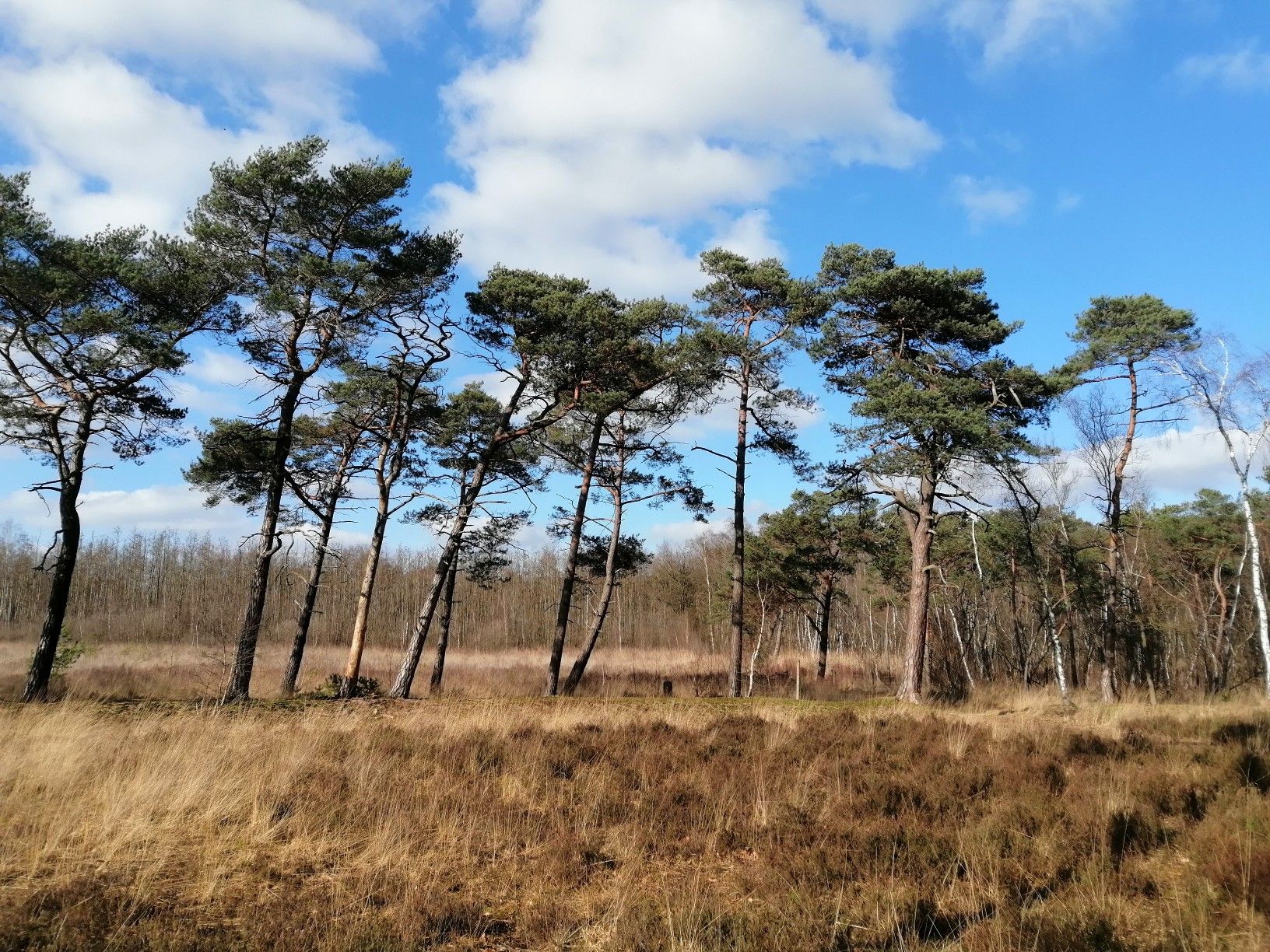
From Flanders to the Ardennes — GR 5 in Belgium
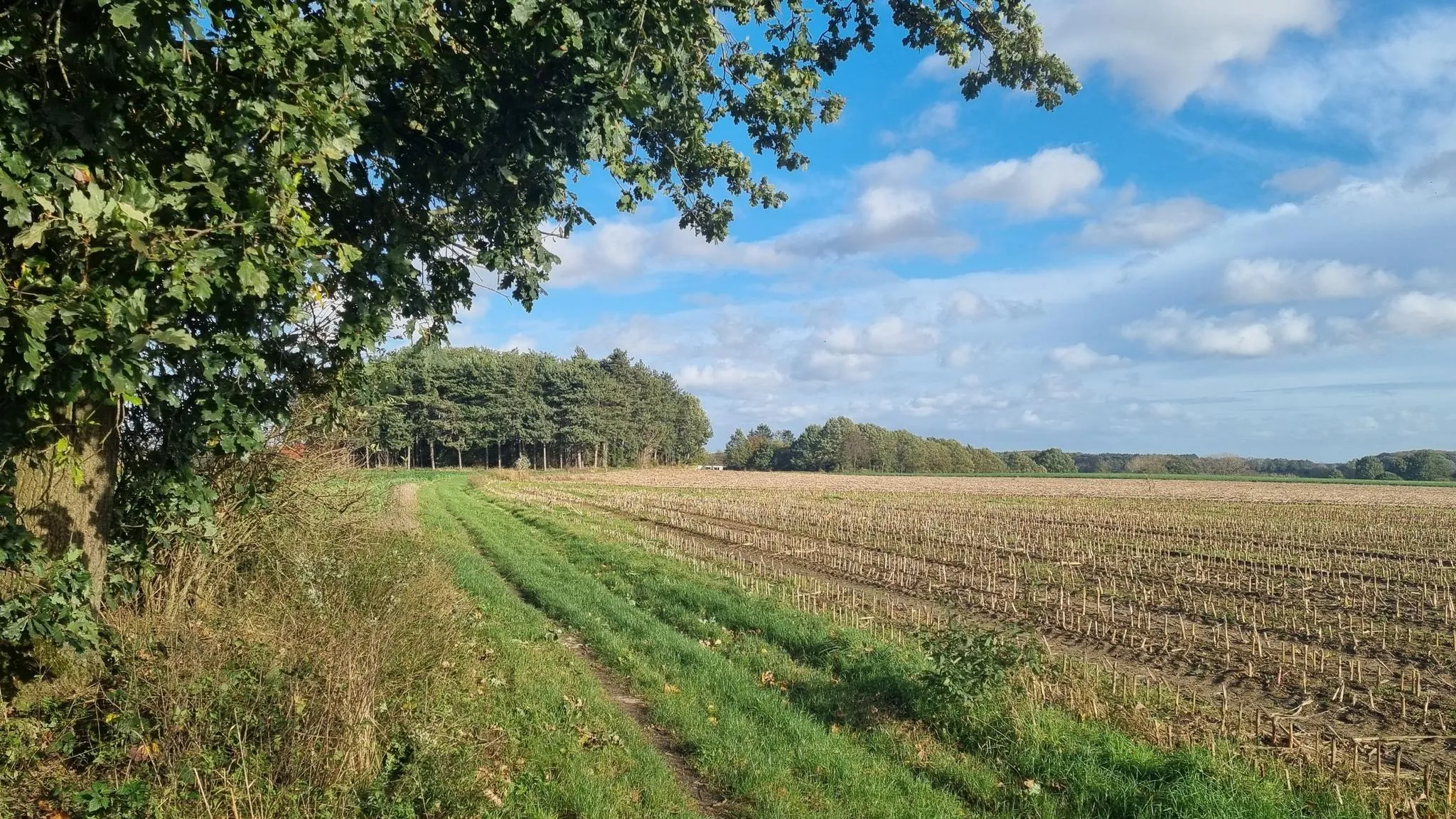
Streek-GR Hageland – Hollow roads and endless fields
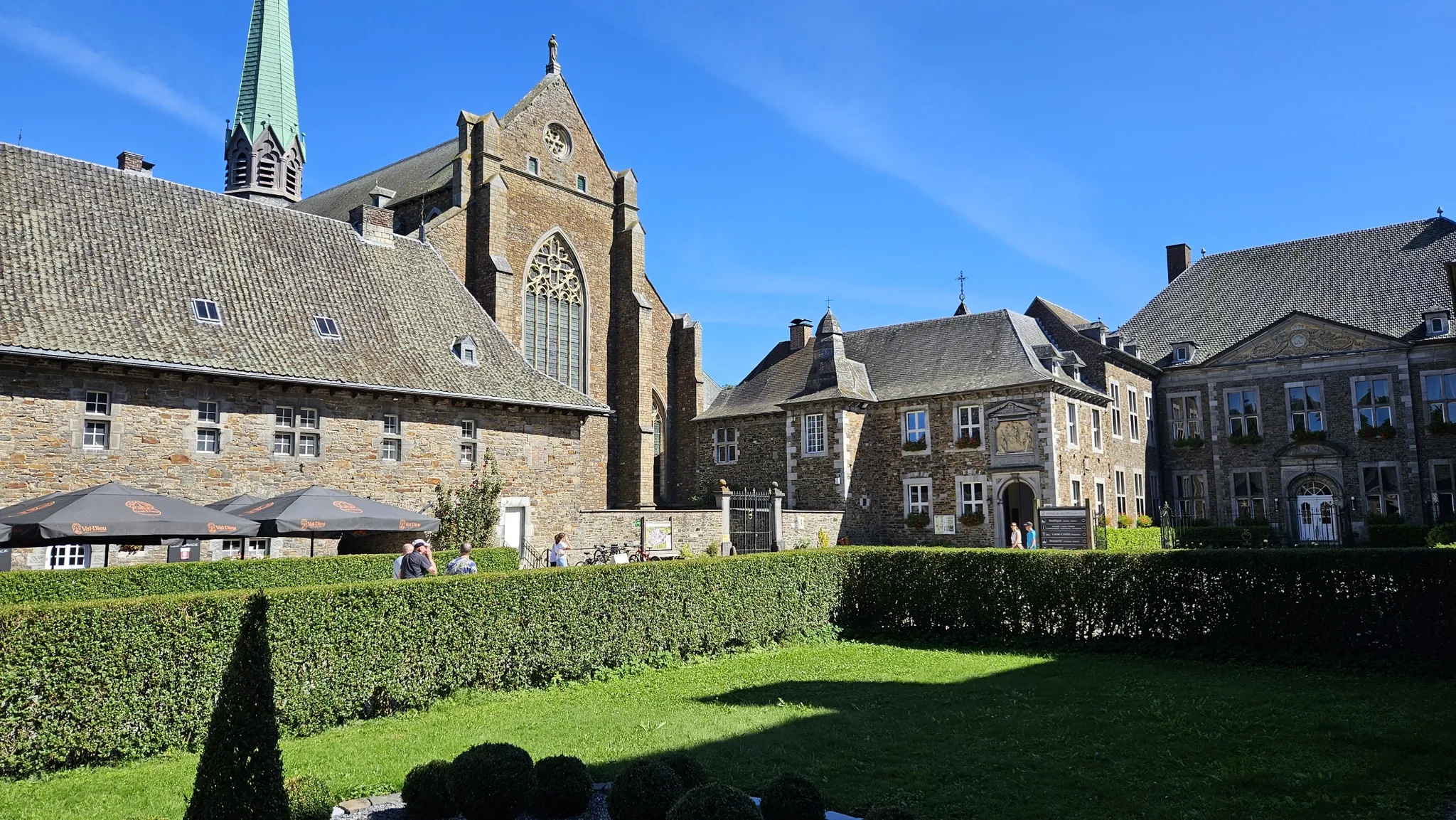
Trappist abbeys cycle route – Between beers and heritage
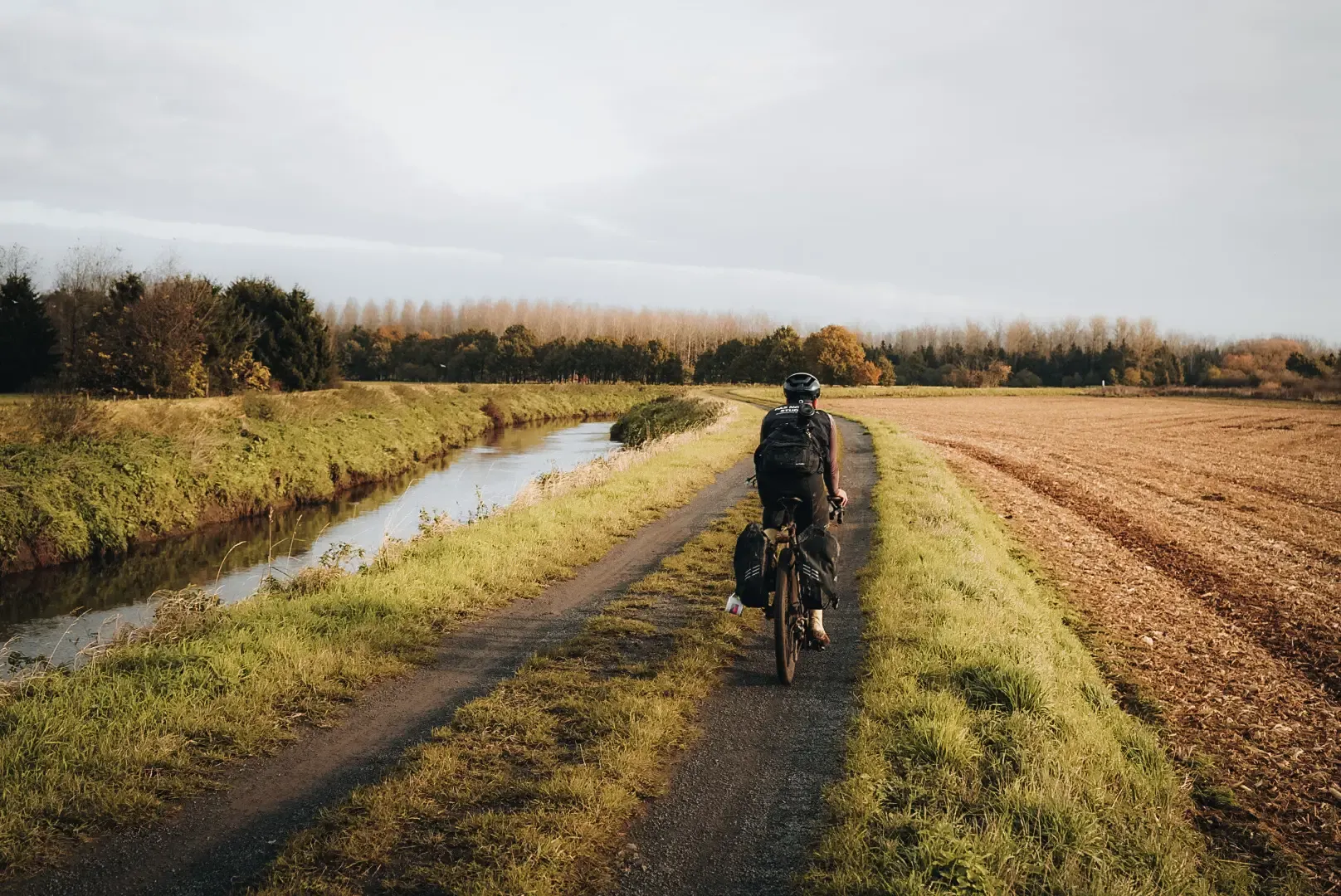
Flanders Divide - Across Flanders
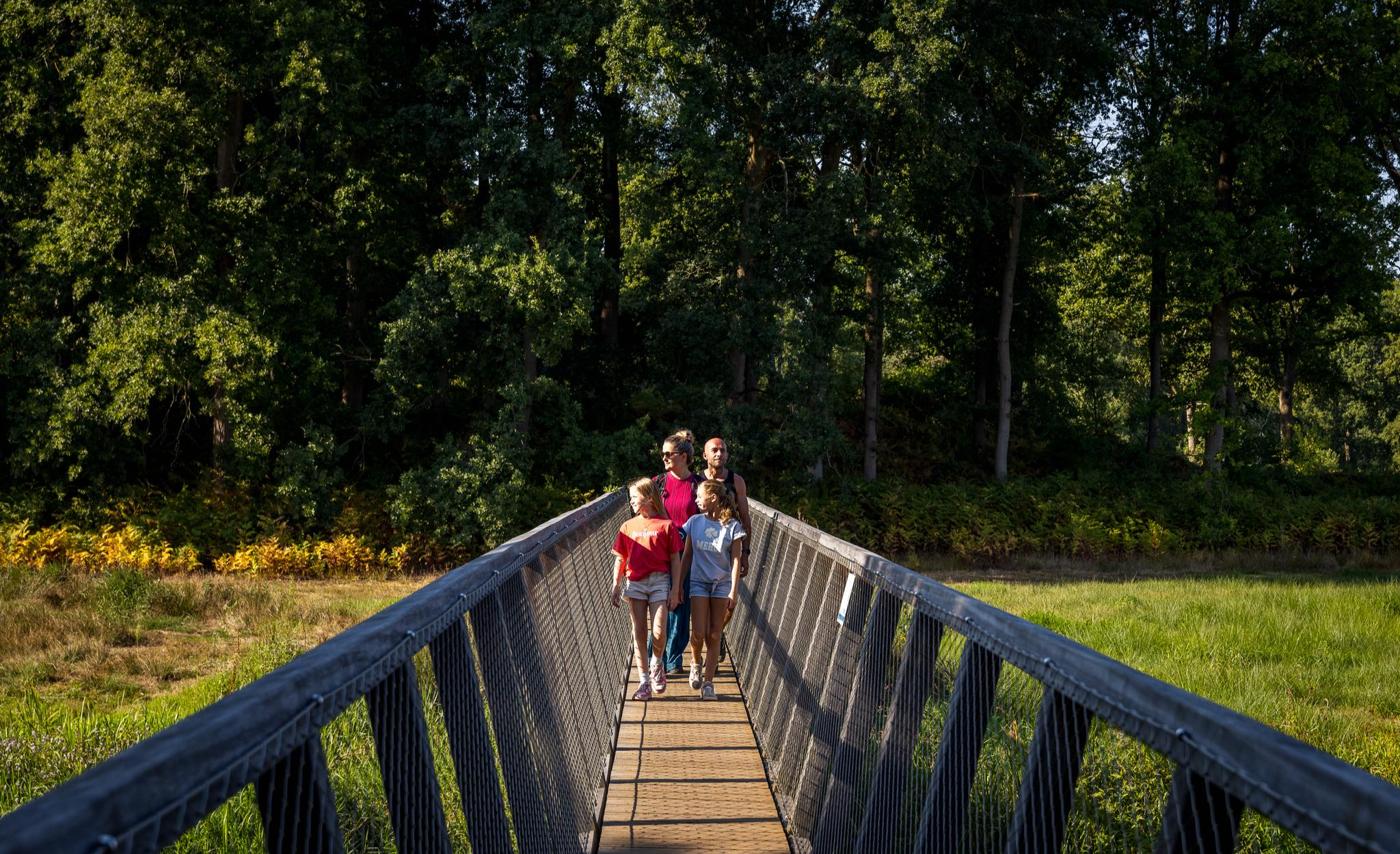
Flanders’ Finest Hiking Routes
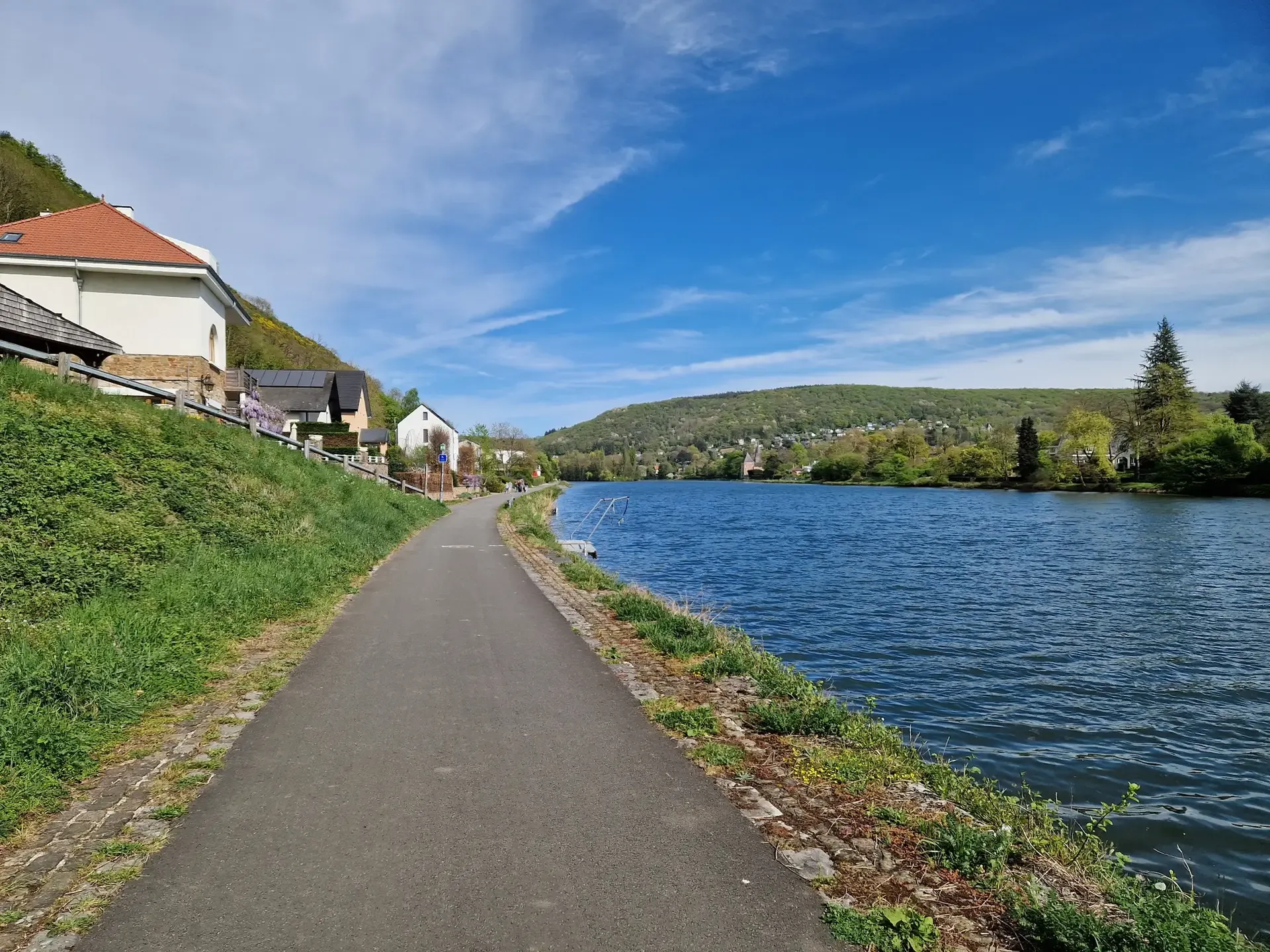
La Wallonie à vélo - RV2 : La Namuroise
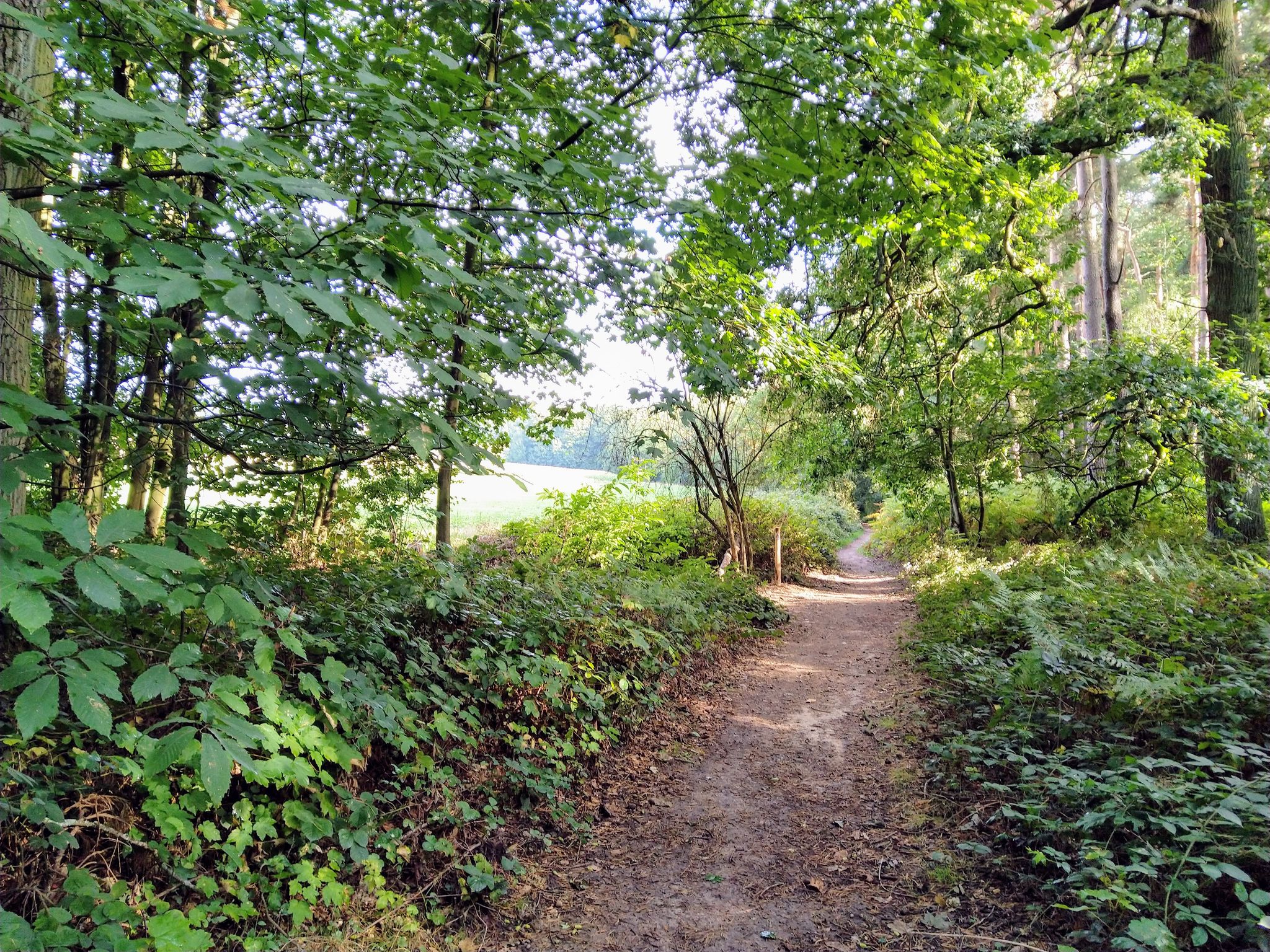
MTB Challenge – the Frans Claes route
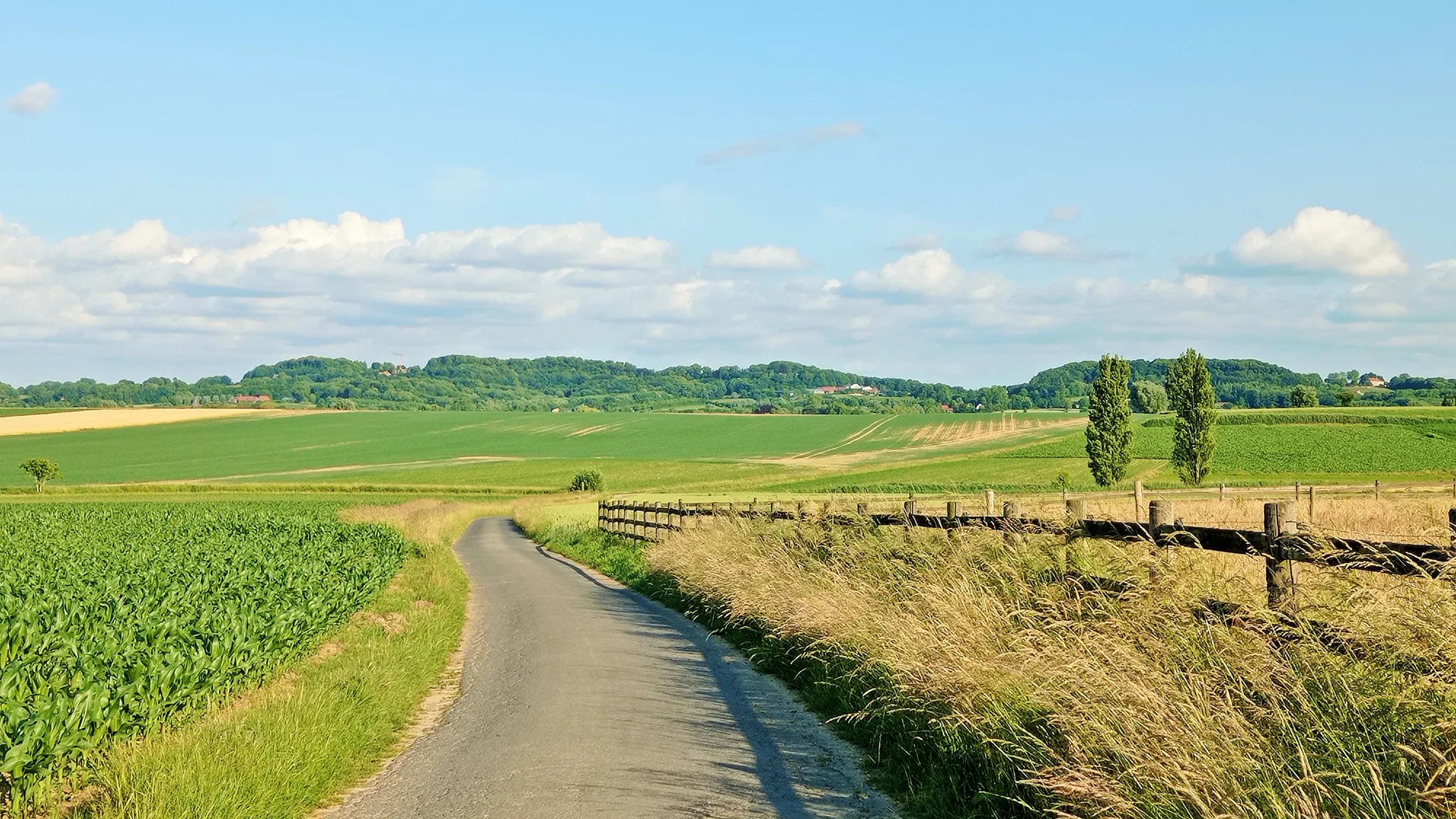
Seven-day Cycling tour through the South-Flemish hills – Hilly Route
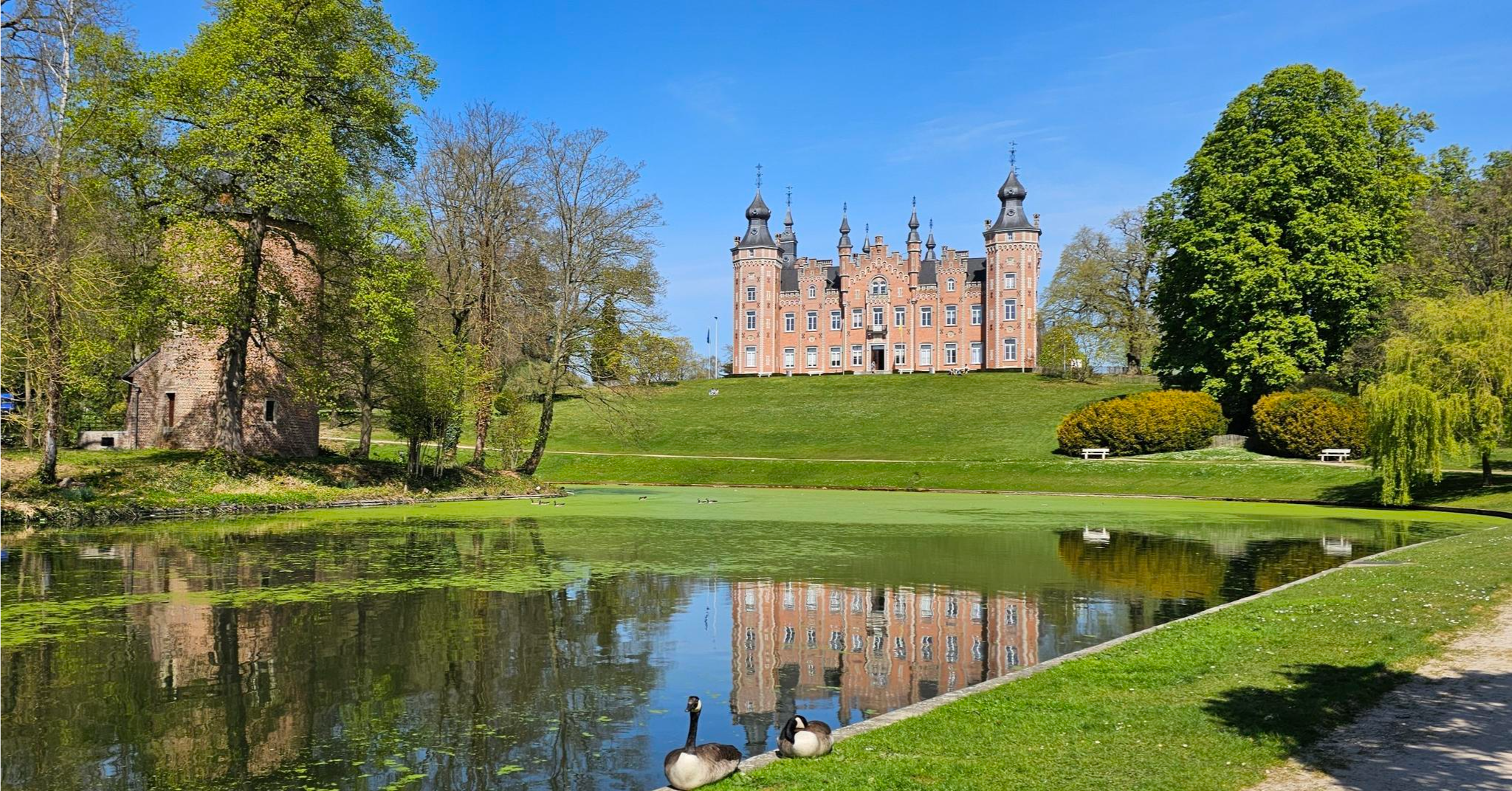
Tour around Brussels – Streek-GR Groene Gordel
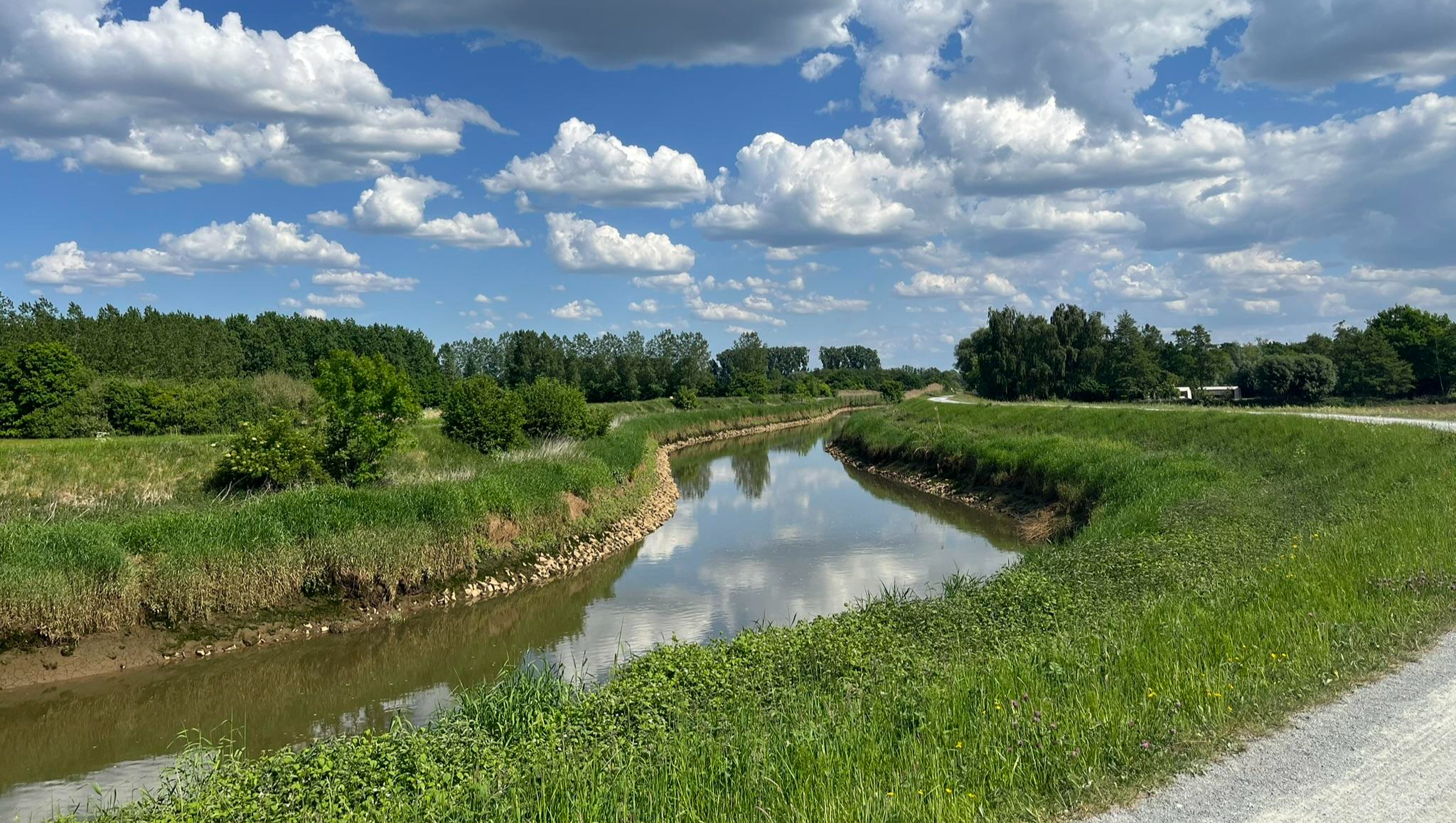
Through the valley of the Dijle – Streek-GR Dijleland
Other adventures in Flemish Brabant


Tips from the Community

Very nice cycle path along the ponds in the park of Tervuren.
0
0

Contemplation is a strong positive medication!
1
0

Definitely stop by Ernesto koffie (right at the roundabout Walensebaan and Smisstraat), a cozy little food truck right by the ponds. There are also cozy seating areas provided at the food truck itself. Delicious coffee and wonderful pastries. Ideal for a refueling stop. Super friendly service. Open Wednesday to Sunday from 10:30
1
0

Known for its distinctive shape with three protrusions that resemble the toes of a goose foot.
3
0

In front of the park is a French garden with ponds, flower beds and statues, which extends to a series of ponds that receive their water from the Voer.
1
0

Very relaxing, beautiful well-maintained paths.
0
0

One of my favorite places in the area.
4
0

Lots of green, trees and water. Quiet for walking, cycling, picnicking.
3
0
Frequently Asked Questions
What are the best lakes in Flemish Brabant for family activities?
For families, Provincial Domain Kessel-Lo near Leuven is an excellent choice, offering pedalos, rowing boats, extensive playgrounds, a traffic park, and various sports fields. Another great option is Provincial Domain Huizingen, which features a large pond for rowing, an animal park, mini-golf, and playgrounds. The Ponds of Tervuren Park also provide a family-friendly environment with cycling paths and restored ponds.
Are there historical sites or notable landmarks near the lakes in Flemish Brabant?
Yes, several lakes are associated with historical landmarks. Horst Castle is a prominent 13th-century moated castle set in the green valley of the Wingebeek, featuring an impressive pond. Lake Genval is surrounded by charming Belle Époque homes and features the historic Château du Lac, offering a picturesque setting with a touch of historical elegance.
What kind of outdoor activities can I do near the lakes in Flemish Brabant?
Many lakes in Flemish Brabant are integrated into larger natural areas, offering various outdoor activities. You can enjoy walking, cycling, and hiking. For example, near the lakes, you can find routes like the 'Alsemberg Meadow – Begijnenbos loop' or the 'Antitank canal walk'. You can explore more options for hiking in the region by visiting the Hiking in Flemish Brabant guide.
Which lakes are best for nature observation and birdwatching?
Het Vinne Nature Reserve in Zoutleeuw is particularly ideal for migratory birds, following its transformation back into a lake. The area is a natural depression almost completely enclosed by slopes, making it a unique habitat. The Reed Pond in Averbode Bos en Heide is also known for its abundant birdlife, including herons.
Are there accessible lakes for visitors with wheelchairs or buggies?
While specific accessibility details vary, Lake Het Vinne is noted as being wheelchair accessible, offering trails suitable for a wider range of visitors. Provincial Domain Kessel-Lo also offers extensive walking paths that are generally well-maintained.
Can I go fishing in the lakes of Flemish Brabant?
Yes, fishing is possible at some lakes. Provincial Domain Huizingen offers fishing opportunities, though prior reservation is required. Provincial Domain Kessel-Lo also features a dedicated fishing lake. Always check local regulations and permit requirements before planning your fishing trip.
What are the best times to visit the lakes in Flemish Brabant?
The lakes are enjoyable year-round, but spring and summer offer the best weather for outdoor activities like boating, cycling, and picnicking. Provincial Domain Huizingen, for instance, is open year-round, with chargeable access from April 1st to September 30th. Autumn provides beautiful foliage, while winter can offer serene, quiet landscapes.
Are there cafes or restaurants near the lakes?
Yes, many popular lake destinations have amenities nearby. At Horst Castle, you'll find the Brasserie Wagenhuis, ideal for a stop. Lake Genval is home to the Château du Lac, a five-star hotel with a restaurant and bar. Provincial domains like Huizingen and Kessel-Lo often have kiosks or cafes within their grounds, especially during peak seasons.
What is unique about Lake Genval?
Lake Genval is an artificial lake uniquely situated on the border between Flemish Brabant and Walloon Brabant. It's renowned for its picturesque setting, surrounded by charming Belle Époque homes, and has long been a popular vacation destination. Its romantic ambiance and scenic views make it attractive for leisurely strolls, paddleboarding, or kayaking.
Are dogs allowed at the lakes in Flemish Brabant?
Dog policies vary by location. For example, at Horst Castle, dogs are allowed on the castle grounds but not inside the castle itself. For nature reserves like Het Vinne Nature Reserve, it's advisable to check specific leash rules and designated areas to protect wildlife.
What makes Provincial Domain Kessel-Lo a popular destination?
Provincial Domain Kessel-Lo, near Leuven, is a popular family-oriented leisure park. Beyond its serene waters for boating and a fishing lake, it boasts extensive facilities including meticulously designed playgrounds, a traffic park, a roller-skating track, miniature golf, tennis courts, and fields for various sports. Entry to the park is free, making it an accessible option for many.
Where can I find easy walking routes around the lakes?
Many provincial domains and nature reserves offer easy walking paths suitable for all ages. Provincial Domain Kessel-Lo and Lake Het Vinne are known for their accessible trails. For more options, you can consult the Easy hikes in Flemish Brabant guide, which lists routes like the 'Reebok hike - Hallerbos' that are often near natural water features.
Most popular routes in Flemish Brabant
Most popular attractions in Flemish Brabant

Get inspired with the komoot mobile app


Didn’t find what you were looking for?
Find the best lakes in Flemish Brabant per region:
Explore more
Still not found your perfect lake in Flemish Brabant? Check out the guides of these regions to see even more beautiful places.
