The 14 Most Amazing Peaks in Flemish Brabant
Best mountain peaks in Flemish Brabant are characterized by rolling hills and elevated areas rather than towering summits. This region offers scenic views and recreational opportunities across its varied landscape. The highest point in Flemish Brabant is Alsemberg, reaching an elevation of 139 meters. These notable viewpoints and natural features provide accessible hiking trails and cycling routes for outdoor enthusiasts.
Best mountain peaks in Flemish Brabant
- The most popular mountain peaks is Troostemberg Forest, a forest that features sometimes…
Last updated: August 11, 2026
Bosberg climb via Kapellestraat
Highlight (Segment) • Climb
Translated by Google •
Tip by

Troostemberg Forest
Highlight • Forest
Translated by Google •
Tip by

Sign up now to discover places like this
Get recommendations on the best single tracks, peaks, & plenty of other exciting outdoor places.
Sign up for free
Tomberg Summit — Bench and Gazebo
Highlight • Summit
Translated by Google •
Tip by

Eikelberg
Highlight • Summit
Translated by Google •
Tip by

Congoberg West Climb
Highlight (Segment) • Climb
Translated by Google •
Tip by
Summit of the Balenberg
Highlight • Summit
Translated by Google •
Tip by

View of Testelt and the Demer Valley from the Voortberg
Highlight • Viewpoint
Translated by Google •
Tip by

Kesterheide – Highest Point of the Pajottenland
Highlight • Summit
(Tourism Flemish Brabant)
Translated by Google •
Tip by

Kesterheide Summit
Highlight • Summit
Translated by Google •
Tip by

View from Zwanenberg
Highlight • Viewpoint
Translated by Google •
Tip by
Sign up for free to discover even more peaks in Flemish Brabant.
Sign up for free
Already have an account?
Start today with a free account
Your next adventure awaits.
Login or Signup
Popular around Flemish Brabant
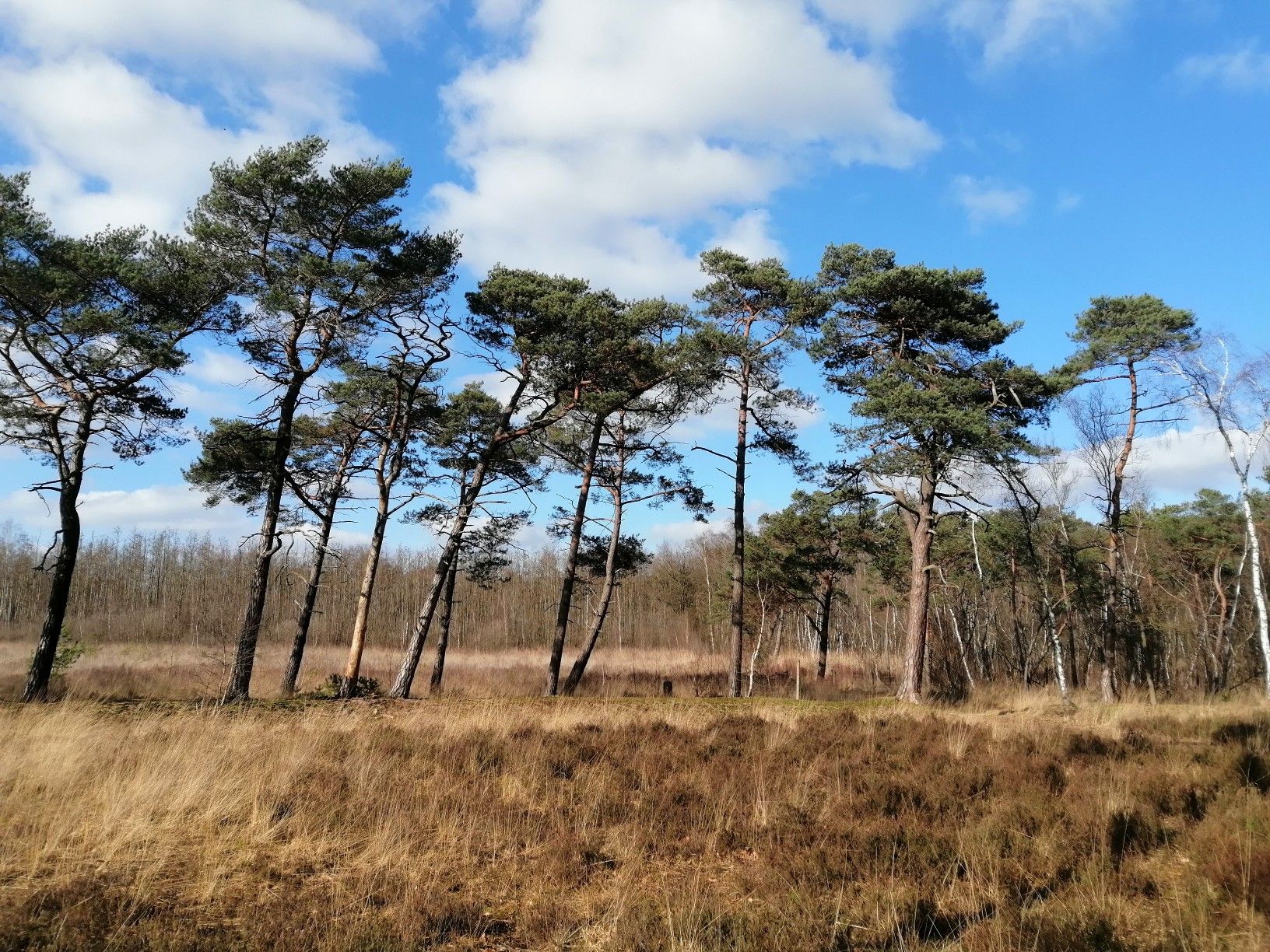
From Flanders to the Ardennes — GR 5 in Belgium
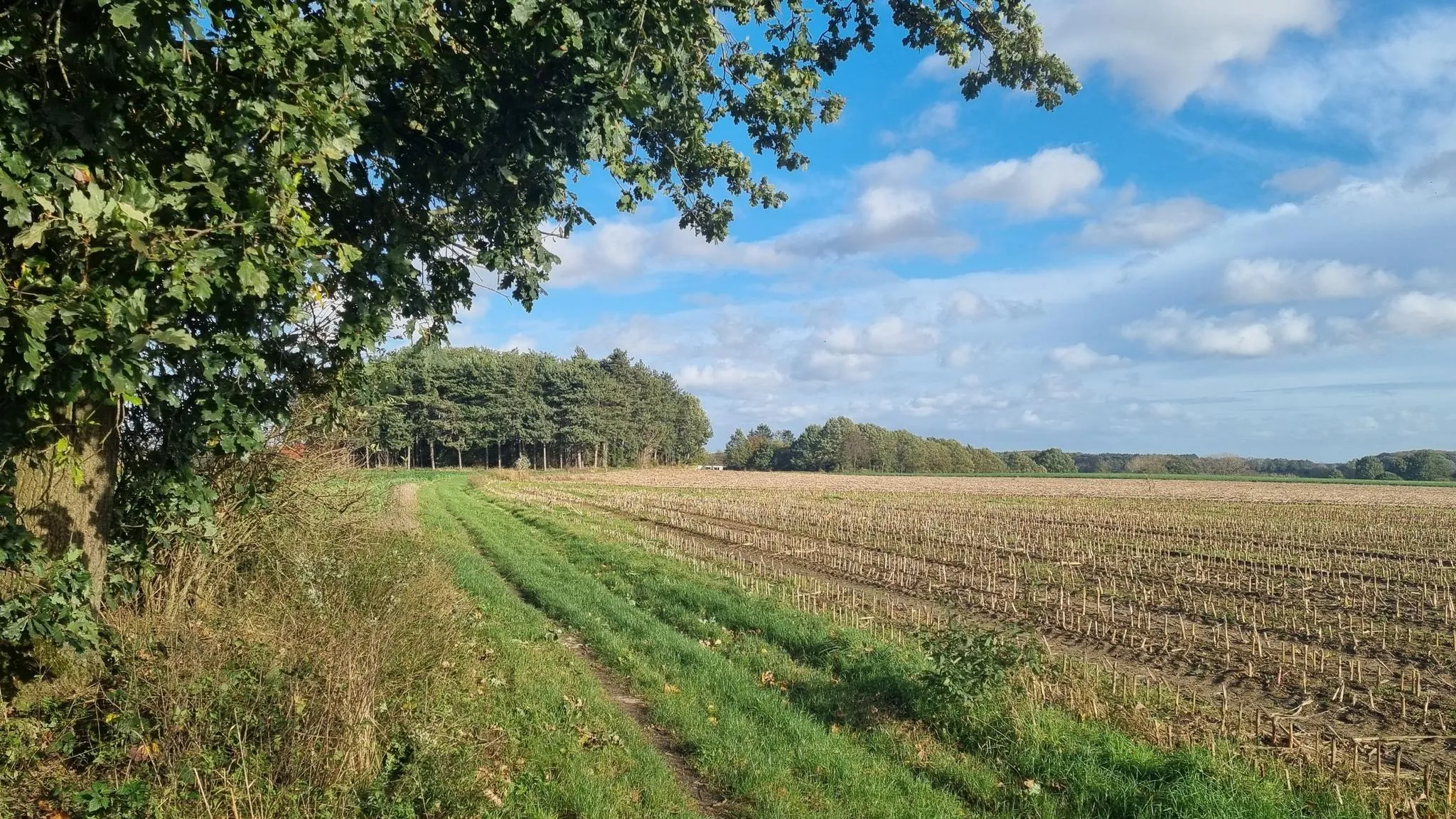
Streek-GR Hageland – Hollow roads and endless fields
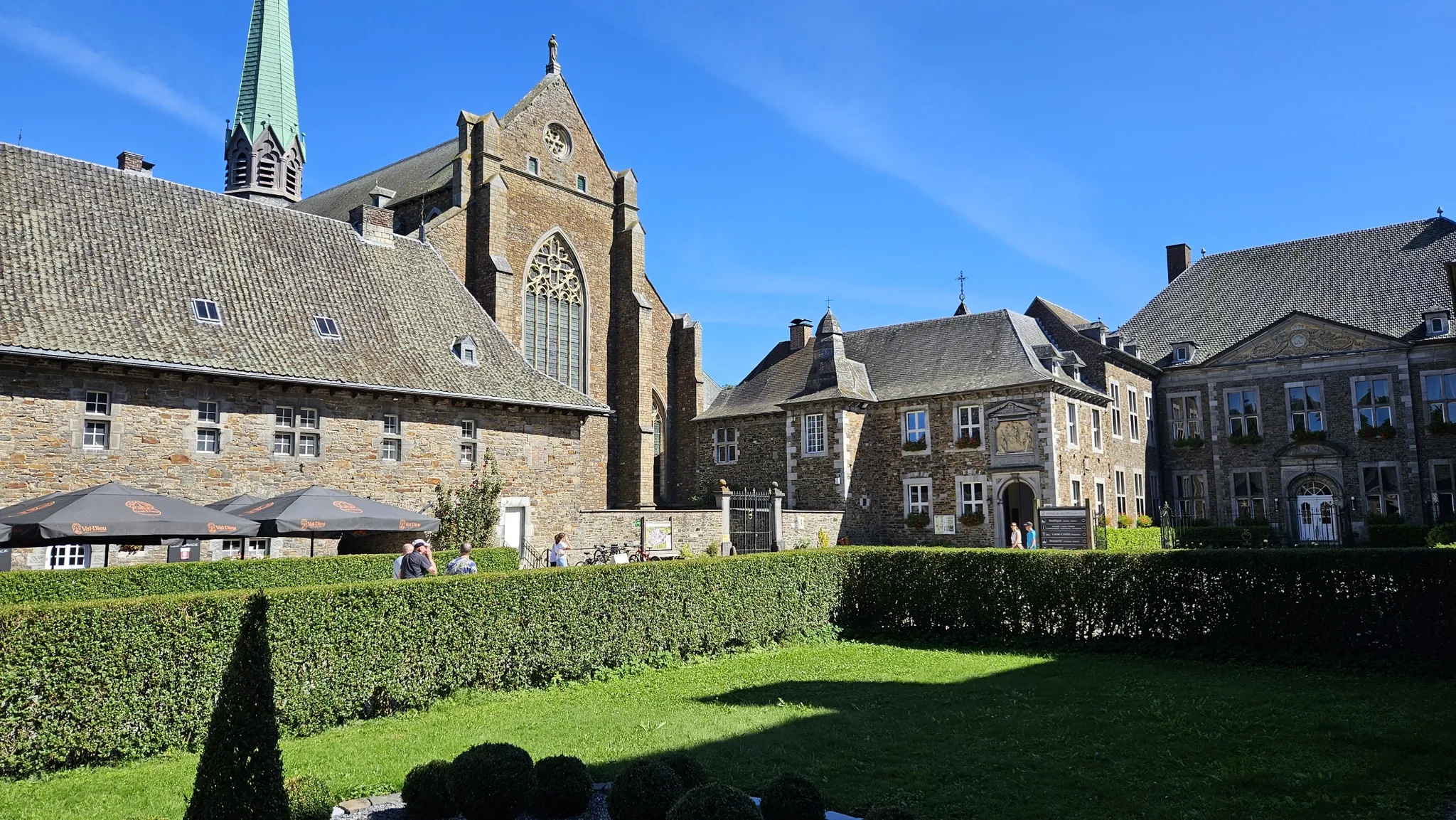
Trappist abbeys cycle route – Between beers and heritage
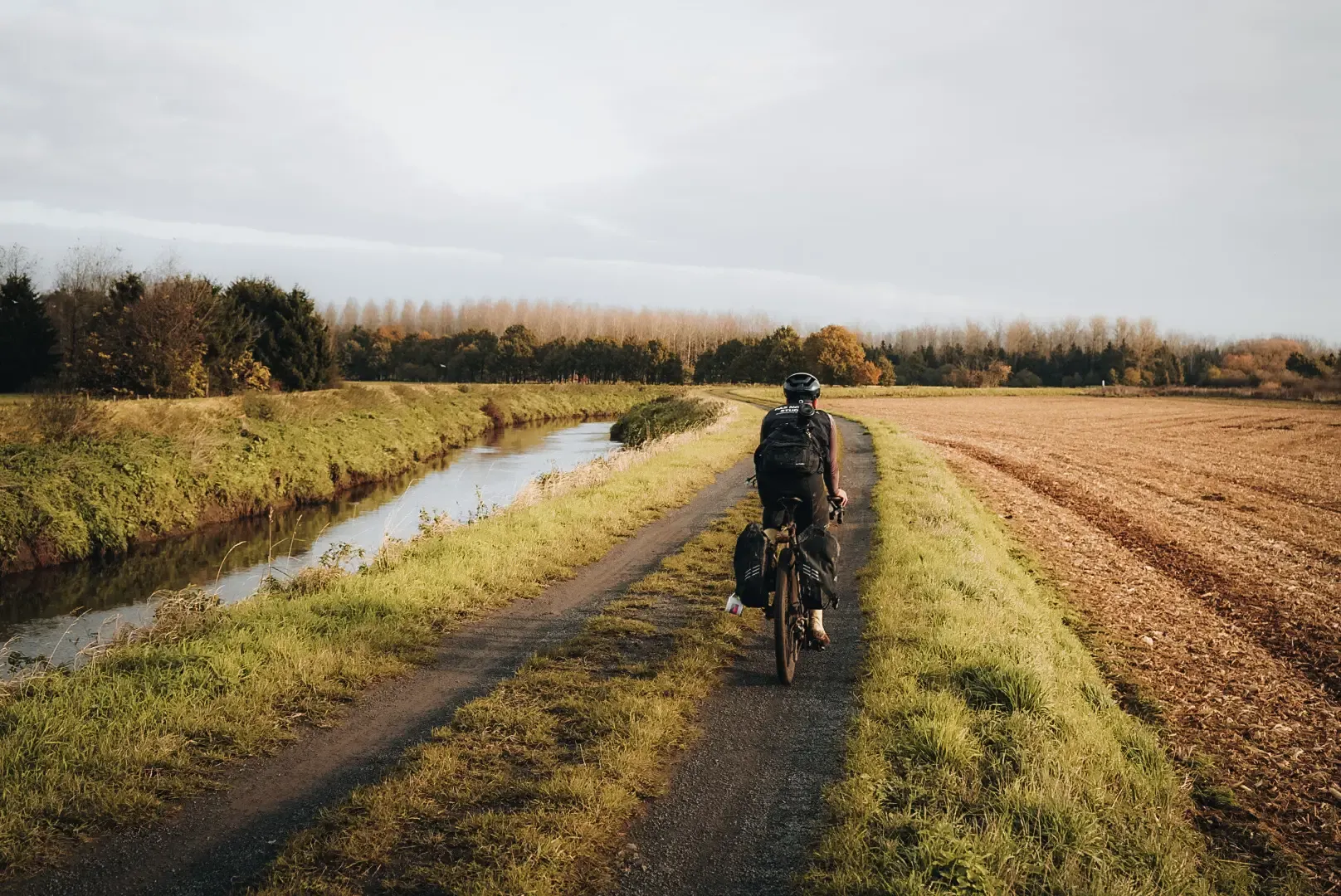
Flanders Divide - Across Flanders
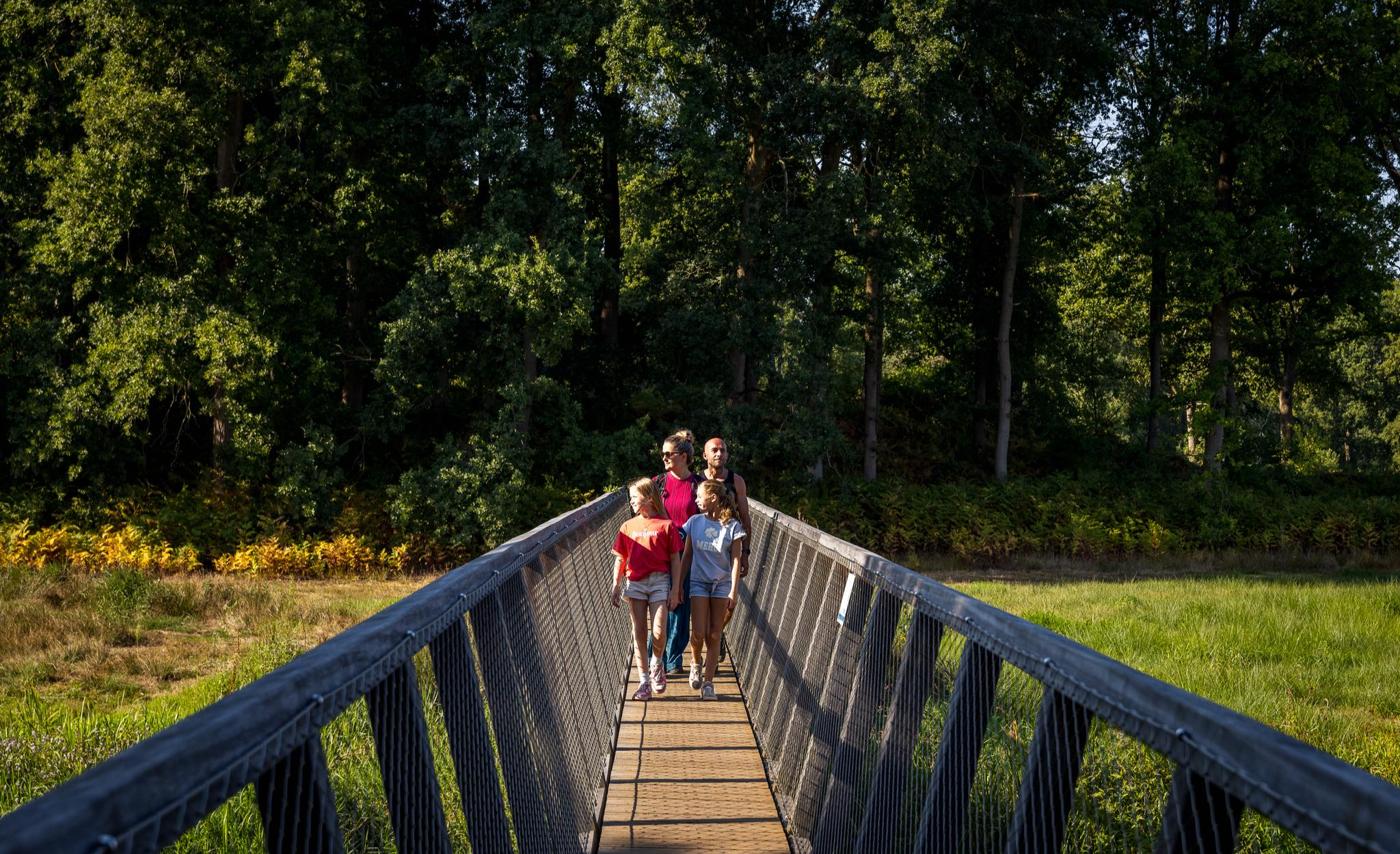
Flanders’ Finest Hiking Routes
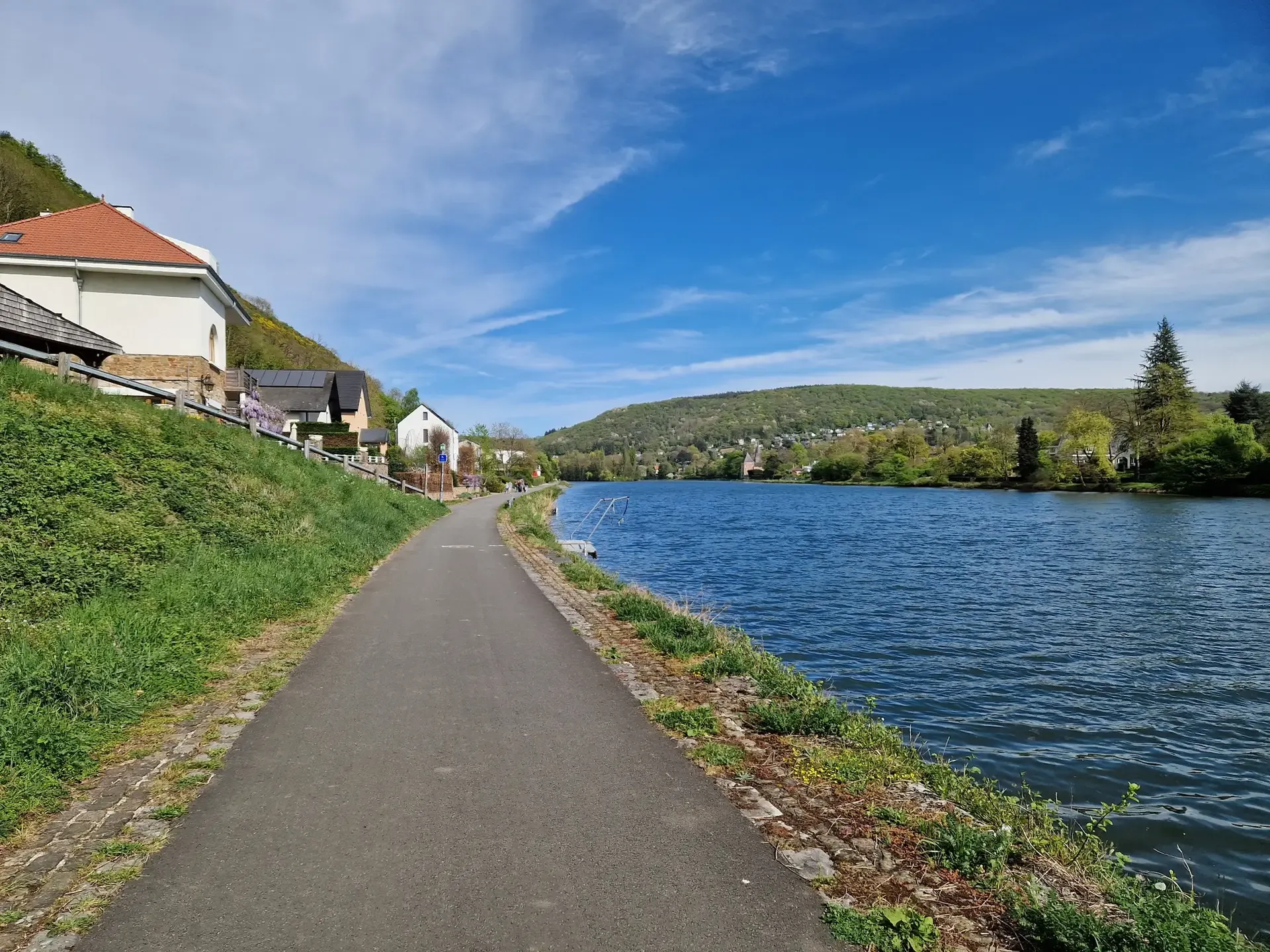
La Wallonie à vélo - RV2 : La Namuroise
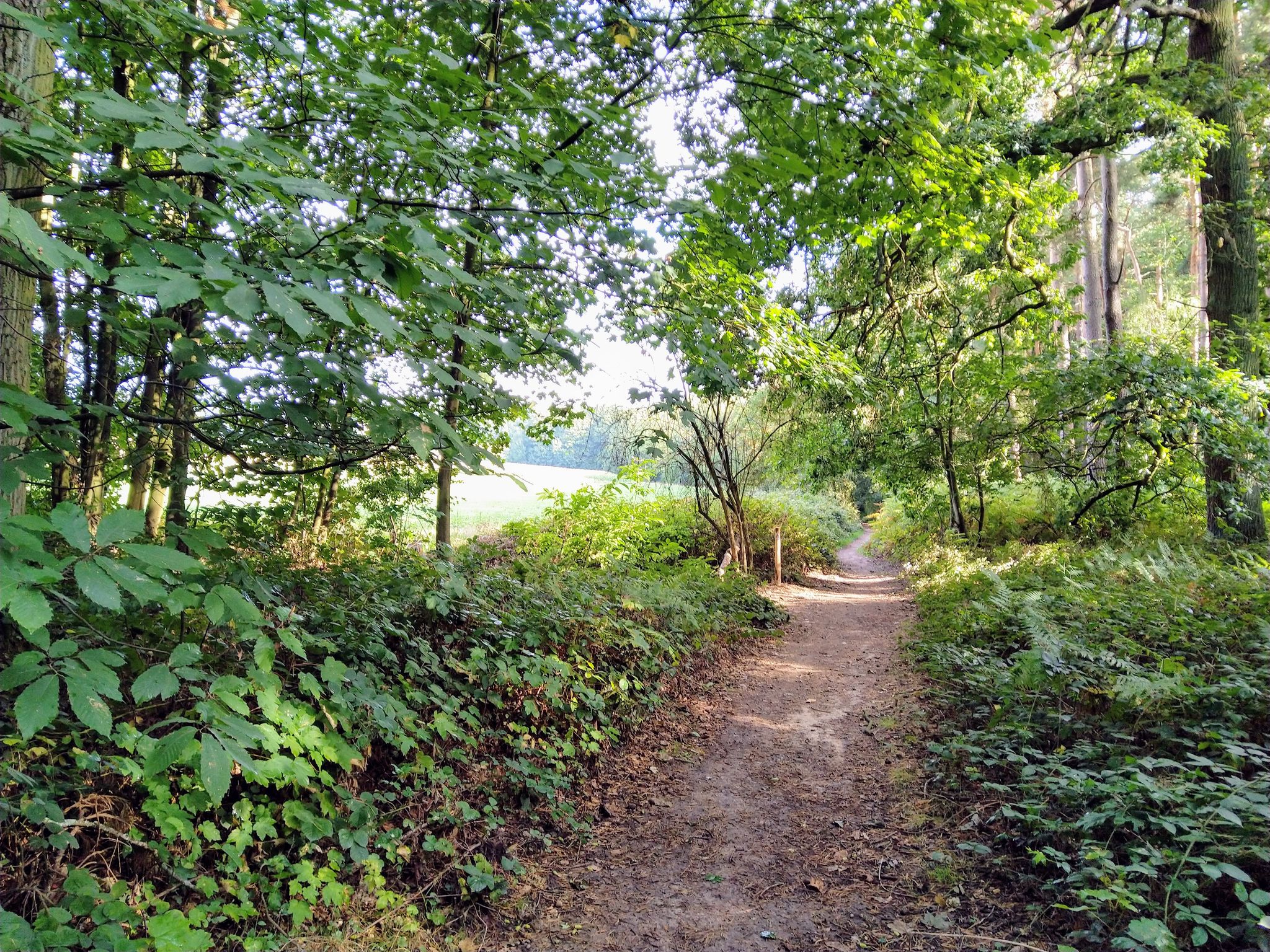
MTB Challenge – the Frans Claes route
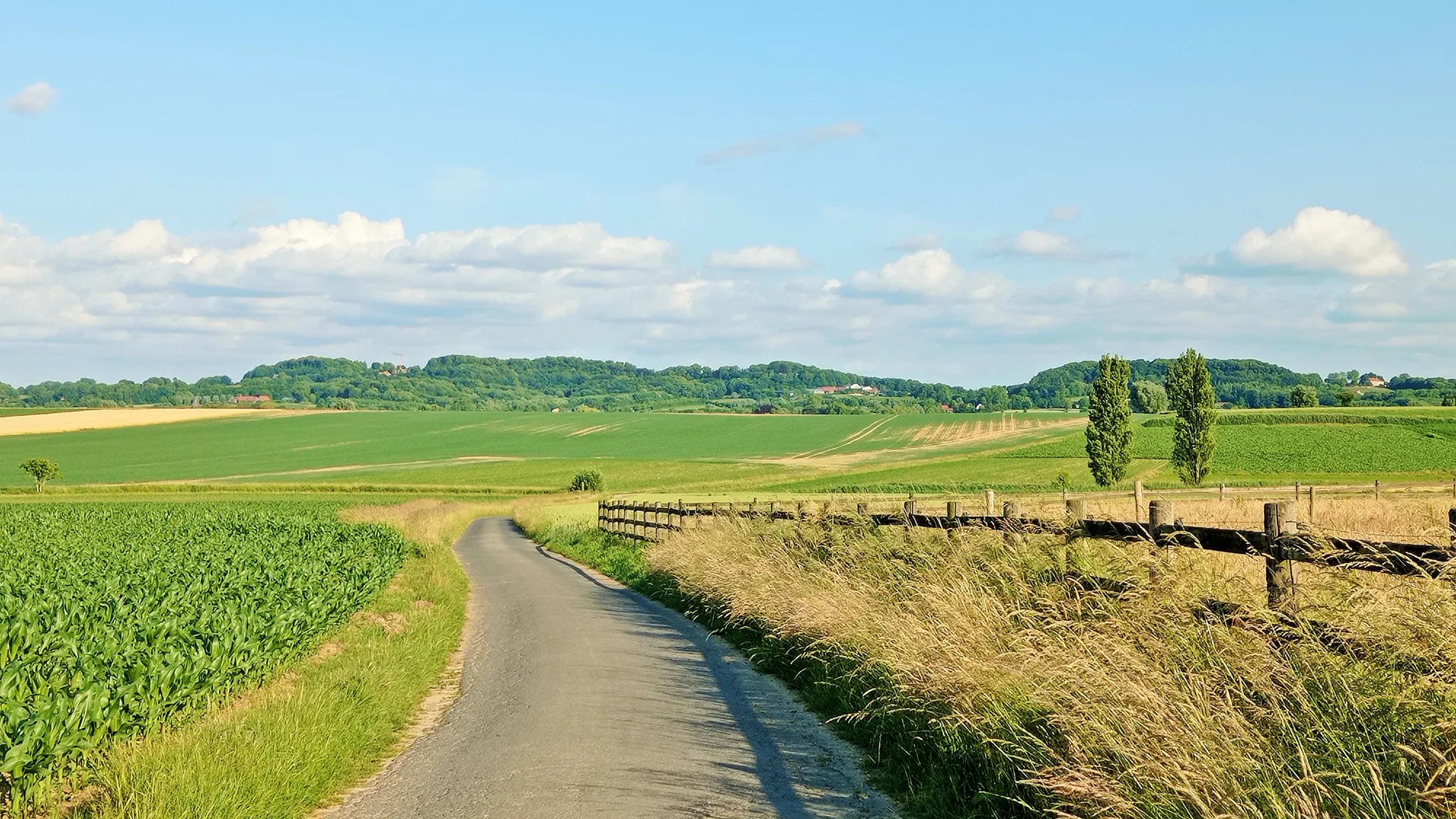
Seven-day Cycling tour through the South-Flemish hills – Hilly Route
Tour around Brussels – Streek-GR Groene Gordel
Through the valley of the Dijle – Streek-GR Dijleland
Other adventures in Flemish Brabant


Tips from the Community

Difficult slope due to the deep grooves and tree roots
0
0

Beautiful forest with many large and old deciduous trees. The forest is situated on a hill, offering beautiful views of the surrounding area.
0
0

Congoberg is a climb in the Pajottenland region. The climb is 1.2 km long and covers 59 m of elevation gain with an average gradient of 4.9%, resulting in a difficulty rating of 34. The summit is 95 m above sea level.
7
0
The official climb begins on a concrete and rather flat surface. Suddenly, the forest appears, interspersed with cobblestones; that's where the real climb begins.
5
0
Once an icon in the Tour of Flanders, today an icon in the Omloop het Nieuwsblad.
7
0

The Balenberg in Baal is much more than just a hill. This is the home base of the Sven Nys Cycling Center, where sports, nature and experience come together. With its modest height, the Balenberg is an ideal place for those who want to test their legs on a short climb, but also for families who like to walk or cycle in a green environment. At the top of the hill you can enjoy a beautiful view over the Hageland, and in the museum you can discover the impressive story of cyclo-cross legend Sven Nys. The surrounding routes take you over gravel paths, sunken roads and quiet country roads — perfect for both the sporty cyclist and the recreational walker. A stop at the Balenberg is a must during your trip in the heart of Flemish Brabant!
1
0

Beautiful climb on Flemish cobblestones!
2
0
Frequently Asked Questions
What are some of the most popular elevated areas to visit in Flemish Brabant?
Flemish Brabant offers several popular elevated areas. The Troostemberg Forest is highly rated for its steep climbs, old beech trees, and diverse zones including a bivouac and off-leash dog area. For cyclists, the Bosberg climb via Kapellestraat is a challenging and iconic spot with cobblestones. The Congoberg West Climb provides beautiful panoramic views over the Pajottenland.
Are there any family-friendly elevated areas or trails in Flemish Brabant?
Yes, several elevated areas in Flemish Brabant are suitable for families. The Troostemberg Forest features a play zone and an experience walk. The Summit of the Balenberg and Kesterheide – Highest Point of the Pajottenland are also noted as family-friendly viewpoints.
What kind of views can I expect from the elevated points in Flemish Brabant?
While not alpine, the elevated points in Flemish Brabant offer scenic views of rolling hills, forests, and agricultural landscapes. For instance, the Congoberg West Climb provides a beautiful panorama over the Pajottenland. From Eikelberg, you can enjoy a view of Gelrode, and the View from Zwanenberg offers expansive grassland vistas. The Voortberg provides a view of Testelt and the Demer Valley.
Are there historical sites or natural monuments associated with these elevated areas?
Yes, some elevated areas have historical significance or are recognized natural monuments. The Tomberg Summit, for example, was historically a site for a forest court and is now an open heathland with a bench and gazebo. The Eikelberg is an iron sandstone hill forming the southern border of the Demer Valley, and Kesterheide is recognized as a natural monument.
What outdoor activities can I do near the elevated areas in Flemish Brabant?
Flemish Brabant is excellent for various outdoor activities. You can explore numerous Mountain Hikes in Flemish Brabant, ranging from easy to moderate. Cycling is very popular, with challenging routes like the Bosberg climb, and you can find more options in the Road Cycling Routes in Flemish Brabant guide. For mountain biking enthusiasts, there are also dedicated MTB Trails in Flemish Brabant.
Are there dog-friendly trails or areas in Flemish Brabant's elevated regions?
Yes, the Troostemberg Forest is particularly dog-friendly, featuring an off-leash dog zone, making it a great spot to explore with your canine companion.
What is the highest point in Flemish Brabant and what does it offer?
The highest point in Flemish Brabant is Alsemberg, reaching an elevation of 139 meters (456 feet). While specific recreational details are not extensively documented, its status as the highest point suggests it offers expansive views of the surrounding countryside.
Can I find challenging climbs for cycling in Flemish Brabant?
Absolutely. Flemish Brabant is well-known for its challenging cycling climbs. The Bosberg climb via Kapellestraat is a legendary spot, famous for its cobblestones and inclusion in major cycling events. The Congoberg West Climb also presents an intermediate challenge with an average gradient of 4.9%.
Are there any elevated areas known for vineyards or agricultural landscapes?
Yes, the region has elevated areas integrated with agricultural landscapes. The Wijngaardberg, though not listed as a highlight in this guide, is notable for its vineyards and fruit orchards, offering picturesque walks, especially when fruit trees blossom in spring. The Houwaartse Berg also features vineyards on its slopes, providing scenic walks and views of Horst Castle.
What is the best time of year to visit the elevated areas of Flemish Brabant?
The elevated areas of Flemish Brabant can be enjoyed throughout the year. Spring offers blossoming fruit trees, while autumn provides beautiful changing leaf colors, particularly around areas like Houwaartse Berg. Summer is ideal for longer hikes and cycling, and even in winter, many paths remain accessible for walks, though conditions may vary.
What do visitors enjoy most about the elevated areas in Flemish Brabant?
Visitors appreciate the diverse natural beauty, from dense forests like Troostemberg Forest with its giant beech trees, to the panoramic views over the Pajottenland from Congoberg West Climb. The historical context of places like Tomberg Summit and the challenging cycling routes also contribute to a rich outdoor experience.
Are there any quiet spots for relaxation and enjoying nature?
Yes, the Tomberg Summit — Bench and Gazebo is described as a wonderful, quiet place to enjoy the scenery, especially with its open heathland and ferns. Many of the forest trails also offer peaceful environments away from busier areas.
Most popular routes in Flemish Brabant
Most popular attractions in Flemish Brabant

Get inspired with the komoot mobile app


Didn’t find what you were looking for?
Discover Flemish Brabant’s best peaks and summits by region:
Explore more
See even more amazing summits in Flemish Brabant with these guides:
