Top 20 Natural Monuments in Antwerp
Best natural monuments in Antwerp showcase a diverse natural landscape, featuring expansive heathlands, marshy fens, and verdant forests. The region offers numerous opportunities to connect with nature through its varied ecosystems, including sandy dunes, wetlands, and urban green spaces. These areas are characterized by unique flora and fauna, providing tranquil environments for outdoor activities. Antwerp's natural areas are recognized for their ecological significance and accessibility for exploration.
Best natural monuments in Antwerp
- The most popular natural monuments is Putse Moer…
Last updated: August 6, 2026
Putse Moer
Highlight (Segment) • Lake
Translated by Google •
Tip by

The Zwart Water
Highlight • Lake
Translated by Google •
Tip by

Sign up now to discover places like this
Get recommendations on the best single tracks, peaks, & plenty of other exciting outdoor places.
Sign up for free
Bridge over the Grote Nete (Het Trammetje), Westerlo
Highlight • Bridge
Translated by Google •
Tip by

Antitankgracht – Green ribbon around the city of Antwerp
Highlight • River
The moat has a length of about 33 km and is at …
Translated by Google •
Tip by
Kapucienenberg Land Dunes
Highlight • Natural Monument
Translated by Google •
Tip by
Stappersven Observation Platform
Highlight • Viewpoint
Translated by Google •
Tip by
Kesselse Heath
Highlight • Forest
Translated by Google •
Tip by

Belse Heide Nature Reserve
Highlight • Forest
Translated by Google •
Tip by
Vrieselhof Castle
Highlight • Castle
Translated by Google •
Tip by
Wortel-Kolonie
Highlight • Historical Site
Translated by Google •
Tip by

Sign up for free to discover even more natural monuments in Antwerp.
Sign up for free
Already have an account?
Start today with a free account
Your next adventure awaits.
Login or Signup
Popular around Antwerp
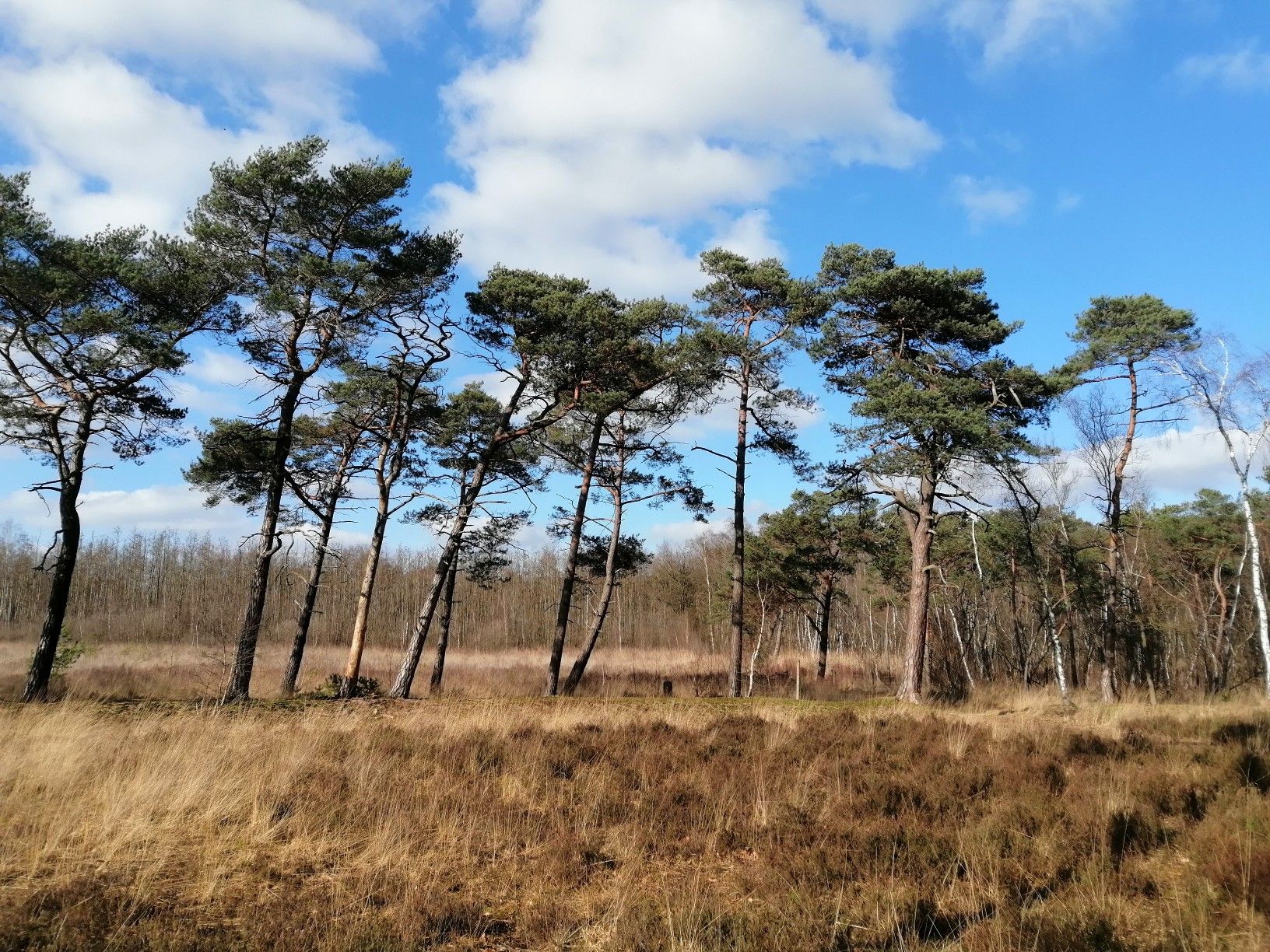
From Flanders to the Ardennes — GR 5 in Belgium
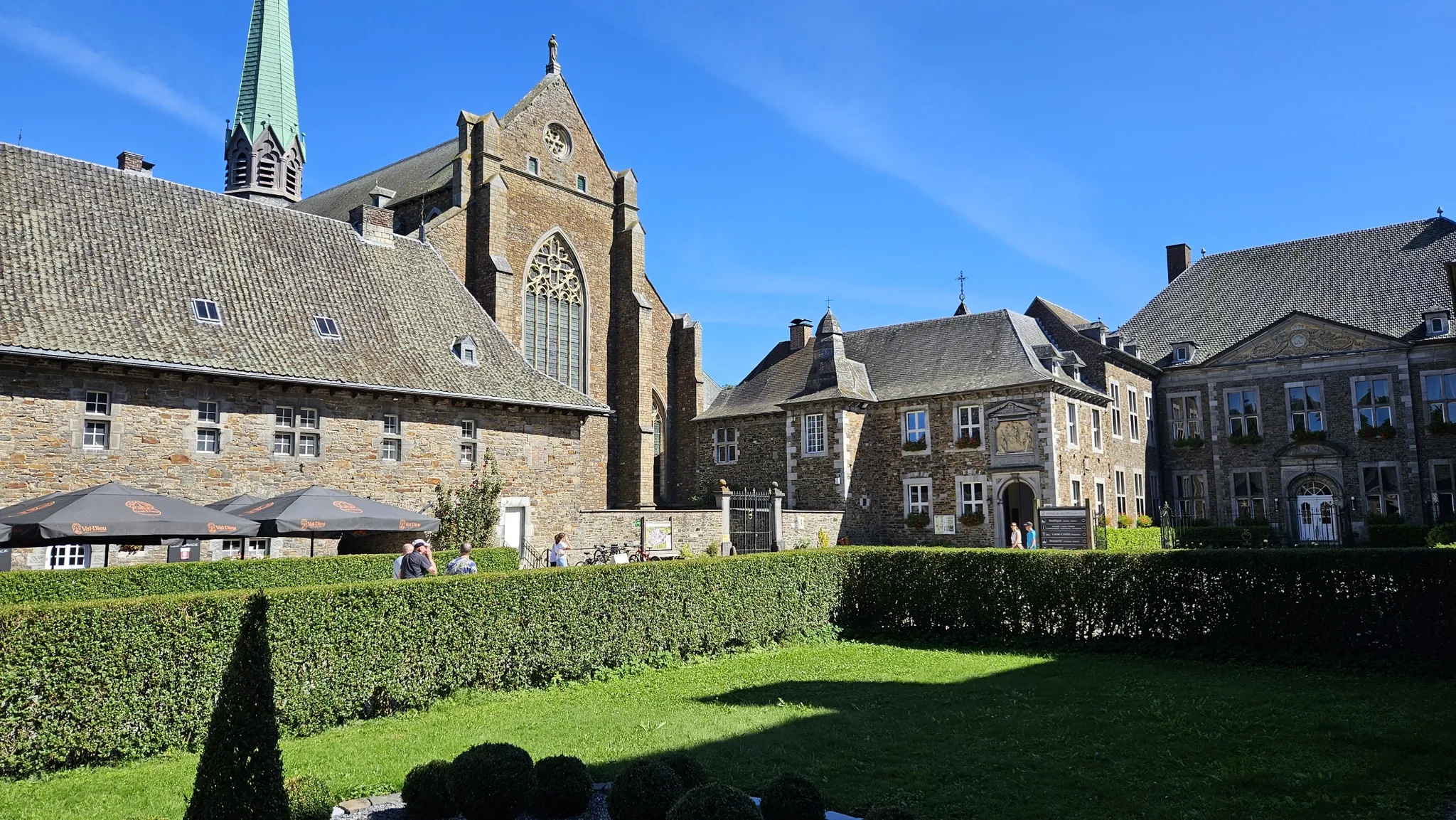
Trappist abbeys cycle route – Between beers and heritage
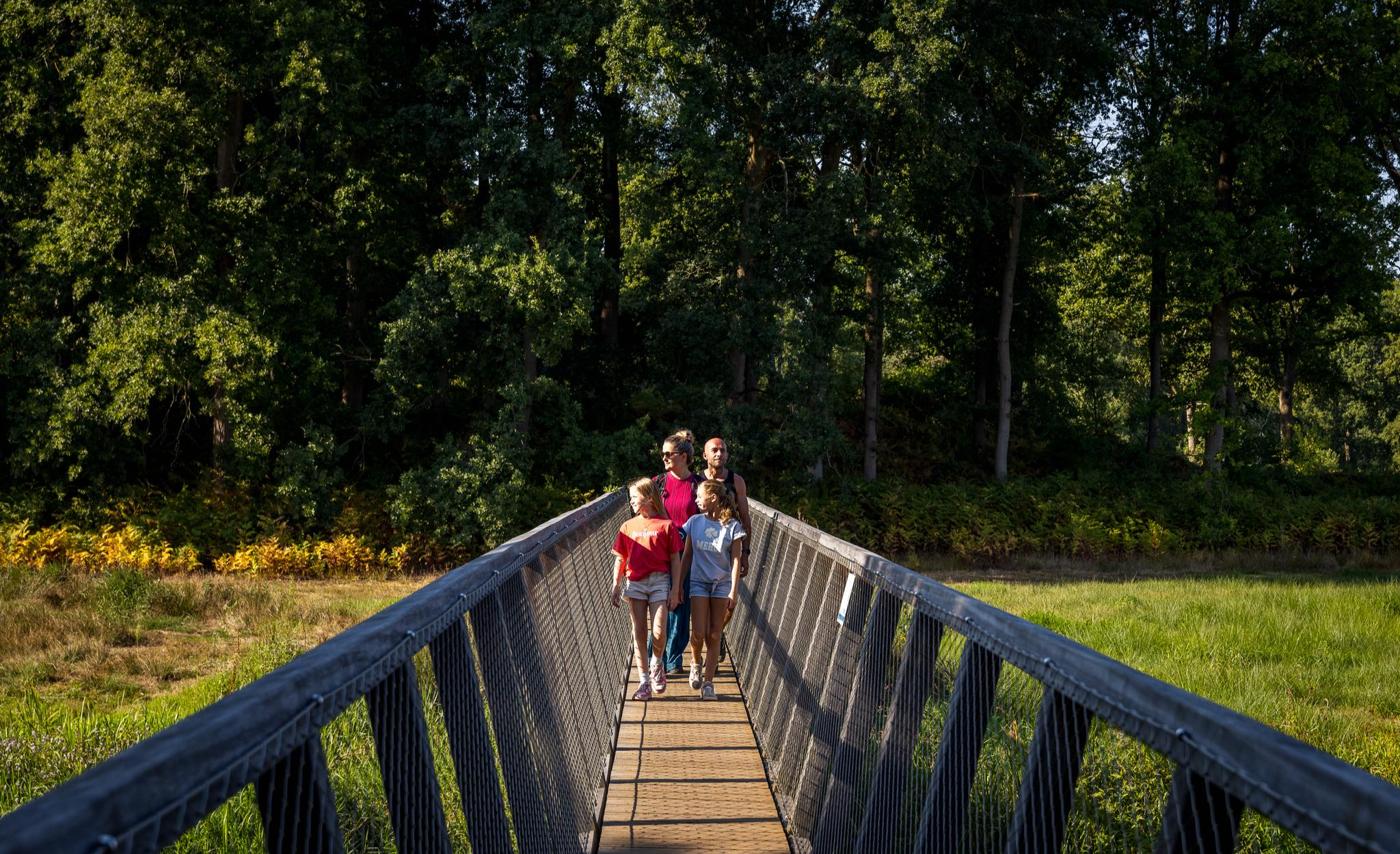
Flanders’ Finest Hiking Routes
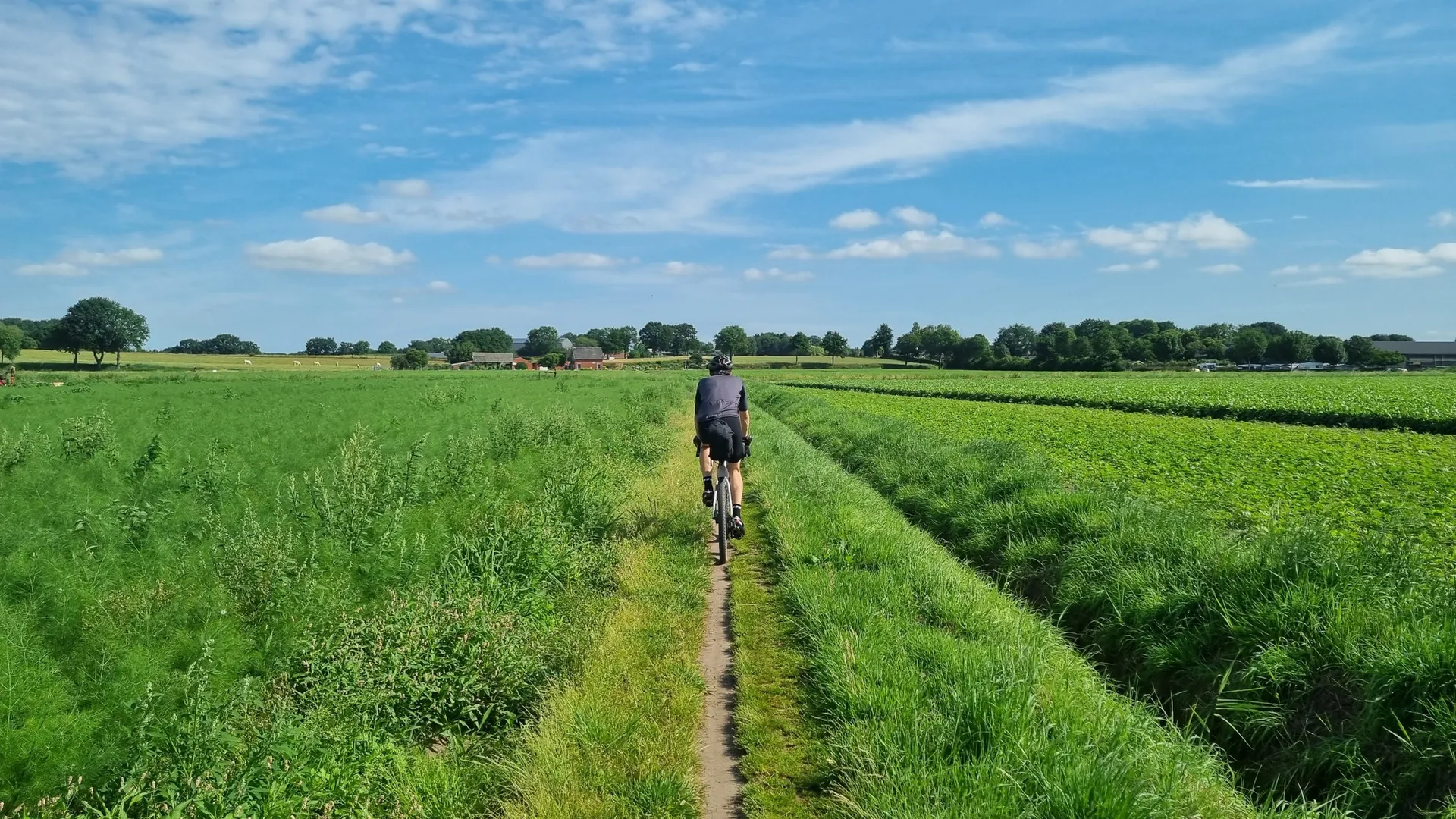
Weekend adventure over the border – A-Cross the 2
Explore the Kempen – a three-day cycling adventure on the Kempen Route
Through the valley of the Dijle – Streek-GR Dijleland
Three days of pure cycling pleasure from Spiere to Zandvliet – Schelderoute
Through the south of the Netherlands – LF13 Schelde-Rheinroute
Flanders' Finest Cycle Routes: routes to discover Flemish nature and heritage
Treinstappers – from station to station in Flanders
Other adventures in Antwerp


Tips from the Community

The Kesselse Heide is a provincial green space covering 79 hectares, 61 of which are open to the public. The initial acquisition took place in 1978, and it has been expanded since then. The entrance is located in Nijlen, at Vaerestraat 4. The space is freely accessible daily from sunrise to sunset. There are two ponds in the area. These old wells not only provide a pleasant change of scenery but are also a boon for the many plants and animals. Since 1996, the Kesselse Heide has been a protected landscape. It is one of the few remaining remnants of the once vast Kempen heathlands. The heath is a living community created in our region by humans. Historical agricultural practices created a landscape that has been preserved through human intervention: grazing by sheep, burning the heath, and sod cutting. Sod cutting is the removal of the topsoil and vegetation. A dug-out sod of plants and their roots is a sod. If heathland is left untreated, it will evolve into oak and birch forests, and the typical species associated with a heathland habitat will disappear. In the mid-19th century, the Kesselse Heide—like many other parts of the Kempen region—was afforested with Scots pine, a valuable timber for mining. However, during both World Wars, these sod-covered forests were felled, and from then on, the heathland was able to expand again. Current management consists of removing trees and mechanically cutting sods to give the open heathland every chance to thrive. https://youtu.be/NoPf0HSeFz8
6
0

The Kesselse Heide-Het Goor area consists of a variety of nutrient-poor meadows, pastures, marshes, and ponds, bordered and crisscrossed by enclosed landscape types, and contains numerous landscape elements. The area is characterized by a richly varied and sometimes rare flora. Several historic farm buildings can be found within the area. The Kesselse Heide-Het Goor area, with an area of approximately 2,620 hectares, is located between the villages of Nijlen and Kessel, north of the Lier-Herentals road. The northern border of this area is along Vogelzangstraat, the eastern border along Achterbist, Kannaertsstraat, and Goorstraat. The Grote Steenweg forms the southern border, and the western border is formed by Heidestraat and Vaerestraat. The landscape includes the following topographical areas: "Kannaerdsche Heyde," "Kesselse Heide," "Mol Heide," "Achterbiest," "Het Hoog Bosch," "De Hooge Heide," "Het Armveld," "De Schommers" or "Vissen Eynde," "Het Goor," "Het Goorkasteel," and "Hoge Heyde." Several streams traverse the area, specifically the Goorkantloop, the Elstbeek, the Paddenloop, Blauwe Hoekloop, and the Visbeek. The elevation within the area varies from approximately 5 meters +TAW to approximately 10 meters +TAW. Inventory of Immovable Heritage: Kesselse Heide-Het Goor, https://id.erfgoed.net/erfgoedobjecten/302886
7
0

The Bels Broek en Heide is a sub-area of the Grote Netewoud in the municipalities of Geel and Meerhout. It is located on the right bank of the Grote Nete River, here called the Meerhoutse Nete, and consists of drifting dunes, swamp forests, and heathland. The Bels Broek en Heide is located in a habitat directive area. It is named after the nearby town of Bel. (Wikipedia)
9
0
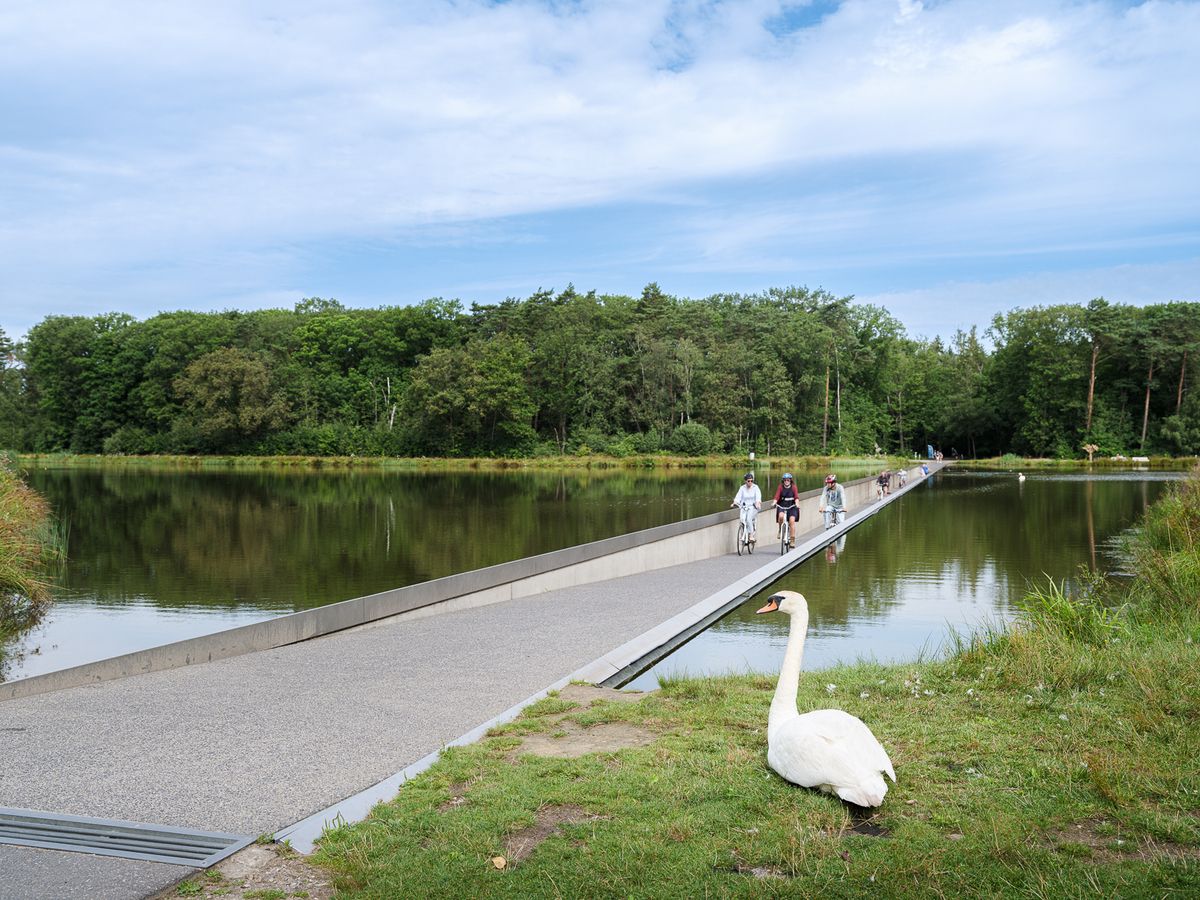
A beautiful bridge over the Grote Nete river, not far from Merode Castle. You must cross the bridge to continue along the Grote Nete.
13
0


Protected cycle path (gravel). Essentially a straight line from Oelegem to Sint Job in 't Goor (connecting with the Schoten Canal). Despite its straightness, it's not endless and offers plenty of variety.
3
0

bridge over the large Nete, over which the path between Westerlo and Bergom runs.
7
0

Very nice walk with a lot of variety in landscapes and terrain.
3
0
Frequently Asked Questions
What types of natural monuments can I explore in Antwerp?
Antwerp's natural monuments offer a diverse landscape, from expansive heathlands and marshy fens to verdant forests and sandy dunes. You can find unique ecosystems like the Kalmthoutse Heath Nature Reserve, known for its vast heathlands, and the Kapucienenberg Land Dunes, featuring sandy hills and stream valleys.
Are there family-friendly natural monuments in Antwerp?
Yes, many natural monuments in Antwerp are suitable for families. For instance, Putse Moer is easily accessible for paddling from a walk-in beach, and the Zwart Water offers a unique fen environment. The Kesselse Heath also has expansive sands that children enjoy as a 'sandbox'.
What outdoor activities can I do near these natural monuments?
The natural monuments in Antwerp are excellent for various outdoor activities. You can enjoy hiking, cycling, and mountain biking. For hiking, consider routes like the 'Sheep Trail' or 'Dune Trail'. Cyclists can explore options such as the 'Scheldt Castles Route' or 'Around Antwerpen in 80 kilometers'. Find more details and routes in the Hiking in Antwerp and Cycling in Antwerp guides.
Can I observe wildlife at Antwerp's natural monuments?
Absolutely. Areas like the Kalmthoutse Heath Nature Reserve are home to rare animals and plants. The Hobokense Polder, just south of Antwerp, is particularly noted for birdwatching and observing local wildlife, including various bird species and small mammals. The Zwart Water even has a floating platform for birds to rest and nest.
Are there any historical sites within or near these natural monuments?
Yes, some natural monuments in Antwerp have historical significance. The Antitankgracht, an artificial watercourse, is recognized as a protected landscape and features bunkers along its length, testifying to its past defensive role. Additionally, Bridge over the Grote Nete (Het Trammetje) is a historical site, and Vrieselhof Castle is located within a natural setting.
What is the best time to visit natural monuments in Antwerp?
Antwerp's natural monuments offer beauty throughout the year. Spring and summer are ideal for lush greenery and wildlife spotting, while autumn brings vibrant colors to the forests and heathlands. The Kesselse Heath, for example, displays a beautiful color palette that changes with each season, making it breathtaking at any time.
Are natural monuments in Antwerp dog-friendly?
Many natural areas in and around Antwerp welcome dogs, often requiring them to be on a leash to protect wildlife and other visitors. It's always best to check specific reserve rules before visiting, but generally, you'll find plenty of paths suitable for walks with your dog.
How can I reach these natural monuments by public transport?
While some urban green spaces like Stadspark are centrally located and easily accessible, many larger nature reserves such as the Kalmthoutse Heath Nature Reserve are further out. Public transport options like buses or trains can get you close to some areas, but for others, a combination of public transport and a short walk or cycle might be necessary. Planning your route in advance using local transport apps is recommended.
Are there any hidden natural gems near Antwerp?
Beyond the well-known spots, areas like the Belse Heide Nature Reserve offer tranquil heathland ponds and designated paths for exploration, providing a peaceful escape. The Zwart Water, with its unique fen landscape and dark-colored water, is another less-traveled spot that offers a distinct natural experience.
What should I wear when visiting Antwerp's natural monuments?
Given the varied terrain, from sandy dunes to marshy areas and forests, comfortable walking shoes or hiking boots are highly recommended. Layered clothing is advisable to adapt to changing weather conditions. For areas like the Kalmthoutse Heath, which can be quite open, sun protection and insect repellent might also be useful.
Are there parking options near natural monuments in Antwerp?
Many of the larger nature reserves and provincial domains, such as the Kalmthoutse Heath Nature Reserve and Rivierenhof Provincial Domain, offer dedicated parking facilities. For smaller or more remote natural monuments, parking might be available in nearby villages or designated roadside areas. Always check local signage for parking regulations.
What do visitors enjoy most about Antwerp's natural monuments?
Visitors frequently appreciate the tranquility and diverse landscapes. The Kalmthoutse Heath Nature Reserve is praised for its vast, boundless feel and the opportunity to see rare flora and fauna. The picturesque lake scenery of Rivierenhof Provincial Domain and the unique geological formations of the Kapucienenberg Land Dunes are also highly valued for their beauty and peaceful atmosphere.
Most popular routes in Antwerp
Most popular attractions in Antwerp

Get inspired with the komoot mobile app


Didn’t find what you were looking for?
Find even more amazing natural monuments in Antwerp by checking out the top Highlights region by region:
Explore more
Extend your search for the best caves by checking out these guides of the top ones in Antwerp:
