Attractions and Places To See in Furesø - Top 20
Best attractions and places to see in Furesø encompass a variety of natural features and cultural landmarks. The municipality, located north of Copenhagen, Denmark, is characterized by its extensive woodlands and the deep Furesø Lake. Visitors can explore historical sites, engage with local culture, and experience diverse outdoor environments. The region offers a blend of historical insights and natural landscapes for exploration.
Best attractions and places to see in Furesø
- The most popular attractions is The Hermitage Palace, a…
Last updated: July 20, 2026
The Hermitage Palace
Highlight • Castle
The Hermitage is Christian …
Tip by

Damhus Lake
Highlight • Lake
Tip by

Sign up now to discover places like this
Get recommendations on the best single tracks, peaks, & plenty of other exciting outdoor places.
Sign up for free
DCU Camping Copenhagen
Highlight • Rest Area
Translated by Google •
Tip by

Grundtvig's Church
Highlight • Religious Site
Translated by Google •
Tip by

Holtekolen Ski Jump
Highlight • Structure
Translated by Google •
Tip by
Sign up for free to discover even more attractions in Furesø.
Sign up for free
Already have an account?
Start today with a free account
Your next adventure awaits.
Login or Signup
Tips from the Community

Grundtvig Church (Grundtvigskirken) in Bispebjerg, Copenhagen, is a church built between 1921 and 1940 in memory of the pastor, poet, and popular educator N.F.S. Grundtvig. The monumental design of the church on Bispebjerg is inspired by Gothic architecture and European cathedrals. It also reflects the typical medieval village church of Zealand. The proportions are said to allude to Plato's metaphysics, so that the "correct measures" reflect the divine and the true. The church has a large crypt, which serves as a parish hall and was used as an air-raid shelter during World War II.
0
0


Cozy and relatively close campsite in Copenhagen.
0
0

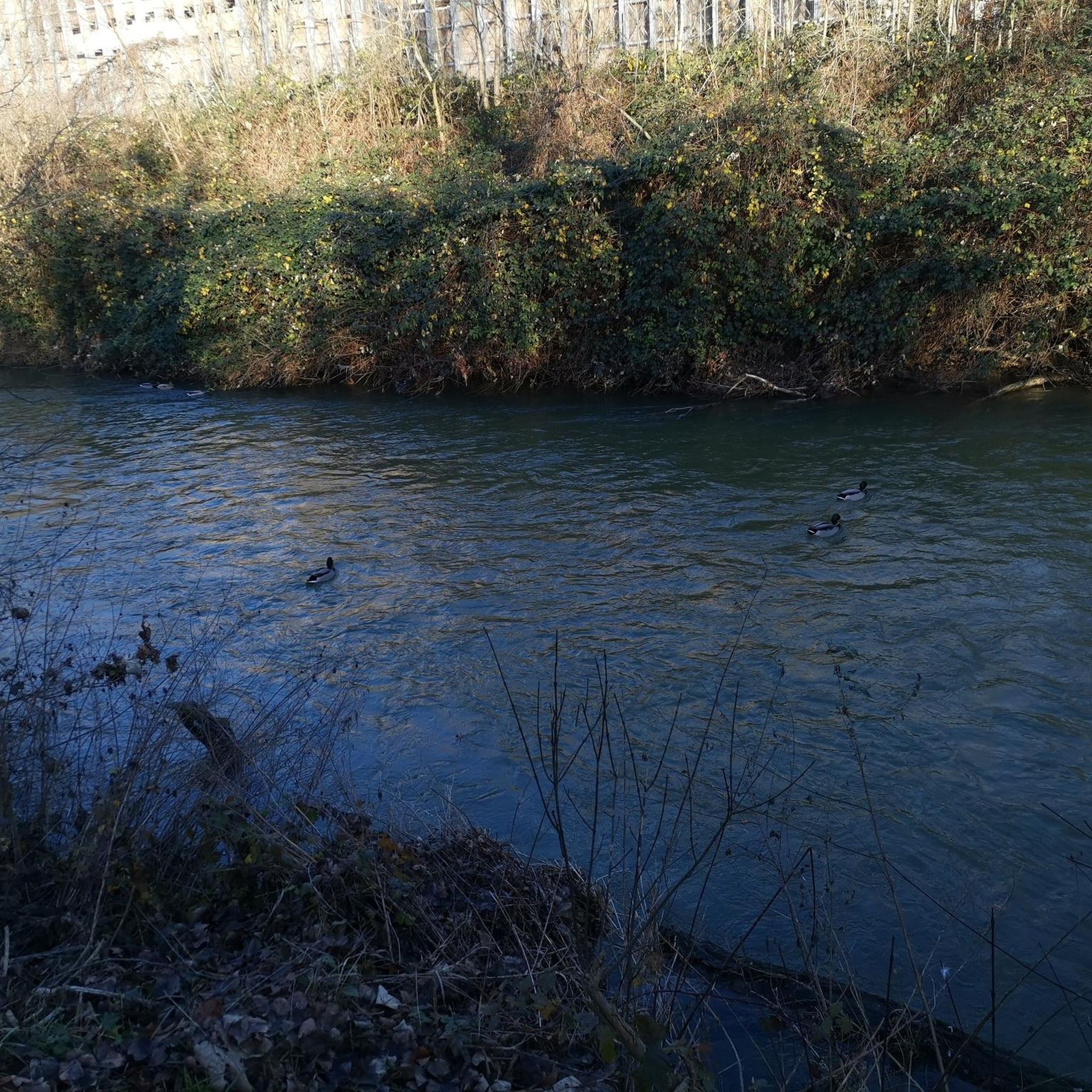
Damhussøen, or Damhussøen, is located in Copenhagen between Vanløse, Rødovre, Roskildevej, and Damhusengen, extending to Jyllingevej in the north. The green space is connected to Grøndalsparken, Krogebjergparken, and Vigerslevparken. The lake covers an area of 46 hectares. The dam in the south, over which Roskildevej is carried, was built in connection with the construction of the road in 1621. The aim was to ensure a stable water level in the lake and a better water supply to Copenhagen via Grøndalsåen and Ladegårdsåen. In 1849, additional dams were built, separating the northern part of the lake, Bagsøen, from the southern part. The Harrestrup Å, which formerly ran through the lake, was diverted into a ditch with dams on each side on the eastern side of the meadow in 1938. At the same time, Bagsøen was drained, creating Damhusengen. The lake and meadow were granted park status in 1941 and have been protected since 1966. The lake is named Damhus Sø after Damhuset, which is actually named after the lake formerly known as Langvaddam or simply Dammen. The area is also known for its inn. The small local amusement park was demolished in 2016.
0
0


Not really cheap, but for the location it's a nice campsite with a common room and WiFi. There is a warning about bike theft. There is a free option to lock your bike in a fenced-in bike yard at night, which you should take advantage of.
0
0

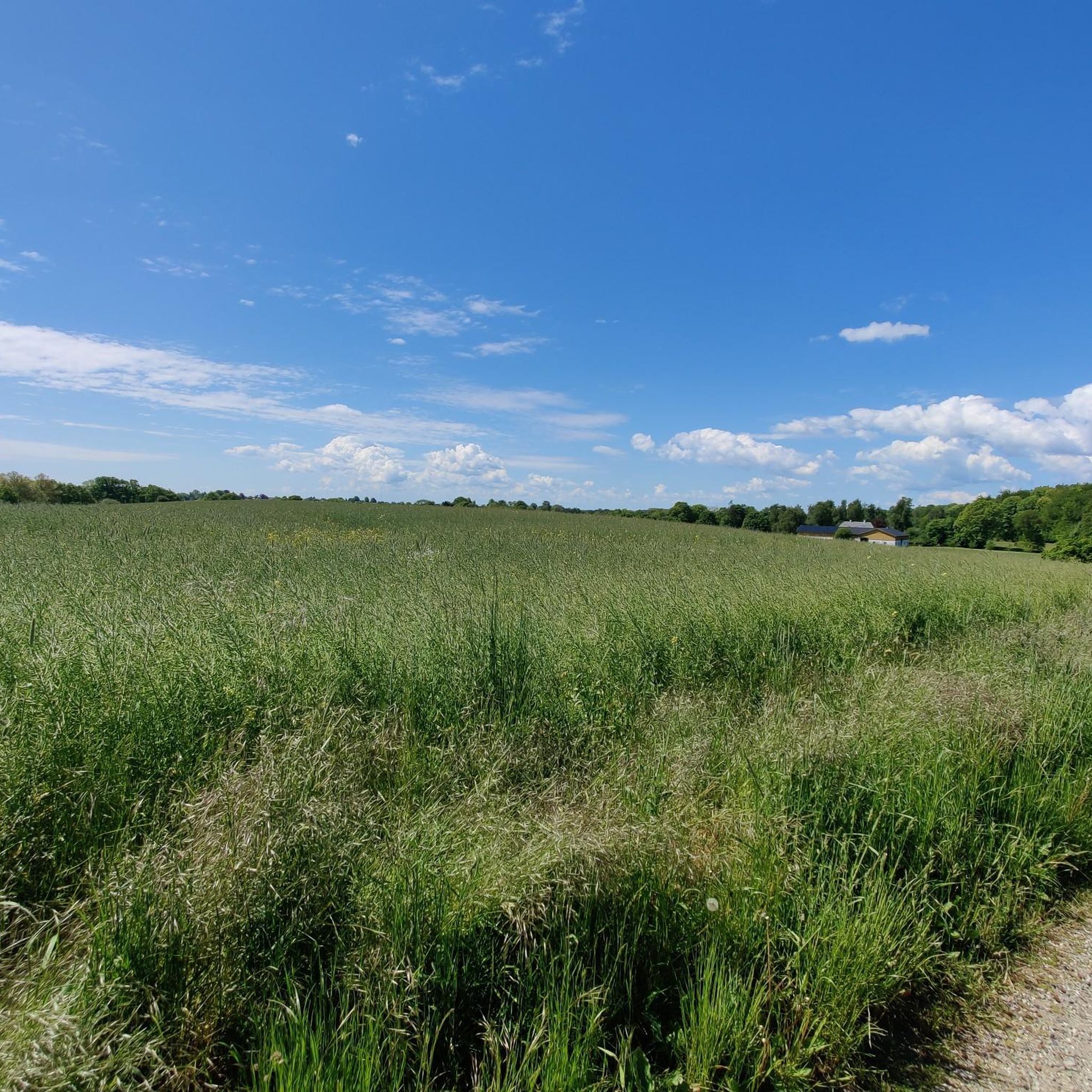
good place to stop and eat, has tables and spot to sit and enjoy the view
1
0
Frequently Asked Questions
What are the main natural attractions in Furesø?
The Furesø region is renowned for its natural beauty, centered around Furesø Lake, Denmark's deepest lake, which offers opportunities for kayaking, swimming, and birdwatching. Another significant natural highlight is Damhus Lake, known for its scenic views and a water fountain. The area also features extensive woodlands like Bistrupskov Forest and Hareskoven Forest, perfect for hiking and cycling.
What historical and cultural sites can I explore in Furesø?
Furesø offers a rich array of historical and cultural sites. You can visit Grundtvig's Church, an architectural marvel known for its distinctive brickwork and 49-meter high tower. The royal The Hermitage Palace provides a pleasant spot for rest and offers historical insights. Additionally, the Furesø Museer complex includes the Immigrantmuseet, Mosegaarden (detailing local history), and Købmandsbutik Cornelen (a reconstructed 1930s grocer's shop).
Are there good hiking opportunities in Furesø?
Yes, Furesø is an excellent destination for hiking. You can explore trails around Furesø Lake, through Bistrupskov Forest, or in Hareskoven Forest. For more detailed routes, consider exploring options like the challenging "Hike around Lake Furesøen" or the moderate "Climbing Tree Over the Lake – Bathing Jetty loop from Kirke Værløse." Find more hiking routes in the Hiking in Furesø guide.
What activities are available for families with children in Furesø?
Furesø is very family-friendly. Damhus Lake is a great spot for a leisurely stroll and enjoying the view. Furesøbad, located on Furesø Lake, is a popular public swimming spot with a beach, paddling pool, and a grassy play area. Families can also enjoy the Sofieskolen Nature Playground or explore the historical sites like The Hermitage Palace, which has benches and public toilet facilities.
Can I go cycling in Furesø?
Absolutely! Furesø offers excellent cycling opportunities. You can enjoy scenic driving and cycling routes like Route 16 and The Lakeside Road (Landsbyvejen), which provide captivating views of Lake Furesø. Hareskoven Forest is also a popular spot for mountain biking. For specific routes, check out the MTB Trails in Furesø guide or the Gravel biking in Furesø guide.
What is the best time of year to visit Furesø?
Furesø offers attractions year-round. The summer months are ideal for water activities at Furesøbad and enjoying the lakes. Spring and autumn provide pleasant weather for hiking and cycling through the forests, with beautiful foliage. Even in winter, places like the Holtekolen Ski Jump are popular for tobogganing when snow permits.
Are there any unique historical sites related to sports or recreation?
Yes, Furesø has a unique historical site related to winter sports: the Holtekolen Ski Jump. Built in 1943, it was once a prominent ski jumping facility that hosted Danish championships and is now primarily used for tobogganing. It's an interesting piece of local recreational history.
What can I expect at the former Værløse Air Base?
The former Værløse Air Base offers a unique outdoor experience where nature has largely reclaimed the area. It provides opportunities for exploration, including mountain biking and even overnight stays in shelters. It's a place where you can discover historical traces amidst a natural setting.
Where can I find art and cultural events in Furesø?
For art and cultural events, Farum Kulturhus serves as a central hub, housing four distinct galleries: Galleriet, GangGalleriet, Fløjgalleriet, and Foyeren/Loungen. Additionally, Skulpturparken (Sculpture Park) offers an open-air art experience, showcasing artworks from eight different sculptors.
What do visitors enjoy most about Furesø's attractions?
Visitors frequently appreciate the blend of natural beauty and historical significance. For instance, Damhus Lake is praised for its beautiful views, making it a good spot to stop and enjoy. The craftsmanship and unique architecture of Grundtvig's Church also leave a lasting impression. Many also enjoy the tranquility and opportunities for rest offered by places like The Hermitage Palace.
Are there any specific tips for visiting Grundtvig's Church?
When visiting Grundtvig's Church, take note of its distinctive brickwork, which was designed with a special association of 10 stones to give the masonry its quiet surface. The church's tower stands 49 meters high, and its design blends elements of Danish village churches with Gothic cathedrals. It's a testament to exceptional craftsmanship, with bricklayer apprentices still visiting to study its construction.
Most popular attractions in Furesø

Get inspired with the komoot mobile app


Explore more
Still not found the Highlight you’re looking for? See guides of the top attractions in other regions:
