Top 5 Gorges around Arrens-Marsous
Best canyons around Arrens-Marsous are situated in the Hautes-Pyrénées, a region characterized by its mountainous terrain and natural waterways. This area offers diverse opportunities for outdoor activities, including canyoning. The landscape features deeply incised gorges and significant elevation changes, providing varied experiences for explorers. Natural features around Arrens-Marsous include the prominent Canyon de Cassiès, known for its technical descents and consistent water flow.
Best canyons around Arrens-Marsous
- The most popular canyons is Barranco de Arriel, a waterfall where the…
Last updated: May 21, 2026
Eaux-Chaudes Cave
Highlight • Cave
Translated by Google •
Tip by

Paso del Onso
Highlight • Gorge
Translated by Google •
Tip by

Sign up now to discover places like this
Get recommendations on the best single tracks, peaks, & plenty of other exciting outdoor places.
Sign up for free
Balsaroleta Gorge
Highlight • Waterfall
Translated by Google •
Tip by
Tributary of the Argualas Ravine
Highlight • River
Translated by Google •
Tip by

Barranco de Arriel
Highlight • Waterfall
Translated by Google •
Tip by
Sign up for free to discover even more gorges around Arrens-Marsous.
Sign up for free
Already have an account?
Start today with a free account
Your next adventure awaits.
Login or Signup
Popular around Arrens-Marsous
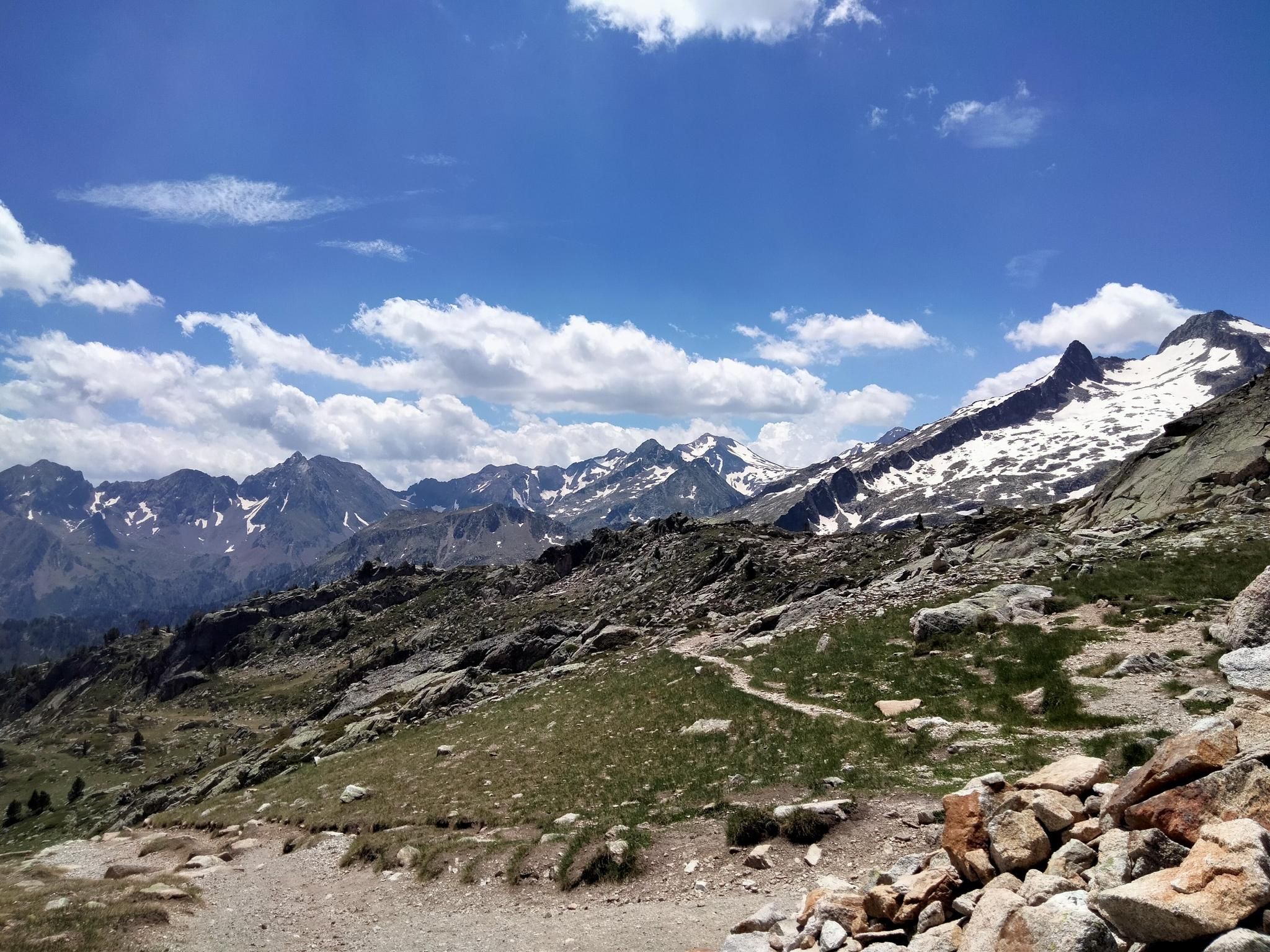
Hexatrek, the western and central Pyrenees – Between mountains and the ocean
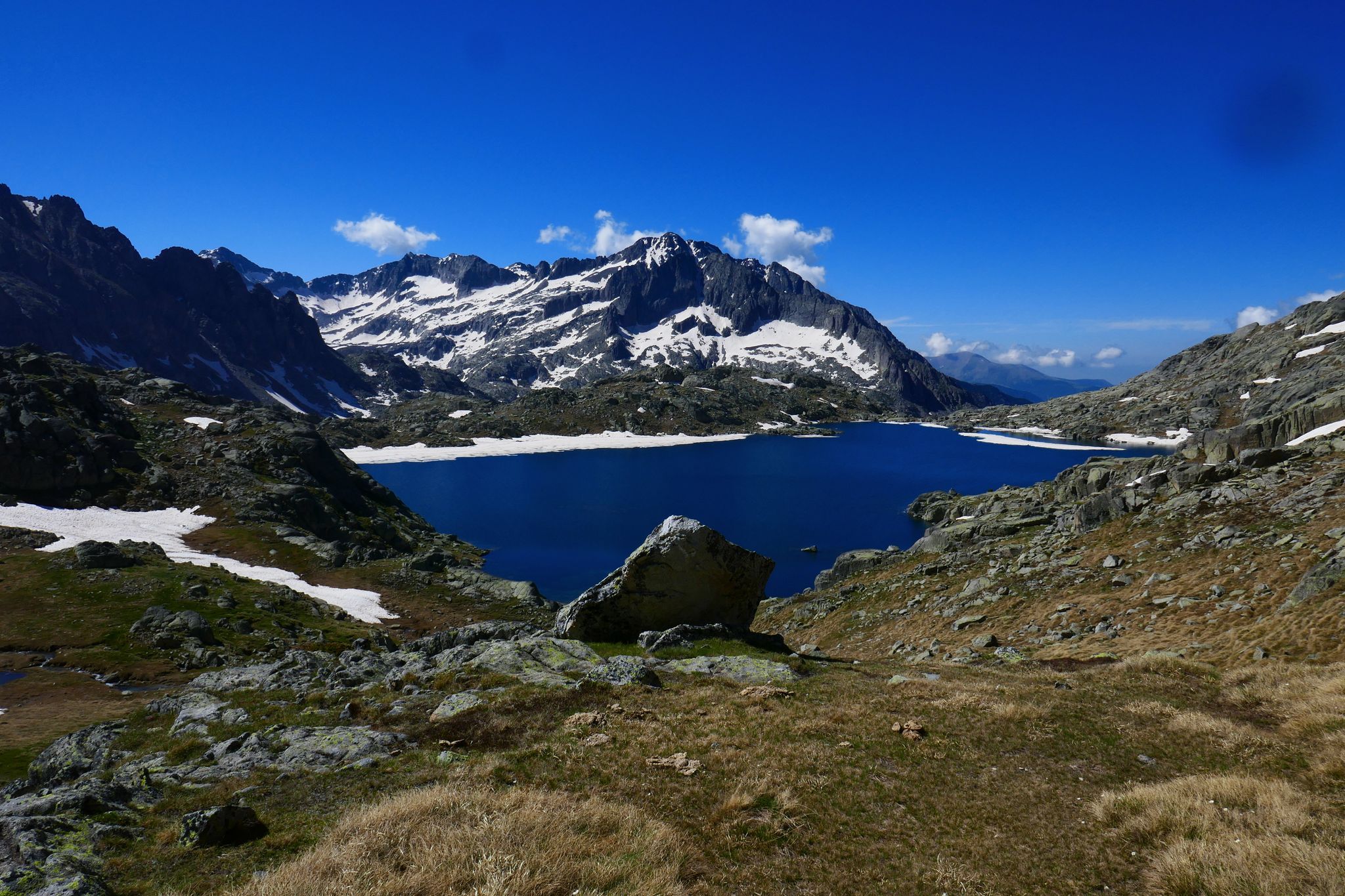
GR 10 – Central Pyrenees crossing the Pyrenees
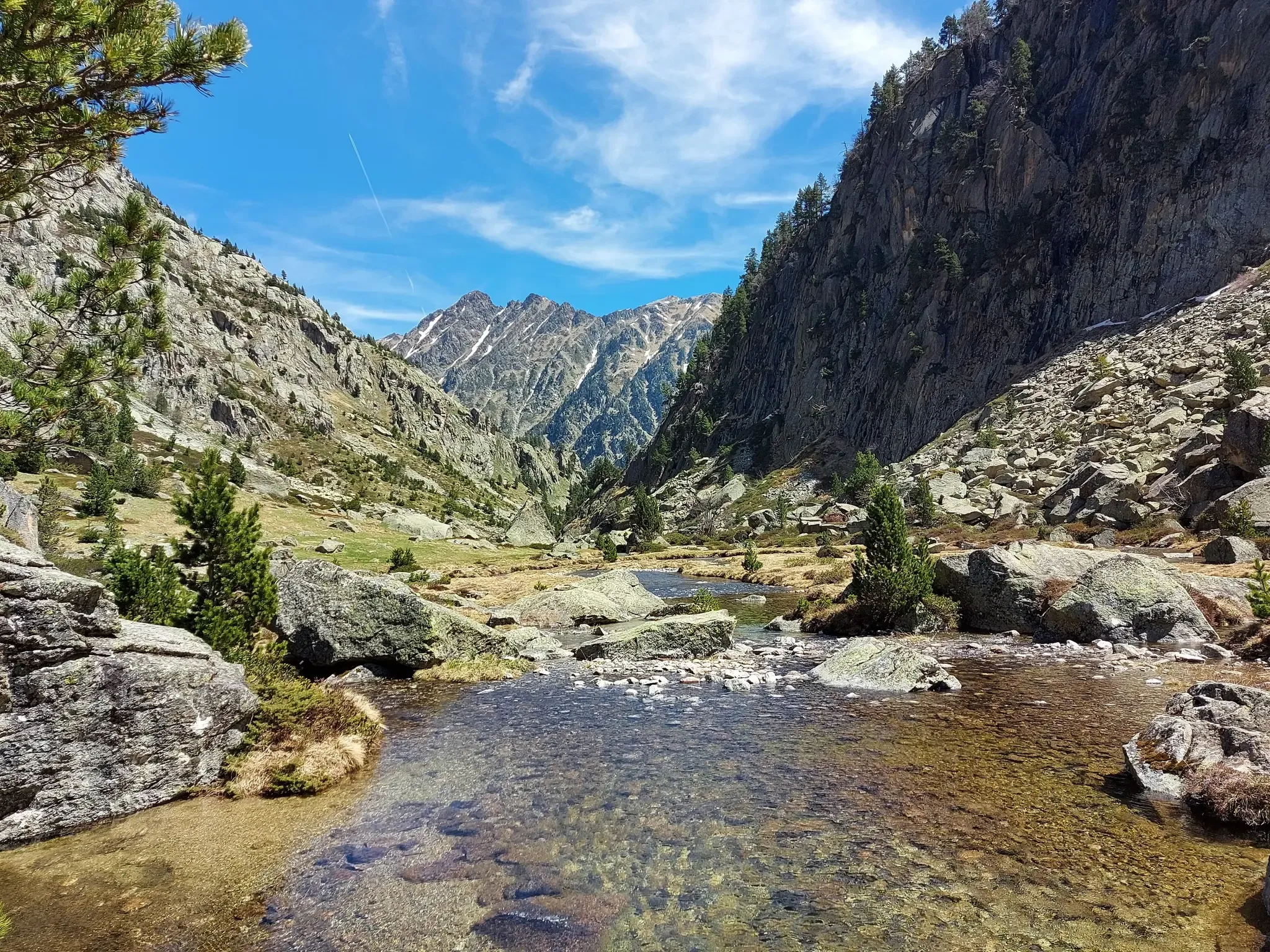
Tour of the Balaïtous – From passes to lakes
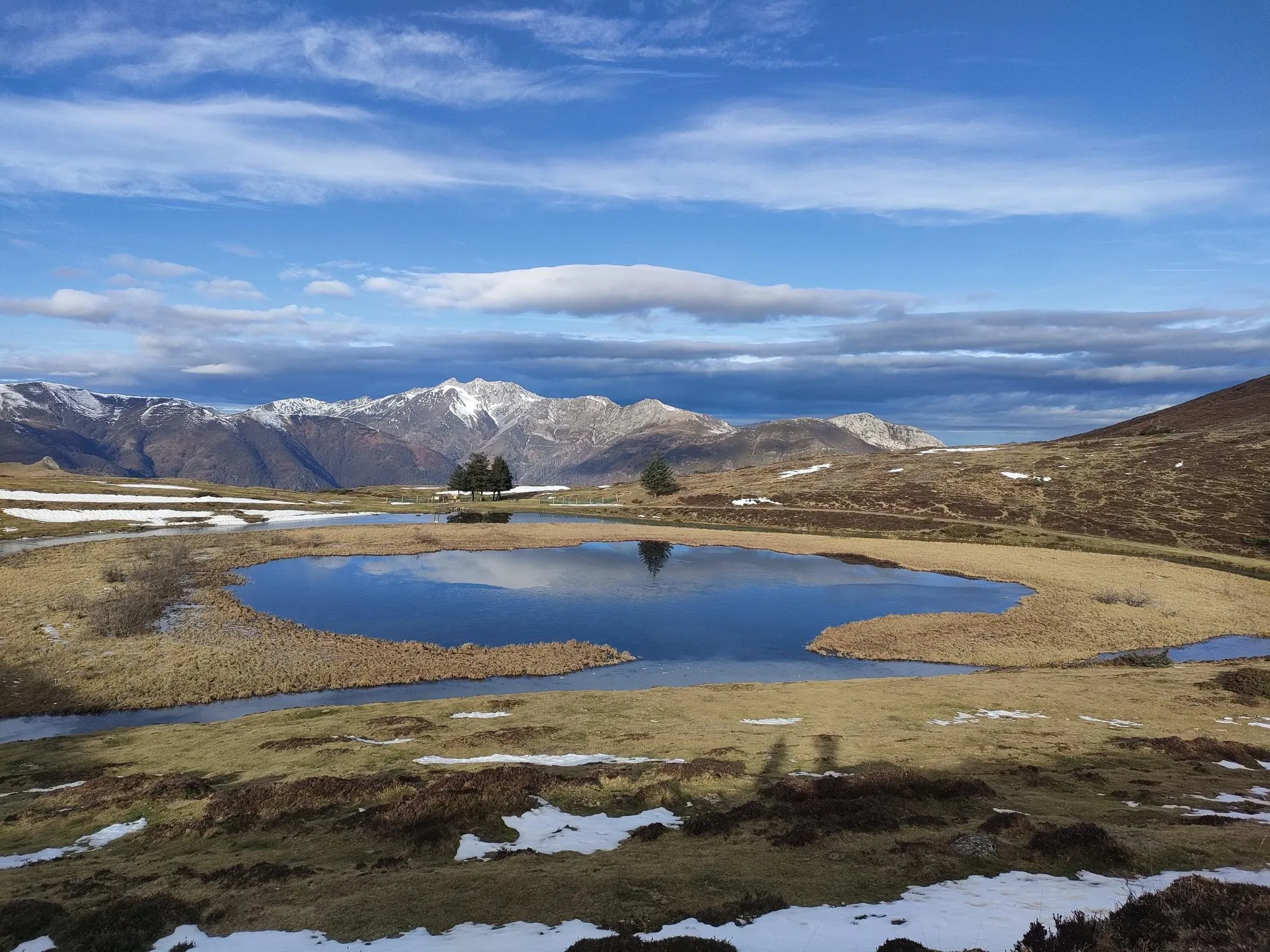
Ridges and valleys – Tour du Val d’Azun in southern France
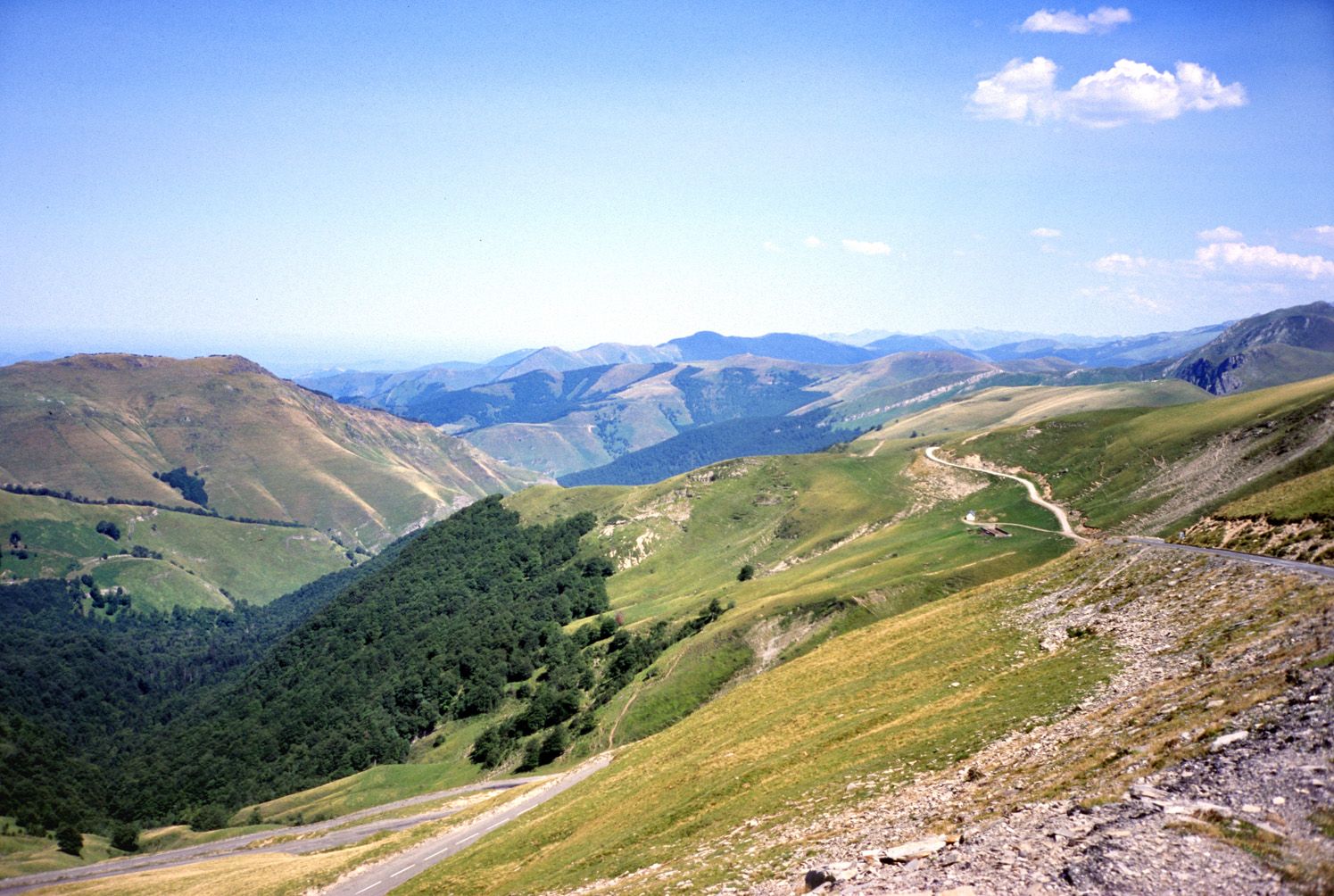
The most beautiful road bike passes of the Pyrenees
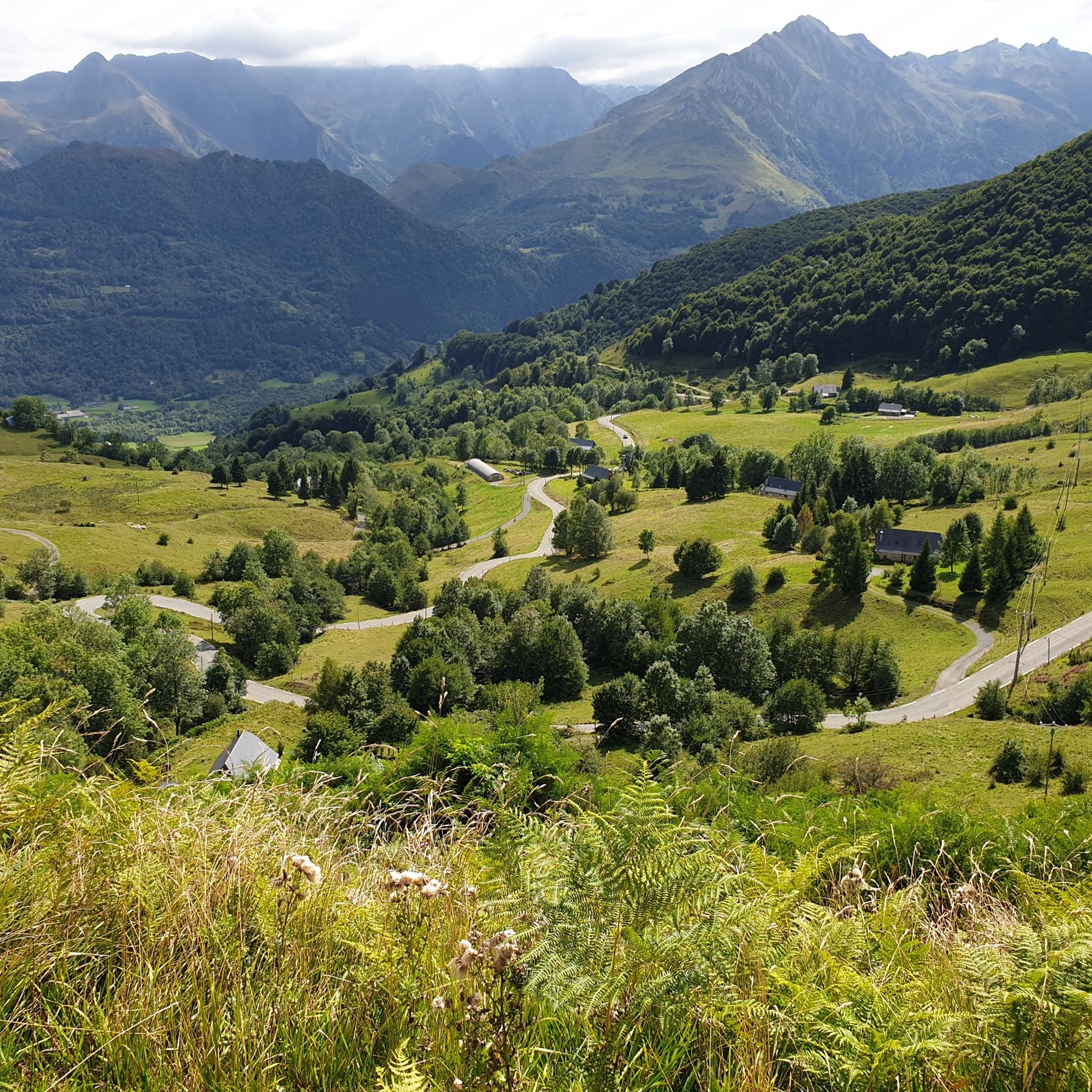
Hiking around Arrens-Marsous
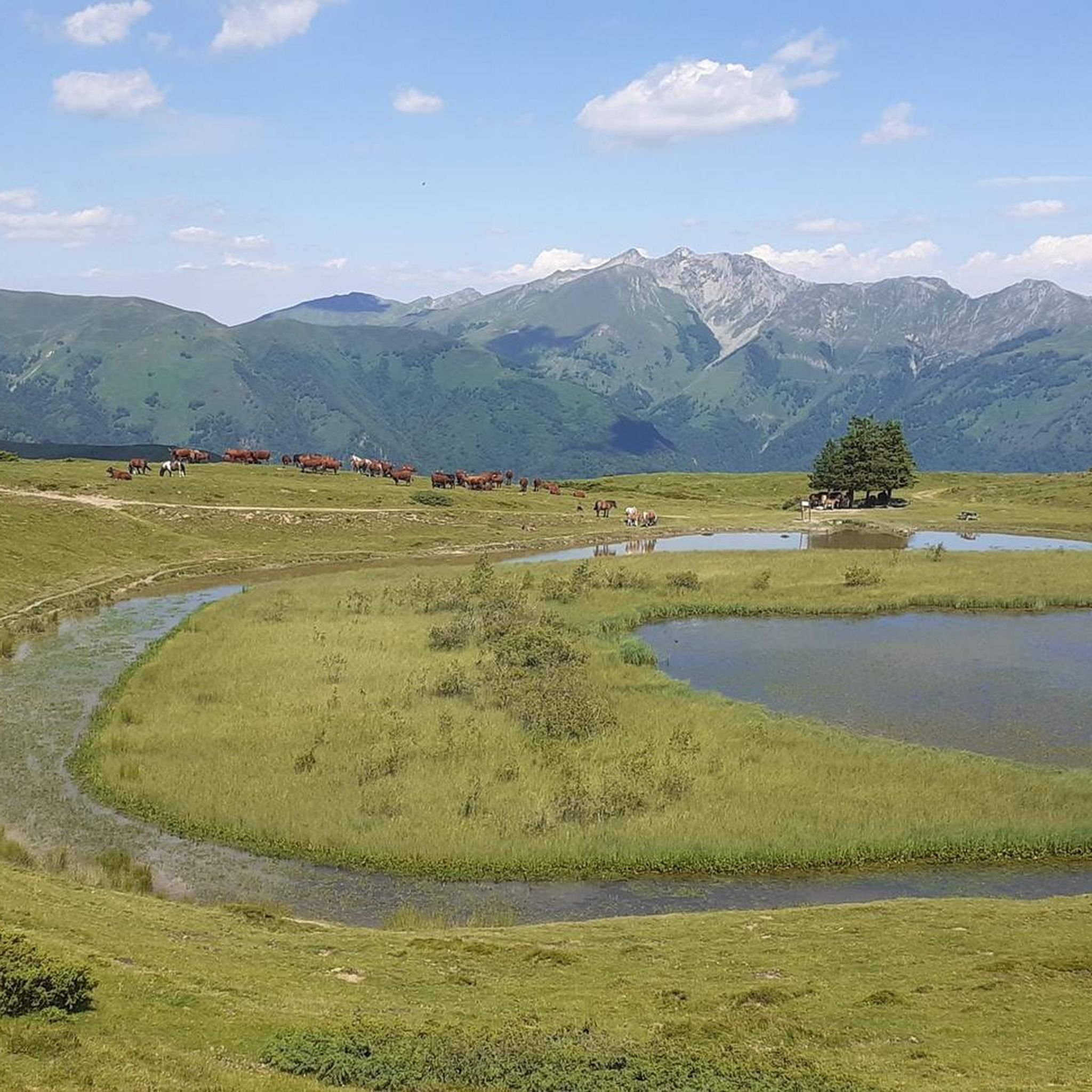
Road Cycling Routes around Arrens-Marsous
MTB Trails around Arrens-Marsous
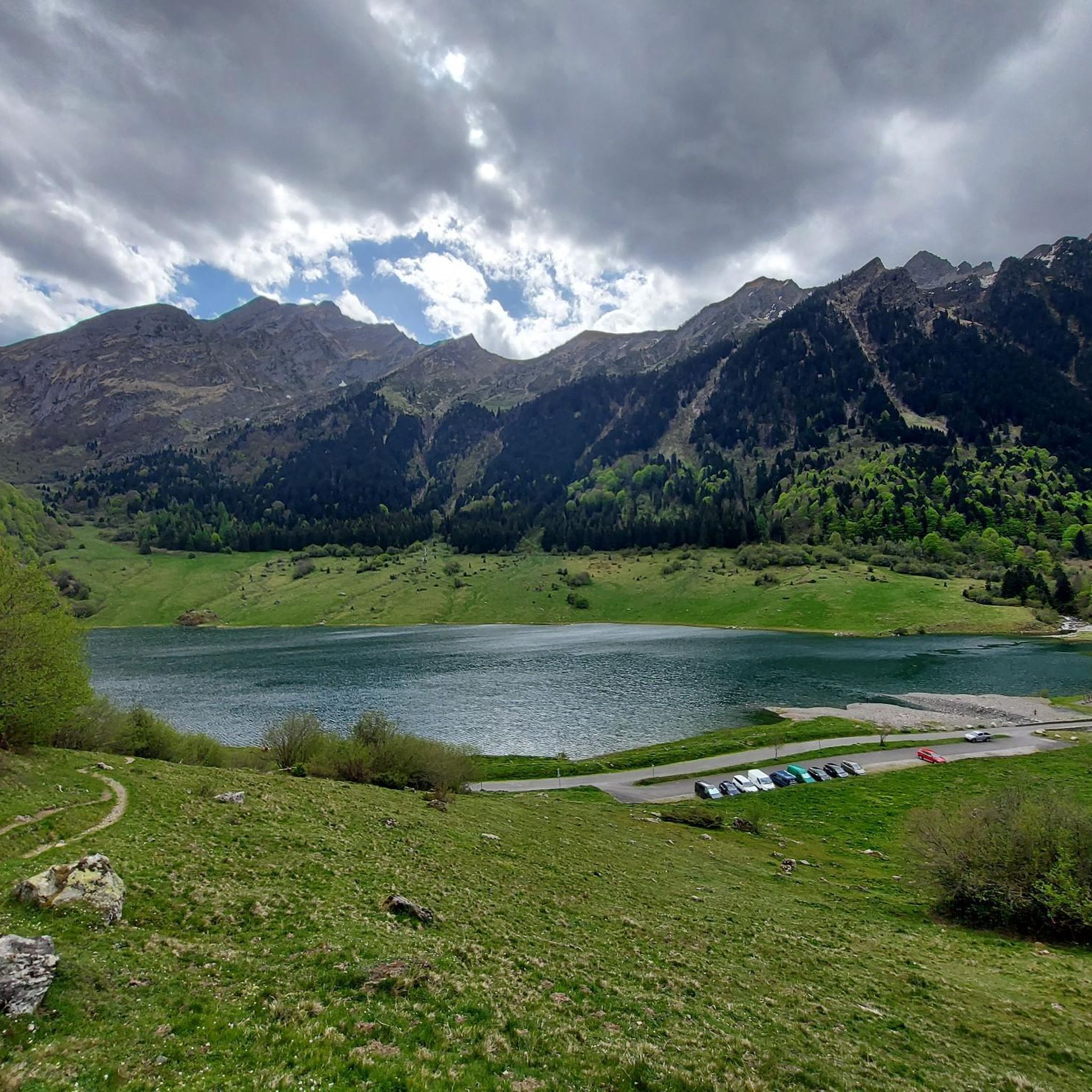
Running Trails around Arrens-Marsous
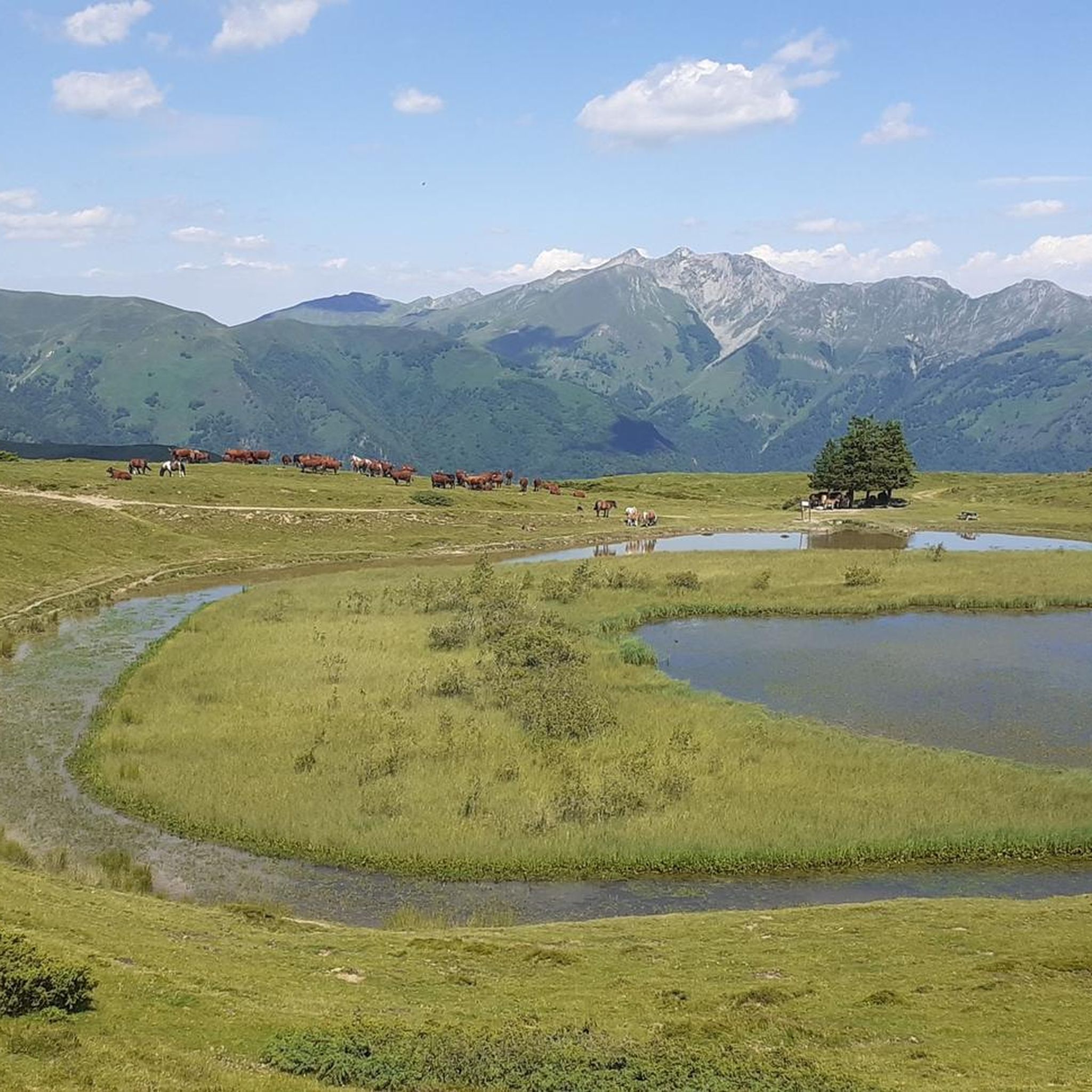
Cycling around Arrens-Marsous
Other adventures around Arrens-Marsous


Tips from the Community

A really nice walk. Very pleasant in the undergrowth. A "mini cave" kicks things off, and then there's the Holy Grail. Wow. Be careful, there's no signal on site.
0
0

Along the slopes of the Pico de Argualas where the water that flows down its sides form torrents that go down the valley beyond. At this point and over the years they form ravines as is the case here.
0
0
Torrent of water that descends from the cirque that is close to the Pico de Feniás and that also crosses as it goes up!
0
0

Little or no problem in good weather, dangerous in snow and ice
3
1
Beautiful waterfall in one of the ravines that cross the road to Respumoso.
3
1

Deep ravine formed by the Aguas Limpias ravine. It is the narrowest and most confined area of the route and in some sections the ground will be wet or muddy. The feeling of freshness, the shade of the forest and the sound of water are especially appreciated in the summer months. Watch out for the railing - don't lean on it!
2
0
The Pyrenean Path crosses the Arriel ravine here, through which the water from the Arriel lakes flows down, forming a waterfall worth photographing.
2
0
The GR11 path crosses the Balsaroleta ravine at this point, where a beautiful waterfall forms. There is a small bridge to cross. Be careful, wet terrain can be slippery.
2
0
Frequently Asked Questions
What are some unique natural features to explore in the canyons around Arrens-Marsous?
The region offers diverse natural features. You can explore the Eaux-Chaudes Cave, which allows access to the underground banks of a river. Another notable spot is Barranco de Arriel, a waterfall where water from the Arriel lakes descends. The Balsaroleta Gorge features a beautiful waterfall crossed by the GR11 path.
What is the difficulty level for canyoning in the Arrens-Marsous area?
The canyons around Arrens-Marsous, particularly the Canyon de Cassiès, are known for their technical and sporty nature. They are primarily vertical, featuring continuous abseils and requiring good rope manipulation skills. The region offers a variety of experiences, from these challenging descents to scenic river passages, catering to different skill levels.
Are there any family-friendly canyoning options or easier trails near Arrens-Marsous?
While the Canyon de Cassiès is more technical, the broader Hautes-Pyrénées region offers canyoning opportunities for various skill levels, including beginner-friendly aquatic hikes. For specific family-friendly options, it's advisable to consult local guides in the Val d'Azun area, who can tailor experiences to suit different ages and abilities.
What is the best time of year for canyoning in Arrens-Marsous?
The Canyon de Cassiès benefits from a consistently stable water flow throughout the summer due to a source at 1400m, making it a dependable choice for planning a trip during this season. However, it is generally best to experience this canyon after the snowmelt to ensure optimal conditions.
How long does a typical canyoning descent take in the Arrens-Marsous area?
A typical descent of the Canyon de Cassiès, known for its technical nature, usually takes around 3 hours. This duration accounts for navigating approximately ten rappels, with the longest reaching about 18 to 20 meters.
What kind of terrain can I expect when exploring the gorges and canyons?
You can expect varied terrain. For instance, the Paso del Onso is a deep, narrow ravine where the ground can be wet or muddy in sections. The Balsaroleta Gorge features a waterfall and a small bridge, but the terrain can be slippery when wet. The Canyon de Cassiès offers a beautifully enclosed and vertical environment with continuous abseils.
What outdoor activities can I do near the canyons around Arrens-Marsous?
Beyond canyoning, the area around Arrens-Marsous offers a variety of outdoor activities. You can find numerous mountain hikes, such as the 'Lac de Suyen – Larribet Trail loop' or the 'Lake d'Estaing – Plaa de Prat lake loop'. There are also running trails, including the 'Sanctus Peak – Gourette loop', and challenging MTB trails like the 'Pic de Bazès Panoramic Loop'. For more details, explore the Mountain Hikes around Arrens-Marsous, Running Trails around Arrens-Marsous, and MTB Trails around Arrens-Marsous guides.
Are there any specific landmarks or viewpoints near the canyons?
Yes, the Barranco de Arriel is a waterfall that is crossed by the Pyrenean Path, offering a picturesque spot worth photographing. The Balsaroleta Gorge, with its waterfall and small bridge, is another scenic landmark where the GR11 path crosses the ravine.
What should I wear for canyoning in Arrens-Marsous?
Given the technical nature of canyons like Cassiès and the consistent water flow, appropriate canyoning gear is essential. This typically includes a wetsuit for thermal protection, a helmet, a harness with descenders, and sturdy shoes with good grip. It's always recommended to go with experienced guides who can provide the necessary equipment and safety instructions.
What do visitors enjoy most about the canyons and gorges in this region?
Visitors appreciate the engaging and scenic experiences offered by the deeply incised gorges. The technical nature of canyons like Cassiès is particularly valued by those looking to refine their rope work and canyoning techniques. The consistent water flow in summer ensures good conditions, and the refreshing atmosphere of places like Paso del Onso, with its forest shade and sound of water, is especially enjoyed during warmer months.
Are there any less crowded canyons or gorges to explore near Arrens-Marsous?
While the Canyon de Cassiès is a prominent feature, the broader Hautes-Pyrénées region offers numerous canyoning opportunities. To find less crowded spots, it's often best to consult with local guides or explore trails that are not explicitly marketed as major canyoning destinations, such as the various gorges and ravines mentioned in local hiking guides, like the Paso del Onso or the Tributary of the Argualas Ravine.
What are the parking and access points for the canyons around Arrens-Marsous?
For the Canyon de Cassiès, access is typically about 6 km after the Col de Soulor, heading towards Asson. Specific parking information for other gorges and highlights like Eaux-Chaudes Cave or Balsaroleta Gorge can often be found at the start of their respective trails or through local tourist information centers. It's always recommended to check local signage for designated parking areas.
Most popular routes around Arrens-Marsous
Most popular attractions around Arrens-Marsous

Get inspired with the komoot mobile app


Explore more
Already discovered everything in this region? See additional gorges around Arrens-Marsous for your next adventure:
