Top 20 Natural Monuments around Miribel-Lanchâtre
Best natural monuments around Miribel-Lanchâtre are situated on the southeastern slopes of the Vercors massif, within the Vercors Regional Natural Park. This area is characterized by diverse landscapes, extensive hiking trails, and significant biodiversity. Miribel-Lanchâtre offers views over the Trièves landscape, bordered by the Obiou massif, and provides access to unique geological formations and natural phenomena. The park features more than 4,000 km of marked hiking routes, catering to various skill levels.
Best natural monuments around Miribel-Lanchâtre
- The most popular…
Last updated: May 13, 2026
La Pierre Percée
Highlight • Natural Monument
Translated by Google •
Tip by

45th Parallel North Monument
Highlight • Monument
Wikipedia says: The 45th parallel north is a circle of latitude that is 45 degrees north of …
Tip by

Sign up now to discover places like this
Get recommendations on the best single tracks, peaks, & plenty of other exciting outdoor places.
Sign up for free
Col de l'Allimas
Highlight • Mountain Pass
Translated by Google •
Tip by

La Grande Moucherolle
Highlight • Summit
Translated by Google •
Tip by
Col des Deux
Highlight • Mountain Pass
Translated by Google •
Tip by

Sign up for free to discover even more natural monuments around Miribel-Lanchâtre.
Sign up for free
Already have an account?
Start today with a free account
Your next adventure awaits.
Login or Signup
Tips from the Community

From Saint-Michel-les-Portes, it's about 7 km at an average gradient of 8%. The last few kilometers often reach double digits. A cruel climb if it's the last one of your day...
0
0

Beautiful view and nice place with a table
0
0

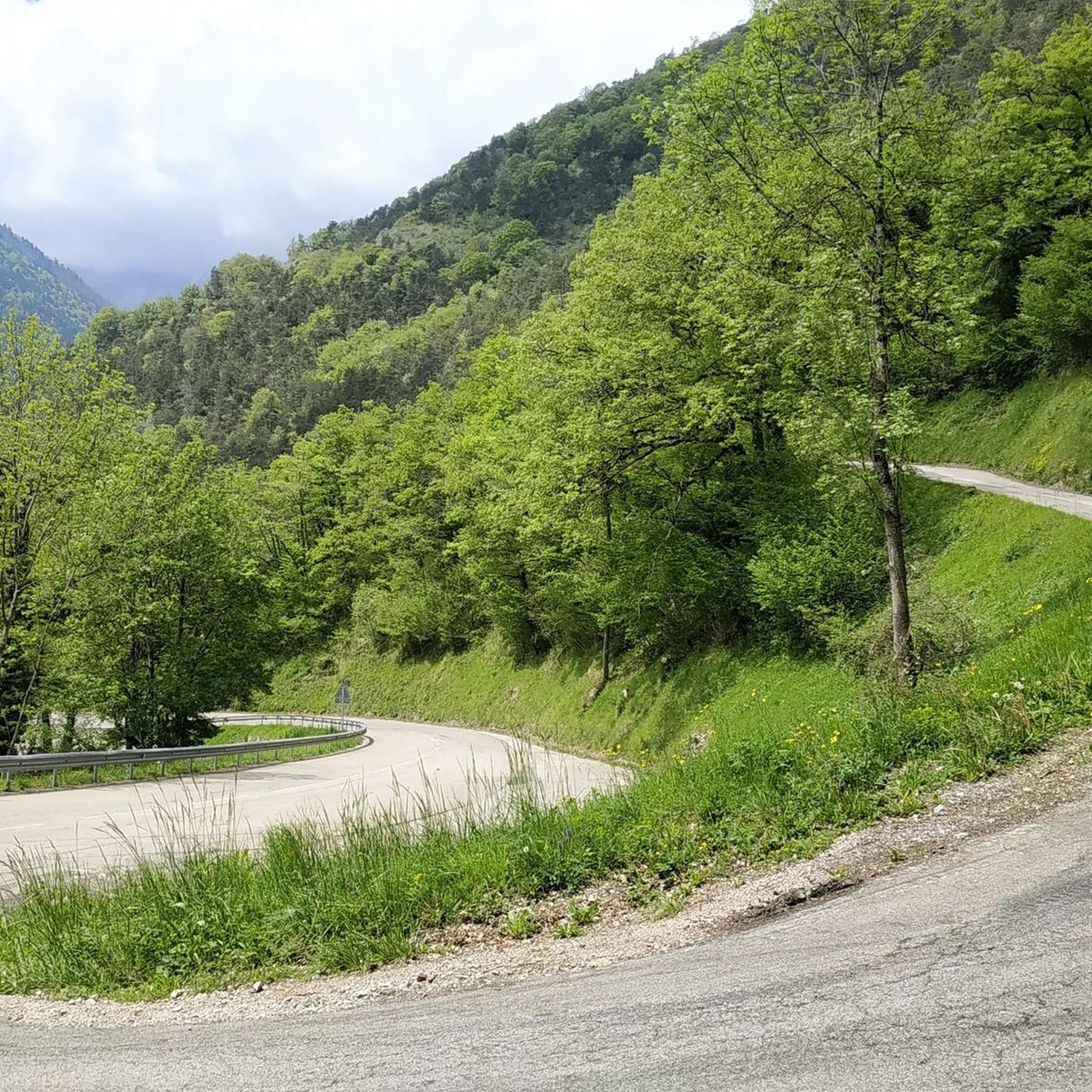
The Col des Deux is not located in the Bauges Massif but in the Vercors between the Col de l’Arzelier and the Col de l’Allimas. This trilogy is well known to cyclists in the Grenoble metropolitan area.
0
0

Very beautiful panorama once you arrive at the Pierre Percée!
0
0

I did it on gravel, climbing via the Aveillans hill (west), it was fine. Direct descent to Putteville, very limited at the beginning on gravel, much steeper but it was fine.
0
0

Whether you're on gravel or mountain bike, this is a must-do for the many trails, paths, and roads that surround it. And the view of Mont-Aiguille 🤩
0
0

1st part very smooth and very pleasant, 2nd part much more technical with a nice climb on a very greasy muddy path, steep slopes and quite technical descents. The final does not take the greenway recently set up and which allows you to avoid the road.
0
0

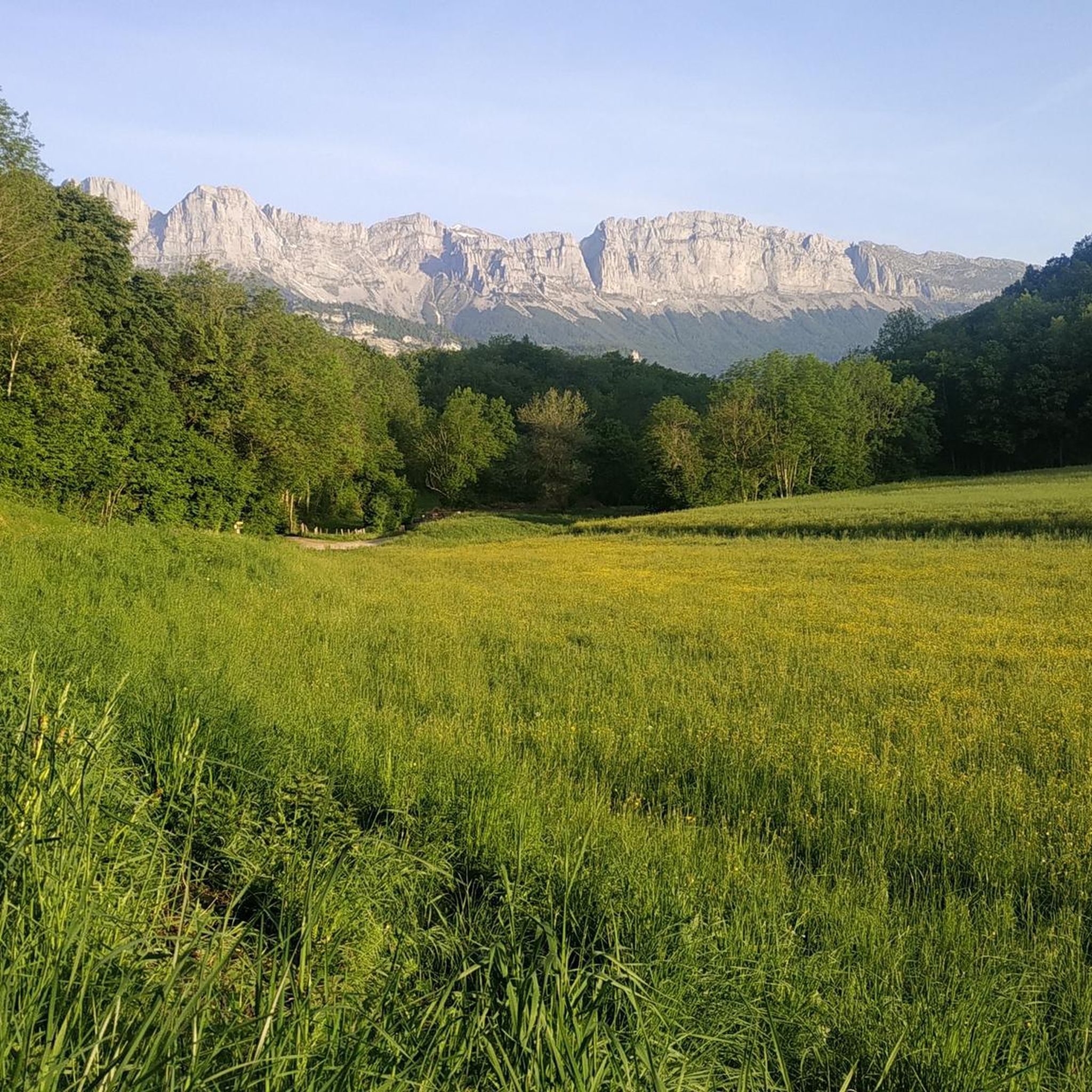
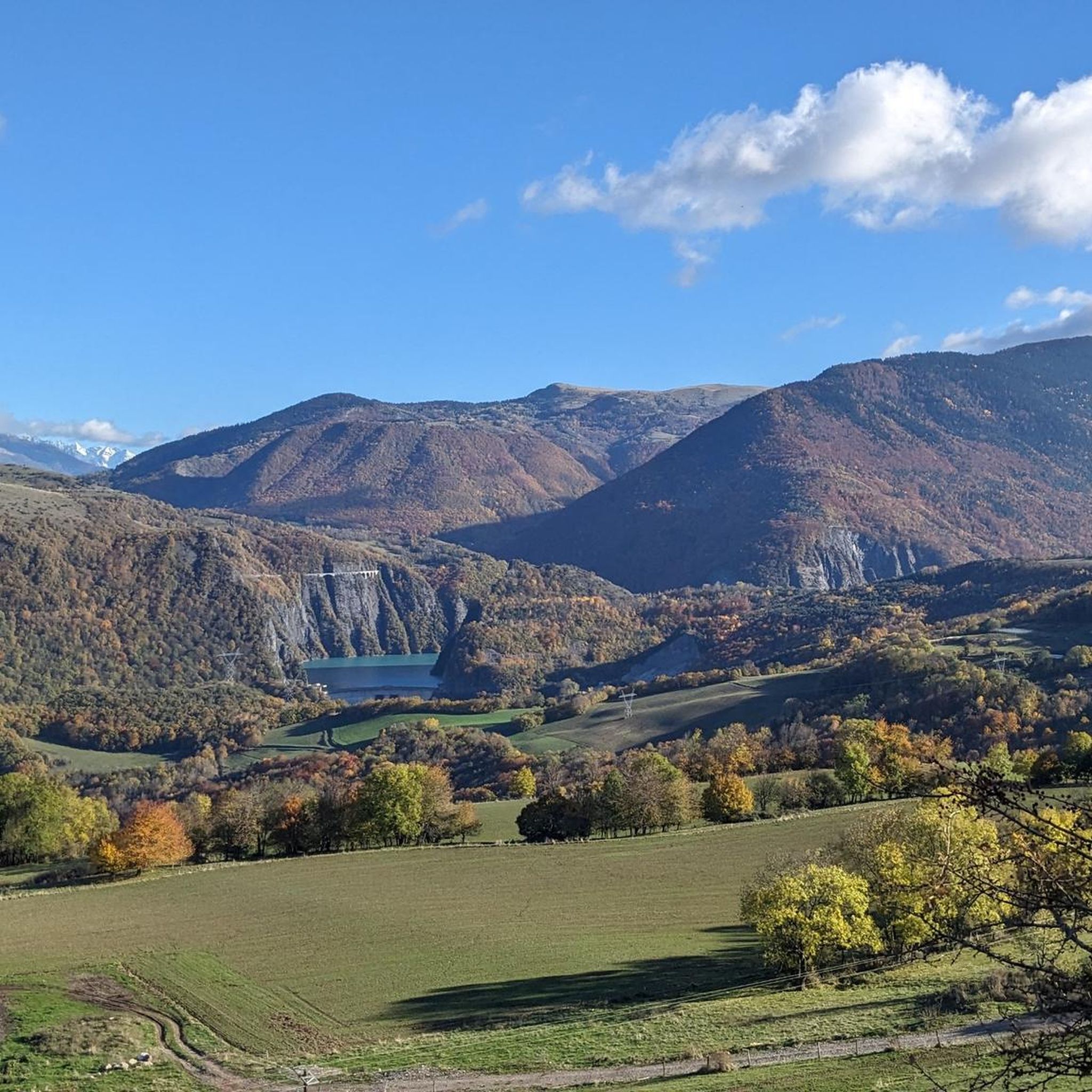
The Col de l’Allimas – 1352 m – is a pass located to the east of the Vercors Massif but it is an isolated pass because it does not allow you to reach the interior of the massif. On the other hand, it offers one of the most beautiful views of the massif with the remarkable peaks of the Grand Veymont and Mont Aiguille. Source: alpes4ever
0
0
Frequently Asked Questions
What are some unique natural monuments to visit around Miribel-Lanchâtre?
Beyond the well-known sites, you can explore the intriguing La Pierre Percée, a natural limestone arch with a distinctive 3-meter high hole framing panoramic views. Another unique phenomenon is La Fontaine Ardente, a continuously burning flame emanating from a natural methane source, often appearing near a stream. You can also visit the Corrençon Natural Icehouse, a cave that was historically exploited for ice, offering a glimpse into past practices.
What kind of geological formations can I expect to see in the area?
The region around Miribel-Lanchâtre, part of the Vercors Regional Natural Park, is rich in diverse geological formations. You'll find impressive natural arches like La Pierre Percée, deep caves such as the Corrençon Natural Icehouse, and numerous mountain passes like Col de l'Allimas and Col des Deux, which offer stunning viewpoints over the Vercors Massif and surrounding plains.
Are there any historical or cultural points of interest related to these natural monuments?
Yes, several natural monuments have historical and cultural significance. La Pierre Percée is considered one of the seven wonders of Dauphiné and is associated with local legends, including being described as a petrified demon. La Fontaine Ardente has captivated observers and been a subject of local lore since Roman times. The Corrençon Natural Icehouse bears witness to historical ice exploitation, with inscriptions from the 1700s and panels explaining its use until the mid-20th century.
What outdoor activities can I do near the natural monuments around Miribel-Lanchâtre?
The Vercors Regional Natural Park offers a vast playground for outdoor enthusiasts. You can enjoy extensive hiking on 4,000 km of marked routes, mountain biking, Nordic skiing, cycling, and climbing. For specific routes, explore the nearby MTB Trails around Miribel-Lanchâtre, Running Trails around Miribel-Lanchâtre, and Cycling around Miribel-Lanchâtre guides.
Are there hiking trails suitable for different skill levels near these natural monuments?
Yes, the Vercors Regional Natural Park boasts 4,000 km of marked hiking routes suitable for various skill levels. For example, the routes to La Pierre Percée from Pierre-Châtel or La Motte D'Aveillant are accessible and take about an hour. The walk to La Fontaine Ardente is also an easy hike. You can find more detailed routes and their difficulty grades in the Running Trails around Miribel-Lanchâtre guide, which includes options from moderate to difficult.
What are the views like from the mountain passes in the region?
The mountain passes around Miribel-Lanchâtre offer spectacular panoramic views. From Col de l'Allimas, situated at 1,354 meters, you can enjoy one of the most beautiful views of the Vercors Massif, including the prominent peaks of the Grand Veymont and Mont Aiguille. Col des Deux also provides varied terrain and scenic vistas, especially popular among cyclists.
What is the 45th Parallel North Monument?
The 45th Parallel North Monument is a symbolic marker indicating the circle of latitude that is 45 degrees north of Earth's equator. It's often referred to as the halfway point between the equator and the North Pole. Visiting this site allows you to stand on an imaginary line that holds significant geographical meaning, marked by a plaque.
What do visitors enjoy most about La Pierre Percée?
Visitors are particularly captivated by La Pierre Percée's unique natural arch, which creates a perfect 3-meter high frame for panoramic views of the entire Matheysine plateau. It's considered a natural photo frame, making it a popular spot for photography. The site is also appreciated for its beautiful walks and the flat ground at the top, ideal for picnics.
Are there family-friendly natural monuments around Miribel-Lanchâtre?
Many natural monuments in the area are suitable for families. The hike to La Pierre Percée is accessible and offers a rewarding experience for all ages, with space for picnics. The walk to La Fontaine Ardente is also an easy hike through hamlets. The 45th Parallel North Monument is an interesting and educational stop for families.
What is the Vercors Regional Natural Park known for?
The Vercors Regional Natural Park, where Miribel-Lanchâtre is situated, is renowned for its diverse landscapes, extensive hiking trails, and significant biodiversity. It features France's largest nature reserve, the 'Réserve des Hauts-Plateaux,' a protected area of over 17,000 hectares. The park's terrain includes high plateaus, forests, alpine pastures, and vertiginous roads, offering breathtaking scenery and a rich variety of flora and fauna.
What is the best time to visit the natural monuments in Miribel-Lanchâtre?
The best time to visit the natural monuments around Miribel-Lanchâtre generally depends on the activities you plan. Spring and autumn offer pleasant temperatures for hiking and cycling, with vibrant foliage or blooming wildflowers. Summer is ideal for enjoying the outdoors, though it can be busier. Some areas, especially higher passes, may be suitable for winter activities like Nordic skiing, but paths near streams, like the one to La Fontaine Ardente, can be very muddy after heavy rains.
Can I go cycling near these natural monuments?
Absolutely! The region is very popular for cycling, with many routes passing by or near natural monuments and offering stunning views. Mountain passes like Col de l'Allimas and Col des Deux are well-known among cyclists. You can find detailed cycling routes, including challenging ones like the 'East Balcony of the Vercors' loops, in the Cycling around Miribel-Lanchâtre guide.
Most popular routes around Miribel-Lanchâtre
Most popular attractions around Miribel-Lanchâtre

Get inspired with the komoot mobile app


Explore more
Extend your search for the best caves by checking out these guides of the top ones around Miribel-Lanchâtre:
