The best walks and hikes around Villanueva De Alcardete
4.2
(7)
30
hikers
9
hikes
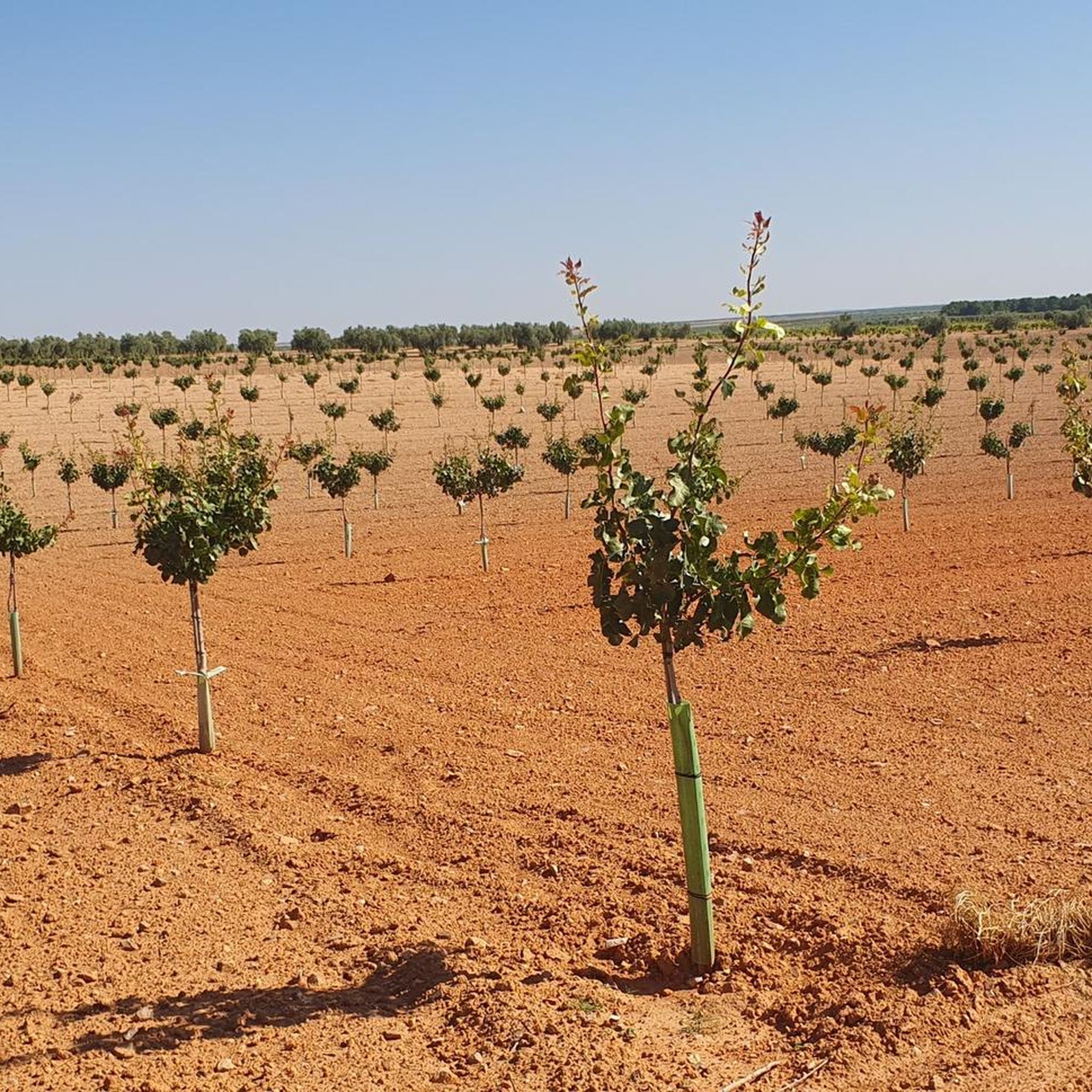
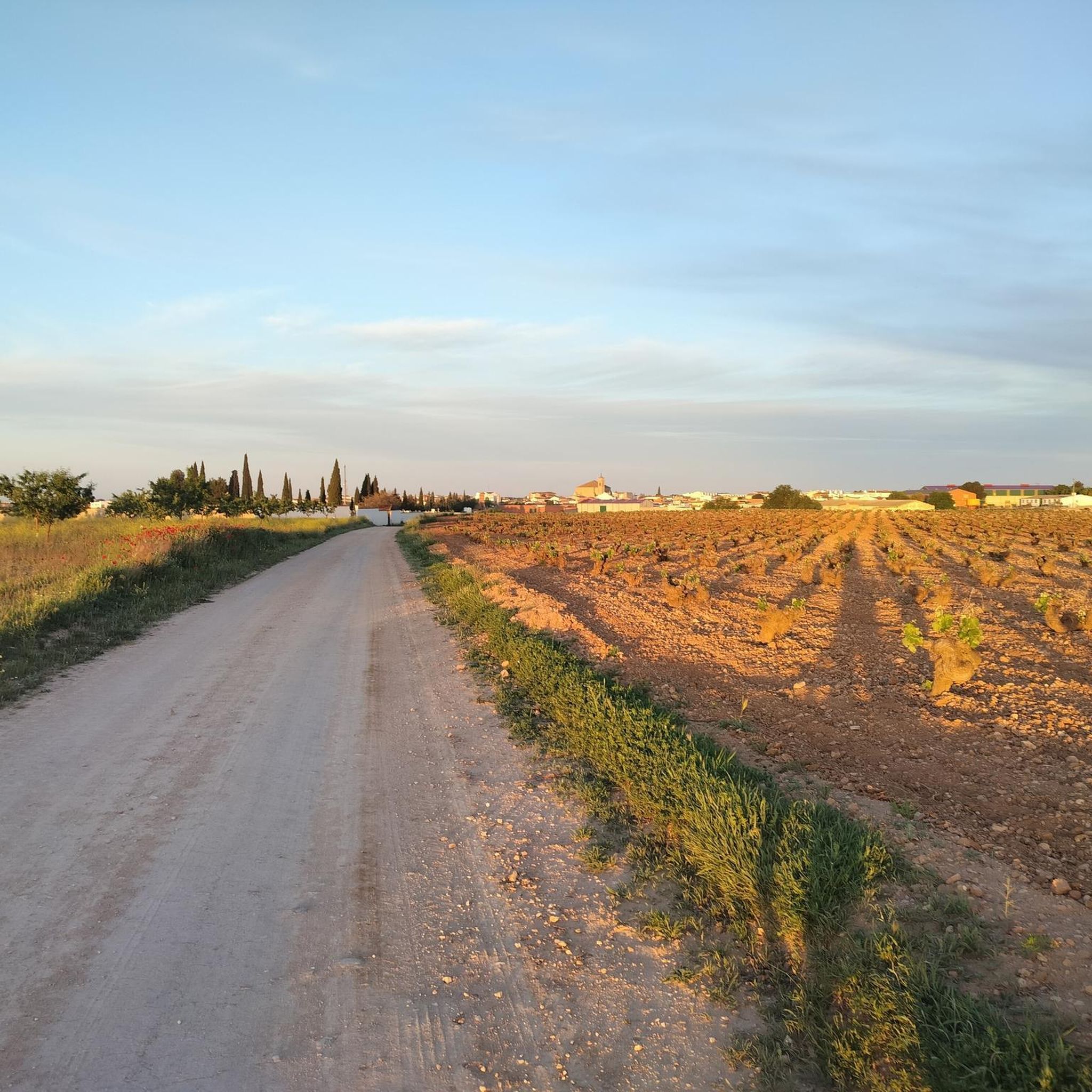
Hiking around Villanueva De Alcardete reveals a landscape shaped by agricultural expanses, river ecosystems, and traditional La Mancha elements. The region is characterized by vast vineyards, cereal fields, and diverse vegetation including holm oaks, gall oaks, and kermes oaks. The Gigüela River is a key natural feature, providing lush riparian environments with poplars and alders. The terrain is generally flat, with minimal elevation changes, making it suitable for accessible outdoor activities.
Best hiking trails around Villanueva De Alcardete
- The most…
Last updated: October 3, 2026
19.7km
04:58
40m
40m
Moderate hike. Good fitness required. Easily-accessible paths. Suitable for all skill levels.
5
hikers
9.40km
02:24
30m
30m
Moderate hike. Good fitness required. Easily-accessible paths. Suitable for all skill levels.

4
hikers
6.38km
01:38
20m
20m
Easy hike. Great for any fitness level. Easily-accessible paths. Suitable for all skill levels.
2
hikers
6.73km
01:43
20m
20m
Easy hike. Great for any fitness level. Easily-accessible paths. Suitable for all skill levels.
3
hikers
5.96km
01:30
10m
10m
Easy hike. Great for any fitness level. Easily-accessible paths. Suitable for all skill levels.
Get access to more routes and recommendations from other explorers.
Already have an account?
Our route recommendations are based on thousands of hikes, rides, and runs completed by other people on komoot.
Start today with a free account
Your next adventure awaits.

Tips from the Community

La Puebla de Almoradiel: Its origins are linked to an Iberian and Celtic fortress, inhabited by Romans, Visigoths, and, during the Muslim era, by the Almoravids. The ancient city stood on the Cigüela River, but was abandoned in 1276 due to epidemics. Repopulated by the Order of Santiago in the Middle Ages, it received a town charter in 1315 and the privilege of town status in 1341.
4
0

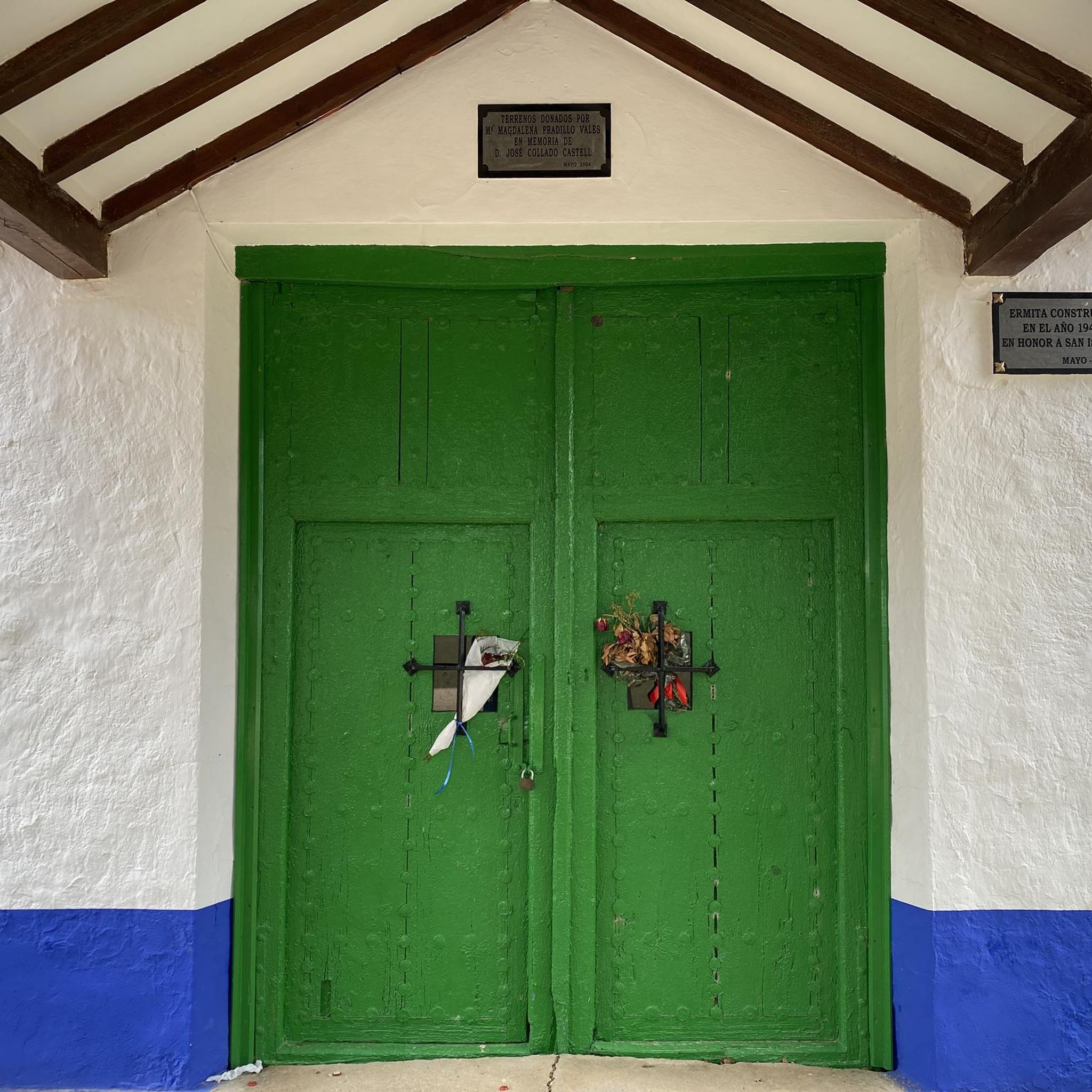
Along a walk through the town we can see the “Roman Bridge”, the parish church of San Juan Bautista, the hermitage of Nuestra Señora del Egido, the hermitage of Santísimo Cristo de la Salud, the hermitage of Santa Ana, numerous wells that once served as a water supply...
0
0
The Hermitage of San Joaquín and Santa Ana in Quintanar de la Orden is a place of great cultural and religious importance. This hermitage, which dates back to the 18th century, houses the town's patron saints.⛪
23
0
Town of La Mancha traditions dotted with hermitages that tell us about their popular and religious customs, once the center of life for the residents.
10
0
It was built during the 14th and 15th centuries and rebuilt during the 16th and 18th centuries. Its tower and its two access doors, one Gothic and the other Baroque, will amaze you.
10
0

In the heart of Toledo's La Mancha, its origin seems to be a fortress from the Iberian and Celtic times, later inhabited by Romans, Visigoths, Mozarabs and, during Muslim domination, by the Almoravid tribe. The parish church of San Juan Bautista and its hermitages stand out.
1
0

In the heart of the town is the picturesque church of Nuestra Señora de la Asunción that is worth visiting inside and out.
2
0
Picturesque town in the interior of Toledo with several places of interest to visit, including the Plaza de la Constitución, the Church of San Juan Bautista, the hermitage of Nuestra Señora del Egido and the Santísimo Cristo de la Salud. The town is crossed by two very important paths that are worth visiting, such as the Vía Verde del Trenillo and the Camino de Santiago del Sureste.
1
0
Frequently Asked Questions
How many hiking trails are available in Villanueva de Alcardete?
There are currently 5 hiking trails around Villanueva de Alcardete listed on komoot, offering a variety of experiences from easy strolls to moderate routes. These trails are generally characterized by minimal elevation changes, making them accessible for many.
What is the best time of year to go hiking in Villanueva de Alcardete?
Spring is particularly picturesque, with almond trees blooming and the agricultural fields creating a 'green mantle' in May. The region's climate generally allows for pleasant hiking during spring and autumn, avoiding the intense heat of summer.
What kind of landscape and natural features can I expect to see on hikes in Villanueva de Alcardete?
Hikes in Villanueva de Alcardete traverse diverse landscapes, including vast agricultural expanses with vineyards and cereal fields, and areas rich in holm oaks, gall oaks, and kermes oaks. The
Gigüela River
is a prominent feature, offering lush riparian vegetation like poplars and alders. You might also encounter traditional 'chozos' (shepherds' huts) and caves nestled within cultivated fields.Are there easy hiking trails suitable for beginners or families in Villanueva de Alcardete?
Yes, there are easy trails perfect for beginners or families. For instance, the La Puebla de Almoradiel loop from La Puebla de Almoradiel is an easy 6.4 km route that takes about 1 hour 37 minutes, leading through cultivated fields and open countryside.
Are there any circular hiking routes in Villanueva de Alcardete?
Many of the routes in the area are circular, allowing you to start and end in the same location. A popular moderate option is the La Puebla de Almoradiel - circular to La Villa de Don Fadrique, which is 19.7 km long and traverses open agricultural land.
What are some longer or more challenging hikes in the area?
For a moderate challenge, consider the La Puebla de Almoradiel - circular to La Villa de Don Fadrique, a 19.7 km trail taking nearly 5 hours. Another moderate option is the La Mancha panorama loop from Villanueva de Alcardete, which is 9.4 km and offers expansive views across the plains.
What kind of wildlife might I encounter while hiking in Villanueva de Alcardete?
The region is home to typical steppe species such as red partridge, quail, great bustards, and little bustards. Birdwatchers might also spot birds of prey like owls, peregrine falcons, harriers, and kestrels. Mammals like hares, rabbits, and foxes are also part of the ecosystem.
Are there any historical or cultural landmarks to see along the hiking trails?
Yes, the area blends nature with heritage. The Parish Church of San Juan Bautista in La Puebla de Almoradiel is a notable religious building. You can also explore traditional 'chozos' (shepherds' huts) along routes like the Camino de Trashumancia y Chozos, offering a glimpse into rural life.
What do other hikers enjoy most about hiking in Villanueva de Alcardete?
The area is highly rated by the komoot community, with an average score of 4.0 stars. Reviewers often praise the serene natural settings, the expansive views across the La Mancha plains, and the opportunity to observe local wildlife and traditional agricultural landscapes.
Are there any specific routes that follow the Gigüela River?
Yes, the Molinos Harineros “Ingenieros del Agua” route follows the course of the Gigüela River, allowing you to see several old flour mills like Casa Molina, Batán, Escardillo, and Asperilla, all set within a diverse vegetated environment.
Can I find trails that explore caves or unique geological features?
Yes, the 'Por las Entrañas del Llano y Cuevas' route is specifically designed for exploring caves nestled within cultivated fields and chaparral, revealing hidden natural beauty unique to the region.
Are there any hikes that start or pass through the town of La Villa de Don Fadrique?
Yes, an easy option is the La Villa de Don Fadrique loop from La Villa de Don Fadrique, a 6.0 km trail that offers a pleasant walk around the town.
What are the typical characteristics of the vegetation found on these trails?
The vegetation is prominently defined by holm oaks (encina), gall oaks (quejigo), and kermes oaks (coscoja). You'll also find areas abundant in thyme and gorse (aulagas), and lush riparian vegetation like poplars and alders along the Gigüela River.
Most popular attractions around Villanueva De Alcardete

Get inspired with the komoot mobile app


Explore more
Browse the best Hikes in other regions.
