The best gravel rides around Úbeda
4.0
(1)
36
riders
14
rides
Gravel biking around Úbeda offers a diverse landscape characterized by rolling hills, extensive olive groves, and historical rural roads. The region's terrain provides varied gradients, from gentle ascents to more challenging climbs, suitable for different skill levels. Riders can expect to traverse agricultural paths and scenic routes connecting historical towns and viewpoints. The area's natural and cultural heritage forms the backdrop for these gravel bike trails.
Best gravel bike trails around Úbeda
- The most popular gravel bike trail is Plaza…
Last updated: July 21, 2026
4.0
(1)
4
riders
Hard gravel ride. Very good fitness required. Mostly paved surfaces. Suitable for all skill levels.
4
riders
31.9km
02:27
380m
380m
Moderate gravel ride. Good fitness required. Mostly paved surfaces. Suitable for all skill levels.

Sign up for free
4
riders
28.8km
01:46
290m
290m
Moderate gravel ride. Good fitness required. Mostly paved surfaces. Suitable for all skill levels.
4
riders
Moderate gravel ride. Good fitness required. Mostly paved surfaces. Suitable for all skill levels.
2
riders
46.9km
03:31
630m
640m
Hard gravel ride. Very good fitness required. Mostly paved surfaces. Suitable for all skill levels.
Get access to more routes and recommendations from other explorers.
Sign up for free
Already have an account?
Our route recommendations are based on thousands of hikes, rides, and runs completed by other people on komoot.
Start today with a free account
Your next adventure awaits.
Login or Signup
Tips from the Community

Declared a National Monument in 1931, the cathedral stands on the site of an ancient Roman temple, later transformed into a Visigothic structure and then into a mosque after the arrival of the Muslims. In 1227, it became the cathedral seat under the Marian patronage of the Nativity. It acquired its Renaissance character in the 16th century, after more than half of the building collapsed in 1567. Andrés de Vandelvira and other important Andalusian architects imbued the cathedral with the classical style then prevalent in religious art. Until the end of the century, the temple was transformed piecemeal. The main portal was designed in 1587 by Juan Bautista Villalpando, featuring a relief of the Nativity of the Virgin, sculpted by the Jesuit Jerónimo del Prado from Baeza. The Puerta de la Luna (Moon Gate) is one of the oldest elements of the cathedral, with its distinctive 13th-century polylobed arch. Above it stands the 14th-century Gothic rose window, one of the few elements that survived the collapse of the cathedral in 1567. Therefore, the reconstruction was entrusted to Andrés de Vandelvira, who contributed his mastery to give the cathedral the Renaissance richness it boasts today. The combination of Mudéjar, Gothic, and Renaissance styles allows one to observe the passage of time through its walls, telling its story through each of its architectural styles. In addition to visiting the interior of the cathedral, it is highly recommended to climb the tower, from where you will be rewarded with spectacular views of the town and its surrounding countryside.
1
0
Opposite the Jabalquinto Palace stands the Church of Santa Cruz, one of the few Romanesque churches in all of Andalusia. Built in the 13th century, after the conquest of the Upper Guadalquivir Valley by Ferdinand III, it preserves remnants of 15th and 16th-century frescoes.
1
0

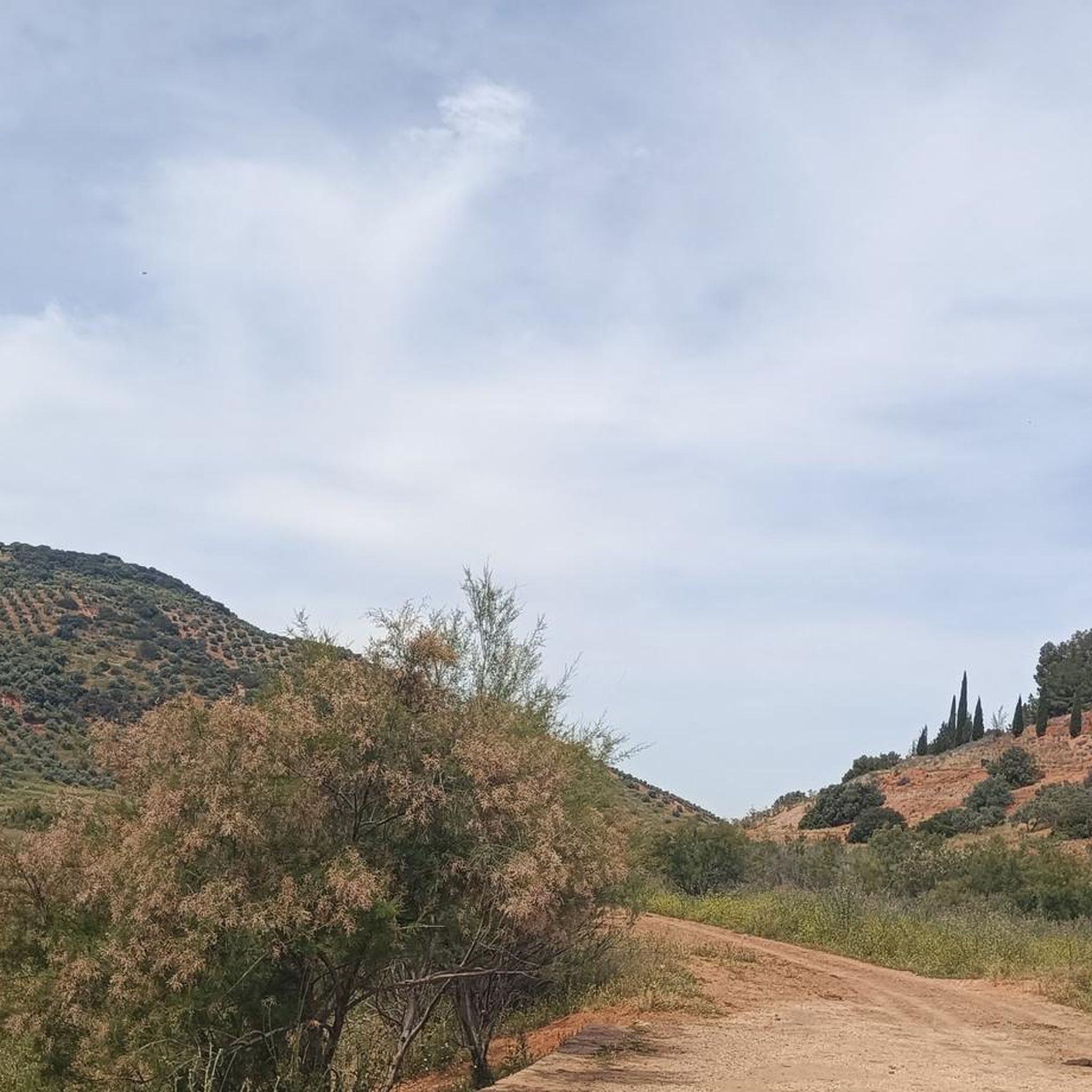
I recommend bringing a powerful light, the light only works in one of the tunnels.
0
0

In 1978, a space in the convent of San Miguel was converted into a museum dedicated to Saint John of the Cross, displaying artifacts related to his life and work. We also find a perfect adaptation of the house where the saint and poet lived.
20
0
Built in 1587, it is in the Baroque architectural style and dedicated to Christian worship. Its interior features a Latin cross layout with three naves, and the main altar features contemporary paintings alluding to the Archangel Saint Michael. Although it may seem strange, it is the only building in the town erected in honor of the patron saint of Ubeda.
20
0
This iconic street was made pedestrian-only several years ago to enhance the city center, where shops are concentrated offering visitors a variety of products, from prized Extra Virgin olive oil to ceramics and other objects.
20
0
This viewpoint is located on the Paseo de la Muralla (walled walkway) and very close to the Bullring. It offers views of the entire Guadalquivir River valley, the Sierra de Mágina mountain range with Aznaitín peak, and behind it, Almadén. In the background, to the right, we can see the city of Jaén with its castle as a lookout tower.
20
0
This emblematic street in Baeza was laid out on part of the old wall that surrounded the city, becoming definitively configured in 1714, and throughout its existence, it has been an important backbone of the city of Baeza.
20
0
Frequently Asked Questions
What is the overall difficulty level of gravel biking trails around Úbeda?
The gravel biking trails around Úbeda offer a range of difficulties. You'll find options from moderate paths to more advanced routes with significant climbs. Out of the 8 available routes, 5 are rated as difficult, 2 as moderate, and 1 as easy, providing challenges for various skill levels.
Are there any beginner-friendly gravel bike trails in Úbeda?
Yes, while many routes feature significant elevation changes, there is at least one easy-rated gravel bike trail available. For those looking for a slightly more challenging but still manageable ride, there are also two moderate routes that offer a good mix of open landscapes and historical points of interest.
What kind of terrain can I expect on gravel bike routes near Úbeda?
Gravel biking around Úbeda is characterized by undulating rural roads, extensive olive groves, and historical townscapes. Riders will traverse agricultural paths and scenic routes connecting historical towns and viewpoints, with varied gradients from gentle ascents to more challenging climbs.
What are some of the longer distance gravel cycling routes available in Úbeda?
For longer rides, consider routes like the Sacred Chapel of the Savior – San Pablo Church in Úbeda loop from Antigua Estación de Úbeda, which covers approximately 47.8 km (29.7 miles) with significant elevation. Another option is the Cruz de la Asomada – Plaza del Pópulo, Baeza loop from Baeza, spanning about 47.2 km (29.3 miles).
Are there any circular gravel routes in Úbeda?
Yes, all the gravel bike routes listed for Úbeda are designed as circular loops, allowing you to start and finish at the same point. This makes planning your ride and return journey straightforward.
What historical landmarks or attractions can I see along the gravel bike trails?
Many routes pass by or near significant historical sites. You can explore attractions such as the Sacred Chapel of the Savior, Baeza Cathedral, or the San Pablo Church in Úbeda. The region is rich in cultural heritage, with routes often leading through historical outskirts and past ancient buildings.
Are there any natural monuments or unique natural features to discover?
Beyond historical sites, the region offers natural points of interest. You might encounter highlights like the Mogón Natural Pool or the fascinating Rock-hewn Oratory of Valdecanales. These natural features add another dimension to the scenic rides.
What is the best time of year for gravel biking in Úbeda?
While specific seasonal data isn't provided, Úbeda, located in Andalusia, generally experiences hot summers and mild winters. Spring and autumn typically offer the most pleasant temperatures for outdoor activities like gravel biking, avoiding the intense heat of mid-summer.
What do other gravel bikers enjoy most about gravel biking in Úbeda?
The gravel biking experience in Úbeda is highly rated by the komoot community, with an average score of 4.0 stars. Riders often praise the diverse landscape, the extensive olive groves, and the opportunity to explore historical rural roads and towns.
Are there any gravel bike routes that pass through or near towns with cafe stops?
Many routes, being circular and connecting historical towns, will naturally pass through or near urban centers like Úbeda and Baeza. These towns offer opportunities for cafe stops, allowing you to refuel and experience local culture during your ride.
Is there parking available for gravel trails near Úbeda?
While specific parking locations for each trail are not detailed, as a general rule, you can often find parking in or near the starting points of routes, especially if they begin in towns or designated recreational areas. It's advisable to check local parking regulations upon arrival.
Can I access gravel bike routes in Úbeda using public transport?
Accessing trailheads directly via public transport can be challenging in rural areas. However, Úbeda and nearby Baeza are well-connected by regional bus services. You may be able to reach these towns by public transport and then cycle to the start of your chosen gravel route.
Most popular attractions around Úbeda

Get inspired with the komoot mobile app


Explore more
Browse the best Gravel rides in other regions.
