The best gravel rides around Ávila
3.0
(1)
23
riders
9
rides
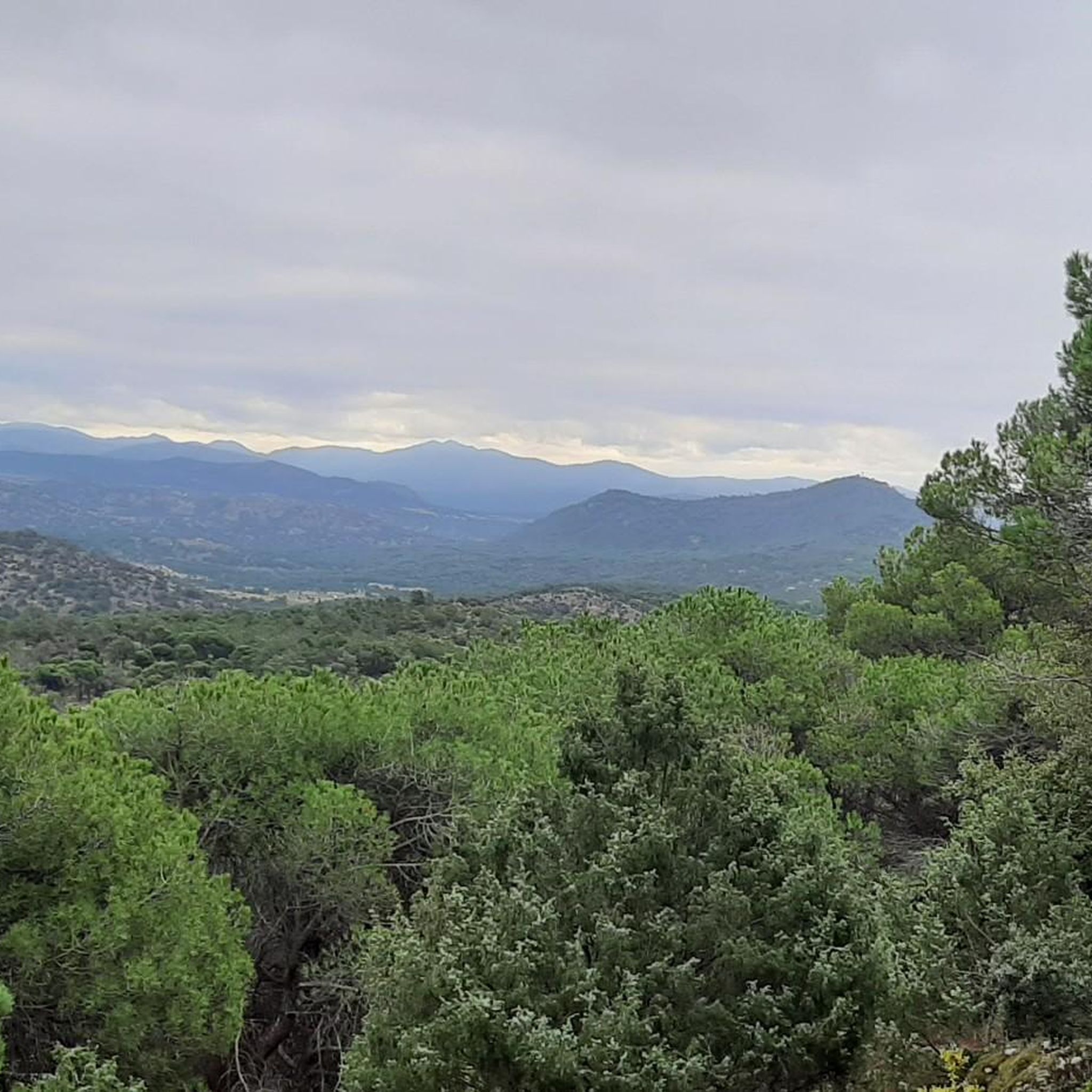
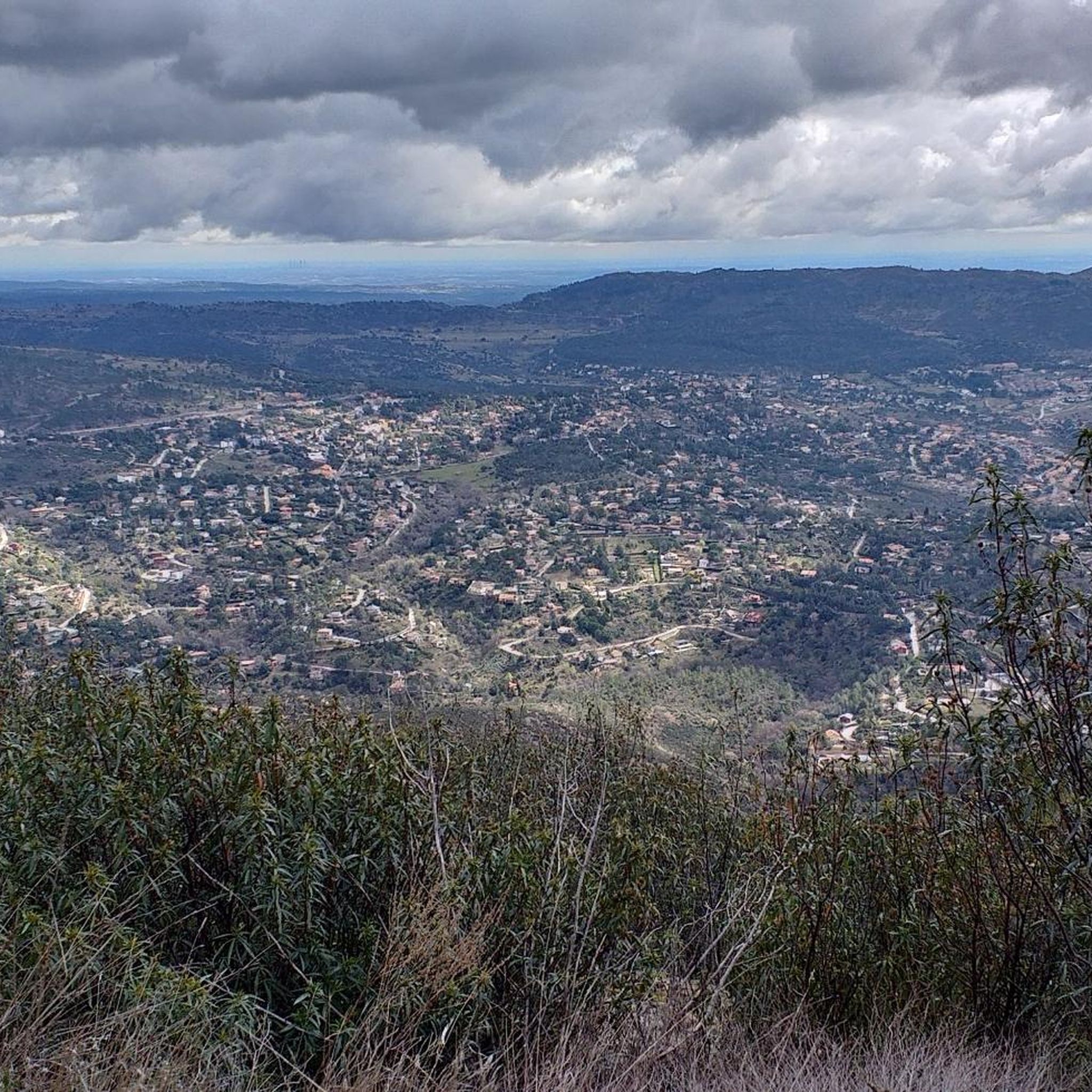
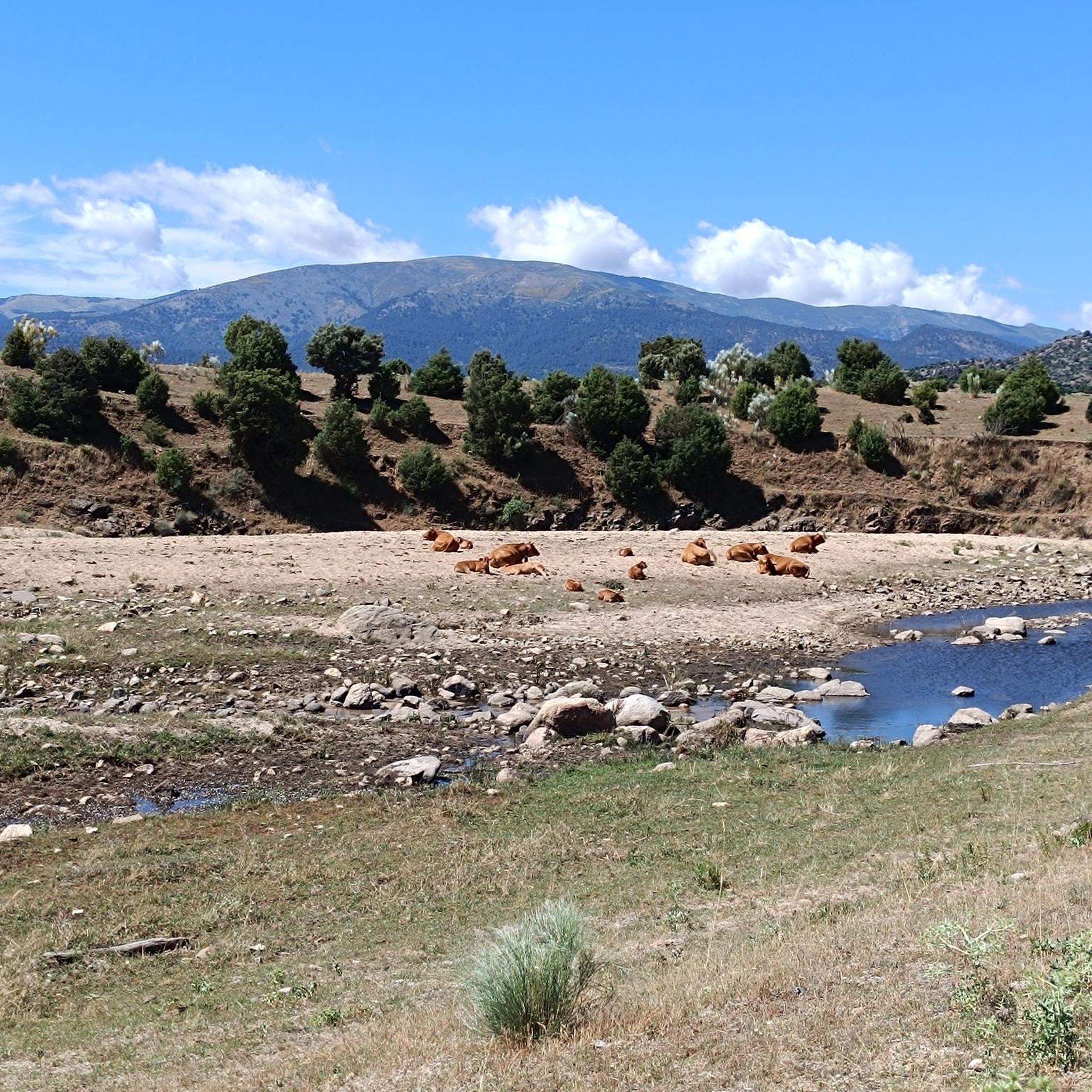
Gravel biking around Ávila offers diverse terrain, characterized by rolling hills, mountains, and river valleys. The region's high altitude contributes to varied elevation changes, providing both moderate and challenging routes. The Adaja River flows near the city, offering picturesque routes, while the Sierra de Gredos mountain range presents rugged landscapes for more strenuous rides. This blend of natural features creates an ideal environment for gravel cycling.
Best gravel bike trails around Ávila
- The most popular gravel bike trail is Ávila Cathedral – Convento de San José loop from Estación de Ávila, a 26.5 miles (42.7 km) trail that takes 3 hours 49 minutes to complete. This route features significant elevation gain through mountainous terrain.
- Another top favourite among local gravel bikers is Gravel loop from San Pedro del Arroyo, a moderate 26.9 miles (43.4 km) path. This route traverses rolling hills and river valleys, offering varied surfaces.
- Local gravel bikers also love the St. Michael the Archangel Church – Alto Bike Lane loop from Ávila, an 11.5 miles (18.5 km) trail leading through rolling hills, often completed in about 1 hour 38 minutes.
- Gravel biking around Ávila is defined by rolling hills, mountainous terrain, and river valleys. The network offers options for different ability levels, from moderate paths to difficult climbs.
- The routes in Ávila are highly rated by the komoot community with an average score of 3.0 stars from over 1 review. More than 28 gravel bikers have used komoot to explore Ávila's varied terrain.
Last updated: May 11, 2026
3.0
(1)
2
riders
41.6km
03:11
480m
480m
Hard gravel ride. Very good fitness required. Mostly paved surfaces. Suitable for all skill levels.
2
riders
39.8km
03:20
390m
390m
Moderate gravel ride. Good fitness required. Mostly paved surfaces. Suitable for all skill levels.

Sign up for free
2
riders
18.5km
01:19
190m
190m
Moderate gravel ride. Good fitness required. Mostly paved surfaces. Suitable for all skill levels.
2
riders
43.6km
03:16
410m
410m
Moderate gravel ride. Good fitness required. Mostly paved surfaces. Suitable for all skill levels.
5
riders
39.9km
02:39
440m
440m
Moderate gravel ride. Good fitness required. Mostly paved surfaces. Suitable for all skill levels.
Get access to more routes and recommendations from other explorers.
Sign up for free
Already have an account?
Our route recommendations are based on thousands of hikes, rides, and runs completed by other people on komoot.
Start today with a free account
Your next adventure awaits.
Login or Signup
Other adventures around Ávila

Tips from the Community

The Church of San Miguel Arcángel in Tornadizos de Ávila is a church of great historical and cultural significance. Built of ashlar and masonry, it is liturgical in nature. The Brotherhood of the Holy True Cross, an institution of great importance in local religious life, was founded in this parish more than four centuries ago.
1
0
The Castro de Las Cogotas, located in the municipality of Cardeñosa (Ávila), is one of the most emblematic Iron Age archaeological sites on the Iberian Peninsula, especially linked to the Vetton people. It is situated on a hill next to the Adaja River, surrounded by holm oak groves, pastures, and fertile land. This location offered defensive advantages and abundant natural resources. The fort is open to the public and has an Interpretation Center that explains its history and characteristics. Periodic archaeological conferences are also held on the site.
2
0
The cathedral was built in the 12th century on the remains of an ancient mosque. It is the first Gothic cathedral in Spain. Its architecture fuses Romanesque, French Gothic, and Renaissance elements.
15
0

from the camper parking approx. 10km to the high plateau. with a considerable climb. doable with an e-bike. but once you arrive at the top, you find yourself in a magnificent, quiet and peaceful environment. wonderfully beautiful.
0
0
This bridge was built to facilitate crossing the Adaja River and connect the Roman city of Ávila with the opposite bank. Although only the hidden abutments on the edges of the original Roman bridge remain, the bridge visible today dates back to the 12th century.
13
0

The Convent of Santa María de Jesús, also known as Las Gordillas. This convent stands out for its Renaissance ashlar façade, decorated with columns and shields. The church of the convent has a humble structure, made of brick and adobe, with a north façade of Berroqueña ashlar. One of the most important pieces of the convent was the cenotaph of its founder, María Dávila, made of alabaster by Vasco de la Zarza. After the convent was abandoned in 1971, this cenotaph was moved to the new convent. The convent was declared a National Monument in 1991. ⛪🚶♂️🌞
1
0
Half a century ago, the Avila town of Las Berlanas suffered a catastrophe of hitherto unknown proportions. A flood devastated the municipality and one of its main surroundings, El Burgo, in addition to ending the lives of two people. To commemorate this tragic event, a monument has been erected that remembers the victims and the catastrophe, but also the efforts of the people of Berlin to improve themselves.
3
0
Frequently Asked Questions
How many gravel bike trails are available around Ávila?
There are 8 gravel bike trails available around Ávila, offering a mix of moderate and difficult routes. These trails cater to various skill levels, from those seeking a leisurely ride to more challenging climbs through mountainous terrain.
What kind of terrain can I expect on gravel bike trails around Ávila?
The region around Ávila offers diverse terrain, characterized by rolling hills, mountains, and river valleys. You'll encounter both paved and unpaved surfaces, with significant elevation changes due to the area's high altitude. The Adaja River and the Sierra de Gredos mountain range contribute to the picturesque and varied landscapes.
Are there any easier gravel bike routes suitable for beginners or a more relaxed ride?
Yes, there are several moderate routes perfect for beginners or those looking for a less strenuous ride. For example, the St. Michael the Archangel Church – Alto Bike Lane loop from Ávila is an 11.5-mile (18.5 km) trail that leads through rolling hills and is often completed in about 1 hour 38 minutes. Another moderate option is the Gravel loop from San Pedro del Arroyo, which traverses rolling hills and river valleys.
What are some challenging gravel bike routes for experienced riders?
For experienced riders seeking a challenge, routes like the Ávila Cathedral – Convento de San José loop from Estación de Ávila offer significant elevation gain through mountainous terrain. Another difficult option is the Campo Azálvaro Bike Path – Church of Mediana de Voltoya loop from Ávila, which also features substantial climbs.
What do other gravel bikers say about the trails in Ávila?
The gravel biking routes in Ávila are highly rated by the komoot community, with an average score of 3.0 stars from over 1 review. More than 28 gravel bikers have used komoot to explore Ávila's varied terrain, often praising the diverse landscapes and the mix of moderate and challenging options available.
Are there any circular gravel bike routes around Ávila?
Yes, many of the gravel bike routes around Ávila are designed as loops, allowing you to start and end at the same point. Examples include the popular Ávila Cathedral – Convento de San José loop from Estación de Ávila and the St. Michael the Archangel Church – Alto Bike Lane loop from Ávila.
What natural attractions can I see along the gravel bike trails in Ávila?
While riding, you can enjoy views of the Adaja River and the distant Sierra de Gredos mountains. For specific natural highlights, consider visiting Mirador del Canchal for panoramic views, or the Navalperal de Pinares Reservoir, which offers scenic waterside views.
Are there historical landmarks or points of interest near the gravel routes?
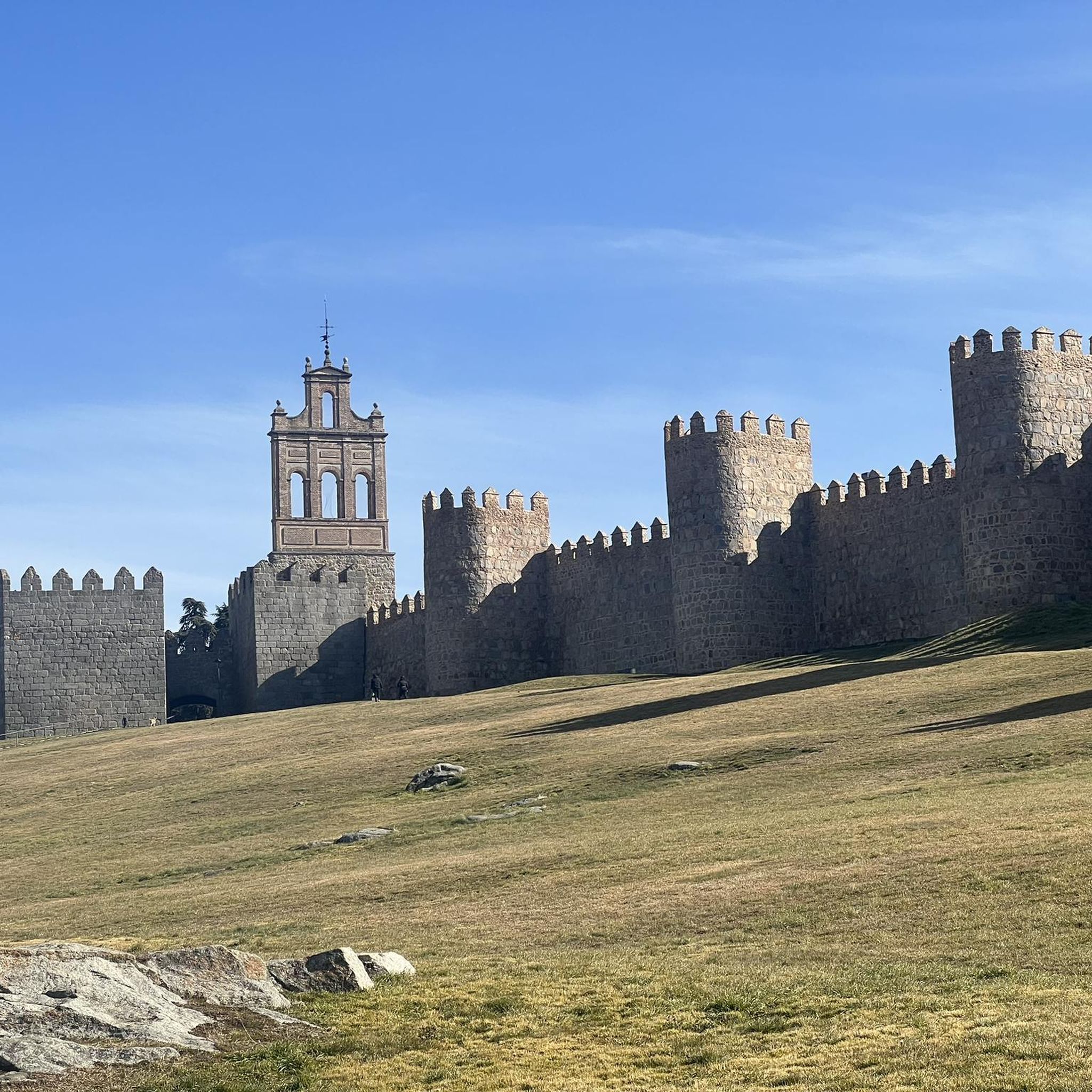
Absolutely! Ávila is rich in history. You can admire the impressive medieval Ávila City Walls from various routes outside the city. Other notable landmarks include the Old Roman bridge over the Adaja River and the Basilica of San Vicente of Ávila. The Castro de Las Cogotas and Dolmen del Prado de Las Cruces offer glimpses into ancient history.
What is the best season for gravel biking in Ávila?
Ávila's high altitude means varied weather. Spring and autumn generally offer the most pleasant conditions for gravel biking, with milder temperatures. Summers can be hot, especially at lower elevations, while winters can bring cold temperatures and potentially snow in higher areas like the Sierra de Gredos. Always check the local forecast before heading out.
Are there any family-friendly gravel biking options in Ávila?
While specific 'family-friendly' routes are not explicitly detailed, the moderate trails with less elevation gain, such as the St. Michael the Archangel Church – Alto Bike Lane loop from Ávila, could be suitable for families with older children or those comfortable with moderate distances. Always assess the route's length and difficulty to match your family's capabilities.
Are there places to park near the trailheads for gravel biking in Ávila?
Many routes around Ávila start from accessible points within or near the city, where parking options are generally available. For routes starting from the city, such as the Ávila Cathedral – Convento de San José loop from Estación de Ávila, you can often find parking near the train station or other urban areas. For routes outside the city, look for designated parking areas in villages or near popular starting points.
Most popular attractions around Ávila

Get inspired with the komoot mobile app


Explore more
Browse the best Gravel rides in other regions.
