The best walks and hikes around Alosno
5.0
(12)
29
hikers
8
hikes
Hiking around Alosno offers exploration through the El Andévalo region of Huelva province, characterized by rolling hills and a landscape shaped by historical mining activity. The area features traces of archaic mines and viewpoints like Cabezo Jurel and El Chaparral, providing panoramic vistas. The terrain includes elevated areas such as Cerro del Águila, which hosts the Hermitage of La Peña, and historic railway lines that suggest potential for converted hiking paths.
Best hiking trails around Alosno
- The most popular hiking route is Virgen de la Peña Trail, a 7.3 miles (11.8 km) trail that takes 3 hours 19 minutes to complete. This moderate route leads to the historic Hermitage of La Peña atop Cerro del Águila.
- Another top favourite among local hikers is Hermitage of the Virgin of the Rock – Hermitage of the Virgin of the Peña loop from Puebla de Guzmán, a moderate 7.0 miles (11.2 km) path. This loop offers views of the emblematic sanctuary and the surrounding landscape.
- Local hikers also love the View of the Pasture with Sheep – Mining Landscape loop from Puebla de Guzmán, a 9.5 miles (15.2 km) trail leading through varied pasture and historical mining landscapes, often completed in about 4 hours.
- Hiking around Alosno is defined by rolling hills, historical mining sites, and elevated viewpoints. The network offers options for different ability levels, from easy paths to moderate ascents.
- The routes in Alosno are highly rated by the komoot community with an average score of 5.0 stars from more than 10 reviews. More than 20 hikers have used komoot to explore Alosno's varied terrain.
Last updated: May 11, 2026
2
hikers
11.8km
03:19
230m
230m
Moderate hike. Good fitness required. Easily-accessible paths. Suitable for all skill levels.
4.8
(6)
11
hikers
Easy hike. Great for any fitness level. Easily-accessible paths. Suitable for all skill levels.

Sign up for free
5.0
(1)
7
hikers
Moderate hike. Good fitness required. Easily-accessible paths. Suitable for all skill levels.
2
hikers
Moderate hike. Good fitness required. Easily-accessible paths. Suitable for all skill levels.
5.0
(1)
2
hikers
Moderate hike. Good fitness required. Easily-accessible paths. Suitable for all skill levels.
Get access to more routes and recommendations from other explorers.
Sign up for free
Already have an account?
Our route recommendations are based on thousands of hikes, rides, and runs completed by other people on komoot.
Start today with a free account
Your next adventure awaits.
Login or Signup
Popular around Alosno
Tips from the Community

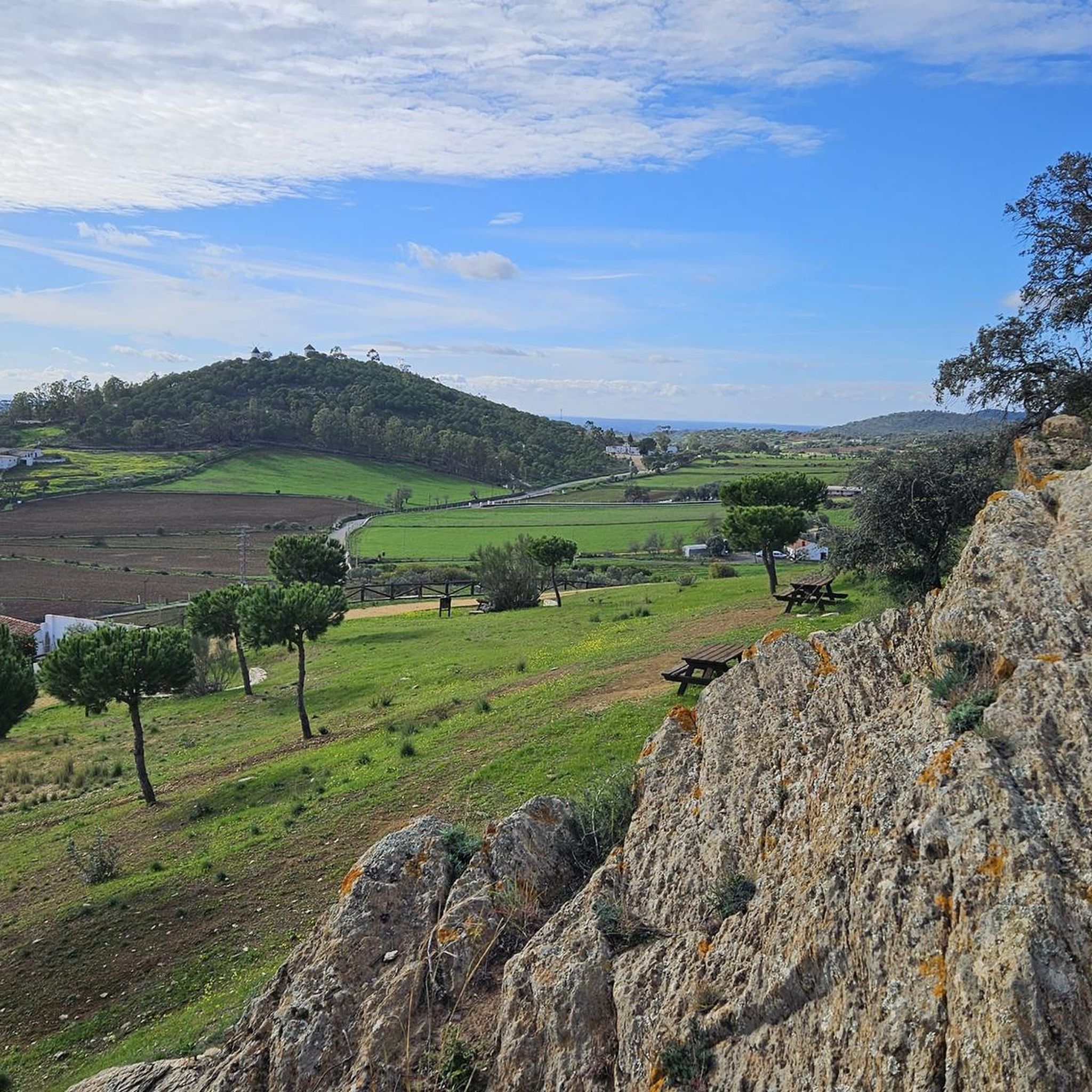
Eagle Hill offers spectacular views of the Andévalo region, the Sierra de Aracena, the Huelva coast, and even Portugal. The natural surroundings and the hill's altitude make the hermitage a privileged viewpoint.
1
0
The Hermitage of Our Lady of La Peña in Puebla de Guzmán (Huelva) is one of the most emblematic sites in the Andévalo region, both for its religious significance and its cultural and scenic importance. It is located on Cerro del Águila (Eagle Hill), about 4 km from the town center of Puebla de Guzmán. Origin: Probably built in the 16th century, although the most significant works were carried out in the 17th century. Style: Latin cross floor plan, with a single nave covered by a wooden truss roof. The crossing is crowned by a hemispherical dome on pendentives.
1
0
The Church of the Holy Cross in Puebla de Guzmán (province of Huelva, Andalusia) is a temple of great historical, artistic, and spiritual value. Original construction: Late 16th and early 17th centuries. It was praised in 1645 by Francisco de Rada. Between 1748 and 1757, significant renovations were carried out, including a new main chapel whose roof was converted into a watchtower. It suffered severe damage during a fire in July 1936, at the beginning of the Spanish Civil War. It was rebuilt by the architect José María Pérez Carasa.
4
0
The route offers a unique experience, combining the tranquility of the natural environment with the opportunity to explore the history of the region. Hikers can enjoy the lush vegetation, diverse fauna and picturesque landscapes along the way.
1
0

It is located on Cerro del Águila, about four kilometers from Puebla de Guzmán. It was probably built in the 16th century, although the most important construction works were undertaken in the 17th century.
1
1
The Zahurdón mill is located at the end of El Santo street, in Villanueva de los Castillejos. Typical old mill and a pleasant landscape with a picnic area and a nearby park.
1
0
The Iglesia Fortaleza de la Santa Cruz was built in the 16th century inside the castle of Alfayat. In the area that corresponds to the dome of the main altar, you can see the rifle loopholes on the parapet of the terrace, as well as a sentry box in one of its corners. The temple was destroyed in 1936, to be later rebuilt. In a corner of the esplanade where it is located, remains of the wall are still preserved, and what could be a horn.
1
1
If you go to Puebla de Guzmán, going up to the hermitage of the Virgen de la Peña is a must. The best thing to do is to visit it on the patron saint's day and enjoy the pilgrimage and how they ride a horse.
1
1
Frequently Asked Questions
How many hiking trails are available around Alosno?
There are several hiking routes around Alosno, with komoot featuring 8 distinct trails. These range from easy strolls to more challenging moderate hikes, offering diverse experiences through the region's unique landscape.
Are there any easy hiking trails suitable for beginners in Alosno?
Yes, Alosno offers several easy hiking options. For instance, the Camino de la Raya loop from Villanueva de los Castillejos is an easy 6.3 km trail, perfect for those new to hiking or looking for a relaxed walk.
What kind of landscapes can I expect to see while hiking near Alosno?
Hiking near Alosno offers a unique blend of historical and natural landscapes. You'll traverse rolling hills, areas shaped by centuries of mining activity, and elevated viewpoints. The region is part of El Andévalo, known for its distinctive topography and traces of archaic mines.
Are there any circular hiking routes in the Alosno area?
Yes, Alosno features several circular routes. A popular choice is the Hermitage of the Virgin of the Rock – Hermitage of the Virgin of the Peña loop from Puebla de Guzmán, a moderate 11.2 km path offering scenic views. Another option is the View of the Pasture with Sheep – Mining Landscape loop from Puebla de Guzmán, which is 15.2 km and takes you through varied terrain.
What historical sites or landmarks can I explore on a hike around Alosno?
The region around Alosno is rich in mining heritage. You can explore trails that pass by traces of archaic mines like Almagrera and El Chaparral. The Tharsis Open-Pit Mine is a significant historical site nearby. Additionally, the Hermitage of La Peña of Puebla de Guzmán, located atop Cerro del Águila, is an emblematic sanctuary with deep cultural tradition, accessible via trails like the Virgen de la Peña Trail.
Are there any viewpoints or panoramic vistas along the hiking trails?
Absolutely. Within Alosno, the 'miradores' (viewpoints) of Cabezo Jurel and El Chaparral offer panoramic vistas of the surrounding landscape. Many trails, especially those leading to elevated areas like Cerro del Águila, provide expansive views of the El Andévalo region.
What do other hikers say about the trails in Alosno?
The hiking trails around Alosno are highly regarded by the komoot community, boasting an average rating of 5.0 stars from over 10 reviews. Hikers often praise the unique blend of natural beauty and historical mining landscapes, as well as the well-maintained paths.
Are there any trails that follow old railway lines in the area?
The region has a significant railway history, particularly the Tharsis Railway, a 19th-century narrow-gauge line used for mineral transport. While not explicitly listed as converted hiking trails in the guide, former railway lines in other areas are often transformed into greenways. You might find sections that hint at this industrial past, offering a unique historical context to your walk. For more information on the railway's history, you can visit Wikipedia's page on the Tharsis Railway.
What is the longest hiking route available near Alosno?
The longest route featured in the guide is the View of the Pasture with Sheep – Mining Landscape loop from Puebla de Guzmán, which spans 15.2 km and typically takes around 4 hours to complete. This moderate trail offers an extensive exploration of the area's diverse scenery.
Are there any moderate difficulty trails for experienced hikers?
Yes, the majority of trails around Alosno are rated as moderate, offering a good challenge for experienced hikers. The Peña Maya loop from Villanueva de los Castillejos is a moderate 13.0 km route, and the Virgen de la Peña Trail is another popular moderate option at 11.8 km.
What is the best time of year to go hiking in Alosno?
While specific seasonal recommendations are not provided, the El Andévalo region generally experiences mild winters and hot summers. Spring and autumn are often ideal for hiking, offering pleasant temperatures and vibrant landscapes. During summer, it's advisable to hike early in the morning or late afternoon to avoid the midday heat.
Most popular routes around Alosno
Most popular attractions around Alosno

Get inspired with the komoot mobile app


Explore more
Browse the best Hikes in other regions.
