The best gravel rides around Cañete De Las Torres
26
riders
5
rides
Gravel biking around Cañete De Las Torres offers routes through a landscape dominated by extensive olive groves and rural roads. The region features rolling terrain, providing varied gradients for cyclists. As Spain's first "botanical village," Cañete de las Torres emphasizes green spaces and a clean environment, contributing to the appeal of its outdoor areas. The rural setting ensures good air quality and a tranquil experience for gravel bikers.
Best gravel bike trails around Cañete De Las Torres
- The most popular…
Last updated: May 11, 2026
3
riders
38.0km
02:46
560m
560m
Hard gravel ride. Very good fitness required. Mostly paved surfaces. Suitable for all skill levels.
2
riders
49.4km
04:03
690m
690m
Hard gravel ride. Very good fitness required. Mostly paved surfaces. Suitable for all skill levels.

Sign up for free
2
riders
32.5km
02:32
470m
480m
Hard gravel ride. Very good fitness required. Mostly paved surfaces. Suitable for all skill levels.
2
riders
50.2km
03:47
650m
650m
Hard gravel ride. Very good fitness required. Mostly paved surfaces. Suitable for all skill levels.
2
riders
38.2km
02:27
440m
440m
Moderate gravel ride. Good fitness required. Mostly paved surfaces. Suitable for all skill levels.
Our route recommendations are based on thousands of hikes, rides, and runs completed by other people on komoot.
Start today with a free account
Your next adventure awaits.
Login or Signup
Tips from the Community

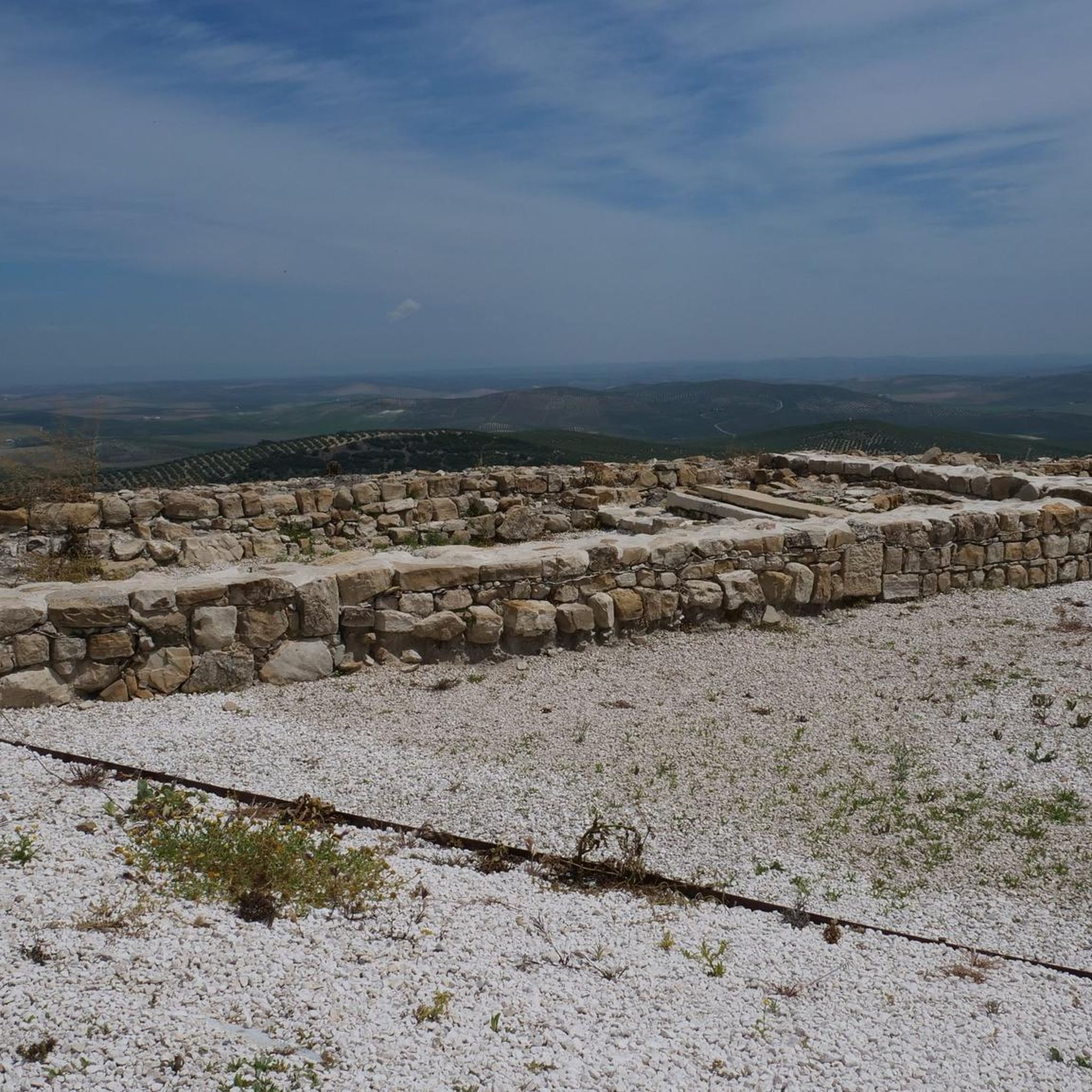
In Lopera, we find one of the best examples of castles built by the Military Order of Calatrava in the province of Jaén. Declared a Cultural Monument in 1991, this fortress retains its original walled enclosure, although over the years it has also served as a residence and, in the mid-20th century, even as a winery.
0
0
Porcuna is a small town and a municipality (municipio) in southern Spain with 5,907 inhabitants (as of 2024) in the west of the province of Jaén in the autonomous community of Andalusia.
0
0

Good cross-country climb
0
0

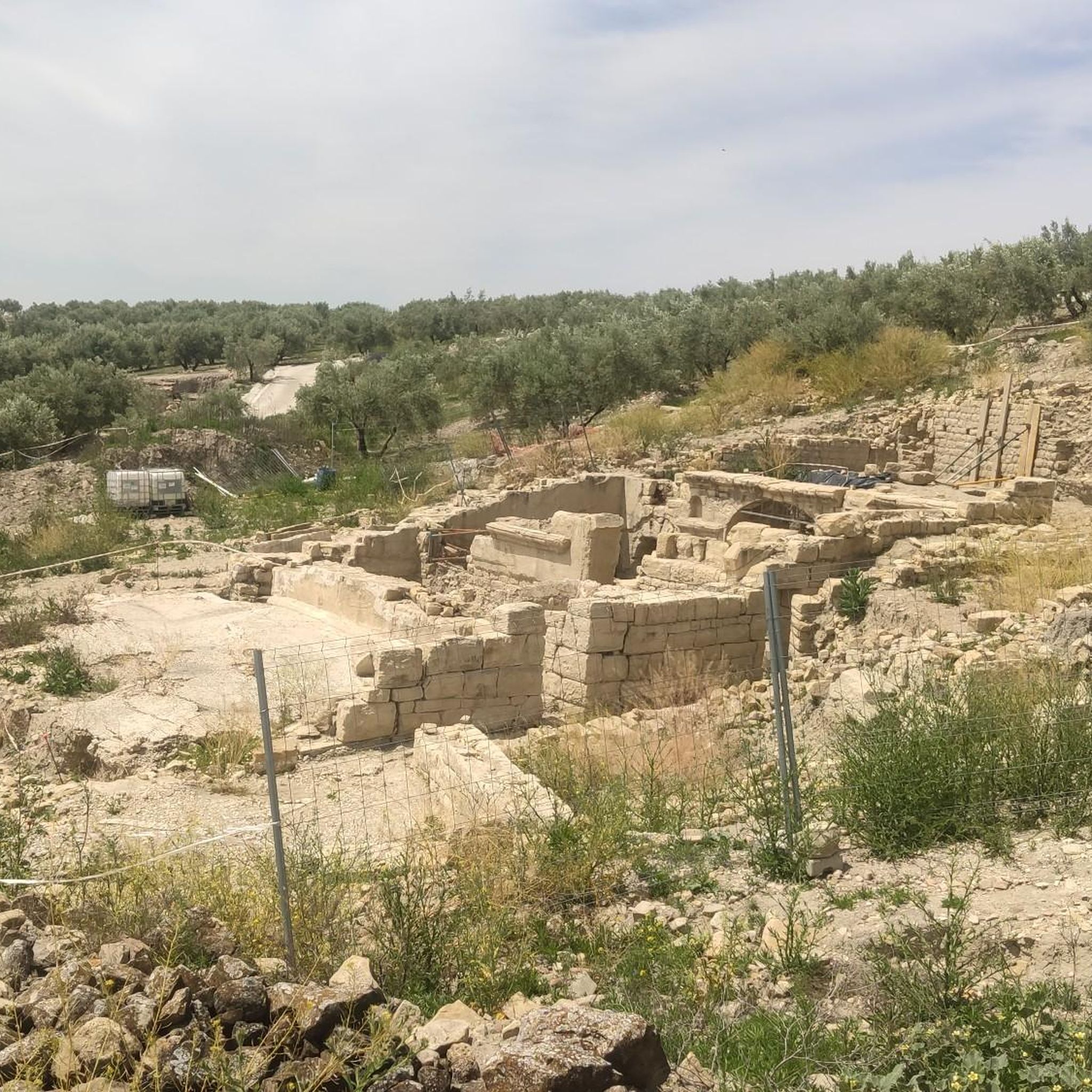
Municipality located to the east of the province of Córdoba, on the border with Jaén. Most of it is located in the foothills of Sierra Morena, making the Guadalquivir River the border with the countryside. Therefore, the mountains, the river and the countryside are the three elements that determine the landscape. The first is part of the Sierra de Cardeña y Montoro Natural Park, and in it we can find vegetation of holm oaks, wild olive trees, stone and maritime pines and a population of melojo oak, rare in Andalusia. It is also an area of great fauna, hunting and livestock value. The second, which surrounds the town, is the axis of the landscape, life and history of the town; Due to the beauty of the meander, it is also known as the Andalusian Toledo. The third, populated by olive trees, places us in a truly Cordoba environment. The town, with an Iberian, Greek, Roman, and Muslim past, is located on a small elevation that dominates the course of the river that divides it into two neighborhoods, offering an unmistakable image. Declared a Historic-Artistic Site in 1969, it brings together a multitude of attractions and tourist attractions to visit, such as the bridge over the river, the Church of San Bartolomé, the Casa de las Tercias, its steep streets of white houses, or the Torre de Villaverde. Its Holy Week, declared of Tourist Interest, reaches its greatest splendor on the afternoon of Holy Thursday with the presence of the Roman Empire. It is one of the towns included in the Baético Romana Route.
0
0
Livestock Route included in the layout of the Alto Guadalquivir MTB Cycle Tourist Circuit
0
0
Bujalance is a city in the Cordoba countryside located in the heart of Andalusia. Its location, in the middle of the natural path that goes to the south of the Iberian Peninsula, and its fertile lands rich in groundwater, have given it an important role throughout history.
0
0

10th century castle built during the Caliphate of Córdoba, a clear example of Muslim military architecture in al-Andalus. The name of the town Bujalance probably comes from "Bury al-Hans" (Tower of the Serpent) - one of the seven towers of the castle. Declared a Historic-Artistic Monument in 1963.
2
0
Frequently Asked Questions
How many gravel bike trails are available around Cañete de las Torres?
There are 5 gravel bike trails available around Cañete de las Torres, offering a variety of experiences through the region's unique landscape.
What kind of terrain can I expect on gravel bike trails in Cañete de las Torres?
The terrain around Cañete de las Torres is characterized by rolling hills and extensive olive groves, providing varied gradients. You'll primarily ride on networks of rural roads and tracks, which are ideal for gravel biking. The routes offer options for both moderate and difficult ability levels.
Are there any family-friendly gravel biking routes in the area?
While many routes feature significant elevation, the region's rural roads and tranquil environment can be suitable for families looking for an outdoor adventure. For a moderate option, consider the Cordel de Bujalance a Porcuna – Lopera Trenches loop from Villa del Rio, which covers 38.2 km.
What natural features or landmarks can I see along the gravel bike routes?
The predominant natural feature you'll encounter is the vast 'sea of olive trees' that defines the landscape. You can also pass by historic structures like the Torre de Boabdil, which is featured on several routes, including the Castillo de Lopera – Torre de Boabdil loop from Lopera.
Are there any circular gravel bike routes available?
Yes, all the featured gravel bike routes around Cañete de las Torres are circular. For example, you can explore the Torre de Boabdil – Cortijo Las Ollas loop from Porcuna, a 38.0 km trail with significant elevation gain.
What is the best time of year to go gravel biking in Cañete de las Torres?
The rural environment and clean air make Cañete de las Torres pleasant for outdoor activities. Spring and autumn generally offer the most comfortable temperatures for gravel biking, allowing you to fully enjoy the olive groves and tranquil setting without extreme heat.
Where can I find parking for gravel biking trails in Cañete de las Torres?
As the routes often start from nearby towns like Porcuna or Villa del Rio, you'll typically find parking options within these communities. Look for public parking areas in the town centers or near the starting points of the trails.
Are there any cafes or restaurants near the gravel biking routes?
Cañete de las Torres itself, as Spain's first 'botanical village,' offers a charming atmosphere with plazas and corners adorned with flowers. You'll find local cafes and restaurants within the town and potentially in other nearby villages where routes may pass through or start, such as Porcuna or Villa del Rio.
What is the longest gravel bike route in this guide?
The longest route featured is the Fountain in Montoro – Bujalance Castle loop from Villa del Rio, which spans 50.2 km and takes approximately 4 hours 35 minutes to complete.
What makes Cañete de las Torres a unique place for gravel biking?
Cañete de las Torres is unique due to its designation as Spain's first 'botanical village,' emphasizing green spaces and a clean environment. This commitment, combined with the vast 'sea of olive trees' and a network of rural roads, creates a tranquil and picturesque setting for gravel biking with excellent air quality.
What is the difficulty level of the gravel bike routes?
The gravel bike routes around Cañete de las Torres range from moderate to difficult. For instance, the Cañete de las Torres – Torre de Boabdil loop from Porcuna is a difficult 50.1 km trail, while the Cordel de Bujalance a Porcuna – Lopera Trenches loop from Villa del Rio is rated as moderate.
Most popular routes around Cañete De Las Torres
Most popular attractions around Cañete De Las Torres

Get inspired with the komoot mobile app


Explore more
Browse the best Gravel rides in other regions.
