The best running trails around Villaverde De Medina
148
runners
20
runs
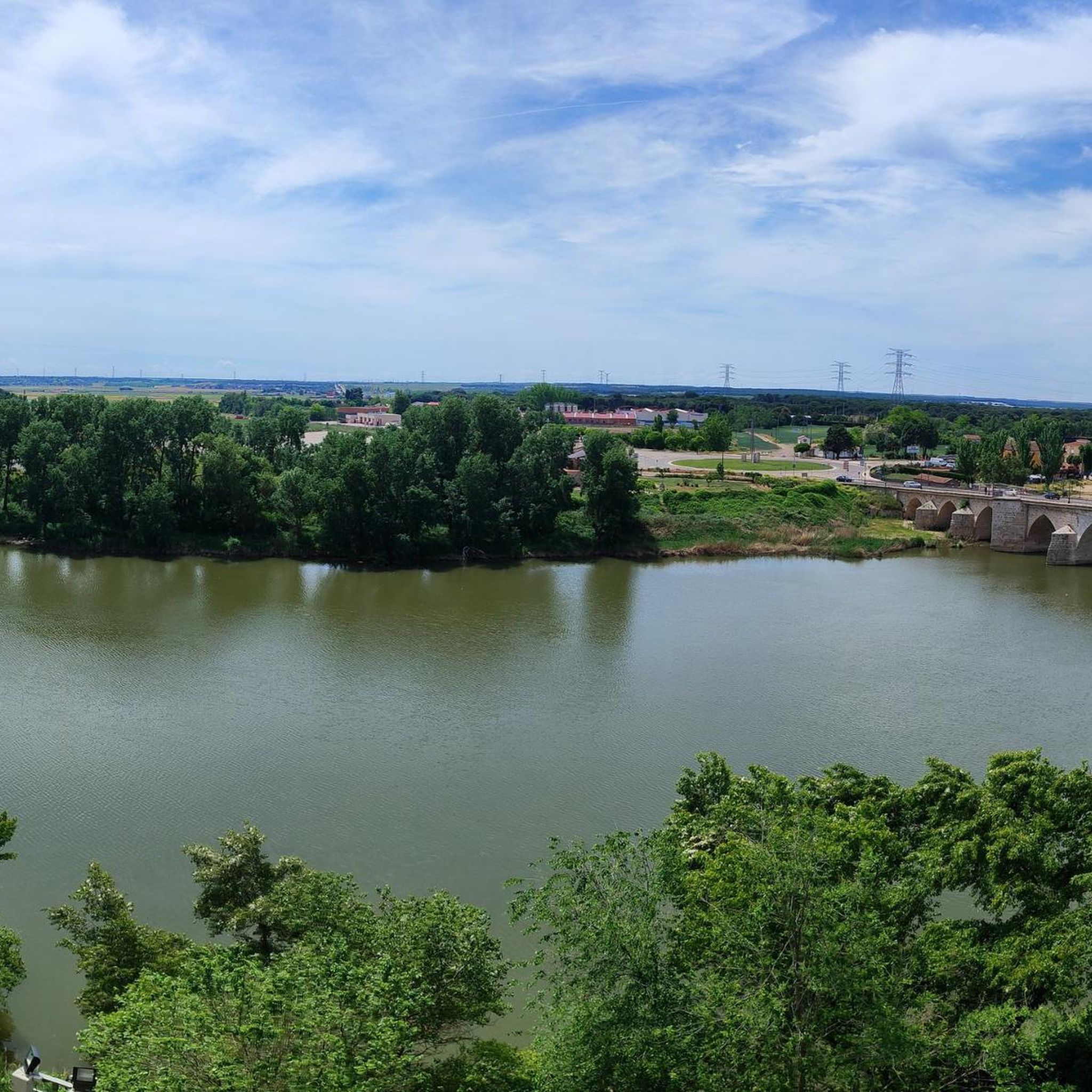
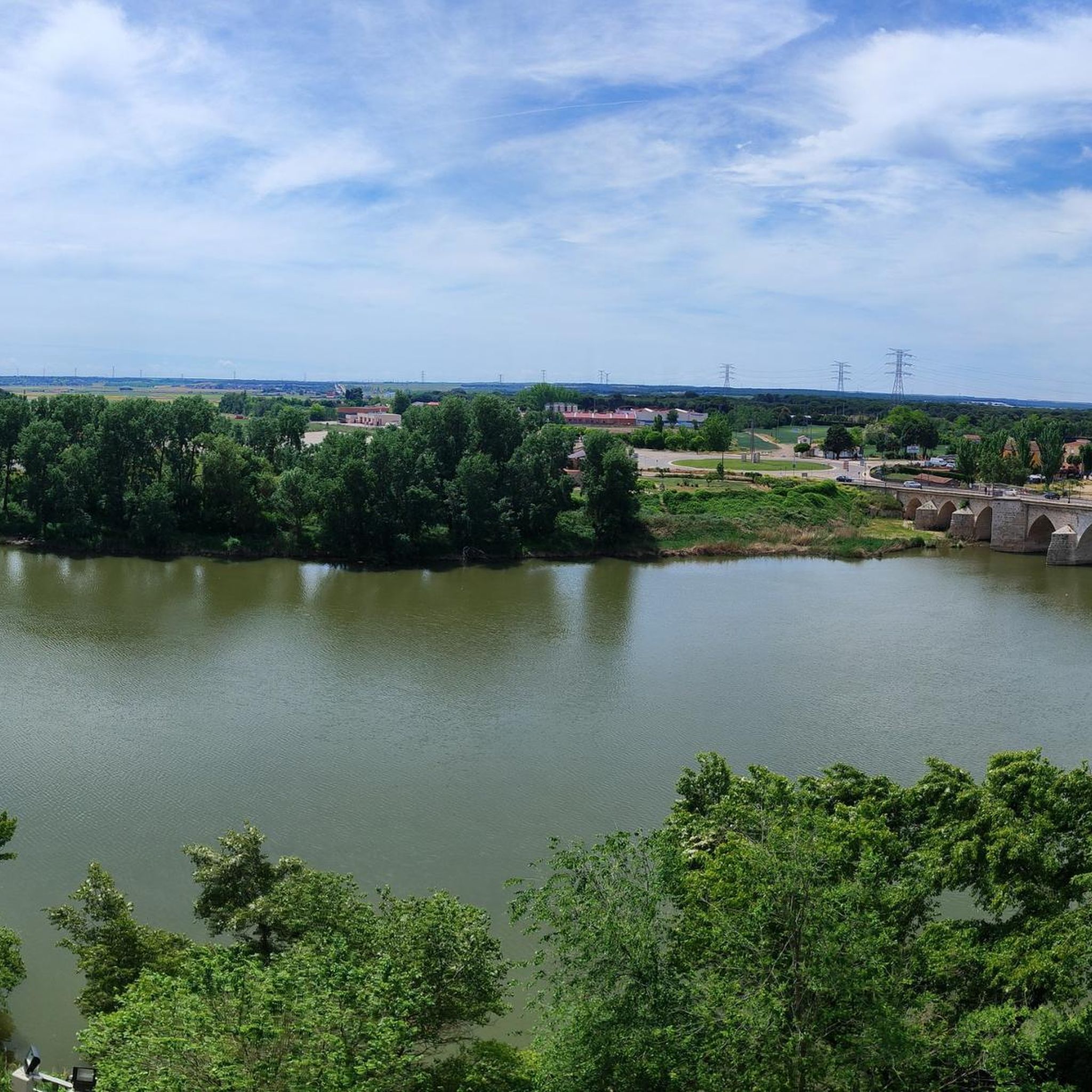
Jogging routes around Villaverde de Medina benefit from the region's characteristic flat terrain, making it an accessible destination for runners. The area is situated within the "Tierra de Pinares," a natural region distinguished by extensive pine forests that offer shaded paths. Streams occasionally traverse the landscape, flowing towards the Zapardiel River, which contributes to the natural ecosystem. This topography provides a serene backdrop for running, with minimal elevation changes.
Best jogging routes around Villaverde De Medina
- The most popular jogging…
Last updated: May 9, 2026
4.06km
00:26
30m
30m
Explore Medina del Campo's historical sites on this easy 2.5-mile (4.1 km) jogging route, passing landmarks like La Mota Castle.
25
runners
Moderate run. Good fitness required. Mostly paved surfaces. Suitable for all skill levels.

Sign up for free
21
runners
9.99km
01:06
30m
30m
Moderate run. Good fitness required. Mostly paved surfaces. Suitable for all skill levels.
8
runners
Hard run. Very good fitness required. Mostly paved surfaces. Suitable for all skill levels.
5
runners
10.1km
01:10
30m
30m
Moderate run. Good fitness required. Mostly paved surfaces. Suitable for all skill levels.
Get access to more routes and recommendations from other explorers.
Sign up for free
Already have an account?
Our route recommendations are based on thousands of hikes, rides, and runs completed by other people on komoot.
Start today with a free account
Your next adventure awaits.
Login or Signup

Tips from the Community

Built in the 16th century by Diego Beltrán, a nobleman and member of the Royal Council of the Indies, around 1528–1533, on a site previously used on Santiago Street. Its design is attributed to the royal architect Luis de Vega. From 1602 to 1604, it housed the Royal Chancery; later, it served as the residence of the Marquis of Ensenada during his exile. In 1916, it was acquired by the Marquises of Argüeso; in 1950, it passed into the hands of the State and was used as a vocational institute, currently functioning as an educational center.
5
0
An interpretation center dedicated to Queen Isabella I (“the Catholic”), highlighting the will and codicil signed there, and her death in 1504. A 14th-century palace (possibly in the Mudéjar style), remodeled by the Catholic Monarchs, later reused as a prison or town hall, and restored in 2004 as an educational museum.
8
0
Also known as the Main Parish Church of San Antolín. The original parish dates back to 1177, founded by settlers from the north (Palencia) and dedicated to Saint Antolín. In 1480, the Catholic Monarchs obtained a papal bull from Pope Sixtus IV elevating its status to a collegiate church with a free abbey. Construction of the current church began in 1502 and continued into the 18th century, with prominent architects such as Juan Gil de Hontañón, Rodrigo Gil, and the Gutiérrez brothers. It lost its collegiate church status in 1851, becoming simply the main parish church.
9
0

This is a Renaissance building constructed in the 16th century. It was designed by Luis de Vega, who was the architect of Charles V. Importantly, the Marquis of Ensenada lived in exile and died in this building in December 1781.
11
0
This palace, built in the 13th century, is where Queen Isabella I of Castile died in November 1504, and where she signed her will days before her death. Although she died here, her body was later moved to Granada Cathedral at her express wish, where she rests alongside her husband, Ferdinand of Aragon (Ferdinand the Catholic), and her daughter, Joanna the Mad.
11
0
This Gothic-style building began construction in 1503, although, as is often the case with such complex structures, it wasn't completed until almost two centuries later. It is a relatively large church, notable for the balcony of the Virgin of the People and the clock tower. The main entrance dates from the 18th century, while the side entrance is from the 16th.
11
0

It is a historic building that stands out as one of the most emblematic cultural treasures of the city. The collegiate church is, together with the Castle of La Mota, one of the most important historical buildings in Medina del Campo. Although its main part shows characteristics of the late Gothic style, its construction is complex and covers styles from the beginning of the 16th century to the 18th century.
9
0
Frequently Asked Questions
How many running routes are available around Villaverde De Medina?
Komoot offers over two dozen running routes around Villaverde De Medina. These routes cater to various preferences, from short, easy jogs to longer, more challenging runs.
What is the typical terrain like for jogging in Villaverde De Medina?
The terrain around Villaverde De Medina is generally flat, making it an accessible and less strenuous destination for runners. You'll find paths traversing the extensive pine forests of the "Tierra de Pinares" and occasionally alongside streams that flow towards the Zapardiel River.
Are there running options for different fitness levels?
Yes, the routes around Villaverde De Medina offer variety for all fitness levels. There are 4 easy routes perfect for beginners, 16 moderate routes for those looking for a bit more challenge, and 4 difficult routes for experienced runners seeking longer distances.
Are there any interesting landmarks or sights to see along the jogging routes?
While jogging, you can encounter several notable landmarks. For example, the Castle of La Mota is a prominent feature near some routes. Other points of interest in the wider area include the Collegiate Church of San Antolín and the Palacio de Dueñas Courtyard.
Can I find routes that go through the pine forests?
Absolutely. Villaverde De Medina is situated within the "Tierra de Pinares," or Land of Pine Groves. Many running routes will take you through these extensive pine forests, offering shaded and scenic paths, particularly pleasant during warmer months.
Are there any routes near the Zapardiel River?
The Zapardiel River is a natural feature of the area, and some routes may follow or cross streams that flow towards it. While the river can be dry for much of the year, ongoing restoration efforts are enhancing its natural beauty and potential for riverside recreation.
Are there easy jogging routes suitable for beginners?
Yes, there are several easy jogging routes ideal for beginners. A great option is the Castle of La Mota Loop, an easy 2.5-mile (4.1 km) trail with minimal elevation gain, perfect for a quick and gentle run.
Are there longer running trails for experienced runners?
For experienced runners looking for a longer challenge, consider the Collegiate Church of San Antolín – Royal Testamentary Palace loop from Medina del Campo AV. This route spans 12.2 miles (19.7 km) through the flat surrounding terrain, typically taking over two hours to complete.
Are there circular running routes available?
Many of the running routes around Villaverde De Medina are designed as loops, offering convenient circular options. Examples include the Running loop from Balneario de Las Salinas and the Collegiate Church of San Antolín loop from Medina del Campo.
Is Villaverde De Medina suitable for family-friendly jogging?
Given the generally flat terrain and the presence of easy routes, Villaverde De Medina can be suitable for family-friendly jogging. Shorter, less strenuous loops like the Castle of La Mota Loop are good choices for families.
Can I bring my dog on the running trails?
While specific regulations for each trail may vary, generally, dogs are welcome on many outdoor trails in the region. It's always recommended to keep your dog on a leash and ensure you clean up after them to maintain the natural environment for everyone.
What about parking for the jogging routes?
While specific parking details for each starting point are best checked on individual route pages, Villaverde De Medina and nearby towns typically offer public parking options. It's advisable to look for parking in the vicinity of your chosen route's starting point.
When is the best time of year to go jogging in Villaverde De Medina?
The flat terrain makes jogging enjoyable for much of the year. Spring and autumn offer pleasant temperatures, while the shaded pine forests can provide relief during warmer summer days. Winters are generally mild, but the Zapardiel River can experience significant flow during periods of heavy rain or thaw.
Most popular attractions around Villaverde De Medina

Get inspired with the komoot mobile app


Explore more
Browse the best Running Trails & Routes in other regions.
