The best gravel rides around Villalba Del Alcor
5.0
(1)
13
riders
5
rides
Gravel biking around Villalba Del Alcor offers routes through a landscape characterized by extensive grain farmland, vineyards, and olive groves. The terrain primarily consists of untarmacked rural roads and tracks, which are generally in good condition, though some stony or sandy sections may be encountered. As routes extend from the village, the scenery diversifies to include small eucalyptus groves and dehesa areas, providing a varied backdrop for cycling. The region's topography includes "campiña" (countryside), "sierra" (mountain range), and "alcores" (hilly…
Last updated: May 26, 2026
5.0
(1)
5
riders
48.2km
03:15
220m
220m
Moderate gravel ride. Good fitness required. Mostly paved surfaces. Suitable for all skill levels.
2
riders
25.3km
01:48
150m
150m
Moderate gravel ride. Good fitness required. Mostly paved surfaces. Suitable for all skill levels.

Sign up for free
2
riders
54.8km
03:43
510m
510m
Hard gravel ride. Very good fitness required. Mostly paved surfaces. Suitable for all skill levels.
2
riders
18.7km
01:23
150m
150m
Moderate gravel ride. Good fitness required. Mostly paved surfaces. Suitable for all skill levels.
2
riders
Moderate gravel ride. Good fitness required. Mostly paved surfaces. Suitable for all skill levels.
Our route recommendations are based on thousands of hikes, rides, and runs completed by other people on komoot.
Start today with a free account
Your next adventure awaits.
Login or Signup
Tips from the Community

The Plaza de España in La Palma del Condado is an iconic and central location in this charming town in the province of Huelva. Surrounded by historic buildings and with a vibrant atmosphere, it's a popular meeting point for locals and visitors alike.
1
0

The Parish Church of Santa María de la Purificación, due to its volumetric force and its location in an elevated part of the town, becomes the most representative architectural landmark. Despite being initially located away from the urban center, it is a remarkable example of a Sevillian church, in which the Mudejar and Baroque styles converge, following a very characteristic approach to 18th-century construction practice in the area. Built according to Mudejar principles in its original construction, which appears to date from the 15th century, it would later be practically rebuilt after the damage caused by the 1755 earthquake, conforming to the Baroque guidelines prevailing in the second half of the 17th century. A reconstruction in which Pedro de Silva, Antonio Matías de Figueroa, and José Álvarez participated. Among them, Antonio Matías de Figueroa stands out for the significance of his intervention in the complex. His work on the Manzanilla church can therefore be considered one of the last examples of this family's distinctive style—the so-called triumphal baroque—and one of the first signs of the change of direction demanded by the changing times, in their preference for the primacy of Rococo lines over Baroque masses. The appearance of neoclassical elements (the Gospel nave portal), derived from the presence of José Alvarez (1782–1783) as director of the works, also speaks to the formal evolution of the style toward the last quarter of the century. Finally, the tower (1760-1779) stands out, attributed to Lucas Cintora and Francisco Díaz Pinto, and one of the most beautiful examples in the province. It perfectly fits one of the two characteristic typologies of 18th-century Andalusia, originating from the Giralda in Seville. It forms part of a unique group of towers in Huelva, along with that of the Temple of San Pedro in Huelva and that of the Church of San Juan Bautista (La Palma del Condado), all of which follow a very similar model. This building represents another example of the intense religious construction activity that characterized 18th-century Huelva architecture, motivated by a fortunate combination of economic, demographic, and natural circumstances (earthquakes), and which has come to be known as its Golden Age.
0
0
The Plaza de Andalucía is located in the center of the town. Surrounding it are the Town Hall (Manzanilla City Hall), the Market, and stately homes representative of the town. Villalba, Hermanos Álvarez Quintero, Santo Cristo, Alférez Galiano Camacho, and Benafique streets converge in the square. It forms the nerve center of Manzanilla. It is a square plaza surrounded by plants and benches. Its two fronts are flanked by the Market and the Town Hall. Of note is a central pavilion called Morabito, made of brick and ceramic, which is an old font.
0
0
The Hermitage of the Sweet Name of Jesus, if its full title is used, was built beginning in the 16th century, although it has undergone numerous renovations. Its original name is the Hermitage of the Most Holy Christ of Jesus and Mary, although its ownership later changed to its current name with the creation of the Brotherhood of the Sweet Name of Jesus, whose highly venerated image became the patron saint of the temple. Among the various interventions, the restoration work carried out in the 18th century and the strengthening work due to the deterioration caused by the Lisbon earthquake of 1755 should be noted. The damage caused by the fire and looting of 1936 left it severely damaged, necessitating renovation at the end of the previous century. It has a single nave with a contemporary roof because the previous barrel-vaulted ceiling collapsed, leaving only a three-pitched exterior roof made of Arabic tiles. Lighting is provided through two side windows. The main chapel, with a square floor plan, is covered by a hemispherical vault on pendentives. The entrance door and the choir window open onto the exterior of the facade. It is decorated with brick and ceramics. Designed as an altarpiece, it has two levels and an attic. The facade reflects some 20th-century constructions that undermine the earlier Baroque architecture. You can admire the chapel on Santo Cristo Street (Manzanilla). https://huelvapedia.wikanda.es/wiki/Ermita_del_Ni%C3%B1o_Jes%C3%BAs_(Manzanilla)
0
0
This green space is located near the Hogar del Pensionista community center and the Plaza de la Magdalena park. It is an ideal place to enjoy a quiet and relaxing walk, surrounded by nature and urban beauty. The plaza is located in a central and accessible area, making it a popular meeting point for residents and visitors. In addition, it is close to other places of interest such as the Church of San Juan Bautista and the Hermitage of Nuestra Señora del Valle.
2
0
The Plaza de España in La Palma del Condado is an emblematic and central place in this charming town in the province of Huelva. Surrounded by historic buildings and with a vibrant atmosphere, it is a popular meeting point for both locals and visitors. In this square, you can find the Parish Church of San Juan Bautista, one of the most representative churches of the 18th century Sevillian Baroque style. In addition, the square is close to other points of interest such as the Convent of Our Lady of Carmen and the Old Town Hall.
3
0

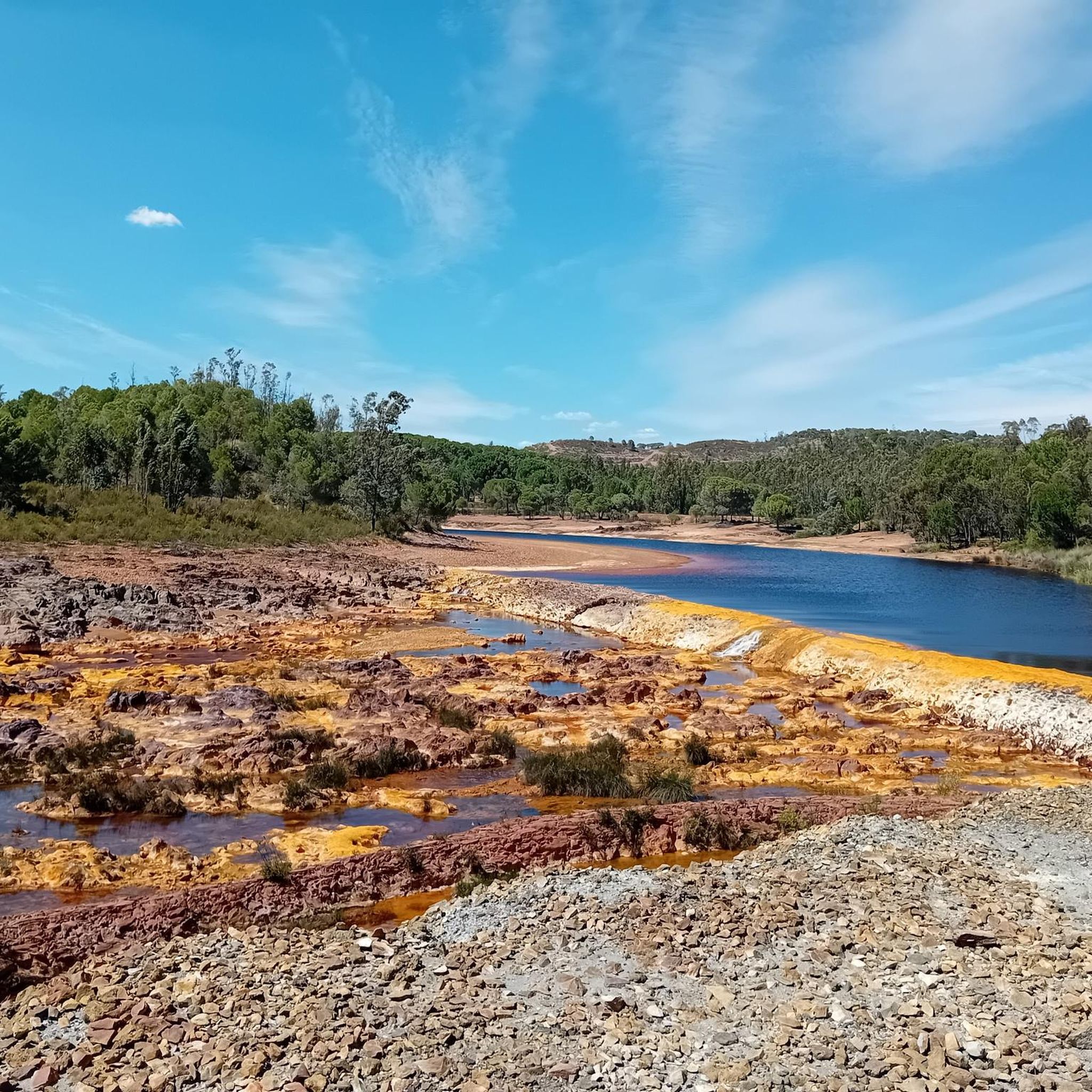
Small park with benches, rubbish bins and (locked) toilets. The lake can be walked across a beautiful large meadow and is nice for swimming 🌞
0
0

Beautiful Mudejar parish from the 15th century, there are very few in the towns of Andalusia even topped with a kind of defense tower. The tiled clock is also curious.
1
0
Frequently Asked Questions
How many gravel bike trails are available around Villalba Del Alcor?
There are several gravel bike trails around Villalba Del Alcor, offering diverse experiences for cyclists. Our guide features 5 distinct routes, ranging from moderate to difficult.
What kind of terrain can I expect on gravel bike trails in Villalba Del Alcor?
The terrain is quite varied, characterized by extensive grain farmland, vineyards, and olive groves. You'll primarily encounter untarmacked rural roads and tracks, which are generally in good condition. Some routes may feature stony or sandy sections, and as you venture further from the village, you might find small eucalyptus groves and dehesa areas. The region also includes 'campiña' (countryside) and 'alcores' (hilly areas), providing a mix of flat to gently rolling and more challenging sections.
What is the best time of year for gravel biking in Villalba Del Alcor?
Andalusia, including Villalba Del Alcor, is known for its warm climate, making it suitable for gravel biking for much of the year. Spring and autumn generally offer the most pleasant temperatures for cycling, avoiding the intense heat of summer and potential cooler, wetter conditions in winter. However, the region's diverse landscapes can be enjoyed in different seasons.
Are there any circular gravel bike routes in the area?
Yes, many of the gravel routes around Villalba Del Alcor are designed as loops, allowing you to start and finish in the same location. For example, the Gravel loop from Hinojos and the Ermita de El Rocío loop from Bollullos Par del Condado are popular circular options.
What are the difficulty levels of gravel bike trails near Villalba Del Alcor?
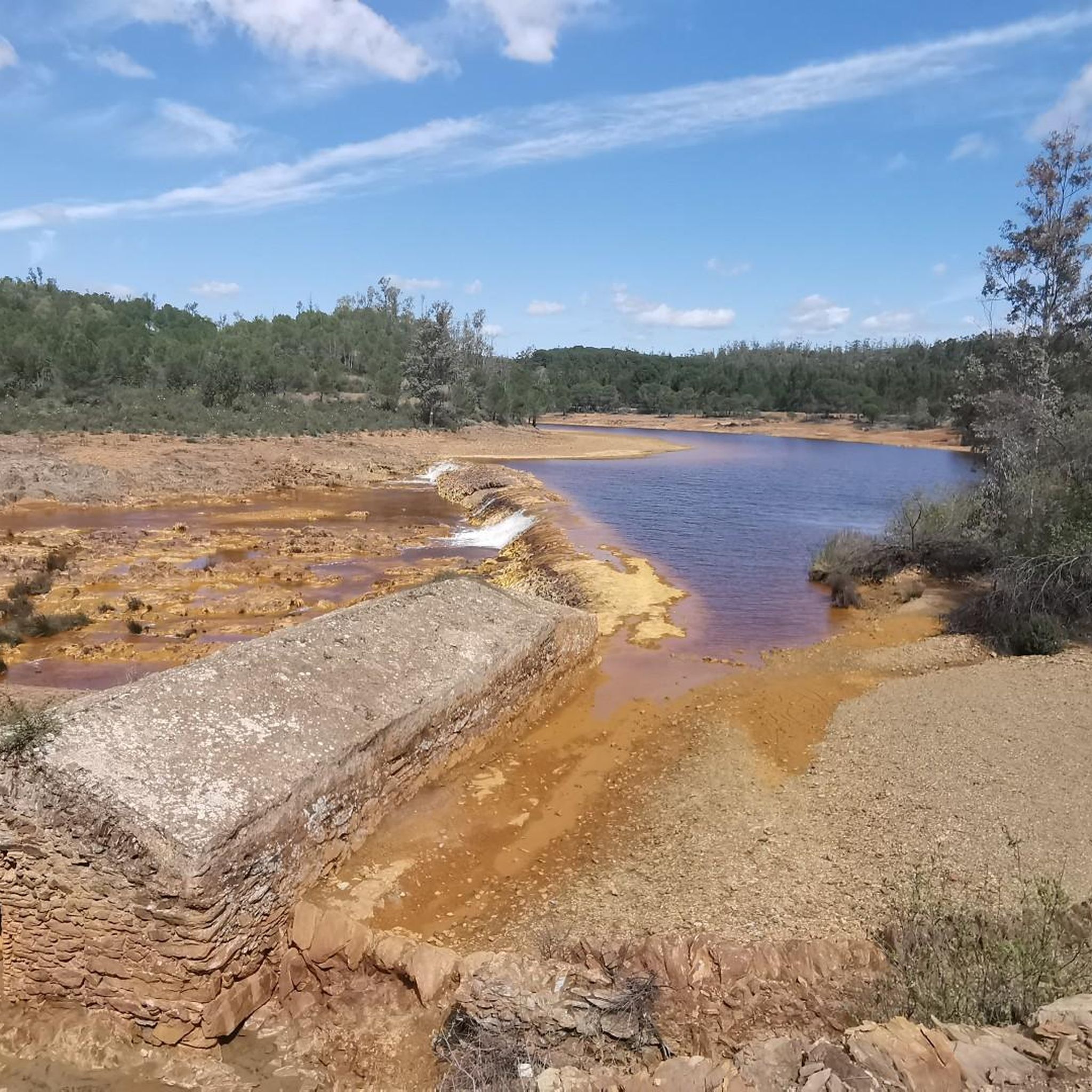
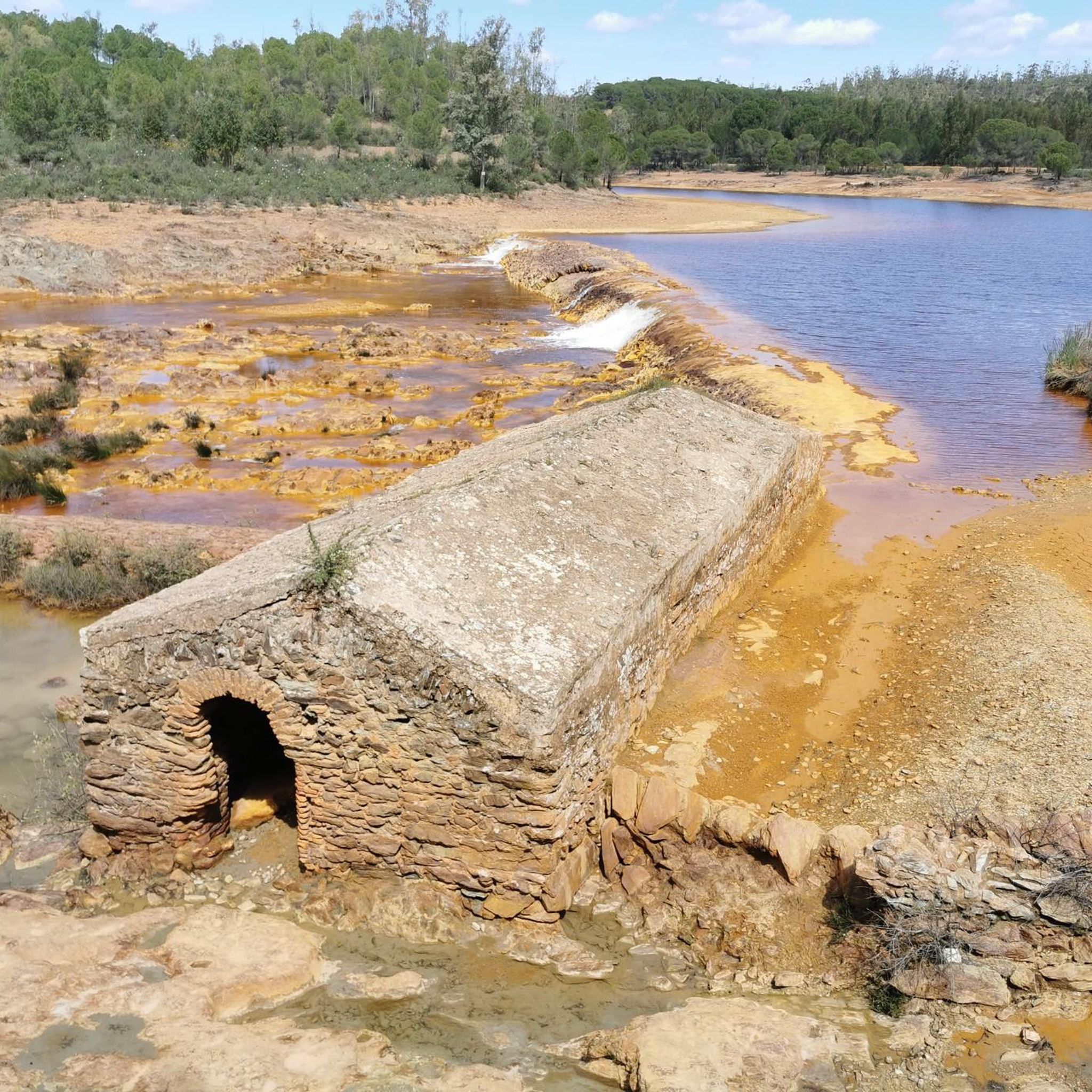
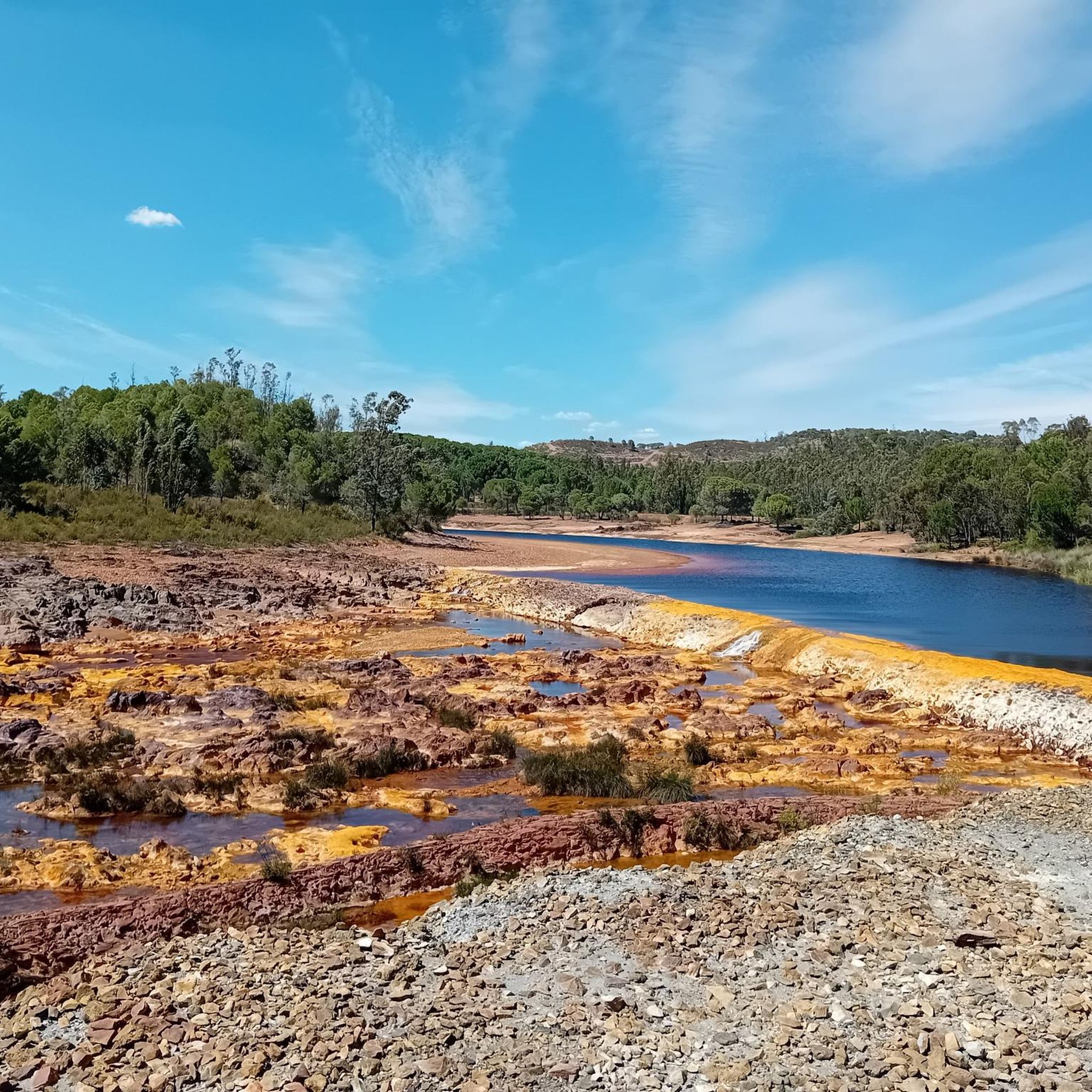
The trails near Villalba Del Alcor cater to various skill levels. Most routes are classified as moderate, suitable for riders with some experience. There is also at least one more challenging route, such as the Corumbel Reservoir loop from Escacena, which is rated as difficult due to its length and elevation changes.
Are there any routes suitable for beginners or families?
While many routes are moderate, the varied terrain means some sections are gentler. For a less strenuous ride, consider routes that stick to the agricultural paths around the village, which are generally flatter. The Church of Saint Bartholomew – Manzanilla loop from Villalba del Alcor is a moderate option that is shorter, making it potentially more accessible for those seeking a less demanding ride.
Is parking available near the gravel bike trails?
Villalba Del Alcor and surrounding villages typically offer public parking areas where you can leave your vehicle before starting your ride. Many routes begin from or pass through these villages, making access convenient. Specific parking details might vary by starting point, but generally, you'll find options in the towns.
What natural features or landmarks can I see along the gravel bike trails?
You'll primarily experience the rich agricultural landscape, including vast fields of cereals, vineyards, and olive groves. As you explore, you might also encounter small eucalyptus groves and dehesa areas. Some routes, like the 'Camino de Almonte' mentioned in regional descriptions, lead through diverse landscapes before becoming sandy forest tracks. You can also pass by significant local landmarks such as the Church of Saint Bartholomew.
Are there any specific points of interest or attractions near the gravel routes?
Yes, beyond the natural beauty, you can find several points of interest. For example, the Plaza de España in La Palma del Condado is a notable settlement. Other attractions include the Gadea Bridge in Riotinto and the Hermitage of Our Lady of Sorrows in Villarrasa, which can be explored as part of your cycling adventure or as separate visits.
What do other gravel bikers say about the trails in Villalba Del Alcor?
The area is highly rated by the komoot community, with an average score of 5.0 stars. Cyclists often praise the varied terrain, the peaceful agricultural landscapes, and the network of untarmacked rural roads that provide an excellent gravel biking experience away from traffic.
Can I find routes that pass through diverse agricultural landscapes?
Absolutely. The region is defined by its agricultural mosaic. Routes like La Palma del Condado – Church of Saint Bartholomew loop from Manzanilla specifically wind through vineyards and olive groves, offering scenic views of the cultivated land. Many trails traverse fields of cereals, providing a quintessential experience of the local landscape.
Most popular routes around Villalba Del Alcor
Most popular attractions around Villalba Del Alcor

Get inspired with the komoot mobile app


Explore more
Browse the best Gravel rides in other regions.
