Top 14 Lakes around Foremark
Best lakes around Foremark are centered around the expansive Foremark Reservoir, a significant man-made body of water in the Derbyshire countryside. This area functions as a 230-acre nature reserve, offering diverse landscapes including woodlands, heathland, and open water. Foremark natural features include Carvers Rocks, a Site of Special Scientific Interest, and a rich diversity of wildlife. The region provides numerous opportunities for outdoor activities such as walking, cycling, and water sports.
Best lakes around Foremark
- The most popular lakes is…
Last updated: July 31, 2026
Deer Park at Calke Abbey
Highlight • Natural
Tip by

Melbourne Pool
Highlight • Lake
Tip by

Sign up now to discover places like this
Get recommendations on the best single tracks, peaks, & plenty of other exciting outdoor places.
Sign up for free
Staunton Harold Reservoir
Highlight (Segment) • Lake
Tip by

Staunton Harold Reservoir and Visitor Centre
Highlight • Viewpoint
Tip by

Hilton Gravel Pits Nature Reserve
Highlight • Natural
Tip by

Sign up for free to discover even more lakes around Foremark.
Sign up for free
Already have an account?
Start today with a free account
Your next adventure awaits.
Login or Signup
Tips from the Community

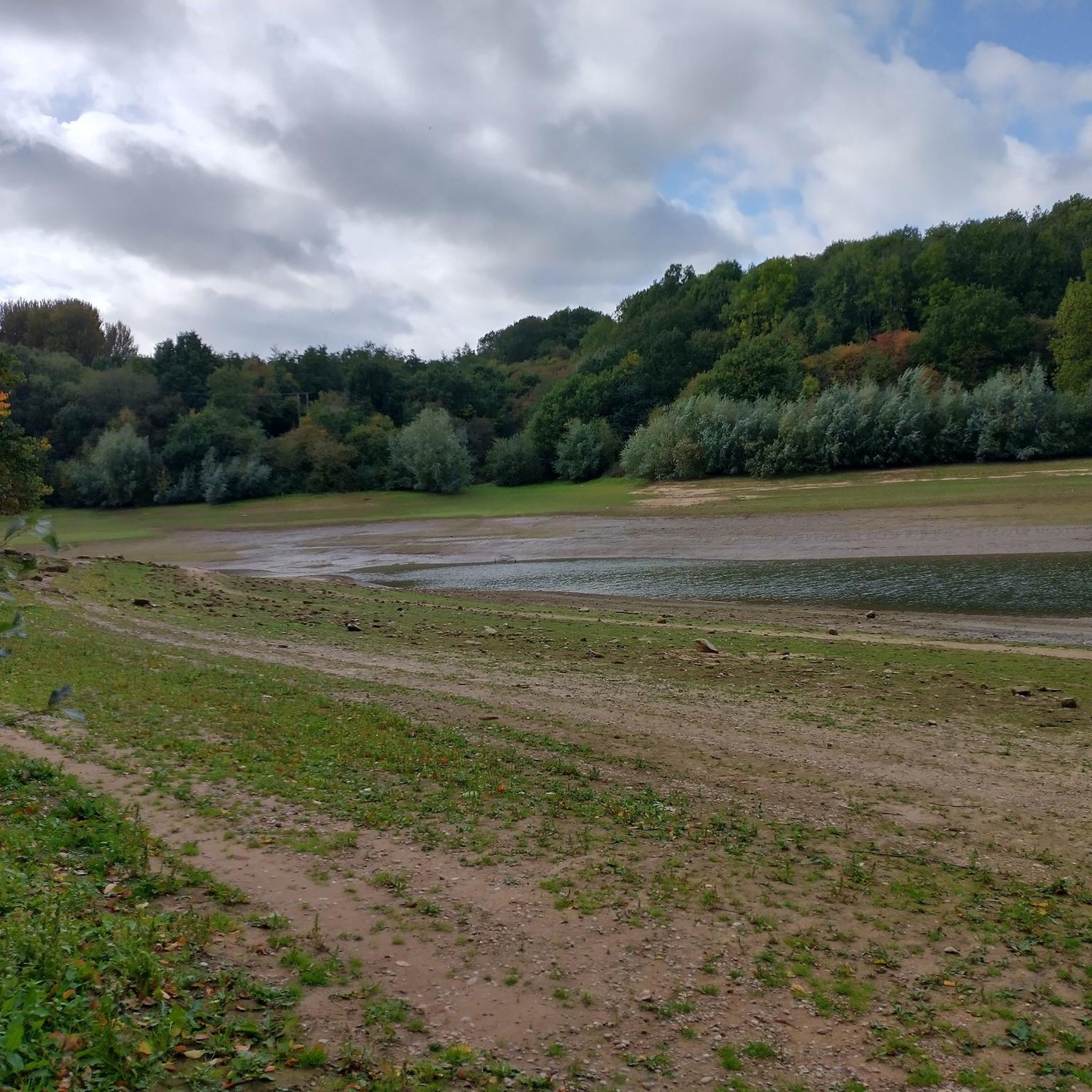
A 29 hectare Site of Special Scientific Interest. The reserve features a combination of lakes and ponds, woodland and sheltered sunny areas make the former gravel pits at Hilton a haven for wildlife. Look for kingfishers flashing blue over the water, herons, great crested grebes, and tufted ducks. It is famous for dragonflies and damselflies, with 15 species recorded here.
0
0


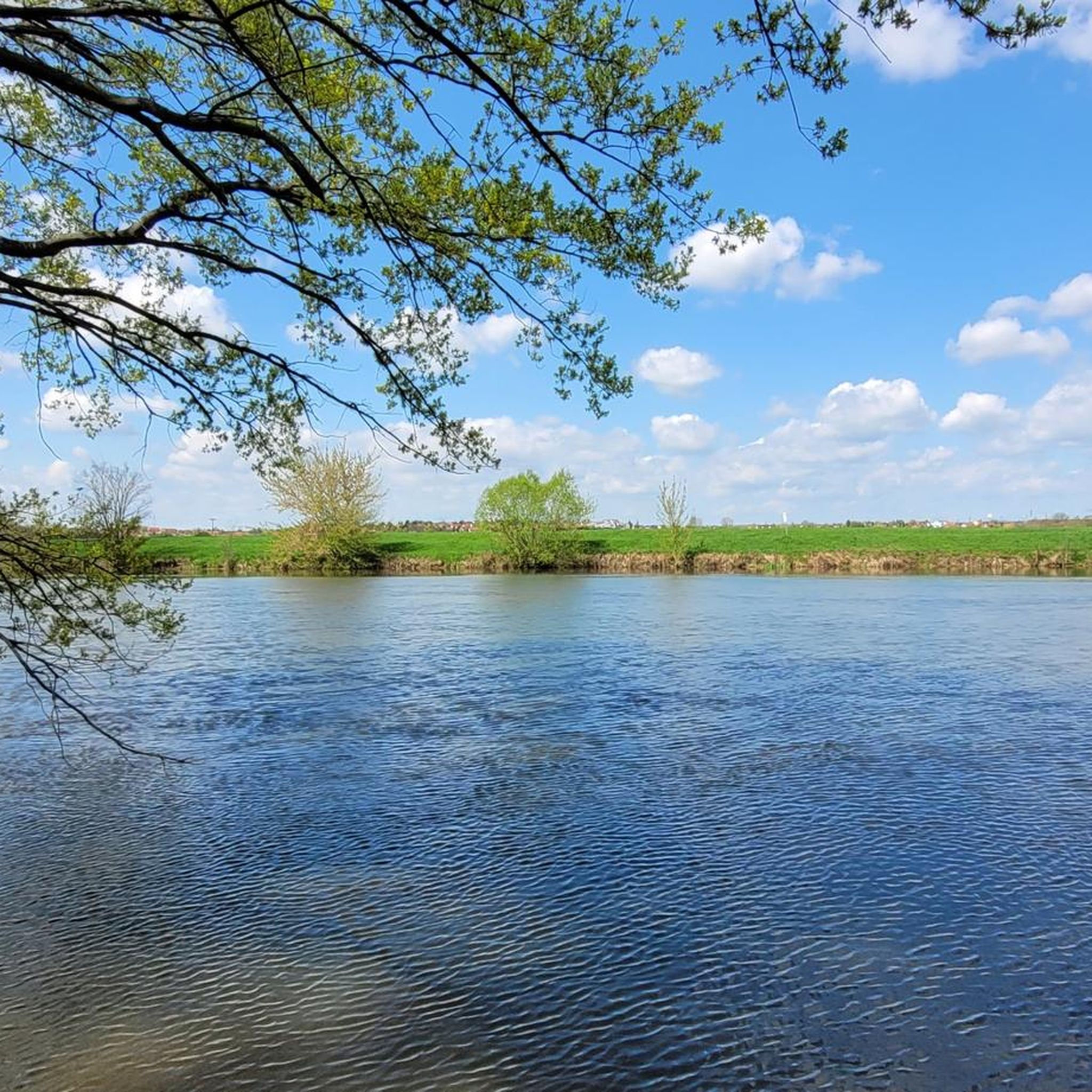
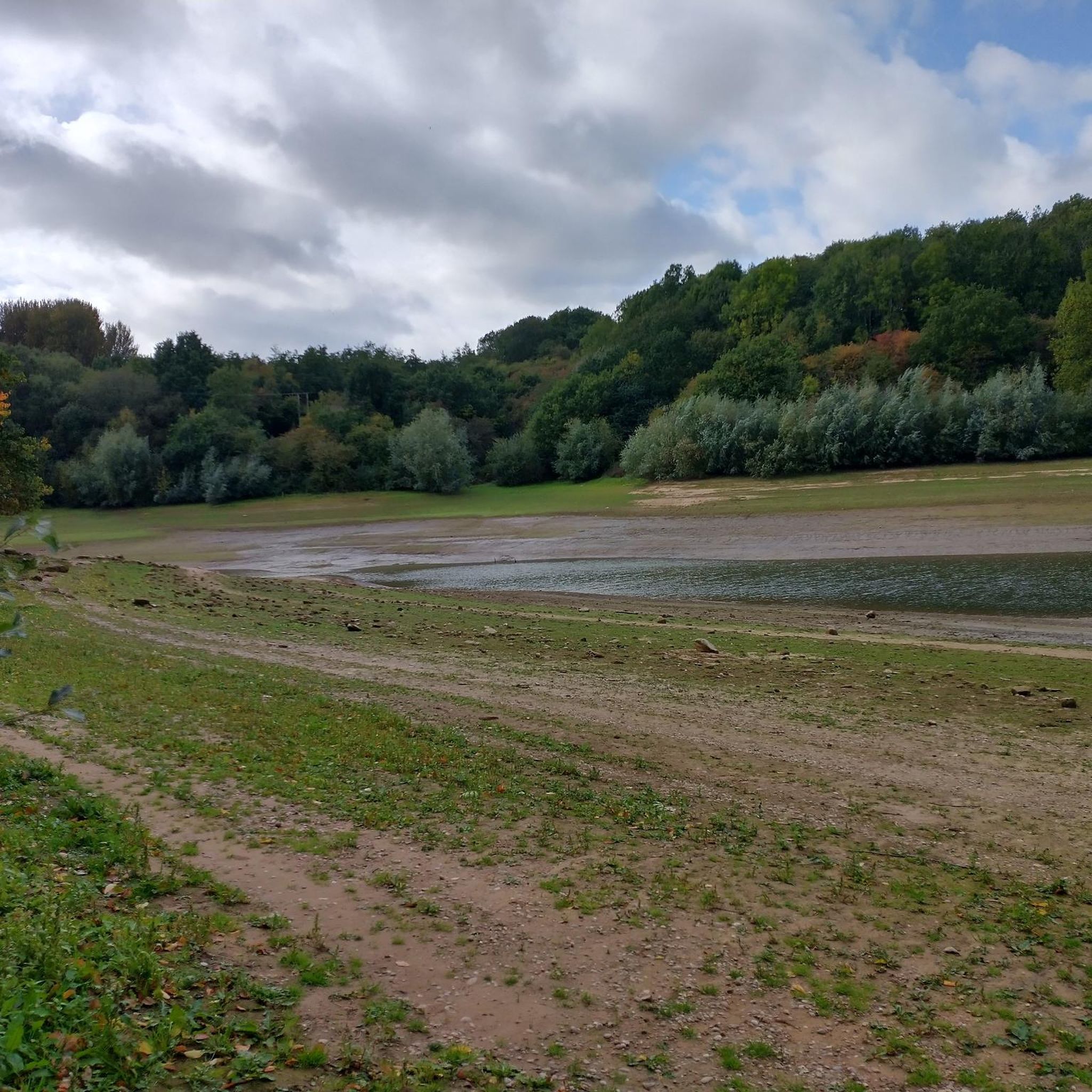
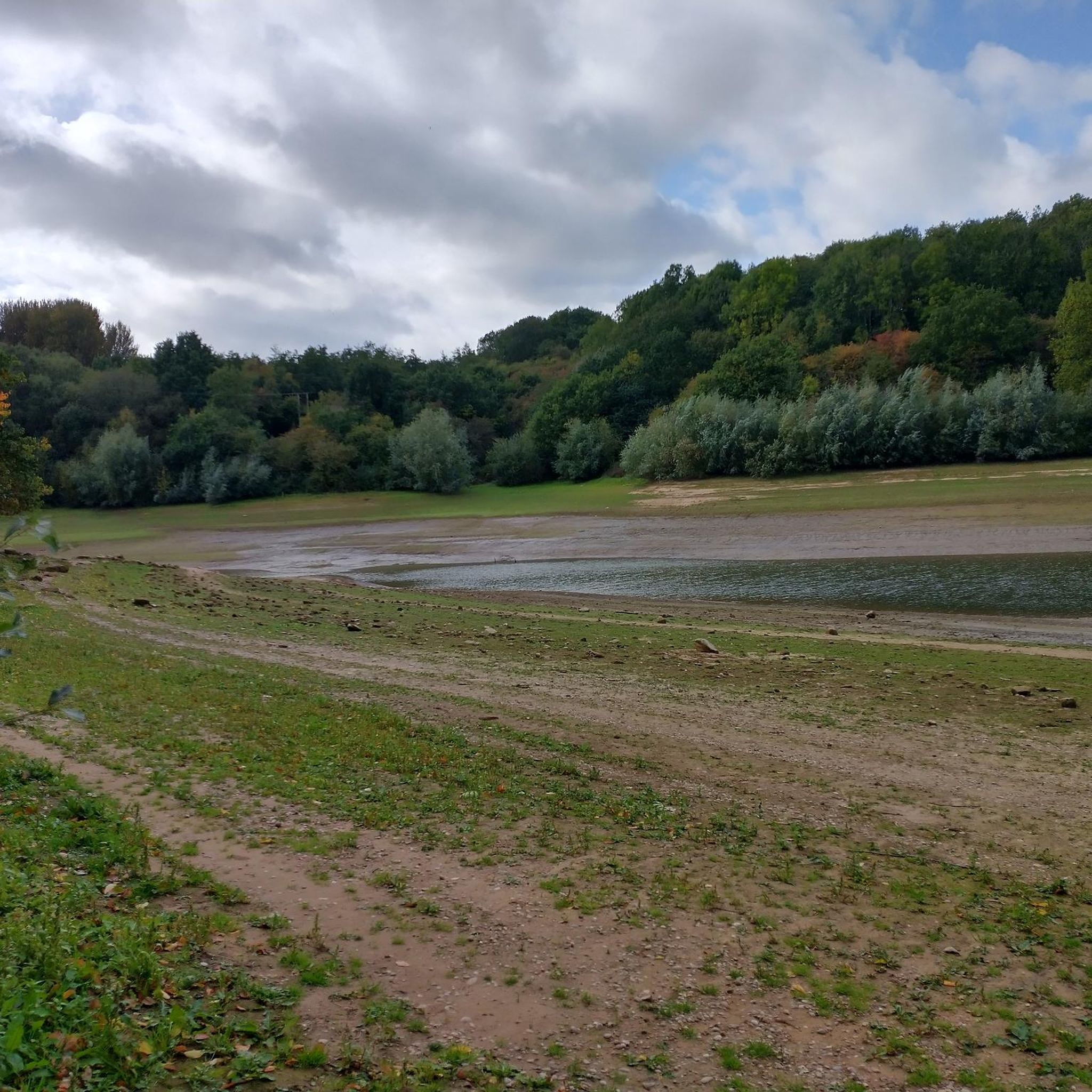
The Cross Britain Way is a long-distance route that goes 279 miles (450 km) from Barmouth on the West Wales coast to Boston on the East coast of England. The route was initiated to span the UK to highlight the lesser-known areas of our picturesque hidden countryside. Here you are at Staunton Harold Reservoir, which is a fair size at 210 acres (85 hectares). Here on the north-west shore, you have fine views out over the water and the surrounding woodland. There is an abundance of birdlife to look at here too. Not far away is the National Trust Cafe for Staunton Harold with access to toilets.
1
0
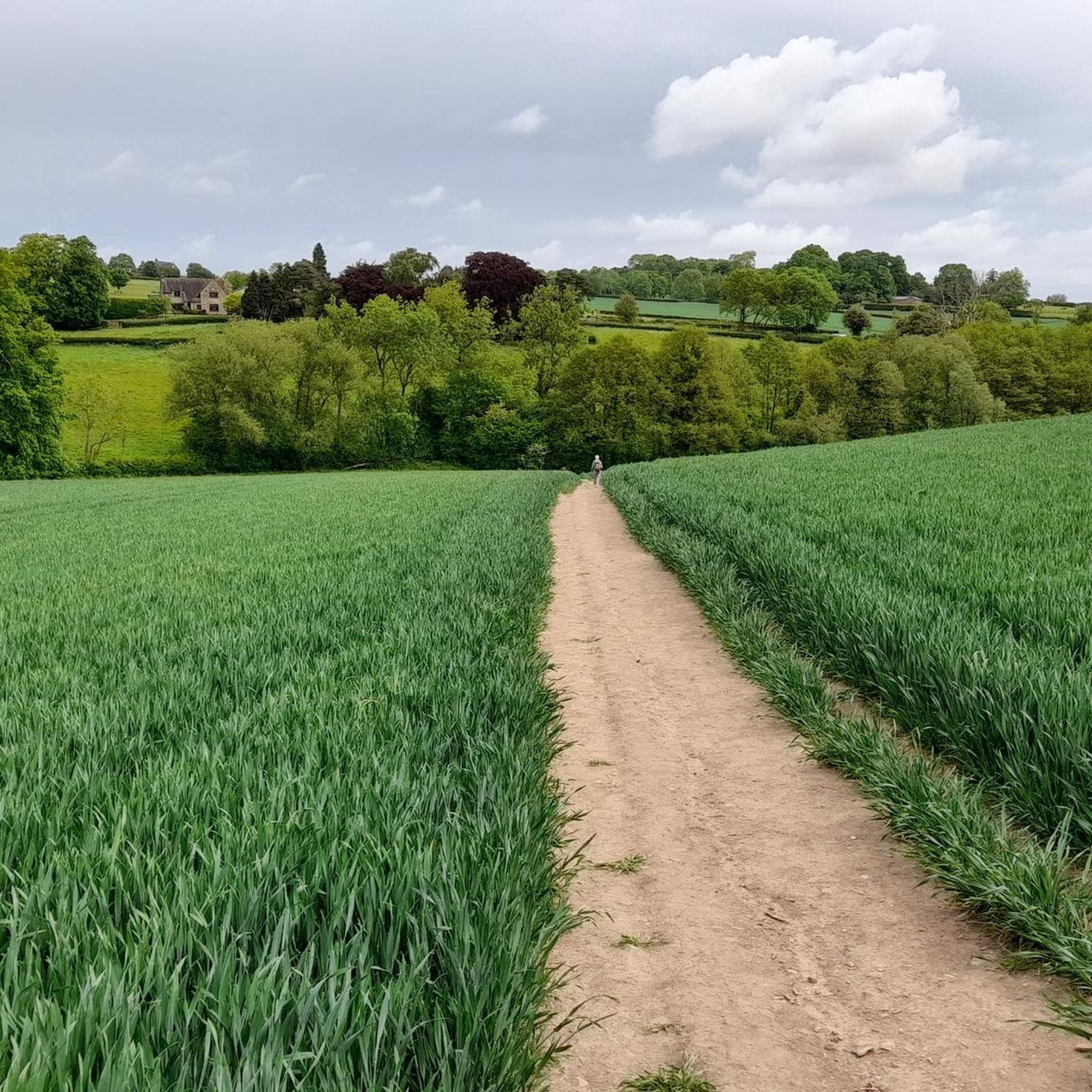
Great walks and biking awesome views parking cafe
2
0
Although its extent in the medieval period is not known, Melbourne Pool was certainly large by the early 17th century, as shown on a map of that time. Tradition says that stone for Melbourne Castle was quarried here before the area was flooded. A map of 1787 shows the Pool extending further to the west than it does now. It provided water to Melbourne Mill. The level of the water was raised by two feet at the beginning of the 18th century, in order to work the fountains in the Hall gardens, although this flooded part of the vicarage garden. By the early 19th century the pool was silted up completely at the west end. In the 1840s it was partly filled and the rest was cleaned out, making two ornamental islands and landscaping the surrounding area. In its current form it covers some 20 acres. It is not known when it was first created, but references to a mill pool are found in the early 14th century.
0
0

Melbourne Lake had a variety of bird species on it and there are local shops and cafes within one minute walk of it.
0
0

Great spot to stop for a picnic 🧺 r watch the sunset 🌅
1
0
Frequently Asked Questions
What activities can I do at Foremark Reservoir?
Foremark Reservoir offers a wide range of activities. You can enjoy walking, cycling, and horse riding on numerous waymarked routes, including the challenging 5.25km 'orange walk'. Water sports like windsurfing, sailing, and stand-up paddleboarding are available through the Burton Sailing Club. The reservoir is also a popular spot for trout fishing. Additionally, there are picnic areas and an adventure playground for children.
Are there family-friendly options among the lakes around Foremark?
Yes, several lakes and areas are great for families. Foremark Reservoir itself has an adventure playground and picnic spots. Deer Park at Calke Abbey is suitable for walking and has a cafe. Staunton Harold Reservoir features a playground and cafe, while Conkers Waterside offers outdoor walks and an adventure area, making it ideal for a day out with young children.
What natural features can I explore near Foremark's lakes?
The Foremark area is rich in natural beauty. Foremark Reservoir is a 230-acre nature reserve with woodlands, heathland, and open water, home to over 200 bird species and diverse wildlife. Within the reserve, you'll find Carvers Rocks, a Site of Special Scientific Interest known for its unique geology and plants, representing one of Derbyshire's last lowland heath patches. Deer Park at Calke Abbey also offers a natural area with wildlife.
Are there historical sites or points of interest near these lakes?
Yes, the area has historical significance. Melbourne Pool is a peaceful, historical lake with a past dating back to the medieval period, once providing water to Melbourne Mill. Tradition suggests stone for Melbourne Castle was quarried here. The nearby Calke Abbey, which encompasses Deer Park, is a historic country house and estate managed by the National Trust.
What are the best times to visit Foremark Reservoir?
Foremark Reservoir is enjoyable year-round, but spring and summer are particularly popular for outdoor activities like walking, cycling, and water sports. Birdwatching is excellent throughout the year, with different species visible seasonally. Angling is available from late March to mid-December. For specific events or seasonal highlights, it's advisable to check local listings.
What walking and cycling routes are available around Foremark's lakes?
Around Foremark, you'll find numerous routes for walking and cycling. Foremark Reservoir itself has waymarked trails, including a 5.25km circular 'orange walk'. For cycling, you can explore routes like the 'Ticknall Methodist Chapel – Foremark Reservoir loop' or the 'Robin Wood Bridleway – Bridleway to Robin Wood loop'. Many of these routes are part of broader guides, such as the Cycling around Foremark guide, which offers various options for different skill levels.
Is Foremark Reservoir accessible for people with disabilities?
Yes, Foremark Reservoir is designed to be accessible. It offers designated disabled parking and the site is wheelchair accessible. Facilities such as public toilets and baby changing facilities are also available.
Are dogs allowed on trails around Foremark Reservoir?
While the guide does not explicitly state a dog policy for all trails, many outdoor areas in the UK, including nature reserves, typically welcome dogs on leads. Deer Park at Calke Abbey is listed as dog-friendly. It's always best to check specific signage at the reservoir or on official websites for the most current dog policies to ensure a pleasant visit for everyone.
Where can I find refreshments or food near Foremark Reservoir?
Foremark Reservoir has a kiosk on-site for refreshments. Additionally, Staunton Harold Reservoir also features a cafe. For more options, Melbourne Pool is within a minute's walk of local shops and cafes. You can also find pubs and cafes in nearby villages.
What kind of wildlife can I expect to see at Foremark Reservoir?
Foremark Reservoir is a haven for wildlife. It boasts over 200 species of birds, including waterfowl, gulls, wagtails, waders, and raptors like buzzards and peregrine falcons. The area is also home to 27 species of butterflies and 300 species of moths. In the woodlands, you might spot wild fallow and muntjac deer.
Are there mountain biking trails near Foremark's lakes?
Yes, there are mountain biking opportunities in the vicinity. The MTB Trails around Foremark guide features routes such as the 'Foremark Reservoir to Robin Wood loop' and the 'Brick Lane Climb – Lount Woods Trail loop'. These trails offer various difficulty levels, from easy to moderate, catering to different riders.
Where can I park when visiting Foremark Reservoir?
Foremark Reservoir provides parking facilities for visitors. There is designated disabled parking available. For specific details on parking locations and any potential fees, it's recommended to check the official Severn Trent or National Trust websites for Foremark Reservoir.
Most popular attractions around Foremark

Get inspired with the komoot mobile app


Explore more
Still not found your perfect lake around Foremark? Check out the guides of these regions to see even more beautiful places.
