Attractions and Places To See in Favrskov - Top 20
Best attractions and places to see in Favrskov include a diverse range of historical landmarks, cultural sites, and natural landscapes. The municipality, located in East Jutland, Denmark, features the winding Gudenå river and extensive forest areas. Visitors can explore Iron Age burial monuments, Renaissance castles, and modern cultural hubs. The region offers opportunities for outdoor activities such as hiking, cycling, and canoeing amidst its varied natural features.
Best attractions and places to see in Favrskov
- The most popular attractions is…
Last updated: August 2, 2026
St. Clemens Bridge
Highlight • Bridge
From the bridge there is a beautiful view of Åboulevarden and Århus Å.
Translated by Google •
Tip by

Aarhus' former Customs House
Highlight • Historical Site
Translated by Google •
Tip by
Sign up now to discover places like this
Get recommendations on the best single tracks, peaks, & plenty of other exciting outdoor places.
Sign up for free
ARoS Aarhus Art Museum
Highlight • Monument
Translated by Google •
Tip by

Aarhus Theatre
Highlight • Monument
Translated by Google •
Tip by

Åboulevarden Promenade
Highlight • Trail
Translated by Google •
Tip by

Sign up for free to discover even more attractions in Favrskov.
Sign up for free
Already have an account?
Start today with a free account
Your next adventure awaits.
Login or Signup
Popular around Favrskov
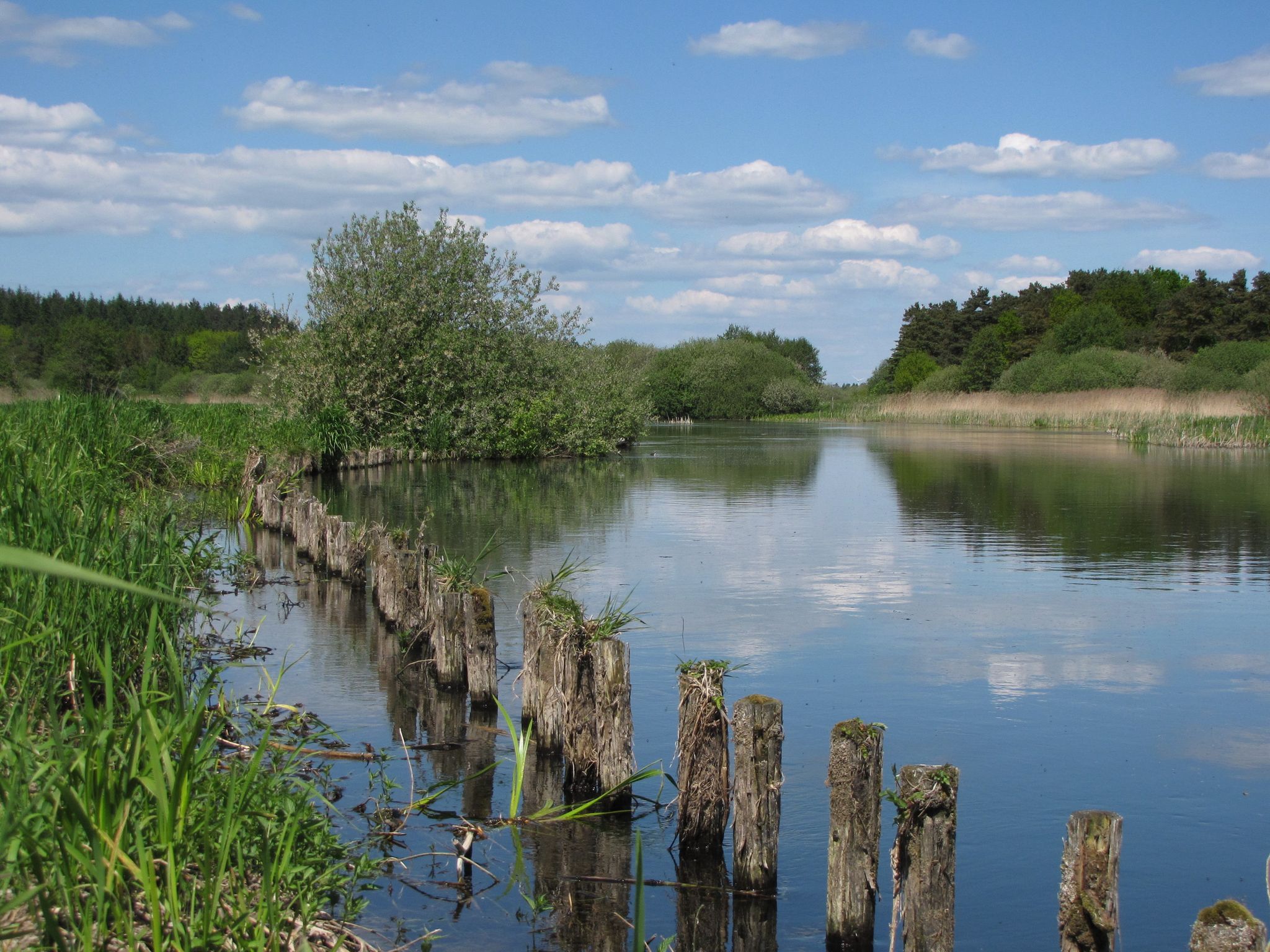
Hike Denmark's longest river — The Randers to Silkeborg Towpath
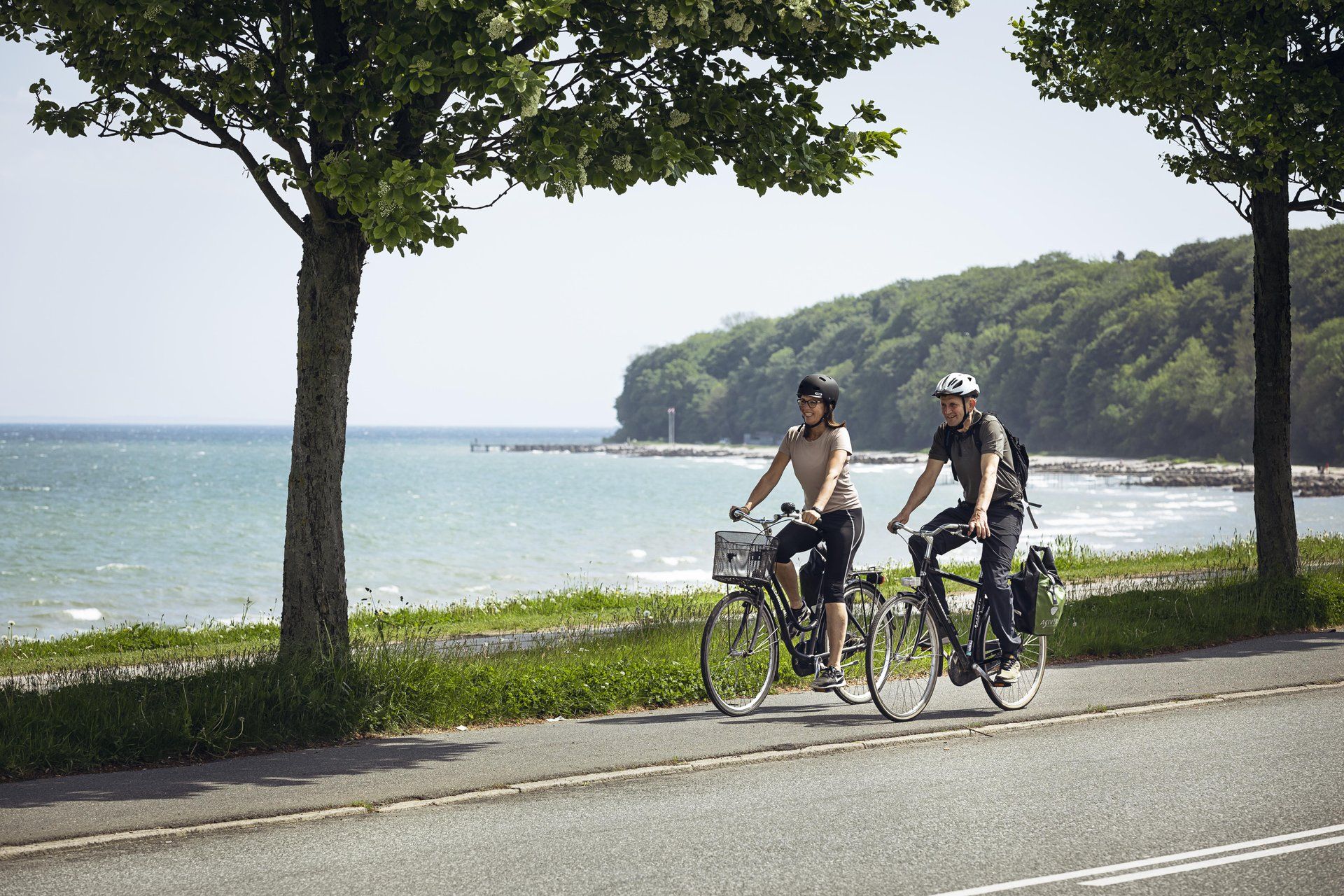
Forests, hills and lakes – cycling in the Aarhus region
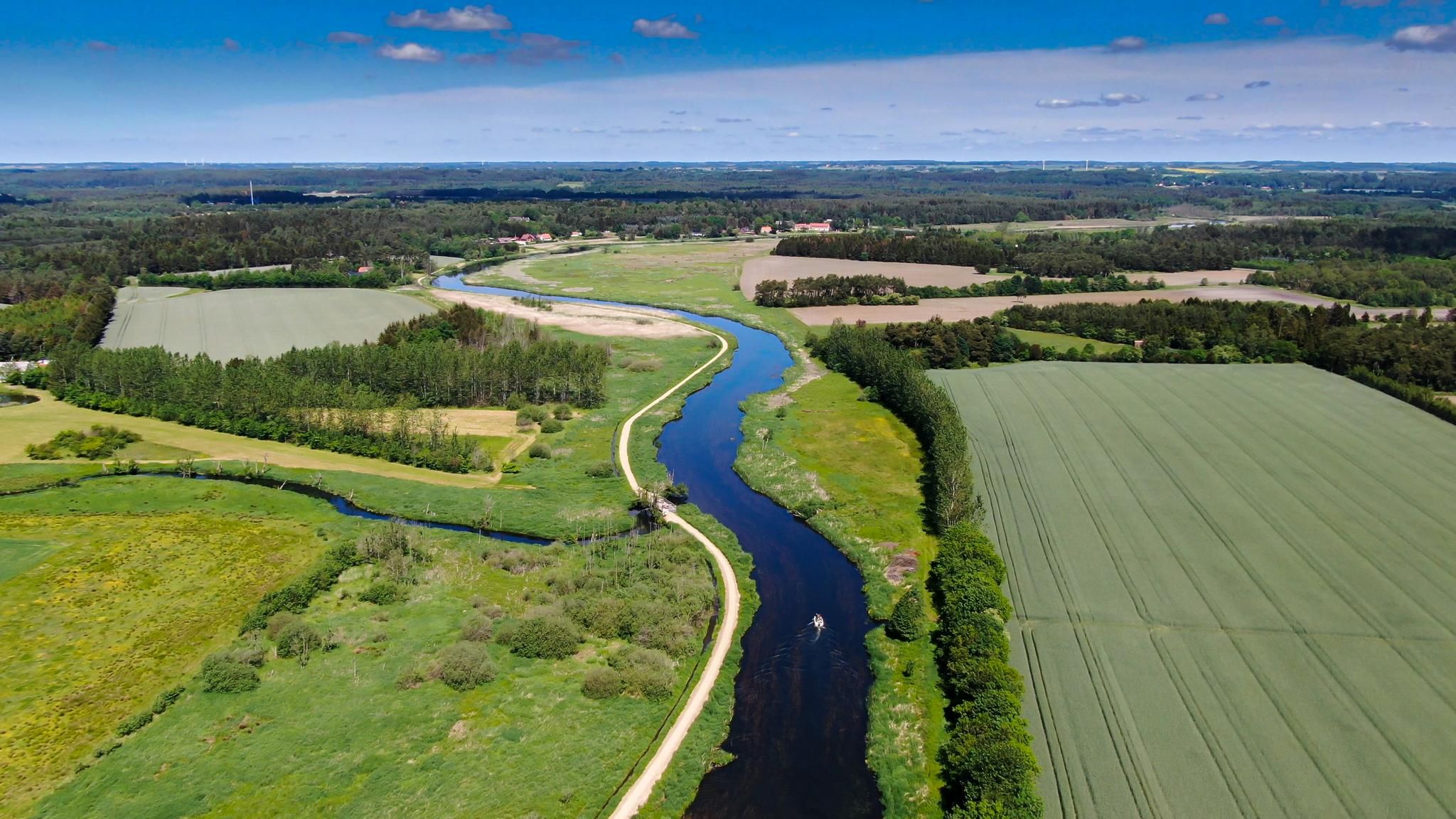
Discover Denmark’s Aarhus region on the Trækstien
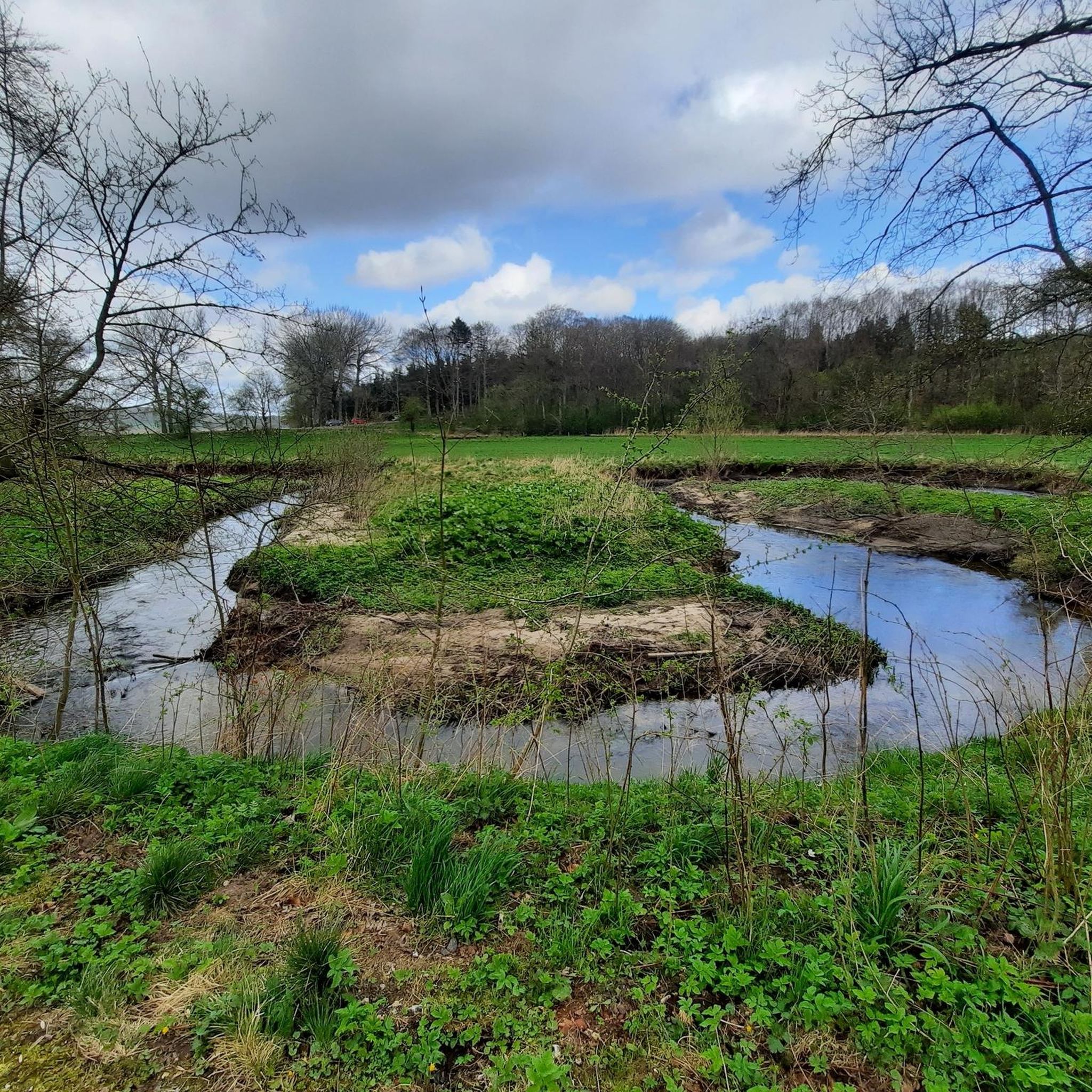
Hiking in Favrskov
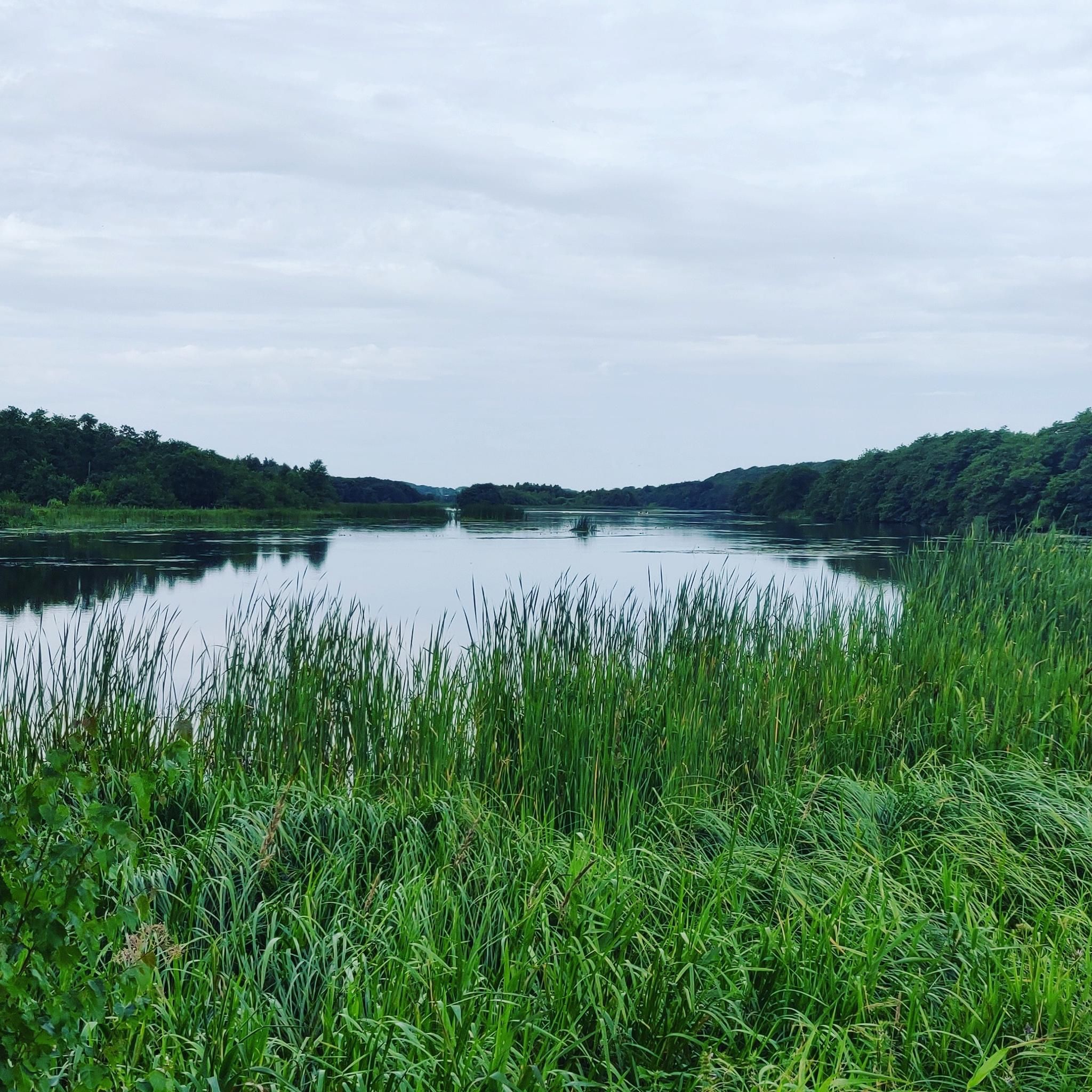
MTB Trails in Favrskov
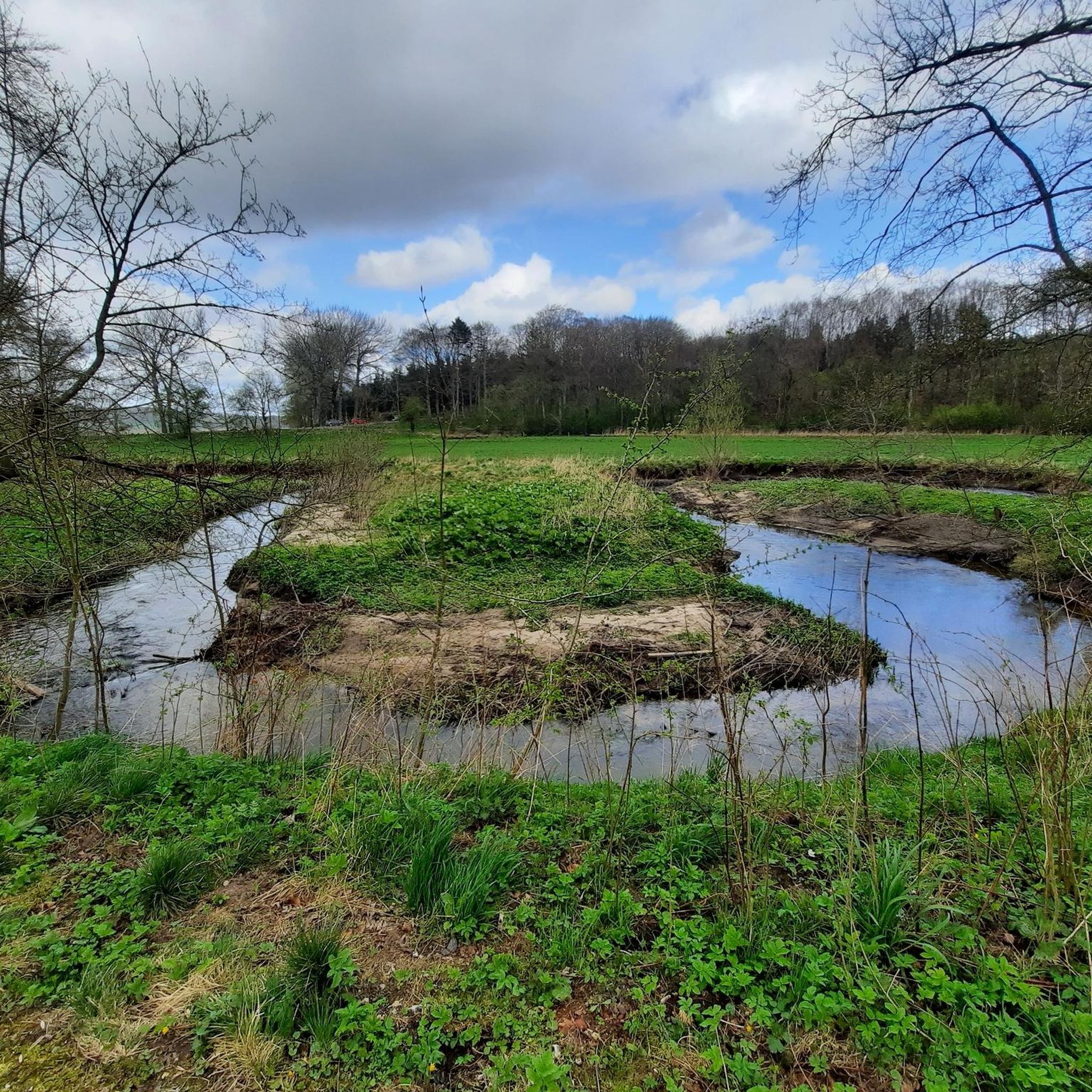
Road Cycling Routes in Favrskov
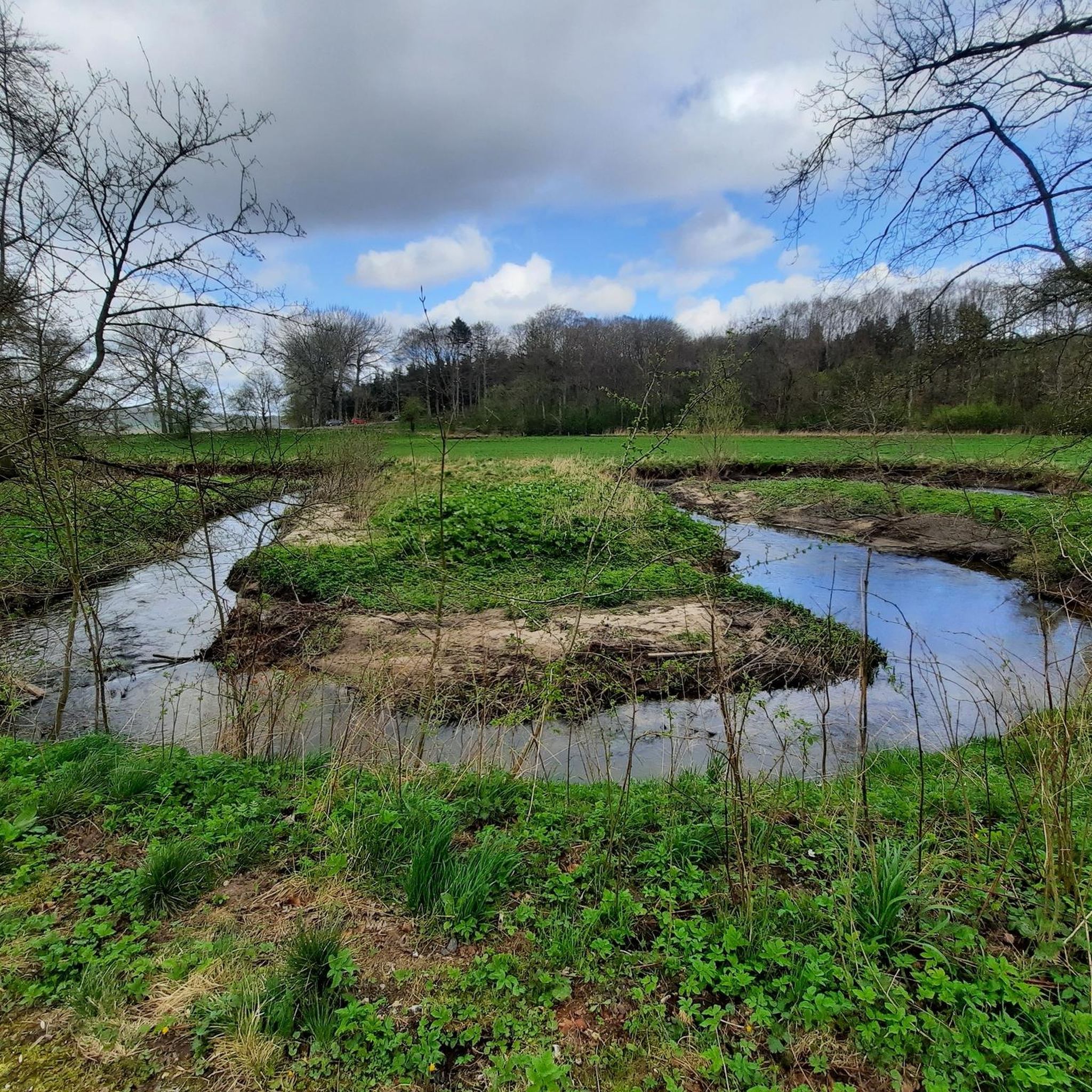
Cycling in Favrskov
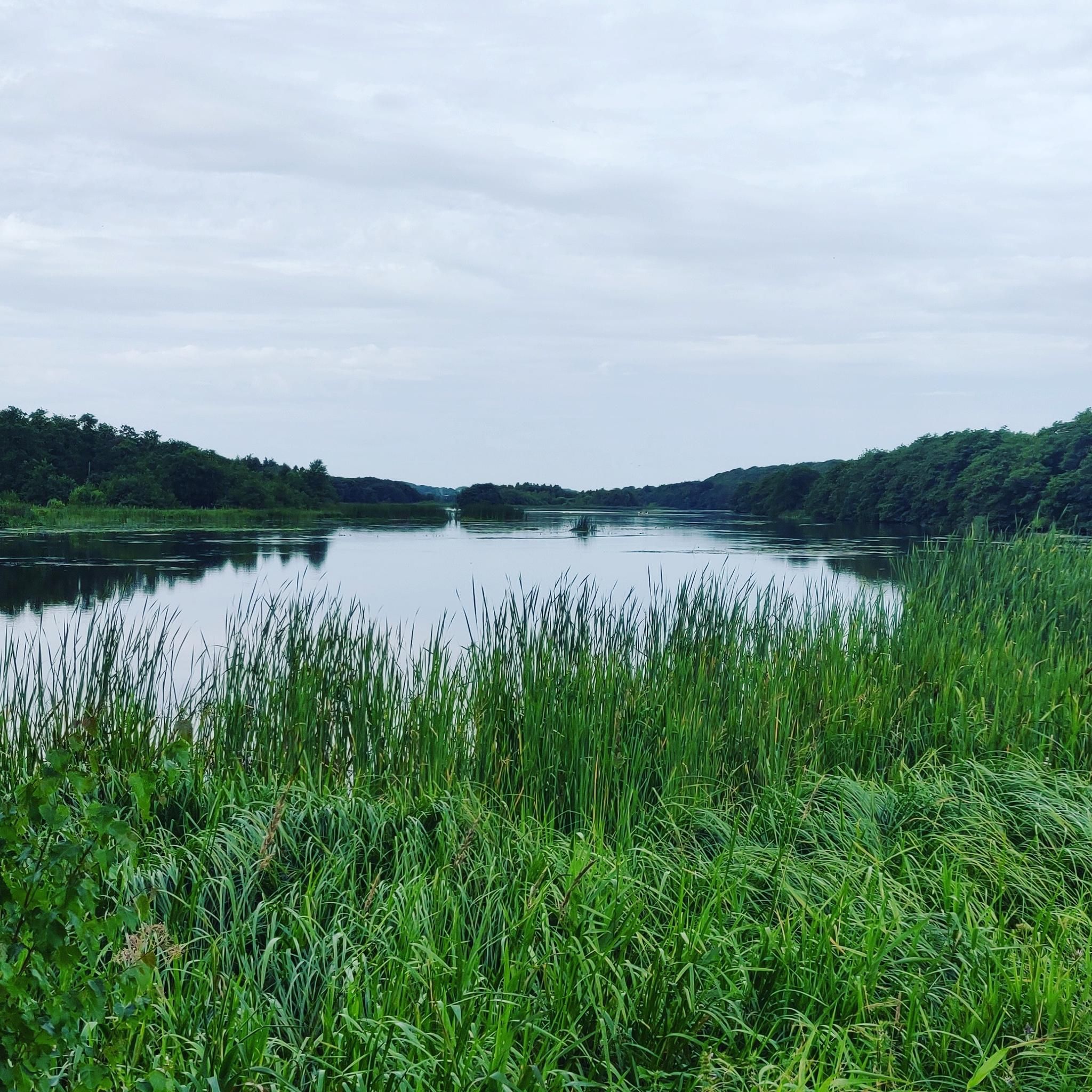
Running Trails in Favrskov
Gravel biking in Favrskov


Tips from the Community

The St. Clemens Bridge (Sankt Clemens Bro) in Aarhus is one of the central city bridges over the Aarhus River – historically significant, architecturally interesting, and today a vibrant urban hub. The bridge connects Strøget, the large pedestrian zone, with Skt. Clemens Torv and opens onto the Åboulevarden promenade. It thus forms a natural transition between the old town, the shopping mile, and the nightlife district by the river. First bridge 1881–1884: Built by municipal engineers, ornamentation by Th. Walther. The bridge was important for connecting the old town around Store Torv with the new station district. 🏗️ Reconstruction 1982 – the current bridge Designed by city architect Ole Oestergaard and Carl Bro A/S. The new construction is as wide as a road and appears more like an urban deck than a classic bridge. Concrete columns support the main bridge; the side walkways rest on tree-like branching steel columns. Beneath the bridge, a bright, attractive level with restaurants and bars was created – a deliberately designed urban space. https://www.visitaarhus.de/region-aarhus/reiseplanung/sankt-clemens-bruecke-gdk653455
2
0
The Aarhus Theatre has 4 stages with a total of 1200 seats. The listed building on Bispetorvet was designed by architect Hack Kampmann and inaugurated in 1900. The theatre offers a comprehensive repertoire during the season from the beginning of September to mid-June, consisting of around 15 own productions, but also individual guest performances. The richly decorated facade of the Aarhus Theatre has its own attractive magic, which becomes even greater when the doors open to a world of glittering chandeliers and ceilings and interiors richly decorated with gold. The Art Nouveau building, designed at the end of the 19th century by Danish architect Hack Kampmann, features a variety of plays, dance performances, and musical theatre in its programme every year. The theatre dates from the year 1900 and the building still evokes a festive atmosphere and joy in its visitors in anticipation of the entertainment offered on the stages of the house. https://www.visitaarhus.de/region-aarhus/reiseplanung/aarhus-theater-gdk603647
2
0

Former customs office at the harbor. Also a nice photo motif
1
0
Very nice bridge, from which you have a beautiful view of the hustle and bustle in the city.
0
0

Great mirror effects in the glass facade.🤩
0
0

Beautiful theater with a large forecourt, which impresses with its picturesque front.
2
0

The Aarhus Teater, located in the center of Aarhus, is the largest regional theater in Denmark. This building was inaugurated in 1900. The building was constructed in the Danish Skønvirkestil—a blend of Art Nouveau, Heimatstil, and National Romanticism—and is now a listed building.
0
0
Frequently Asked Questions
What kind of natural landscapes can I explore in Favrskov?
Favrskov is rich in natural beauty, offering diverse landscapes for outdoor enthusiasts. You can explore the winding River Gudenå, Denmark's longest river, which provides opportunities for hiking, canoeing, and fishing. The Alling Ådal River Valley is a protected area with brooks, moors, and lakes, ideal for walking and experiencing wild nature. Additionally, the Frijsenborgskovene Forests near Hinnerup and the Granslev Ådal, a unique river valley formed during the Ice Age, are perfect for walks and bike rides.
Are there historical sites or cultural landmarks to visit in Favrskov?
Yes, Favrskov boasts several significant historical and cultural sites. You can visit Clausholm Castle, a Baroque castle near Hadsten with royal history and lavish interiors. Ulstrup Castle, a Renaissance castle along the Gudenå river, offers a journey through Danish history. For ancient history, explore the Høj Stene Burial Monument near Vejerslev, one of Northern Europe's largest Iron Age burial monuments. The Thorsø Kirke (Thorsø Church) is also a notable Romanesque church dating back to the 13th century.
What family-friendly activities are available in Favrskov?
Favrskov offers several family-friendly attractions. Modelbane Europa in Hadsten is one of Europe's largest model railways, featuring over 400 square meters of tracks and 100 trains, which is sure to delight children and adults alike. Many natural areas like Ravnholmø Forest Park offer hiking trails, playgrounds, and picnic areas. The outdoor swimming and activity center in Thorsø is also a popular spot for families during warmer months. Additionally, the whimsical wooden troll, Jeppe Vægtæppe, in Voldum village, makes for a fun and unique family outing.
Where can I find hiking trails in Favrskov?
Favrskov offers an extensive network of hiking trails. Popular areas include routes along the Gudenå river, through the Frijsenborgskovene Forests, and within the Alling Ådal and Granslev Ådal river valleys. You can find various routes, from easy to moderate, such as the Granslev Ådal loop near Hammel or the Gudenå River and Ulstrup Castle Loop. For more detailed options, explore the Hiking in Favrskov guide.
Are there cycling paths suitable for different skill levels?
Yes, Favrskov provides a wide range of cycling paths. The regional cycling route 'Kulturringen' passes through the municipality, offering scenic rides. You can find gravel biking routes like the 'Tekniksporet – View of IKEA Aarhus loop from Hinnerup' or road cycling routes such as the 'Pøt Mølle – Pøt Mølle loop from Hammel'. Whether you prefer easy rides through forests or more challenging routes with elevation, there are options for you. Discover more routes in the Gravel biking in Favrskov and Road Cycling Routes in Favrskov guides.
What are some unique cultural experiences in Favrskov's towns?
Favrskov's towns offer distinct cultural experiences. Hadsten is a charming railway town known for its specialty shops, cafes, and events like the Lilleå Market. Hinnerup features a modern cultural hub at the Hinnerup Library & Culture Centre, alongside dynamic trade and green surroundings. Hammel is a market town with a lively center and community events. Ulstrup, by the Gudenå, has an active community life with cultural events and recreational areas like Dannebrogpladsen.
Can I find any unique or 'hidden gem' attractions in the region?
Beyond the well-known sites, Favrskov holds some unique attractions. The large wooden troll, Jeppe Vægtæppe, created by artist Thomas Dambo in the village of Voldum, is a whimsical and unique art installation worth discovering. The Kollerup Enge, a wetland area near Hadsten, offers serene green experiences for hiking and cycling away from the crowds.
What do visitors enjoy most about the attractions in Favrskov?
Visitors particularly appreciate the blend of historical depth and natural beauty in Favrskov. The komoot community has upvoted attractions like the The Pod by Aarhus Cathedral for its historical significance and impressive architecture, and the ARoS Aarhus Art Museum for its extensive collections and panoramic views. The peaceful river valleys and forests are also highly valued for their outdoor activity opportunities.
Are there any attractions in Favrskov that are wheelchair accessible?
Yes, some attractions in the broader region are noted for their accessibility. For instance, the The Pod by Aarhus Cathedral and the ARoS Aarhus Art Museum are listed as wheelchair accessible, offering inclusive experiences for visitors.
What is the best time of year to visit Favrskov for outdoor activities?
The best time to visit Favrskov for outdoor activities is generally during the spring, summer, and early autumn months (April to October). During these periods, the weather is milder and more conducive for hiking, cycling, canoeing on the Gudenå river, and exploring the various natural parks and forests. Many castles and cultural sites also have extended opening hours or special events during the summer.
Can I go canoeing or fishing in Favrskov?
Yes, the River Gudenå, Denmark's longest river, which flows through Favrskov, is an excellent spot for both canoeing and fishing. The river is home to over 20 fish species, making it a popular destination for anglers. Its scenic banks also provide a beautiful setting for canoe trips, allowing you to experience the region's nature from a different perspective.
Where can I find information about local events or markets in Favrskov?
Favrskov's towns often host local events and markets. Hadsten, for example, is known for its Lilleå Market and the Hadsten Gade Grand Prix cycling race. Hammel also has a lively town center with events throughout the year. For specific dates and details, it's recommended to check local tourism websites or community boards in the respective towns closer to your visit.
Most popular attractions in Favrskov

Get inspired with the komoot mobile app


Explore more
Still not found the Highlight you’re looking for? See guides of the top attractions in other regions:
