Top 20 Castles around Hasselt
Best castles around Hasselt are found in the surrounding Limburg province, a region characterized by its flat to gently rolling landscapes and rich historical tapestry. While Hasselt itself is known for its urban charm, the nearby countryside offers a glimpse into centuries of history through its diverse architectural styles and expansive estates. These sites provide cultural significance and are often set within picturesque natural surroundings.
Best castles around Hasselt
- The most popular castles is Meylandt Castle, a castle that currently houses the municipal academy of visual arts. The adjacent park is freely accessible to visitors.
- Another must-see spot is Bokrijk Castle, a castle in Maasland neo-Renaissance style. It is an imposing building at the entrance of the arboretum, offering a historical and natural experience.
- Visitors also love Wijer Castle, a castle where the original structure has almost disappeared except for the 16th-century keep with a stair tower. The castle is entirely surrounded by a wide moat, fed by the Wijerbeek.
- Hasselt is known for its variety of historical estates, including grand moated castles, châteaux with renowned gardens, and significant abbey sites. These range from 16th-century red brick fortresses to 18th-century neoclassical residences, each offering a unique historical perspective.
- The castles around Hasselt are appreciated by the komoot community, with more than 440 upvotes and over 160 photos shared by visitors.
Last updated: August 3, 2026
Bokrijk Castle
Highlight • Castle
Translated by Google •
Tip by

Kiewit Castle
Highlight • Castle
Show your children the farm animals and take them for a picnic by the pond. Let them have fun on the playground or in the adventure wood. The (botanical) gardens and the apiary will allow them to observe wonderful insects.
Take a stroll on the fun long-legged trail, a walk of about 2 km, passable for strollers. Settle into a bird's nest or try jumping farther than a deer. Follow our trail
long legs to discover while playing the interesting details and fun places of the Kiewit Estate.
There is even a geocaching route and a family scavenger hunt 'The Mystery of Kiewit'.
In the superb Domaine de Kiewit, the Koe-vert tavern offers you a gourmet welcome. This self-service establishment offers a wide choice of organic, local and fair trade products.
visithasselt.be/fr/domaine-de-kiewit
Translated by Google •
Tip by

Sign up now to discover places like this
Get recommendations on the best single tracks, peaks, & plenty of other exciting outdoor places.
Sign up for free
Wijer Castle
Highlight • Castle
Translated by Google •
Tip by

Meylandt Castle
Highlight • Castle
Translated by Google •
Tip by

Lobos Manor Farm
Highlight • Castle
Originally, this was the seat of an allodial lordship. There was a moated castle. In 1465 the then lord of Lobos, Jan Vilters, was garrison superior in Herk-de-Stad, which was besieged by Charles the Bold. He refused to surrender and his castle was destroyed. Only remnants of the moat remain.
The current castle is a 19th century whitewashed brick mansion. The farm is also 19th century, but may have an older core. The farm consists of a house, a stable and a cross barn.
The whole is located in a park with some remarkable trees. A lane, flanked by American oaks, leads to the castle. The Bossen van Hees can be reached via a bridge over the Zwarte Beek.
(info source: wikipedia)
Translated by Google •
Tip by

Ordingen Castle
Highlight • Castle
Translated by Google •
Tip by

De Burg Castle
Highlight • Castle
Showing Translation
Tip by

Binderveld Moated Castle
Highlight • Castle
A few years ago it was transformed into Wijnslot Byrleveldt.
Translated by Google •
Tip by

Tower castle
Highlight • Castle
The original octagonal tower stood on an artificial mound, surrounded by a moat. Built of Lincent stone, with flint facing for the ground floor, replaced by brick after 1500. The tower had five floors; the holes in the floor beams have been preserved, together with three air slots.
The entrance and the hidden staircase that connected the floors were located in the disappeared half. The numerous holes in the interior were cut when the castle served as a dovecote.
A large part of the castle moats are still present, as are the foundations of the square tower on the outer bailey.
The current church is located within the ramparts and replaces the former castle chapel, which was built together with the outer bailey in 1171.
Beautiful landscape formed by the tower ruins, the church with cemetery, the ramparts and the surrounding orchards.
Inventory of Immovable Heritage: Donjon van Brustem, id.erfgoed.net/erfgoedobjecten/23074
Translated by Google •
Tip by

Castle of Kerkom (Alstergoed)
Highlight • Castle
In 1889, the current eclectic castle was built northwest of that castle, commissioned by a later heir, Baron F. de Moffart; the classical castle was then demolished, with the exception of the northeast wing and the eastern corner towers. Both buildings are situated within a spacious, wooded park with a pond, east of the church and north of Cicindria and Aalsterstraat; a terrace with two garden pavilions separates the two buildings.
The remaining old wing served as the carriage house with servants' quarters. It has two stories under a hipped saddleback roof (artificial slate). It is constructed of brick with limestone used for the frames and cornerstones. Facade overlooking the former state square.
To the southwest, the beginning of a former perpendicular wing, finished with reused materials after demolition: arched window with a trapezoidal keystone and a rectangular doorframe with a cornice. The rear facade faces the park, with a projecting section of four bays and two stories under the aforementioned hipped roof; a deeper bay of the same height as the connecting element with the tower.
Corner tower of one bay and three stories under a mansard roof (slate) with a small pear spire. Aligning corner blocks. On the southwest side, on the second story, an arched cross window with an anchored trapezoidal keystone; on the third story, a segmental arch window in a flat anchored frame with beveled upper corners and a trapezoidal keystone.
To the northwest, a terraced garden with a small, octagonal garden pavilion under a mansard roof (slate) on the two corners, north and west. A Classical building from 1760. Arched limestone windows and doors.
Further northwest, the eclectic castle with three-bay, two-story cornice facades under a mansard roof (artificial slate) with hipped dormers and corner turrets. A brick building with abundant use of natural stone for window and door frames, lintels, and borders.
Inventory of Immovable Heritage: Kerkom Castle, id.erfgoed.net/erfgoedobjecten/84286
Translated by Google •
Tip by
Sign up for free to discover even more castles around Hasselt.
Sign up for free
Already have an account?
Start today with a free account
Your next adventure awaits.
Login or Signup
Popular around Hasselt
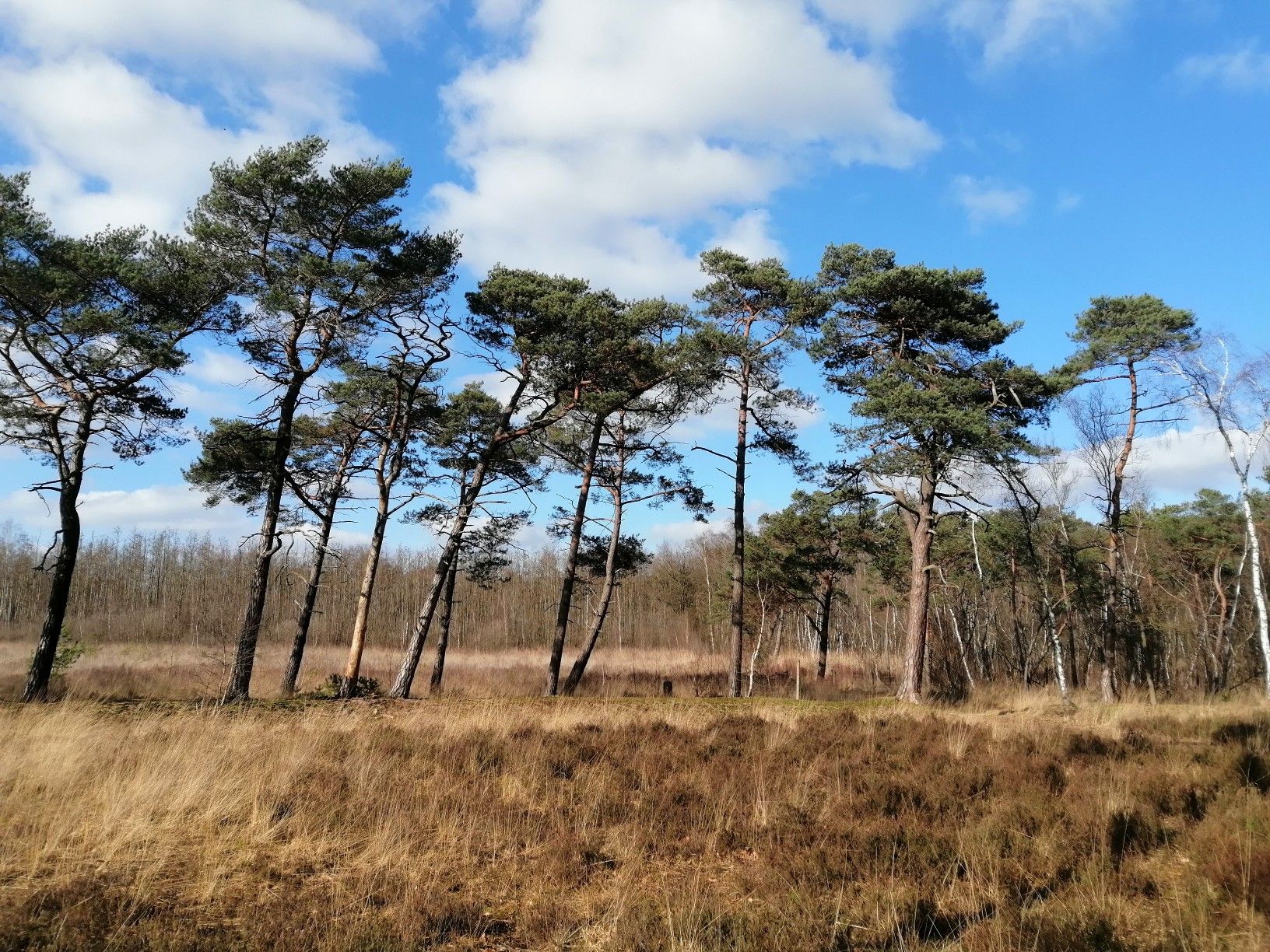
From Flanders to the Ardennes — GR 5 in Belgium
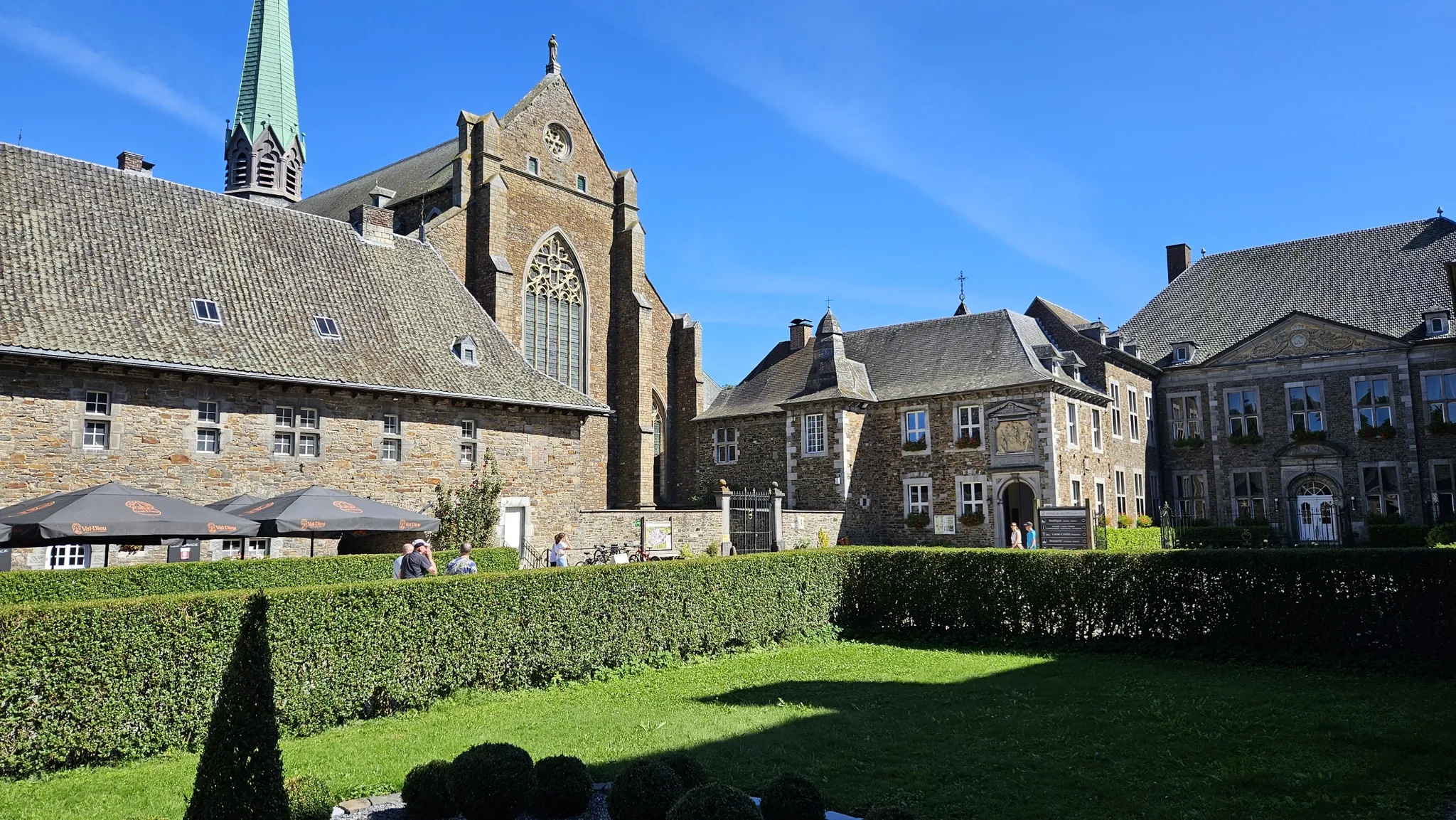
Trappist abbeys cycle route – Between beers and heritage
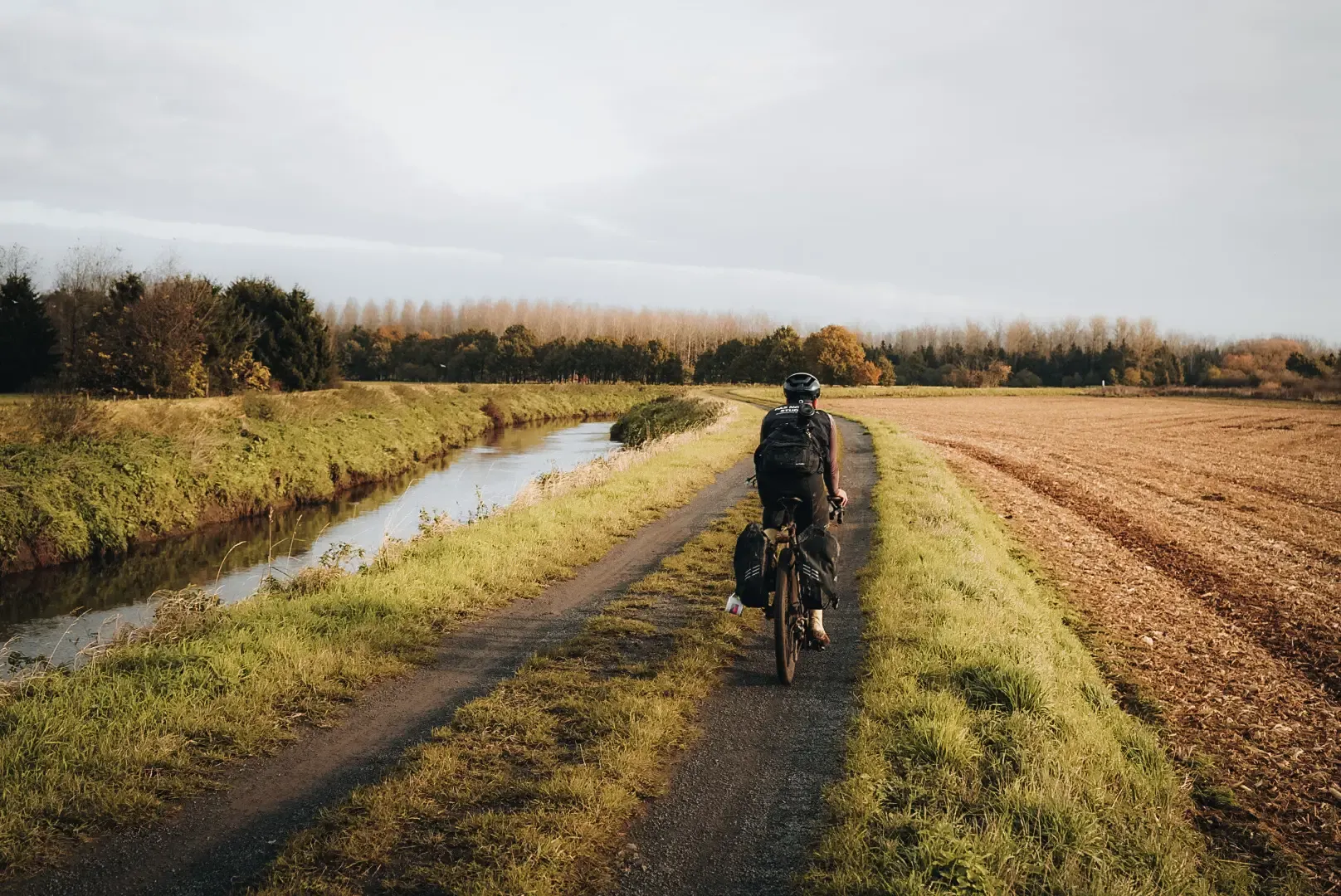
Flanders Divide - Across Flanders
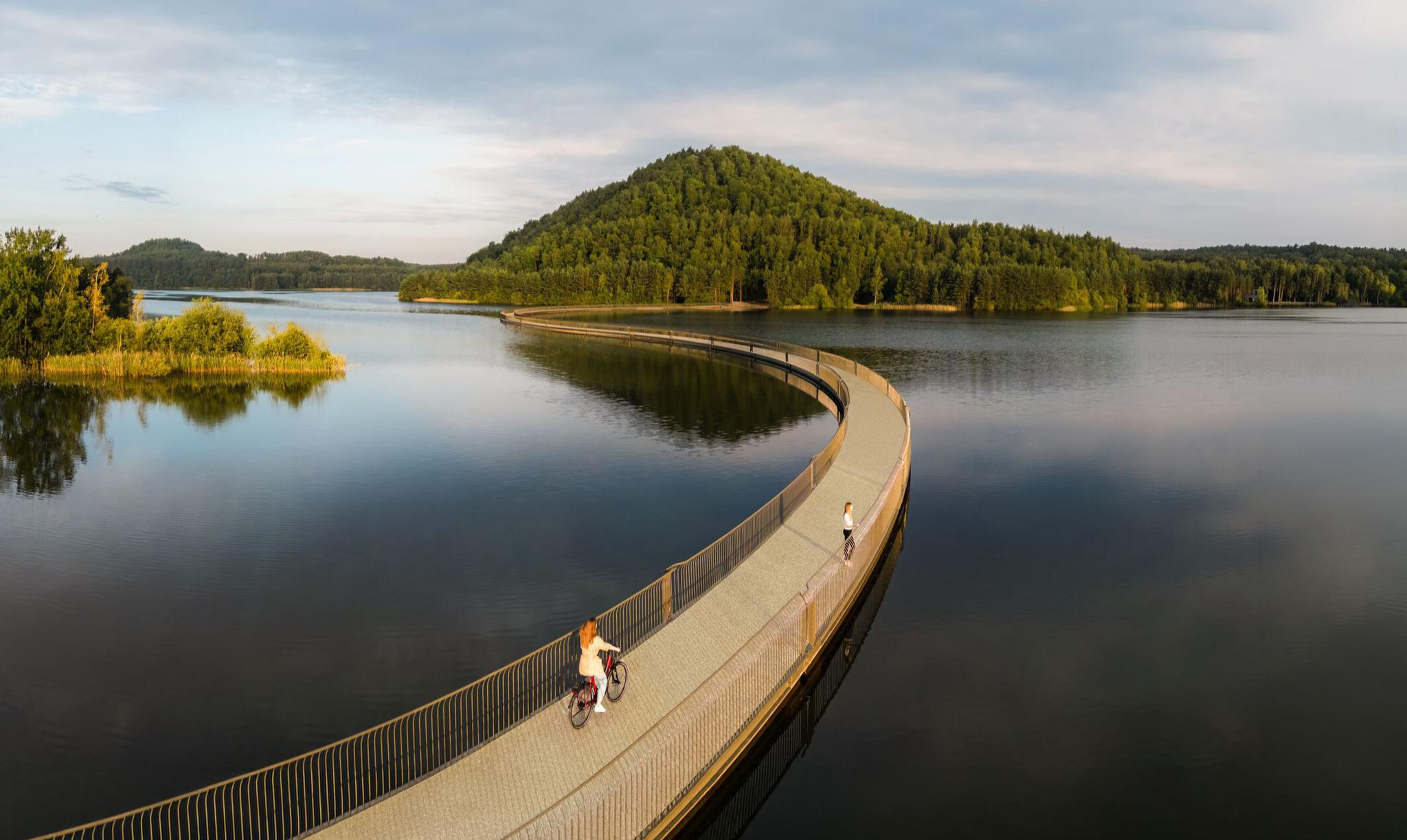
Three days through Belgian Limburg – art, heritage and views
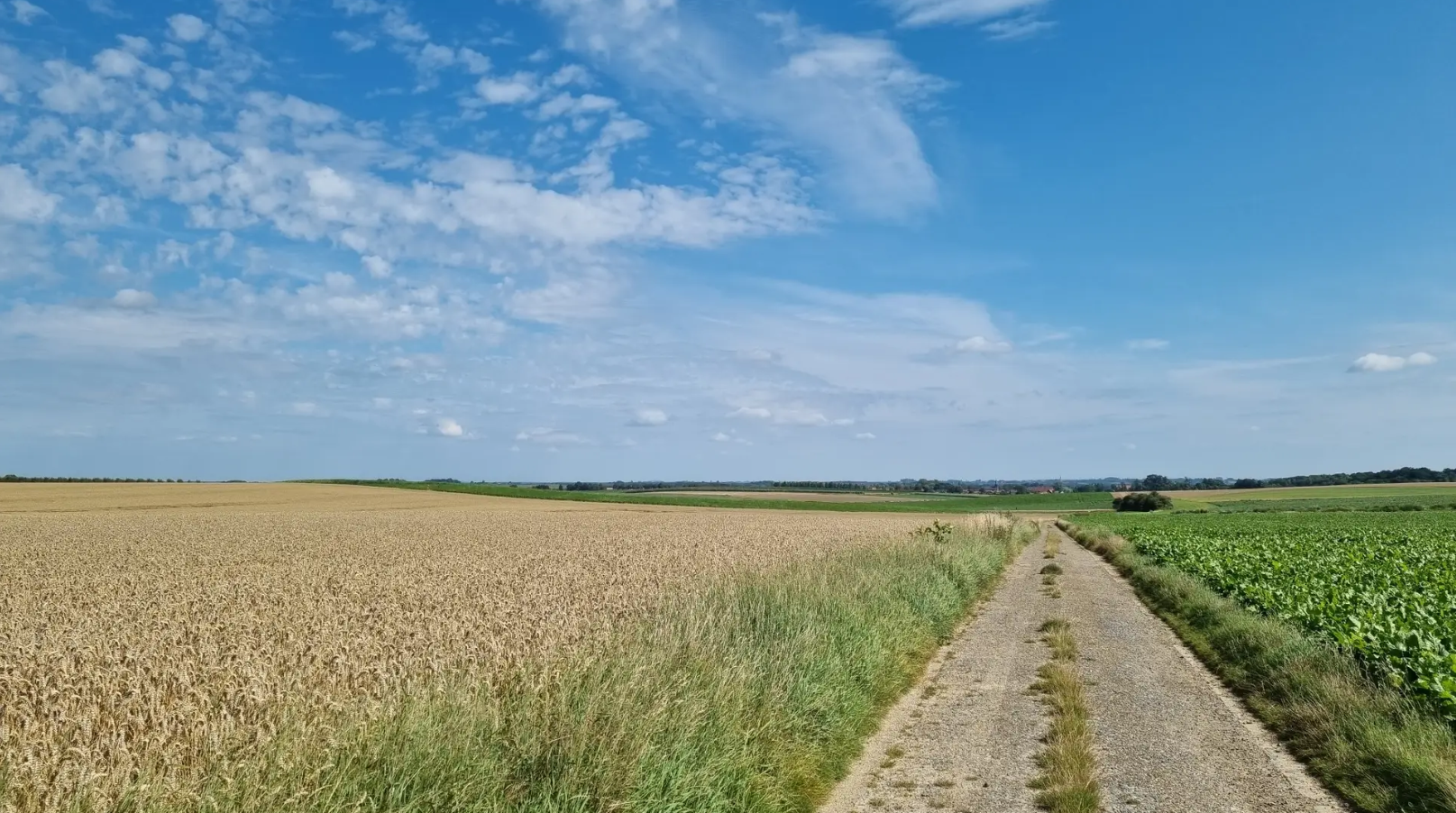
Bloesems, Forests and hidden Heritage – Streek-GR Haspengouw
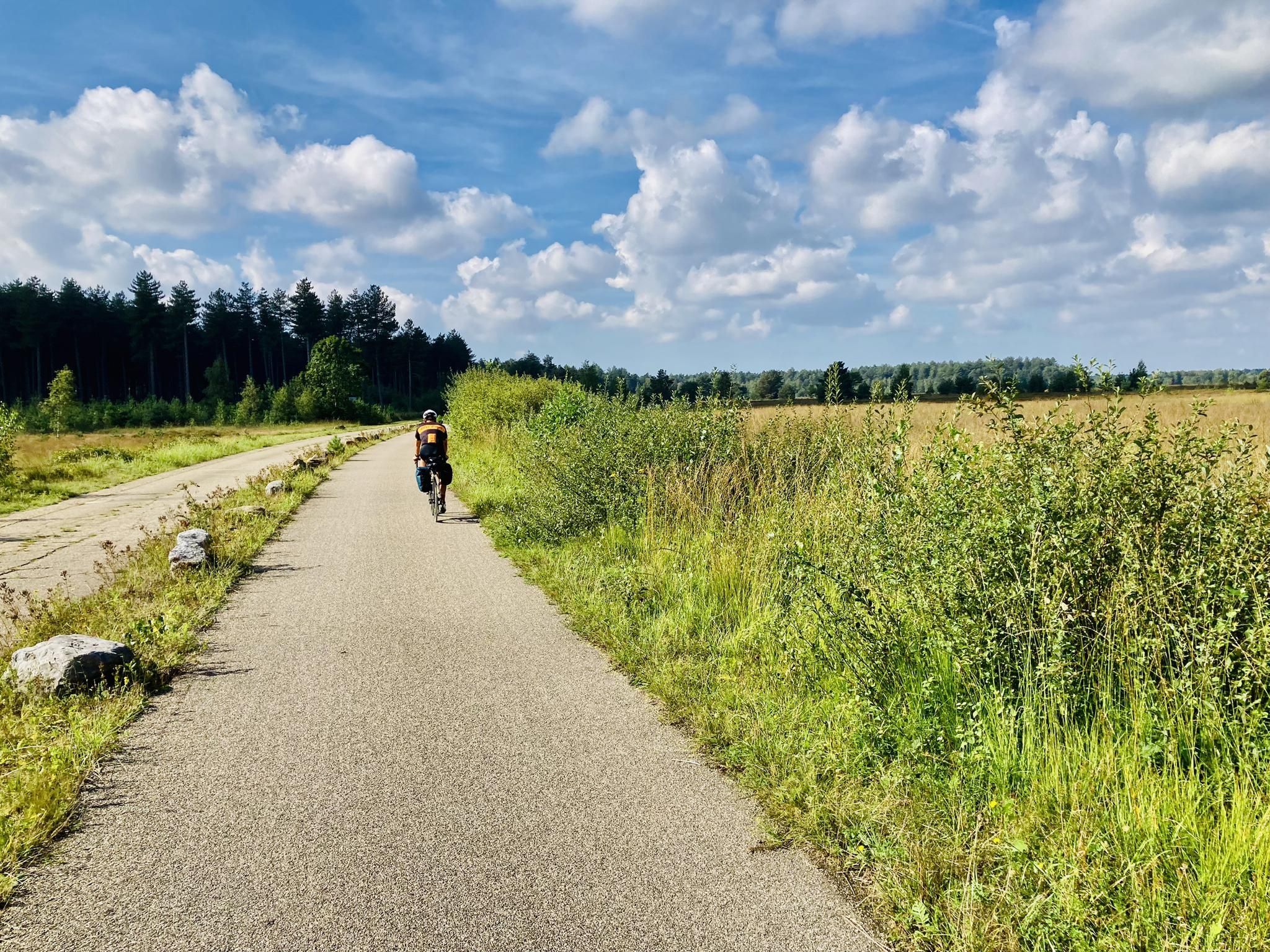
Explore the Kempen – a three-day cycling adventure on the Kempen Route
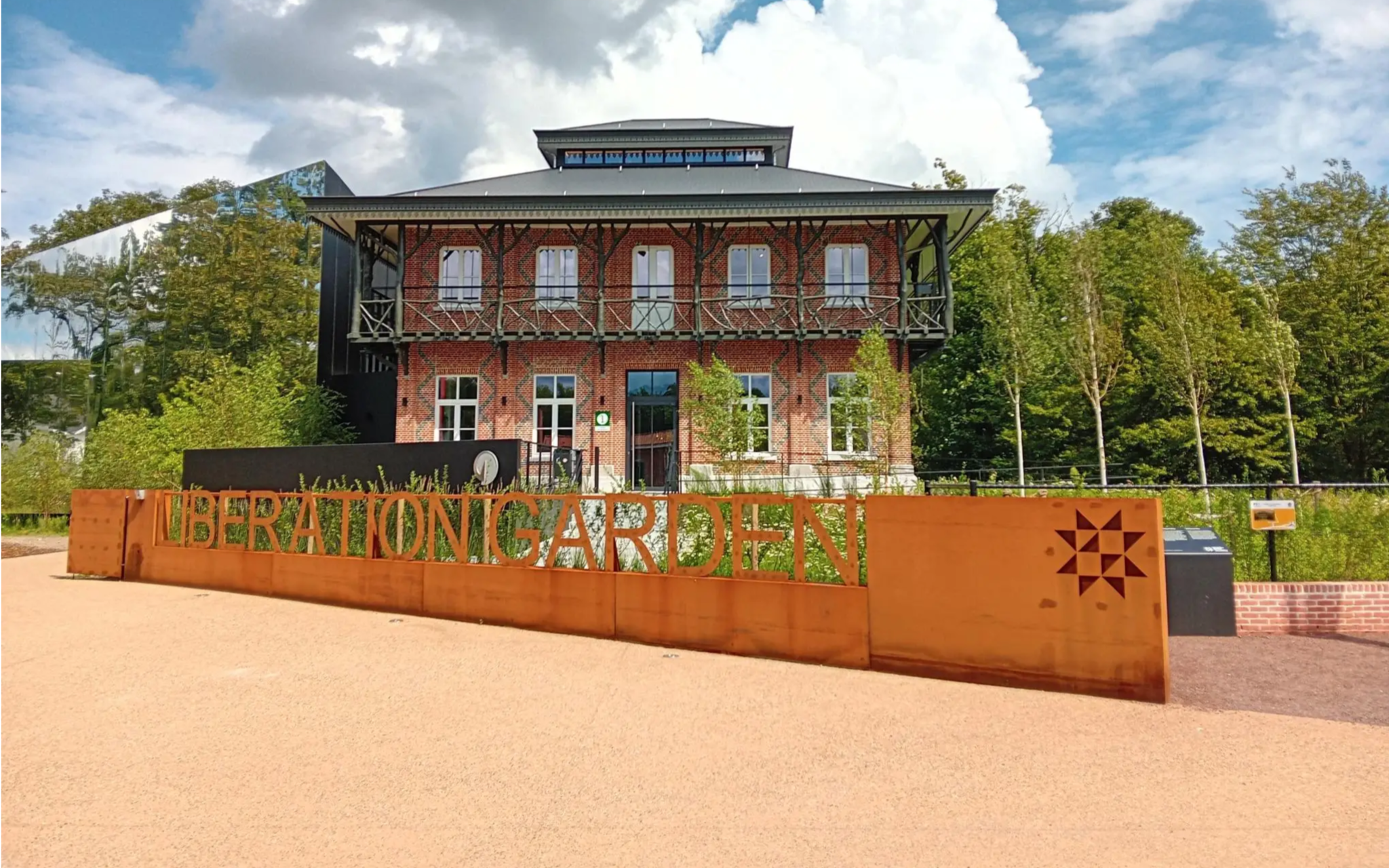
Operation Market Garden – A WW2 history lesson by bike
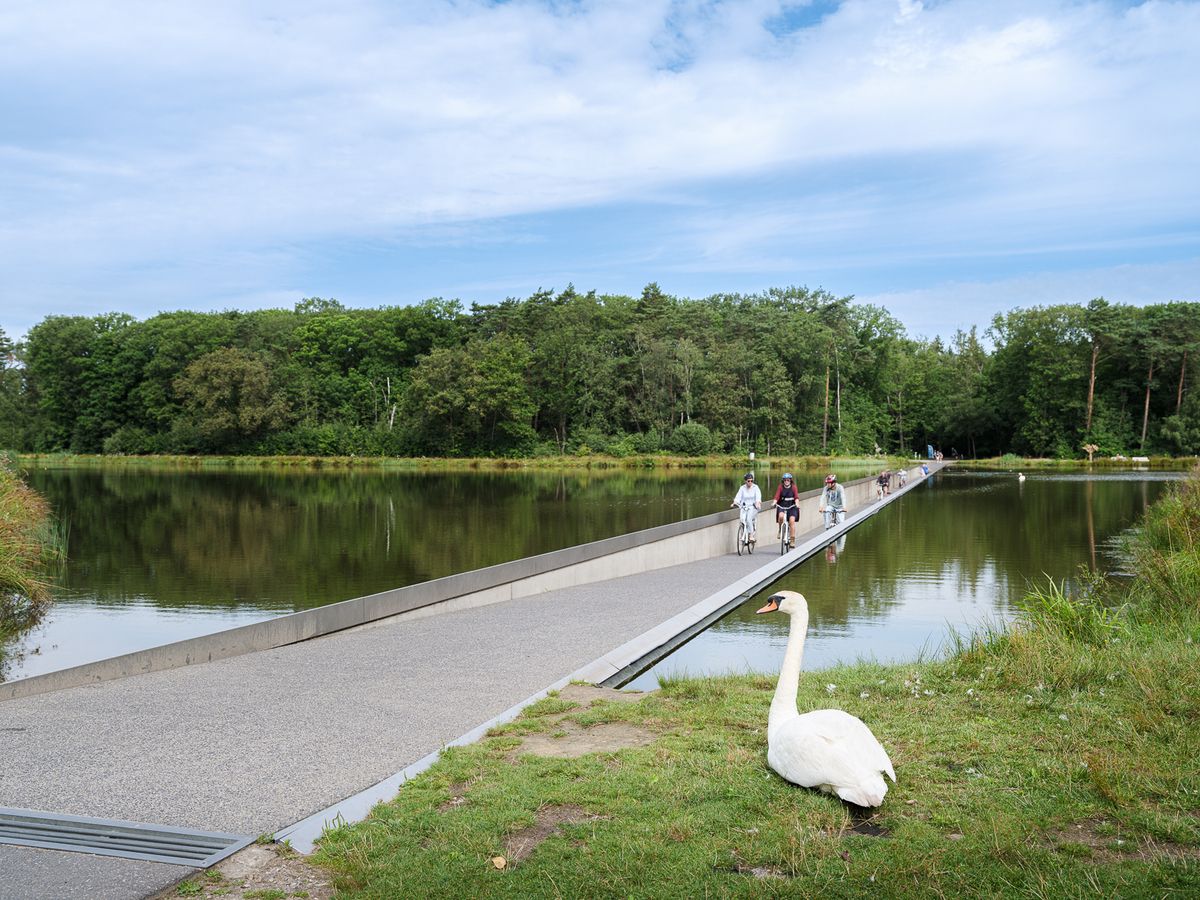
Flanders' Finest Cycle Routes: routes to discover Flemish nature and heritage
Treinstappers – from station to station in Flanders
Three-day National Park Trail (from Genk Station)
Other adventures around Hasselt


Tips from the Community

The castle of the lords of Kozen is located on the spot where three municipalities meet: Kozen, Wijer and Stevoort. Strictly speaking, the castle is on the territory of Wijer, the farm is in Kozen and the barn in Stevoort. Previously, avenues connected the castle site with these three villages. The oldest known lords of Kozen belong to the van Wesemael family, who lived in the fourteenth century. Around 1400, the lordship and the castle belonged to the de Diest family, and in the seventeenth century, the de Kerckhem family ruled here. Above one of the gates, a stone can be seen, on which the family coat of arms is shown twice. It dates from the time when Arnold de Kerckhem and his wife Annemarie de Kerckhem, who was also his niece, lived here. Still in the seventeenth century, the castle belonged for a time to the land commander of Alden Biesen. From 1699, the van Afferden family acquired the domain. They are the last lords of Kozen. At the end of the nineteenth century, the castle was owned by a certain Jacquelart. He rebuilt the castle and gave it its current appearance.
4
0
This is the White Castle of Kerkom, not the Alstergoed. The Alstergoed is located in the Kerkstraat a few 100 meters further on.
3
0
This small castle is actually a neoclassical manor house with accompanying service buildings and a farm complex from the 19th century, situated in a wooded park in a landscape style with remarkable old oaks and beeches.
2
0

Former seat of the lordship of Kerkom, named after the van Alsteren family, lords of Kerkom from the late 14th century to 1675. Subsequently, the Henrix, Everarts, and de Seroots families, and from 1707 to 1774, the van Schoor family, builders of the classical castle, held this title. In 1889, the current eclectic castle was built northwest of that castle, commissioned by a later heir, Baron F. de Moffart; the classical castle was then demolished, with the exception of the northeast wing and the eastern corner towers. Both buildings are situated within a spacious, wooded park with a pond, east of the church and north of Cicindria and Aalsterstraat; a terrace with two garden pavilions separates the two buildings. The remaining old wing served as the carriage house with servants' quarters. It has two stories under a hipped saddleback roof (artificial slate). It is constructed of brick with limestone used for the frames and cornerstones. Facade overlooking the former state square. To the southwest, the beginning of a former perpendicular wing, finished with reused materials after demolition: arched window with a trapezoidal keystone and a rectangular doorframe with a cornice. The rear facade faces the park, with a projecting section of four bays and two stories under the aforementioned hipped roof; a deeper bay of the same height as the connecting element with the tower. Corner tower of one bay and three stories under a mansard roof (slate) with a small pear spire. Aligning corner blocks. On the southwest side, on the second story, an arched cross window with an anchored trapezoidal keystone; on the third story, a segmental arch window in a flat anchored frame with beveled upper corners and a trapezoidal keystone. To the northwest, a terraced garden with a small, octagonal garden pavilion under a mansard roof (slate) on the two corners, north and west. A Classical building from 1760. Arched limestone windows and doors. Further northwest, the eclectic castle with three-bay, two-story cornice facades under a mansard roof (artificial slate) with hipped dormers and corner turrets. A brick building with abundant use of natural stone for window and door frames, lintels, and borders. Inventory of Immovable Heritage: Kerkom Castle, https://id.erfgoed.net/erfgoedobjecten/84286
3
0

Kiewit Castle (not to be confused with Kewith Castle) is a small castle in Kiewit, located in the Kiewit Nature Reserve. It is a neoclassical mansion, built in the second half of the 19th century. Originally, this was an estate with several small farms. In 1868, Hubert Dominique Vroonen bought this estate. His son Emile had the mansion built. A park in English landscape style was also constructed. In 1944, the castle was badly damaged. The domain with mansion was bought by the municipality of Hasselt in 1953, and it rented it to the diocese of Hasselt until 1970, which had a meditation center there. From 1970 to 1974, it was occupied by the Trappistine sisters. After this, it was transformed into a public park with, among other things, a petting zoo, and in 1976 it was opened to the public. The country house consists of three bays and has two floors and an attic floor under a mansard roof. The middle bay has an entrance and a balcony resting on pillars above the entrance doors. Behind the castle are service buildings and housing for the staff. Behind that is a semi-enclosed farm whose core dates from the 17th century and was originally built in half-timbered construction.
3
1

Former moated castle. Originally a castle of the Lords of Ordingen; played an important role due to its strategic location on the border of the County of Loon, the Prince-Bishopric of Liège and the Duchy of Limburg; destroyed during the Battle of Brustem (1467), but rebuilt by W. de Horion during the 16th century. Purchased in 1611 by the Land Commandery Alden Biesen, and converted into a Commandery of the Teutonic Order in 1633; the castle remained in that form until the beginning of the 19th century, when P. de Libotton, who had bought the property after its expropriation during the French occupation, replaced the residence of the order's brothers and the chapel with a castle in late-classicist style; this castle was replaced in the second half of the 19th century by the current neo-Renaissance castle, built by order of H. de Pitteurs Hiegaerts. In its current form a moated complex, on the northern bank of the Melsterbeek, and accessible via a wide avenue; the park was divided into plots and cleared in the course of the sixties. The following parts of the 17th-century commandery have been preserved: the gatehouse with guardhouse, a corner tower, and the commander's house. To the southeast, gatehouse with guardhouse: elongated building of eight bays and two storeys under a slightly curved saddle roof (slate) with dormers, and leaning against the northeast facade, a square tower of one bay and three storeys under a hipped roof (weather vanes, and stepped dormer window on the northeast side); the year 1633 on a facade stone with the coat of arms of commander van Amstenraedt. To the north, commander's house: L-shaped building of two storeys under saddle roofs (slate) with dormers. Brick building with wrought iron wall anchors and the use of limestone for corner bands and frames. Stepped southwestern side wall with a round arched window in the top provided with neg blocks, and later built-in facade stone with the date 1740 and coat of arms of the Teutonic Order. The southwestern wing, probably the stable section, is soberly finished: rectangular wall openings (with loading window on the second floor). Now freestanding, western corner tower: square tower of one bay and three floors under a broken tent roof. To the northeast, neo-Renaissance castle from the second half of the 19th century, almost completely rebuilt after the bombing in 1940. Inventory of Immovable Heritage: Kasteel van Ordingen, https://id.erfgoed.net/erfgoedobjecten/23085
5
1

Nice playground on sand. A nice rest for children during a walk. Parents can eat something on the terrace of tavern Koe-vert.
10
0
Frequently Asked Questions
What kind of historical sites can I explore near Hasselt?
Beyond traditional castles, the region offers a rich tapestry of historical sites. For instance, the Herkenrode Abbey Site, a former Cistercian nunnery, provides insight into 600 years of history with a museum, gardens, and exhibitions. You can also visit grand moated castles like Alden Biesen Castle, which served as a Teutonic Order headquarters for centuries.
Are there castles near Hasselt known for their gardens?
Yes, Hex Castle is particularly renowned for its exquisite gardens. It features a unique rose garden with approximately 250 varieties, a Chinese garden, and one of the first landscaped parks on the European mainland, inspired by Capability Brown. The gardens are accessible on selected weekends during summer months.
Which castles near Hasselt are family-friendly?
Several castles offer family-friendly experiences. Bokrijk Castle, located at the entrance of an arboretum, provides a blend of history and nature. Kiewit Castle and Meylandt Castle also feature family-friendly amenities and accessible parks.
What outdoor activities can I do near these castles?
The area around Hasselt's castles offers various outdoor activities. You can find numerous cycling routes, such as 'Cycling through Water and Heath,' which are moderate in difficulty. For running, trails like the 'Hasselt City and Prinsbeemden Trail' are available. More challenging mountain hikes can be found further afield. Explore more options on the Cycling around Hasselt or Running Trails around Hasselt guide pages.
Can I visit castles that are still privately owned?
While many castles are open to the public, some, like Vogelsanck Castle, remain privately owned. Vogelsanck Castle has been in the de Villenfagne de Vogelsanck family since 1741. Although the interior is not accessible, its historical significance and the beauty of its private domain make it a notable landmark visible from the N72 road.
Are there any castles with unique architectural features?
Yes, Wijer Castle is notable for its 16th-century keep with a stair tower, which is one of the few remaining original structures. It also features a Gothic fireplace and baroque stucco from 1716. The castle is entirely surrounded by a wide moat, fed by the Wijerbeek.
What is the best time of year to visit the castles around Hasselt?
The spring and summer months (April to September) are generally ideal for visiting, as the weather is pleasant for exploring gardens and outdoor areas. This is when sites like Hex Castle open their gardens to the public. Cultural events at Alden Biesen Castle also often take place during these seasons.
Are there castles near Hasselt where I can find cafes or restaurants?
Yes, some historical sites offer dining options. The Herkenrode Abbey Site includes a self-service restaurant. Additionally, Ordingen Castle features a restaurant, and Bistro Koetshuis is located near Bokrijk Castle.
Are there any hidden gem castles or lesser-known historical sites worth visiting?
For a glimpse into a lesser-known historical site, consider Lobos Manor Farm. While the current castle is a 19th-century mansion, it stands on the site of an older moated castle destroyed in 1465. It's located in a park with remarkable trees and offers a tranquil, historically rich experience.
What is the typical duration needed to visit a castle near Hasselt?
The time required varies depending on the site. For a comprehensive visit to a larger complex like Alden Biesen Castle, including its gardens, museum, and potentially a guided tour, you might need 3-4 hours. Smaller sites or those with limited public access, such as the visible exterior of Vogelsanck Castle, might only take a brief stop. The Herkenrode Abbey Site can easily fill a relaxing half-day with its museum, gardens, and walking paths.
Is parking available at these castle locations?
Parking availability varies by location. Many of the larger, publicly accessible sites like Meylandt Castle and the Herkenrode Abbey Site offer dedicated parking facilities. For specific details, it's advisable to check the individual site's official website before your visit.
Are there any castles that have been repurposed or house modern institutions?
Yes, Meylandt Castle currently houses the municipal academy of visual arts, with its adjacent park freely accessible to visitors. Similarly, Alden Biesen Castle functions as a vibrant cultural and conference center, hosting various festivals and events.
Most popular routes around Hasselt
Most popular attractions around Hasselt

Get inspired with the komoot mobile app


Didn’t find what you were looking for?
Explore Hasselt’s best castles region by region:
Explore more
Looking for the best castles somewhere else? Discover other guides around Hasselt:
