Top 7 Castles around Rohrbach bei Mattersburg
Best castles around Rohrbach bei Mattersburg offer a blend of historical architecture and cultural significance within the Burgenland region. This area features structures dating back centuries, providing insights into past eras. The landscape surrounding these sites often includes natural features like the Rosaliengebirge, contributing to their setting. Visitors can explore various historical sites and man-made monuments in the vicinity of Rohrbach bei Mattersburg.
Best castles around Rohrbach bei Mattersburg
- The most popular castles is Forchtenstein Castle, a castle that…
Last updated: June 5, 2026
Forchtenstein Castle
Highlight • Castle
Translated by Google •
Tip by

Kobersdorf Castle
Highlight • Castle
Translated by Google •
Tip by

Sign up now to discover places like this
Get recommendations on the best single tracks, peaks, & plenty of other exciting outdoor places.
Sign up for free
Sopron-Várhely Hallstatt-Era Burial Mounds
Highlight • Historical Site
Translated by Google •
Tip by
Former Hochwolkersdorf Castle
Highlight • Castle
Translated by Google •
Tip by

Schwarzenbach Castle Ruins
Highlight • Castle
Schwarzenbach Castle, in a state of ruins, is located in the market town of the same name.
The ruins on Schlossberg were built around 1200 and were mentioned in a peace treaty in 1254.
Translated by Google •
Tip by

Sign up for free to discover even more castles around Rohrbach bei Mattersburg.
Sign up for free
Already have an account?
Start today with a free account
Your next adventure awaits.
Login or Signup
Popular around Rohrbach bei Mattersburg
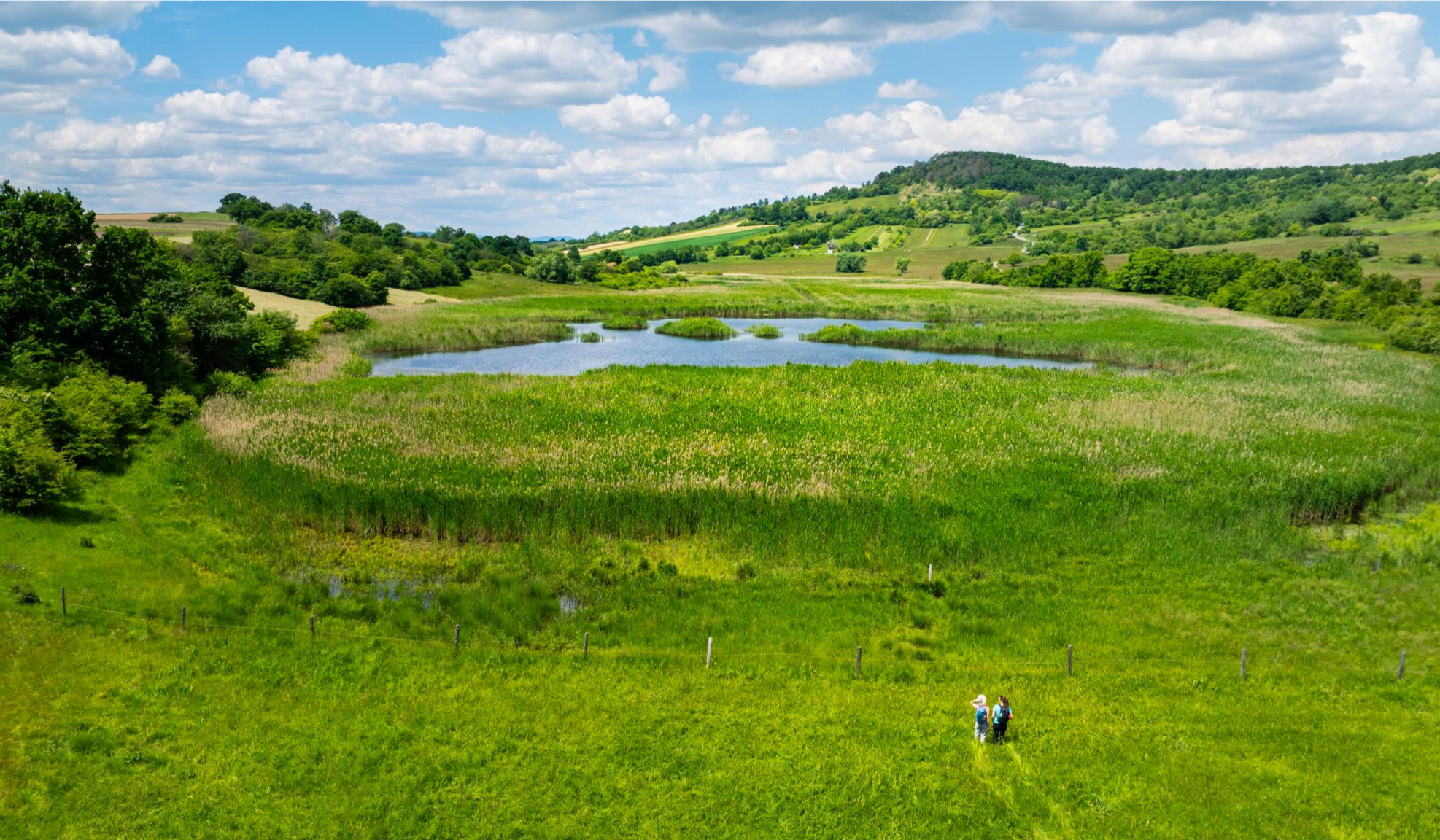
Pure enjoyment – hiking in the Mittelburgenland-Rosalia region
Road Cycling Routes around Rohrbach bei Mattersburg
Hiking around Rohrbach bei Mattersburg
MTB Trails around Rohrbach bei Mattersburg
Cycling around Rohrbach bei Mattersburg
Running Trails around Rohrbach bei Mattersburg
Gravel biking around Rohrbach bei Mattersburg
Other adventures around Rohrbach bei Mattersburg

Tips from the Community

Documented as early as the 13th century, it experienced turbulent times as a Hungarian border fortress before being expanded to its characteristic form in the 16th and 17th centuries: Striking round towers with mighty conical roofs define its exterior today. In addition to the well-known festivals, the castle is also a venue for concerts, exhibitions, and seminars. Parts of the castle, along with the garden, can be rented for conferences, celebrations, and weddings. Guided tours are also possible by appointment.
0
0
Already in the late 19th century, Lajos Bella researched all the hilltop settlements around Sopron. He discovered 136 large and 60 smaller burial mounds on Burgstallberg. Around 1970, Gyula Szádeczky-Kardos found only a total of 159 of them during renewed surveying and mapping work. Systematic excavations took place from 1971 to 1978 under the direction of Erzsébet Patek.
0
0
The former Hochwolkersdorf Castle, built in 1543 by Hans Freiherr von Weisspriach and redesigned in 1805, is located in the village center (Dorfstraße 8). The single-story building served as a state youth home from 1904 and today houses a social therapeutic residential community. Viewing the building, which was remodeled in the 19th century, is only possible from the outside.
1
0

The castle, built in 1543 by Hans Freiherr von Weisspriach, was rebuilt in 1805 under the rule of Guldenstein. The castle, which is located in the middle of the village, received its current appearance in 1805. During its existence, the castle served mostly as a state youth home and since 1997 it has been owned by Reintegration Gemeinn. sozialtherapeutische Wohngemeinschaft GmbH (alcohol withdrawal clinic).
2
0

The castle was built around 1528 from a medieval castle complex. Today, the Renaissance castle is a venue for concerts, exhibitions and seminars. You can also rent parts of the castle for your celebrations. Guided tours are also possible by arrangement.
0
0

Kobersdorf Castle was built around 1528 from a medieval castle. In 1683 the complex was taken by the Turks and partially destroyed. After years of decay, the castle was bought and renovated by an architect in 1963. Today it is owned by her daughter and can only be viewed during events. You can find more information about the castle games at https://www.schlossspiele.com/.
2
0

Schwarzenbach Castle was built around 1200 and was mentioned in a document in 1254 in the Ofen Peace Treaty as “castrum Suarchumpah”. Today it has fallen into ruins but is still owned by the Esterházys. More about the story: https://de.wikipedia.org/wiki/Burg_Schwarzenbach_(Nieder%C3%B6sterreich)
0
0

Ruins currently closed!! Schwarzenbach Castle, in a state of ruins, is located in the market town of the same name. The ruins on Schlossberg were built around 1200 and were mentioned in a peace treaty in 1254. In September 1337, a Hungarian army led by the Eisenburg and Ödenburg district Leustachius besieged Schwarzenbach Castle and took it before October 4, 1337. The castle was to be replaced with Achenstein Castle in Lower Styria, in today's Slovenia (approx. 3 hours' drive from Vienna). Anchenstein came from Austria to Hungary - but Schwarzenbach did not come from Hungary to Austria. Schwarzenbach was not handed over to Austria until 1362. Purchased in 1680 by the Esterhazys, who still own it today. However, around 1800 it was abandoned as an official residence and the once magnificent building gradually fell into disrepair. Because stones from the ruins rolled into the valley, the market town ordered the Esterházy Foundation to carry out renovation work in 2014, which was objected to due to the expected costs of 130,000 euros. As a result, the Federal Monuments Office agreed to a partial demolition. The Esterházy Foundation also offered the market town to exchange one hectare of land with ruins for ten hectares of forest, which the market town rejected. In 2016, a wall with a dilapidated archway was demolished. The ruins have fallen into disrepair and are in danger of collapsing. The ruins are overgrown with bushes, the inner courtyard is filled with rubble and remains of walls several meters high. A sign at the entrance warns of the danger of collapse. The castle ruins are listed as historical monuments.
1
0
Frequently Asked Questions
Which castles around Rohrbach bei Mattersburg are suitable for families?
Both Forchtenstein Castle and Kobersdorf Castle are considered family-friendly. Forchtenstein Castle offers a historical experience with impressive views, while Kobersdorf Castle is known for hosting theater performances and musical events, which can be engaging for various ages.
What other historical sites, besides castles, can I explore in the Rohrbach bei Mattersburg area?
Beyond the castles, you can visit the Sopron-Várhely Hallstatt-Era Burial Mounds, which provide insights into ancient death cults from the Hallstatt to late Latène period. Additionally, the area around Kobersdorf Castle includes a synagogue and memorial, commemorating the former Jewish inhabitants of Kobersdorf.
Are there walking or cycling routes near the castles around Rohrbach bei Mattersburg?
Yes, the region offers various outdoor activities. You can find numerous gravel biking, road cycling, and easy hiking routes. For example, there are routes like the 'Forchtenstein Castle – Forchtenstein Serpentines loop' for cycling and several 'Rohrbach Natural Swimming Pond' loops for easy hikes. You can explore these and more on the respective guide pages for Gravel biking around Rohrbach bei Mattersburg, Road Cycling Routes around Rohrbach bei Mattersburg, and Easy hikes around Rohrbach bei Mattersburg.
What is the best time of year to visit the castles in this region?
The main season for visiting castles like Forchtenstein Castle typically runs from March to early November, when they are generally open daily. This period offers pleasant weather for exploring the castle grounds and surrounding areas.
Are any castles open during winter around Rohrbach bei Mattersburg?
While many castles, like Forchtenstein Castle, close for the winter season from early November to March, specific events or limited access might be available at some sites. It's best to check the individual castle's official website for their exact winter opening hours and event schedules.
Which castles offer the best scenic views?
Forchtenstein Castle is particularly noted for its impressive view of Forchtenstein and the surrounding villages, situated on the slope of the Rosaliengebirge. Its elevated position provides excellent panoramic vistas.
Are there dining options available at or near the castles?
Yes, Forchtenstein Castle has a recommended castle restaurant within its premises. For other castles, you may find cafes or restaurants in the nearby villages, such as Rohrbach bei Mattersburg itself.
Can I visit lesser-known historical sites in the area?
Yes, for a unique historical experience, consider visiting the Former Hochwolkersdorf Castle. Built in 1543 and rebuilt in 1805, it's located in the middle of the village and has a rich history, though it currently serves as a therapeutic facility.
What do visitors enjoy most about the castles around Rohrbach bei Mattersburg?
Visitors frequently appreciate the blend of historical architecture and cultural significance. The impressive views from sites like Forchtenstein Castle, the historical depth of places like Kobersdorf Castle with its cultural events, and the overall historical context of the Burgenland region are highly valued by the komoot community.
Are the castles around Rohrbach bei Mattersburg accessible for visitors with mobility concerns?
Accessibility varies by castle. While some areas, like the courtyard of Forchtenstein Castle, might be freely accessible, the historical nature of these structures can present challenges. It is advisable to check with individual castle administrations for specific accessibility information and facilities for visitors with mobility concerns.
Are dogs allowed at the castles or on nearby trails?
Policies regarding dogs vary. While the outdoor areas and nearby hiking trails, such as those in the Landseer Berge Nature Park near Kobersdorf Castle, are often dog-friendly, access to castle interiors or specific events might be restricted. Always check the specific rules of each site before visiting with your dog.
What are the parking facilities like at the castles?
Most major castles, such as Forchtenstein Castle, typically offer designated parking areas for visitors. For smaller or lesser-known sites, parking might be available in nearby village centers or designated public spaces. It's recommended to check specific castle websites for detailed parking information.
Most popular routes around Rohrbach bei Mattersburg
Most popular attractions around Rohrbach bei Mattersburg

Get inspired with the komoot mobile app


Explore more
Looking for the best castles somewhere else? Discover other guides around Rohrbach bei Mattersburg:
