Top 8 Castles around Hausham
Best castles around Hausham offers a selection of historical sites in the Bavarian Alps region. While Hausham itself is known for its mining history and outdoor activities, the surrounding area provides access to various castles and ruins. These structures are set amidst scenic landscapes, offering insights into regional history and architecture. The area serves as a base for exploring both natural features and historical monuments.
Best castles around Hausham
- The most popular castles is Reisach Water Castle (Wasserschloss Reisach),…
Last updated: October 5, 2026
Hohenwaldeck castle ruins
Highlight • Viewpoint
Translated by Google •
Tip by

Historical and nature trail to Hohenwaldeck Castle Ruins
Highlight (Segment) • Historical Site
Translated by Google •
Tip by

Sign up now to discover places like this
Get recommendations on the best single tracks, peaks, & plenty of other exciting outdoor places.
Reisach Water Castle (Wasserschloss Reisach)
Highlight • Monument
Translated by Google •
Tip by

Ringberg Castle
Highlight • Castle
Translated by Google •
Tip by

Former Miesbach Castle
Highlight • Castle
Translated by Google •
Tip by

Sign up for free to discover even more castles around Hausham.
Already have an account?
Start today with a free account
Your next adventure awaits.
Popular around Hausham

Mountainbiking the alps with the kids
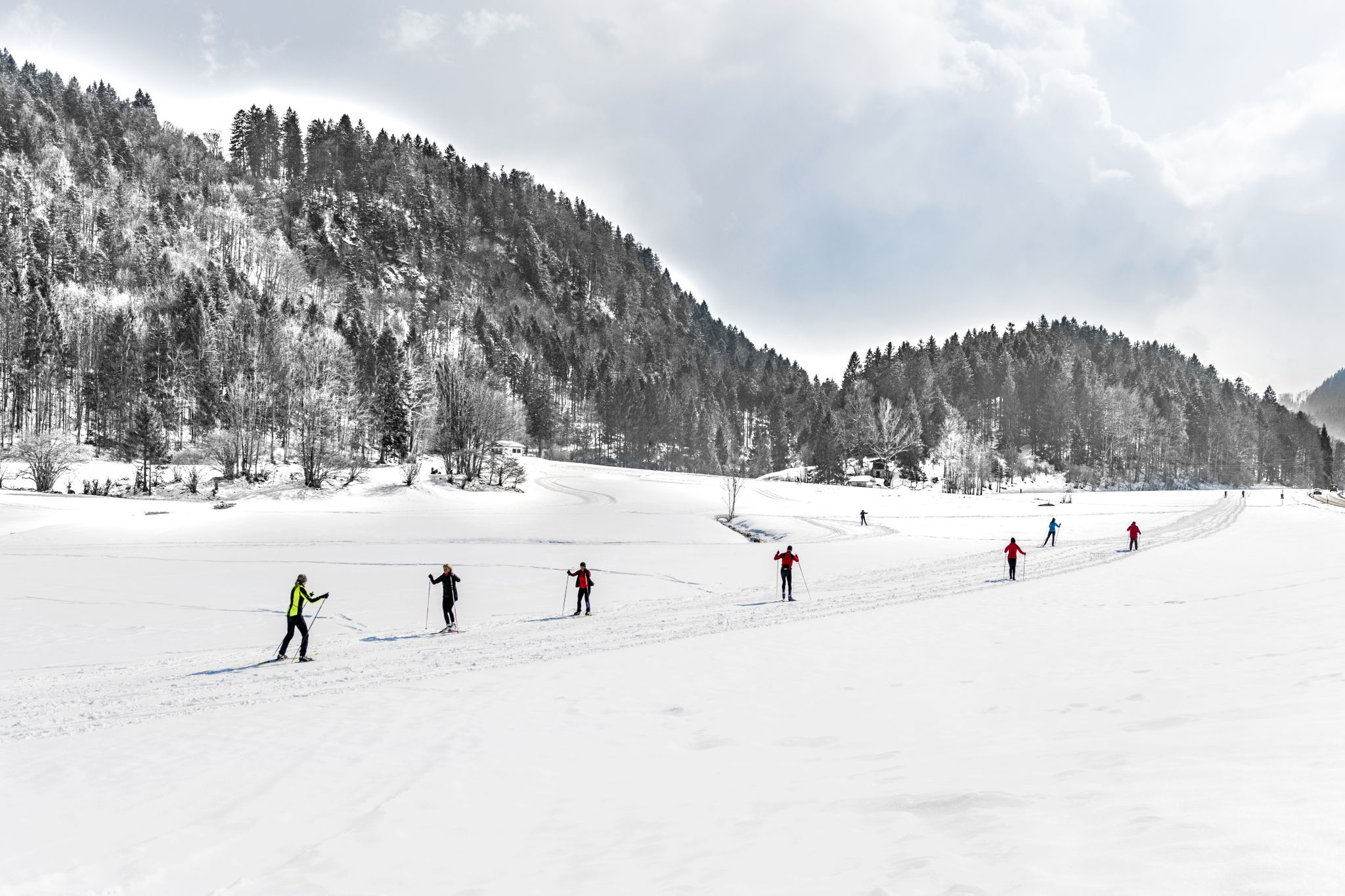
Alpenpanorama und Winterwald: Langlaufen in Oberbayern
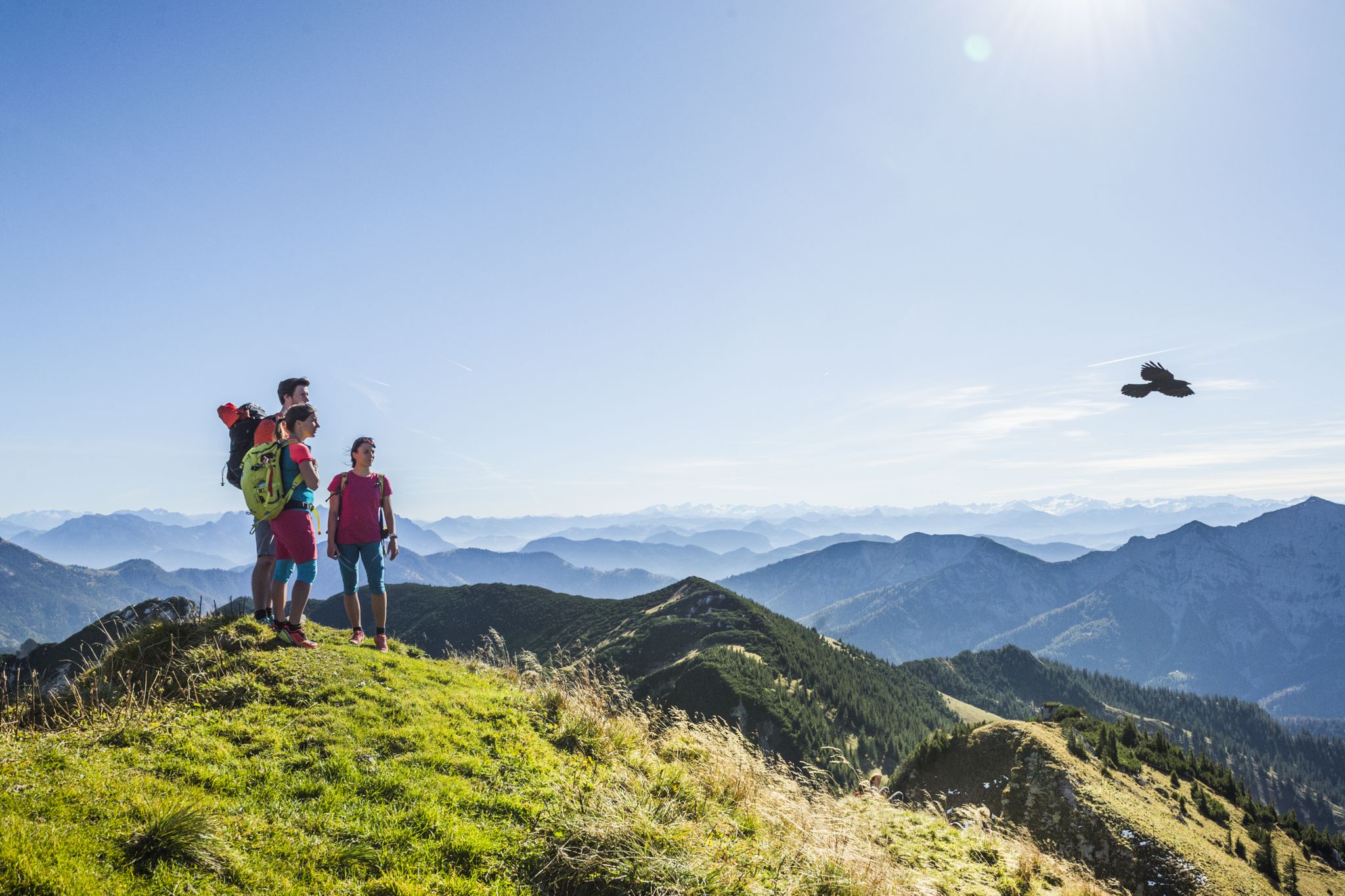
Wanderparadies Alpenregion Tegernsee Schliersee - Entdecken Sie de schönsten Touren
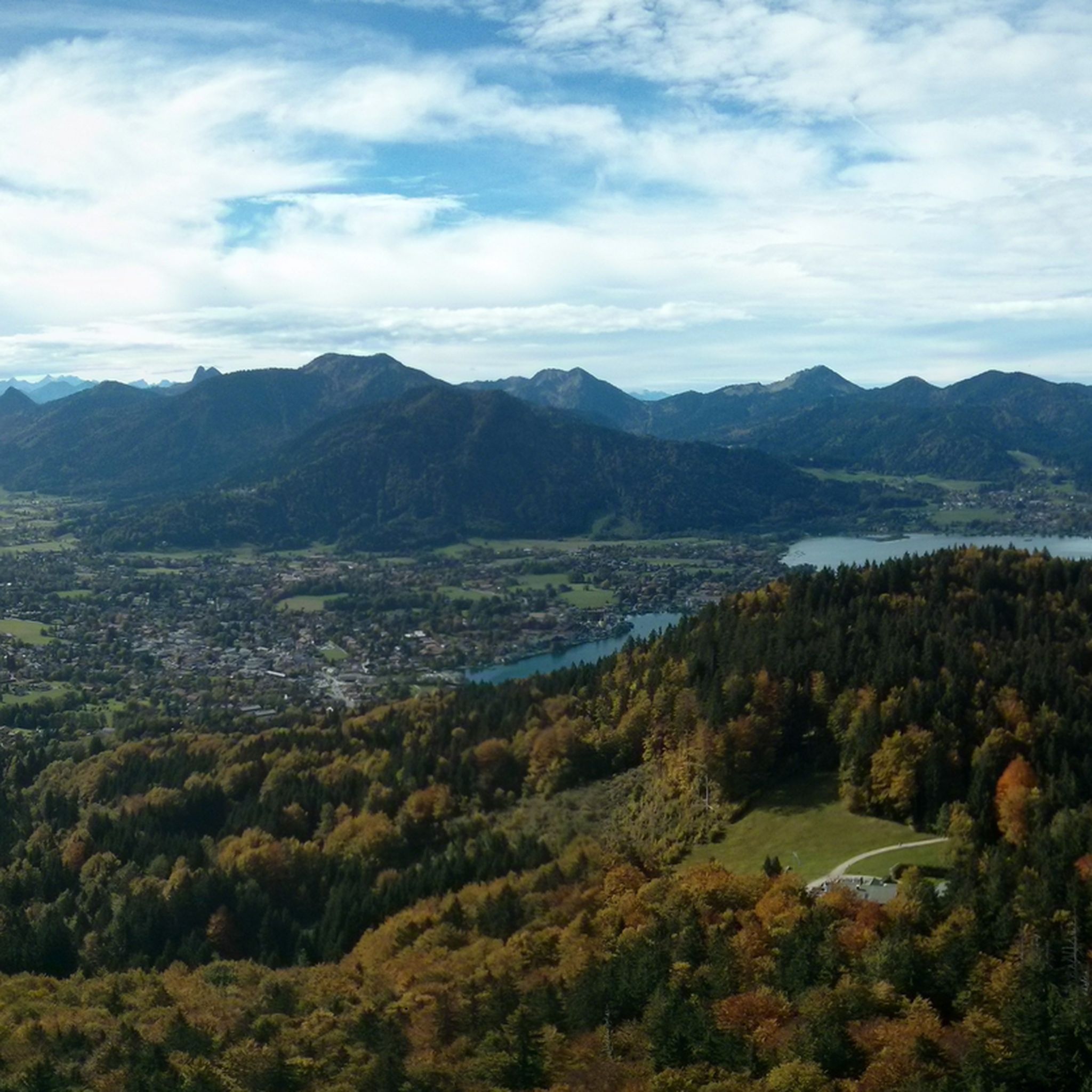
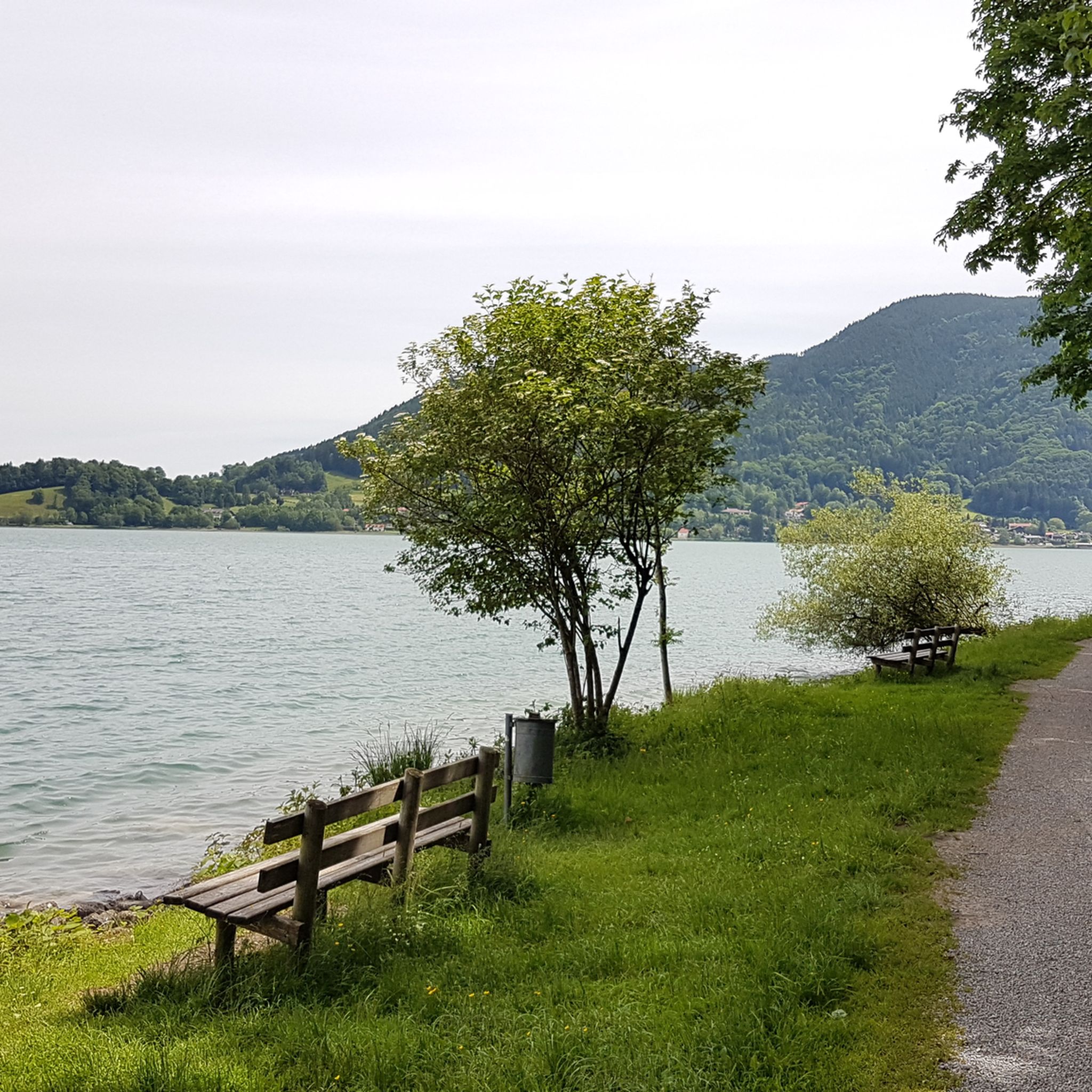
Hiking around Hausham
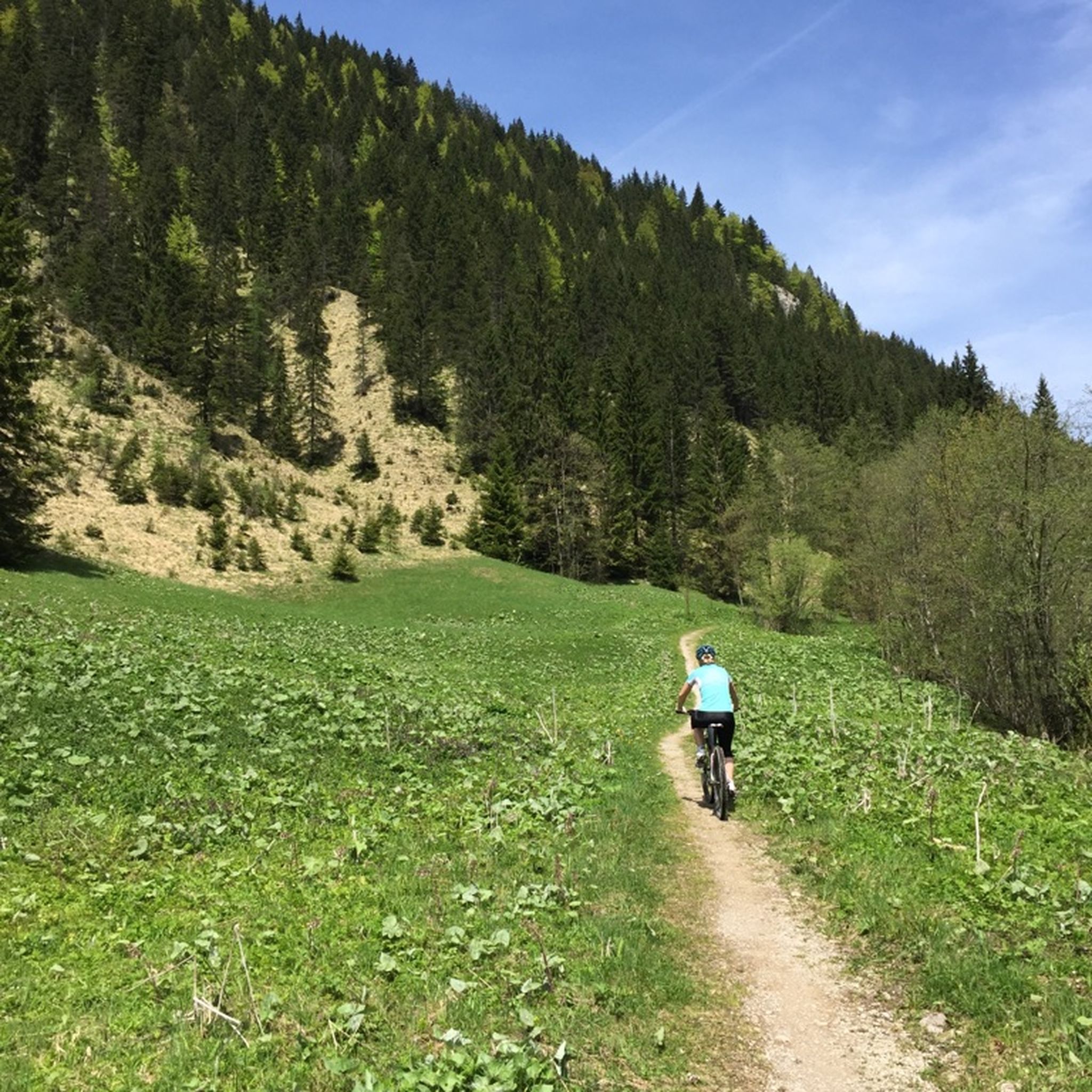
MTB Trails around Hausham
Cycling around Hausham
Road Cycling Routes around Hausham
Running Trails around Hausham

Mountain Hikes around Hausham
Gravel biking around Hausham
Other adventures around Hausham


Tips from the Community

The Hohenwaldeck Castle ruins are well worth seeing because they contain large remains of walls dating back to the High Middle Ages. More important, however, is their stunningly beautiful location high above Schliersee, offering unobstructed views of the lake and the mountains. The Bavarian State Forests have carefully secured the castle ruins, so that this historic and romantic site can now also be visited with children. The climb to the castle is steep and takes 40 minutes from Fischhaus-Neuhaus. Supplying the castle must have been very difficult in the Middle Ages. Access is now via a new wooden bridge, and large sections of the shield wall with some rusticated blocks can still be seen. This makes it easy to narrow down the first construction phase to the second half of the 13th century, the Staufer period. Several new benches have been installed, and the short path down to the viewing point is definitely worth the effort. It offers a fantastic view of Schliersee and the surrounding mountains.
10
0

Very nice easy hike with a great view of the Schliersee.
2
0


Impressive building of the Munich drinking water supply. The round building is located in the Mangfalltal spring protection area - a beautiful forest and meadow landscape. The water extraction plant is a free-flowing system, where the water flows freely without the use of pumps. The water intake is around 100 meters above the center of Munich and can flow freely into Munich.
1
0

In 1516 the imperial dominion of Waldeck, with Miesbach as its central town, passed to the Maxlrain family. In 1584 the Bavarian Duke Wilhelm V ended the Reformation, which had been promoted by Wolf Dietrich von Maxlrain since around 1560, with a trade embargo. The castle at Münchner Straße 1 was rebuilt in 1611 by Wilhelm von Maxlrain, north of the oldest castle square in Miesbach, originally with four corner towers. In January 1637, Emperor Ferdinand II elevated Waldeck to the county of Hohenwaldeck. After the Maxlrain family died out, Hohenwaldeck came into the possession of the Wittelsbachs in 1734, who integrated it as a separate part of the Electorate of Bavaria and used the castle as an electoral palace for their caretakers. The four towers were demolished around 1745. The chapel was added in 1783. The building was converted into an office building in the 19th century and structurally simplified. From 1804 to 1913, the castle was the seat of the regional court and district office. Today it is used as the office building of the surveying office. Source and further information https://de.m.wikipedia.org/wiki/Schloss_Miesbach
4
0

Access to the castle ruins is closed due to renovation work and for safety reasons. The work is scheduled to be completed in autumn 2024. After that, the cultural and historical monument will be accessible again to enjoy the phenomenal view over the Schliersee.
0
0
In 1516 the imperial dominion of Waldeck, with Miesbach as its central town, passed to the Maxlrain family. In 1584 the Bavarian Duke Wilhelm V ended the Reformation, which had been promoted by Wolf Dietrich von Maxlrain since around 1560, with a trade embargo. The castle at Münchner Straße 1 was rebuilt in 1611 by Wilhelm von Maxlrain, north of the oldest castle square in Miesbach, originally with four corner towers. In January 1637, Emperor Ferdinand II elevated Waldeck to the county of Hohenwaldeck. After the Maxlrain family died out, Hohenwaldeck came into the possession of the Wittelsbachs in 1734, who integrated it as a separate part of the Electorate of Bavaria and used the castle as an electoral palace for their caretakers. The four towers were demolished around 1745. The chapel was added in 1783. The building was converted into an office building in the 19th century and structurally simplified. From 1804 to 1913, the castle was the seat of the regional court and district office. Today it is used as the office building of the surveying office. Source and further information https://de.m.wikipedia.org/wiki/Schloss_Miesbach
1
0
Frequently Asked Questions
What types of castles and historical sites can I explore near Hausham?
While Hausham itself is known for its mining history and outdoor activities, the surrounding region offers a variety of historical sites. You can find castle ruins, water castles, and historical castles. These include structures like the Hohenwaldeck castle ruins, Reisach Water Castle, and Tegernsee Castle, each offering a unique glimpse into the region's past.
Are there any famous castles like Neuschwanstein or Linderhof near Hausham?
The most famous 'King's Castles' such as Neuschwanstein, Hohenschwangau, and Linderhof Palace are located in the broader Bavarian Alps region, particularly near Füssen. While not directly in Hausham, they are approximately a 45-minute drive away and offer significant historical and architectural experiences.
Are there family-friendly castle sites around Hausham?
Yes, several sites are suitable for families. The Hohenwaldeck castle ruins have been secured by the Bavarian State Forests, making them accessible for visits with children. The Reisach Water Castle also features informative displays that can be interesting for all ages, and Tegernsee Castle is listed as family-friendly.
What kind of views can I expect from the Hohenwaldeck castle ruins?
The Hohenwaldeck castle ruins offer stunningly beautiful views high above Schliersee, with unobstructed panoramas of the lake and the surrounding mountains. There's a short path down to a dedicated viewing point that is definitely worth the effort.
Are there hiking trails that incorporate castles near Hausham?
Yes, you can find trails that lead to or past historical sites. For instance, the Historical and nature trail to Hohenwaldeck Castle Ruins provides a beautiful ascent through the forest and over rocks. You can find more hiking options in the Mountain Hikes around Hausham guide.
What is the difficulty level for reaching the Hohenwaldeck castle ruins?
The climb to the Hohenwaldeck castle ruins is steep and takes about 40 minutes from Fischhaus-Neuhaus. Sturdy shoes are required, but the hike is generally considered intermediate and the view is well worth the effort.
Can I visit Ringberg Castle, or is it privately owned?
Ringberg Castle is privately owned and generally only accessible from the outside. However, it is occasionally open for visits on specific dates, which are announced on its official website.
What is the Reisach Water Castle, and what can I see there?
The Reisach Water Castle is a facility of the Stadtwerke München for obtaining drinking water for the city. It features interesting and informative boards about its function and history, as well as art and sculptures by various artists. It's located in the scenic Mangfall Valley spring protection area.
Are there any dog-friendly trails near the castles around Hausham?
Yes, the Historical and nature trail to Hohenwaldeck Castle Ruins is listed as dog-friendly, allowing you to explore the area with your canine companion. Always ensure dogs are kept on a leash and follow local regulations.
What outdoor activities are available near these historical sites?
Beyond visiting castles, the area around Hausham is excellent for outdoor activities. You can find various MTB trails, gravel biking routes, and mountain hikes, many of which offer views of the castles or are located nearby.
What is the best time of year to visit the castles and surrounding areas near Hausham?
The Bavarian Alps region is beautiful year-round. Spring and autumn offer pleasant temperatures for hiking and exploring, with vibrant foliage in fall. Summer is popular for outdoor activities, while winter can provide a picturesque, snow-covered landscape, though some trails or access might be affected by snow and ice.
What is the history behind Tegernsee Castle?
Tegernsee Castle was originally a Benedictine abbey founded in the 8th century. It was the most important Benedictine abbey in Upper Bavaria until 1803. Today, the monastery buildings are known as Tegernsee Castle and are owned by the Wittelsbach branch of the Dukes of Bavaria.
Most popular routes around Hausham
Most popular attractions around Hausham

Get inspired with the komoot mobile app


Explore more
Looking for the best castles somewhere else? Discover other guides around Hausham:
