The best road cycling routes around Klingenmünster
4.5
(860)
10,396
riders
302
rides
Road cycling around Klingenmünster offers diverse landscapes within the Palatinate region of Germany. The terrain features extensive vineyards, rolling hills, and sections through the Palatinate Forest. Routes are primarily on paved surfaces, with options ranging from moderate to challenging, including significant elevation gains. The area provides varied road cycling experiences, from undulating vineyard paths to climbs through woodlands.
Best road cycling routes around Klingenmünster
- The most popular road cycling route is Leinsweiler Town Hall – Klingenmünster village center loop from…
Last updated: October 12, 2026
4.2
(6)
31
riders
Easy road ride. Great for any fitness level. Mostly well-paved surfaces and easy to ride.
16
riders
Moderate road ride. Good fitness required. Mostly well-paved surfaces and easy to ride.

3.5
(2)
15
riders
26.2km
01:14
280m
280m
Easy road ride. Great for any fitness level. Mostly well-paved surfaces and easy to ride.
1.0
(1)
12
riders
49.1km
02:54
760m
760m
Moderate road ride. Good fitness required. Some segments of this route may be unpaved and difficult to ride.
9
riders
21.6km
01:06
310m
310m
Moderate road ride. Good fitness required. Mostly well-paved surfaces and easy to ride.
Get access to more routes and recommendations from other explorers.
Already have an account?
Our route recommendations are based on thousands of hikes, rides, and runs completed by other people on komoot.
Start today with a free account
Your next adventure awaits.
Popular around Klingenmünster
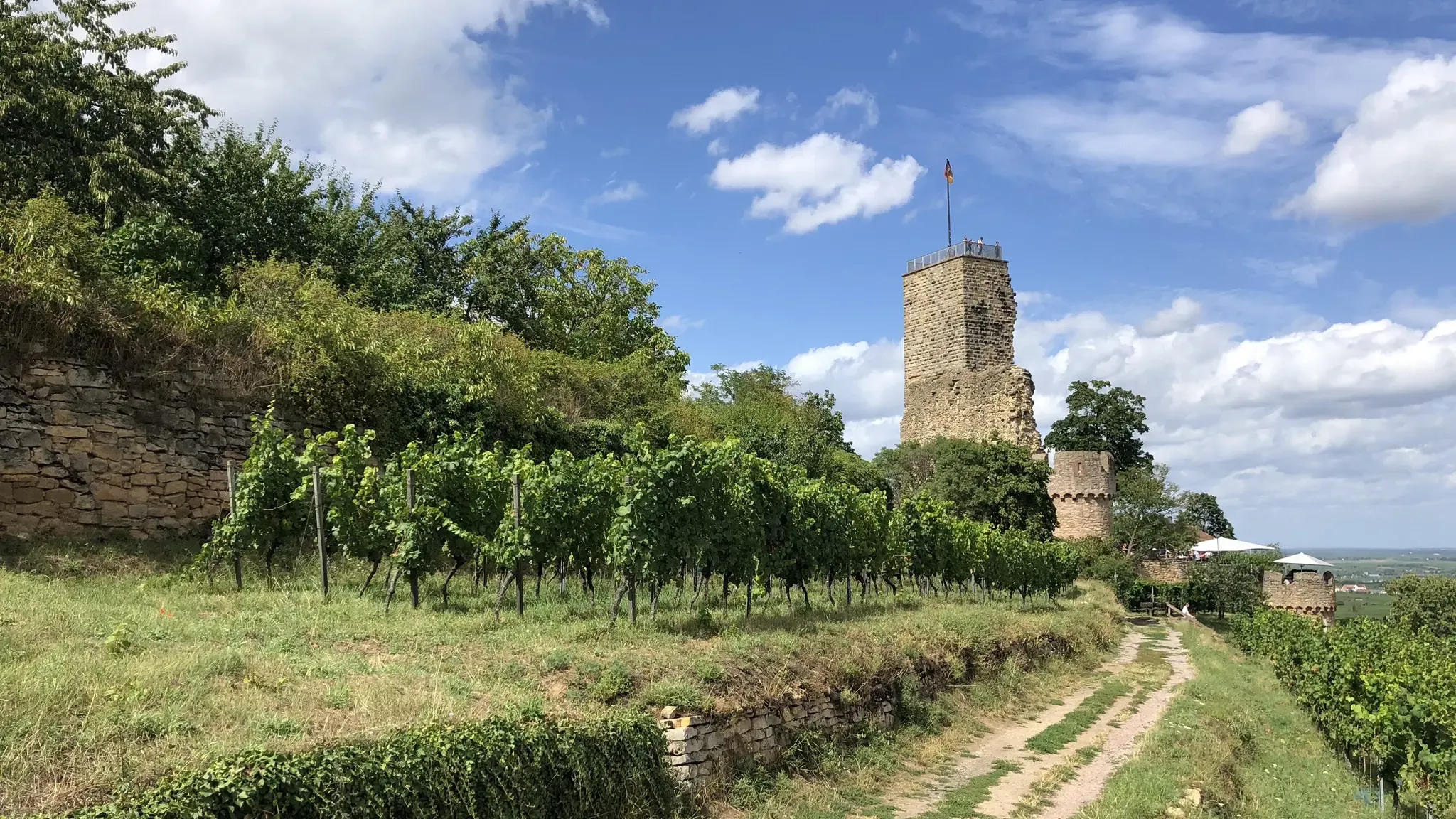
Pfälzer Weinsteig trail – 11 stages along forests and vinyards
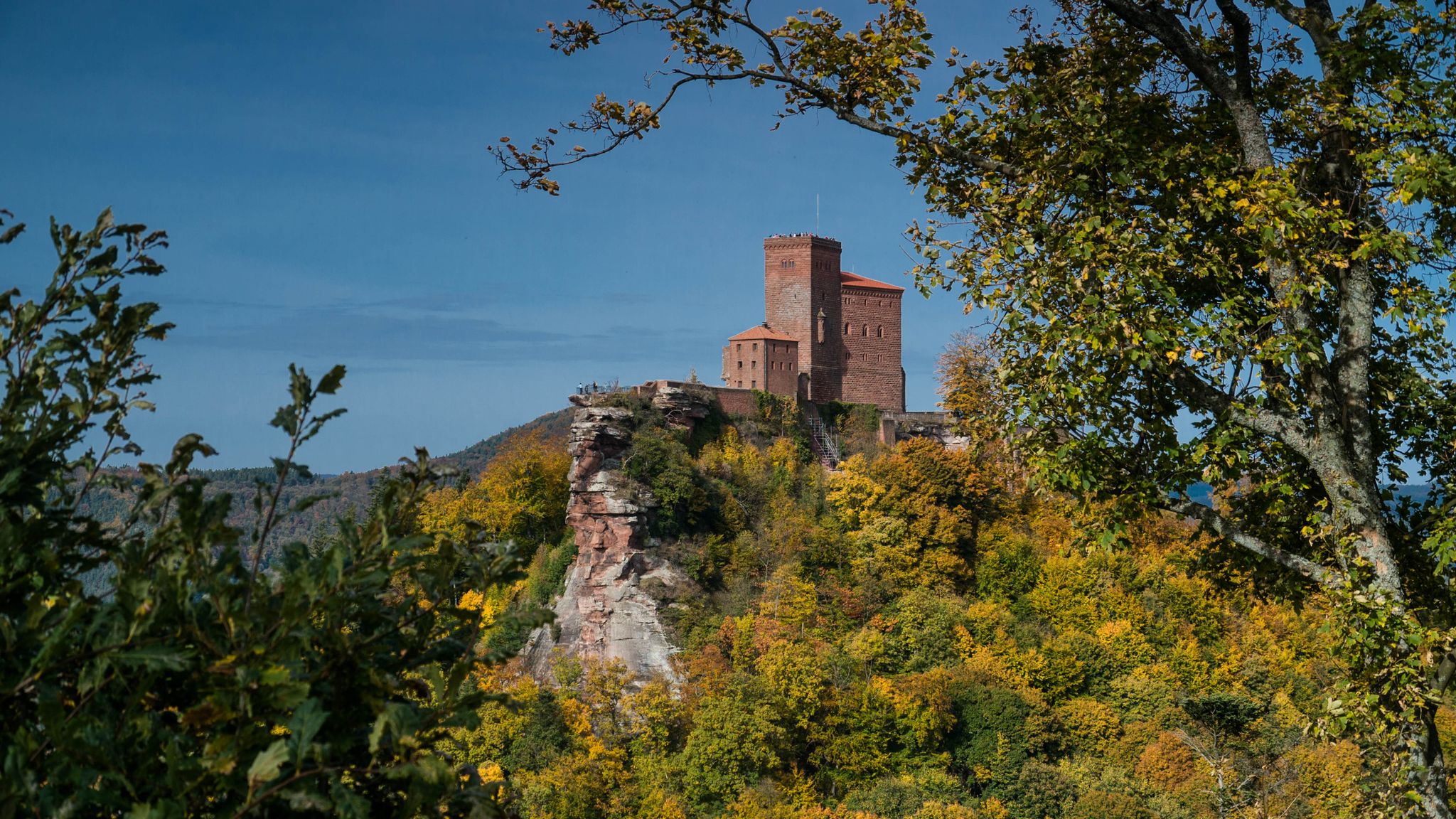
Castles in the Wasgau
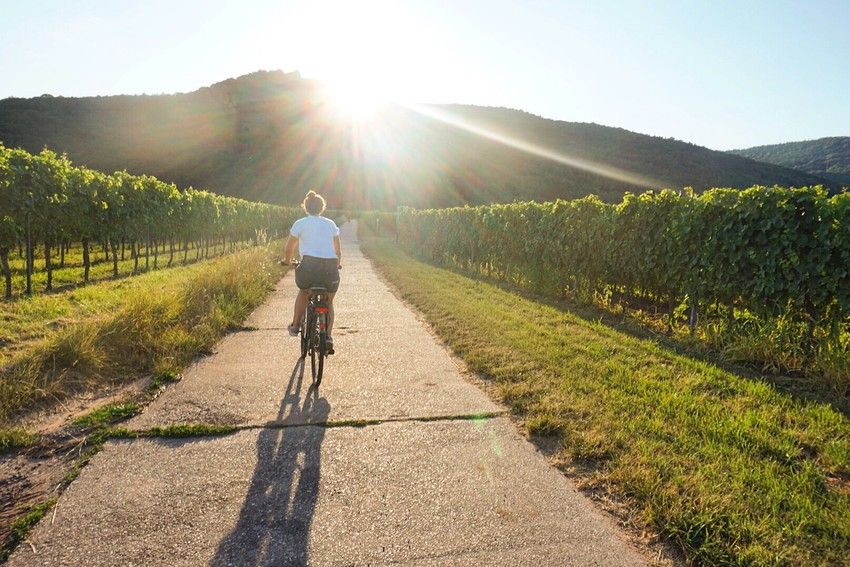
Rundtouren an der Südlichen Weinstraße
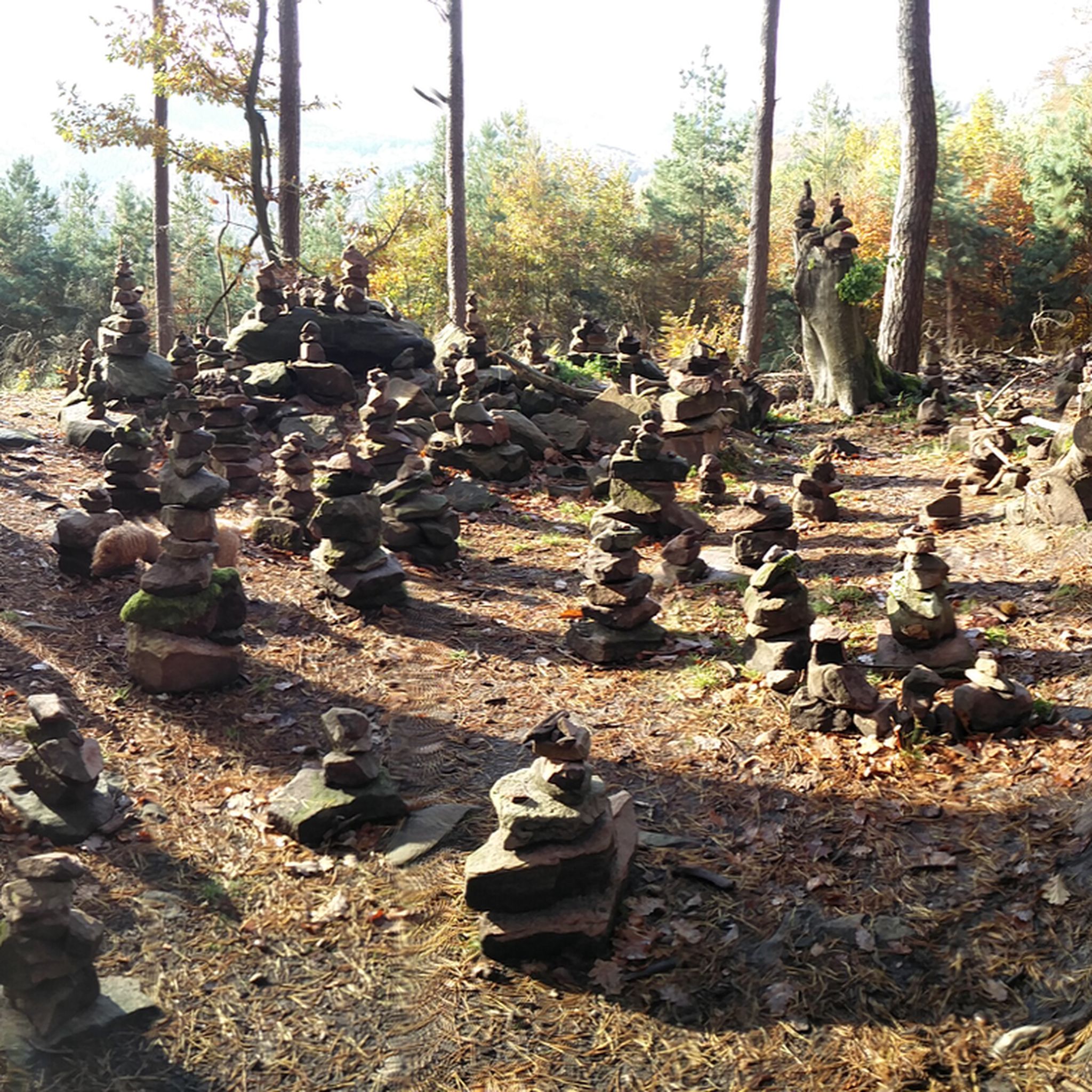
Hiking around Klingenmünster
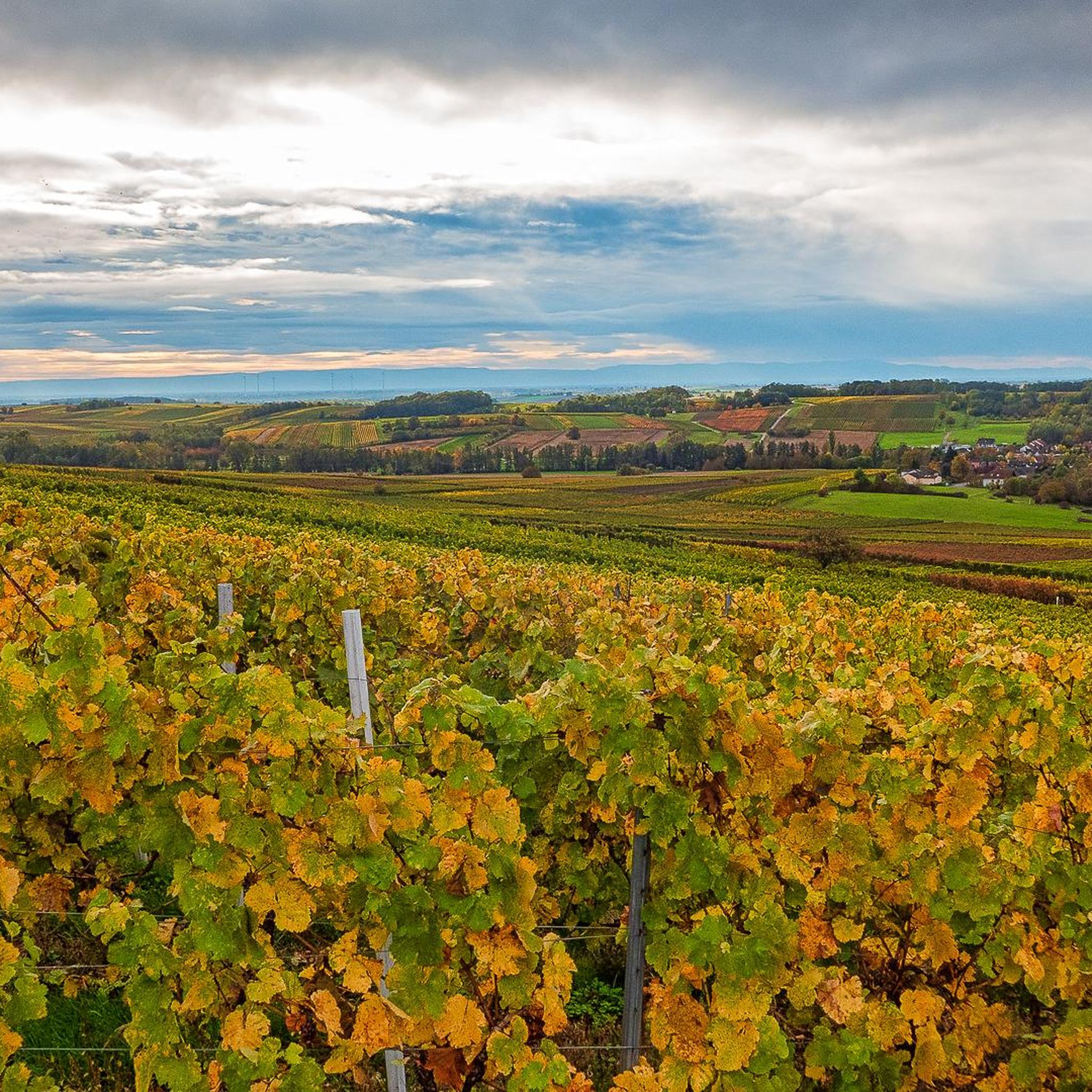
Cycling around Klingenmünster
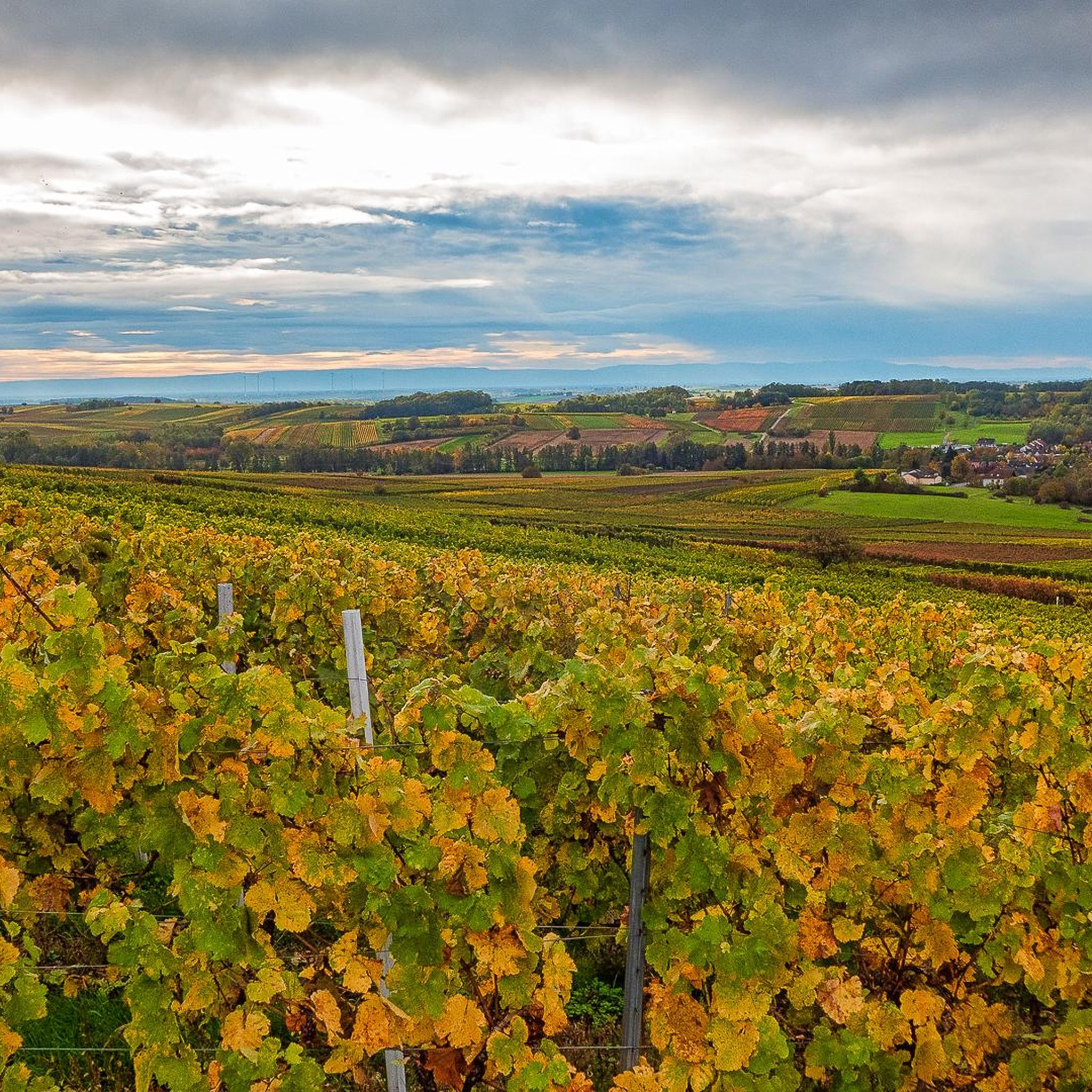
MTB Trails around Klingenmünster
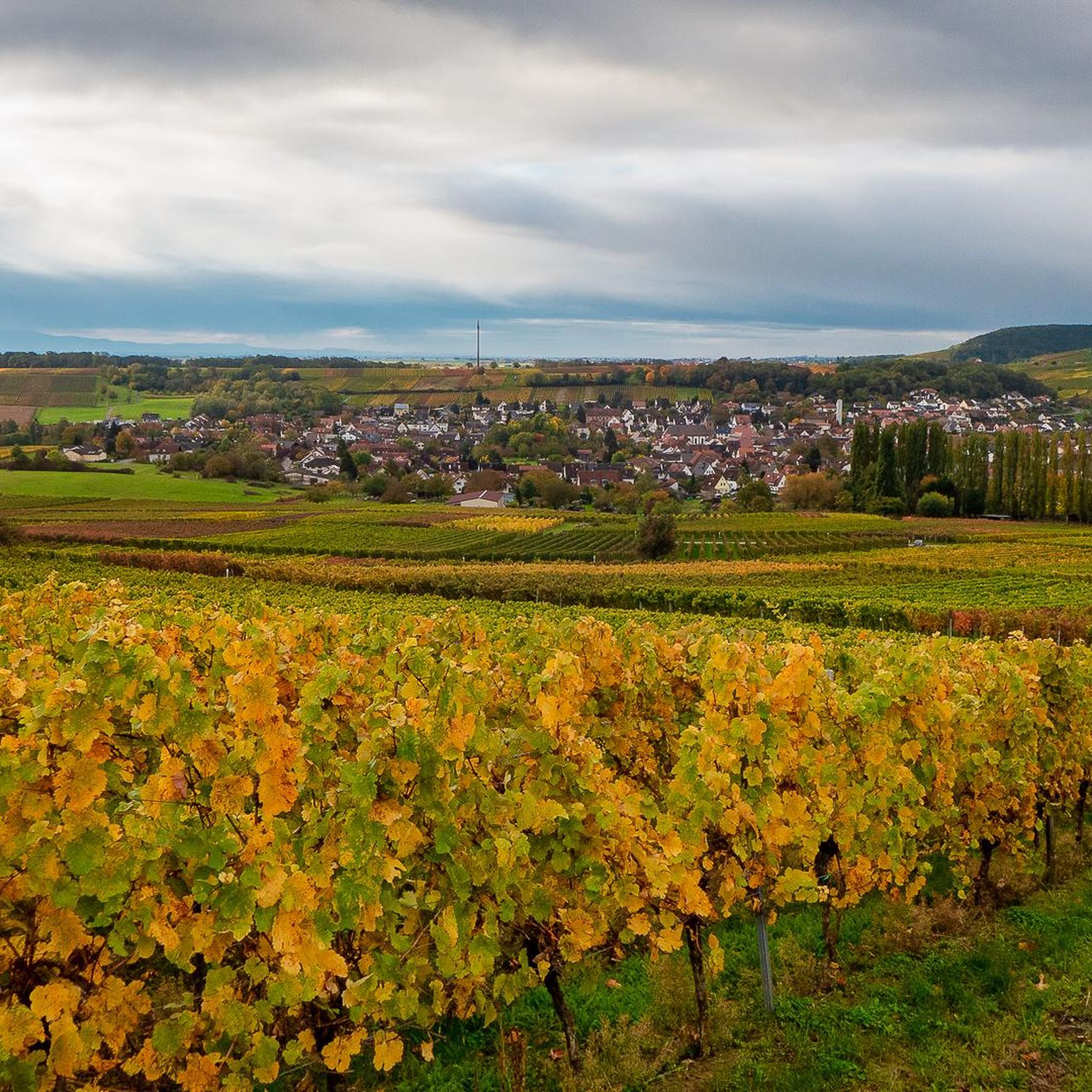
Running Trails around Klingenmünster
Gravel biking around Klingenmünster

Mountain Hikes around Klingenmünster


Tips from the Community

The structure is a baroque gate complex, consisting of a partially three-nave hall and a magazine building from around 1690. The responsible architect was Sébastien Le Prestre de Vauban. The gate's design is a reference to the then French king Louis XIV. The gate building housed guard rooms and magazines, from 1885 to 1925 a post office and until 1928 the telegraph office, then various service points and from 1937 to 1998 the city library.
2
0
The outlet lock No. 71 is a publicly accessible structure from the years 1688–1691. The lock directed the Queich through the main wall of the Landau fortress. In front of the lock was a small harbor, which was part of the military infrastructure. Iron grates could be lowered to prevent the entry of enemies – hence the numbering [No. 71] on the fortress plan. The adjacent ramp served as a watering place for horses from the nearby cavalry barracks.
1
0

Classic stretch of the Deutsche Weinstraße with the iconic yellow grape-cluster signs - well signposted and easy to follow.
0
0
Attractive square by the old French Gate with cafes nearby - a good place to stop and take in the town's history.
0
0
Old brick sluice and bridge over the water channel in Landau - an interesting bit of industrial history along the route.
0
0
Unique stone sculptures mark this rest area, with a wide view over the hills - a fun and scenic spot to stop for a break.
0
0

The German Wine Route is one of the most beautiful excursion destinations in our region.
0
0

The French Gate at Obertorplatz (Upper Gate Square) marked the southern boundary of the city of Landau in earlier times. Its counterpart, the German Gate at Untertorplatz (Lower Gate Square), bordered Landau to the north. In medieval times, these two city gates were the only possible entrances to the city. The construction of both structures as part of the Vauban fortress dates back to the French architect Sébastien de Vauban and thus to the time when the city of Landau belonged to France. During this period, these two city gates were the only possible access points to the city. Both gates are identical in their design: in the style of Roman triumphal arches, they display the coat of arms of the Bourbon dynasty and that of Louis XIV, the Sun King. Even today, the heart of Landau's city center unfolds between the two gates, which are located approximately 900 meters apart. Source: http://waterclerk-on-tour.de/2019/04/01/franzoesisches-tor-landau-in-der-pfalz/
1
0
Frequently Asked Questions
How many road cycling routes are available around Klingenmünster?
There are over 260 road cycling routes around Klingenmünster, offering a wide range of options for different skill levels. This includes 69 easy, 162 moderate, and 36 difficult routes.
What kind of terrain can I expect on road cycling routes in Klingenmünster?
The terrain around Klingenmünster is diverse, featuring extensive vineyards, rolling hills, and sections through the Palatinate Forest. Routes are primarily on paved surfaces, offering experiences from undulating vineyard paths to climbs through woodlands with significant elevation gains.
Are there any easy or beginner-friendly road cycling routes in the area?
Yes, Klingenmünster offers 69 easy road cycling routes suitable for beginners or those looking for a more relaxed ride. These routes often traverse the picturesque Palatinate vineyards on mostly paved paths.
Which routes offer scenic views or pass by historical landmarks?
Many routes provide stunning vistas and pass historical sites. For example, the Wassergasse, Annweiler – View of Trifels Castle loop from Gossersweiler-Stein offers views towards the impressive Trifels Castle. Another route, the View of Trifels Castle – Lake Silz loop from Dörrenbach, leads through the Palatinate Forest and past historical landmarks.
Are there any long-distance road cycling options around Klingenmünster?
Yes, Klingenmünster is connected to longer routes, including cross-border options that link the Palatinate Wine Route with the Alsace Wine Route in France. The View of Trifels Castle – Lake Silz loop from Dörrenbach is a moderate 30.6-mile (49.3 km) trail, providing a good option for a longer ride.
What are the best times of year for road cycling in Klingenmünster?
The region's extensive vineyards and forest areas are particularly beautiful during spring, summer, and early autumn. These seasons generally offer pleasant weather conditions for road cycling, allowing you to fully enjoy the scenic landscapes and outdoor cafes.
Can I find circular road cycling routes in Klingenmünster?
Yes, many of the road cycling routes around Klingenmünster are designed as loops. For instance, the popular Leinsweiler Town Hall – Klingenmünster village center loop from Leinsweiler is a circular route that takes you through scenic Palatinate vineyards.
What do other cyclists say about road cycling in Klingenmünster?
The road cycling routes in Klingenmünster are highly rated by the komoot community, with an average score of 4.6 stars from over 600 reviews. Cyclists often praise the varied terrain, the beautiful vineyard landscapes, and the well-maintained paved surfaces.
Are there any specific attractions or viewpoints worth visiting along the routes?
Absolutely. Beyond the castles, the Kellerfels Rock Arch is a notable natural monument. The region also features the Ringelsberghütte (PWV Frankweiler), a hut offering a place to rest, and the Jung-Pfalz Hut & View of the Palatinate Forest for panoramic views.
Are there any challenging road cycling routes for experienced riders?
Yes, for experienced riders seeking a challenge, there are 36 difficult routes available. These often involve significant elevation gains, such as the 'Abtskopf Summit and Shelter – View of Trifels Castle loop' mentioned in regional research, which can involve over 850 meters of ascent.
Where can I park my car when starting a road cycling tour in Klingenmünster?
While specific parking locations for each route are best checked on the individual tour pages, Klingenmünster and surrounding villages generally offer public parking options. Look for designated parking areas near town centers or trailheads.
Are there any routes that connect to other regions or countries?
Yes, the region is known for its cross-border cycling routes, which link the Palatinate Wine Route with the Alsace Wine Route in France. This allows for unique rides combining German and French landscapes and culture.
Most popular routes around Klingenmünster
Most popular attractions around Klingenmünster

Get inspired with the komoot mobile app


Explore more
Browse the best Road cycling routes in other regions.
