Top 20 Caves in Doubs
Caves in Doubs offer a diverse range of underground experiences within the Burgundy-Franche-Comté region of France. The department features notable geological formations, including karst springs, ice caves, and extensive cave systems. These natural sites are characterized by underground rivers, unique mineral formations, and significant paleontological discoveries. The landscape of Doubs provides opportunities for exploring various types of subterranean environments.
Best caves in Doubs
- The most popular caves is Source de la Loue, a cave that forms a spectacular cirque…
Last updated: May 9, 2026
Source de la Loue
Highlight • Cave
Translated by Google •
Tip by

Lison Spring
Highlight • Cave
Translated by Google •
Tip by
Sign up now to discover places like this
Get recommendations on the best single tracks, peaks, & plenty of other exciting outdoor places.
Sign up for free
Sarrazine Cave
Highlight • Cave
Do not hesitate to approach …
Translated by Google •
Tip by
Source du Pontet
Highlight • Cave
Translated by Google •
Tip by
Lançot Waterfall
Highlight • Waterfall
Translated by Google •
Tip by

Arcier Springs
Highlight • River
You will be able to see the castle of Arcier there as well as the ruins of the old Roman aqueduct of Besançon.
=============
Translated by Google •
Tip by

Cave of the Counterfeiters
Highlight • Cave
Translated by Google •
Tip by

Osselle Cave
Highlight • Natural Monument
Translated by Google •
Tip by

Verneau Spring
Highlight • Cave
Translated by Google •
Tip by

Creux Billard — Karst Basin and Waterfall
Highlight • Gorge
The whole also forms an underground cave system with the neighboring source - Source du Lison. It is best to visit after long rains.
Translated by Google •
Tip by
Sign up for free to discover even more caves in Doubs.
Sign up for free
Already have an account?
Start today with a free account
Your next adventure awaits.
Login or Signup
Popular around Doubs
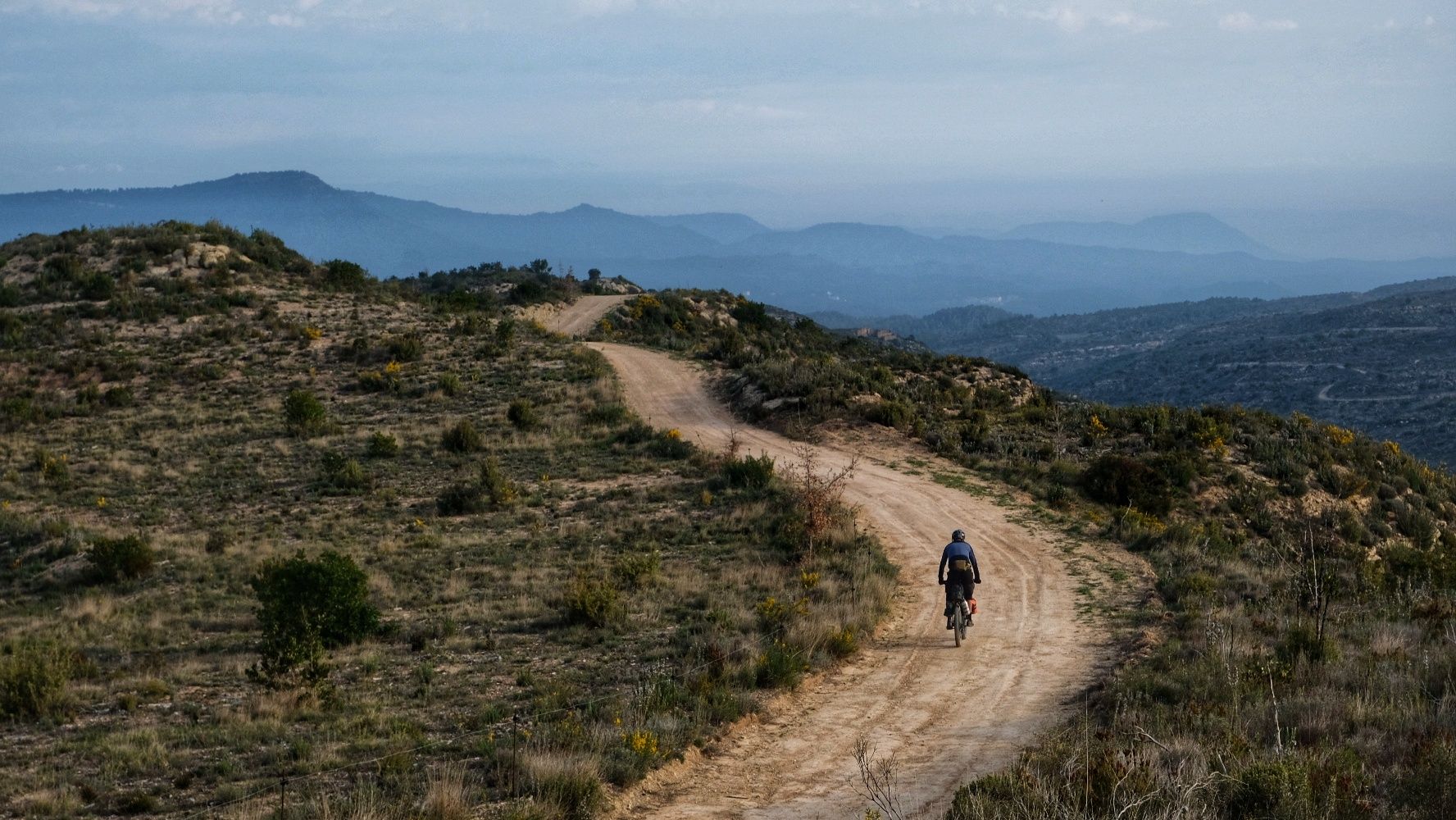
European Divide Trail — 7,600 km across the continent
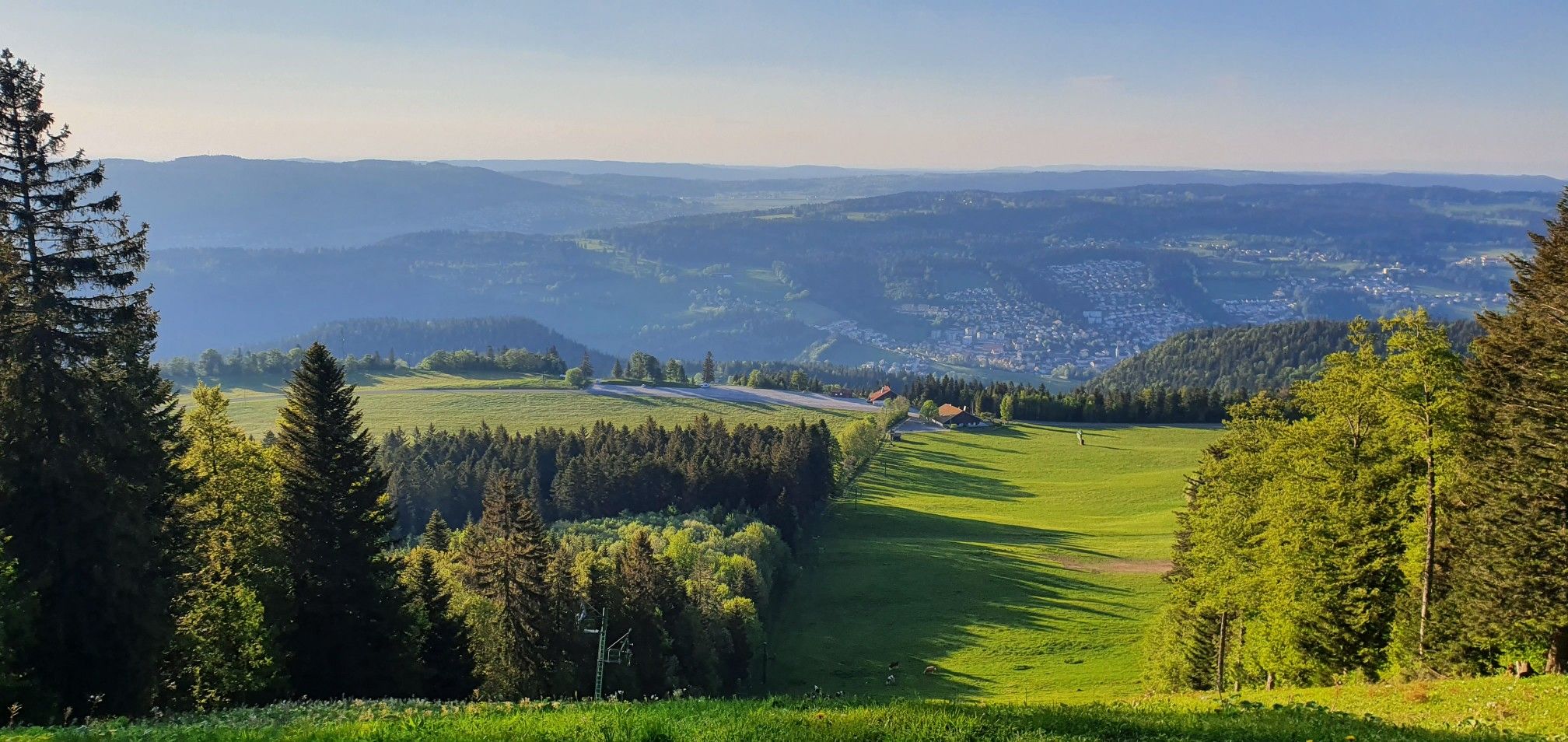
GR 5 – The Europe Trail from the Mediterranean to Germany
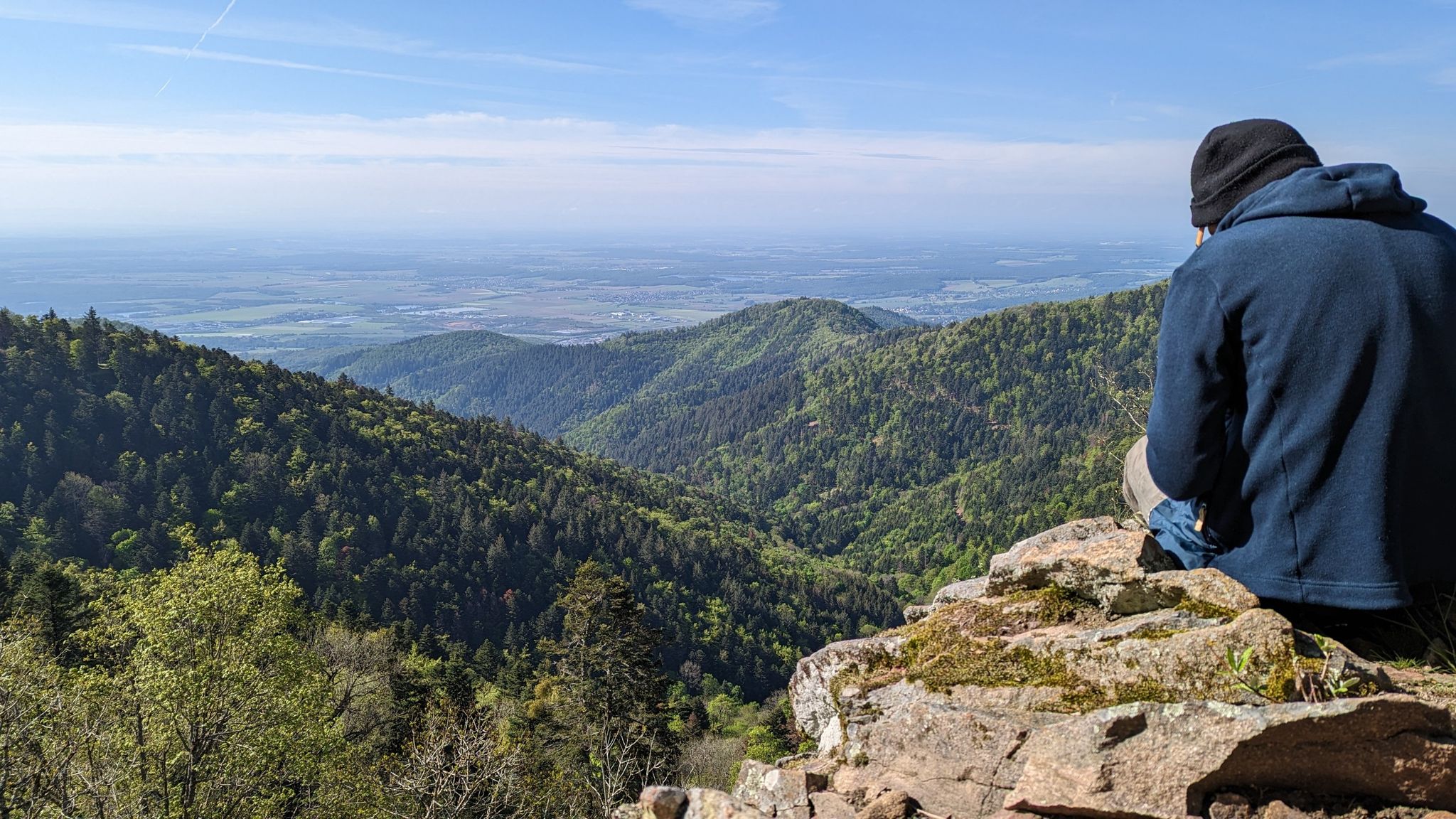
Sentier de l'Europe (GR 5) – Montbéliard to Abreschviller
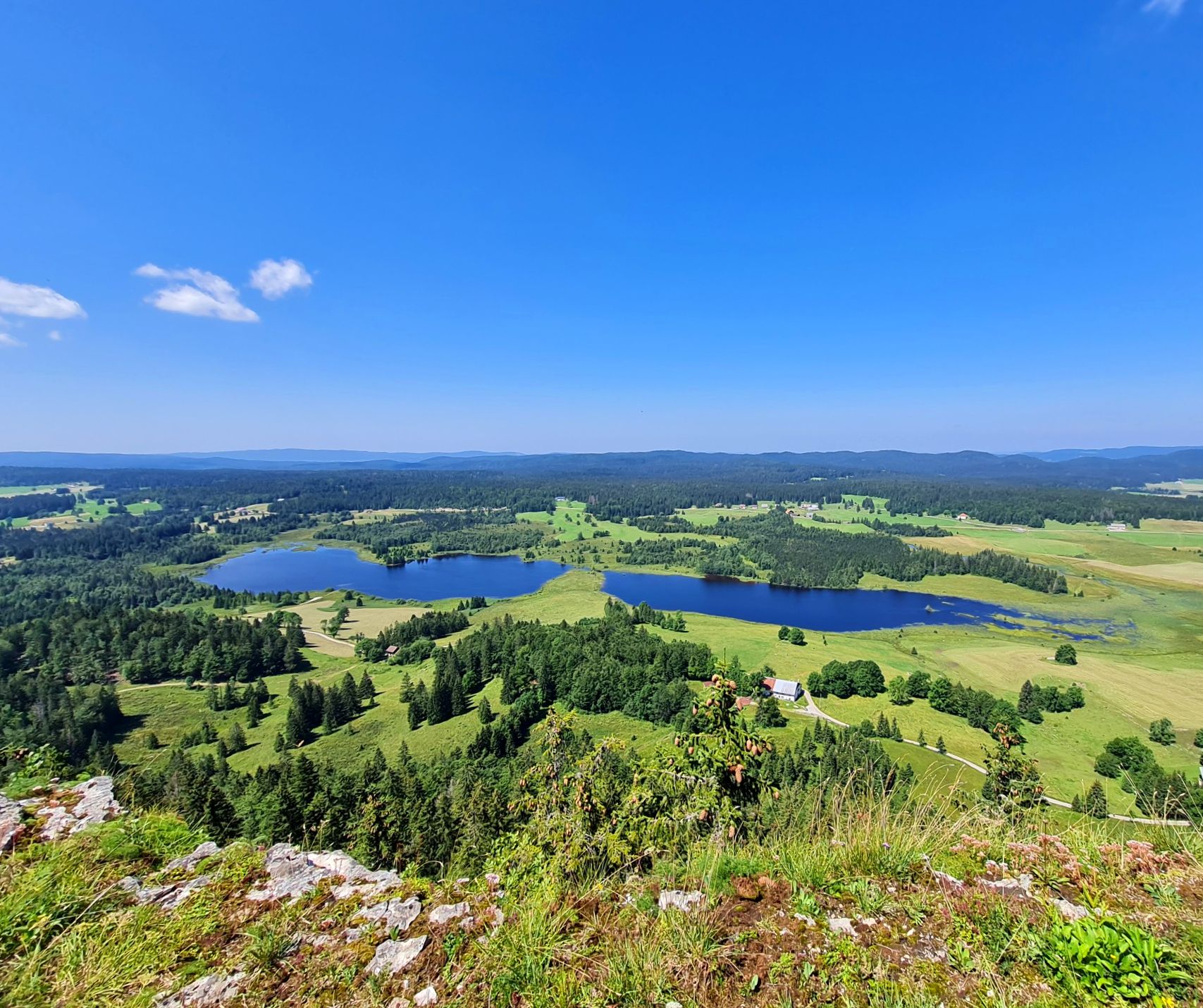
The Europe Trail – GR 5 from Nyon to Montbéliard
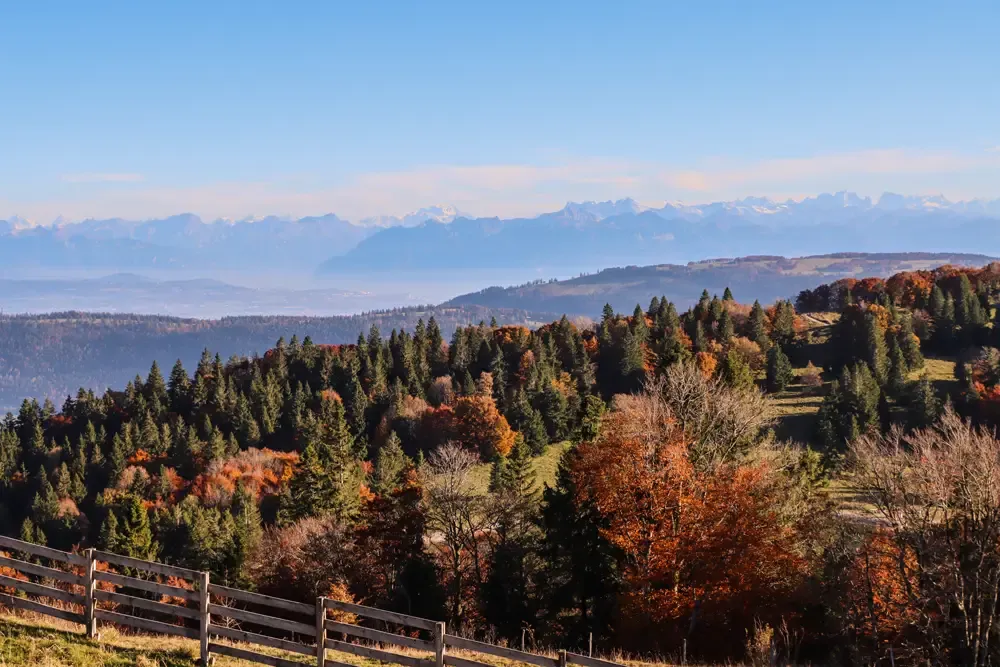
Grande Traversée du Jura en VTT — The Great Crossing of the Jura by MTB
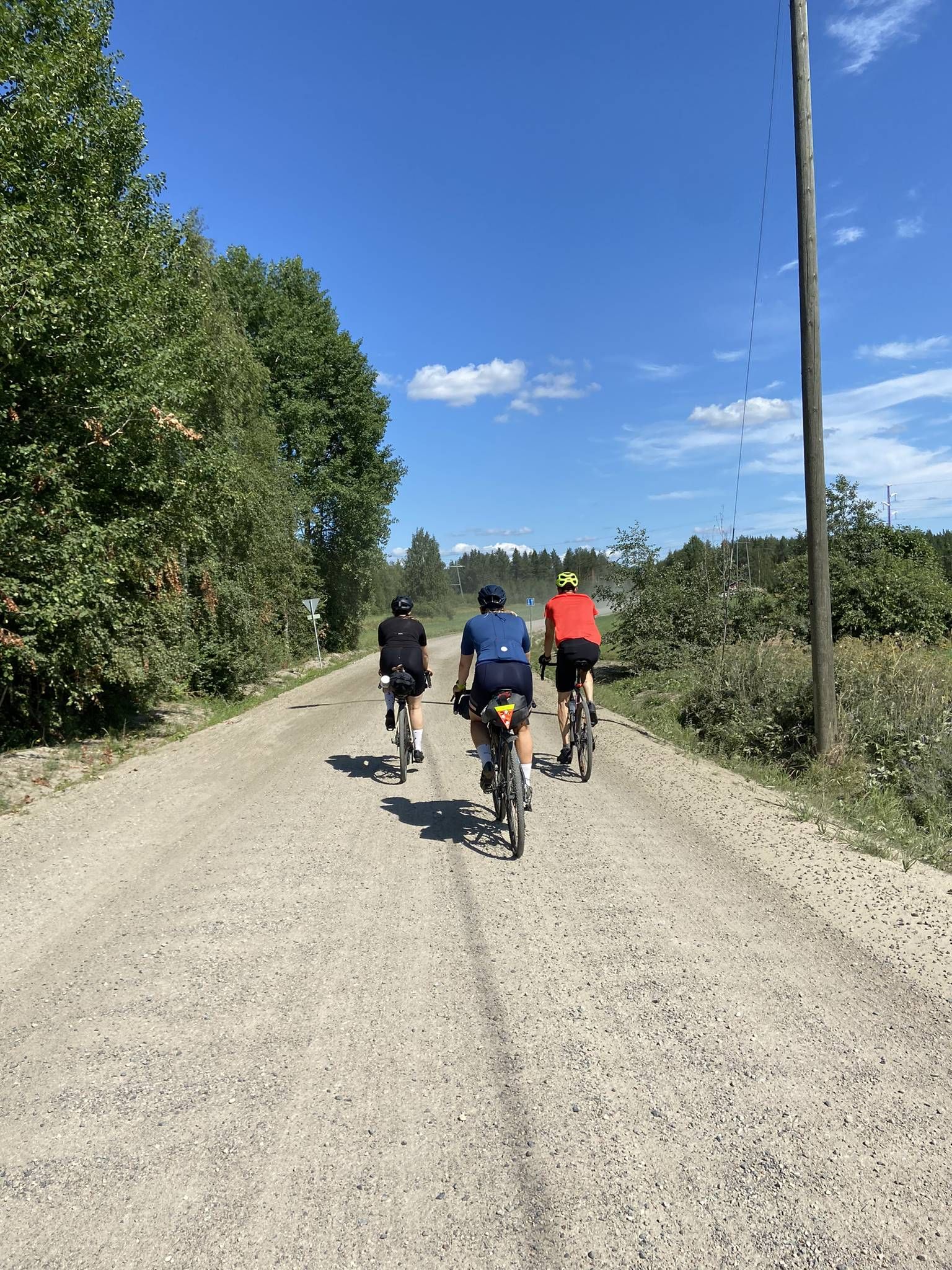
Naples to North Cape — Two friends, one purpose and many scoops of ice-cream
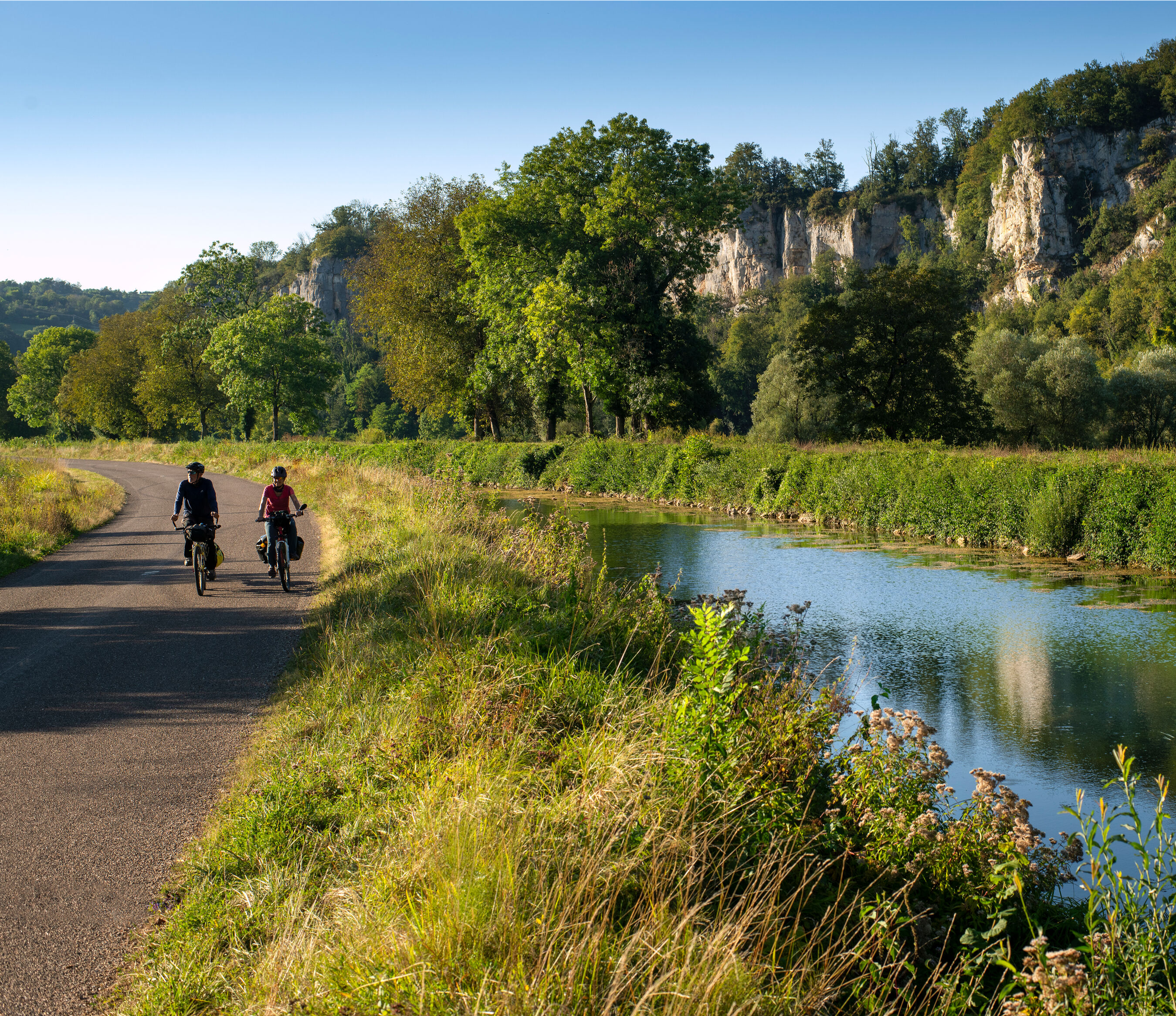
Burgundy-Franche-Comté by bike – between vineyards and peaks
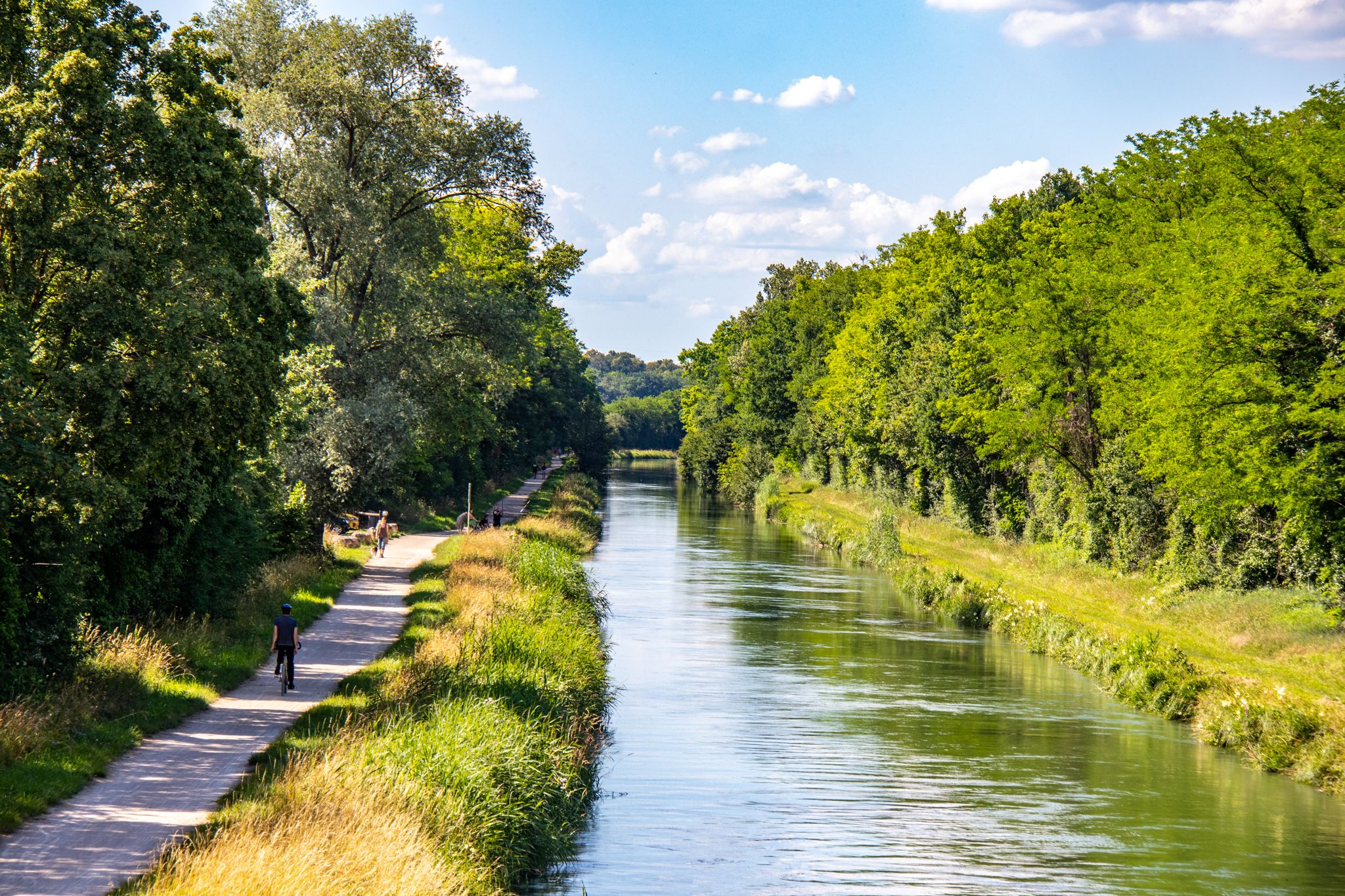
EuroVelo 6 – between the Rhine and the Loire by bike
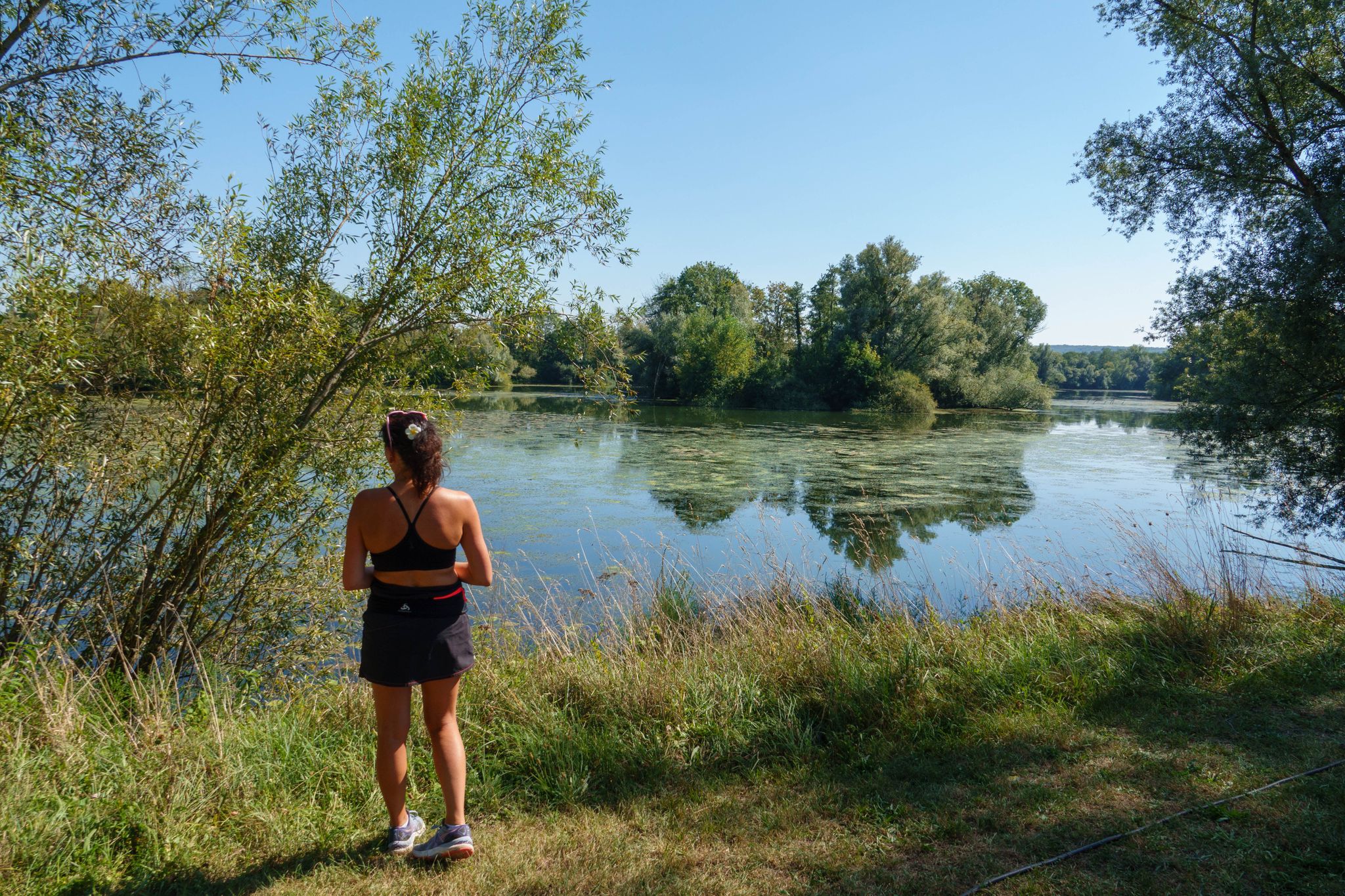
Hiking in the Vallée de l’Ognon — between villages, forests and rivers
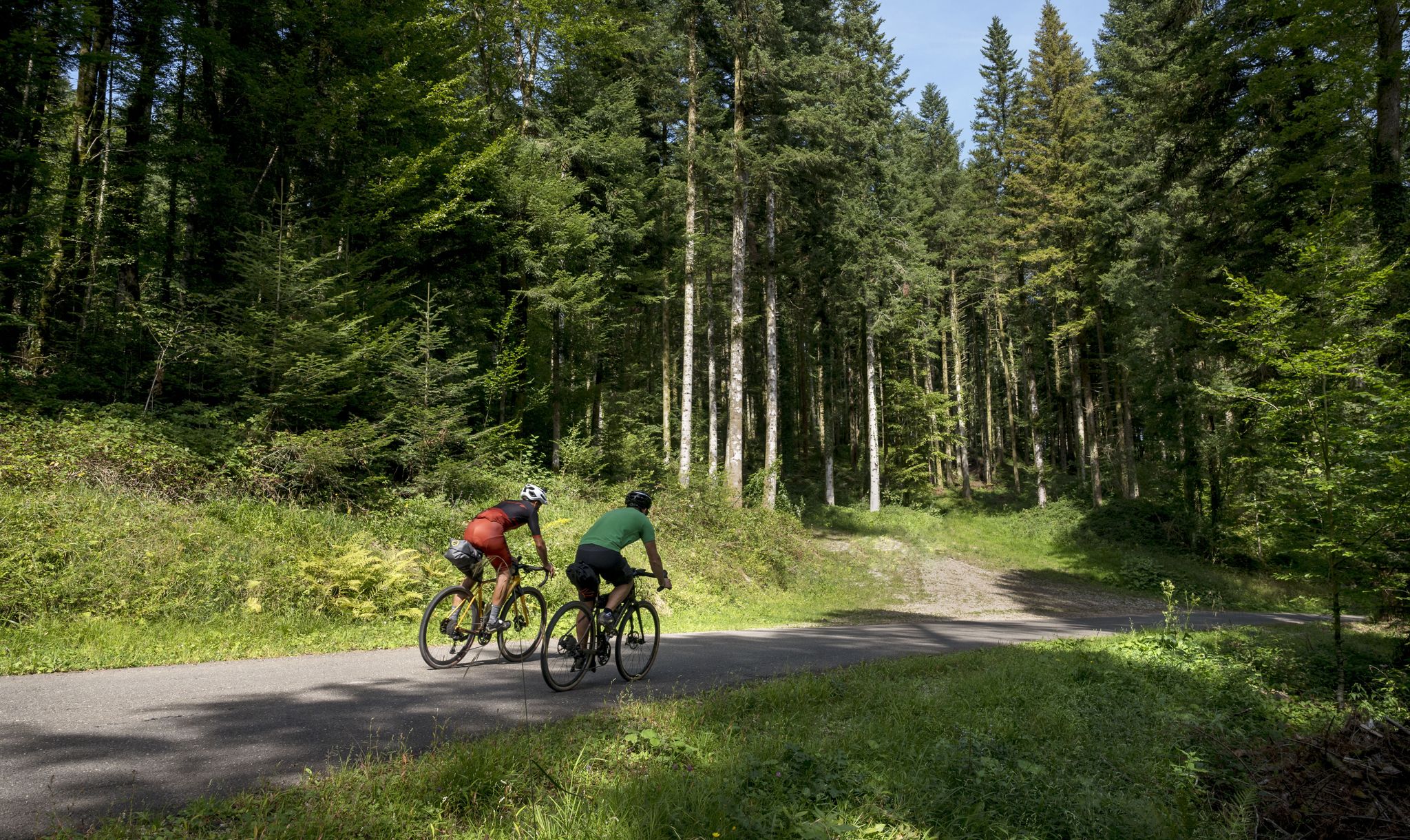
Grande Traversée du Jura - the gravel adventure
Other adventures in Doubs


Tips from the Community

a big hole
0
0
a perfect place to recharge your batteries
0
0

The source of the Loue River is announced by the rushing water even before you see it. It's impressive and magical to stand beneath the 150-meter-high cliffs and watch the river rush out of its cave.
5
1

According to the listing: Pets welcome https://de.montagnes-du-jura.fr/sit/grotte-dosselle
0
0

Does anyone know if you can go in there with a dog?
0
0
Remember not to venture too far into the cave
0
0

The three Arcier springs are fed by the infiltration waters of the Nancray plateau. Shortly after they gush out of the mountain in beautiful waterfalls, they come together to form the Arcier stream, which quickly flows into the Doubs. They have been known since antiquity, and supply Besançon with water via a Roman aqueduct of which remains remain. Currently, a trout fish farm benefits from its pure, fresh waters.
0
0

The spring is simply gigantic and there aren't too many tourists - at least when we were there.
1
0
Frequently Asked Questions
What types of caves can I explore in Doubs?
Doubs offers a diverse range of underground experiences, including spectacular karst springs like Source de la Loue and Lison Spring, unique ice caves such as the Grotte de la Glacière, and extensive cave systems suitable for caving enthusiasts like Cavottes Cave. You'll find underground rivers, diverse mineral formations, and sites of paleontological significance.
Are there any historically significant caves in the Doubs region?
Yes, the Grotte d'Osselle is particularly notable, being one of Europe's oldest tourist caves, open since 1504. It's also famous as Europe's largest necropolis of cave bears, where the first complete cave bear skeleton was discovered. Historical figures like Voltaire and Cuvier have visited this site.
Which caves are suitable for families or beginners?
The Lison Spring is considered family-friendly, offering a powerful waterfall and an accessible converted cave. For those interested in an introduction to caving, Cavottes Cave (also known as Montrond Cave) is highly recommended due to its varied features that are not overly difficult, making it ideal for beginners.
Can I visit caves that are wheelchair accessible?
The Grotte d'Osselle offers a section of its 1.2 km accessible route that is wheelchair-friendly, allowing many visitors to experience its natural beauty and historical significance.
What unique geological features can I expect to see in Doubs caves?
You can encounter a variety of geological wonders. The Grotte d'Osselle is known for its diverse and colorful crystallizations, ranging from green to red, white, blue, brown, black, grey, and orange. The Grotte de la Glacière features spectacular ice formations and perennial ice, a rarity for non-glacial caves. Karst springs like Source du Pontet showcase powerful water expulsions and walls of limestone tuff.
What is the best time of year to visit the caves in Doubs?
Many caves, like the Grotte d'Osselle, maintain a constant temperature (e.g., 13 degrees Celsius), making them suitable for visiting year-round. The Grotte de la Glacière, with its sub-zero temperatures and ice formations, offers a particularly captivating and cool escape during the summer months.
Are there any caves near Besançon?
Yes, Cavottes Cave (Montrond Cave) is located near Besançon and is a popular spot for caving enthusiasts. Additionally, the Bisontin Cave, known for its natural arch and rock courtyard, is also in the vicinity.
What other outdoor activities can I do near the caves in Doubs?
The Doubs region offers numerous outdoor activities. You can find various cycling routes, including touring bicycle trails, road cycling routes, and gravel biking paths. Many of these routes pass through scenic landscapes near the region's natural springs and caves.
What do visitors enjoy most about the caves in Doubs?
Visitors frequently appreciate the impressive natural beauty, such as the spectacular cirque at Source de la Loue and the powerful, perennial waterfall at Lison Spring. The unique geological formations, the historical significance of sites like the Grotte d'Osselle, and the opportunity for diverse outdoor activities are also highly valued.
Are there any caves in Doubs that are also known for culinary experiences?
While not natural exploration caves, the Caves d'affinage du Fort St-Antoine are unique. These are old military fort caves that have been converted into cheese-aging cellars, offering a distinct cultural and culinary experience related to the region's famous Comté cheese.
What should I wear when visiting caves in Doubs?
Given that many caves maintain cool temperatures year-round (e.g., 13°C in Grotte d'Osselle, or sub-zero in Grotte de la Glacière), it's advisable to wear layers and bring a jacket, even in summer. For caving activities, appropriate gear for varied progression, including potentially wet or muddy sections, is recommended.
How long does a typical cave visit take in Doubs?
The duration can vary. For guided tours like those at Grotte d'Osselle, a visit might take a couple of hours. For caving experiences such as at Cavottes Cave, activities can last approximately 5 hours, allowing time to explore various sections and techniques.
Most popular routes in Doubs
Most popular attractions in Doubs

Get inspired with the komoot mobile app


Explore more
Extend your search for the best caves by checking out these guides of the top ones in Doubs:
