The best walks and hikes around Ostrów Mazowiecka
38
hikers
14
hikes
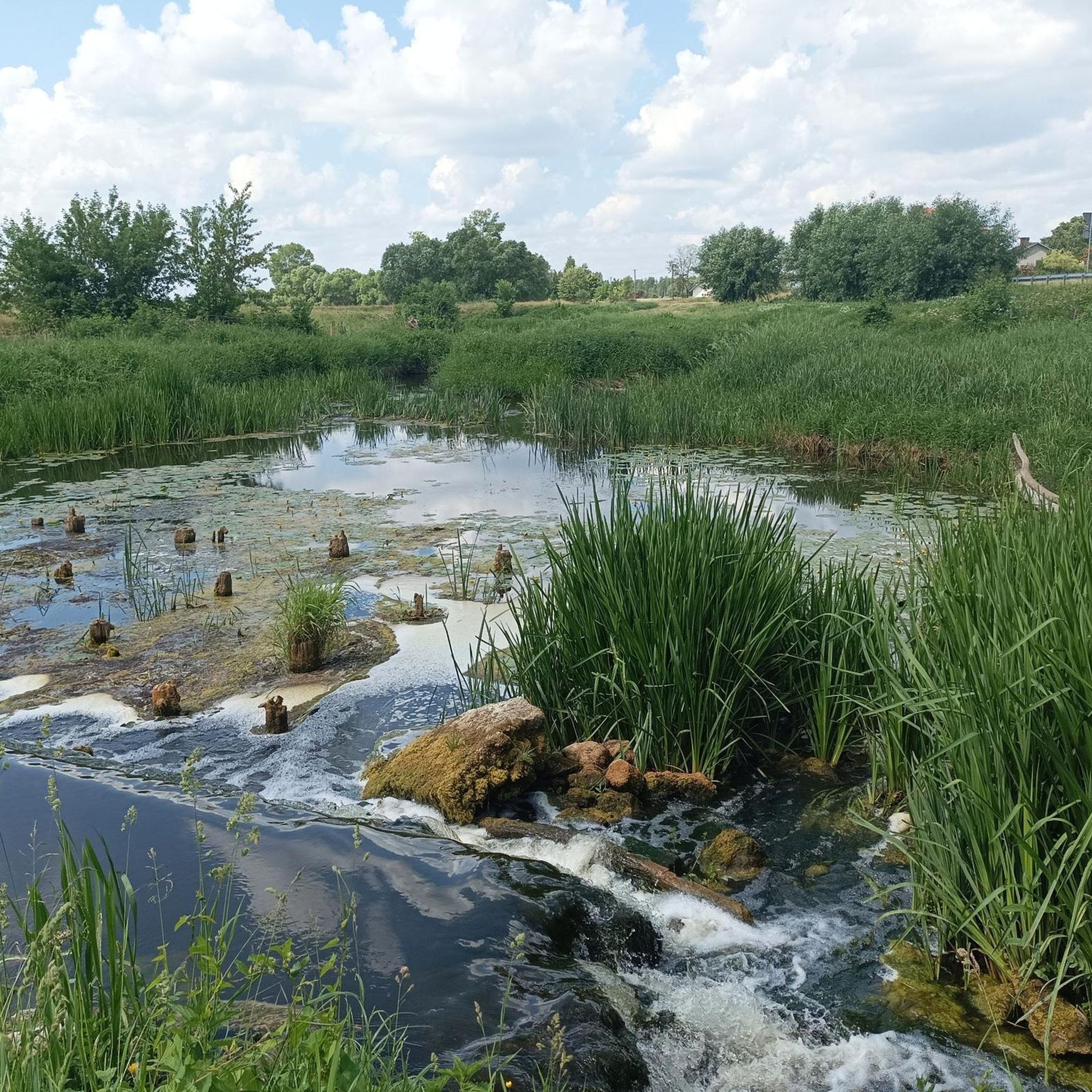
Hiking around Ostrów Mazowiecka is characterized by generally flat terrain, ancient river valleys, and extensive forested areas. The region features diverse woodlands, including parts of the Puszcza Biała, picturesque pine forests, and distinctive wooded dunes known as Łyse Góry. Several small rivers, such as the Wymakracz, Tuchełka, and Struga, crisscross the gmina, with the larger Bug River also influencing the landscape. The low elevation and gentle gradients make the area suitable for accessible hiking.
Best hiking trails around Ostrów Mazowiecka
- The most popular hiking route is Ostrów Mazowiecka Town Hall loop from Ostrów Mazowiecka, a 4.0 miles (6.4 km) trail that takes 1 hour 38 minutes to complete. This easy loop features minimal elevation gain.
- Another top favourite among local hikers is Hiking loop from Ostrów Mazowiecka, an easy 3.2 miles (5.1 km) path. This route offers a straightforward walk through the local surroundings.
- Local hikers also love the Port w Broku loop from Brok, a 1.4 miles (2.2 km) trail leading through the area around the Bug River, often completed in about 34 minutes.
- Hiking around Ostrów Mazowiecka is defined by dense woodlands of Puszcza Biała, riverine landscapes, and wetlands. The network offers options for different ability levels, with 13 easy and 2 moderate trails available.
- The guide includes highly-rated routes that showcase the best of the region's landscape. Around 40 hikers have used komoot to explore Ostrów Mazowiecka's varied terrain.
Last updated: May 15, 2026
3
hikers
6.41km
01:38
20m
20m
Easy hike. Great for any fitness level. Easily-accessible paths. Suitable for all skill levels.
3
hikers
5.14km
01:19
20m
20m
Easy hike. Great for any fitness level. Easily-accessible paths. Suitable for all skill levels.

Sign up for free
3
hikers
2.18km
00:34
10m
10m
Easy hike. Great for any fitness level. Easily-accessible paths. Suitable for all skill levels.
3
hikers
6.66km
01:42
20m
20m
Easy hike. Great for any fitness level. Easily-accessible paths. Suitable for all skill levels.
3
hikers
4.16km
01:04
10m
10m
Easy hike. Great for any fitness level. Easily-accessible paths. Suitable for all skill levels.
Get access to more routes and recommendations from other explorers.
Sign up for free
Already have an account?
Our route recommendations are based on thousands of hikes, rides, and runs completed by other people on komoot.
Start today with a free account
Your next adventure awaits.
Login or Signup
Popular around Ostrów Mazowiecka
Tips from the Community

For the deeds of extraordinary bravery in the 1939 campaign in Poland on the basis of the decree of the Council of Three of 11 November. In 1966, the regiment was awarded the Order of Virtuti Miitari, class V, therefore a sash in the colors of the order is placed next to the banner
2
0
The standard standard of the 1927 pattern, funded by the society of Ostrów Mazowiecka, handed over in Warsaw on May 26, 1938, the godparents of the regimental mark were the mayor of Ostrów Mazowiecka, Leon Czarniecki, and the wife of the staroste, Mrs. Rybicka. http://www.muzeumwp.pl/emwpaedia/sztandar-18-pulku-artylerii-lekkiej-z-ostrowi-mazowieckiej.php
2
0
In October 1918, the Italian government agreed to recruit to Polish units, formed from prisoners of the Austro-Hungarian army, who were an integral part of the army of General Józef Haller. On February 15, 1919, the formation of the 2nd field artillery regiment began at the La Mandria di Chivasso camp. The commander was Cpt. Jan Chlebek, and his adjutant Lieutenant Józef Wartanowicz. The batteries had 1-2 officers and 175 gunners each. By March 10, 12 batteries had been formed, of which the 9th and 11th consisted of older soldiers, and the 12th was to constitute a staff sub-unit. The regiment did not have any weapons, and the soldiers practiced drills, gymnastics and communication service. The education was conducted according to translated French regulations https://pl.wikipedia.org/wiki/18_Pu%C5%82k_Artylerii_Lekkiej
2
0
18th Light Artillery Regiment (18 pal) - a light artillery unit of the Polish Army in France and the Polish Army during the Second Polish Republic. The regiment was formed in Italy in February 1919 as the 2nd field artillery regiment. In spring, it was transported to France in the vicinity of Lure, where it received armaments and military equipment from the French 275th field artillery regiment. After reorganization, the unit was renamed the 7th Field Artillery Regiment. In June he came to Poland, and in September his squadrons went to the front. On March 7, 1920, the regiment changed its name to the 18th Kresy Field Artillery Regiment. The regiment, initially part of the General Bonnin Group, and later the 18th Infantry Division, fought in Podolia, took part in the Kiev expedition, became famous for the battles with Budyonny's 1st Cavalry Army, defended the Warsaw direction, to fight victorious battles at the end of the Polish-Bolshevik war. Volhynia and Podolia. In autumn 1921 the regiment was transferred to Łomża, and later to Ostrów Mazowiecka [4] and housed in the Różan barracks [
2
0
Currently, the seat of the municipal authorities of the Municipal Office and the Registry Office
2
0
Town Hall in Ostrów Mazowiecka - a building erected in the neo-baroque style in 1927. It is located at the Duchess Anna Mazowiecka square. The initiator of the construction of the town hall was the mayor of Ludwik Mieczkowski, and the designer was the architect Stefan Zwolanowski. Destroyed during World War II and rebuilt.
2
0
In 1514, Duchess Anna Mazowiecka granted the right to hold 4 fairs a year and 1 market a week, which significantly accelerated the development of Ostrów Mazowiecka. Markets and fairs were an important factor guaranteeing the development of the medieval town.
2
0
In 2004, the city of Ostrów Mazowiecka celebrated the 570th anniversary of obtaining municipal rights. To mark the jubilee, the City Council responded favorably to the initiative of the Mayor of the City, and on February 2, 2004, adopted a resolution on the erection of a monument to Princess Anna Mazowiecka, in order to commemorate her merits for the development of the city of Ostrów Mazowiecka. The unveiling of the monument by Miłosława Skoczek, located in the City Park, in front of the town hall, took place on June 6, 2004. 570th anniversary of Ostrów Mazowiecka
2
0
Frequently Asked Questions
What kind of landscapes can I expect to see while hiking near Ostrów Mazowiecka?
Hiking around Ostrów Mazowiecka primarily takes you through the expansive Puszcza Biała (White Forest). This area features a diverse mix of tree stands, including pine, oak-hornbeam, ash-alder, and alder forests. You'll also encounter picturesque riverine landscapes with oxbow lakes and extensive wetlands, particularly along the Bug River and its tributaries. The region is known for its rich biodiversity, offering opportunities for nature observation.
What is the general difficulty level of hiking trails in Ostrów Mazowiecka?
The hiking trails around Ostrów Mazowiecka are largely accessible, with 13 out of 15 routes rated as easy. There are also 2 moderate trails for those seeking a slightly greater challenge. The region's low elevation and gentle gradients make most paths suitable for a wide range of abilities.
Are there hiking trails suitable for families with children in Ostrów Mazowiecka?
Yes, many trails in the Ostrów Mazowiecka area are well-suited for families. The region's generally easy and accessible paths, often with minimal elevation gain, make them ideal for walks with children. For example, the Hiking loop from Ostrów Mazowiecka is an easy 5.1 km path that offers a straightforward walk through local surroundings.
Are there any circular hiking routes available in Ostrów Mazowiecka?
Yes, the area offers several circular routes perfect for a varied hiking experience. A popular option is the Ostrów Mazowiecka Town Hall loop from Ostrów Mazowiecka, which is 6.4 km long and features minimal elevation. Another great choice is the Port w Broku loop from Brok, a shorter 2.2 km easy trail.
What natural attractions or points of interest can I find along the hiking trails?
While hiking, you'll be immersed in the natural beauty of the Puszcza Biała, known for its diverse ecosystems and rich biodiversity. The region also features several nature reserves like "Bartnia" and "Popławy," protecting valuable ecosystems. For historical points of interest, the Ruins of the Bishops of Płock Castle and the Ruins of the Castle in Brok are notable landmarks that can be explored in the vicinity.
Can I bring my dog on the hiking trails around Ostrów Mazowiecka?
Generally, dogs are welcome on hiking trails in the Puszcza Biała region, provided they are kept under control, preferably on a leash, to protect local wildlife and ensure the safety of other hikers. Always remember to clean up after your pet.
Are there any longer hiking routes for experienced hikers?
While most trails are easy, the region offers options for longer walks by combining routes or exploring the extensive network of the Puszcza Biała. The longest single route listed is the Ostrów Mazowiecka Town Hall loop from Ostrów Mazowiecka at 6.4 km. For extended adventures, consider exploring the broader network of paths within the White Forest, which covers approximately 85,000 hectares.
What is the best time of year to go hiking in Ostrów Mazowiecka?
The Puszcza Biała region offers a healthy microclimate, making it pleasant for hiking throughout much of the year. Spring and autumn are particularly beautiful, with vibrant foliage and comfortable temperatures. Summer provides lush greenery, while winter can offer serene, snow-covered landscapes for those prepared for colder conditions.
Are there any historical landmarks or cultural sites to visit near the hiking paths?
Yes, beyond the natural beauty, the area holds historical significance. You can visit the Ostrów Mazowiecka Town Hall, which is part of a popular loop trail. Additionally, the St. Andrew the Apostle Church in Brok and the ruins of castles, such as the Ruins of the Bishops of Płock Castle, offer glimpses into the region's past.
How many hiking trails are available around Ostrów Mazowiecka?
There are 15 hiking trails available around Ostrów Mazowiecka, offering a variety of options for different preferences and skill levels. These routes primarily explore the diverse landscapes of the Puszcza Biała.
Are there any trails that offer unique ecosystems or specific natural features?
Yes, the region is rich in unique natural features. The presence of the Bug River and its tributaries creates extensive wetlands and oxbow lakes, which are crucial habitats for diverse flora and fauna. Trails like the 'Kules Peatbog Nature Trail' (mentioned in region research) provide opportunities to explore these distinct wetland ecosystems, contrasting with the dense forest.
Most popular routes around Ostrów Mazowiecka
Most popular attractions around Ostrów Mazowiecka

Get inspired with the komoot mobile app


Explore more
Browse the best Hikes in other regions.
