Top 13 Natural Monuments around Val-de-Travers
Best natural monuments around Val-de-Travers include a diverse range of geological formations in the Swiss Jura. This region is characterized by impressive rock cirques, deep gorges carved by rivers, and unique karst features. Visitors can explore a landscape shaped by water and ice, offering numerous natural landmarks and viewpoints. The area provides opportunities to discover significant natural features.
Best natural monuments around Val-de-Travers
- The most popular natural monuments is Creux du Van, a gorge that is an exceptional natural…
Last updated: July 23, 2026
Via Ferrata du Tichodrome
Highlight • Climb
Translated by Google •
Tip by

Sentier des quatorze contours
Highlight (Segment) • Natural Monument
Translated by Google •
Tip by

Sign up now to discover places like this
Get recommendations on the best single tracks, peaks, & plenty of other exciting outdoor places.
Sign up for free
Glacière de Monlési Ice Cave
Highlight • Cave
Translated by Google •
Tip by
Karst Spring of the Areuse
Highlight • Natural Monument
Translated by Google •
Tip by
View of the Creux du Van
Highlight • Viewpoint
Translated by Google •
Tip by

Source of the Noiraigue Stream in Noiraigue
Highlight • River
Translated by Google •
Tip by

Val de Travers
Highlight • Viewpoint
Translated by Google •
Tip by

Source of the Areuse
Highlight • River
Translated by Google •
Tip by

Ancient Linden Tree
Highlight • Natural Monument
Translated by Google •
Tip by

Linden Tree of the Catholics
Highlight • Natural Monument
Translated by Google •
Tip by

Sign up for free to discover even more natural monuments around Val-de-Travers.
Sign up for free
Already have an account?
Start today with a free account
Your next adventure awaits.
Login or Signup
Popular around Val-de-Travers
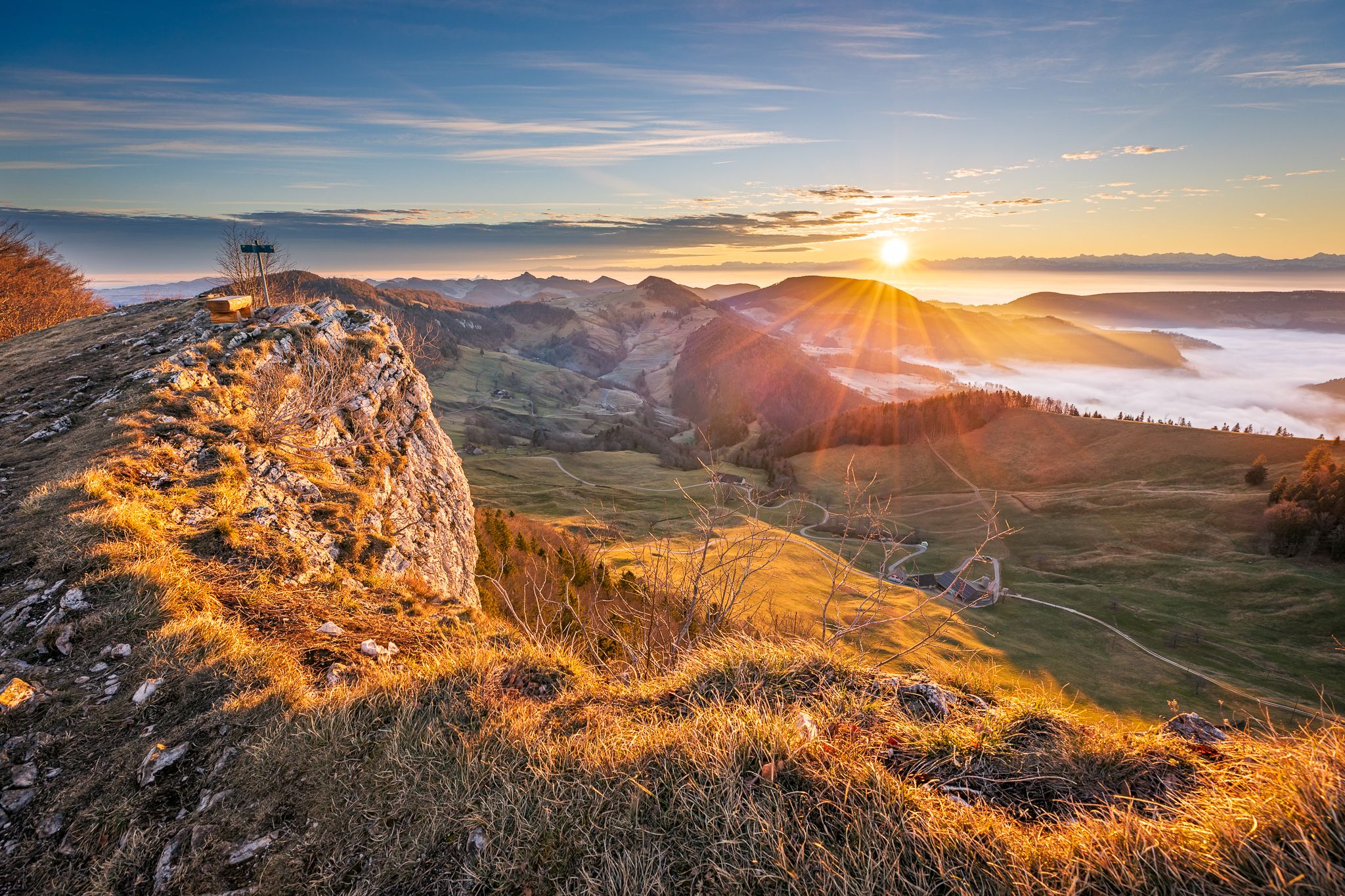
Jura Crest Trail - Rocks, distant views and fondue - 16 stages
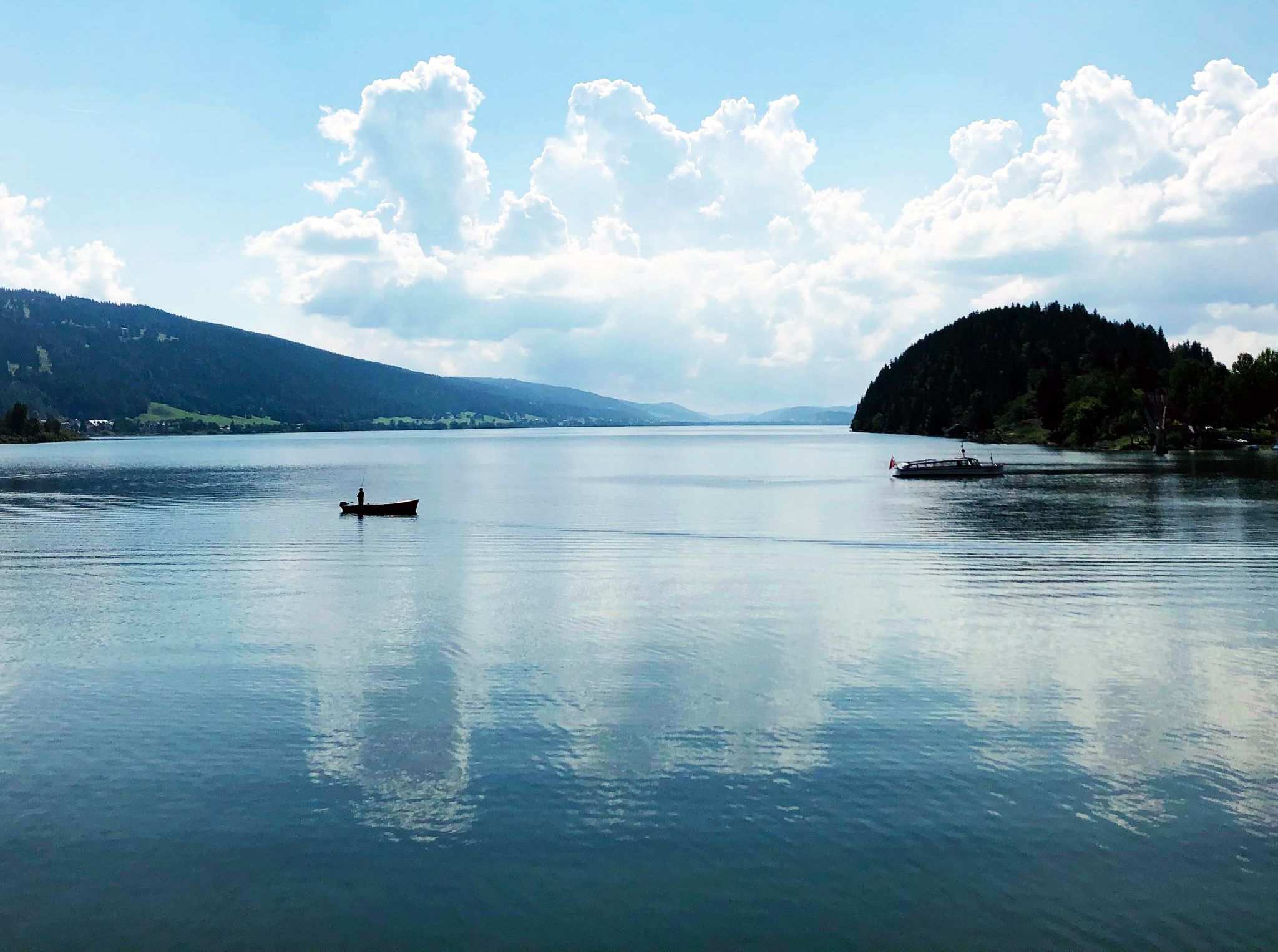
Cycling the Jura from Basel to Lake Geneva in 6 stages
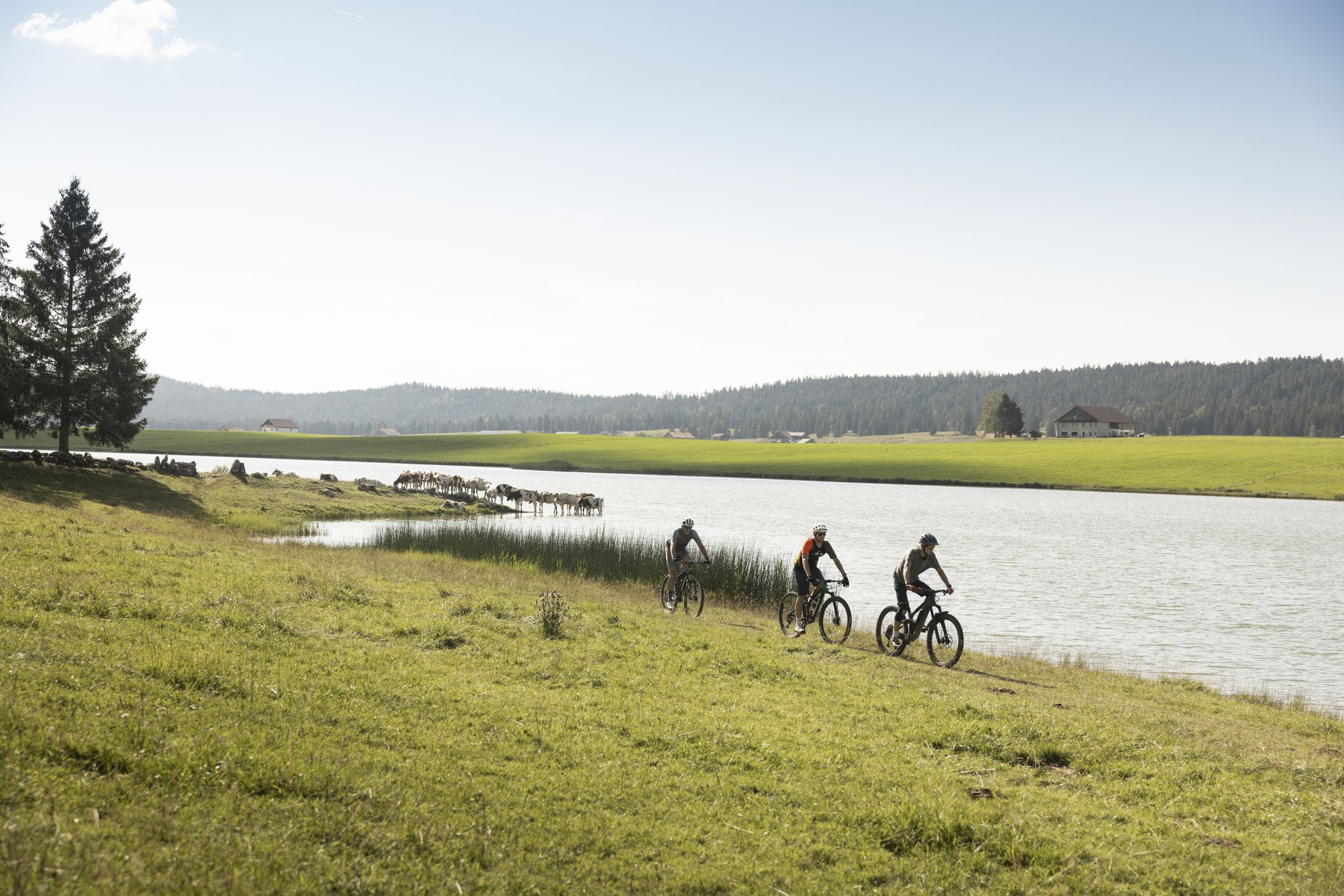
Cycling in the Jura & Three-Lakes Region
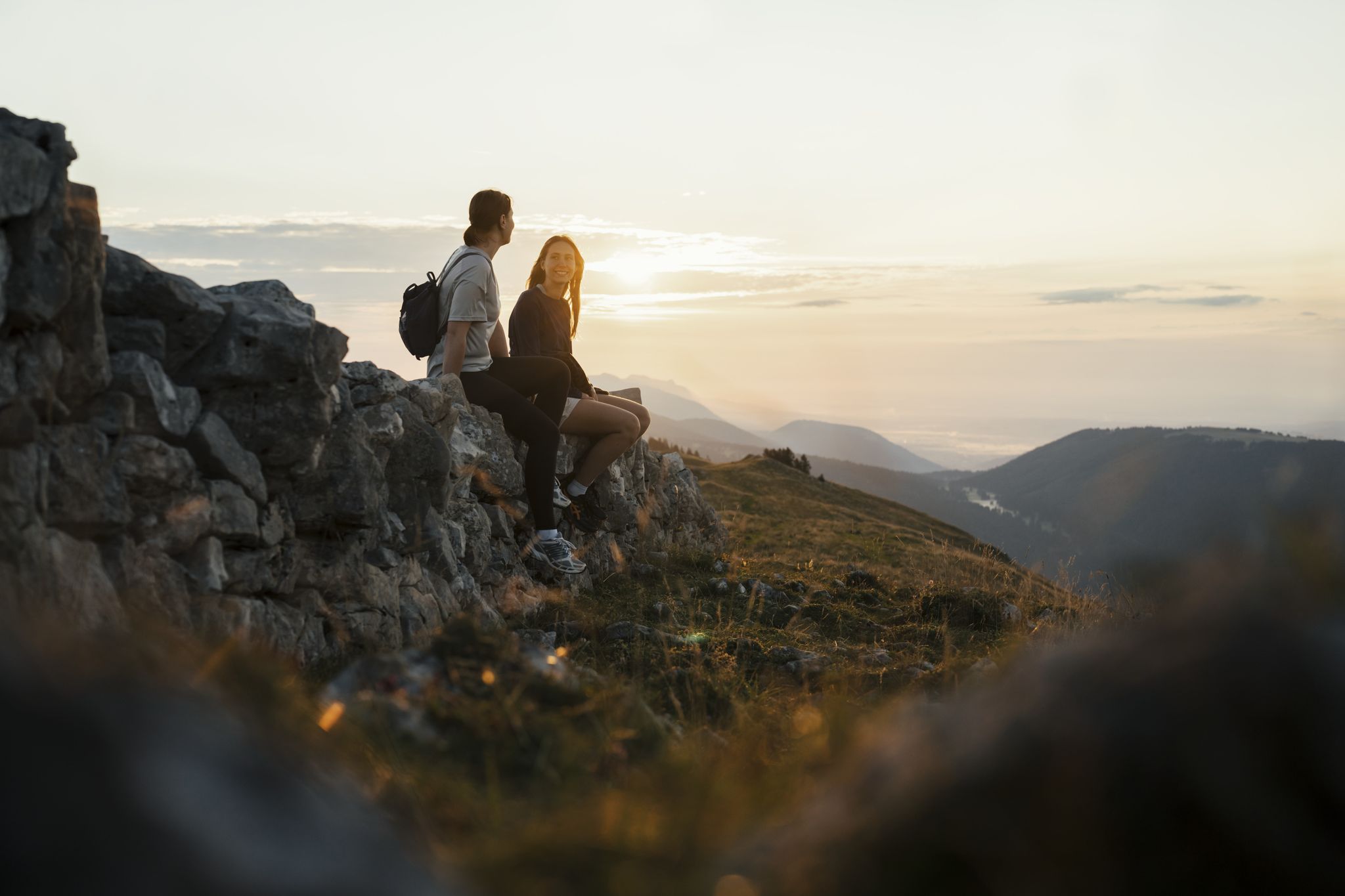
Panoramic hikes in the Jura & Three-Lakes Region
Waterside hiking in the Jura & Three-Lakes region
Through forests, meadows and gorges – The Neuchâtel Bike
Ride through the magnificent Swiss Jura – La Trans Jurassienne
From the Vosges to the Jura mountains – Hexatrek, le Grand Est
Jura — Visit the farms of organic pioneers
Schottergenuss und Gaumenschmaus – Grand Gourmet Rides durch die Schweiz
Other adventures around Val-de-Travers


Tips from the Community

beautiful here, simply fantastic
2
0


Added to the collection: komoot.com/de-de/collection/3600632/-naturdenkmaeler-besondere-baeume-und-weitere-schaetze-der-natur
0
0

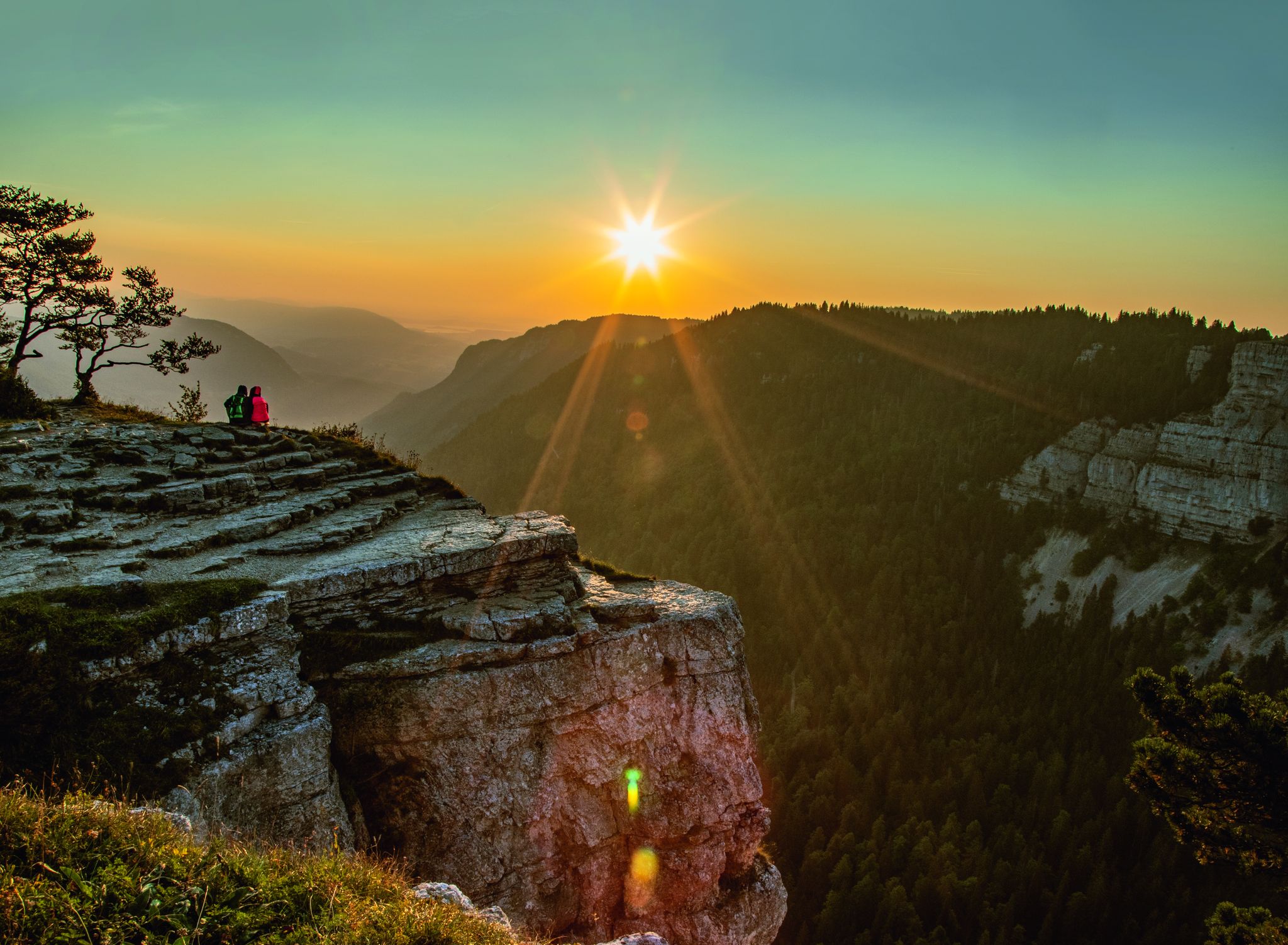
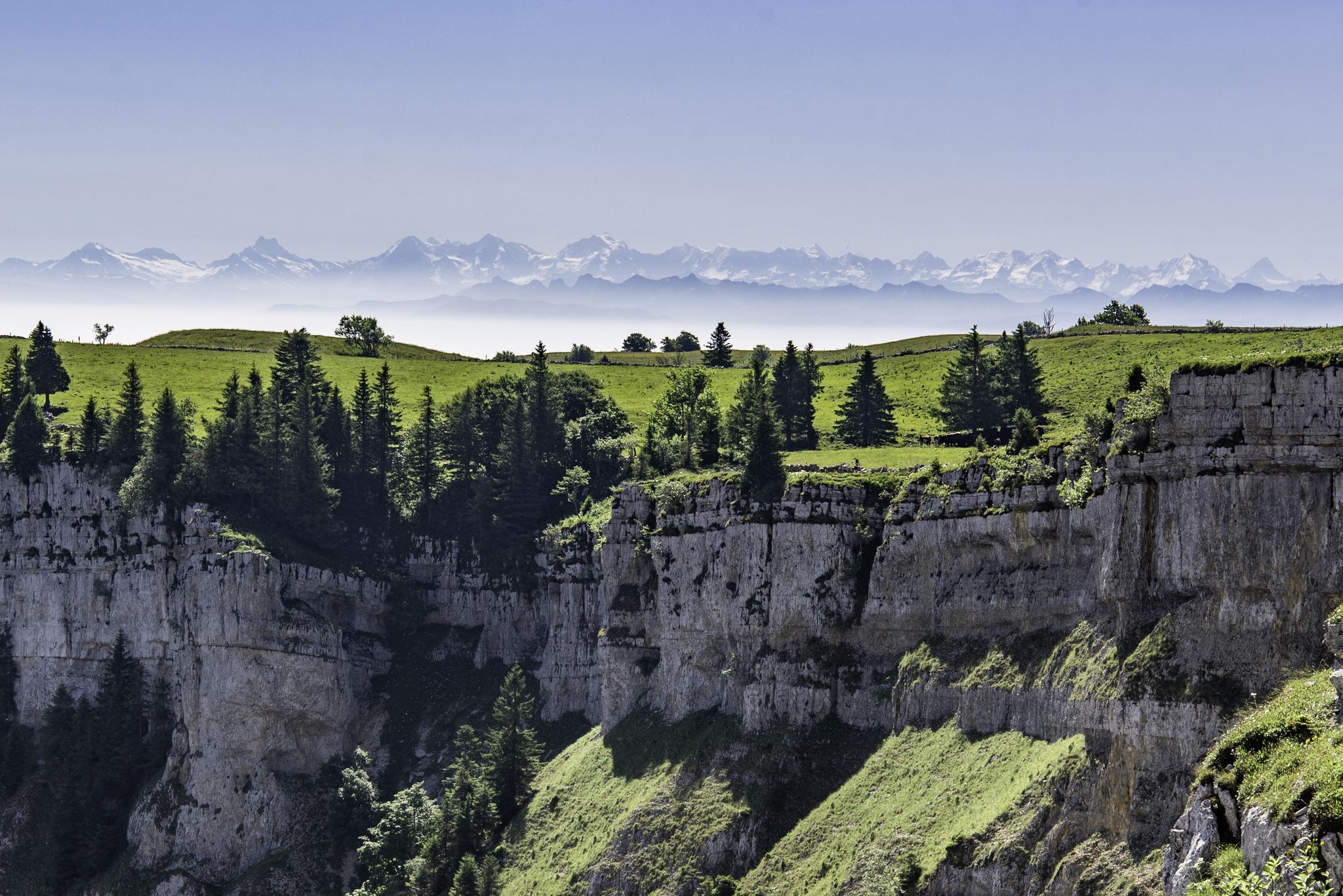
The Creux du Van is approximately 1,200 meters wide and 500 meters deep. The total length of the rock faces, which drop approximately 160 meters vertically, is approximately four kilometers. The area is located near Mont Soliat at 1,200 to 1,450 meters above sea level. It has been protected since 1972 and is included in the federal inventory of landscapes and natural monuments of national importance. Source: https://share.google/qQ4zo9CPIq9SnEl6N
6
0
From Noiraigue, the last section of the hiking trail leads over these 14 curves (Sentier des 14 Contours). The climb is definitely worth it; the view over the Creux du Van is breathtaking.
7
2


There is a restaurant there, if you want to go there you should definitely take cash with you, there is no card payment.
3
1
Frequently Asked Questions
What are some of the most impressive natural features to explore in Val-de-Travers?
Val-de-Travers is renowned for its dramatic geological formations. The most iconic is the Creux du Van, a massive natural rock cirque with cliffs plunging 160 meters. You can also explore the picturesque Areuse Gorges, known for their winding river and lush trails, and the unique Glacière de Monlési Ice Cave, the largest natural ice cave in Switzerland.
Are there family-friendly natural monuments or trails in the Val-de-Travers region?
Yes, several natural monuments in Val-de-Travers are suitable for families. The Source of the Noiraigue Stream in Noiraigue is a family-friendly spot. While some trails can be challenging, many sections of the Areuse Gorges offer relatively gentle paths, and the Ancient Linden Tree is also noted as family-friendly.
What kind of hiking experiences can I expect around the natural monuments?
You can find a variety of hiking experiences. For instance, the 'Sentier des 14 contours' (Sentier des quatorze contours) offers a challenging ascent with magnificent views up to the Creux du Van. The Areuse Gorges provide a picturesque, mostly downhill hike along the river. For a unique forest hike with narrow passages, consider the Poëta-Raisse Gorge.
What is the best time of year to visit the natural monuments in Val-de-Travers?
The natural monuments are beautiful year-round, but each season offers a different experience. Spring and autumn are ideal for hiking, with pleasant temperatures and vibrant foliage. Summer is great for enjoying the cool air in the gorges. Winter can transform the landscape into a snowy wonderland, though some trails might require specific gear or be less accessible.
Are there any natural monuments that are particularly good for viewpoints?
Absolutely. The Creux du Van is famous for its breathtaking panoramic views from the cliff edges. Other highlights like the Karst Spring of the Areuse and the Source of the Areuse also offer scenic spots to enjoy the natural surroundings.
Can I find cafes or amenities near the natural monuments?
While many natural monuments are in pristine natural settings, you can often find amenities in nearby villages. For example, Noiraigue is a common starting point for hikes to Creux du Van and the Areuse Gorges, where you can find cafes and other services. It's always a good idea to check local village offerings before your visit.
What are some other outdoor activities I can do near the natural monuments in Val-de-Travers?
Beyond hiking, Val-de-Travers offers various outdoor activities. You can find excellent road cycling routes, such as the 'Eau de Princes Spring – Creux du Van loop' or the 'Brévine Valley – Lac des Taillères loop'. For more ideas, explore the Road Cycling Routes around Val-de-Travers guide. There are also numerous running trails, including loops around the Creux du Van, detailed in the Running Trails around Val-de-Travers guide.
Are there any unique natural monuments related to water in the region?
Yes, Val-de-Travers is rich in water-related natural monuments. The Karst Spring of the Areuse is a fascinating natural spring emerging from limestone rocks, marking the beginning of the Areuse river. The Areuse Gorges themselves are a testament to the power of water shaping the landscape, featuring waterfalls and dramatic cliff walls.
What should I know about the geology of the Creux du Van?
The Creux du Van is a spectacular natural rock cirque, a result of thousands of years of erosion by wind and water on limestone. Its sheer, 160-meter high cliffs form a natural amphitheater, showcasing the impressive geological forces that have shaped the Swiss Jura mountains. It's a prime example of karst topography.
Are there any natural monuments that are less known but worth visiting?
While the Creux du Van and Areuse Gorges are popular, the The Fairy Cave offers a unique underground experience. Additionally, the Linden Tree of the Catholics is a distinctive natural monument with historical and cultural significance, providing a different kind of natural wonder.
Is public transport available to reach the natural monuments?
Yes, public transport can be used to access several natural monuments. For instance, Noiraigue is a key hub, accessible by train, and serves as a starting point for popular routes to the Creux du Van and the Areuse Gorges. It's advisable to check local train and bus schedules for specific access points.
Most popular routes around Val-de-Travers
Most popular attractions around Val-de-Travers

Get inspired with the komoot mobile app


Didn’t find what you were looking for?
Find even more amazing natural monuments around Val-de-Travers by checking out the top Highlights region by region:
Explore more
Extend your search for the best caves by checking out these guides of the top ones around Val-de-Travers:
