Attractions and Places To See in Hérault - Top 20
Best attractions and places to see in Hérault include a diverse landscape of historical landmarks, natural features, and cultural sites in Southern France. The region encompasses the Mediterranean coast, significant river systems like the Canal du Midi, and unique geological formations such as the Hérault gorges and Lac du Salagou. Visitors can explore UNESCO World Heritage sites, historic cities like Montpellier, and numerous charming villages. Hérault offers a variety of environments from red earth landscapes to coastal beaches and impressive…
Last updated: October 4, 2026
Chemin de la plage, Agde to Sète
Highlight (Segment) • Beach
Translated by Google •
Tip by

Lido Cycle Path from Sète to Marseillan
Highlight • Cycleway
Translated by Google •
Tip by

Sign up now to discover places like this
Get recommendations on the best single tracks, peaks, & plenty of other exciting outdoor places.
Canal du Midi
Highlight • River
Translated by Google •
Tip by

Beautiful bike path on the Canal du Midi
Highlight • Other
Translated by Google •
Tip by

Royal Canal of Sète
Highlight • River
Translated by Google •
Tip by
Portiragnes lock
Highlight • Structure
Showing Translation
Tip by

Orb Canal Bridge (Pont-canal de l'Orb)
Highlight • Bridge
Translated by Google •
Tip by

Canal du Midi
Highlight • Cycleway
Translated by Google •
Tip by
Between the Étang du Méjean and the Étang de l'Arnel
Highlight • Cycleway
Translated by Google •
Tip by

Canal du Midi green route
Highlight (Segment) • Cycleway
Translated by Google •
Tip by

Sign up for free to discover even more attractions in Hérault.
Already have an account?
Start today with a free account
Your next adventure awaits.
Popular around Hérault

Triathlon 360 – my journey around the world
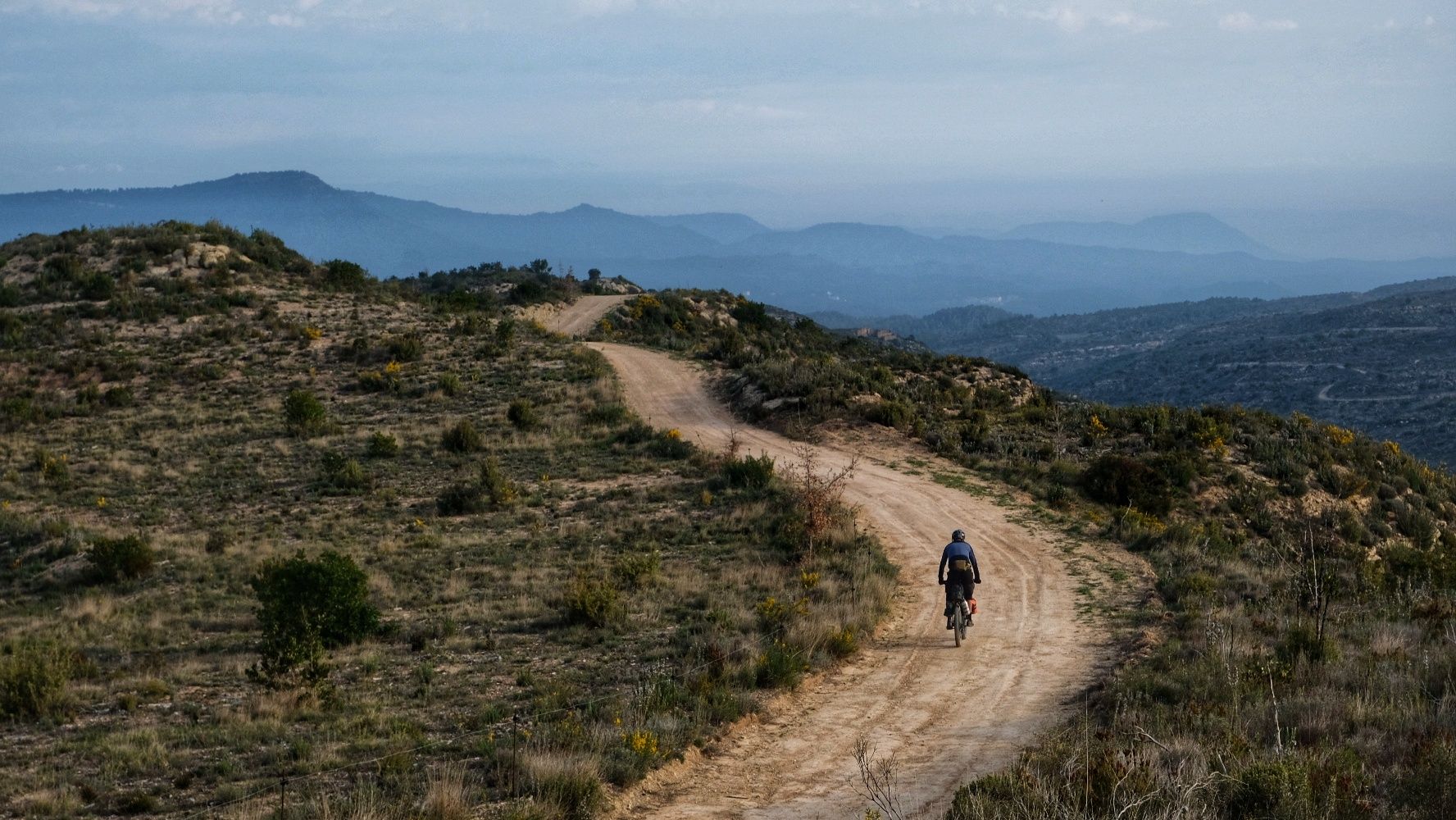
European Divide Trail — 7,600 km across the continent
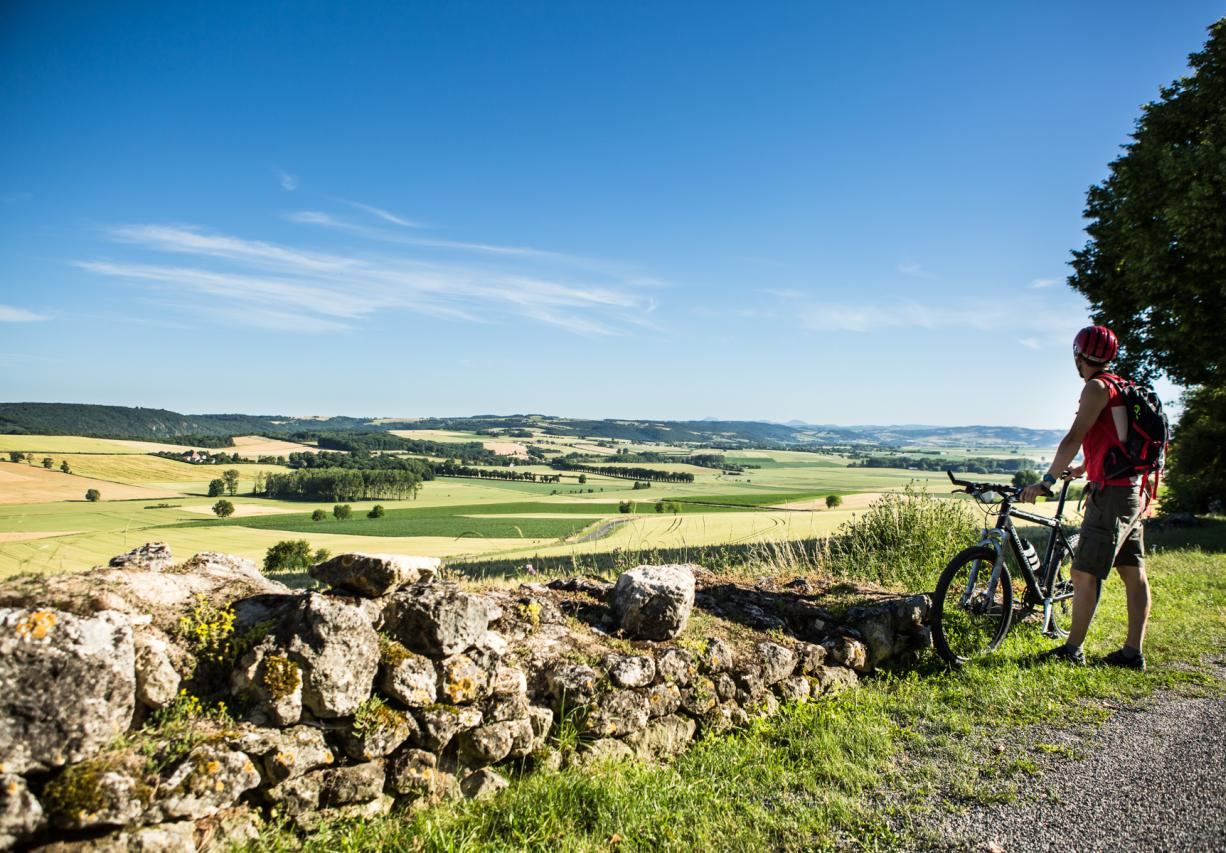
The Grande traversée du Massif Central by gravel bike
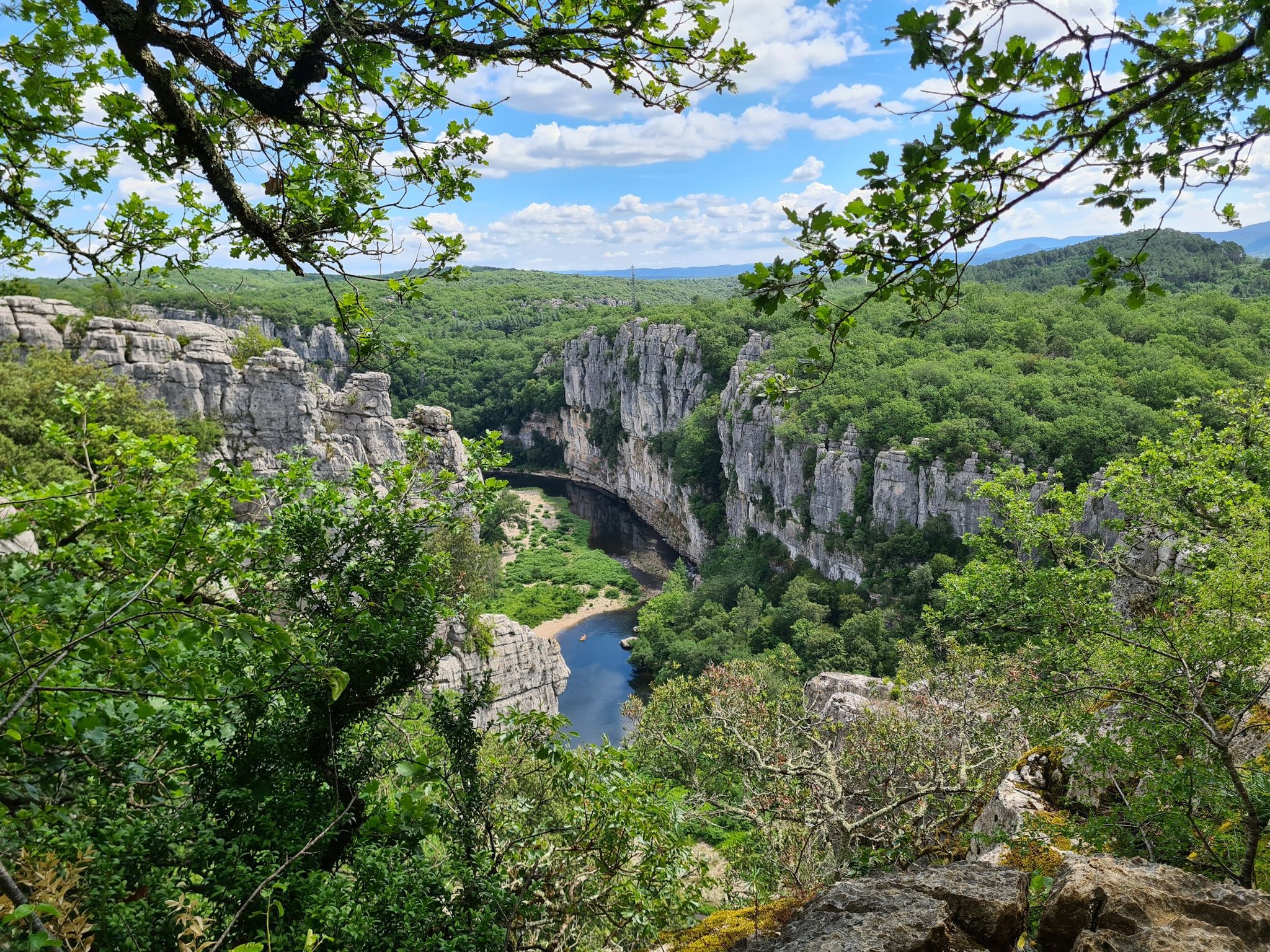
Hexatrek – The Cévennes to the Pyrenees between gorges and limestone plateau
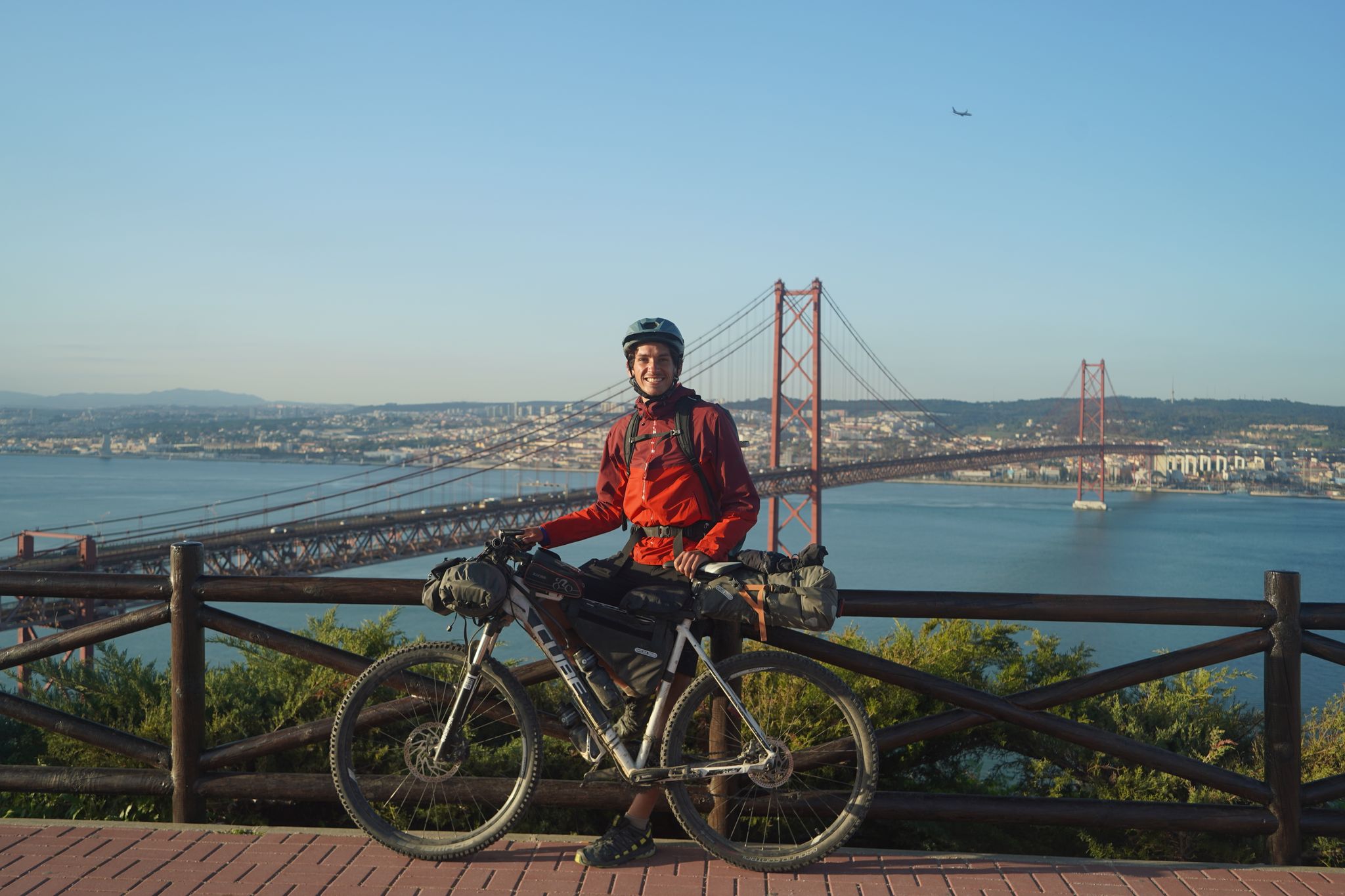
Road to Lisbon – bikepacking the Alps, Pyrenees and Picos de Europa
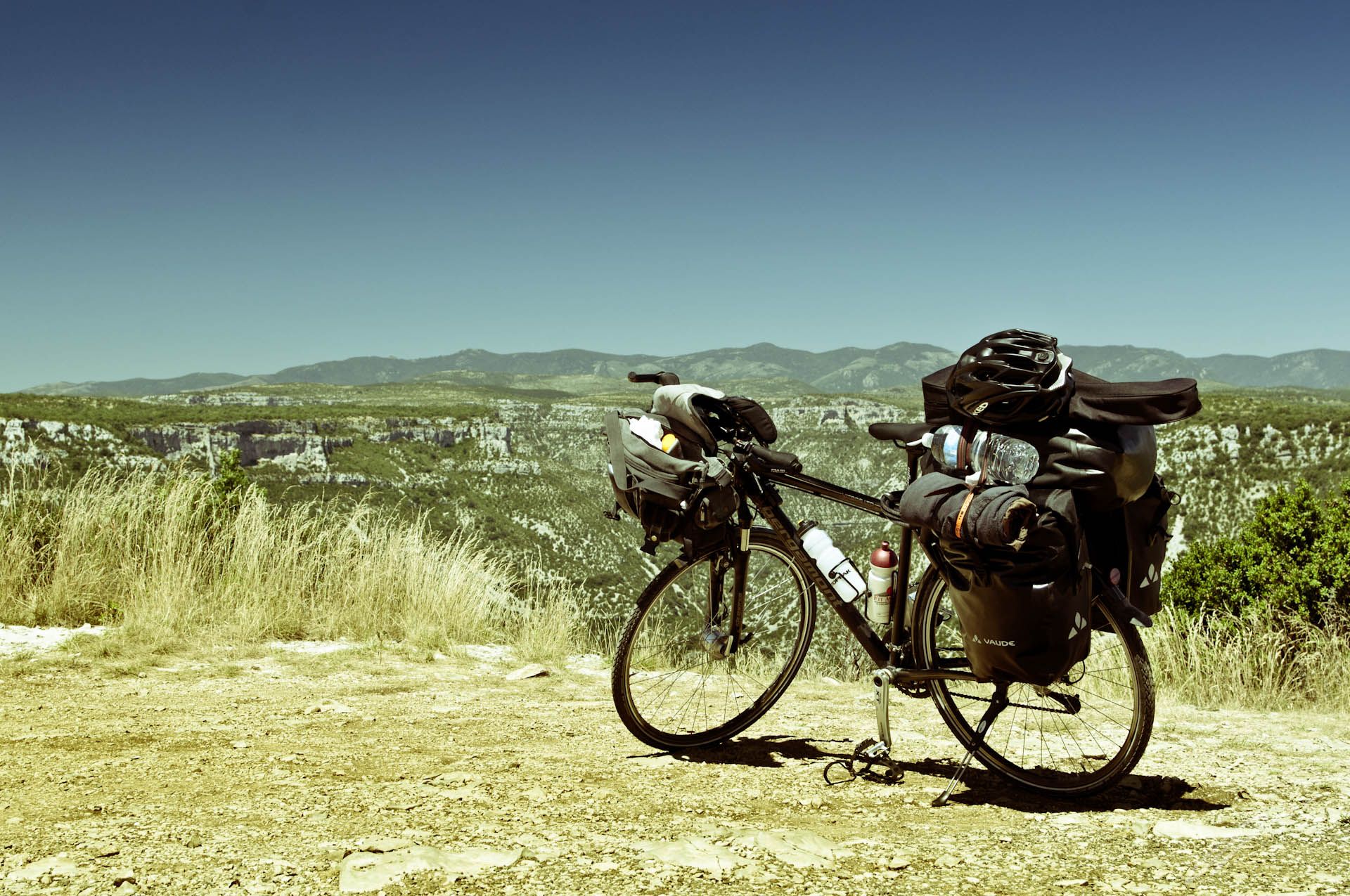
Follow the sun – riding from Germany to the south of France
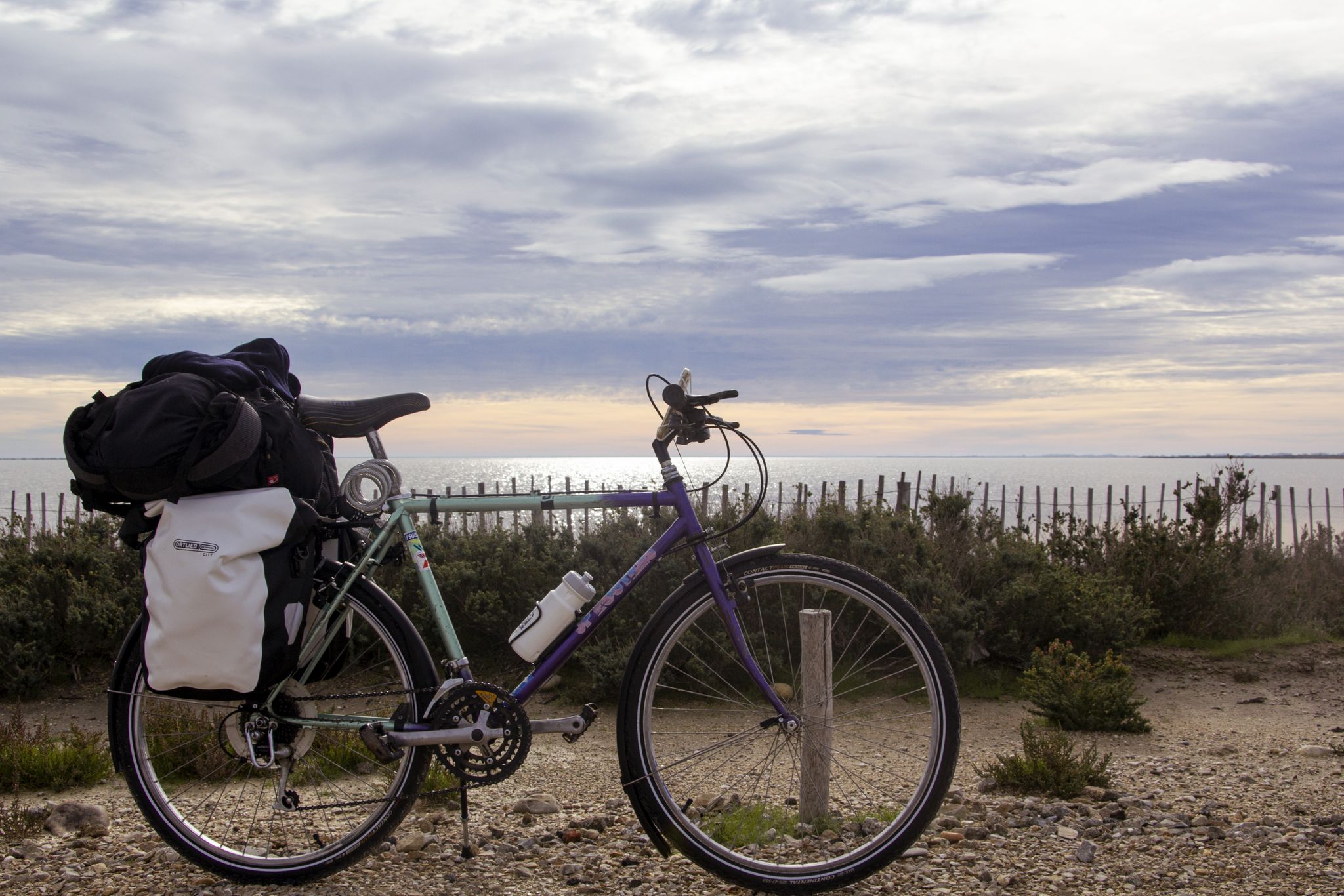
From Marseille to Montpellier — France's south coast by bike
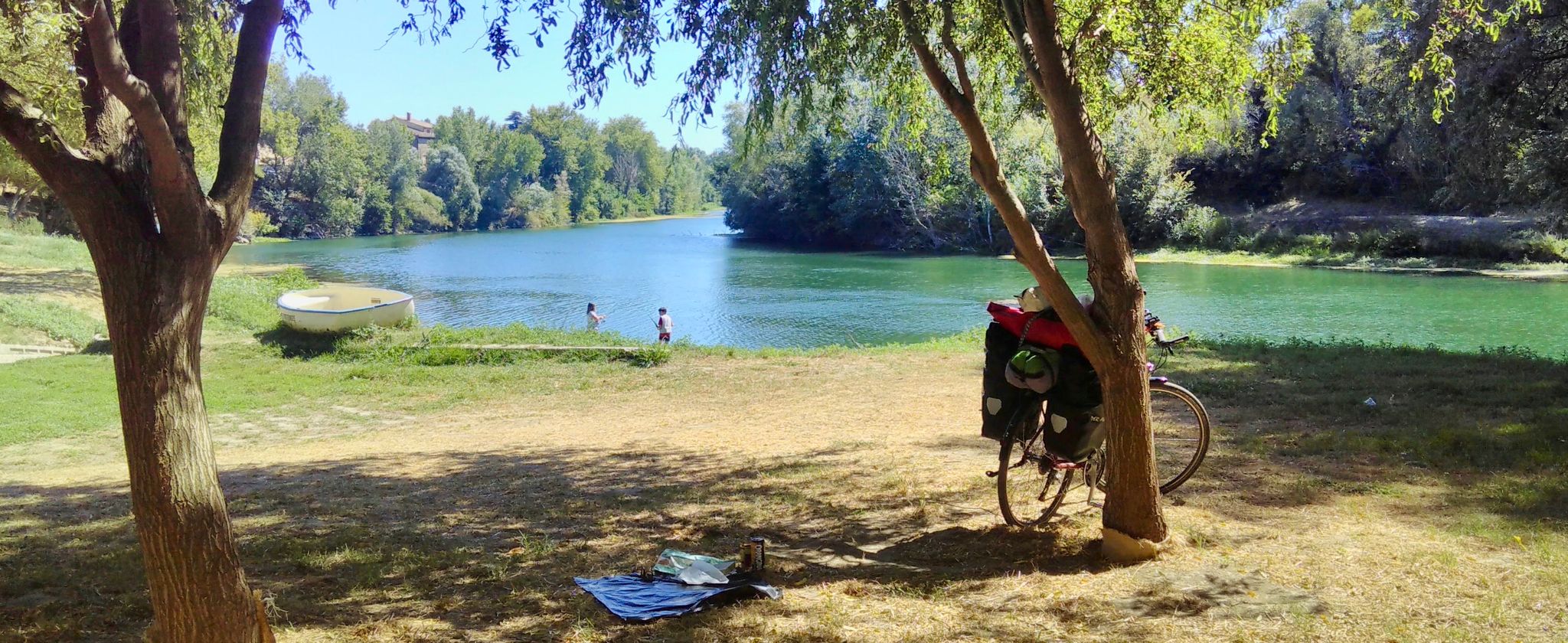
Via Rhôna — cycling the Rhone Valley Way from Lyon to the Mediterranean
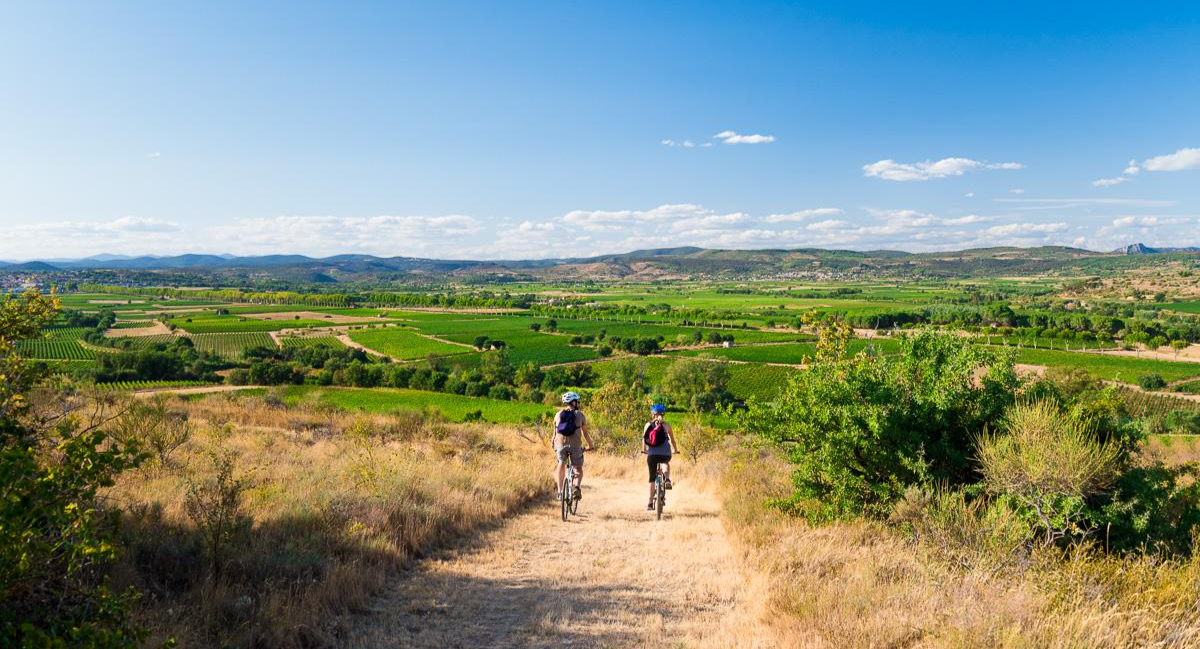
Cap d’Agde by bike – a unique terroir and wines with character

Running the trails and races of the Cap d’Agde
Other adventures in Hérault


Tips from the Community

The Canal du Midi was built between 1667 and 1681 and stretches for around 240 kilometers from Toulouse to the Étang de Thau. Since 1996, it has been a UNESCO World Heritage site. Over 340 years of history – and yet, it is sometimes the very simple moments by the water that remain the most memorable. 👌🏼 Greetings Marcus ✌🏼
2
0
🌅 Evening mood on the Canal du Midi When the sun slowly sets and its light reflects on the water of the Canal du Midi, the canal shows itself from a completely different side. Between the dark rows of trees, the calm water, and the low-lying sun, precisely that typical southern French atmosphere is created, for which you don't really need a grand viewpoint. 🇫🇷☀️ Greetings Marcus
2
0

The étang du Méjean (also called étang de Pérols) is a protected natural site of over 600 hectares located in Lattes, just 8 kilometers south of Montpellier. Managed by the Conservatoire du littoral, this exceptional lagoon space offers a mosaic of preserved landscapes (marshes, reed beds, sansouïres) where you can easily observe pink flamingos, white storks, bulls, and Camargue horses.
0
0
L'étang de l'Arnel is a vast coastal lagoon located in the municipality of Villeneuve-lès-Maguelone, in the Hérault department, less than 20 km south of Montpellier.
0
0
The coastline between Sète and Marseillan-Plage, called the Lido, is a sandy strip of about 12 kilometers separating the Mediterranean Sea from the Thau lagoon. La Voie Verte du Lido: A 12 km long secure track reserved for cyclists and pedestrians, built on a former section of road moved to combat erosion.
0
0
The Canal du Midi, formerly Canal Royal, is a 17th-century technical feat designed by Pierre-Paul Riquet to connect the Atlantic to the Mediterranean. Today, it is above all a place for relaxation and discovery, where heritage, nature, and conviviality meet.
0
0

At the Portiragnes lock, you enter a section almost at sea level, where the canal crosses former salt marshes and wind-swept wetlands. Built at the end of the 17th century, this single lock is notable not only for its shape but also for the landscape it heralds: that of the Aude and Hérault coastline.
1
0
The single lock of Portiragnes opens onto the Agde reach downstream. This is a typical area of the landscapes of the Languedoc coastal strip. Indeed, from this lock onwards, the canal surface is at an altitude of only 1 meter above sea level. It runs alongside wetlands of former salt ponds (la grande Maïre), where a rich fauna and flora are found (bulls, horses, waders, amphibians, reeds...) and some pine groves. These places are conducive to the establishment of numerous campsites.
0
0
Frequently Asked Questions
What are some popular cycling routes in Hérault?
Hérault offers excellent cycling opportunities, particularly along the coast and canals. The Chemin de la plage, Agde to Sète, and the Lido Cycle Path from Sète to Marseillan are highly recommended, offering smooth surfaces and access to beaches. You can also cycle almost endlessly along the Canal du Midi, which features towpaths lined with plane trees, providing shade and scenic views. For more cycling ideas, explore the Cycling in Hérault guide.
Are there family-friendly attractions in Hérault?
Yes, Hérault has many family-friendly options. The Royal Canal of Sète is a great spot with its lively port and canals, often called the 'Little Venice of Languedoc.' The Orb Canal Bridge (Pont-canal de l'Orb) is another interesting historical site suitable for families. Natural sites like the Lido Cycle Path from Sète to Marseillan offer facilities like showers and toilets, making beach visits easier for families.
Where can I find easy hiking trails in Hérault?
For easy hiking, Hérault offers several accessible options. You can find routes like the Tour of Lac de Vézoles Trail or the Gallo-Roman site of Ambrussum loop. These trails are generally shorter and less strenuous, perfect for a relaxed outing. Discover more easy hikes in the Easy hikes in Hérault guide.
What natural features should I visit in Hérault?
Hérault is rich in natural beauty. Don't miss the striking red earth landscape of Lac du Salagou, often compared to the Arizona desert, which is popular for swimming and water sports. The Cirque de Navacelles, a UNESCO World Heritage site, offers spectacular geological formations carved by the Vis River. The Gorges de l'Hérault provide impressive limestone cliffs and opportunities for canoeing and swimming. For unique rock formations, explore the Cirque de Mourèze.
Are there any historical sites or charming villages to explore?
Absolutely. Hérault is home to several historical gems. Saint-Guilhem-le-Désert is a UNESCO World Heritage site and one of France's most beautiful villages, centered around the Gellone Abbey. The Pont du Diable (Devil's Bridge), an 11th-century Romanesque bridge, is another UNESCO site spanning the Hérault River. The city of Béziers boasts the impressive Saint-Nazaire Cathedral and the Fonseranes Locks on the Canal du Midi. Pézenas, known as Molière's town, offers cobbled streets and artisan workshops.
Where can I go wild swimming in Hérault?
Hérault offers several spots for wild swimming. The Gorges de l'Hérault feature pebble beaches and clear waters ideal for a refreshing dip. The Gorges d'Héric, located within the Parc Naturel Régional du Haut-Languedoc, are known for natural rock pools, though the water can be quite cold. Lac du Salagou is also a popular spot for swimming in its unique red-hued waters.
What cultural experiences can I find in Hérault?
For cultural experiences, visit Montpellier, the vibrant capital, with its historic l'Écusson quarter, the Peyrou promenade, and the Saint-Pierre Cathedral. Sète, known as the 'Venice of Languedoc,' is a characterful seaside town with a lively fishing port and strong traditions. The Musée Fabre in Montpellier houses a vast collection of European art, and Pézenas is celebrated for its artisan workshops.
Are there any notable viewpoints or panoramic spots?
Yes, Hérault offers stunning panoramic views. The Cirque de Navacelles has several belvederes, such as the north belvedere in Blandas, offering breathtaking perspectives of the natural amphitheater. Hiking up Pic Saint-Loup, towering above Montpellier, rewards climbers with unforgettable panoramic vistas after about a 2.5-hour ascent. The port of Sète also provides naturally breathtaking views, especially in good weather, overlooking the Mediterranean Sea and the Étang de Thau.
What are some unique or less crowded attractions in Hérault?
For a unique experience, explore the Valmagne Abbey, a centuries-old Benedictine monastery with Gothic architecture and Roman foundations, known for its vineyards. The Grotte de Clamouse and Grotte des Demoiselles offer impressive underground adventures with stalactites and stalagmites. The villages of Minerve and Olargues, both listed among 'the most beautiful villages in France,' provide a charming, less crowded glimpse into authentic Hérault.
Can I find waterfall hikes in Hérault?
Yes, Hérault features several beautiful waterfall hikes. You can explore routes like the Caroux and Héric Gorges Loop, or the La Vis Waterfall in Navacelles loop from Blandas. These trails often lead through scenic landscapes to picturesque waterfalls. More details can be found in the Waterfall hikes in Hérault guide.
What is the best time of year to visit Hérault for outdoor activities?
The best time to visit Hérault for outdoor activities generally spans from spring (April-May) to early autumn (September-October). During these periods, the weather is pleasant, with comfortable temperatures for hiking, cycling, and exploring natural sites without the intense heat of mid-summer. Summer (June-August) is ideal for beach activities and wild swimming, though popular spots can be crowded.
Most popular routes in Hérault
Most popular attractions in Hérault

Get inspired with the komoot mobile app


Didn’t find what you were looking for?
Are you keen on exploring more awesome places nearby? Browse our guides:
Explore more
Still not found the Highlight you’re looking for? See guides of the top attractions in other regions:
