Attractions and Places To See around Odivelas - Top 9
Attractions and places to see around Odivelas include a mix of natural landscapes and historical sites. The region, particularly in areas like Baixo Alentejo, features significant water bodies and ancient religious structures. Visitors can explore river systems, reservoirs, and chapels that reflect the area's heritage and natural environment. The diverse points of interest offer opportunities for outdoor activities and cultural exploration.
Best attractions and places to see around Odivelas
- The most popular attractions is Ribeira de Odivelas, a river…
Last updated: July 29, 2026
Odivelas Reservoir
Highlight • Monument
Translated by Google •
Tip by

Ribeira de Odivelas
Highlight • River
Translated by Google •
Tip by

Sign up now to discover places like this
Get recommendations on the best single tracks, peaks, & plenty of other exciting outdoor places.
Sign up for free
Hermitage of Sant' Águeda
Highlight • Religious Site
Tip by
Chapel of Our Lady of Good Success
Highlight • Religious Site
Translated by Google •
Tip by
Vale do Gaio Dam
Highlight • Monument
Located near Torrão, …
Translated by Google •
Tip by
Sign up for free to discover even more attractions around Odivelas.
Sign up for free
Already have an account?
Start today with a free account
Your next adventure awaits.
Login or Signup
Popular around Odivelas
Tips from the Community

This sanctuary is linked to a pilgrimage of great local importance, held on Easter Sunday, and known as the Feast of Saint Águeda and Saint Neutel, and in the past also known as the Milk Pilgrimage. According to tradition, on this day farmers were supposed to offer milk to Saint Águeda, which was then sold at the door of the chapel by pilgrims. It was believed that this ritual would guarantee the fertility of the flocks, while the strong presence of milk as a symbolic element is linked to the torture process of Saint Águeda, during which her breasts were mutilated. The chapel is the main point of the Rota de Sant'Águeda, which also passes by other religious monuments in the parish of Vila Nova da Baronia, such as the Chapel of Nossa Senhora da Conceição and the Igreja Matriz.
3
0
What stands out in this temple is the darkness of its interior. Church with four distinct bodies, the porch, the vaults, the nave and the chancel. Features beautiful paintings and unmatched wealth of iconographic and decorative.
3
0
A dam located in the Xarama river (Sado's River Basin) right in the planes of the Alentejo region. Fishing and swimming are allowed. Motor boats and surfing are allowed with some restrictions.
7
1
Built on the bed of the Odivelas river and located near the village of the same name, the Odivelas dam is one of the largest dams in the Baixo Alentejo. Approximately 5 km long, 3 km wide, and with a flooded area of approximately 970 ha, the Odivelas reservoir is an important gathering point for a variety of aquatic birds. Here you can fish for bass, practice water sports or simply relax and enjoy a light meal in the picnic area in the leisure area.
7
1
The Odivelas Dam was the first Zagope project work, it is located in Baixo Alentejo, in the municipality of Ferreira do Alentejo, in Portugal. It was built on the riverbed of Odivelas River and came into operation in 1972. The water stored in the dam is mainly used for irrigation. The dam is 48 meters high and has a capacity of 96 million m³.
6
1
With a watershed that extends over 509 square kilometres, the Engenheiro Trigo de Morais Dam, better known as the "Vale do Gaio Dam", began operating in 1949. Located near Torrão, on the watercourse of the Xarrama River, the construction was selected by the Order of Engineers to be included in the book “100 Civil Engineering Works in the 20th Century”, which aims to present to society works that have contributed to the development of Portugal and to reinforce the role of Portuguese Engineering in the world. Surrounded by beautiful green areas, the Vale do Gaio dam is an ideal place for sports and water activities (walking, fishing, canoeing, etc.), for a simple walk in the open air or to enjoy a few days of rest in the guesthouse located there. Source: C.M. Alcáçer do Sal
7
1
The chapel was built by order of D. Manuel I, who was Duke of Beja and King of Portugal, hence the connection to Torrão. He liked the site and built the chapel without the Galilee or annexes. It was D. Manuel who came from Lisbon to Évora in 1512 and brought with him one of Vasco da Gama's six brothers, named Sebastião Gama, for the inauguration, while his brother, Vasco da Gama, was at sea. When inaugurating the chapel, he granted a new Charter to the Town of Torrão, meaning that Torrão now has two Charters of the Town. In the 18th century, the annexes and the Galilee were added, as it was at the time of the baptismal font. The roof was restored in 1959 and the new restoration and extensions of the annexes were carried out in 1999. The cross in front of the monument is dated 1958. This cross is not original, as it was built in 1850. However, it was replaced by another that came from the District of Beja, in the care of Mr. António José Sanona, who transported it free of charge in 1958, hence the date indicated above.
7
0

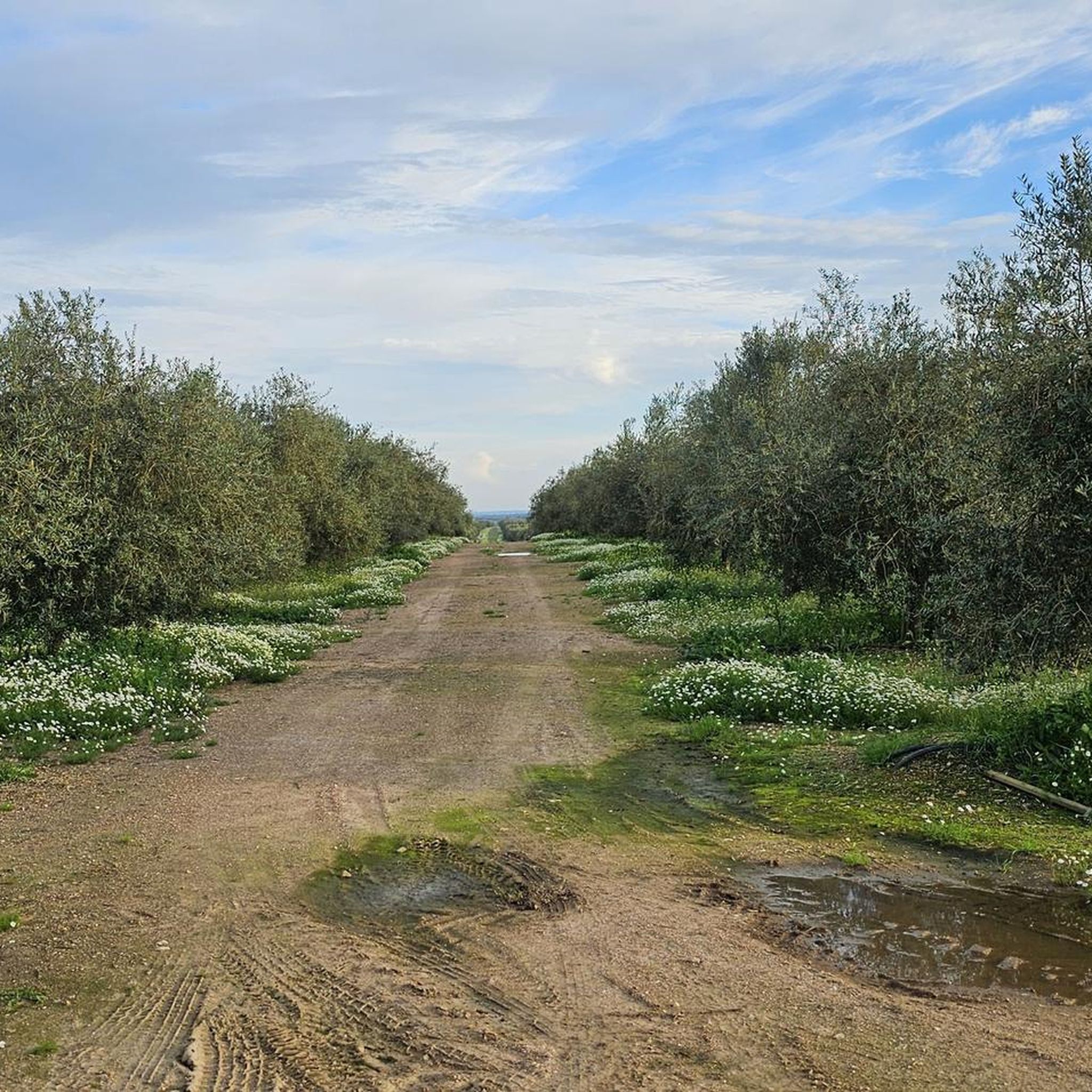
Beautiful hiking trail between the dam and Odivelas. Marked throughout, existing fences have passages
4
1
Frequently Asked Questions
What natural attractions can I explore around Odivelas?
Odivelas offers several natural and water-related attractions. You can explore the Ribeira de Odivelas, a river offering hiking trails between the dam and the village. The Odivelas Reservoir is a significant gathering point for aquatic birds, ideal for fishing, water sports, or relaxing in its picnic area. Additionally, the Vale do Gaio Dam, on the Xarrama River, is surrounded by green areas perfect for walks, fishing, and canoeing.
Are there historical or cultural sites to visit in Odivelas?
Yes, Odivelas is rich in history and culture. The most famous monument is the Monastery of São Dinis and São Bernardo, founded around 1295, housing the tomb of King Dinis. Other notable historical sites include the early 14th-century Odivelas Memorial (Cruzeiro), the 18th-century Padrão do Senhor Roubado with its unique tile work, and the Pedras Grandes Dolmen Museum, a Neolithic megalithic monument. You can also visit the Hermitage of Sant' Águeda, known for its dark interior, beautiful paintings, and rich iconography, or the Chapel of Our Lady of Good Success, built by order of D. Manuel I.
What outdoor activities can I do near Odivelas's attractions?
Near the attractions, you can enjoy various outdoor activities. The Ribeira de Odivelas offers marked hiking trails. The Odivelas Reservoir and Vale do Gaio Dam are excellent for fishing, water sports like canoeing, and leisurely walks. For cycling enthusiasts, there are several road cycling routes available, such as the 'Portas de Aljustrel – Castle of Beja loop' or the 'Serra de Vila Nova – Castle of Beja loop'. You can find more details on these routes in the Road Cycling Routes around Odivelas guide.
Are there family-friendly attractions in the Odivelas area?
Yes, Odivelas offers several family-friendly options. The Odivelas Reservoir and Vale do Gaio Dam are great for families, offering picnic areas, opportunities for water sports, and bird watching. The Rio da Costa Urban Park provides green space with walking paths, rest areas, a bio-healthy fitness circuit, and a children's playground. The Hermitage of Sant' Águeda is also listed as family-friendly, offering a cultural experience.
Where can I find green spaces or parks in Odivelas?
Odivelas features several green spaces for relaxation and recreation. The Parque do Monteiro-Mor includes botanical gardens and surrounds the Monteiro-Mor palace. The Rio da Costa Urban Park is a significant green space with riparian vegetation, walking paths, and a children's playground. Additionally, the areas around the Odivelas Reservoir and Vale do Gaio Dam offer beautiful natural surroundings for walks and picnics.
What is the significance of the Aqueduto das Águas Livres in Odivelas?
While the main Aqueduto das Águas Livres is in Lisbon, parts of this 18th-century engineering marvel extend into the municipality of Odivelas, particularly around Caneças. These sections represent the upstream story of Lisbon's historical water supply, showcasing the impressive infrastructure designed to transport water to the capital.
Are there any unique local products or culinary experiences in Odivelas?
Yes, Odivelas is known for a unique traditional product: Marmelada Branca de Odivelas. This white quince jam originated from the Monastery of São Dinis and São Bernardo and is a local specialty worth trying.
What are the best places for walking or hiking in Odivelas?
For walking and hiking, the Ribeira de Odivelas offers marked trails between the dam and the village. While some paths may have passages through existing fences due to new plantations, it remains a popular spot. The Rio da Costa Urban Park also provides walking paths within a green urban setting. For longer excursions, the areas around the Odivelas Reservoir and Vale do Gaio Dam are suitable for leisurely strolls.
Can I find any ancient or megalithic sites in Odivelas?
Yes, Odivelas is home to the Pedras Grandes Dolmen Museum (Anta das Pedras Grandes). This megalithic monument, classified as a National Monument, dates back to the Neolithic period (around 3500-3000 BC) and is preserved within an urban park, offering a glimpse into ancient history.
What cultural centers or exhibition spaces are available in Odivelas?
Odivelas has a vibrant cultural scene. The Odivelas Exhibition Center, located near the Historic Center, hosts various art, photography, and design exhibitions, along with workshops and events. The Centro Cultural Malaposta, adapted from a historic building, serves as a theater and hosts a range of cultural events.
What do visitors enjoy most about the attractions around Odivelas?
Visitors particularly appreciate the blend of natural beauty and historical significance. The Odivelas Reservoir is valued for its aquatic birds, fishing, and picnic areas, while the Ribeira de Odivelas is enjoyed for its hiking trails. The Hermitage of Sant' Águeda stands out for its unique dark interior, beautiful paintings, and rich iconography, offering a distinct cultural experience.
Are there any sites related to modern Portuguese history in Odivelas?
Yes, the Posto de Comando do MFA (Pontinha) in Odivelas served as the command post for the Armed Forces Movement during the 1974 Carnation Revolution. It is now a museum, offering insights into this pivotal moment in Portuguese history.
Most popular routes around Odivelas

Get inspired with the komoot mobile app


Explore more
Still not found the Highlight you’re looking for? See guides of the top attractions in other regions:
