The best gravel rides around Cauville-Sur-Mer
4.3
(10)
31
riders
2
rides
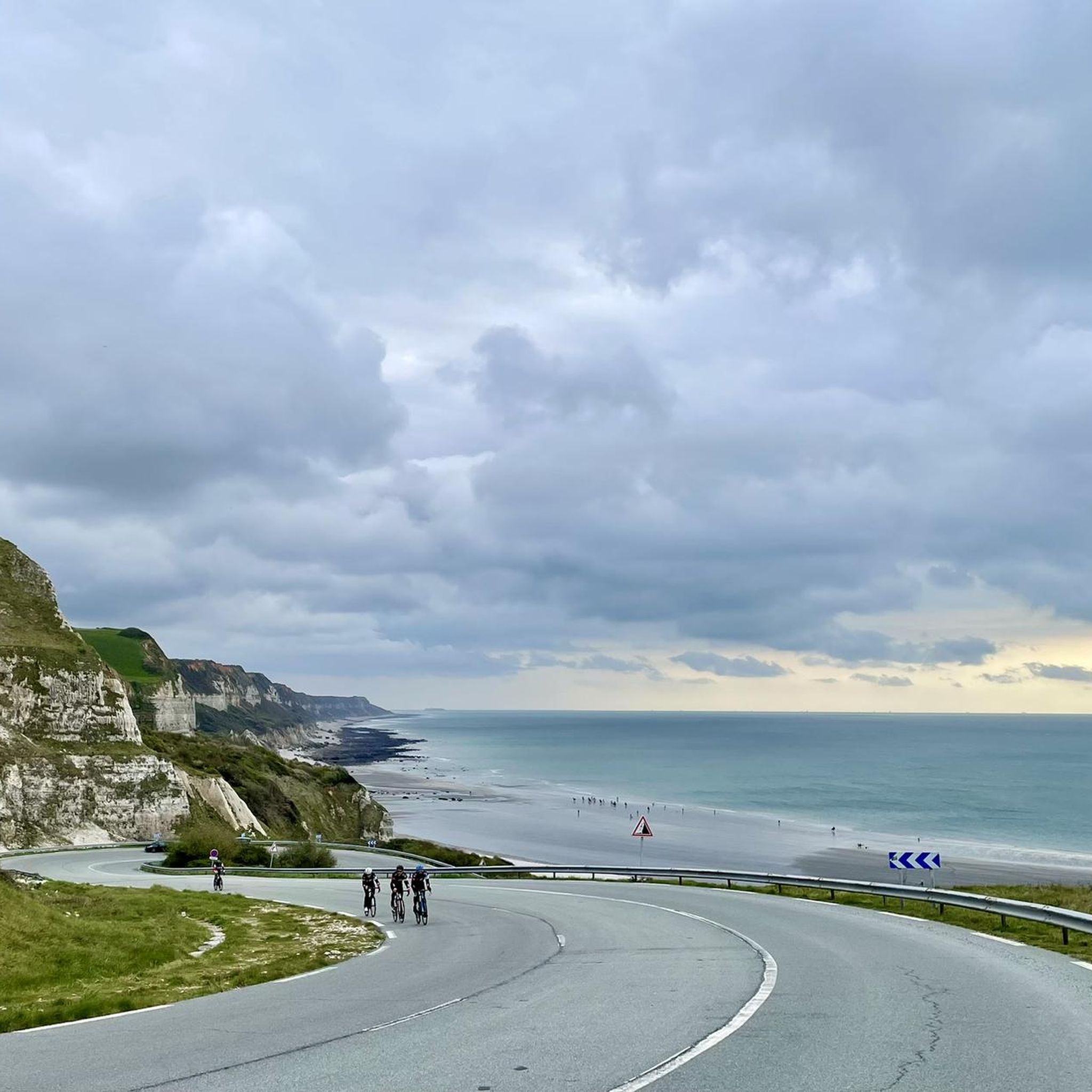
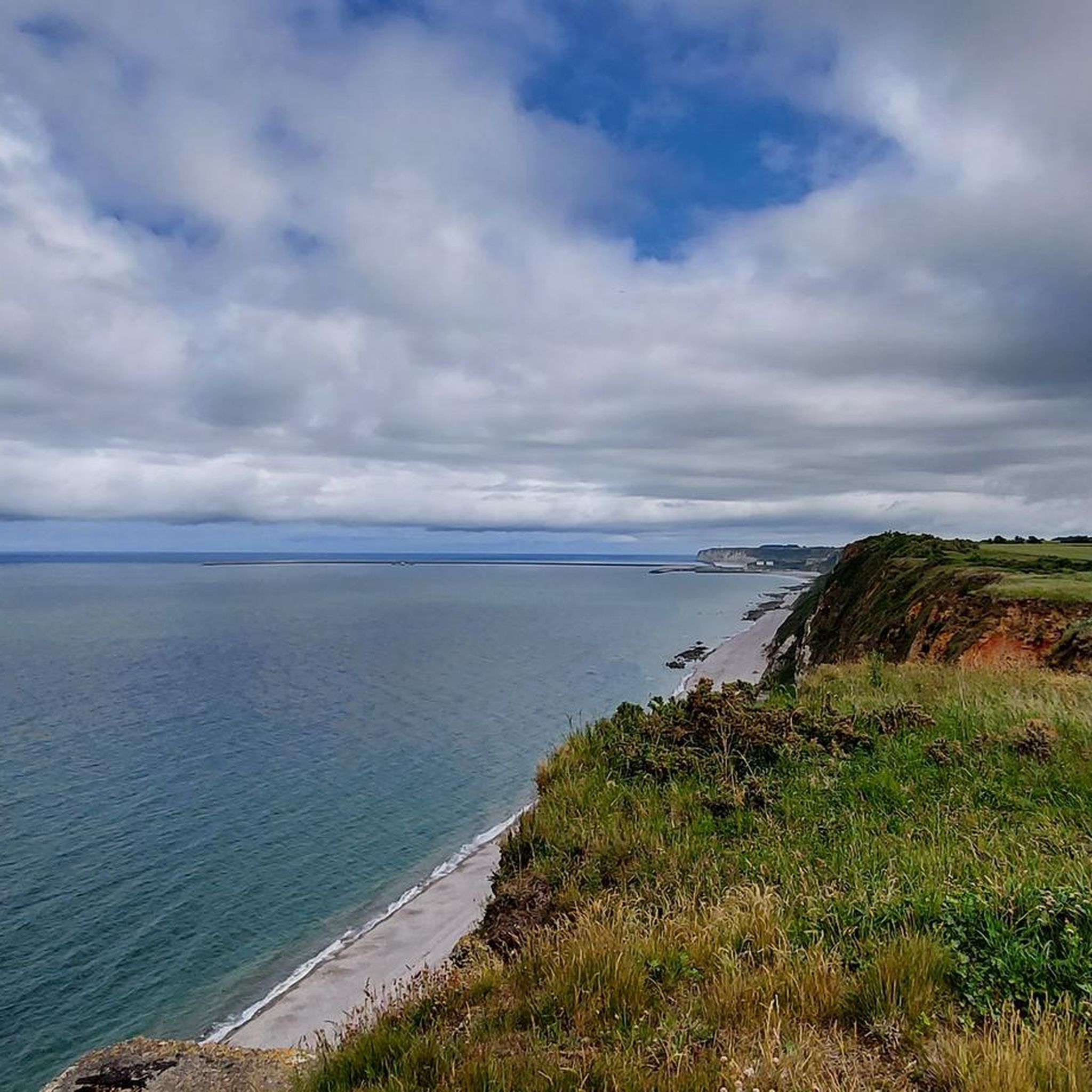
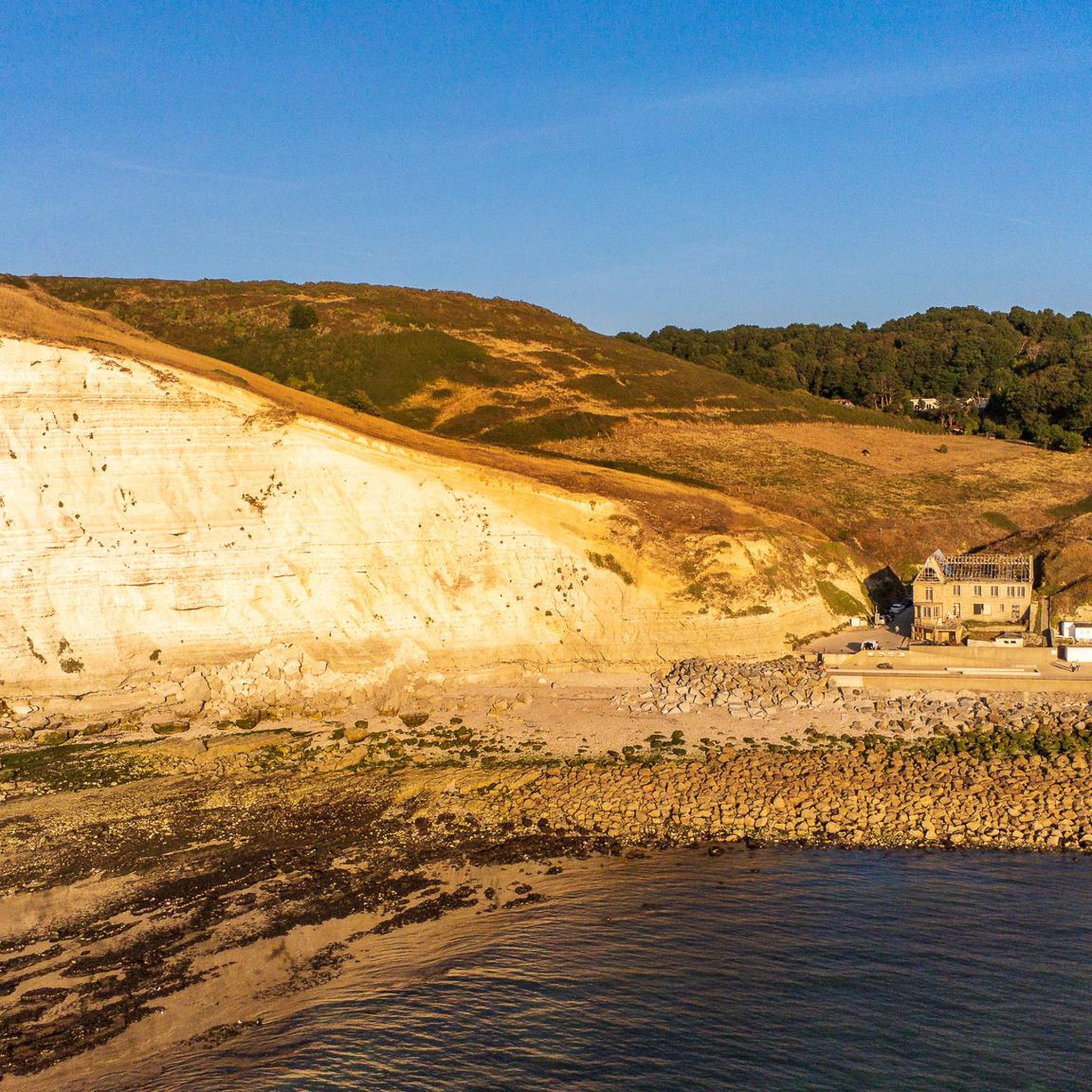
Gravel biking around Cauville-sur-Mer offers routes through varied terrain along Normandy's Alabaster Coast. The region is characterized by dramatic white chalk cliffs, coastal paths, and the agricultural landscapes of the Pays de Caux. Riders can expect a mix of surfaces, from unpaved trails offering panoramic sea views to paths winding through rural flax fields. This diverse geography provides a range of gravel biking experiences for different skill levels.
Best gravel bike trails around Cauville-Sur-Mer
- The most popular gravel bike trail is Cap d'Antifer Lighthouse – Antifer Lighthouse loop from Saint-Jouin-Bruneval, a 29.8 miles (47.9 km) trail that takes 3 hours 33 minutes to complete, offering extensive coastal views.
- Another top favourite among local gravel bikers is Small park – Saint-Vincent loop from Dollemard, a difficult 17.2 miles (27.7 km) path that explores the inland rural landscapes of the Pays de Caux.
- Local gravel bikers also love the Antifer Lighthouse – Étretat loop from Phare d'Antifer, a 19.7 miles (31.7 km) trail leading through coastal areas with cliffside viewpoints, often completed in about 2 hours 21 minutes.
- Gravel biking around Cauville-sur-Mer is defined by white chalk cliffs, coastal paths, and agricultural fields. The network offers options for moderate to difficult ability levels.
- The routes in Cauville-sur-Mer are highly rated by the komoot community with an average score of 5.0 stars from several reviews. More than two dozen gravel bikers have used komoot to explore Cauville-sur-Mer's varied terrain.
Last updated: July 30, 2026
3.8
(5)
7
riders
30.4km
01:54
210m
210m
Moderate gravel ride. Good fitness required. Mostly paved surfaces. Suitable for all skill levels.
4.0
(1)
9
riders
22.3km
01:25
240m
240m
Moderate gravel ride. Good fitness required. Mostly paved surfaces. Suitable for all skill levels.

Sign up for free
4
riders
11.9km
00:57
170m
170m
Hard gravel ride. Good fitness required. You may need to push your bike for some segments of this route.
5.0
(4)
7
riders
28.0km
01:56
370m
370m
Hard gravel ride. Good fitness required. You may need to push your bike for some segments of this route.
4
riders
15.2km
01:01
180m
180m
Hard gravel ride. Good fitness required. You may need to push your bike for some segments of this route.
Our route recommendations are based on thousands of hikes, rides, and runs completed by other people on komoot.
Start today with a free account
Your next adventure awaits.
Login or Signup
Tips from the Community

Completely overgrown... maybe with a tractor 🤣
0
0

Great course. Watch out, it's uphill!!!!
0
0

Le Havre pebble beach - strange design but pleasant seafront.
0
0

Saint Valery is the monk Walaric who is said to have celebrated baptisms to the north of the village, near a spring. He was nicknamed the evangelist of the cliffs for having been the first missionary on the Channel coast in the 7th century. At the beginning of the 12th century, Guillaume Malet de Graville donated the Saint-Valery church to the monks of the Graville priory. On September 10, 1944, the village of Fontaine-la-Mallet was 99% destroyed during Operation Astonia intended to liberate Le Havre. Placed under the aegis of the Ministry of Reconstruction and Urban Planning, the reconstruction of the town was implemented by architects who participated, in parallel, in the construction of the city center of Le Havre. The church was entrusted to the architect Serge Zoppi. The first stone having been laid on October 25, 1954, the church, which is distinguished by its 31 m high concrete spire in the shape of wheat ears, was completed in 1957. The church has a single-volume nave preceded by a porch with a bell tower on the side. The building is traditional in its shape and regionalist style: the exterior facing is made of materials from the Pays de Caux (bricks and pebbles) while the design of the spire in the shape of wheat ears recalls local agricultural production. On the other hand, the use of reinforced concrete allows for the development of a modern aesthetic, of which the bell tower offers a remarkable example with its openwork lacework. Since November 26, 2001, the church, its presbytery, the staircase, the terrace and enclosure walls have been listed in the supplementary inventory of historic monuments.
0
0


A small island of greenery in the heart of the city that hosted the Belgian government during the First World War.
1
0


ok for mountain biking, for gravel you have to be an experienced rider at times especially since this descent is long!
1
0
Frequently Asked Questions
What kind of terrain can I expect on gravel bike trails around Cauville-sur-Mer?
The terrain around Cauville-sur-Mer is quite varied, offering a mix of dramatic coastal landscapes and the pastoral charm of the Pays de Caux. You'll encounter unpaved paths along the iconic white chalk cliffs, providing breathtaking views of the English Channel, as well as routes winding through rural flax fields. Some paths are mostly paved, while others include more technical sections, balancing scenic beauty with engaging rides.
Are there any family-friendly gravel biking options in the area?
While the guide highlights routes that are moderate to difficult, the broader Seine-Maritime region, including areas around Cauville-sur-Mer, offers a range of cycling experiences. Look for sections of the Véloroute du Lin or other well-maintained paths that might be more suitable for families. These often provide gentler gradients and safer environments away from heavy traffic.
What are the best times of year to go gravel biking in Cauville-sur-Mer?
The best time to go gravel biking in Cauville-sur-Mer is generally from spring through early autumn (April to October). During these months, the weather is typically milder and more stable, making for pleasant riding conditions. June is particularly beautiful when the flax fields are in bloom, adding vibrant blue hues to the landscape. Always check the local weather forecast before heading out, as coastal conditions can change rapidly.
What kind of natural features or viewpoints can I see along the gravel routes?
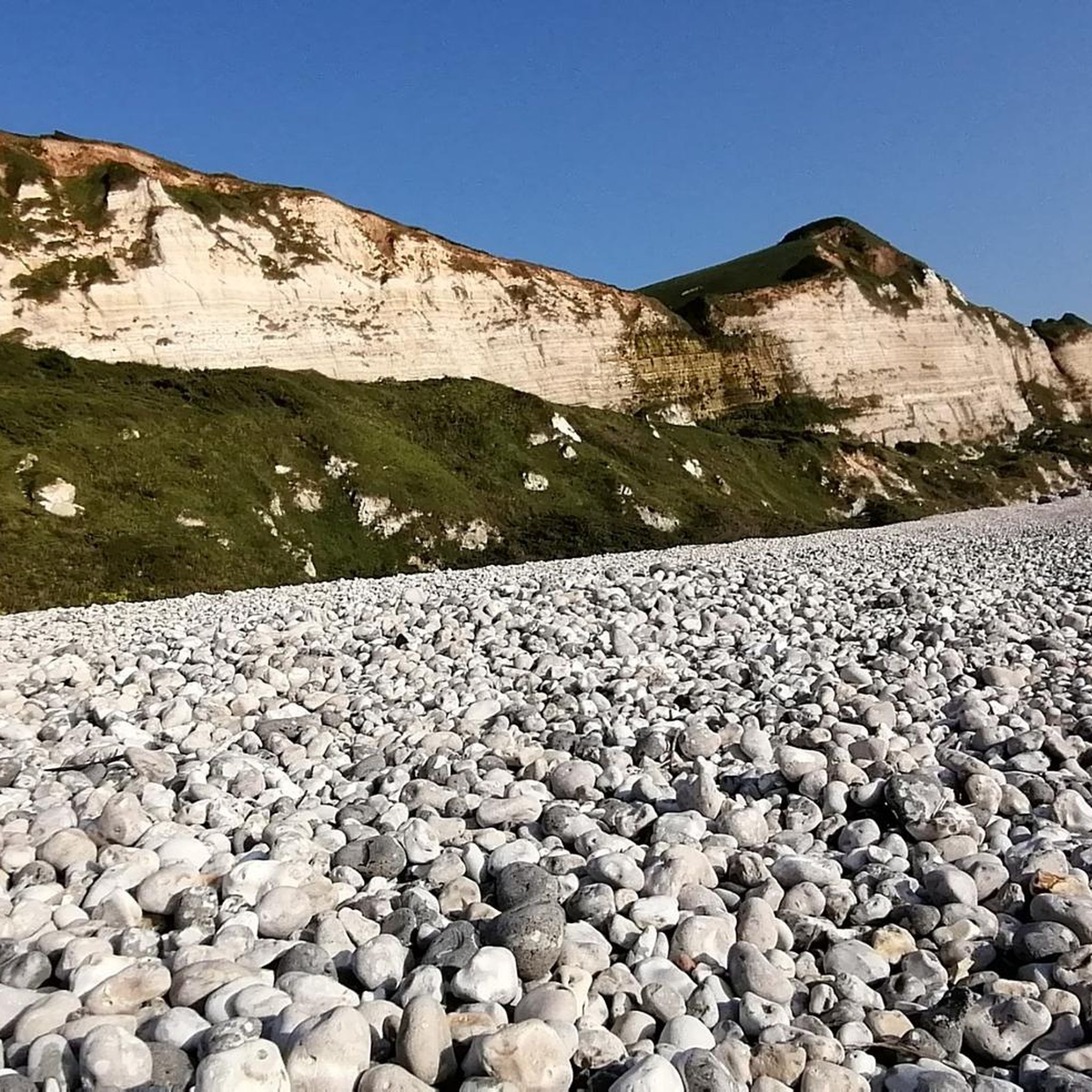
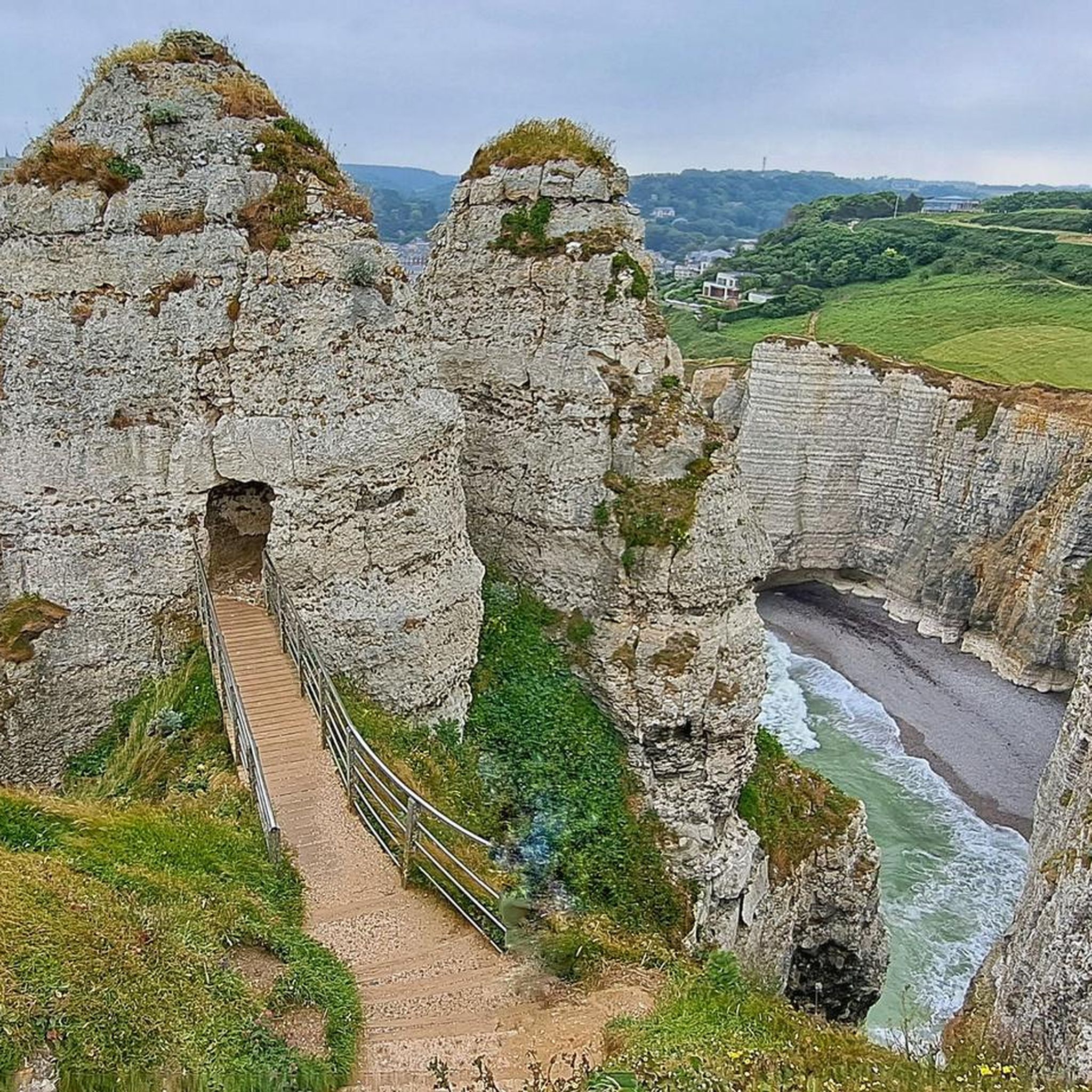
The region is renowned for its stunning natural beauty. You can expect to see the iconic white chalk cliffs of the Alabaster Coast, with impressive formations reaching over 100 meters. Routes often pass by viewpoints like the Pointe de la Courtine Viewpoint, offering panoramic views of the English Channel. You might also encounter picturesque pebble beaches such as Plage du Tilleul, and the vast agricultural landscapes of the Pays de Caux.
Are there any specific landmarks or attractions to look out for on the trails?
Yes, several notable landmarks and attractions are accessible or visible from the gravel routes. The Antifer Lighthouse is a prominent feature along coastal paths. You might also encounter sections of the historic Chemin des Douaniers (Customs Officers' Trail), which offers constantly changing perspectives of the rugged coastline. Many routes also provide a View of the Alabaster Coast itself.
How challenging are the gravel bike trails around Cauville-sur-Mer?
The gravel bike trails around Cauville-sur-Mer range from moderate to difficult. For instance, the Antifer Lighthouse – Étretat loop from Phare d'Antifer is considered moderate, while the Small park – Saint-Vincent loop from Dollemard is rated difficult. The difficulty often stems from elevation changes along the cliffs and varied surfaces, which can include technical sections. Riders should be prepared for some challenging climbs and descents.
What do other gravel bikers say about the trails in Cauville-sur-Mer?
The gravel biking routes in Cauville-sur-Mer are highly regarded by the komoot community, holding an average score of 5.0 stars from several reviews. More than two dozen gravel bikers have used komoot to explore the area, often praising the diverse terrain and the stunning coastal views that make each ride a unique experience.
Are there any circular gravel bike routes available?
Yes, there are several excellent circular gravel bike routes. A popular choice is the Cap d'Antifer Lighthouse – Antifer Lighthouse loop from Saint-Jouin-Bruneval, which is approximately 48 km long and offers extensive coastal views. Another option is the Antifer Lighthouse – Étretat loop from Phare d'Antifer, a 31.7 km trail that also provides fantastic cliffside viewpoints.
Is public transport available to reach the trailheads, and can I bring my bike?
While specific public transport options directly to every trailhead in Cauville-sur-Mer might be limited, the broader Seine-Maritime region is working on improving cycling infrastructure. For detailed information on public transport that accommodates bikes, especially for regional trains or buses, it's best to consult local transport authorities or the Seine-Maritime Tourisme website for the most up-to-date information.
Where can I find parking for gravel bike trails near Cauville-sur-Mer?
Parking is generally available in and around the villages and towns along the Alabaster Coast. For specific trailheads, it's advisable to check the starting points of individual routes on komoot, as many popular tours begin from locations with designated parking areas. Larger towns like Le Havre or Fécamp, which are nearby, also offer more extensive parking facilities.
Are there any cafes or places to stop for refreshments along the routes?
While the routes themselves might traverse more rural or coastal areas, you'll find cafes, restaurants, and small shops in the villages and towns you pass through or near. Places like Saint-Jouin-Bruneval, Dollemard, and Étretat (if your route extends that far) offer opportunities to refuel and enjoy local cuisine. It's always a good idea to carry sufficient water and snacks, especially on longer rides.
Most popular routes around Cauville-Sur-Mer
Most popular attractions around Cauville-Sur-Mer

Get inspired with the komoot mobile app


Explore more
Browse the best Gravel rides in other regions.
