The best MTB trails around Mansonville
4.7
(19)
103
riders
4
rides
Mountain biking around Mansonville, Quebec, offers diverse terrain within Potton Township, characterized by a blend of natural and country landscapes. The region features vast hilly terrain, stretching from Lake Memphremagog to the Sutton Mountain Range, providing varied environments for mountain bike trails. This area includes natural features such as the Réserve naturelle du Mont-Éléphant and the Réserve naturelle des Montagnes-Vertes, which contribute to the scenic backdrop. The landscape provides a mix of elevations and natural features suitable for mountain biking.
…Last updated: November 2, 2026
5.0
(1)
25
riders
83.5km
04:23
140m
140m
Moderate mountain bike ride. Good fitness required.
5.0
(3)
21
riders
35.0km
01:53
70m
70m
Easy mountain bike ride.

4.0
(7)
24
riders
58.1km
02:59
90m
90m
Moderate mountain bike ride. Good fitness required.
4.5
(2)
9
riders
32.9km
02:41
550m
550m
Moderate mountain bike ride. Good fitness required. Advanced riding skills necessary.
5.0
(3)
10
riders
37.2km
03:01
450m
450m
Moderate mountain bike ride. Good fitness required. Advanced riding skills necessary.
Our route recommendations are based on thousands of hikes, rides, and runs completed by other people on komoot.
Start today with a free account
Your next adventure awaits.
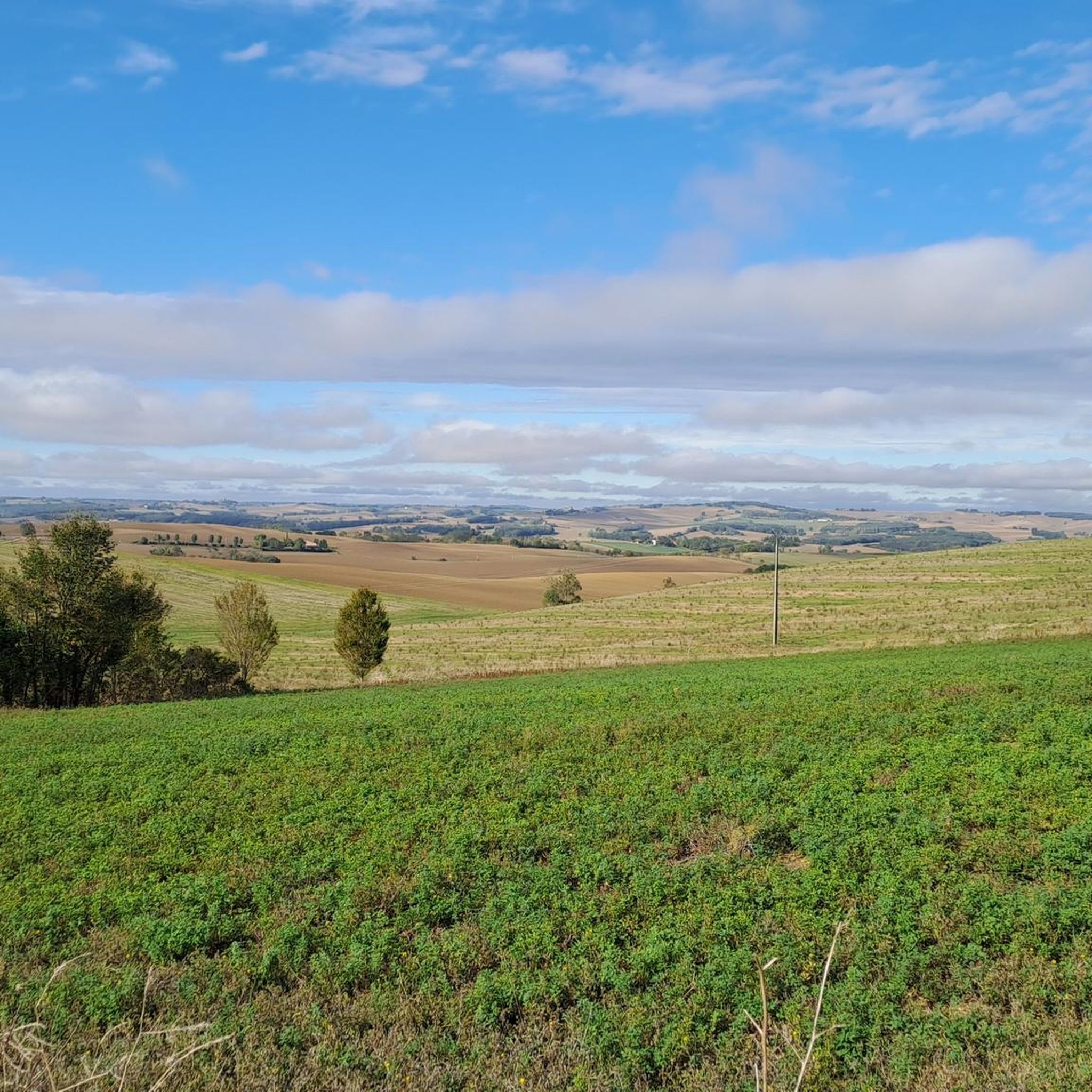
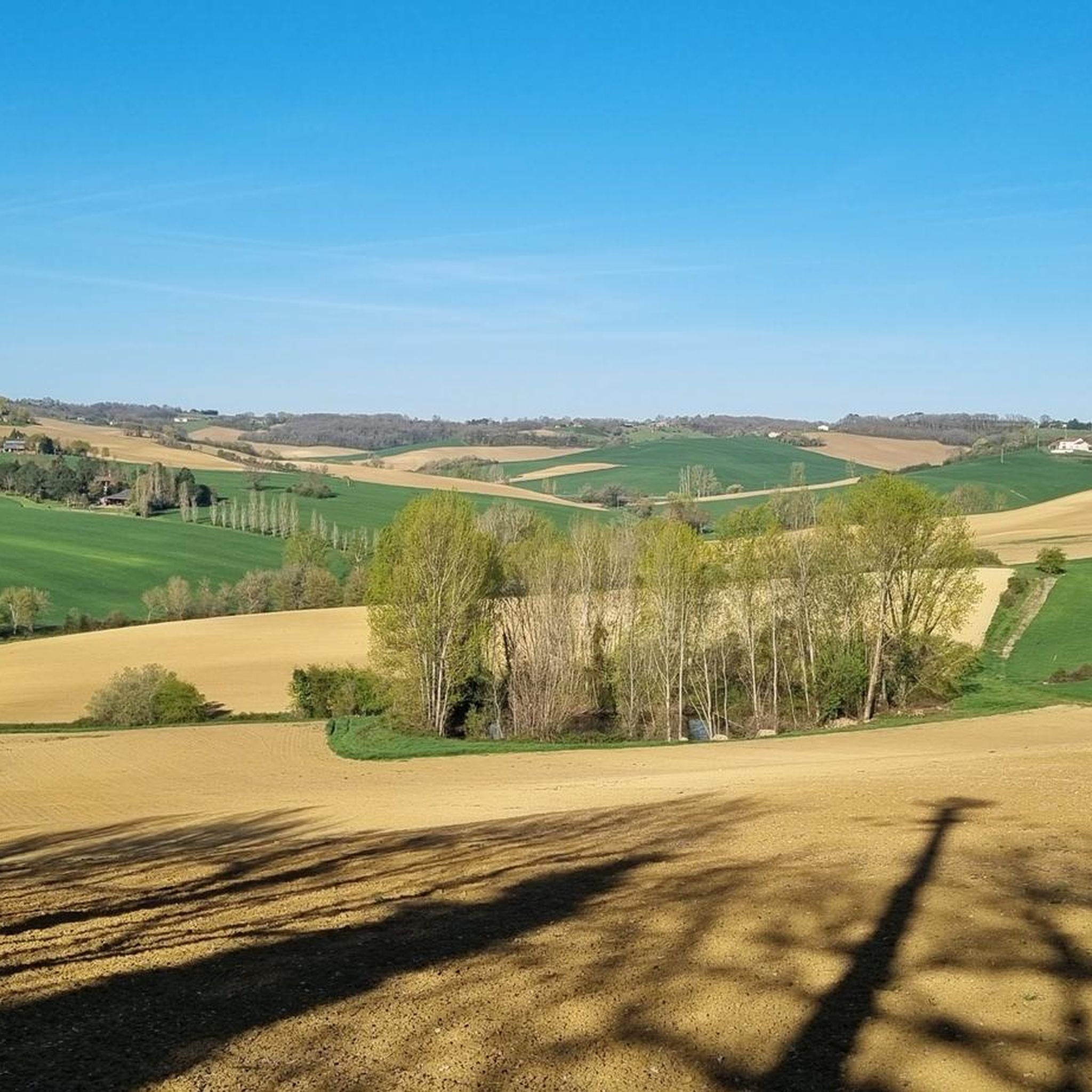
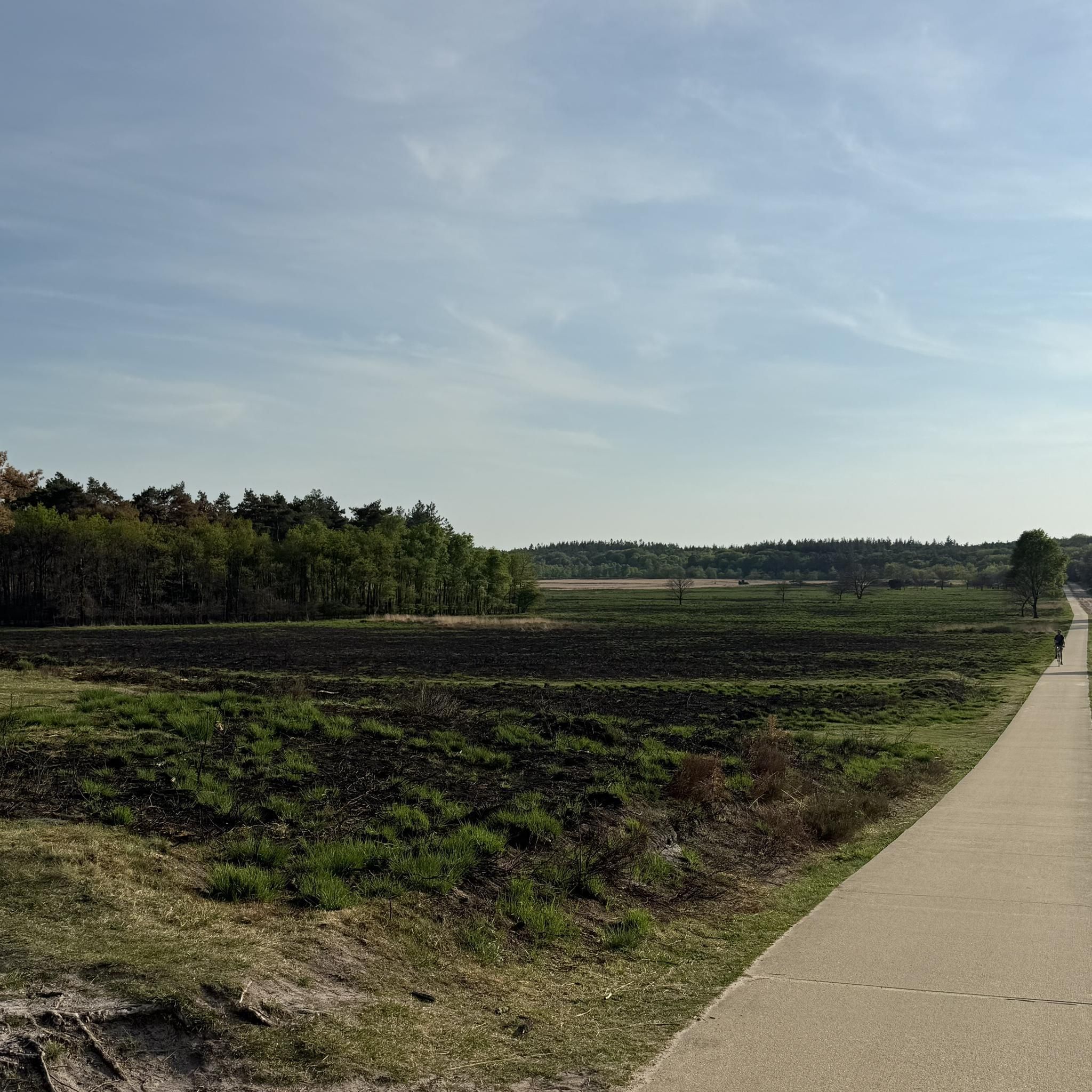
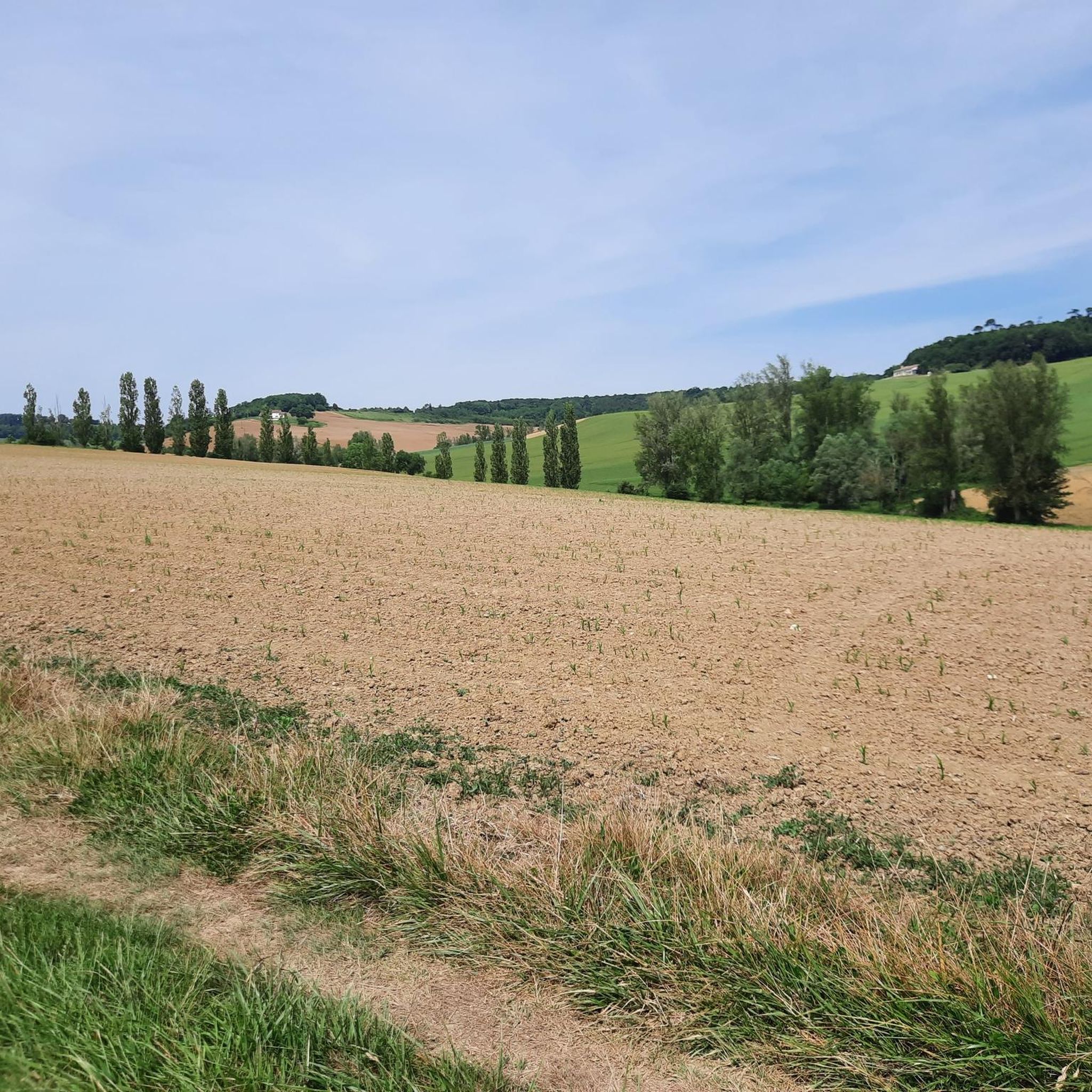
Tips from the Community

The abbey and its cloister, the historic center, the Art Deco buildings, the Napoleon bridge, the towpath, and the Cacor canal bridge are must-sees. Everything can be easily discovered on foot. Moissac is a major stop on the Camino de Santiago thanks to its exceptional heritage, particularly its abbey, a UNESCO World Heritage site. Its Romanesque cloister and sculpted tympanum make it an emblematic place for pilgrims from all over the world.
0
0
On July 29, 1808, Napoleon I arrived in Moissac, crossing the Tarn on a pontoon bridge. Since the Wars of Religion and floods, previous structures had been destroyed, and the perilous crossing was done by ferry. Work began quickly but ceased with the fall of the First Empire (1814). It resumed in 1820, leading to the inauguration of the Marie-Thérèse bridge on December 19, 1824. It was named in honor of the Dauphine, daughter of Louis XVI and Marie Antoinette, who is said to have laid the keystone of the bridge. It finally became the "Pont Napoléon" in 1859, after Napoleon III's visit to Moissac.
0
0

I found an open-air stage there, but no infrastructure in the sense of a rest stop for hikers and cyclists.
0
0

Saint-Caprais Cathedral in Agen features several architectural peculiarities: its Romanesque apse is extended by a single-nave Gothic nave. Replacing an earlier wooden campanile, the current bell tower was built in 1835 at the initiative of Bishop Jean-Aimé de Levezou de Vezins and is unusual in that it consists of three Gothic stylistic elements (lancet Gothic, radiant Gothic, and flamboyant Gothic) curiously presented in reverse chronological order. A corbel composed according to this principle can still be seen in a corner of the north transept of Agen Cathedral. This corbel, in itself, is a small monument containing two large formerets and a long-span pointed arch. The paintings on the walls and ceilings depict the history of the arrival of Christianity in the region. A central role is given to the first martyrs of Agen. Other paintings are presented in series: the Evangelists, the Apostles, the patriarchs of the Jewish people (Abraham, Noah, etc.), the great kings of Israel, etc. The cathedral is much shorter than one might expect, judging by the size of the choir; indeed, political and financial difficulties greatly influenced the cathedral's final form. The painted decoration was entrusted to Jean-Louis Bézard, a painter from Toulouse who won the Prix de Rome in 1829. He completed the decoration of the chapel of the Hospice Saint-Jacques d'Agen, now the departmental hotel, in 1845, which has since disappeared. At the same time, he began painting the Chapel of the Virgin Mary in the cathedral. He continued decorating the cathedral until 1869. The choice of themes was made by the cathedral clergy and was the subject of debate between the painter and Abbé Deyche. For the decoration of the apse, the choice was made to depict the martyrdom of the saints of Agen. For the rest of the decoration, the paintings blend local themes and Marian iconography, the great figures of the Bible, the Old Testament, and the New Testament. Jean-Louis Bézard drew inspiration from the decoration of the Sicilian churches of Palermo and Montereale for the medallions of the arches of the transept crossing. The altar decoration: an altar cross and six candlesticks are listed as historical monuments. On the counter-façade, two statues: on the right, Saint Caprais, and on the left, Saint Stephen, by Louis Rochet. The main organ, built by organ builder Jean-Baptiste Stoltz, was featured at the 1855 World's Fair in Paris. According to legend, it was donated by Empress Eugenie in 1858 to Agen Cathedral, which until then had no instrument. It is the largest instrument in the Lot-et-Garonne department, with 45 stops spread over three manuals and a pedalboard. It has mechanical action. It is listed as a historic monument. The choir organ was built by organ builder Jules Magen in 1885 (15 stops over two manuals/pedalboard). It has been listed as a historic monument. Concert pianist and organist Jérôme Chabert has been its organist since 2002. He founded the Heures d'Orgue, an international festival held every summer in July and August on the cathedral's two organs.
0
0
Saint-Caprais Cathedral was built in the 12th century on the site of an episcopal basilica constructed in the 6th century, sacked by the Normans in 853 and then restored. Saint-Caprais Church is mentioned, along with Saint-Étienne Cathedral, in the will of Raymond, Lord of Toulouse, Marquis of Gothia, Count of Rouergue, Gévaudan, and Narbonne, who died in 961.[6] It was originally a collegiate church. Sacked again in December 1561 during the Wars of Religion, Saint-Caprais Collegiate Church became a fodder store in 1791 before being reopened in 1796 and becoming the official cathedral of Agen, following the destruction of the old Saint-Étienne Cathedral during the Revolution. It was elevated to the rank of cathedral in 1802. At the request of the Bishop of Agen, Jean-Aimé de Levezou de Vezins, the architect Gustave Bourrières[7] rebuilt the south façade, the bell tower, and the interior floors between 1838 and 1847.
0
0


Incredible lodge and restaurant, great quality and very friendly atmosphere.
1
0

Are you a fan of bridges? No? It doesn't matter, go see it anyway, it's very beautiful.
0
0
Frequently Asked Questions
How many mountain bike trails are available around Mansonville?
There are over 4 mountain bike routes around Mansonville featured in this guide, catering to various skill levels. The wider region, particularly around Owl's Head and Wolf Bike Park, offers an extensive network of trails.
What are the typical difficulty levels for mountain biking in Mansonville?
The mountain bike trails in this guide range from easy to difficult. For example, the Moissac Canal – Boudou Bridge loop from Valence d'Agen is rated as easy, while the Viewpoint – Cacor Canal Bridge loop from Valence d'Agen is considered difficult. The region generally offers options for all abilities, from beginners to advanced riders.
Are there any long-distance mountain bike routes in the area?
Yes, you can find longer routes. The Viewpoint – Cacor Canal Bridge loop from Valence d'Agen is approximately 85 km long, offering a significant ride for those looking for an extended adventure.
What kind of natural features or landmarks can I expect to see along the trails?
Mansonville is nestled within Potton Township, offering a picturesque blend of mountains, lakes, rivers, and brooks. You can expect stunning panoramic views, especially from areas like Owl's Head overlooking Lake Memphremagog. The Réserve naturelle du Mont-Éléphant and the Réserve naturelle des Montagnes-Vertes also provide diverse terrain and natural beauty. While biking, you might encounter historical structures like the Saint-Saturnin Church or the Auvillar Circular Market Hall.
Are there any routes with significant elevation gain for a challenging ride?
Yes, some routes offer substantial elevation gain. The Valence d'Agen – Valence d'Agen loop from Valence d'Agen, for instance, features over 540 meters of ascent, providing a good challenge for riders seeking elevation.
What is the best time of year to go mountain biking in Mansonville?
Mansonville generally experiences mild temperatures and refreshing breezes, making it pleasant for outdoor activities throughout much of the year. The spring, summer, and fall months are typically ideal for mountain biking, offering good trail conditions and vibrant scenery. Winter mountain biking might be possible on specific groomed trails, but conditions can vary.
Are there any loop trails for mountain biking in Mansonville?
Yes, many of the mountain bike routes in the area are designed as loops, allowing you to start and finish at the same point. Examples from this guide include the The canal – Agen railway station loop from Valence d'Agen and the Gachepouy Castle loop from Miradoux.
What do other mountain bikers say about the trails in Mansonville?
The mountain bike routes in Mansonville are highly rated by the komoot community, with an average score of 4.7 stars from over 16 reviews. More than 80 mountain bikers have used komoot to explore Mansonville's varied terrain, often praising the diverse landscapes and natural beauty of the region.
Are there any options for family-friendly mountain biking?
While this guide features moderate to difficult routes, the broader Mansonville area, particularly around Wolf Bike Park, offers specialized trails and coaching that can cater to various skill levels, including those suitable for families. Look for trails designated as easy or beginner-friendly within the wider network.
Where can I find parking for mountain bike trails in Mansonville?
Specific parking information varies by trailhead. However, popular mountain biking areas like Owl's Head and Wolf Bike Park typically offer designated parking facilities for visitors. It's advisable to check the details for individual routes or parks before your visit.
Are there any cafes or amenities near the mountain bike trails?
Mansonville, being a part of Potton Township, offers local amenities. While specific cafes directly on every trailhead might be limited, the village of Mansonville itself and nearby towns will have options for food and refreshments. The scenic country roads of the "Incomparable Potton" circuit also pass through areas where you might find local establishments.
Most popular attractions around Mansonville

Get inspired with the komoot mobile app


Explore more
Browse the best MTB trails in other regions.
