The best gravel rides around Chennegy
17
riders
9
rides
Gravel biking around Chennegy offers diverse terrain within France's Pays d'Othe and Armance region. The landscape is characterized by deep forests, expansive plains, and bucolic valleys, providing varied surfaces for cycling. Riders can expect a mix of "white roads" and "forest tracks," traversing rolling hills and irrigated valleys alongside streams and ponds. This area is well-suited for gravel biking, with its natural features contributing to a range of route experiences.
Best gravel bike trails around Chennegy
- The most popular gravel…
Last updated: October 8, 2026
1
riders
29.5km
03:07
390m
400m
Hard gravel ride. Good fitness required. You may need to push your bike for some segments of this route.
1
riders
35.6km
02:41
450m
450m
Moderate gravel ride. Good fitness required. Mostly paved surfaces. Suitable for all skill levels.

2
riders
23.8km
02:06
390m
390m
Moderate gravel ride. Good fitness required. Mostly paved surfaces. Suitable for all skill levels.
4
riders
Hard gravel ride. Very good fitness required. Mostly paved surfaces. Suitable for all skill levels.
3
riders
23.5km
01:30
280m
280m
Moderate gravel ride. Good fitness required. Mostly paved surfaces. Suitable for all skill levels.
Get access to more routes and recommendations from other explorers.
Already have an account?
Our route recommendations are based on thousands of hikes, rides, and runs completed by other people on komoot.
Start today with a free account
Your next adventure awaits.
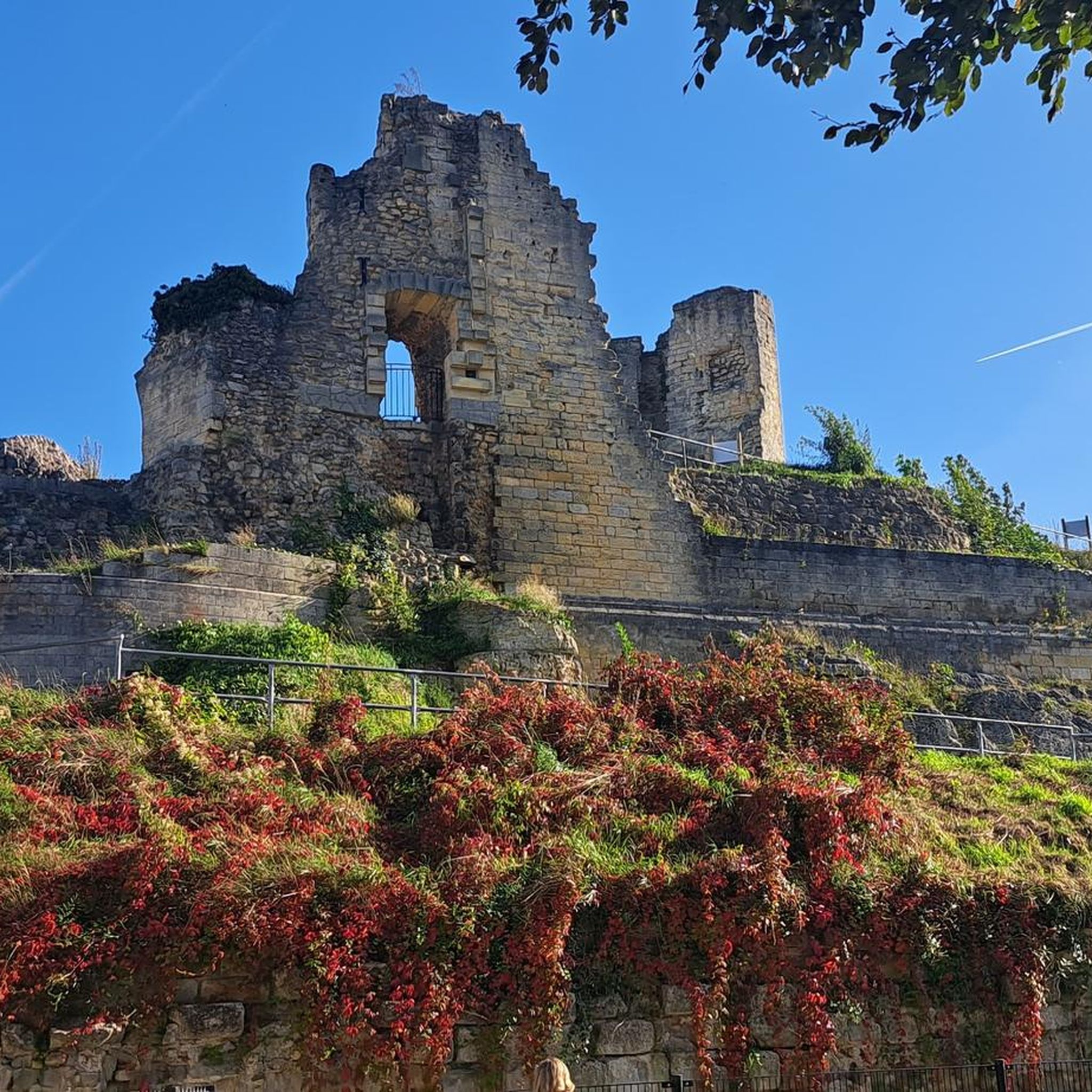
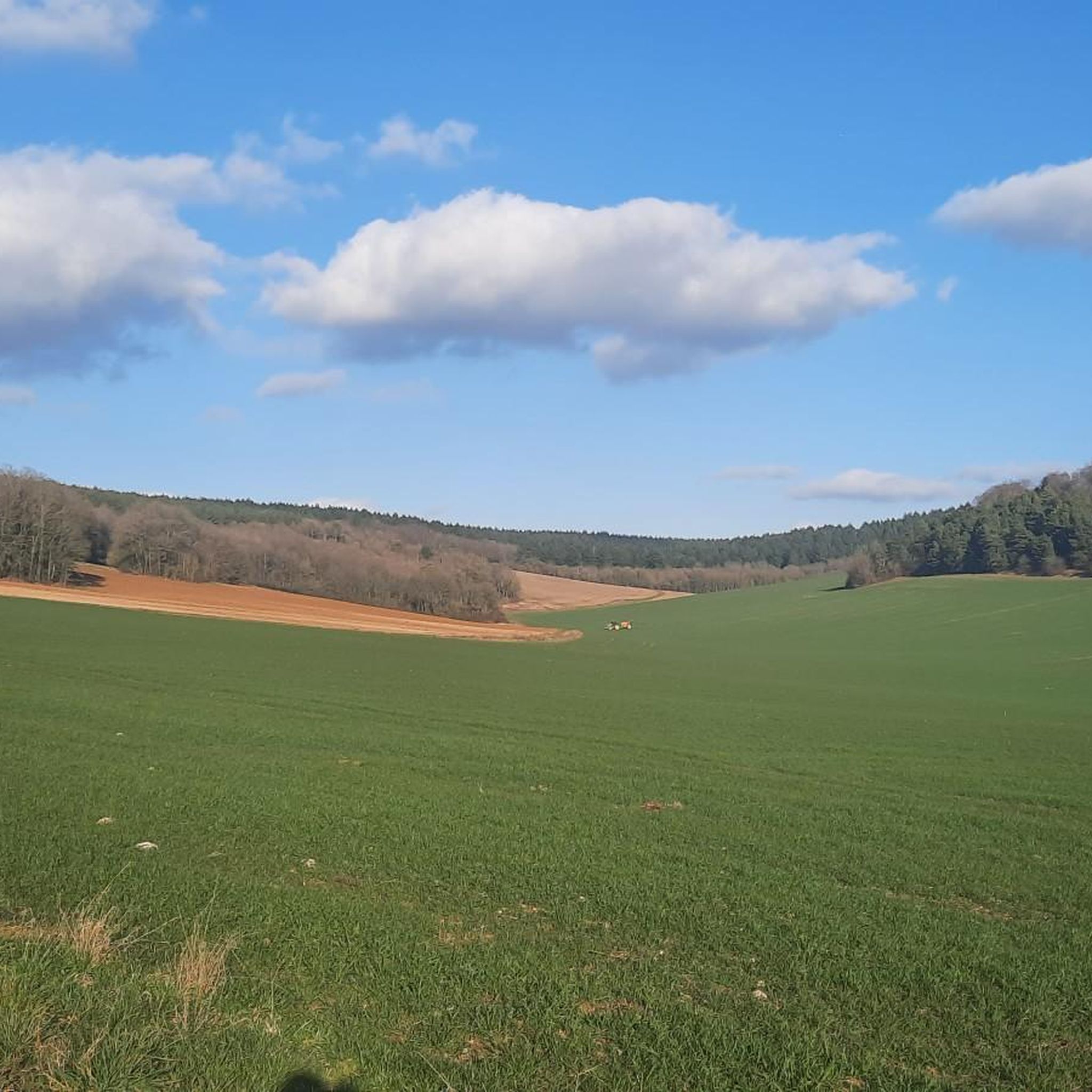
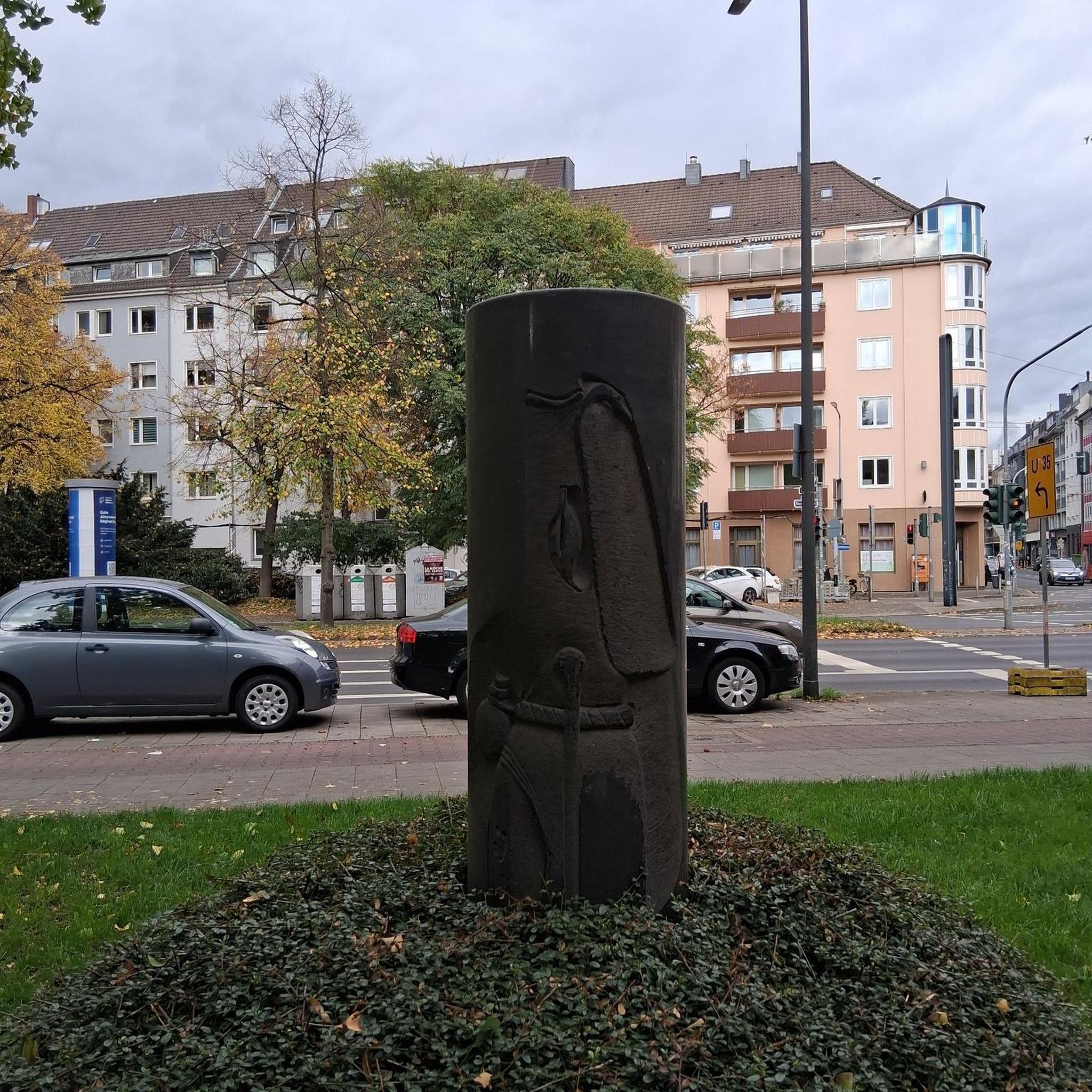


Tips from the Community

Fun facts & legends • In 1789, the police wanted to put up fences because the alley was notorious as a meeting place for lovers. • A local legend tells of a pregnant woman who was miraculously saved when a wall “moved aside” in front of her belly. • The street is also said to have played a role during epidemics: the many cats helped keep rat populations under control. Why visit? • Very photogenic: One of the most photographed places in Troyes – often featured on postcards. • Historic and romantic: Perfect for those who love medieval towns and hidden gems. • Nearby: You’ll also find cozy cafés and a cat café (“Troyes Petits Chats”), plus a pretty courtyard called Cour du Mortier d’Or and the Jardin Juvénal-des-Ursins.
3
0
The Ruelle des Chats, or Cat Alley, is one of the most charming and famous streets in the old town of Troyes, located in the Champagne region of France. ⸻ 🏛️ History & Architecture • Medieval origins: The alley dates back to the 15th century and was rebuilt after a major fire in 1524. • Why the name “Cat Alley”?: The houses are built so that their upper floors almost lean against each other. It is said that a cat could jump from one roof to the other — hence the name. • Typical half-timbering: The street is paved with a gutter in the middle for rainwater, and the houses are half-timbered with wooden beams that stabilize the whole. ⸻ 🌆 Atmosphere & charm • Romantic appearance: The narrow passage and leaning facades create a mysterious, almost fairytale-like atmosphere. • Reconstruction: In 2014, several half-timbered houses were rebuilt based on old prints and photos. • Preserved thanks to heritage protection: In the 1960s, the street was saved from demolition by the efforts of heritage organisations and Minister André Malraux.
3
0
Troyes Cathedral (in French: Cathédrale Saint-Pierre-et-Saint-Paul de Troyes) is the main religious building in the French city of Troyes. The cathedral is dedicated to the holy apostles Peter and Paul. Construction of the cathedral began in 1208 and was not completed until the 17th century, in the Gothic style. The church is the seat of the bishopric of Troyes in the Roman Catholic Church. In 1420, the cathedral was the solemn meeting place for the signing of the Treaty of Troyes. Nine years later, Joan of Arc visited the cathedral when she accompanied King Charles VII to Reims. The building was protected as immovable heritage and was given the status of a French classified monument historique in 1862.
3
0

A lot of fun on this great mountain bike trail through the woods. The slide is a must-do.
0
0

The impressive Troyes Cathedral was begun in the 12th century and completed in the 17th century. The structure is truly impressive. Don't miss a visit to the interior.
1
0


Aix-en-Othe, a nice little town with a great market hall. Shopping on market day is a pleasure. Numerous tour options and lots of parking space make the town attractive. It's best to park at the fire station.
0
0

The cathedral in Troyes was dedicated to Saints Peter and Paul (SAINTS PIERRE et PAUL), also known as the "Prince of the Apostles." Their common feast day in the calendar of saints is June 29th. * Simon, nicknamed Peter (Rock), was a fisherman on the Sea of Galilee when he, along with his brother Andrew, was called by Jesus Christ to be a "fisher of men." According to Catholic understanding, he is the highest apostle, and the two-millennia-long line of popes—currently Francis—follows his succession. In statues and paintings, Peter is almost always depicted with two keys in his hand; this attribute refers to the biblical passage in Matthew: "I will give you the keys of the kingdom of heaven; whatever you bind on earth will be bound in heaven, and whatever you loose on earth will be loosed in heaven." (Chapter 16, Verse 19). * Paul was initially an opponent of the Christian movement and, unlike the other apostles, was not called to the apostleship by Jesus Christ during his lifetime. Instead, he was converted later with the famous "Damascus Experience." His attribute is the sword with which he was executed. According to Roman law at the time, such a sentence was a "privilege" (a quick death, not a long, painful death struggle like other forms of execution) reserved for the citizens of Rome.
3
1
Frequently Asked Questions
What kind of terrain can I expect on gravel bike trails around Chennegy?
The region around Chennegy, particularly within the Pays d'Othe and Armance, offers a diverse landscape for gravel biking. You'll encounter deep forests like the Forêt d'Othe, expansive plains, and picturesque bucolic valleys. Riders can expect a mix of "white roads" and "forest tracks," traversing rolling hills and irrigated valleys alongside streams and ponds. This varied terrain provides an authentic off-road experience.
Are there gravel routes suitable for beginners or those looking for an easier ride?
Yes, while many routes offer a challenge, there are options for varying skill levels. For example, the Gravel loop from Paisy-Cosdon is rated as moderate and covers about 19 km with less elevation gain, making it a good choice for those seeking a less strenuous ride.
What are some notable landmarks or natural features I might see along the gravel routes?
The region is rich in natural beauty and cultural heritage. Along your rides, you might encounter charming small villages, historic nuggets, and scenic viewpoints. Specific highlights in the broader area include the Montaigu Fountain and Pond, the Monument of Montaigu, and the Bois de Macey Trail. The Pays d'Othe is particularly known for its extensive forests.
Are there any family-friendly gravel biking options near Chennegy?
While specific 'family-friendly' designations aren't always explicit, routes with moderate difficulty and shorter distances are generally more suitable. The varied terrain with forest tracks and quiet roads can be enjoyable for families. Consider routes like the Tobogan du bois de Macey – Toboggan macey loop from Errey, which is moderate in difficulty and covers about 23.8 km through bucolic valleys.
What is the best time of year to go gravel biking in the Chennegy area?
The region's diverse landscapes, including forests and plains, are enjoyable across multiple seasons. Spring and autumn generally offer pleasant temperatures and beautiful scenery, with orchards in bloom or vibrant fall foliage. Summer can also be great, especially when riding through the cooler forest tracks. Always check local weather conditions before heading out.
Are there any long-distance or challenging gravel routes in the region?
Yes, for those seeking a longer and more challenging adventure, the region is part of extensive gravel networks. The "Raid Bulles parcours Gravel" is a notable route spanning between 300 to 375 kilometers, guiding cyclists through the diverse landscapes of the Côte des Bar, Pays d'Othe, and Armance. Locally, the Beautiful half-timbered houses – Historic Center of Troyes loop from Torvilliers is a difficult 89 km route.
Where can I find parking for gravel biking near Chennegy?
Many gravel routes in the region start from or pass through small villages, where public parking is often available. For routes like the Church – Saint-Mards-en-Othe loop from Surançon, you would typically find parking in or near the starting village. It's advisable to check specific starting points for parking availability when planning your ride.
Are there any specific rules or permits required for gravel biking in the forests, like Forêt d'Othe?
Generally, cycling on marked trails and forest tracks is permitted in public forests like the Forêt d'Othe. However, it's always good practice to respect local regulations, stay on designated paths, and be mindful of other forest users and wildlife. For detailed information on specific areas or any required permits, you can consult resources like veloenfrance.fr for regional cycling information.
What do other gravel bikers enjoy most about the trails around Chennegy?
Komoot users frequently praise the varied terrain, which includes a satisfying mix of "white roads" and "forest tracks." The scenic beauty of the deep forests, rolling hills, and bucolic valleys is often highlighted. Riders appreciate the authentic off-road experience and the opportunity to explore the natural and cultural heritage of the Pays d'Othe region.
Are there any circular gravel routes available from Chennegy or nearby villages?
Yes, many of the gravel routes in the area are designed as loops, allowing you to start and finish in the same location. Examples include the popular Sommeval loop, which offers varied terrain, and the "De Place en Place" gravel and VTT circuit in Saint-Mards-en-Othe, which immerses riders in the local heritage.
Can I find cafes or accommodation in Chennegy or nearby for a cycling trip?
Chennegy and the surrounding picturesque villages in the Pays d'Othe and Armance region offer local amenities. While Chennegy itself is a small commune, nearby towns and villages will have cafes, restaurants, and various accommodation options, from guesthouses to small hotels, catering to visitors exploring the area. It's recommended to check specific village offerings when planning your stay.
Most popular attractions around Chennegy

Get inspired with the komoot mobile app


Explore more
Browse the best Gravel rides in other regions.
