The best gravel rides around Bué
4.2
(4)
26
riders
4
rides
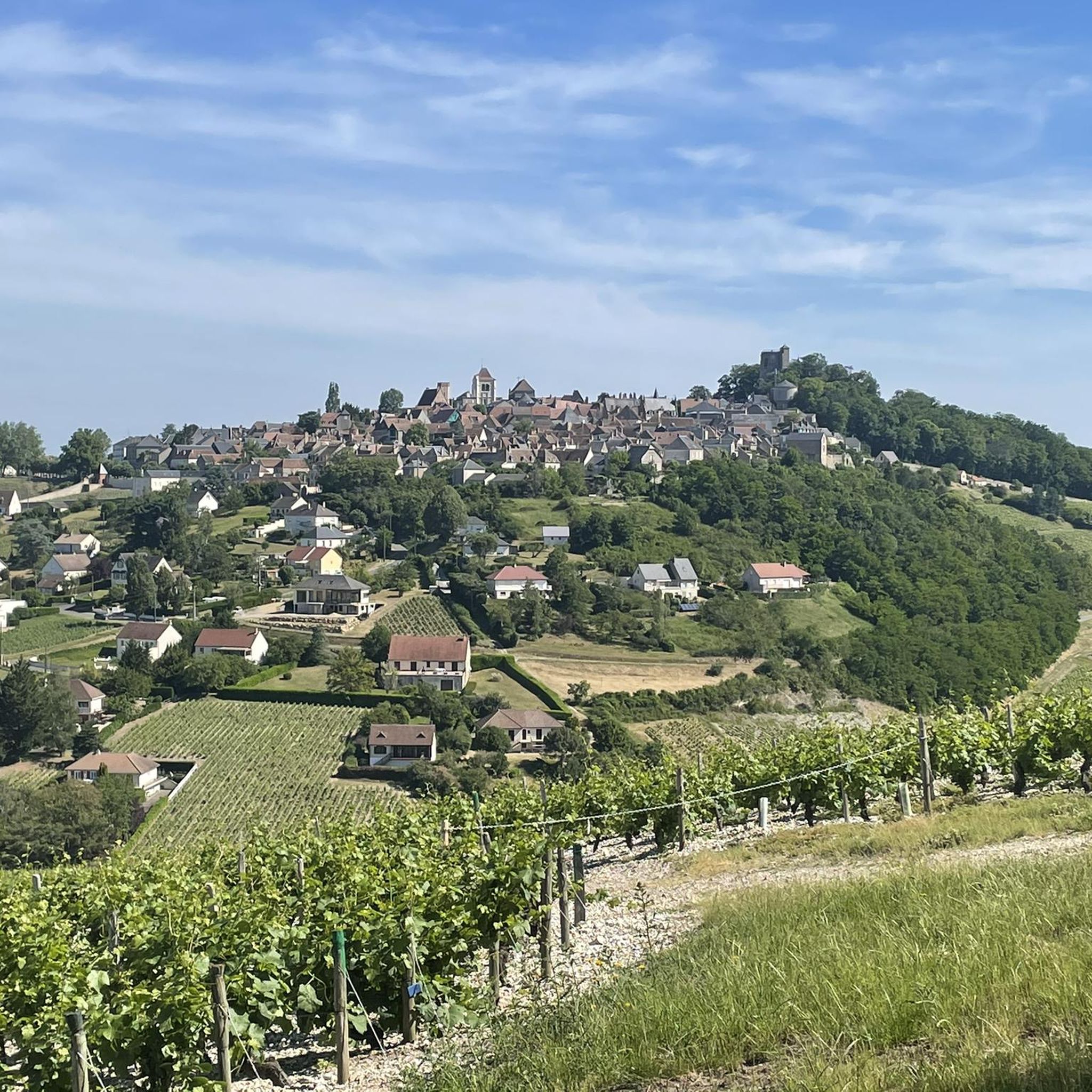
Gravel biking around Bué is situated within France's Sancerre wine region, characterized by rolling hills, extensive vineyards, and diverse rural landscapes. The terrain includes unpaved roads, forest paths, and unique "Falun" tracks composed of fine white limestone, offering varied surfaces for gravel biking. This region provides a mix of challenging climbs and scenic routes through preserved natural environments, including paths along the Loire Lateral Canal.
Best gravel bike trails around Bué
- The most popular gravel bike trail is Port of…
Last updated: May 7, 2026
4.7
(3)
12
riders
43.1km
03:01
640m
640m
Hard gravel ride. Very good fitness required. Mostly paved surfaces. Suitable for all skill levels.
4.0
(1)
5
riders
33.4km
02:32
560m
550m
Hard gravel ride. Very good fitness required. Mostly paved surfaces. Suitable for all skill levels.

Sign up for free
4.0
(1)
1
riders
20.0km
01:19
230m
230m
Moderate gravel ride. Good fitness required. Mostly paved surfaces. Suitable for all skill levels.
2
riders
43.7km
02:55
490m
490m
Hard gravel ride. Very good fitness required. Mostly paved surfaces. Suitable for all skill levels.
Our route recommendations are based on thousands of hikes, rides, and runs completed by other people on komoot.
Start today with a free account
Your next adventure awaits.
Login or Signup
Tips from the Community

In the proverbial "good old days," this (former) windmill, prominently positioned on the hill and clearly visible from afar, must have made a profound impression on the viewer. However, this changed long ago: Only the ruined remains of the once proudly towering tower with its once sweeping wings remain as a sad testament to that bygone era. Today's visitors probably enjoy less the sight of the ruins than—at least in good weather—the beautiful view of the wide plains that unfold before them.
1
0

It's not uncommon to find a Monument aux Morts in the immediate vicinity of the local church, which here boasts a very defensive-looking facade – the church's two massive, round towers could easily be imagined as part of a castle's fortifications. These monuments, found in almost every town, still serve an important dual function in the 21st century: They keep the memory of the victims of war and tyranny alive and thus serve as a constant reminder of peace.
0
0
Only the two wooden beams form a cross in its simplest form. And yet, this small, sacred monument—like all crosses encountered by bikers along the way—is an essential Christian symbol. It stands for the memory of his crucifixion, but at the same time also for the resurrection of Jesus Christ. The important founder of the order, Bernard of Clairvaux, said: + "With us on earth, there is His memory, but in the kingdom of heaven is His presence: This presence is the joy of those who have already attained salvation. The memory is our consolation, as we are still wanderers, traveling toward the Fatherland."
0
0
It is presumably a former "chemin de halage" (in German "treidelpfad" or "leinpfad"), which runs alongside the canal's bed. In earlier times, such a path was an essential part of the transport infrastructure. Before ships could be powered by motors, horses walked along the bank, pulling the boat against the current. This was called "treideln" (pulling), and this is how the towpaths got their name, which has been passed down to this day. Where these paths, which run close to the bank, have been preserved, they are popular with hikers, walkers, joggers, and cyclists.
1
0

Ideal for a short detour during a trip along the Loire. A friendly little village, especially if you want to taste wine: the choice is very wide and the quality is there.
0
0

It's a very beautiful place with a magnificent 360° view...
0
0
Frequently Asked Questions
What kind of terrain can I expect on gravel bike trails around Bué?
The gravel bike trails around Bué offer a diverse range of terrain. You'll encounter unpaved roads, forest paths, and unique "Falun" tracks, which are gravel paths made of fine white limestone, particularly common through vineyards. The region features rolling hills and varied rural landscapes, providing an engaging ride for all skill levels.
Are there any family-friendly gravel biking options near Bué?
While many routes in the immediate Bué area are rated moderate to difficult, the broader Cher department and Loire Valley offer flatter, more accessible sections along river valleys like the Cher and Loire. These paths, such as the "Cher à vélo" and "Cœur de France à Vélo" routes, often feature well-maintained surfaces suitable for families, including unpaved sections perfect for gravel bikes.
Can I bring my dog on the gravel bike trails in the Bué region?
The Sancerre region, including areas around Bué, is known for its natural heritage and protected sites. While many outdoor areas in France are dog-friendly, it's always best to keep your dog on a leash, especially in vineyards, agricultural areas, and Natura 2000 sites, to protect wildlife and respect local regulations. Always carry water for your dog and be mindful of other trail users.
What are some notable natural features or landmarks to look out for while cycling around Bué?
The region is rich in natural beauty and historical sites. You'll cycle through the famous Sancerre vineyards, offering stunning views. Keep an eye out for the distinctive "Cirque of Bué," a unique geographical formation. The area is also part of a Natura 2000 site, indicating a preserved natural environment. For specific points of interest, consider visiting Viewpoint over the Sancerre valley or the historic town of Sancerre itself.
Are there any circular gravel bike routes starting from or near Bué?
Yes, there are several circular routes available. For example, the Port of Saint-Satur – Canal Pathway loop from Sancerre offers a challenging 33.4 km ride with significant elevation changes. Another option is the Sancerre vineyard – Sancerre's main square loop from Sancerre, a moderate 28.1 km route that takes you through the picturesque vineyards.
What is the best time of year for gravel biking in Bué?
The Sancerre region, including Bué, is beautiful throughout much of the year. Spring and autumn generally offer the most pleasant temperatures for cycling, with vibrant landscapes during spring bloom and stunning colors in autumn. Summer can be warm, so early morning or late afternoon rides are recommended. Winter riding is possible, but be prepared for cooler temperatures and potentially muddy conditions on unpaved tracks.
Where can I find parking for my bike and car when gravel biking in Bué?
Bué is a small village, and parking is generally available in and around the village center. For routes that start from nearby towns, such as Sancerre or Tracy-Sancerre, you'll typically find public parking areas. Always look for designated parking spots and be mindful of local residents and vineyard access roads.
What do other gravel bikers enjoy most about riding in Bué?
The gravel biking experience around Bué is highly rated by the komoot community, with an average score of 4.1 stars from more than 8 reviews. Riders often praise the unique "Falun" tracks, the stunning views of the Sancerre vineyards, and the varied rural landscapes that make each ride engaging and scenic.
Are there any cafes or places to stop for refreshments along the gravel routes?
Bué itself is a winegrowing village, and you'll find local establishments there. The nearby medieval town of Sancerre, a popular starting or ending point for many routes, offers a wider selection of cafes, restaurants, and wine cellars where you can refuel and enjoy local specialties. Many routes also pass through other small villages where you might find a local boulangerie or small shop.
How difficult are the gravel bike trails around Bué?
The gravel bike trails around Bué range from moderate to difficult. For instance, the Port of Saint-Satur – Sancerre loop from Tracy - Sancerre is a difficult 43.1 km path with significant elevation changes. The region's rolling hills and vineyard terrain mean that even shorter routes can present a good challenge. It's advisable to check the elevation profile for each route to match it to your fitness level.
Can I reach Bué by public transport with my bike?
While Bué is a rural village, public transport options exist to the broader Sancerre region. However, bringing bikes on regional buses or trains can sometimes be restricted or require specific arrangements. It's recommended to check with the local transport providers in the Cher department or the Centre-Val de Loire region for their current policies regarding bicycles before planning your trip.
What is a good long-distance gravel route in the area?
For those seeking a longer challenge, the Canal Latéral à la Loire – Entrance to the Briare canal bridge loop from Tracy - Sancerre is a difficult 142.2 km trail. This route follows the Canal Latéral à la Loire, offering extensive views of the waterway and surrounding countryside, and typically takes over 9 hours to complete.
Are there any regulations or permits required for gravel biking in the Sancerre region?
Generally, no specific permits are required for gravel biking on public paths and roads in the Sancerre region. However, as the area includes vineyards, agricultural land, and Natura 2000 protected sites, it's crucial to stay on marked trails, respect private property, and avoid disturbing wildlife or agricultural activities. Always follow local signage and leave no trace.
Most popular attractions around Bué

Get inspired with the komoot mobile app


Explore more
Browse the best Gravel rides in other regions.
