The best gravel rides around Montaigu-De-Quercy
5.0
(2)
12
riders
5
rides
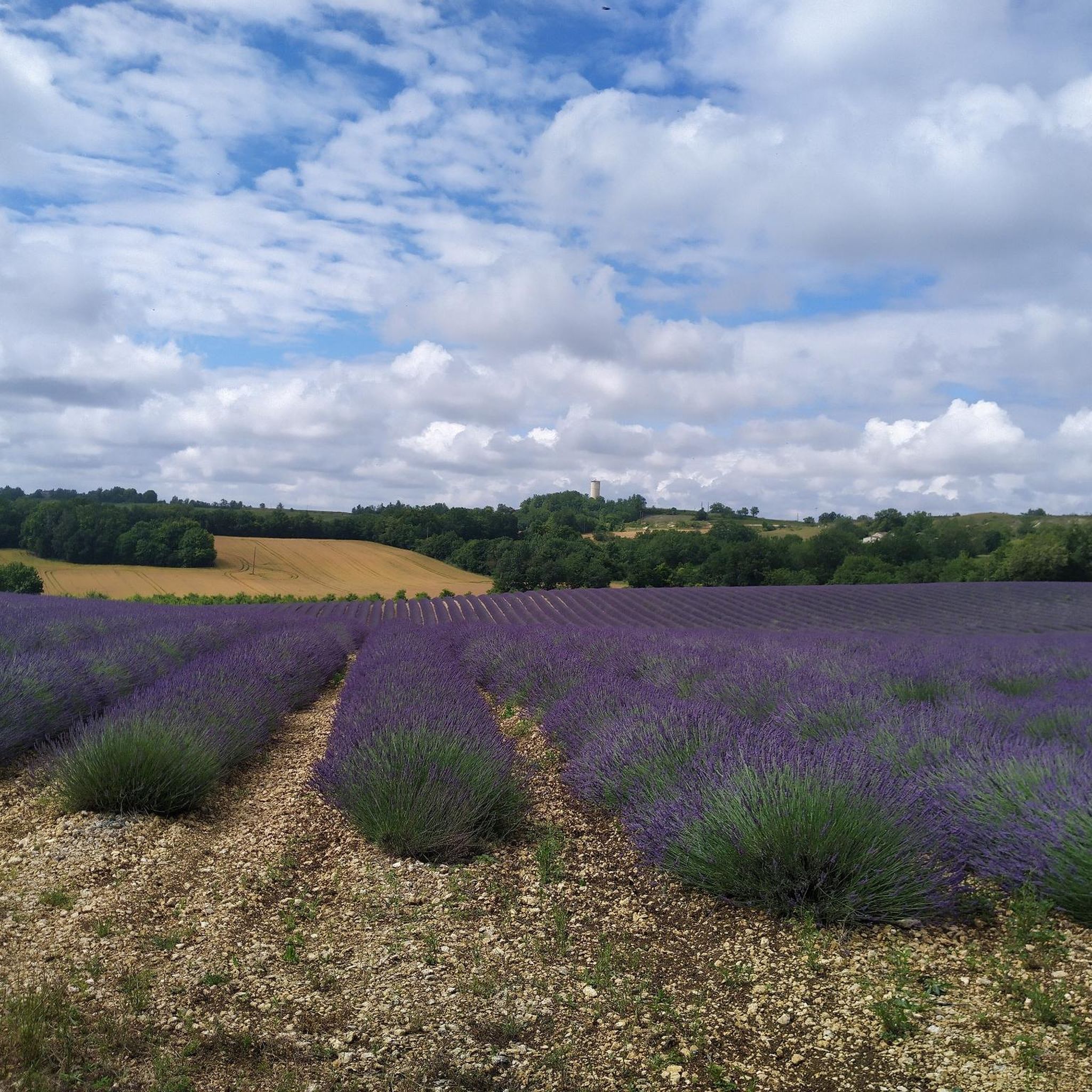
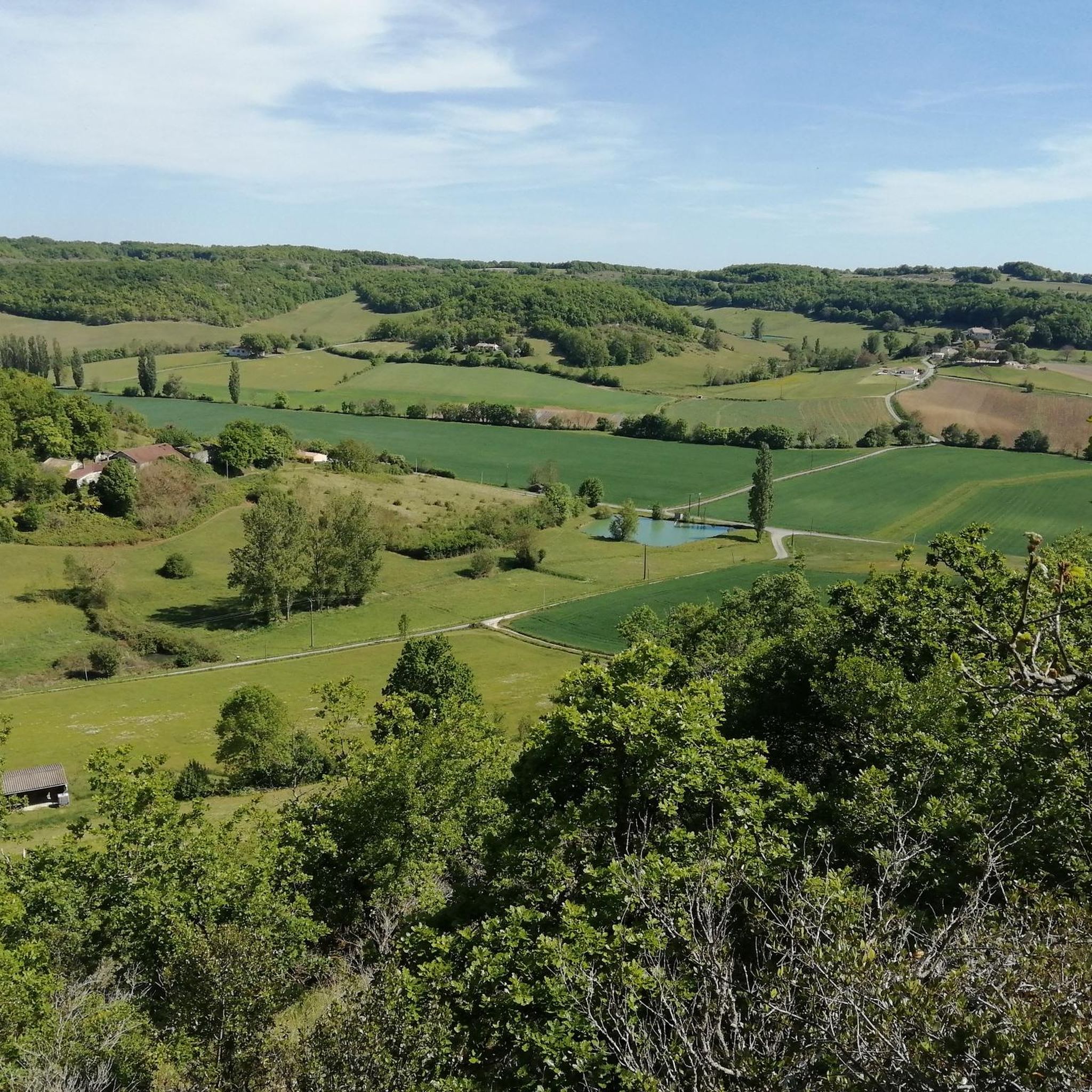
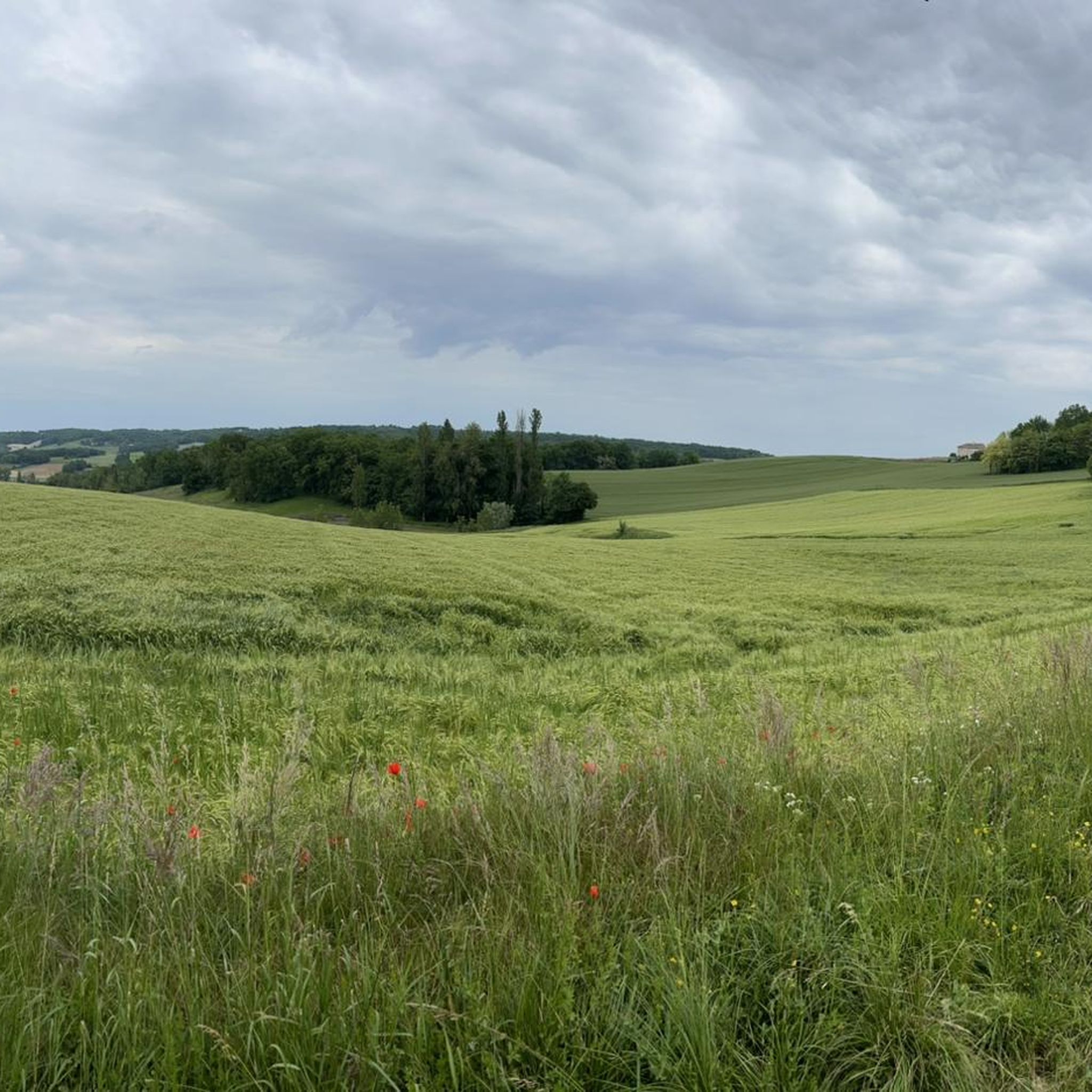
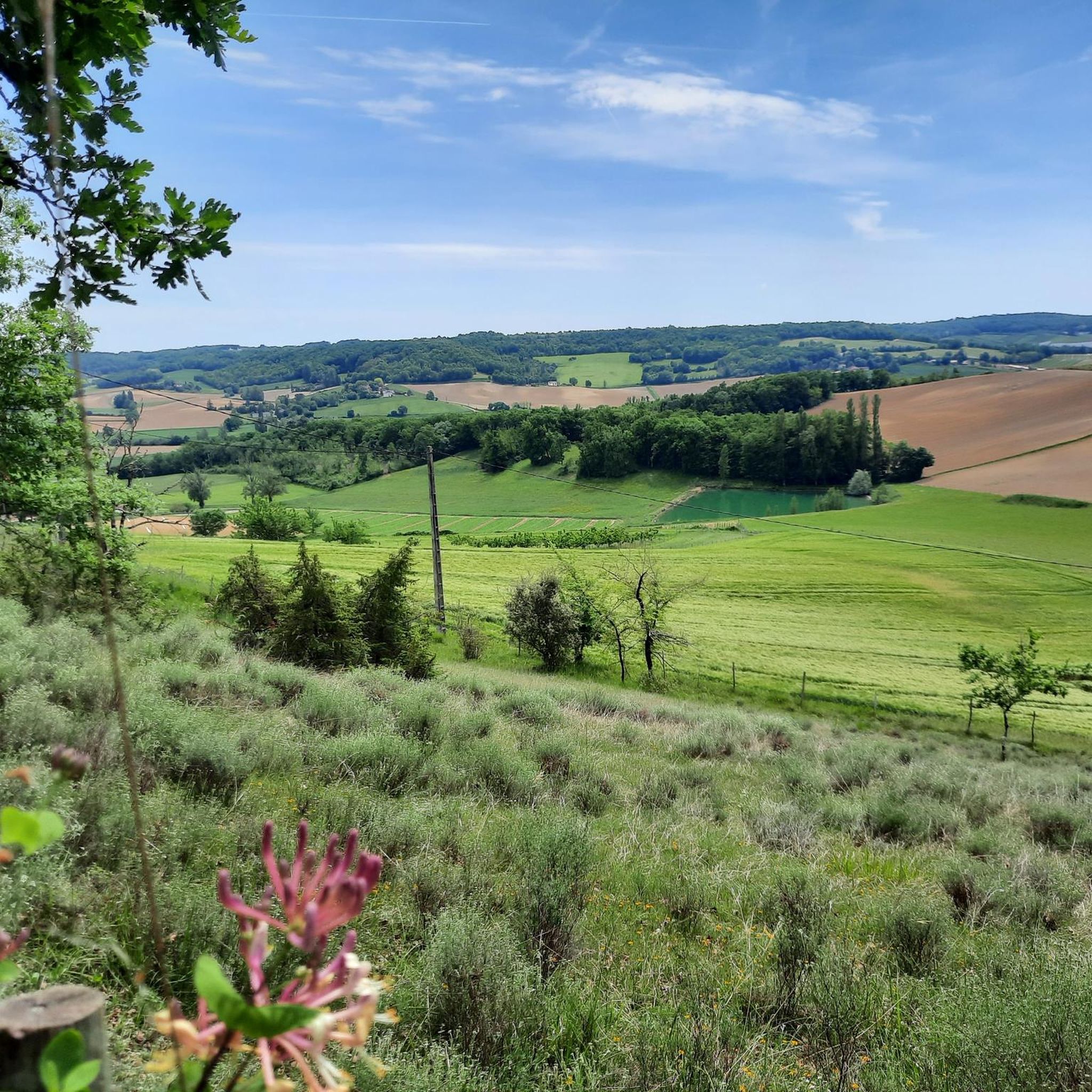
Gravel biking around Montaigu-De-Quercy offers diverse terrain across rolling countryside, characterized by limestone plateaus, hills, and wide valleys. The region features a mix of paved and unpaved roads, tracks, and trails, making it well-suited for gravel cycling. Vineyards dot the hillsides, and a large leisure lake surrounded by oak forest provides additional natural features. This landscape provides varied conditions for gravel bike trails.
Best gravel bike trails around Montaigu-De-Quercy
- The most popular gravel bike trail is Montcuq Old Town –…
Last updated: November 3, 2026
2
riders
24.0km
01:57
390m
390m
Moderate gravel ride. Good fitness required. Mostly paved surfaces.
5.0
(1)
3
riders
101km
07:04
1,100m
1,090m
Hard gravel ride. Very good fitness required. Mostly paved surfaces.

3
riders
73.0km
05:12
950m
950m
Hard gravel ride. Very good fitness required. Mostly paved surfaces.
1
riders
42.0km
02:57
630m
630m
Hard gravel ride. Very good fitness required. Mostly paved surfaces.
1
riders
73.6km
05:27
1,450m
1,450m
Hard gravel ride. Very good fitness required. Mostly paved surfaces.
Our route recommendations are based on thousands of hikes, rides, and runs completed by other people on komoot.
Start today with a free account
Your next adventure awaits.

Tips from the Community

Very nice circuit with few people on the roads. The last climb on the road parallel to the departmental road is very difficult with a gradient that I estimated at 15% but is visibly a bit steeper (18%?).
1
0

Built at the end of the 13th century and remodelled in the 18th century following a fire in 1562, then again in 1881, the village church forms a single-nave stone vessel with a polygonal apse. The choir (Radiant Gothic) is covered. The stained glass windows, in very vivid colour ranges, depict the lives of Christ and Saint-Hilaire.
0
0
Montcuq is a superb medieval hilltop village with a rich heritage in the heart of Quercy Blanc: La Tour de Montcuq: A majestic 12th-century keep that proudly dominates the village. Built between the end of the 12th century and the beginning of the 13th century under the authority of the Counts of Toulouse. Destruction of the castle: During the Albigensian Crusade and treaties with the King of France, the local lord had to dismantle the ramparts. Only this main tower survived. Particularities: It has a rectangular (or trapezoidal) shape and a square turret housing a unique spiral staircase. Scientifically, the name has nothing lewd about it: it comes from the Occitan Moncuc, which simply means a conical mound or a fortified hill.
0
0
Montcuq is a superb medieval hilltop village with a rich heritage in the heart of Quercy Blanc: La Tour de Montcuq: A majestic 12th-century keep that proudly overlooks the village. Built between the late 12th and early 13th centuries under the authority of the Counts of Toulouse.Destruction of the castle: During the Albigensian Crusade and the treaties with the King of France, the local lord had to dismantle the ramparts. Only this keep survived.Particularities: It has a rectangular (or trapezoidal) shape and a square turret housing a unique spiral staircase. Scientifically, the name has nothing lewd about it: it comes from the Occitan Moncuc, which simply means a conical hill or a fortified hill.
0
0
The original building was completely destroyed by Protestants in the 16th century, during the Wars of Religion. The current church was completely rebuilt in 1890 in a neo-Gothic style very characteristic of that era. Despite its more recent exterior architecture, it houses and preserves precious and interesting Baroque furnishings.
0
0
Lauzerte is a magnificent medieval bastide from the 12th century perched on a rocky spur. Lauzerte is an essential and mythical stop for pilgrims on the Via Podensis (the route from Puy-en-Velay). Founded by the Count of Toulouse, this ancient strategic city features a checkerboard architecture typical of the bastides of the Southwest.
0
0
Lauzerte is a magnificent medieval bastide from the 12th century perched on a rocky spur. Lauzerte is an unmissable and mythical stop for pilgrims on the Via Podensis (the route from Puy-en-Velay). Founded by the Count of Toulouse, this ancient strategic city features a checkerboard architecture typical of the bastides of the Southwest.
0
0
Lauzerte is a magnificent medieval bastide from the 12th century perched on a rocky spur. Lauzerte is an essential and mythical stop for pilgrims on the Via Podensis (the route from Puy-en-Velay). Founded by the count of Toulouse, this ancient strategic city features a checkerboard architecture typical of the bastides of the Southwest.
0
0
Frequently Asked Questions
How many gravel bike trails are available in Montaigu-De-Quercy?
There are over 4 gravel bike trails around Montaigu-De-Quercy, offering a range of experiences for different skill levels.
What kind of terrain can I expect on gravel bike trails in Montaigu-De-Quercy?
The region, known as the 'Quercy Blanc', features rolling countryside with a mix of limestone plateaus, hills, and wide valleys. You'll encounter both paved and unpaved roads, tracks, and trails, often passing through vineyards and oak forests. The landscape provides varied conditions, from gentle climbs to more challenging ascents.
Are there gravel bike trails suitable for beginners or families?
Yes, there are options for less experienced riders. For an easier ride, consider the Cool job – Mauroux church loop from Mauroux, which is rated as easy and covers about 18 km with minimal elevation gain.
Are there any long-distance or challenging gravel routes?
Absolutely. For a more challenging and longer ride, the Boisse windmill – Boisse Mill loop from Montcuq is a difficult 95.5 km path with significant elevation changes, offering extensive countryside views. Another demanding option is the Montaigu de Quercy – Beauville loop from Montaigu-de-Quercy, which is 74.5 km long and traverses rolling hills and valleys.
What natural features can I see while gravel biking in the area?
You'll ride through picturesque landscapes characterized by white limestone plateaus, vineyards, and lush oak forests. A notable natural feature is the large leisure lake of Montaigu-De-Quercy, surrounded by a 40-hectare oak forest, offering a serene setting. For more information on the lake, you can visit tourisme-tarnetgaronne.fr.
Are there any historical landmarks or interesting places to visit along the gravel bike trails?
Yes, the region is rich in history. Montaigu-De-Quercy itself is a traditional market town with a central square and half-timbered houses. Nearby, you can explore charming villages like Lauzerte, classified as one of France's most beautiful villages, offering elevated views of the valleys. The Place des Cornières de Lauzerte is a beautiful historical site. You might also pass by the Château de Beauville, a fortified castle, or the Montcuq Old Town.
Are there circular gravel bike routes in Montaigu-De-Quercy?
Many of the gravel bike routes in the area are designed as loops, allowing you to start and finish at the same point. Examples include the Montcuq Old Town – Saint-Privat Church of Montcuq loop from Fargues and the Gravel loop from Montcuq.
What is the best time of year for gravel biking in Montaigu-De-Quercy?
The region is generally pleasant for outdoor activities. Spring and autumn offer mild temperatures and beautiful scenery, making them ideal for gravel biking. Summers can be warm, so early morning or late afternoon rides are recommended during peak season. Winters are generally mild, but some trails might be muddy after rain.
Where can I find parking for gravel bike trails in Montaigu-De-Quercy?
Parking is typically available in the towns and villages where routes often start or pass through, such as Montaigu-De-Quercy itself, Montcuq, or Fargues. Look for public parking areas within these communities.
Are there cafes or places to stop for refreshments along the routes?
As Montaigu-De-Quercy is a traditional market town and routes often pass through or near other charming villages like Lauzerte, you'll find opportunities for refreshments. These towns usually have local cafes, bakeries, or small shops where you can refuel during your ride.
What do other gravel bikers enjoy most about gravel biking in Montaigu-De-Quercy?
The area is highly rated by the komoot community, with an average score of 5.0 stars. Reviewers often praise the diverse terrain, the tranquil countryside, and the scenic views through vineyards and rolling hills. The 'Quercy Gravel' initiative also highlights the region's dedication to providing a dedicated space for gravel biking amidst beautiful natural scenery.
Most popular routes around Montaigu-De-Quercy
Most popular attractions around Montaigu-De-Quercy

Get inspired with the komoot mobile app


Explore more
Browse the best Gravel rides in other regions.
