Top 20 Natural Monuments in Yvelines
Best natural monuments in Yvelines are located west of Paris, offering diverse landscapes from expansive forests to picturesque valleys. The region, often referred to as the "green lung of the Ile-de-France," provides numerous opportunities for outdoor activities. These sites are ideal for nature enthusiasts seeking respite from urban life and exploring natural features. Yvelines features a variety of natural monuments, including vast forests, serene ponds, and unique rock formations.
Best natural monuments in Yvelines
- The most popular natural monuments is Rock Formations Near Maincourt-sur-Yvette, a natural monument that features beautiful rock formations along the Yvette river. This area offers a scenic passage for mountain biking or walking.
- Another must-see spot is Ponds of Parc des Côtes Montbron, a lake area with a stream and three ponds bordered by meadows and woods. This site provides an idyllic break with significant ecological wealth.
- Visitors also love Étang de Saint-Hubert, a lake developed during the reign of Louis XIV. This set of ponds and hydraulic structures was designed to supply water to the basins of the Domaine de Versailles.
- Yvelines is known for its extensive forests, numerous lakes, and unique rock formations. The region offers a variety of natural monuments to see and explore, from tranquil ponds to ancient trees.
- The natural monuments in Yvelines are appreciated by the komoot community, with more than 60 upvotes and 10 photos contributed by visitors.
Last updated: July 23, 2026
Ponds of Parc des Côtes Montbron
Highlight • Lake
Located in the town of Jouy-en-Josas, the Parc des Côtes Montbron, acquired by the Department for sensitive natural areas, has been open to the public since April 2011. Hikers and nature lovers can enjoy a break idyllic in the heart of this exceptional site.
It was part of the estate of the Château du Parc des Côtes Montbron, which became a center for infantile cardiology in 1952, belonging to the Mallet family, who had the château built between 1872 and 1875. This hidden valley reveals its stream, the Ru Saint, to the walker. Marc, and its three ponds bordered by meadows and woods. This mosaic of natural environments gives it great ecological wealth. It also offers a bucolic setting allowing a total change of scenery, while being located a few kilometers from Paris. It is also accessible by public transport (Petit Jouy station served by line C of the RER).
The Department has created three new entrances, providing access to 2.5 km of trails through the site. The CODERANDO des Yvelines has put in place the markings for the GR® of the Ile de France region which crosses the site. This route is decorated with information panels on the themes of the landscape, flora and aquatic environments.
(yvelines-infos.fr)
Translated by Google •
Tip by

Latona Fountain
Highlight • Monument
latone.chateauversailles.fr/page/le-bassin-de-latone/histoire-du-bassin
Translated by Google •
Tip by

Sign up now to discover places like this
Get recommendations on the best single tracks, peaks, & plenty of other exciting outdoor places.
Sign up for free
Rompu Pond
Highlight • Lake
Translated by Google •
Tip by

Guiperreux Toad Crossing
Highlight • Natural Monument
Each year, during the thaw (roughly from February to April), a "toadstool" is installed on the road that runs along the pond.
But what is a toaddrome exactly? So, it is not a place where one could indulge in clandestine bets on toad races, but a device intended to prevent these poor beasts from being crushed by cars in crossing the road to breed and lay their eggs in the pond on the other side of the road.
Indeed, thousands of common toads, but also frogs and newts, begin their long prenuptial migrations around March each year. They go to the nearest pond or pond to breed. Once their duty is done, they leave the aquatic environment to return to their summering areas where they will spend most of their time feeding.
In order to avoid a carnage of amphibians on the road, a tarpaulin is planted 600m on each side of the road to block their passage. In various places a hole has been made in which a bucket is buried. By looking for a passage all along the tarpaulin, the toad will inevitably end up at the bottom of a bucket. Every morning, volunteers come to collect toads and other frogs and drop them off on the other side of the road.
Translated by Google •
Tip by

Old Chestnut Tree at Place Audran
Highlight • Natural Monument
If you take the time to admire this solitary colossus, or even to sit in the shade of its foliage, you will notice the irregularities of its trunk which take the form of helical grooves. Specialists say that the tree is "screwed".
An estimated 330 years old, it was planted during the reign of Louis XIV and now measures 18 meters wide and 12 meters high. In the 17th and 18th centuries this species of tree was planted in large numbers because it made it possible to offer the people chestnuts and to make flour. Before the introduction of the potato in Europe, it was one of the methods to fight against the famines that raged in the country.
Formerly the district was composed of wooded plots and vast pastures. The chestnut tree was thus able to develop without local competition in the middle of a meadow.
Like the court of Versailles, he must have heard in the distance the muffled noises of the French Revolution which announced the end of the world which had seen him born and grow up. Later he saw the plumes of smoke from the Industrial Revolution appearing on the horizon. The installation of a station not far away and the arrival of the train from Paris brought it perhaps the company of the first walkers who came to rest under its foliage.
But it was from 1920 that the first constructions appeared. In 1930 there were seven houses in the subdivision. Then the houses and pavilions multiplied and were accompanied by cars. The road had to be paved and the question of the very existence of the tree no doubt arose. A small place was then arranged for him.
At present the majestic chestnut tree is in the heart of a residential district itself included in the frenetic Parisian agglomeration. Cars, vans, scooters and motorcycles come and go around him, mostly without noticing him.
It is undoubtedly the symbolic power of his position that struck the spirits and allowed him to acquire his title. Stubbornly resistant to urban development, he is a precious witness to the mad march of the world. A being apart who watches men move about, and perhaps observes them with commiseration.
Translated by Google •
Tip by
Étang de Saint-Hubert
Highlight • Lake
Translated by Google •
Tip by

Golden Pond
Highlight • Lake
Translated by Google •
Tip by
Menhirs of the Chêne des Missions
Highlight • Monument
Translated by Google •
Tip by
Rock Formations Near Maincourt-sur-Yvette
Highlight • Natural Monument
Translated by Google •
Tip by

They actually believed they had discovered the remains of a monastery.
The stripping of the dolmen delivered leather spatulas, vases, ashes and flint knives.
It was estimated in 1894 that this monument contained 150 skeletons.
It was excavated in a more scientific way in 1899 by Mr. Mortillet and restored in 1970.
The archives show the presence of roofing slabs until the 18th century.
The dolmen consists of large sandstone slabs forming the pillars.
The gaps between the pillars are filled with flat stones.
Translated by Google •
Tip by

Sign up for free to discover even more natural monuments in Yvelines.
Sign up for free
Already have an account?
Start today with a free account
Your next adventure awaits.
Login or Signup
Popular around Yvelines
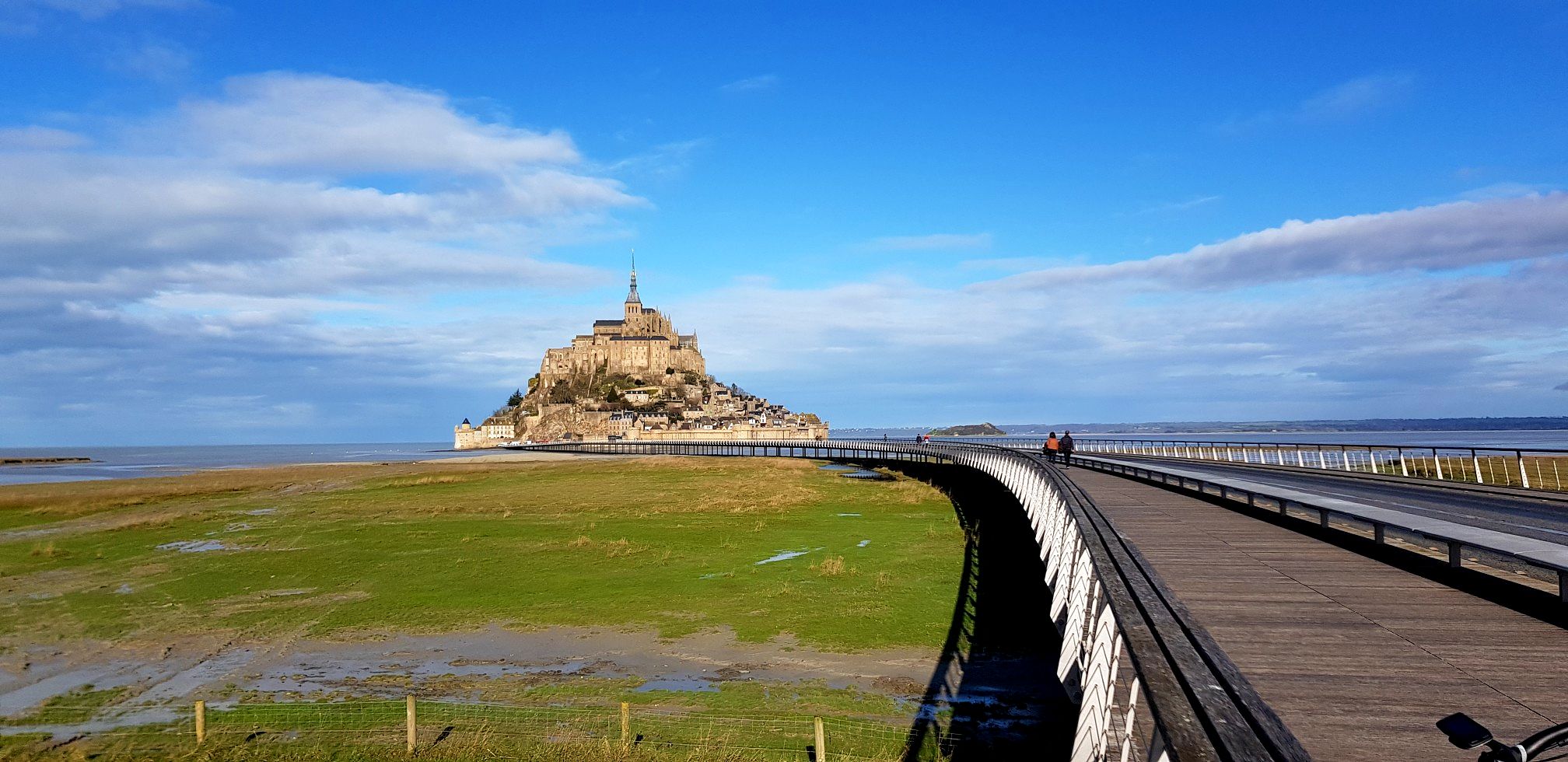
GR 22 to Mont-Saint-Michel – Miquelot's Walk
Born to Ride 2020
Avenue Verte – Cycling a beautiful adventure from London to Paris
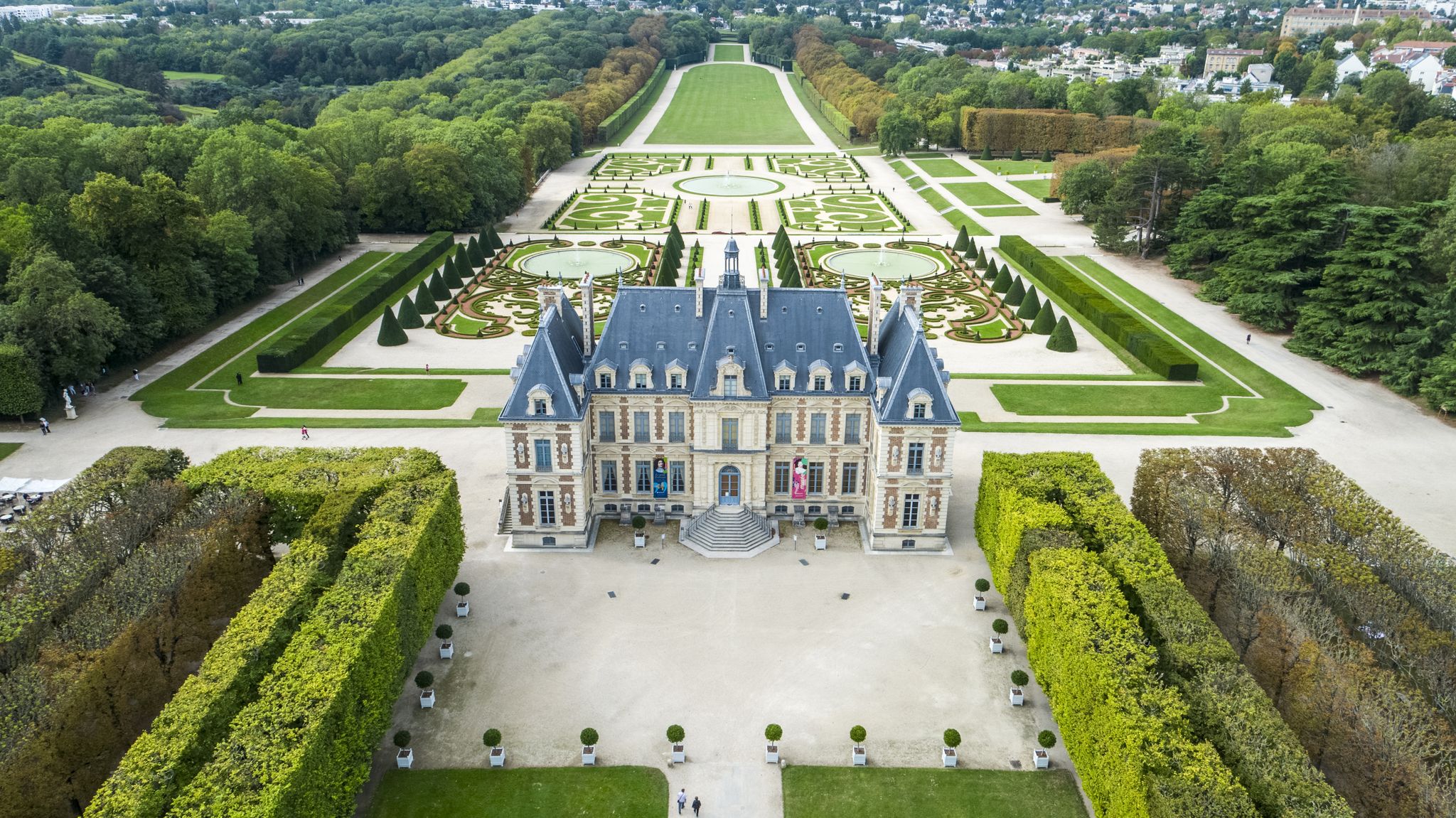
Destination Hauts-de-Seine — cycling trips within easy reach of Paris
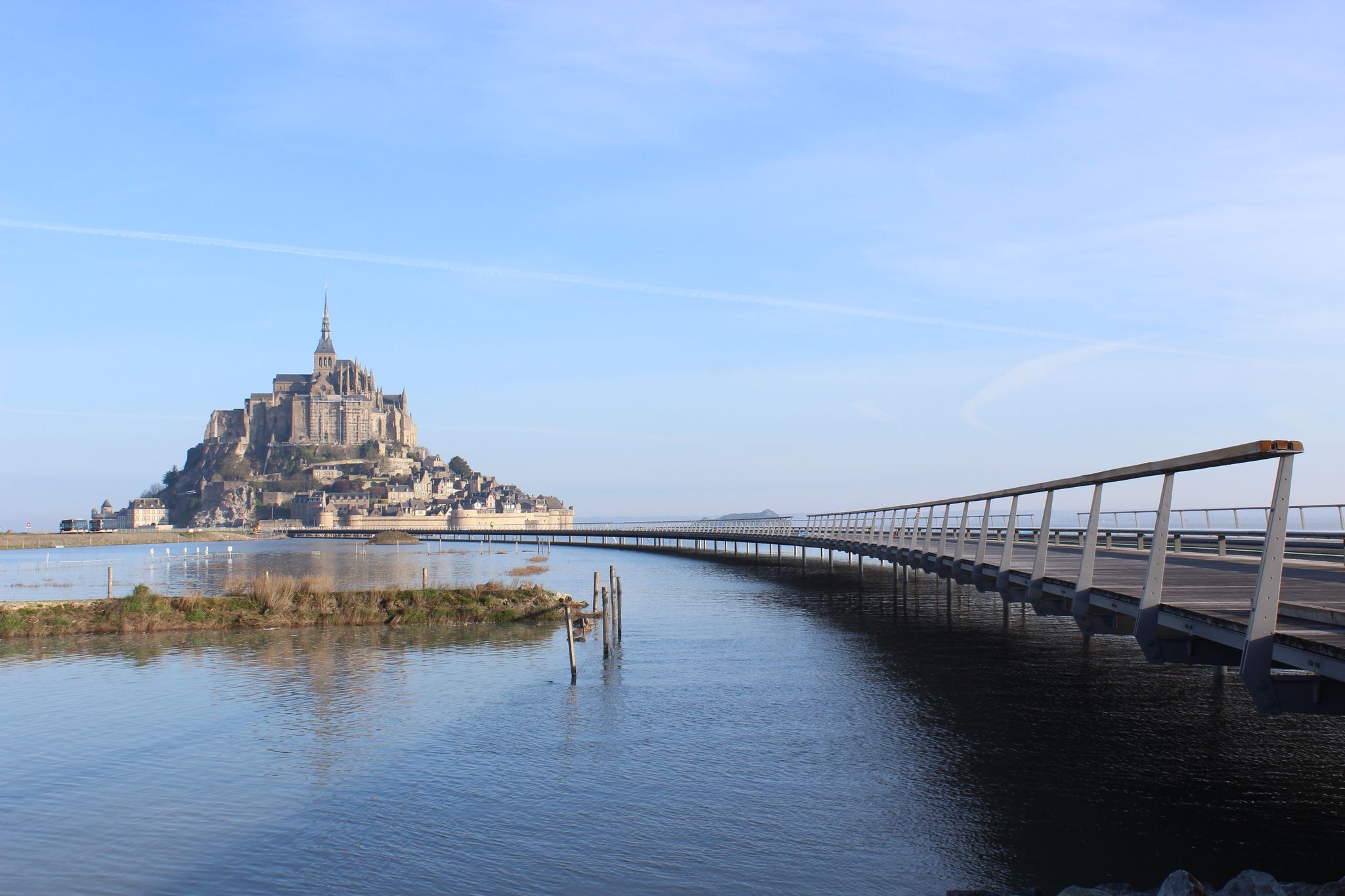
From Paris to Mont-Saint-Michel — La Véloscénie
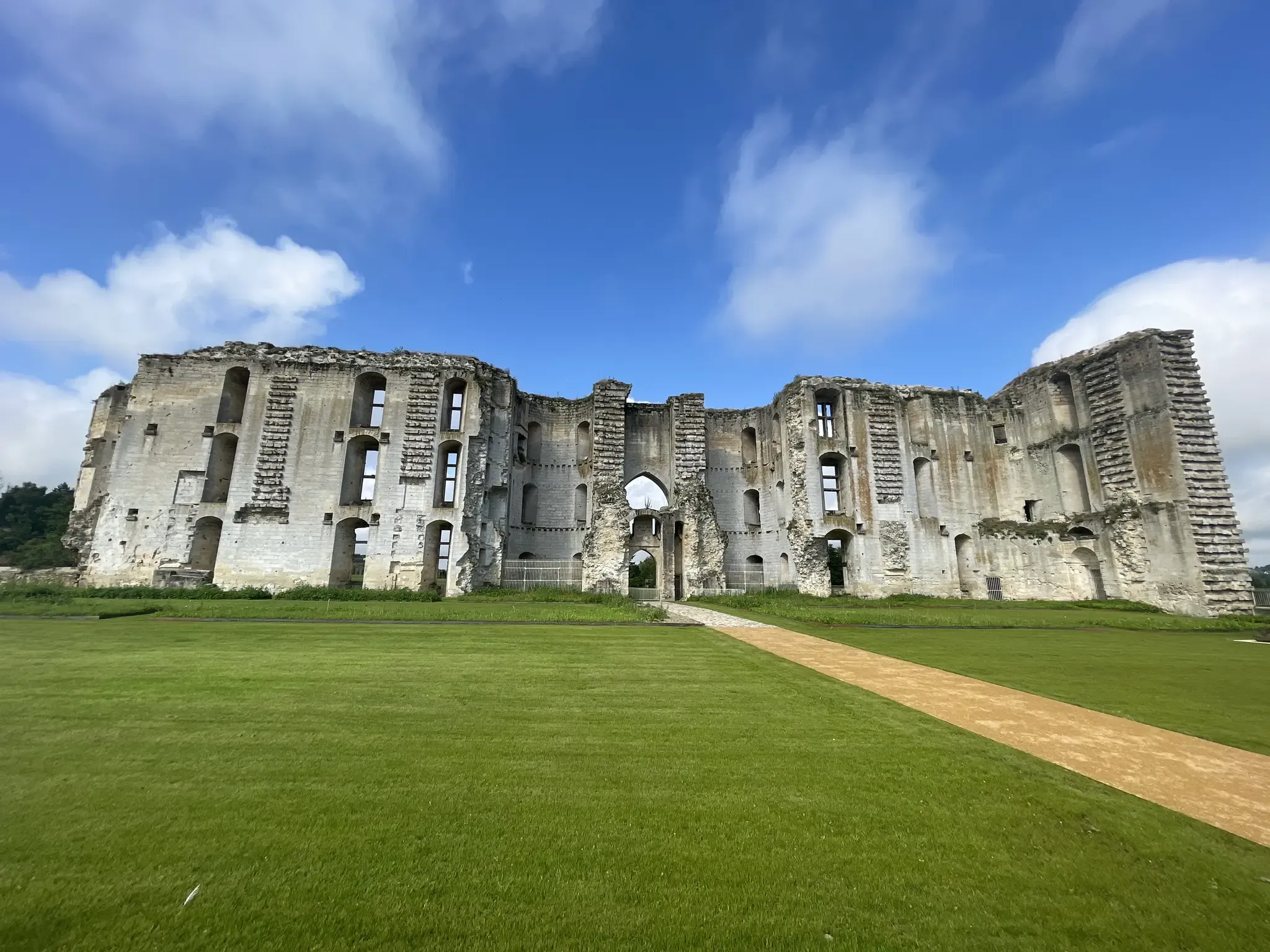
Nature and heritage around Paris – hiking the GR 11
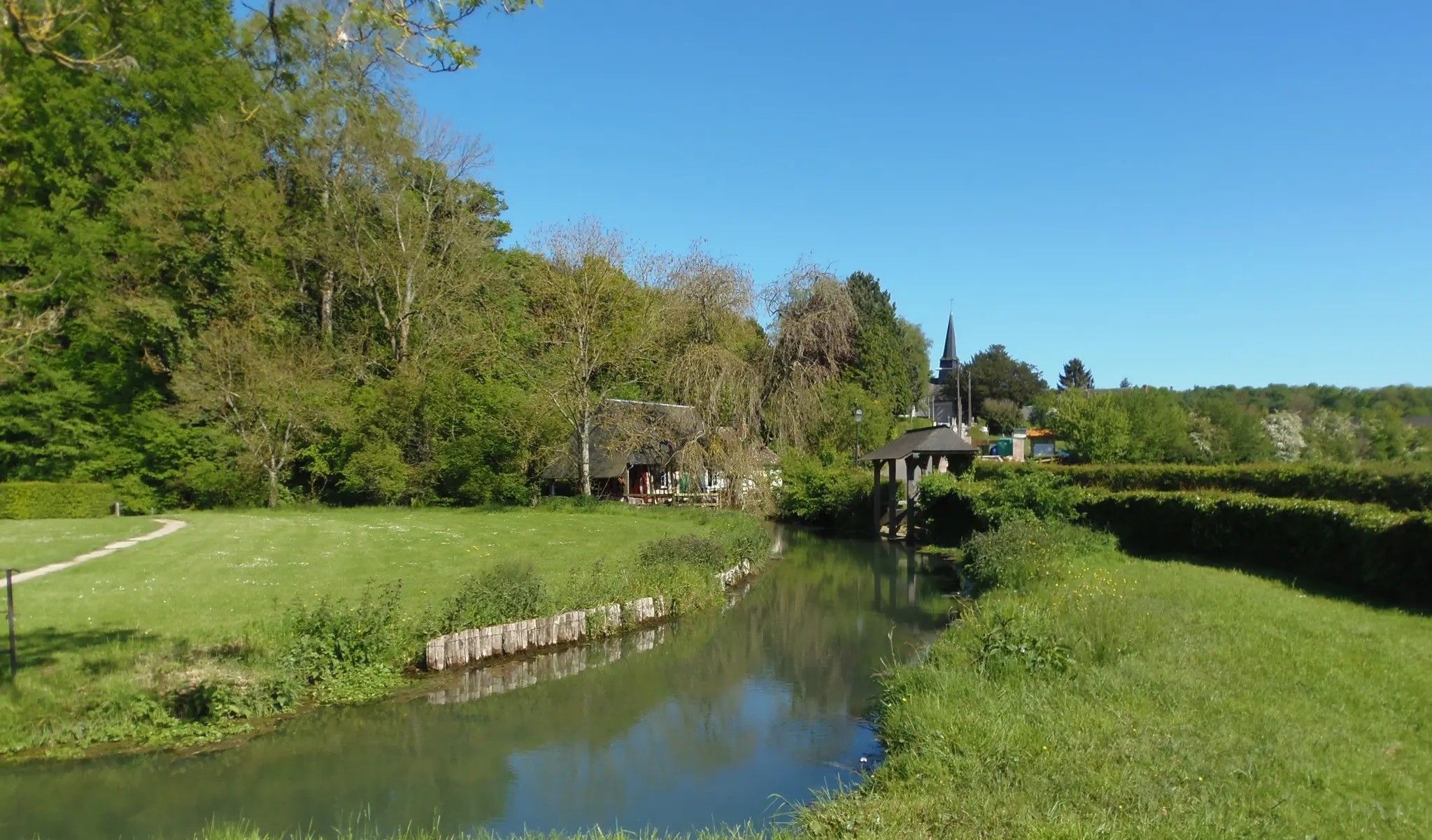
Hike through the Ile-de-France and Normandy countryside – GR 26
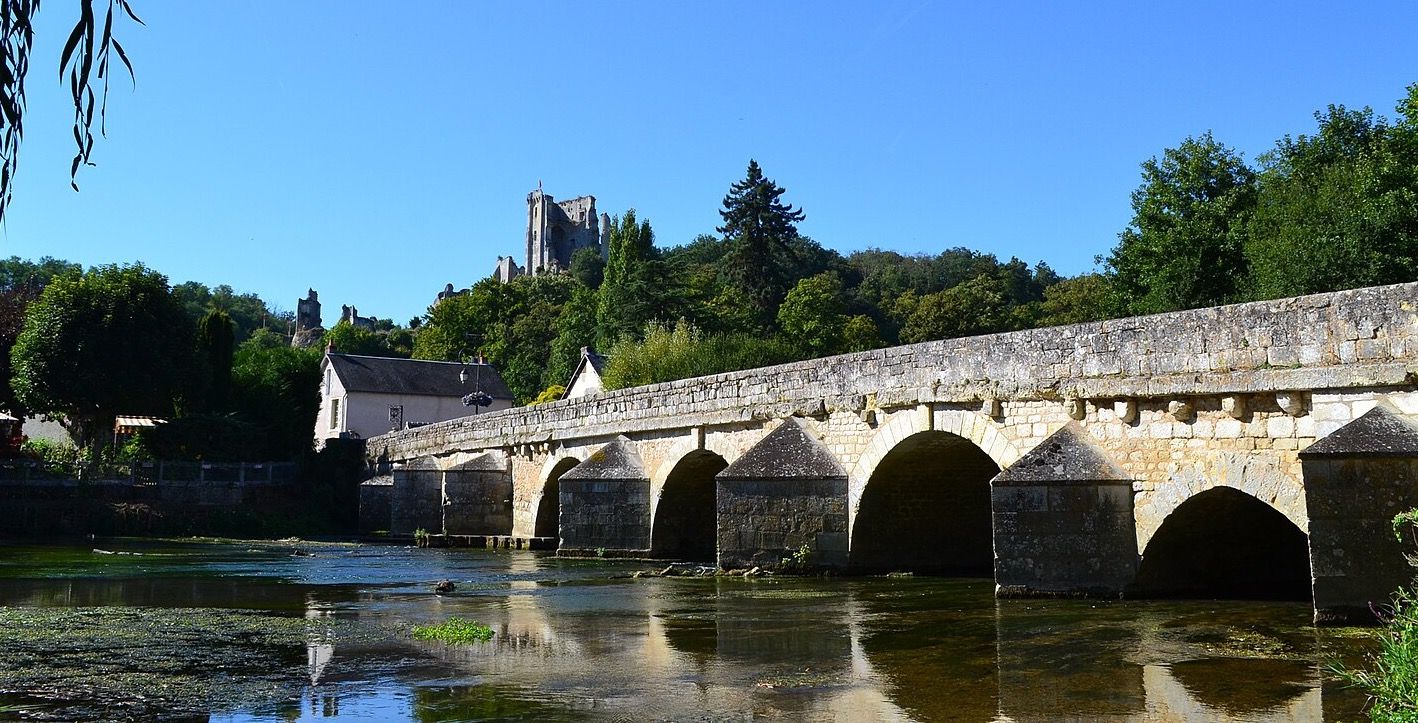
Pilgrimage from Rambouillet to Tours – Saint-Jacques by bike (V41)
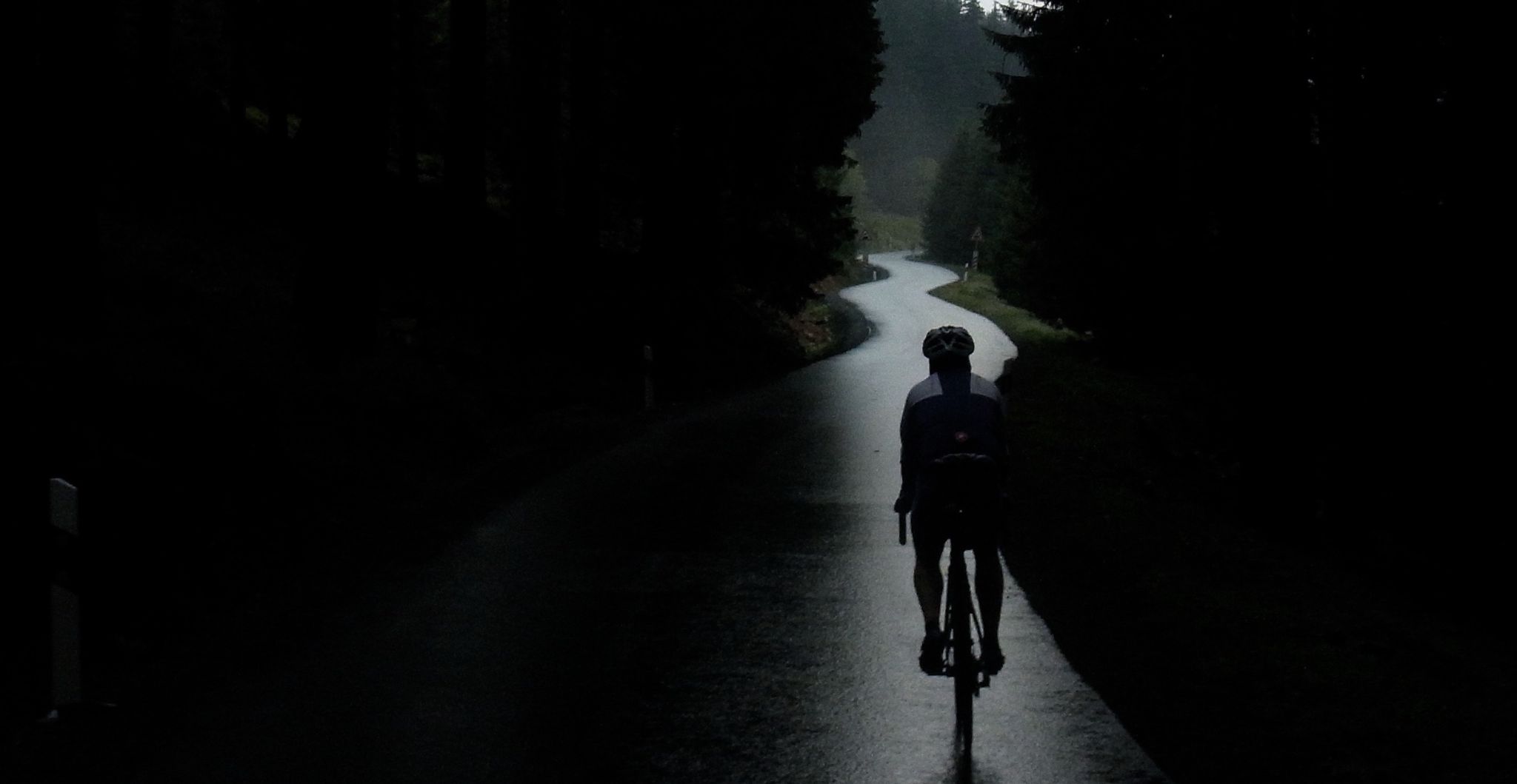
Braving the night — Gravel escape from Bocage ornais to Paris
Trails come to Paris – run the Paris Ecotrail
Other adventures in Yvelines


Tips from the Community

Added to the collection: komoot.com/de-de/collection/3600632/-naturdenkmaeler-besondere-baeume-und-weitere-schaetze-der-natur
0
0

Viltain Farm then the singletrack further west is a little paradise. Landslide (04/2025) on the way back
0
0

Near Maincourt-sur-Yvette, this wood has beautiful rock formations climbing up the first slopes of the Chevreuse valley, just a few meters from the river.
0
0
This former retention basin was part of the network that was used to supply water to the Palace of Versailles. Today, it is a beautiful bird sanctuary where it is pleasant to walk.
0
0

This oak was discovered by Breton missionaries in 1895. It is surrounded by 4 dolmens and a large menhir. The oak is 32m high. It is one of the most beautiful passages in the Meudon Forest.
1
0

It is a beautiful place that is quite cool even in the heat because it runs along the Yvette and several ponds, but it concentrates a lot of people on Sundays on a fairly narrow path. In high season, prefer Saturday for this course
0
0

Napoleon's bridge crossing the ponds of the Cheuvreuse valley. Very nice place to get some air in the Paris region
1
0
Passing over the Pont Napoléon between the Etangs de Saint-Hubert and de Pourras in the heart of the Cheuvreuse Valley
1
0
Frequently Asked Questions
What kind of natural features can I expect to see in Yvelines?
Yvelines, often called the "green lung of the Ile-de-France," offers a diverse range of natural features. You'll find expansive forests like the Forêt Domaniale de Saint-Germain and Rambouillet Forest, picturesque valleys such as the Chevreuse Valley, and numerous serene ponds. Unique geological formations, like the Rock Formations Near Maincourt-sur-Yvette, and significant botanical collections at the Arboretum de Versailles-Chèvreloup also contribute to the region's natural beauty.
Are there family-friendly natural monuments in Yvelines?
Yes, many natural monuments in Yvelines are perfect for families. The Ponds of Parc des Côtes Montbron offer idyllic settings for walks, while the Rompu Pond in Rambouillet Forest provides a charming body of water to explore. The Étang de Saint-Hubert, with its historical connection to Versailles, is another great spot for a family outing.
What are some of the best forests to explore in Yvelines?
The Yvelines department is home to several magnificent forests. The Forêt Domaniale de Saint-Germain is a tranquil haven with long trails for hiking and biking, known for its ancient oak trees. The vast Rambouillet Forest offers extensive opportunities for hiking, cycling, and wildlife watching. Both provide a refreshing escape into nature.
Can I find historical or cultural sites within or near the natural monuments?
Absolutely. The Chevreuse Valley, while a natural treasure, also features cultural surprises like the Château de la Madeleine, offering panoramic views. The Arboretum de Versailles-Chèvreloup, originally acquired by Louis XIV, combines botanical discovery with historical significance. Even sites like the Menhirs of the Chêne des Missions, though pseudo-megalithic, offer an intriguing blend of nature and human history.
What outdoor activities can I do near these natural monuments?
The natural monuments in Yvelines are excellent starting points for various outdoor activities. You can enjoy hiking, cycling, and mountain biking through the extensive forests and valleys. For specific routes, consider exploring the many hiking trails in Yvelines or the gravel biking routes available in the region.
What is the best time of year to visit the natural monuments in Yvelines?
The natural monuments in Yvelines can be enjoyed year-round, each season offering a unique experience. Spring brings blooming flora, while autumn transforms the forests with vibrant colors, perfect for foraging. Summer is ideal for longer hikes and outdoor activities, and even winter offers a quiet tranquility for those seeking peaceful strolls.
Are there any unique natural sites or 'hidden gems' in Yvelines?
Beyond the well-known areas, Yvelines holds some unique natural sites. The Désert de Retz is an unusual Anglo-Chinese park blending natural landscapes with architectural follies, offering a picturesque walking experience. The Guiperreux Toad Crossing is another lesser-known spot that highlights the region's diverse ecosystems.
Where can I go for wildlife spotting in Yvelines?
Many natural areas in Yvelines are rich in wildlife. The vast Rambouillet Forest is particularly known for wildlife watching opportunities. The Parc du Peuple de l'Herbe is the largest nature park in Yvelines, dedicated to observing the region's rich flora and fauna, making it an excellent spot for nature enthusiasts.
Are there any natural monuments with significant water features?
Yes, Yvelines features several natural monuments centered around water. The Ponds of Parc des Côtes Montbron, with its stream and three ponds, is an ecologically rich site. The Golden Pond and Rompu Pond in Rambouillet Forest are also charming bodies of water. For those interested in waterfalls, there are specific waterfall hikes in Yvelines.
What do visitors enjoy most about the natural monuments in Yvelines?
Visitors frequently appreciate the tranquility and natural beauty these sites offer, providing a perfect respite from urban life. The diverse landscapes, from dense forests to serene ponds and unique rock formations, are highly valued. Many enjoy the extensive opportunities for outdoor activities like hiking and cycling, as well as the chance to connect with nature and observe local wildlife.
Is public transport available to reach some of these natural sites?
Some natural monuments in Yvelines are accessible by public transport. For instance, the Ponds of Parc des Côtes Montbron can be reached via the Petit Jouy station on RER line C. While many areas are best accessed by car, public transport options exist for certain locations, making them reachable for a wider audience.
Most popular routes in Yvelines
Most popular attractions in Yvelines

Get inspired with the komoot mobile app


Explore more
Extend your search for the best caves by checking out these guides of the top ones in Yvelines:
