Top 5 Castles around Voulgézac
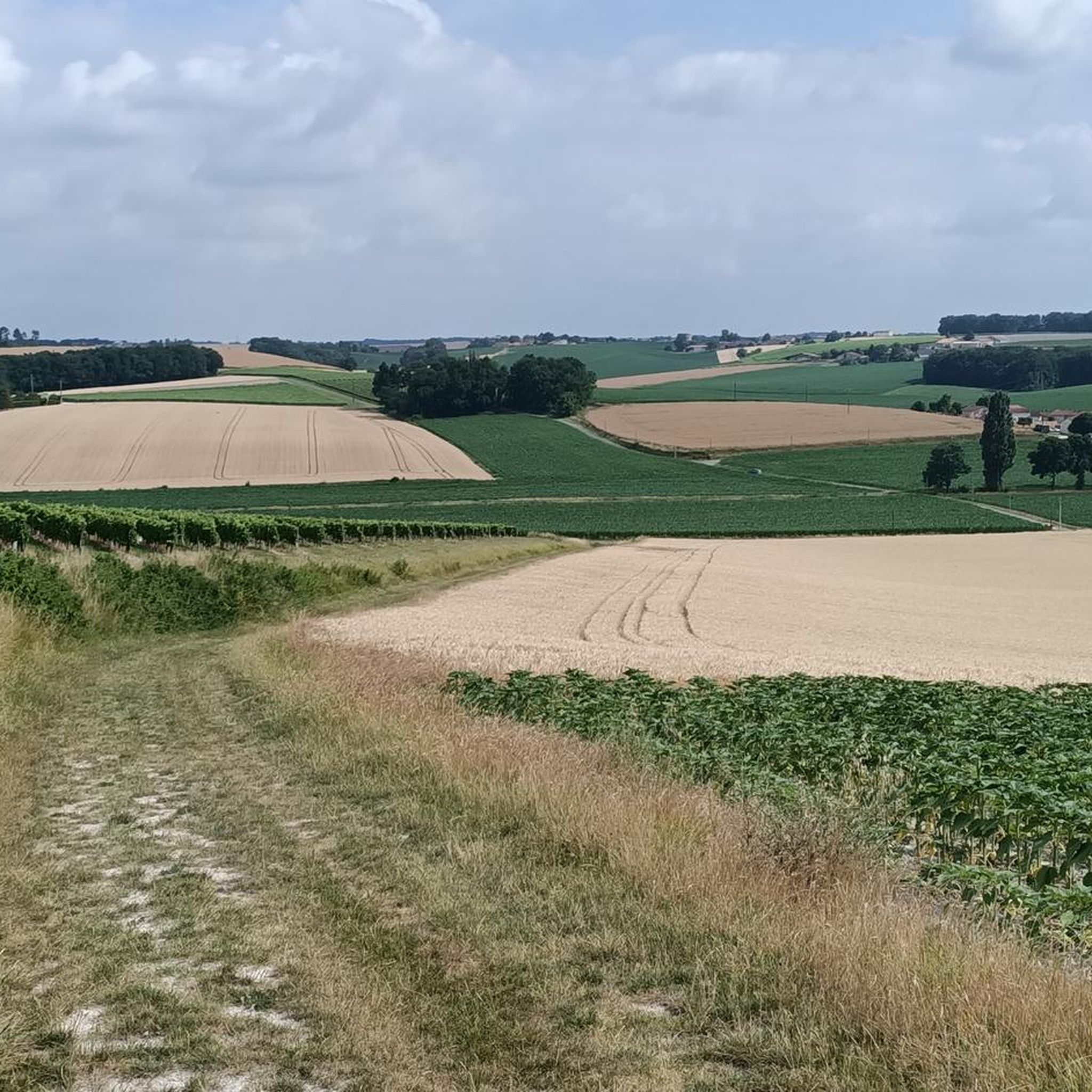
Castles near Voulgézac offer a glimpse into the rich history of the Charente department in Nouvelle-Aquitaine, France. While the commune of Voulgézac features the fortified 12th-century Notre-Dame Church, the surrounding region is home to several notable châteaux. These historical structures provide diverse architectural and historical insights. The area's landscape, characterized by rolling hills and agricultural land, provides a scenic backdrop for exploring these historical sites.
Best castles around Voulgézac
- The most popular castles is Château de la Rochandry, a…
Last updated: May 21, 2026
Château de la Rochandry
Highlight • Castle
Translated by Google •
Tip by

Château de la Mercerie
Highlight • Castle
Translated by Google •
Tip by

Sign up now to discover places like this
Get recommendations on the best single tracks, peaks, & plenty of other exciting outdoor places.
Sign up for free
Chateau du diable
Highlight • Castle
Translated by Google •
Tip by

Château de Torsac
Highlight • Castle
Translated by Google •
Tip by
Château de la Léotardie
Highlight • Castle
Translated by Google •
Tip by

Sign up for free to discover even more castles around Voulgézac.
Sign up for free
Already have an account?
Start today with a free account
Your next adventure awaits.
Login or Signup



Tips from the Community

Château de La Léotardie in Nonac, in Charente, not in Dordogne. Listed as a Historic Monument, Château de la Léotardie in Nonac was originally the property of Hélie Léotard, then Archdeacon of Bourges. Part country house, part monastery, this former fortified castle was largely rebuilt in the 14th century and then renovated in the 15th. Visitors can discover a vaulted room and an ogival doorway on the ground floor. It is also possible to admire a medieval triple-nave barn a few hundred meters away. https://www.france-voyage.com/villes-villages/nonac-2918/chateau-leotardie-12663.htm
0
0
A former stronghold during the Hundred Years' War, the building is said to have served as a landmark for the English, nicknamed the Red Devils, which is said to have given it its name. The building is currently privately owned. https://www.chateau-fort-manoir-chateau.eu/chateaux-charente-chateau-a-puymoyen-chateau-du-diable.html https://www.francebleu.fr/emissions/histoires-et-patrimoine-dans-les-2-charentes/les-charentes-mysterieuses-le-chateau-du-diable-a-puymoyen-16-1426390
0
0

Why Visit Château de la Léotardie? For its enchanting setting: Nestled in the heart of the Périgord countryside, the château is a haven of peace where you can recharge your batteries while admiring a magnificent example of Renaissance architecture. For its history: This place full of history allows you to discover a part of the rich past of the Périgord, with architecture that reflects the art of living and elegance of yesteryear. For its role in social and event life: The château offers a perfect setting for private events or receptions, with beautifully designed indoor and outdoor spaces. Château de la Léotardie is a hidden gem in the Dordogne, combining history, elegance and nature. It is a place to discover for those looking to explore an authentic corner of Périgord heritage.
1
0
Park and Gardens: Exceptional Natural Setting: Surrounded by vast meadows, woods and gardens, the château offers an idyllic natural setting. Visitors can enjoy quiet strolls in the shaded paths, among century-old trees, or relax while observing the local wildlife. French Gardens: Some of the château's gardens are laid out in a classic "à la française" style, with geometric flowerbeds and boxwood-lined paths, adding to the charm of the place. Intimate and Historical Atmosphere: Venue for Receptions and Events: The Château de la Léotardie is often used for private receptions, weddings and other events, making it a choice venue for those wishing to celebrate in a historic and romantic setting. Authentic Atmosphere: Despite its prestigious past, the château retains an intimate and tranquil atmosphere, offering visitors a true immersion in the history of the Périgord. Proximity to Tourist Sites: Périgord Noir Region: Located close to the famous tourist sites of the Dordogne, such as Sarlat, the caves of Lascaux and the castles of Beynac and Castelnaud, the Château de la Léotardie is an ideal base for exploring the region. Cultural and Natural Heritage: The castle is surrounded by magnificent landscapes, dense forests and rivers, typical of the Dordogne, offering many opportunities for nature lovers, whether it be hiking, canoeing or visiting picturesque villages.
1
0
Château de la Léotardie is a magnificent château located in the Dordogne region of Nouvelle-Aquitaine. Nestled in the heart of the Périgord countryside, it embodies the elegance and history of the region, while offering a peaceful and green setting. Although it is less well-known than some of the great châteaux of the Dordogne, it has a particular charm, particularly due to its architecture and its environment. Points of Interest at Château de la Léotardie: Renaissance Architecture: Périgourdine Elegance: Château de la Léotardie, dating from the Renaissance, is distinguished by its refined architecture. It has features typical of manor houses of this period, with stone facades, sloping roofs covered with tiles and beautiful stone fireplaces. Historical Details: Certain architectural elements bear witness to the history of the château, such as mullioned windows and circular towers which give the whole an appearance that is both defensive and elegant.
1
0

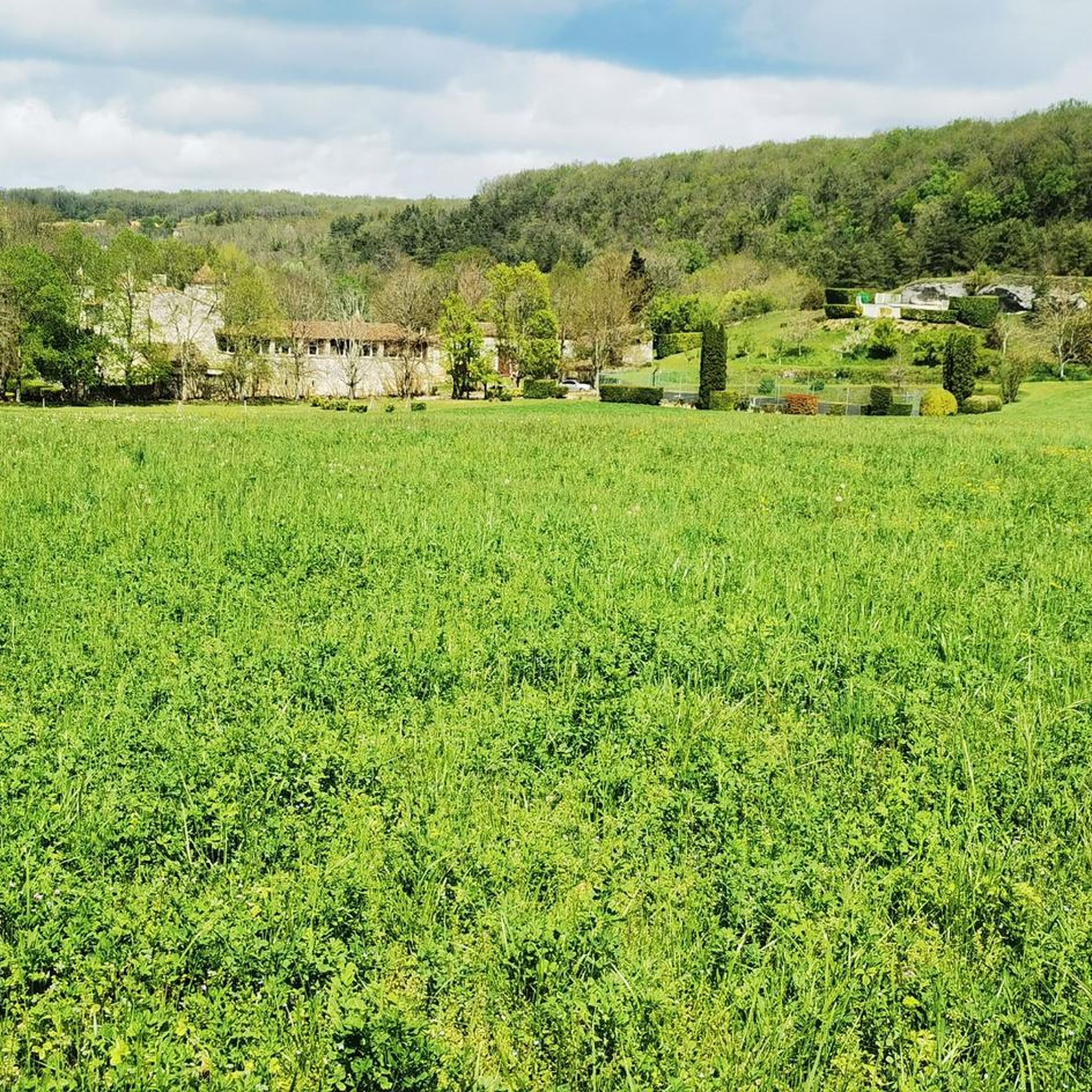
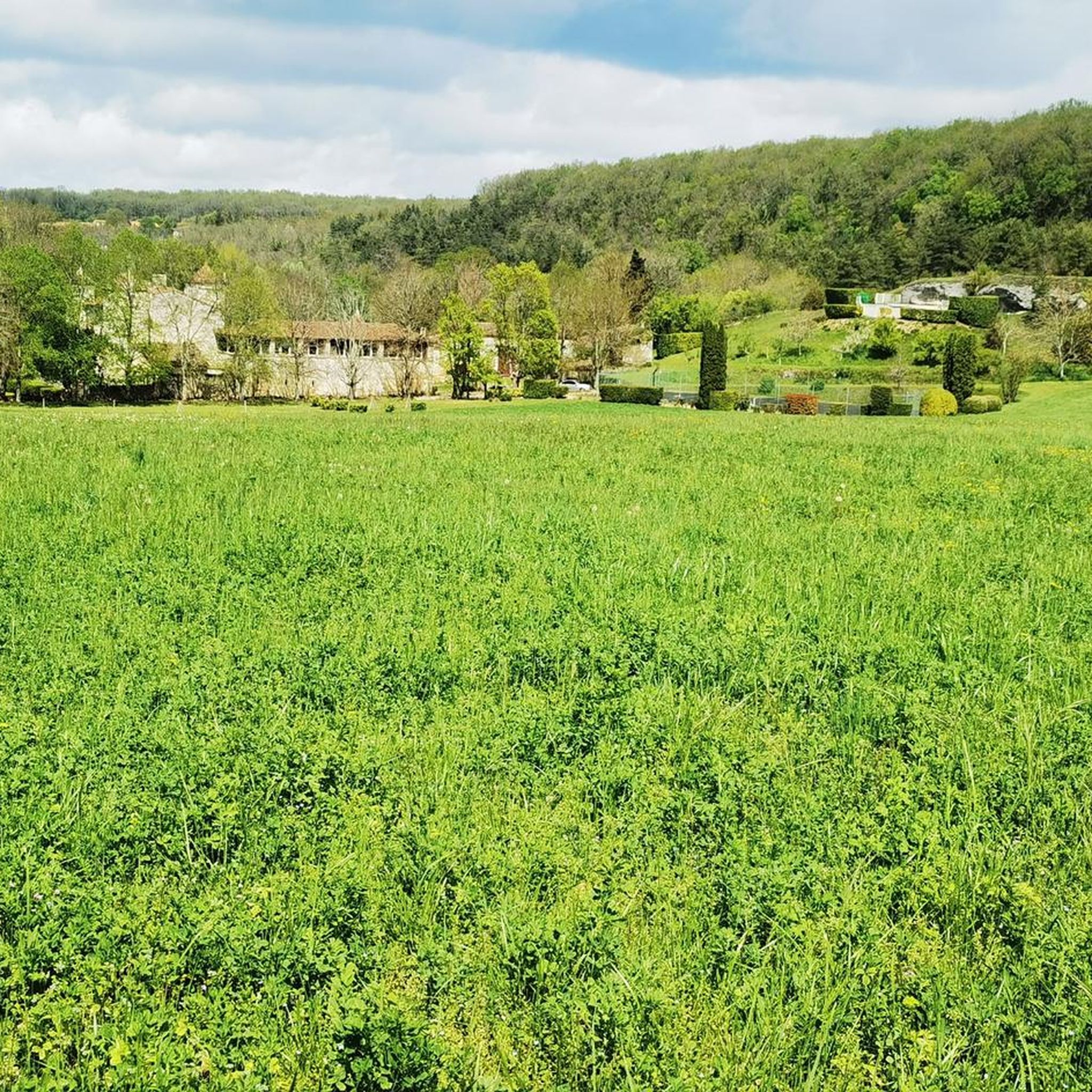
Magnificent little Charentais village, with a small church and its garden
0
0

The extraordinary history of this grandiose residence began in 1924, in the heart of a small 19th century manor (to the left of the current façade): the troubadour castel of La Mercerie was then acquired by Alphonse and Raymond Réthoré. From then on, the two brothers, dreaming of the great Versailles, devoted all their resources to enlarging and embellishing the building. The work undertaken is commensurate with the ambition that drives it. Outside, colonnades and balusters in white stone soon extend the first building. the cut stone increases the gigantism and the rigor of a facade with a perfect rhythm. Inside, nothing is too beautiful for La Mercerie, Raymond brings back from his travels furniture and paintings, chandeliers and precious woods, marbles from Italy, azulejos from Portugal etc. He returns from Italy with a painter sculptor who will carry out on the spot the most monumental decorations with the assistance of the inhabitants of the country. The treasures are piling up, but 30 years of work will not be enough to complete the colossal project. The collections are dispersed during auctions in June 1987. When the two brothers died, the castle fell into oblivion, until the mobilization of the inhabitants of the town, who decided to found an association to safeguard this unique and prestigious heritage. The Béruges room, the central living room, the Vernet living room, the vestibule, the mahogany gallery and the large Azulejos gallery, each more impressive than the last, now fully conquers the visitor eager for cultural discoveries. A short tour of the belvedere of the castle allows you to admire it from the height. In the park of the castle, the rose garden and the arboretum can be visited by little train. The little train is random due to the health context and will be reserved for people with reduced mobility and children, and mainly on Sundays.
0
0

This romantic castle was built in the 13th century, rebuilt in the 14th century and renovated in the 15th century. This castle was not only a house, but also a monastery for some time.
4
0
Frequently Asked Questions
Are there any castles directly in Voulgézac?
Voulgézac itself does not feature traditional, publicly accessible castles. However, the 12th-century Notre-Dame Church in Voulgézac is a remarkable example of a fortified Romanesque church, classified as a historical monument. While its defensive architecture is visible from the exterior, it is currently closed for visits. For grander châteaux, you'll need to explore the surrounding Charente region.
Which castles near Voulgézac are worth visiting for their history?
For those interested in history, the region offers several compelling sites. The Château de la Rochandry has a rich past, having been a disputed fortress during the Hundred Years' War and rebuilt in the 19th century. The Chateau du diable also served as a stronghold during the Hundred Years' War, earning its distinctive name from its role. Additionally, the Château de Torsac retains 13th-century elements and vaulted rooms, despite later alterations.
What is the best time of year to visit castles around Voulgézac?
The best time to visit castles around Voulgézac is generally during the spring (April to June) and autumn (September to October). During these seasons, the weather is typically mild and pleasant for exploring, and the natural landscapes provide a beautiful backdrop. Summer can also be enjoyable, though it can be warmer and more crowded.
Are there family-friendly activities at the castles near Voulgézac?
While specific family programs vary by castle and are best checked directly with each site, many castles offer expansive grounds that can be enjoyable for families to explore. For example, the Château de la Mercerie features a 50-hectare green setting with a rose garden and arboretum, which can be explored by a little train on Sundays, making it suitable for children and those with reduced mobility.
Can I find hiking trails near the castles around Voulgézac?
Yes, the area around Voulgézac offers several hiking opportunities that can be combined with castle visits. You can find routes like the 'Boëme Valley loop from Mouthiers-sur-Boëme' or the 'Étang des Jouffroux loop from L'Ouche'. For more details and maps of hiking trails, you can explore the Hiking around Voulgézac guide.
Are there cycling routes that pass by castles near Voulgézac?
Absolutely. The region is well-suited for cycling, with routes that take you past historical sites. Consider the 'Château de Torsac loop from Les Erableaux' or the 'Château de la Rochandry – Burnt Wood loop from Mouthiers-sur-Boëme'. You can find more cycling routes in the Cycling around Voulgézac guide.
What kind of natural features can I expect to see when visiting castles in this region?
The castles around Voulgézac are set amidst the rolling hills and agricultural landscapes of the Charente department. You can expect scenic views, often with expansive green settings, such as the 50-hectare park at Château de la Mercerie. The Château de la Léotardie, though further afield in Dordogne, is nestled in the heart of the Périgord countryside, surrounded by vast meadows, woods, and gardens, offering an idyllic natural setting.
Are there any hidden gem castles or lesser-known historical sites to explore?
While not a traditional castle, the fortified Notre-Dame Church in Voulgézac is a unique historical monument with significant defensive architecture from the 12th century. For a lesser-known château with a romantic history, the Château de la Léotardie, though located in the Dordogne region, offers a charming and intimate atmosphere, having served as both a residence and a monastery.
What do visitors enjoy most about the castles around Voulgézac?
Visitors frequently appreciate the rich historical narratives and diverse architectural styles of the castles. Sites like the Château de la Rochandry are noted for their superb appearance and historical significance. The grandeur of places like the Château de la Mercerie, with its impressive facade and elaborate interiors, also captivates many. The komoot community has shown appreciation for these locations, contributing photos and upvotes.
Are there amenities like cafes or restaurants near the castles?
Amenities such as cafes, pubs, and restaurants are typically found in the nearby villages and towns rather than directly adjacent to every castle. It's advisable to plan your visit by checking the offerings in the closest village to your chosen castle, such as Mouthiers-sur-Boëme or Fouquebrune, which are starting points for many routes in the area.
Is public transport available to reach castles near Voulgézac?
Public transport options directly to individual castles near Voulgézac can be limited. It is generally recommended to use a car for flexibility when exploring the various châteaux in the Charente region. Some larger towns like Angoulême may offer bus services to surrounding areas, but direct routes to specific castle entrances are uncommon.
Are the castles around Voulgézac accessible for wheelchairs?
Accessibility for wheelchairs varies significantly between castles, as many are historic structures with uneven terrain, stairs, and narrow passages. For example, the Château de la Mercerie offers a little train in its park that can accommodate people with reduced mobility on Sundays. It is always best to contact specific castles directly for detailed accessibility information before your visit.
Most popular routes around Voulgézac
Most popular attractions around Voulgézac

Get inspired with the komoot mobile app


Explore more
Looking for the best castles somewhere else? Discover other guides around Voulgézac:
