The best mountain hikes around Maas
4.0
(2)
9
hikers
4
hikes
Mountaineering routes around Maas are characterized by the diverse landscapes shaped by the Meuse River. The region features steep-sided valleys, particularly in the Belgian Ardennes, alongside limestone cliffs that offer significant rock climbing opportunities. Further north, the landscape transitions to river dunes and forests, especially within areas like Maasduinen National Park. These varied natural features provide a range of terrain suitable for different mountaineering activities.
Best mountaineering routes around Maas
- The most popular mountaineering route is Fort Sint Pieter –…
Last updated: November 23, 2026
4.0
(2)
7
hikers
16.5km
04:33
270m
280m
Hard mountaineering route. Good fitness required. Sure-footedness, sturdy shoes and alpine experience required.
1
hikers
7.02km
01:54
100m
100m
Easy mountaineering route. Easily walkable paths.

1
hikers
11.0km
03:03
190m
190m
Moderate mountaineering route. Good fitness required. Easily walkable paths.
6.50km
01:46
90m
90m
Easy mountaineering route. Easily walkable paths.
9.95km
02:40
120m
120m
Moderate mountaineering route. Good fitness required. Easily walkable paths.
Our route recommendations are based on thousands of hikes, rides, and runs completed by other people on komoot.
Start today with a free account
Your next adventure awaits.
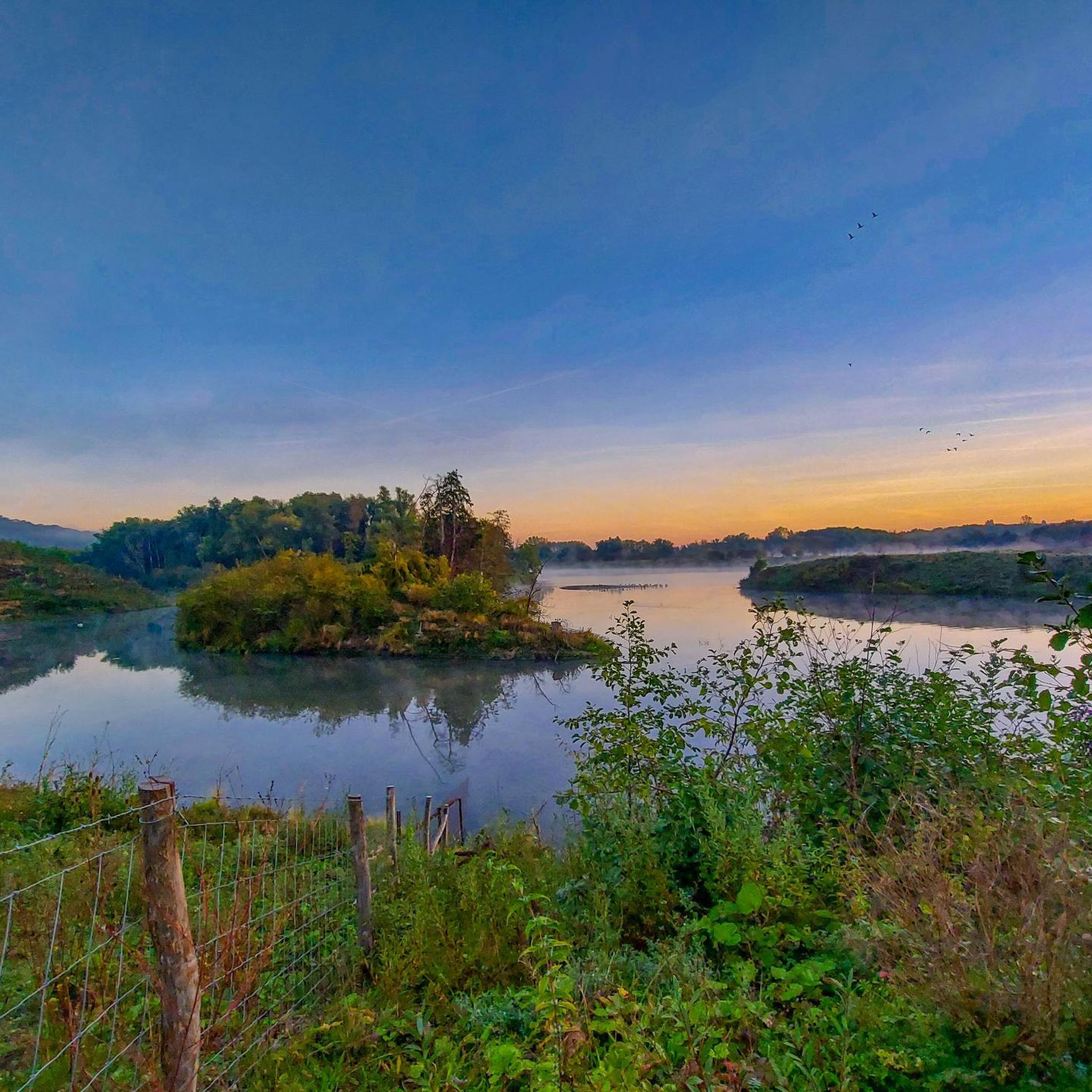
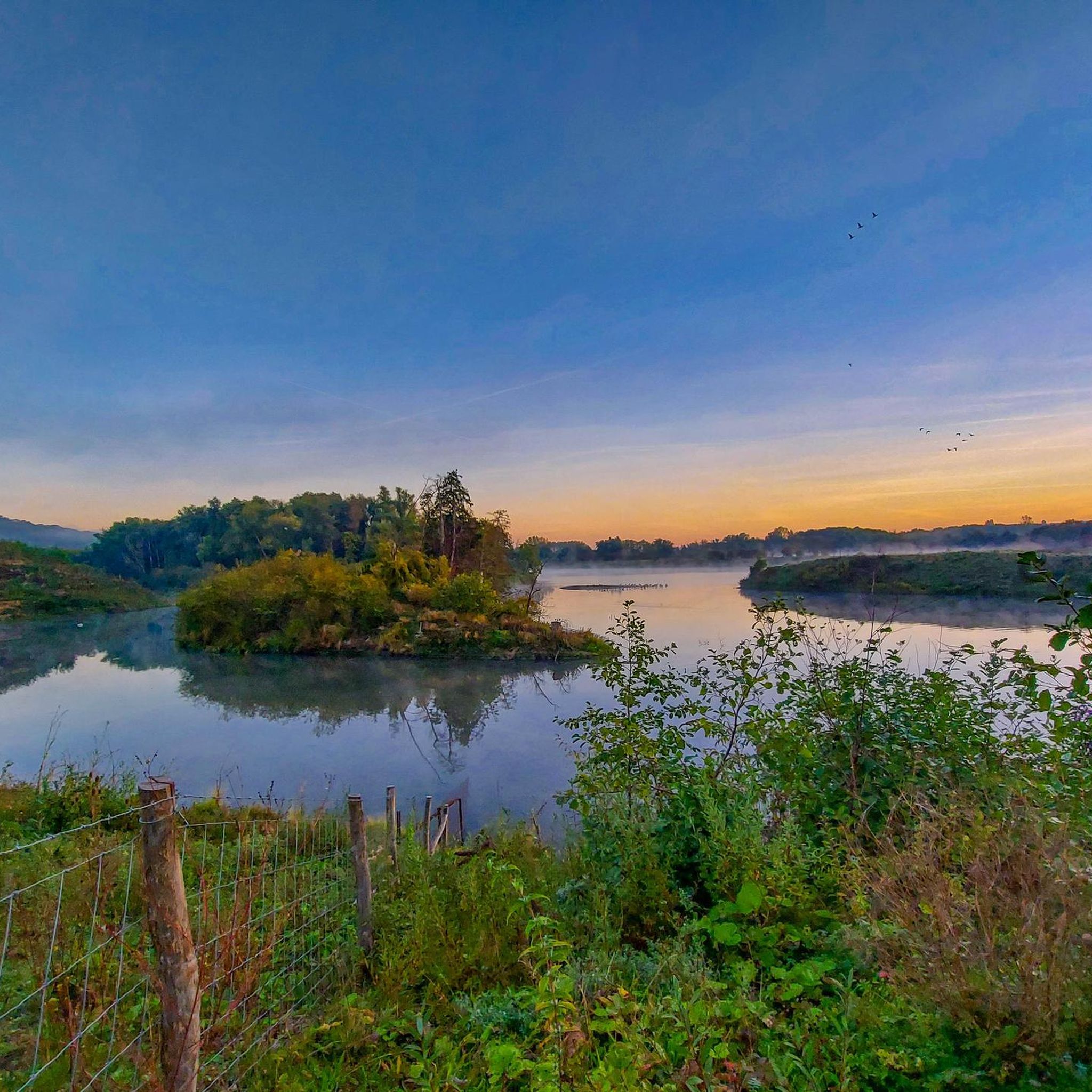
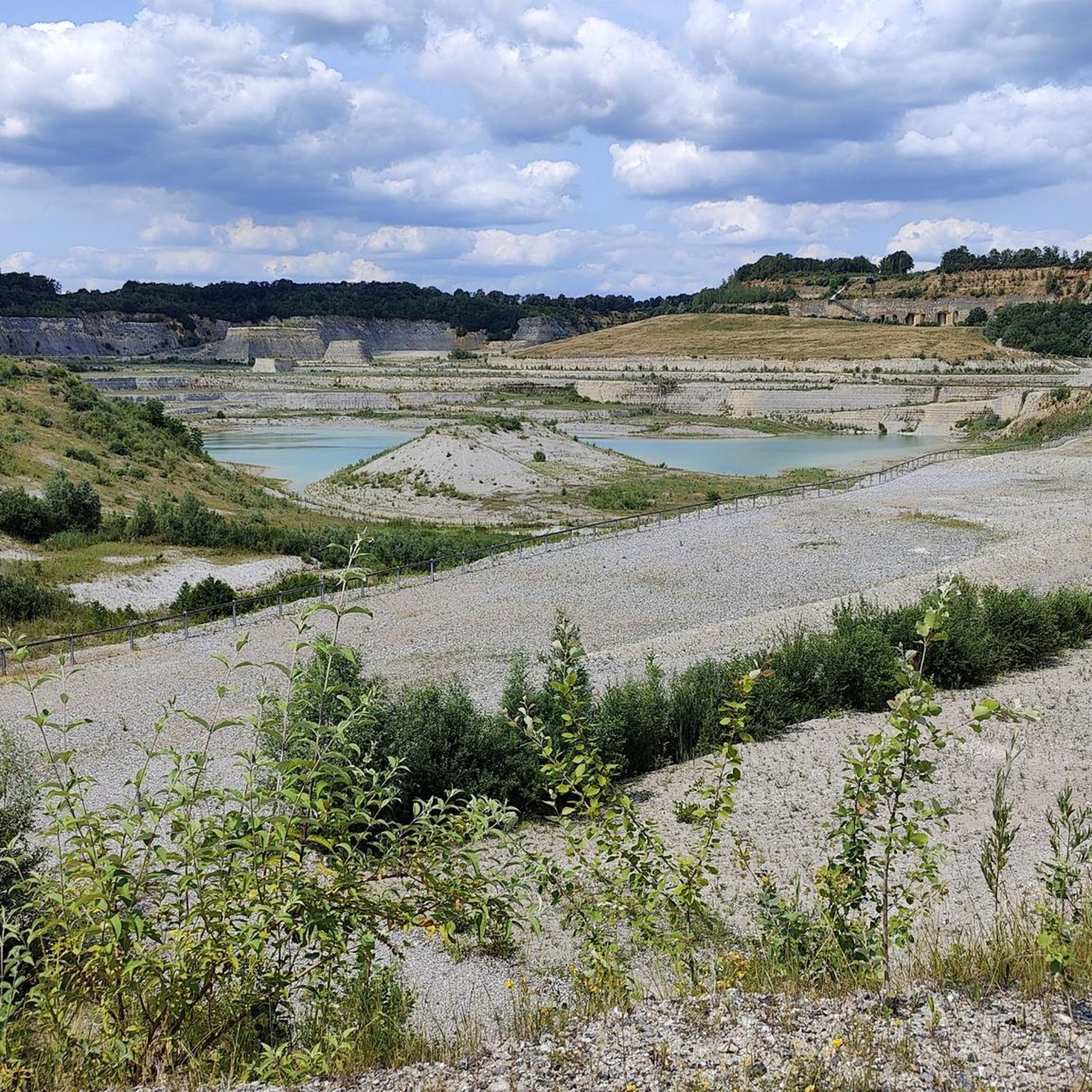
Other adventures around Maas

Tips from the Community

Aß er das F es F es er g F rh a f es frw g Asse wer war
0
0

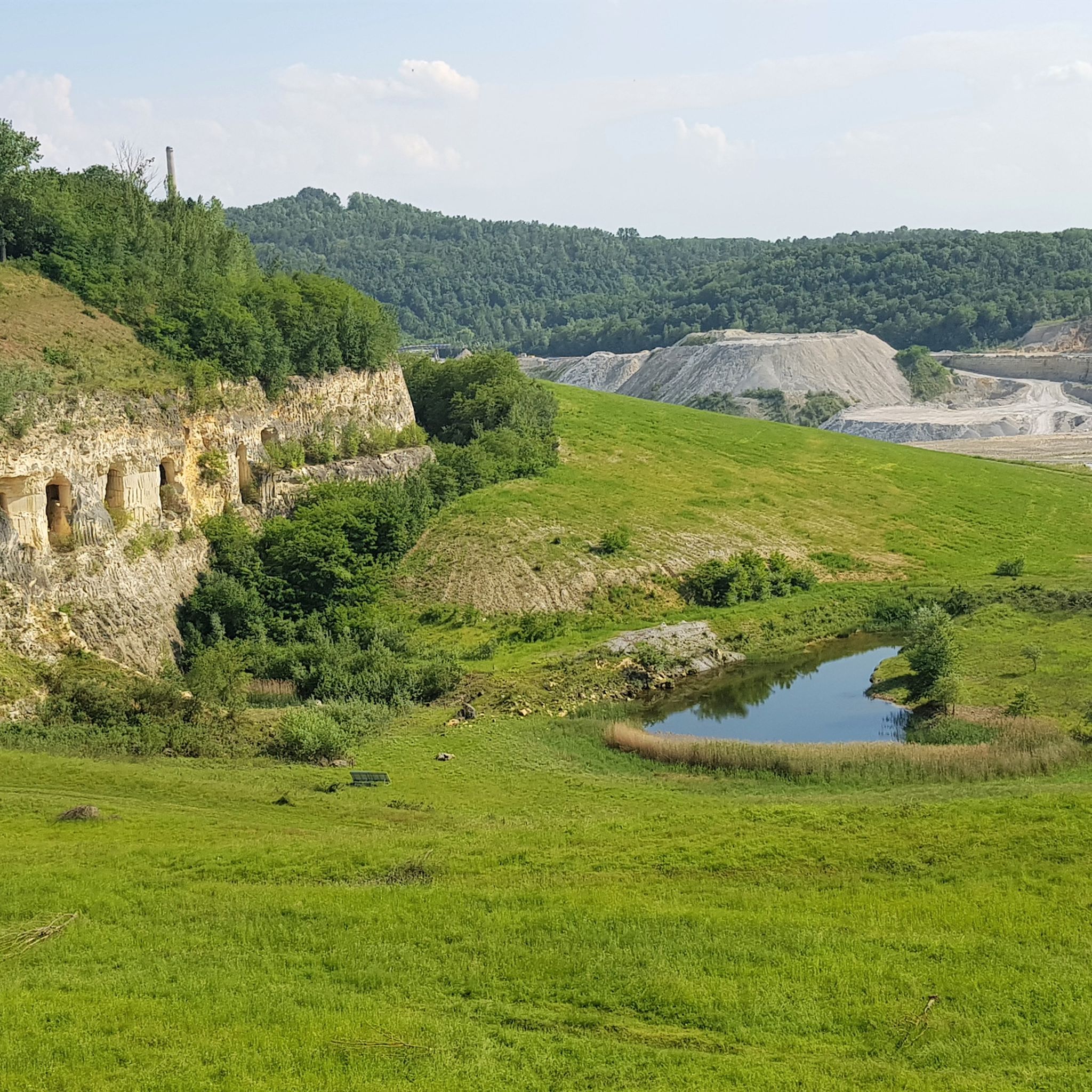
Sint-Pietersberg offers a unique mosaic of open chalk grasslands and light-permeable forests, worth visiting for every nature lover. On the 'Sint-Pietersberg' you will feel like you are in a foreign country. Where else can you find such beautiful hills and such a special marl landscape? The Plateau of Caestert consists of valuable slope forests and chalk grasslands, a rare biotope in Flanders. Beneath the forests and grasslands are unique marl quarries, which form a true paradise for a dozen species of bats.
3
0
The Neercanne castle is built on the original site of Roman fortifications whose caves still exist and are used as a wine cellar. In the hall, the original staircase with a railing on wide columns is still present. Weapon trophies are depicted in relief on the ceiling. Currently, the castle is used as a hotel and restaurant. The restaurant has been awarded one star by the Michelin Guide.
5
0

The Moulin du Broukay is a former flint mill on the Geer River near Eben-Emael, built in the 1950s as an industrial flint-grinding mill. It primarily served the Meuse Valley foundations but later fell into disrepair. Today, it is a renovated cultural and recreational center with a café-restaurant, meeting and function rooms, and a starting point for hiking trails in the Montagne Saint-Pierre. The area is part of the "Archéo et Géo Espaces - Moulin du Broukay," which showcases the geology, archaeology, and industrial history of the Jeker/Geer Valley.
4
0

Great city center and at Christmas and all the lights it's really worth it :)
0
0

Very challenging and very steep. Be careful here. There is a rope, best to use it.
1
0

Along the rippling Geul River, an impressive marlstone wall rises, a silent witness to Limburg's underground landscape. These calcareous rocks were used for centuries for construction and crafts and now offer a fascinating sight for hikers and nature lovers. The wall forms a natural boundary along the water and, in some places, harbors small caves and niches where flora and fauna have found a home. The contrast of the white marl against the green foliage and the glistening water of the Geul makes this a particularly photogenic and tranquil spot during your walk.
0
0
Deep in the marl hills of Valkenburg lie the famous Neolithic flint mines, one of the oldest industrial sites in the Netherlands. People dug marl here as early as 2800 BC to extract flint, a hard rock used for tools such as arrowheads, knives, and axes. The tunnels extend dozens of meters beneath the hill and offer an impressive glimpse into how our distant ancestors shaped their habitat. The mines are unique and offer insights into the daily life and technological knowledge of the first farmers and hunters in South Limburg. Over the centuries, the tunnels have sometimes been flooded, subsided, or partially collapsed, but the traces of mining are still clearly visible. Today, parts of the flint mines can be visited via guided tours or special routes where you can literally follow in the footsteps of people from 5,000 years ago.
0
0
Frequently Asked Questions
What kind of terrain can I expect on mountaineering routes around Maas?
The Maas region offers diverse terrain shaped by the Meuse River. You'll find steep-sided valleys, particularly in the Belgian Ardennes, alongside limestone cliffs that are popular for rock climbing. Further north, the landscape transitions to river dunes and forests, especially within areas like Maasduinen National Park. This variety provides options for different mountaineering activities, from challenging ascents to easier paths.
Are there any easy mountaineering routes suitable for beginners?
Yes, the Maas region offers several easy mountaineering routes. For instance, the Fort Sint Pieter – ENCI Quarry Viewpoint loop from Maastricht is an easy 7.1 km trail, typically completed in under two hours. Another accessible option is the Moulin du Broukay – Broukay Mill loop from Bassenge, which is 6.6 km long.
What are some of the longer or more challenging mountaineering routes in the Maas area?
For those seeking a more challenging experience, the Fort Sint Pieter – Château Neercanne loop from Maastricht is a difficult 16.7 km trail that takes around 4 hours 35 minutes to complete, featuring significant elevation gain and diverse scenery.
What do other mountaineers say about the routes in Maas?
The mountaineering routes in Maas are highly rated by the komoot community, with an average score of 4.0 stars from over 2 reviews. Users often praise the varied terrain, from historical sites to natural river landscapes, and the options available for different ability levels.
Are there any circular mountaineering routes available?
Yes, many of the mountaineering routes in the Maas region are designed as loops. Examples include the Fort Sint Pieter – Château Neercanne loop from Maastricht, the Fort Sint Pieter – ENCI Quarry Viewpoint loop from Maastricht, and the Fort Eben-Emael – View of the Lanaye Locks loop from Eben-Emael, all offering convenient circular paths.
What kind of natural attractions can I see along the mountaineering routes?
The Maas region is rich in natural beauty. You can explore unique river dunes and forests, especially in areas like Maasduinen National Park. Keep an eye out for diverse flora and fauna, including rare plants, water birds, and large grazers like Galloway cattle and Konik horses in the Meuse Valley River Park. You might also encounter viewpoints like the View over the lagoon.
Are there any historical or man-made landmarks to discover on these routes?
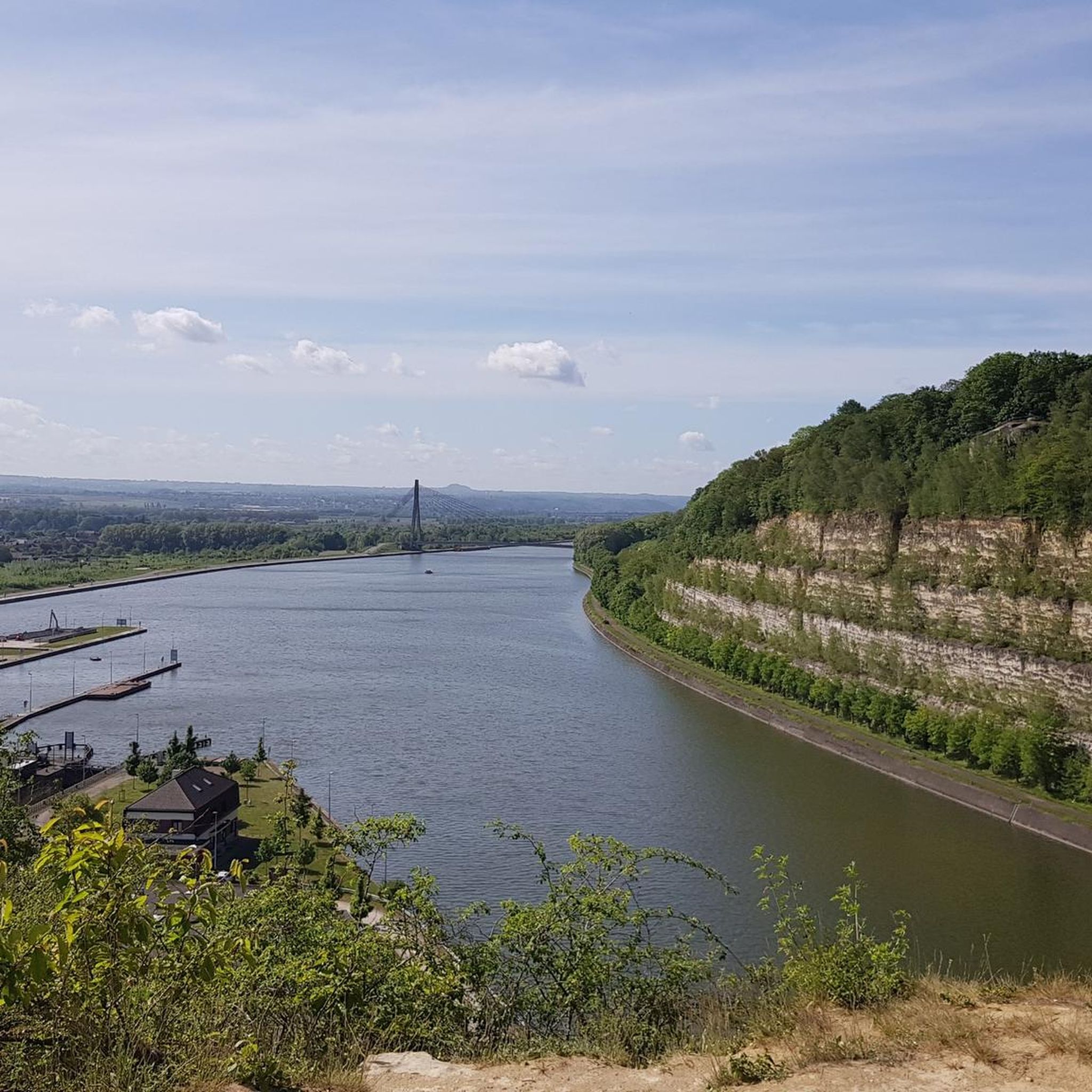
Absolutely. The region is dotted with historical and man-made points of interest. You can pass by significant structures like the Lanaye Lock (Écluse de Lanaye), or cross the John F. Kennedy Bridge. Some routes also lead past impressive fortifications such as Fort Sint Pieter or Fort Eben-Emael.
Is the Maas region suitable for rock climbing or via ferratas?
While this guide focuses on mountaineering hikes, the Meuse River Valley, particularly in Belgium, is a premier destination for rock climbing and via ferratas. Areas like Freÿr, Dave, and Marche-les-Dames offer numerous routes for all skill levels. Via ferratas provide protected climbing paths that can include suspension bridges and vertical wall climbs, accessible to various skill levels, including families.
What is the best time of year for mountaineering in the Maas region?
The Maas region offers pleasant conditions for mountaineering throughout much of the year. Spring and autumn generally provide mild temperatures and beautiful scenery, with vibrant foliage or blooming wildflowers. Summer is also popular, though it can be warmer. Winter mountaineering is possible, but conditions can be colder and some paths might be slippery, so appropriate gear and caution are advised.
Are there opportunities for wildlife observation along the trails?
Yes, the diverse ecosystems of the Maas region, especially in areas like the Meuse Valley River Park and Maasduinen National Park, provide excellent opportunities for observing wildlife. You might spot various water birds, butterflies, and even large grazers like Galloway cattle and Konik horses in their natural habitats.
Can I find routes that offer views of the Meuse River itself?
Many routes in the Maas region offer stunning views of the Meuse River. The river has carved dramatic, steep-sided valleys, especially prominent in the Belgian Ardennes. For example, the Fort Eben-Emael – View of the Lanaye Locks loop from Eben-Emael provides excellent views of the Meuse River's locks and surrounding landscape.
Are there any unique geological features to explore?
The region is known for its unique geological features. Beyond the steep-sided valleys and meanders of the Meuse, you'll find significant limestone cliffs, particularly in the Belgian Meuse River Valley. In the Netherlands, areas like Maasduinen National Park feature distinctive river dunes, largely covered with forests, which were formed at the end of the last ice age.
Most popular routes around Maas
Most popular attractions around Maas

Get inspired with the komoot mobile app


Explore more
Browse the best Mountain Hikes & Routes in other regions.
