Top 7 Castles around Hallbergmoos
Best castles around Hallbergmoos offer a glimpse into Bavaria's rich history, particularly through the former hunting and pleasure palaces of the Prince-Bishops of Freising. The region features historical sites showcasing Baroque architectural styles from the 17th and 18th centuries. These structures, often surrounded by features like moated castle ponds, provide tangible links to the area's aristocratic and ecclesiastical past. Hallbergmoos serves as a starting point for exploring these significant landmarks.
Best castles around Hallbergmoos
- The most popular castles is New…
Last updated: May 11, 2026
New Schleissheim Palace
Highlight • Castle
Translated by Google •
Tip by

Schleißheim Palace
Highlight • Castle
Tip by

Sign up now to discover places like this
Get recommendations on the best single tracks, peaks, & plenty of other exciting outdoor places.
Sign up for free
Schleißheim Palace and Southern Canal
Highlight • Castle
Translated by Google •
Tip by

Ismaning Castle (Schloss Ismaning)
Highlight • Castle
Translated by Google •
Tip by

Lustheim Palace
Highlight • Castle
Source:
schloesser.bayern.de/deutsch/schloss/objekte/schl_lu.htm
Translated by Google •
Tip by

Sign up for free to discover even more castles around Hallbergmoos.
Sign up for free
Already have an account?
Start today with a free account
Your next adventure awaits.
Login or Signup
Tips from the Community

Beautiful bridge over the castle moat
2
0

Very nice view and photo opportunity
2
1

The Schleissheim Palace complex is one of the largest and most impressive residences of the Wittelsbachs in Bavaria. https://www.schloesser.bayern.de/deutsch/schloss/objekte/schl_ns.htm
9
1
On the occasion of his wedding to the emperor's daughter, Maria Antonia, Elector Max Emanuel had the Lustheim hunting lodge built between 1684 and 1688. Source: https://www.schloesser.bayern.de/deutsch/schloss/objekte/schl_lu.htm
11
0

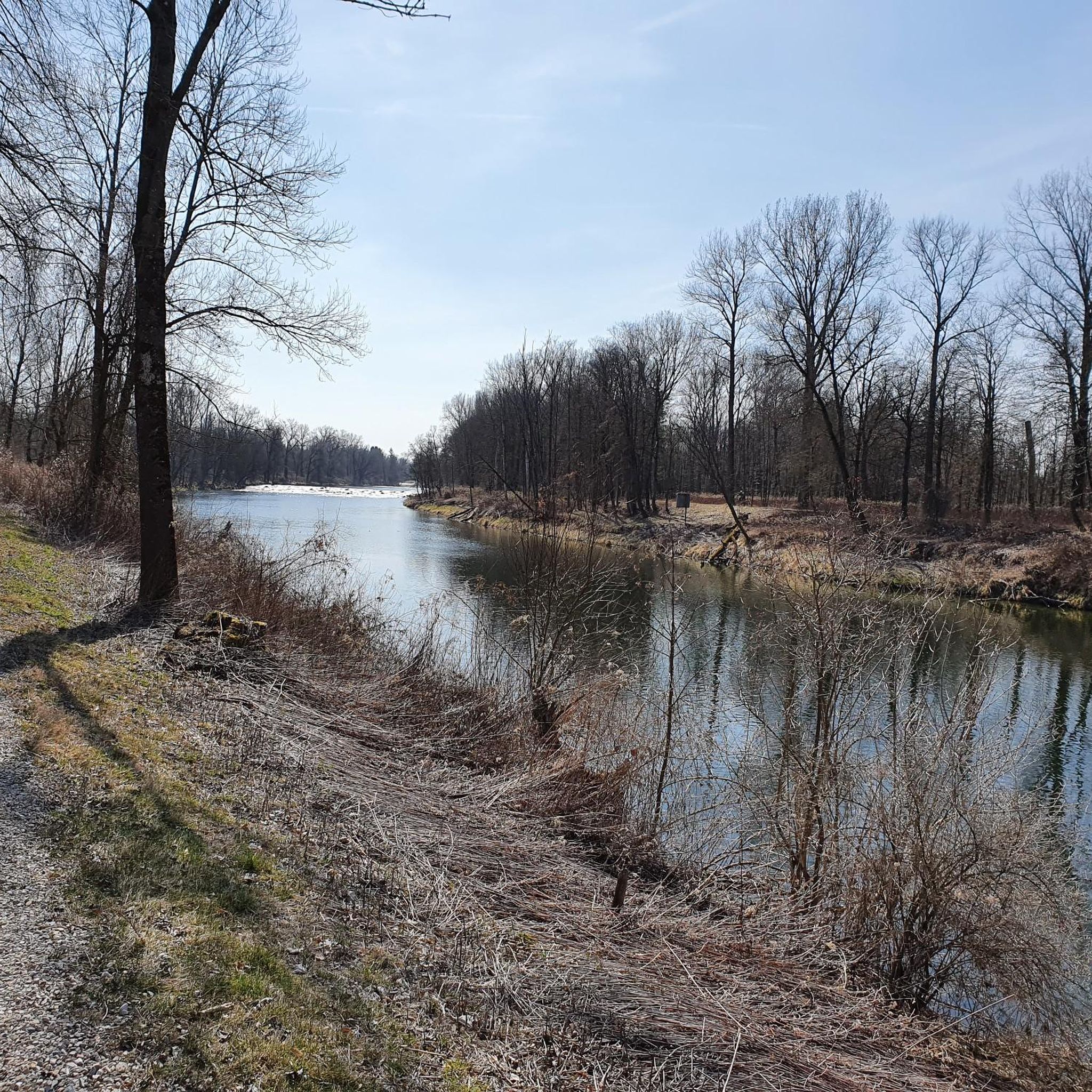
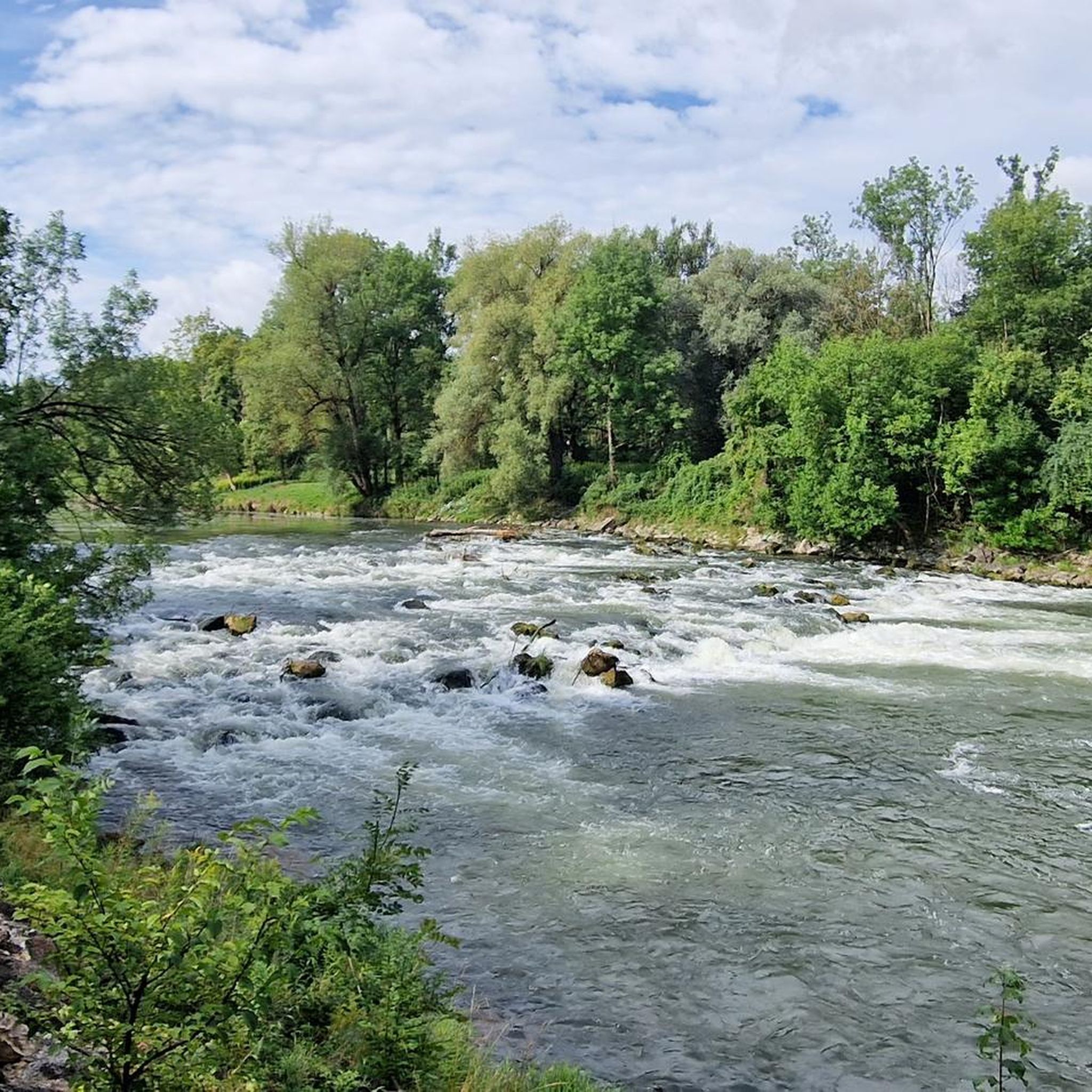
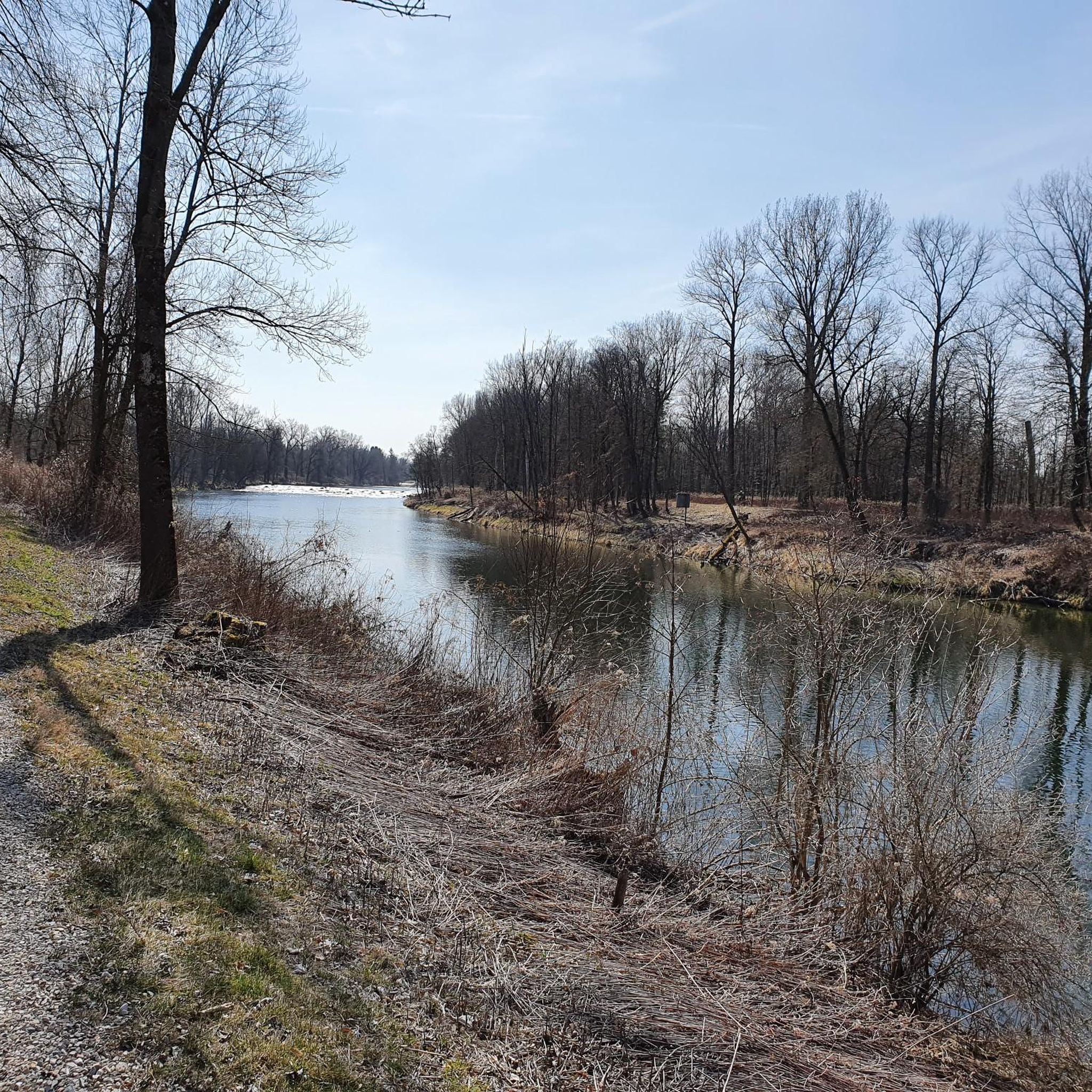
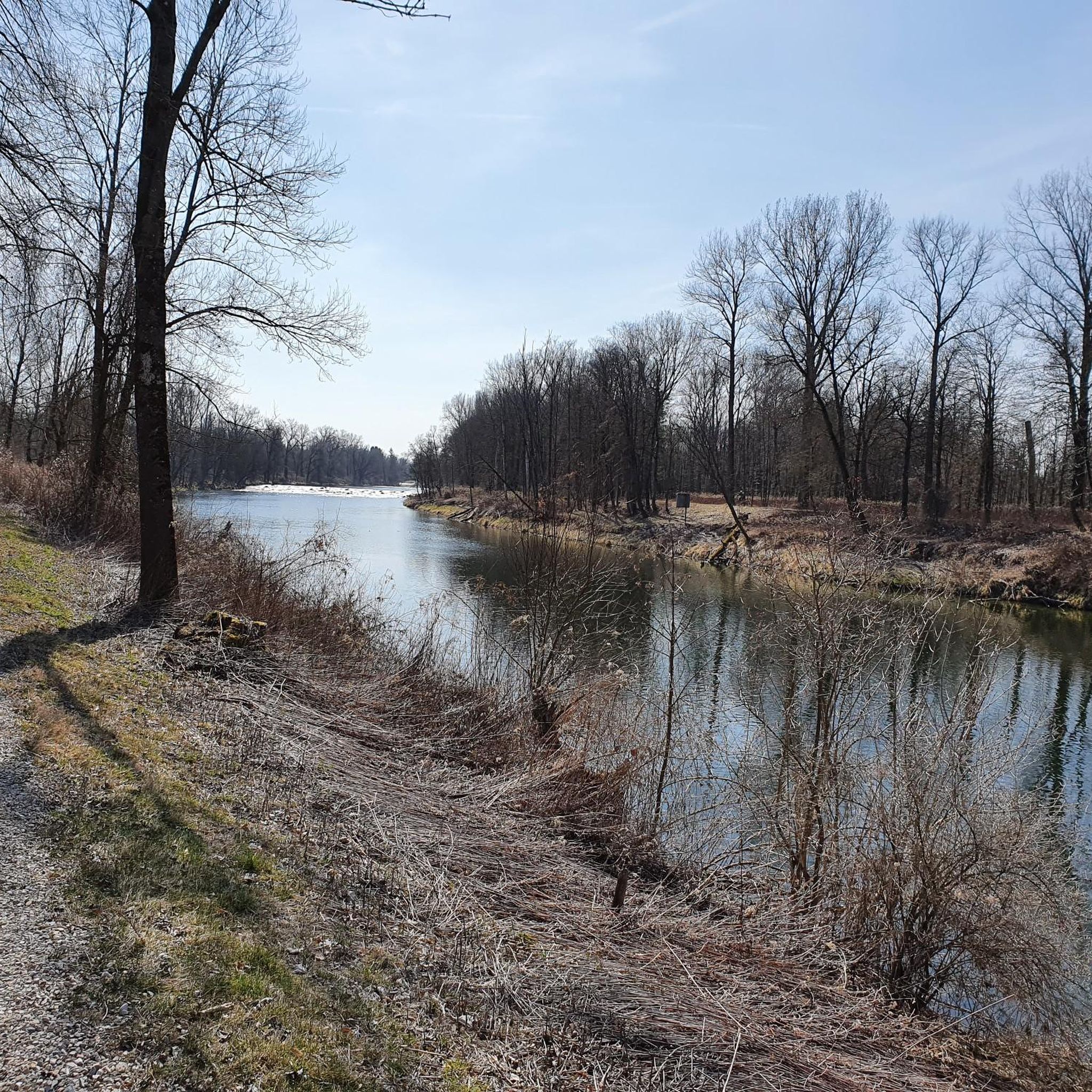
The Schleißheim Canal (also called the Dirnismaning Canal in the first section and the Isar-Garching Canal in Oberschleißheim) carries water from the Isar to the Schleißheim Palace complex as part of the North Munich canal system. The canal was built in 1689 by Enrico Zuccalli, the court architect of Elector Maximilian II Emanuel (Max Emanuel for short), to supply water to Lustheim Palace, especially the planned New Palace and the Hofgarten. It was also used to bring in the large quantities of building materials for the construction of the New Palace. Wikipedia
2
1

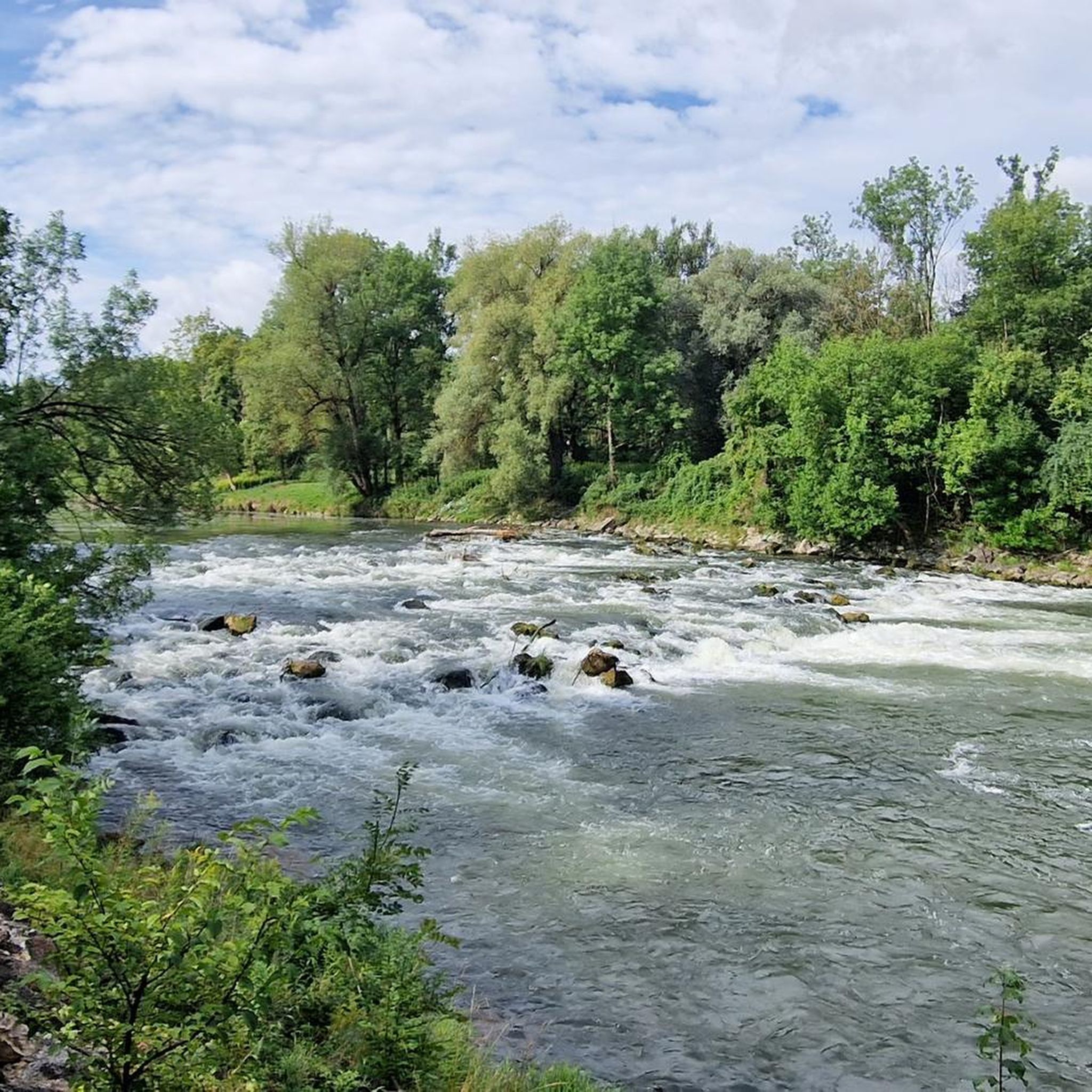
Nice place to take a look at the Schleissheim Canal.
2
0

Ismaning Castle is a baroque castle near Munich, which is now used as the town hall of the municipality of Ismaning. In addition to the castle museum with its halls, you can visit the castle park, the Seidl mill and the Ismaninger Hörpfad. Events and weddings take place in the castle halls, such as the Blue or Red Hall. In the sawmill of the Seidl mill, a former grain and sawmill, the history and work processes of the old mill are illustrated. Bishop Philipp von Freising had the palace built in 1530. Between 1716 and 1724 the Renaissance building was redesigned in the Baroque style by Prince Bishop Johann Franz Eckher. In 1816, Napoleon's stepson, Eugène de Beauharnais, and his wife, Auguste Amalia, took over the château. While it was owned by the city of Munich from 1899 to 1919, it has belonged to the municipality of Ismaning since 1919. https://www.muenchen.de/wandern/burgen-und-schloesser/schloss-ismaning
2
0

Bavarian Palace Administration (Schleißheim palace complex near Munich): https://www.schloesser-schleissheim.de/ Opening hours ... https://www.schloesser-schleissheim.de/deutsch/tourist/oeffn.htm Wikipedia (Schleissheim Palace, 2022-12-24): https://de.m.wikipedia.org/wiki/Schlossanlage_Schleißheim Wikipedia (List of monuments in Oberschleißheim, 2022-12-24): https://de.m.wikipedia.org/wiki/Liste_der_Baudenkmäler_in_Oberschleißheim “E-1-84-135-1 … The Schleißheim palaces with the gardens form one of the largest palace complexes in Europe and as such form an ensemble. ...”
4
0
Frequently Asked Questions
What kind of historical sites can I expect to find around Hallbergmoos?
Around Hallbergmoos, you'll discover historical 'Schlösser' (palaces or lodges) that offer a glimpse into Bavaria's past. These are primarily former hunting and pleasure palaces of the Prince-Bishops of Freising, showcasing Baroque architectural styles from the 17th and 18th centuries. Examples include the former hunting and pleasure palace at Erching 1 and Schloss Birkeneck, which provide authentic historical experiences.
Are there family-friendly castles to visit near Hallbergmoos?
Yes, several castles in the area are considered family-friendly. For instance, New Schleissheim Palace, the Schleißheim Palace Complex, Schleißheim Palace and Southern Canal, Ismaning Castle, and Lustheim Palace are all categorized as suitable for families, often featuring spacious gardens and historical significance that can engage visitors of all ages.
What makes the castles around Hallbergmoos historically significant?
The castles around Hallbergmoos are historically significant due to their connection to the powerful Prince-Bishops of Freising and the Bavarian electors. They represent the Baroque architectural style prevalent in the 17th and 18th centuries, serving as hunting lodges, pleasure palaces, and summer residences. Sites like the former hunting and pleasure palace at Erching 1 and Schloss Birkeneck offer insight into the region's aristocratic and ecclesiastical history through their preserved architecture and original furnishings.
What outdoor activities can I combine with a castle visit near Hallbergmoos?
You can combine your castle visits with various outdoor activities. The region offers numerous hiking and mountain biking opportunities. For example, you can find routes like the 'Munich Airport loop' or 'View of the Isar rapids – Moosach River, Freising loop' for hiking, and 'Ismaning Reservoir – View of the Isar River rapids loop' for mountain biking. You can explore these and more on the Hiking around Hallbergmoos or MTB Trails around Hallbergmoos guide pages.
Are there hiking trails around the castles?
Yes, many castles are situated within areas offering hiking opportunities. For instance, the Schleißheim Palace Complex features a large castle garden that is great for walks, though cycling is prohibited within the garden itself. You can find various hiking routes in the broader Hallbergmoos area, including easy options, which can be found in the Easy hikes around Hallbergmoos guide.
Can I cycle to the castles or find cycling routes nearby?
Cycling is a popular way to reach some of the castles and explore the surrounding areas. The Schleißheim Palace Complex is easily accessible by bike via Münchner Allee. The region also offers several mountain biking trails, such as the 'Ismaning Reservoir – View of the Isar River rapids loop' or 'Pullinger Pond – Isar Cycle Path in Freising loop', which can be found in the MTB Trails around Hallbergmoos guide.
When is the best time of year to visit the castles around Hallbergmoos?
The best time to visit the castles around Hallbergmoos is generally during the warmer months, from spring to early autumn (April to October), when the castle gardens are in full bloom and the weather is pleasant for exploring. This allows for comfortable walks around the extensive grounds and easier access to outdoor activities. Winter visits are also possible, but some outdoor areas or specific attractions might have reduced hours or accessibility.
Are there any dog-friendly castle walks in the area?
While specific castle interiors may have restrictions, many of the castle grounds and surrounding natural areas are suitable for walks with dogs. For example, the large castle gardens and nearby trails often welcome leashed dogs. Always check local signage for specific rules at each location. You can find dog-friendly trails in the broader Hallbergmoos region by exploring the various hiking guides available.
What can I see at Schloss Erching?
Schloss Erching, a former hunting and pleasure palace of the Prince-Bishops of Freising, features a three-story Baroque saddle roof building built on a medieval foundation. It is surrounded by a ring-shaped moated castle pond and includes the Schlosskapelle St. Walburga, a free-standing chapel with original furnishings. The site offers a glimpse into 17th-century architecture and historical preservation.
What is special about Schloss Birkeneck?
Schloss Birkeneck was formerly the hunting lodge of Prince-Bishop Johann Franz Eckher von Karpfing, dating back to 1706. It is a two-story Baroque building with curved gables and stucco decorations. The former castle chapel has been converted into a ballroom, featuring ceiling stucco from 1927, yet still retains original furnishings. It showcases both Baroque elegance and adaptations over time.
Are there cafes or restaurants near the castles for refreshments?
Yes, you can often find cafes or restaurants near the castles. For instance, after visiting the Schleißheim Palace and Southern Canal, you can find a beautiful beer garden nearby to fortify yourself. The towns and villages surrounding the castles, such as Ismaning, also offer various dining options.
How can I reach the castles around Hallbergmoos by public transport?
Public transport options are available to reach many of the castles. For example, the Schleißheim palaces are generally well-connected by local trains (S-Bahn) and buses from Munich. For specific routes like Schloss Erching or Schloss Birkeneck, local bus services might be available from Hallbergmoos or nearby towns. It's advisable to check current schedules and routes using local transport apps or websites for the most up-to-date information.
What are the parking options at the castles near Hallbergmoos?
Parking facilities are typically available at or near the major castle complexes. For example, the Schleißheim palaces usually have designated parking areas for visitors. For smaller, more historical sites like Schloss Erching or Schloss Birkeneck, parking might be more limited, often involving street parking or small dedicated lots. Always look for signage upon arrival to ensure proper parking.
Most popular routes around Hallbergmoos
Most popular attractions around Hallbergmoos

Get inspired with the komoot mobile app


Explore more
Looking for the best castles somewhere else? Discover other guides around Hallbergmoos:
