Attractions and Places To See in the Saronic Islands - Top 20
Best attractions and places to see in the Saronic Islands, a picturesque cluster in the Aegean Sea near Athens, offer a diverse range of experiences. This region features ancient archaeological sites, historical mansions, and stunning natural landscapes. With 71 highlights, visitors can explore a variety of cultural and natural points of interest across the islands.
Best attractions and places to see in the Saronic Islands
- The most popular attractions is Prophet Elias Monastery, a religious building that is a…
Last updated: May 9, 2026
Hydra Harbor
Highlight • Settlement
Tip by

Prophet Elias Monastery
Highlight • Religious Site
Translated by Google •
Tip by

Sign up now to discover places like this
Get recommendations on the best single tracks, peaks, & plenty of other exciting outdoor places.
Sign up for free
Cape Spathi
Highlight • Monument
Tip by

Agios Georgios Church
Highlight • Religious Site
Translated by Google •
Tip by

Kameni Chora Volcano
Highlight • Volcano
Translated by Google •
Tip by

Sign up for free to discover even more attractions in the Saronic Islands.
Sign up for free
Already have an account?
Start today with a free account
Your next adventure awaits.
Login or Signup
Tips from the Community

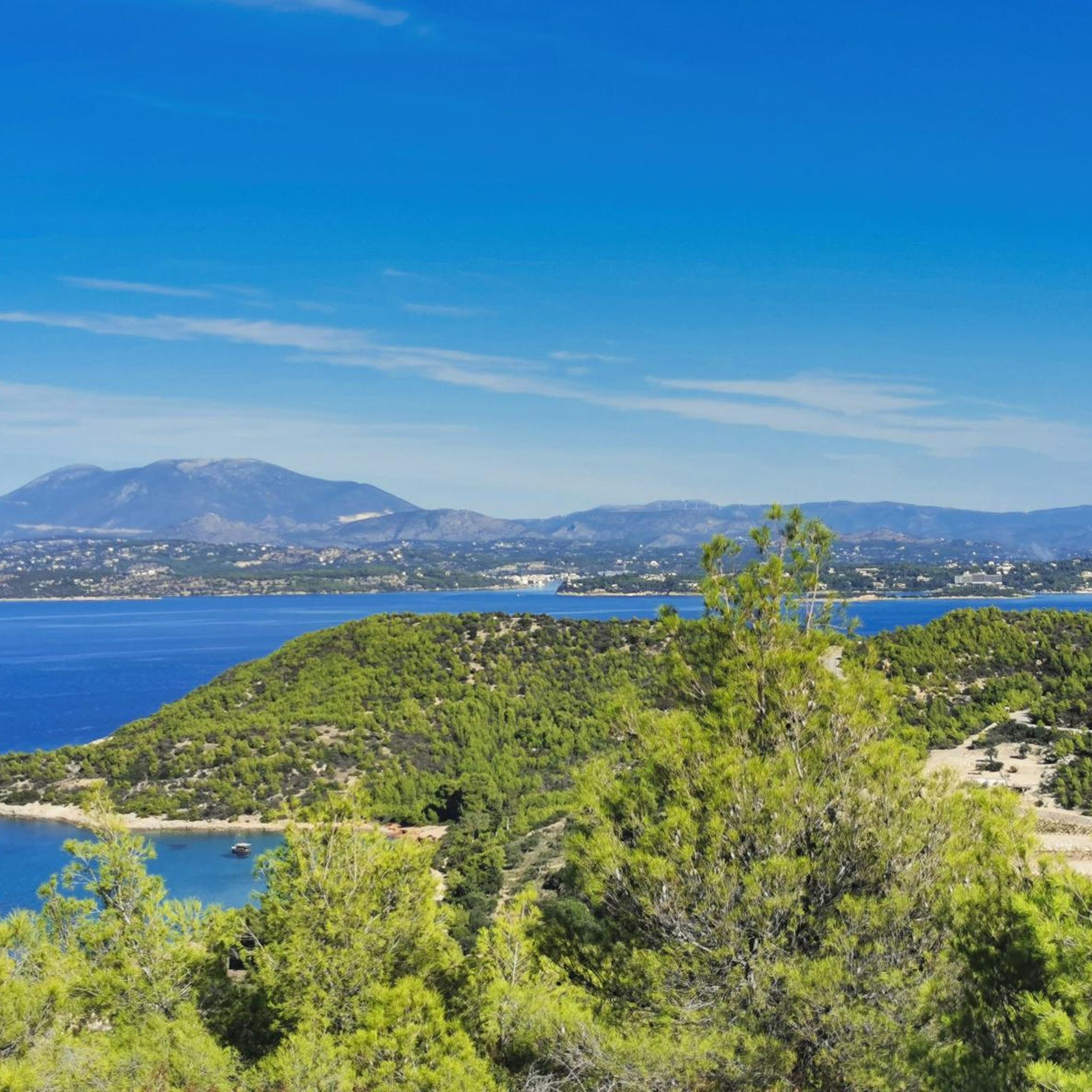
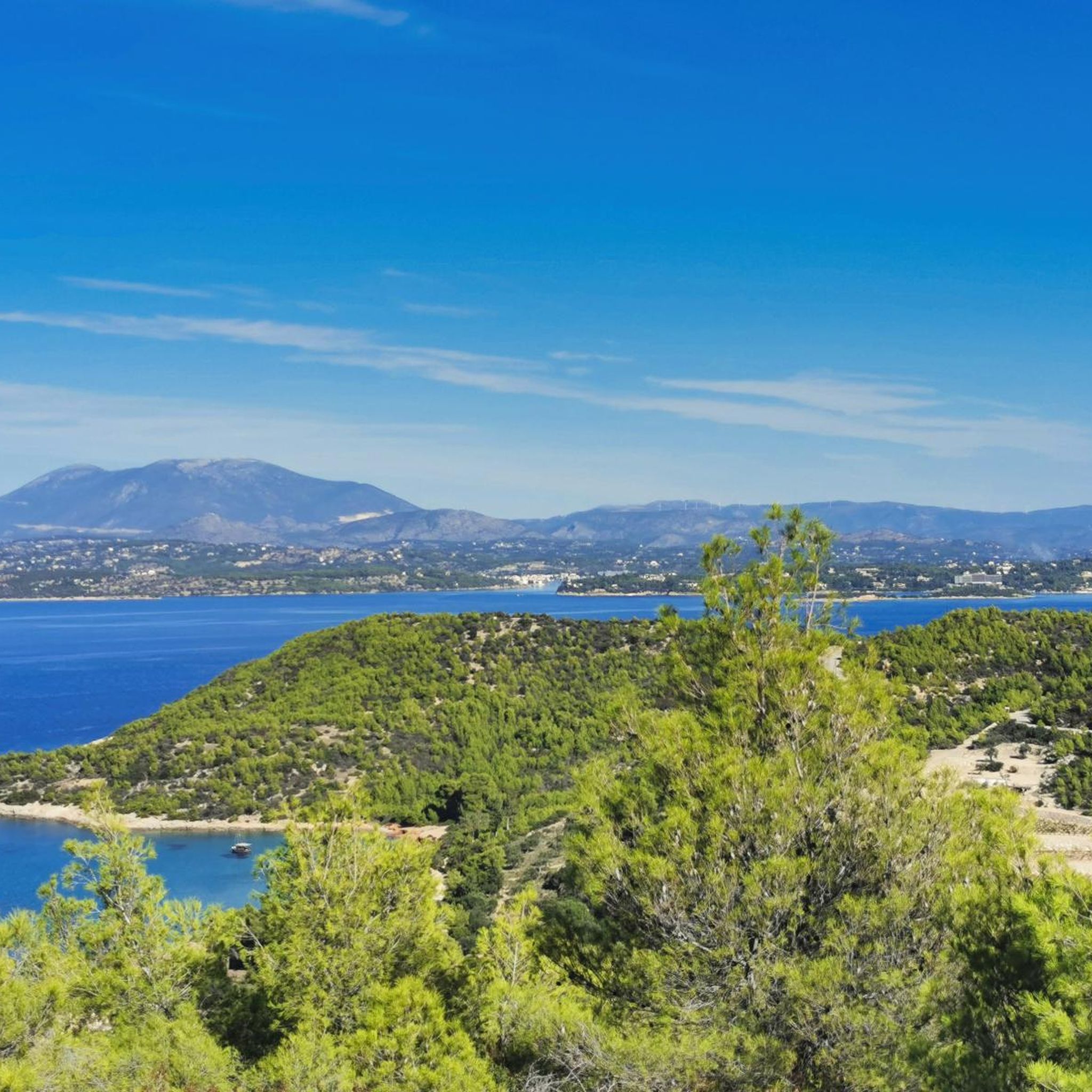
Cape tainaron is located at the tip of the Mani Peninsula in Lakonia. This is cape Spathi, which is home to the Moudari Lighthouse.
0
0

This monastery has a patron saint that is very unusual – at least in the Catholic and Protestant denominations. Almost always, the saints to whose protection a parish or monastic community is entrusted are biblical figures from the circle of Jesus or later generations. In Orthodox Christianity, however, we occasionally encounter as a patron saint – as is the case here – a prominent figure from the Old Testament, that is, the Hebrew Bible: the prophet Elijah. His position in the Jewish religion is so significant that he is also mentioned by the authors of the New Testament Gospels in their description of the Transfiguration of the Lord on Mount Tabor – together with Moses.
0
0

Vouno lies above the bay of Agios Nikolaos and the settlement of Avlemonas and was historically a place of worship. There are two Byzantine churches here. The eastern one is dedicated to Saint George; it is a simple, single-room vaulted temple with a mosaic floor dating from the 7th century. The mosaic depicts a hunting scene, with meandering birds and bears in a Hellenistic style. According to tradition, the church was built by the Byzantine Empress Theodora. The western church is a single-room domed church of the Kythira type, dedicated to Panagia Myrtidiotissa and Saint Nicholas. The dome stands on a square building, and there are two niches on the eastern side. There are many churches on the island that have a similar architectural design, such as those of Agios Dimitrios in Kampianika of Alexandradon, Agios Nikitas in Kalamos, Agia Kyriaki in Mitata, Agios Nikon in Zagklanikianika, Agios Ioannis Theologos in Chamili (Kalamos) and two of the churches of the Pourko complex.
1
0
It is the lighthouse situated at the northernmost point of the island, cape Spathi. It was built under the British rule and is the largest lighthouse built by the British in Greece. It was constructed in 1857 and has a height of 25 meters. Adjacent to the lighthouse is the “simatorio” or “simatologio” (signal-house) that would inform passing ships with the use of flags. Once you get all the necessary instructions and information at the village of Karavas, it is a place worth visiting. Go up the lighthouse and take a look at the view- it is stunning.
3
0

In addition to the island's main town, Hydra offers several scattered and remote monasteries, some of which are difficult to reach, and many bathing bays that can be reached either by public boat or taxi boat.
0
0
Real estate prices on Hydra are among the most expensive in the country. Cars are nonexistent here; everything is transported by donkeys and mules. Haydra Town is a protected monument, and the island itself is a nature reserve.
0
0
The island's main town stretches from the harbor pier up the mountain to a castle ruin. Tourism, along with fishing and arts and crafts, is now the main source of income for the population; agriculture plays a virtually non-existent role. During the summer months, the island can be very crowded, as many Athenians seek relaxation on the car-free island, especially on weekends.
0
0
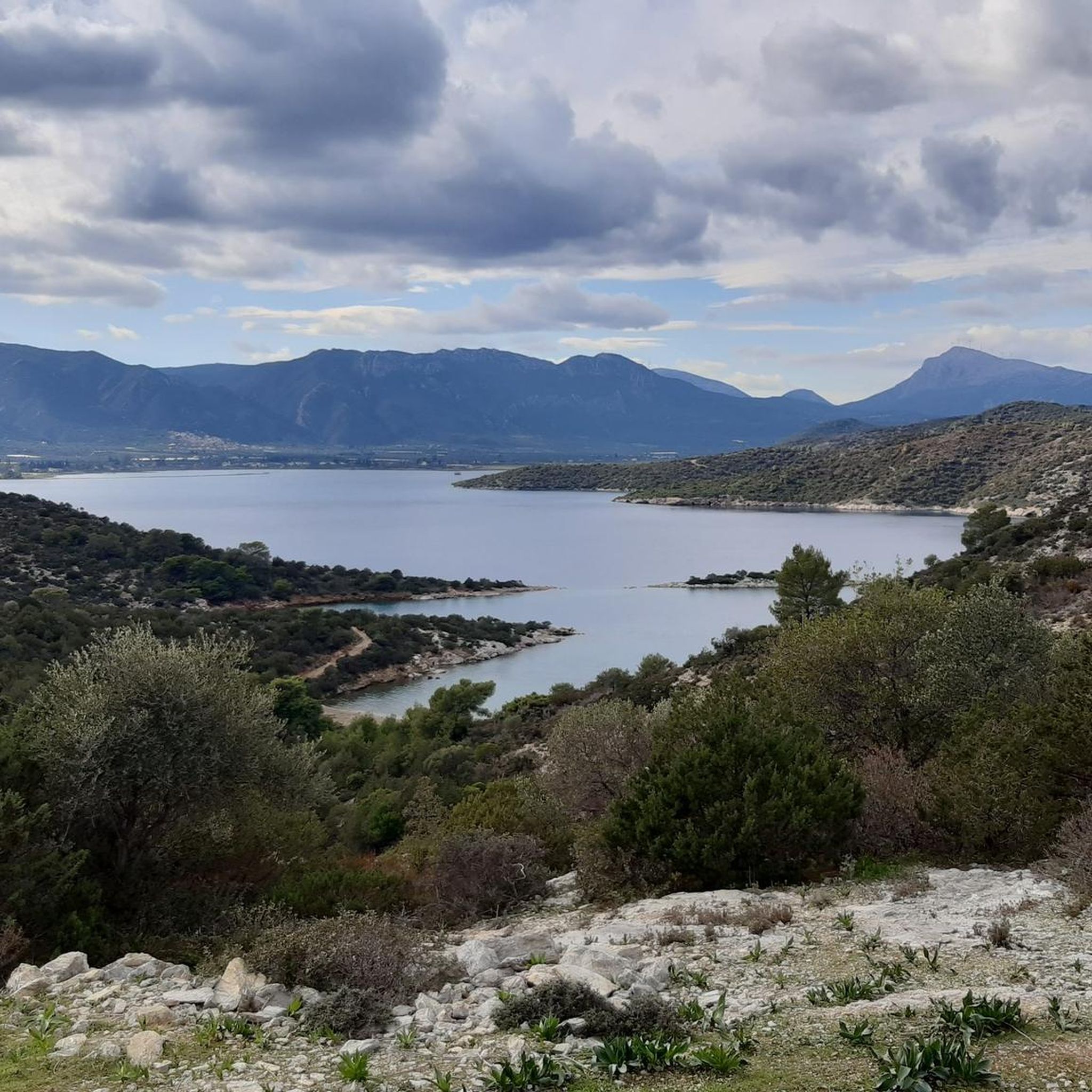
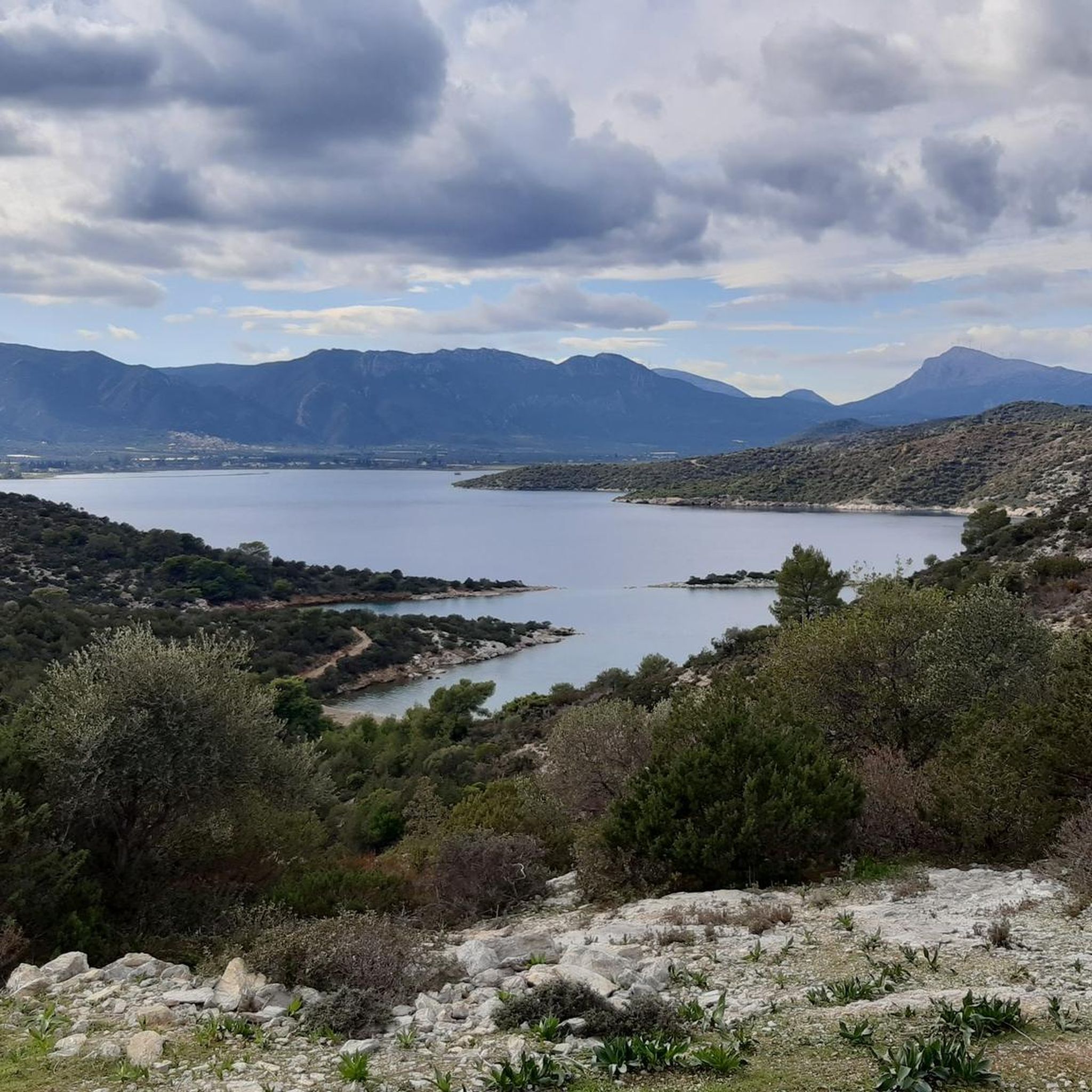
Hydra is approximately 20.5 kilometers long and just under five kilometers wide. The very barren, infertile, and mountainous island reaches a height of 588 meters on Mount Eros. The north side of Hydra is built up and faces the Peloponnese. The east of the island is virtually uninhabited. Here, dense pine forest grows.
0
0
Frequently Asked Questions
What natural features can I explore in the Saronic Islands?
The Saronic Islands offer diverse natural beauty. You can visit the unique Kameni Chora Volcano on the Methana Peninsula, known for its distinct lava formations and panoramic views. Agistri boasts lush pine forests and crystal-clear waters at beaches like Aponisos and Dragonera, while Poros is famous for its fragrant Lemon Forest in Galata and scenic beaches such as Love Bay. Hydra offers stunning hiking trails leading to hilltop views and secluded pebbled coves like Vlichos.
What historical and cultural sites can I visit in the Saronic Islands?
The islands are rich in history and culture. On Aegina, explore the ancient Agios Georgios Church with its 7th-century mosaic floor, the impressive Temple of Aphaia, and the Archaeological Site of Kolona. Hydra features the historic Hydra Harbor, a cultural treasure from the Greek Wars of Independence, and the Lazaros Kountouriotis Mansion. Spetses offers the Bouboulina Mansion Museum, dedicated to a naval heroine, and the historic Hotel "Posidonio".
Are there opportunities for hiking or cycling near the attractions?
Yes, the Saronic Islands provide excellent opportunities for outdoor activities. For hiking, you can explore trails around the Prophet Elias Monastery, which offers a paved ascent. Hydra has numerous trails leading to monasteries and scenic viewpoints. For cycling, you can find routes like the "Spetses – Spetses Island Coastal Views loop" or the "Aegina Harbor – Perdika loop." You can find more detailed routes and guides for these activities on komoot, such as Easy hikes in the Saronic Islands or Cycling in the Saronic Islands.
Which islands are known for their archaeological sites?
Aegina is particularly renowned for its archaeological heritage, featuring the well-preserved Temple of Aphaia and the Archaeological Site of Kolona with ruins of the Temple of Apollo. Poros also has historical significance with the ancient ruins of the Temple of Poseidon, and Salamina is famous as the site of the ancient Battle of Salamis.
Are there family-friendly attractions in the Saronic Islands?
Many attractions in the Saronic Islands are suitable for families. The charming Hydra Harbor is a great place to stroll and enjoy the car-free environment. Beaches like Love Bay on Poros and the clear waters of Agistri are perfect for swimming and relaxation. Exploring the neoclassical architecture of Aegina Town or taking a horse-drawn carriage ride in Spetses can also be enjoyable family activities.
What is the best time to visit the Saronic Islands for sightseeing and outdoor activities?
The Saronic Islands are generally best visited from spring (April-May) to early autumn (September-October). During these months, the weather is pleasant for exploring historical sites, enjoying beaches, and engaging in outdoor activities like hiking and cycling. The summer months (June-August) are also popular, especially for beach activities, but can be hotter and more crowded.
Can I learn about the Greek War of Independence on the islands?
Yes, Spetses and Hydra played significant roles in the Greek War of Independence. On Spetses, you can visit the Bouboulina Mansion, which is now a museum dedicated to the naval heroine Laskarina Bouboulina. Hydra's harbor was an important port during this period, and its Historical Archives house many documents and artifacts from that time.
Are there any unique natural phenomena or geological sites to see?
Absolutely. The Methana Peninsula is home to the Kameni Chora Volcano, a fascinating geological site formed by successive volcanic eruptions. You can hike to its summit to see the crack that appeared during its last eruption and observe the unique lava flows. This area offers a distinct landscape compared to other parts of the Saronic Islands.
What kind of religious sites can I find in the Saronic Islands?
The Saronic Islands host several significant religious sites. The Prophet Elias Monastery on Hydra is a notable pilgrimage site. On Aegina, you can visit the Monastery of Saint Nektarios, a major pilgrimage destination, and the ancient Agios Georgios Church. Poros features the peaceful Monastery of Zoodochos Pigi, and Salamina has the Monastery of Faneromeni with beautiful frescoes.
Are there any hidden gems or less-known attractions worth visiting?
While many sites are well-known, some offer a more secluded experience. The Sunken City of Epidaurus near Poros is an ultimate highlight for thrill-seekers, where you can snorkel over Mycenaean tombs and ancient foundations. On Agistri, Lekani Lake, surrounded by pine trees, is a peaceful spot for hiking and birdwatching, away from the more popular beaches.
What are the options for public transport to reach attractions on the islands?
Public transport options vary by island. Ferries and hydrofoils connect the Saronic Islands to Athens (Piraeus) and to each other. Once on the islands, some have local bus services, taxis, or water taxis. Hydra is famously car-free, so exploration is primarily on foot, by donkey, or water taxi. For specific attractions, it's advisable to check local transport availability upon arrival.
Can I find viewpoints with panoramic scenery across the islands?
Yes, many attractions offer stunning panoramic views. The Prophet Elias Monastery on Hydra provides unique vistas after a journey through pine trees. The Poros Clock Tower offers panoramic views of the harbor, and the Agios Georgios Church provides a nice view of its part of the island. The Cape Tainaron Lighthouse also boasts stunning views from the northernmost point of the island.
Most popular routes in the Saronic Islands
Most popular attractions in the Saronic Islands

Get inspired with the komoot mobile app


Explore more
Still not found the Highlight you’re looking for? See guides of the top attractions in other regions:
