The best waterfall hikes and walks around Pardubice
4.7
(1217)
21,910
hikers
11
hikes
Waterfall hiking trails around Pardubice are primarily found in the broader region, as Pardubice itself is situated in the Labe lowlands, characterized by meadows, deciduous forests, and riverine landscapes along the Elbe and Chrudimka. While the immediate vicinity offers gentle paths and pond systems, the wider Pardubice Region extends to the foothills of the Iron Mountains and provides access to higher elevations with more rugged terrain, including the Orlické Mountains and Králický Sněžník. These areas feature varied landscapes, from forested…
Last updated: August 5, 2026
4.7
(10)
165
hikers
23.0km
07:15
900m
900m
Hard hike. Very good fitness required. Easily-accessible paths. Suitable for all skill levels.
4.6
(7)
131
hikers
24.0km
07:51
1,070m
1,070m
Hard hike. Very good fitness required. Mostly accessible paths. Sure-footedness required.

Sign up for free
4.5
(2)
30
hikers
11.5km
03:18
280m
280m
Moderate hike. Good fitness required. Easily-accessible paths. Suitable for all skill levels.
4.5
(2)
37
hikers
19.0km
05:28
460m
460m
Hard hike. Very good fitness required. Easily-accessible paths. Suitable for all skill levels.
5.0
(2)
9
hikers
8.07km
02:23
240m
240m
Moderate hike. Good fitness required. Easily-accessible paths. Suitable for all skill levels.
Get access to more routes and recommendations from other explorers.
Sign up for free
Already have an account?
Our route recommendations are based on thousands of hikes, rides, and runs completed by other people on komoot.
Start today with a free account
Your next adventure awaits.
Login or Signup



Tips from the Community

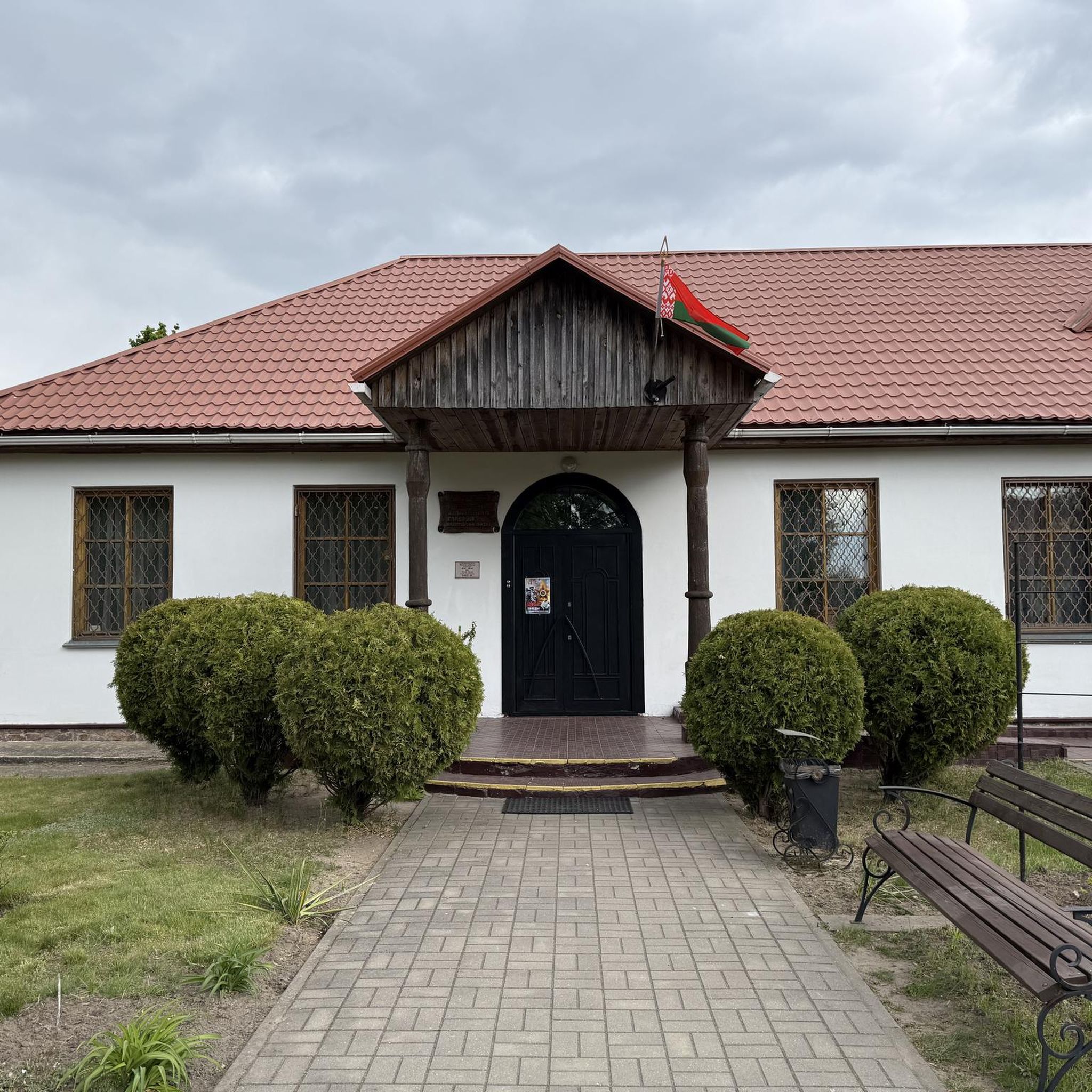
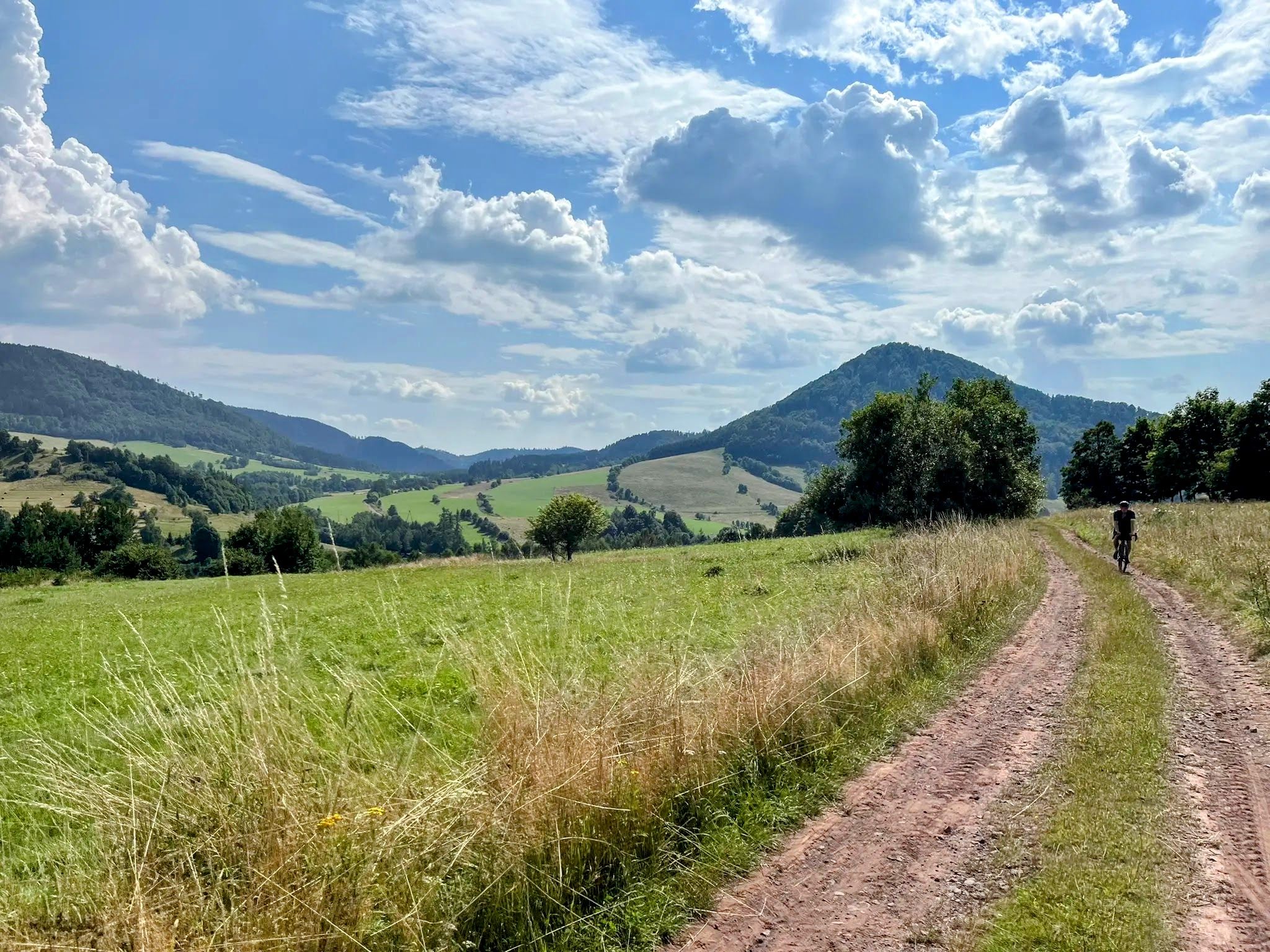
Śnieżnik is the highest peak of the Śnieżnik Massif, the second-highest range in the Polish Sudetes. It belongs to the Crown of Polish Mountains and lies in the Western Sudetes. The Polish-Czech border runs through the summit, where the borders of the historical regions of Silesia, Bohemia, and Moravia meet. In September 2022, a new observation tower was officially opened at the summit, offering views of Śnieżka in the Karkonosze Mountains, the Orlické, Bialskie, Złote, Bystrzyckie, and Opawskie Mountains. Trails lead to Śnieżnik from both the Polish and Czech sides. The most popular trails are from Międzygórze and Kletno, leading through the PTTK "Na Śnieżniku" mountain hut. The longer trail, running along the border, begins in the Czech Republic at Pod Klepáčem and passes through Trójmorski Wierch, Puchacz, and Mały Śnieżnik.
0
1

WoW was a highlight of our hike on the EB.
7
0
A chainsaw artist immortalized himself here. Leaving mushrooms standing is inedible.🤭
7
0
Found below the summit, water tastes great.
6
0
Far-sightedness guaranteed in good weather, only the dirt of the other visitors trickles down on your head🤭
7
0
This will allow you to reach Europe’s largest rope bridge easily and comfortably.
8
0

A tall wooden tower. Beautiful views of the Czech side (the Polish side can also be seen without climbing the tower).
0
0
Śnieżnik is a mountain on the Polish-Czech border. Its wide summit offers views of both the Polish and Czech sides. It offers plenty of space. A mountain hut with full infrastructure is about 30 minutes from the summit.
0
0
Frequently Asked Questions
Where are the main waterfall hiking trails located in the Pardubice region?
While Pardubice itself is in the Labe lowlands, the most prominent waterfall hiking trails are found in the wider region, particularly in the higher elevations like the Orlické Mountains and the Králický Sněžník area. These mountain ranges offer the rugged terrain and elevation changes where waterfalls are typically formed.
How many waterfall hiking routes are available in the Pardubice region?
There are over 70 waterfall hiking routes available in the broader Pardubice region. These trails cater to various fitness levels, with 26 easy, 28 moderate, and 16 difficult options to explore.
Are there any challenging waterfall hikes for experienced hikers?
Yes, the region offers several challenging routes. For instance, the Śnieżnik Observation Tower – Śnieżnik Observation Tower loop from Międzygórze is a difficult 21.9 km trail that takes over 7 hours to complete, offering panoramic views and varied mountain terrain. Another demanding option is the Morava Spring (Pramen Moravy) – Śnieżnik Observation Tower loop from Horní Morava, covering 23.2 km with significant elevation gain.
What can I see along the waterfall hiking trails in the Pardubice region?
Beyond the waterfalls themselves, many trails lead to stunning viewpoints and natural attractions. For example, routes in the Králický Sněžník area often include highlights like the Králický Sněžník Summit, the Śnieżnik Observation Tower, and the impressive Sky Bridge 721 Dolní Morava. The wider region also features the foothills of the Iron Mountains with geological wonders and various lookout towers offering panoramic vistas.
Are there any family-friendly waterfall hikes near Pardubice?
While the most prominent waterfalls are in the more mountainous parts of the region, many trails around Pardubice itself are considered easy and suitable for families, particularly those along the Elbe and Chrudimka rivers or around the Bohdaneč ponds. For waterfall-specific trails, it's best to look for shorter, less strenuous options within the Orlické Mountains or Králický Sněžník areas, which may require a short drive from Pardubice.
Can I bring my dog on waterfall hiking trails in the Pardubice region?
Generally, dogs are welcome on many hiking trails in the Pardubice region, especially in natural areas outside of strict national park zones. However, it's always advisable to keep dogs on a leash and check specific regulations for protected landscape areas or nature reserves you plan to visit. Always ensure your dog is well-behaved and that you clean up after them.
What do other hikers enjoy most about the waterfall trails in the Pardubice region?
The waterfall trails in the Pardubice region are highly rated by the komoot community, with an average score of 4.6 stars from over 370 reviews. Hikers often praise the diverse landscapes, from mountain forests to open vistas, and the unique attractions like observation towers and the Sky Bridge 721 that can be found along these routes.
Are there circular waterfall walks available?
Yes, many of the waterfall hiking routes are designed as circular walks, allowing you to start and end at the same point. An example is the Králický Sněžník Summit – Sky Bridge 721 Dolní Morava loop from Velká Morava, a difficult 23.1 km path that forms a complete loop.
What is the best time of year to visit the waterfalls in the Pardubice region?
The best time to visit waterfalls is typically during spring (after snowmelt) or after periods of heavy rain, when water levels are highest and the falls are at their most impressive. Summer offers pleasant hiking weather, though water flow might be reduced. Autumn provides beautiful foliage, while winter can offer stunning frozen landscapes, but requires appropriate gear and caution due to icy conditions.
Are there any public transport options to reach the waterfall hiking areas?
While Pardubice itself has good public transport connections, reaching the more remote mountain areas where waterfalls are located often requires a combination of train/bus and potentially a short taxi ride or car. Major towns near the Orlické Mountains or Králický Sněžník may have bus services, but direct access to trailheads can be limited. Planning ahead with local transport schedules is recommended.
Are there any other natural attractions or viewpoints near the waterfall trails?
Absolutely! The broader Pardubice region is rich in natural beauty. Beyond the waterfalls, you can explore the pond systems around Lázně Bohdaneč, including the Baroch Nature Reserve with wild horses and buffalo. The foothills of the Iron Mountains host a National Geopark. For panoramic views, consider visiting lookout towers such as Pastýřka Tower or the Sky Walk at Dolní Morava, which offers elevated perspectives of the surrounding mountain ranges.
Most popular routes around Pardubice
Most popular attractions around Pardubice

Get inspired with the komoot mobile app


Didn’t find what you were looking for?
Check out more Hikes throughout Pardubice below and find the perfect route in your destination.
Explore more
Browse the best Hikes in other regions.
