Top 12 Castles in Novara
Best castles in Novara offer a journey through the region's rich history and diverse architectural heritage. Located in the Piedmont region of Italy, Novara features a landscape dotted with ancient fortifications and medieval complexes. These structures provide insights into centuries of local history, from defensive strongholds to noble residences. The area's castles are often situated in strategic locations, providing historical context and unique architectural elements.
Best castles in Novara
- The most popular castles is Monticello Village and Church, a…
Last updated: October 4, 2026
Buccione Tower
Highlight • Castle
Translated by Google •
Tip by

Borromean Fortress of Arona
Highlight • Castle
Translated by Google •
Tip by

Sign up now to discover places like this
Get recommendations on the best single tracks, peaks, & plenty of other exciting outdoor places.
Castello di Proh
Highlight • Castle
Translated by Google •
Tip by

Sforzesco Castle of Galliate
Highlight • Castle
Translated by Google •
Tip by

Visconti Castle of San Vito
Highlight • Castle
Translated by Google •
Tip by

Castello di Divignano
Highlight • Castle
The presence of a castle or "castrum" is …
Translated by Google •
Tip by

Visconti-Sforza Castle (Novara)
Highlight • Castle
Translated by Google •
Tip by
Nibbiola Castle
Highlight • Castle
Translated by Google •
Tip by

Monticello Village and Church
Highlight • Settlement
Translated by Google •
Tip by

Lortallo Tower and Church of San Grato
Highlight • Historical Site
Translated by Google •
Tip by

Sign up for free to discover even more castles in Novara.
Already have an account?
Start today with a free account
Your next adventure awaits.
Popular around Novara
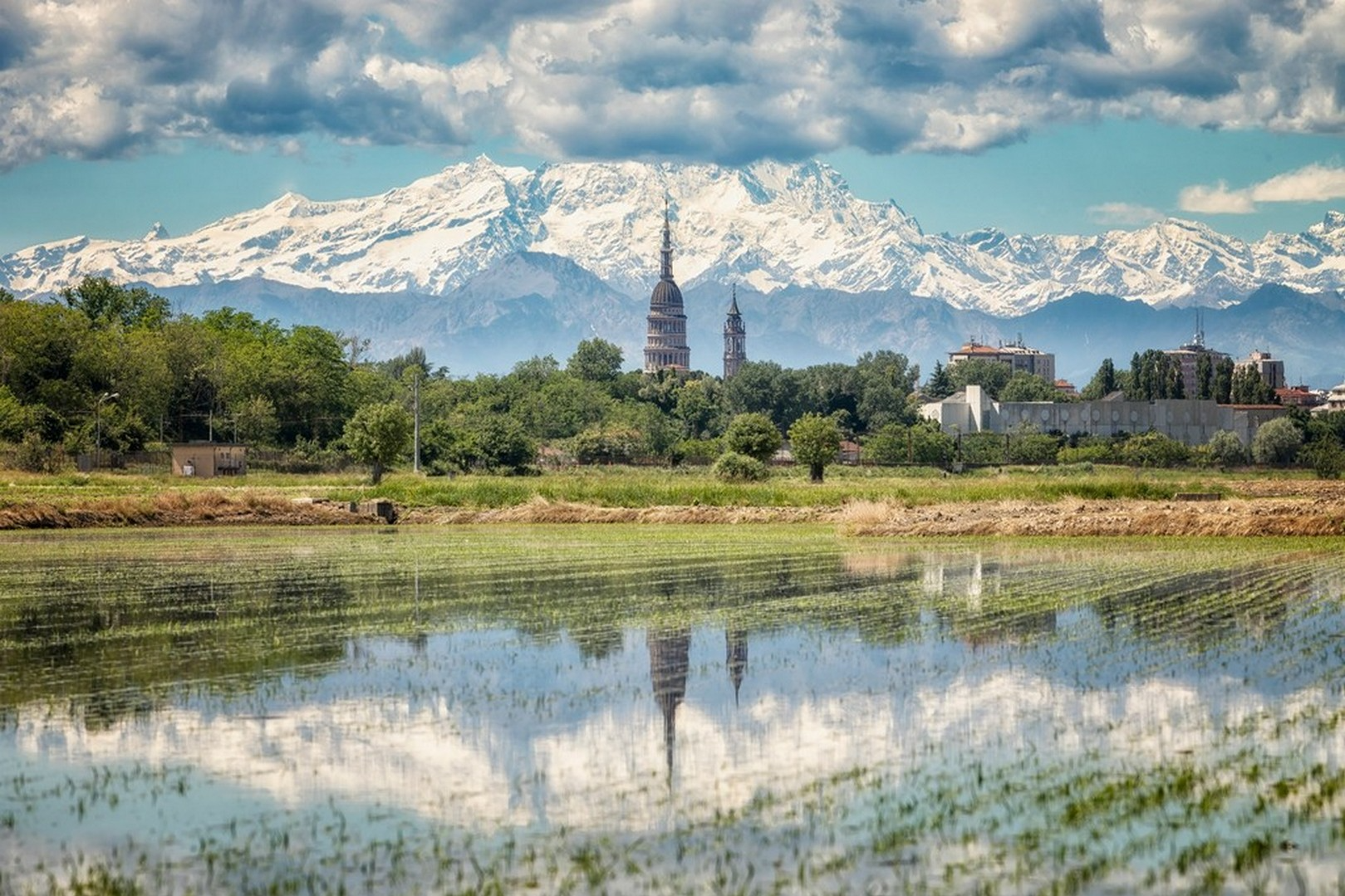
Devoto Cammino dei Sacri Monti – on the trail of the ancient pilgrims
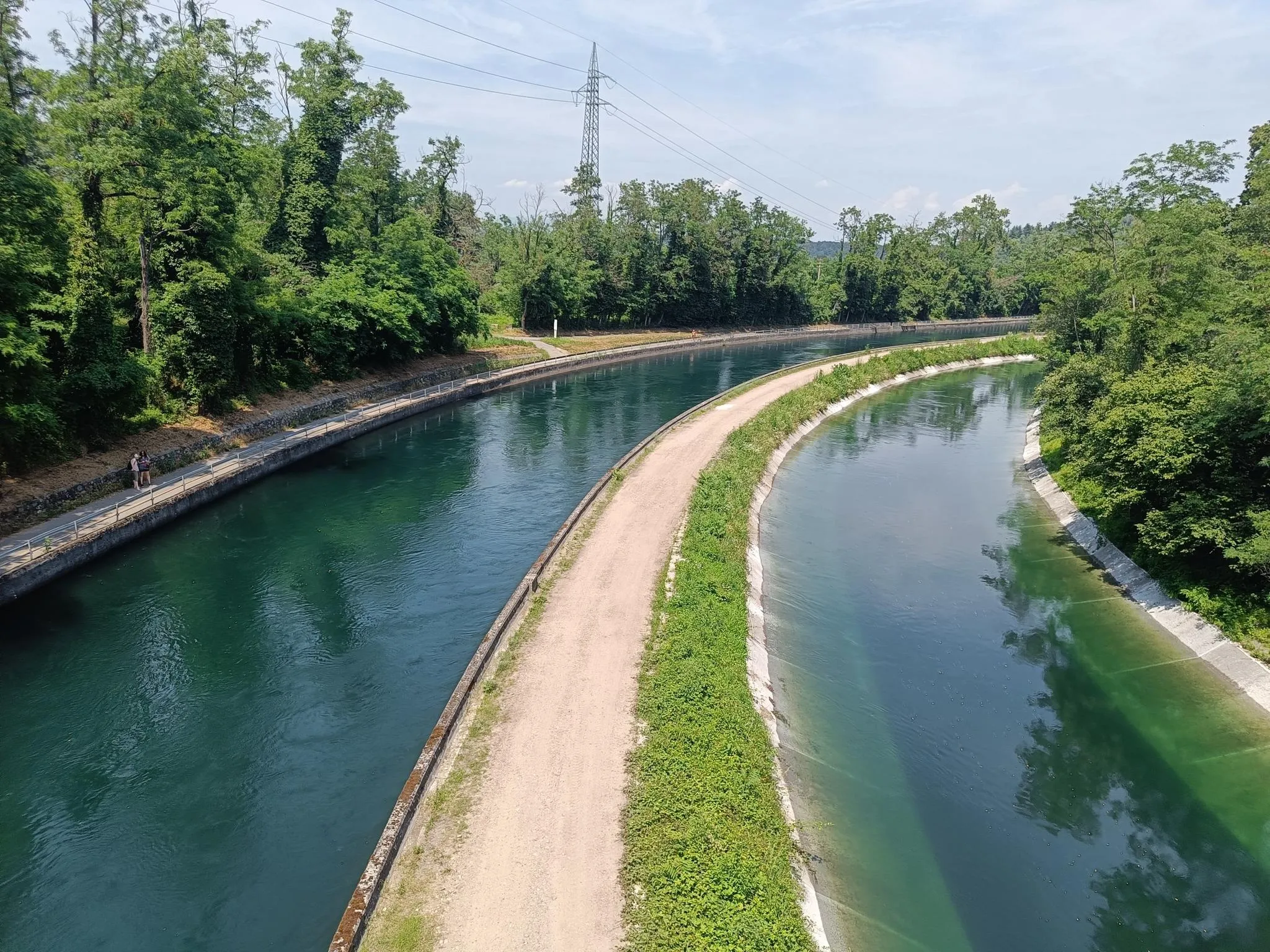
Pedal along water – loop from Milan to Lake Maggiore
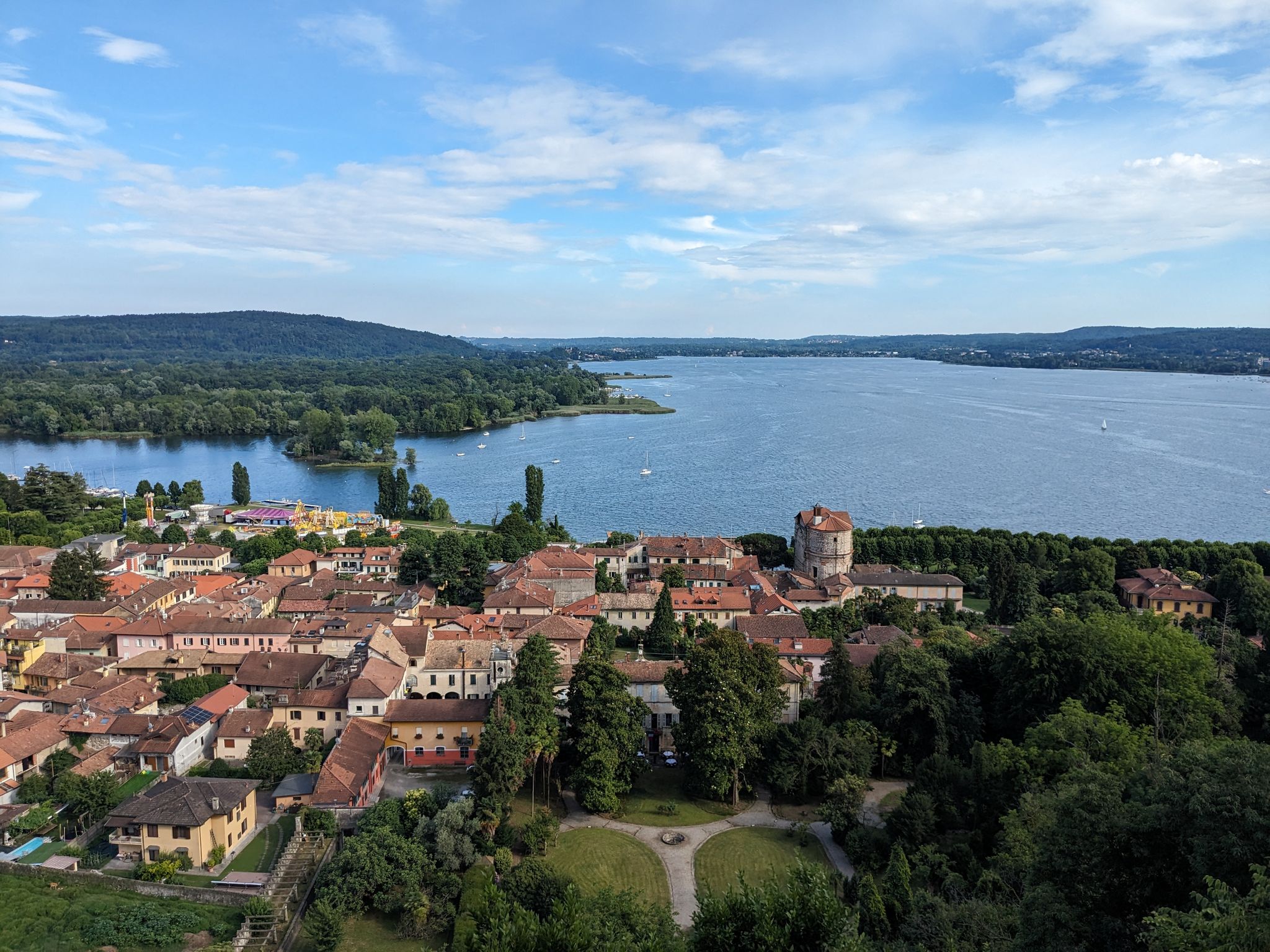
Castles, hermitages and villas – Tour of Lake Maggiore
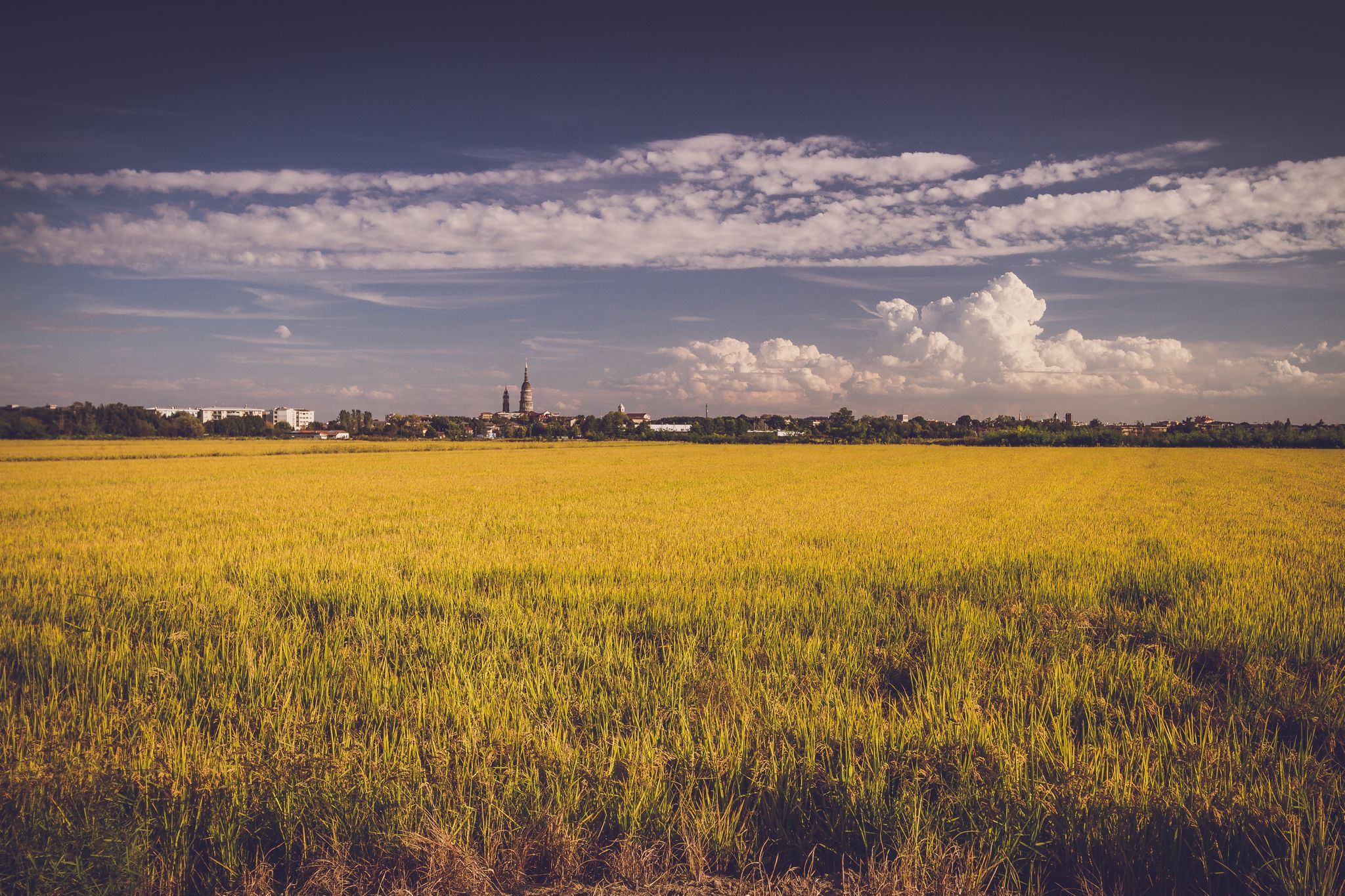
Vineyards and Alpine views – cycling between Italy’s Sesia and Ticino rivers
Trekking around Italy’s Lake Orta — the Blue Ring (Anello Azzurro)
Around Lake Maggiore
Hiking in Novara
Road Cycling Routes in Novara
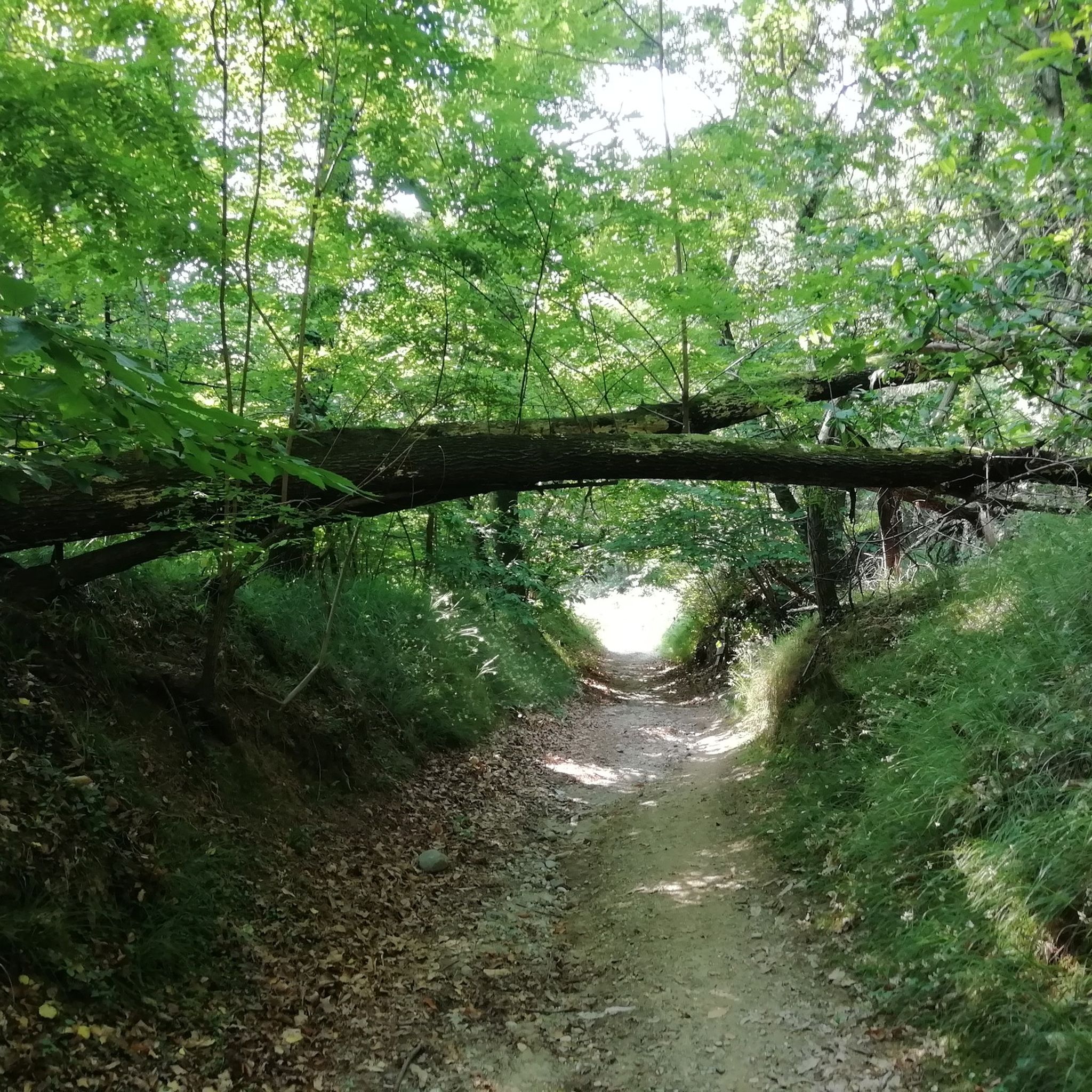
MTB Trails in Novara
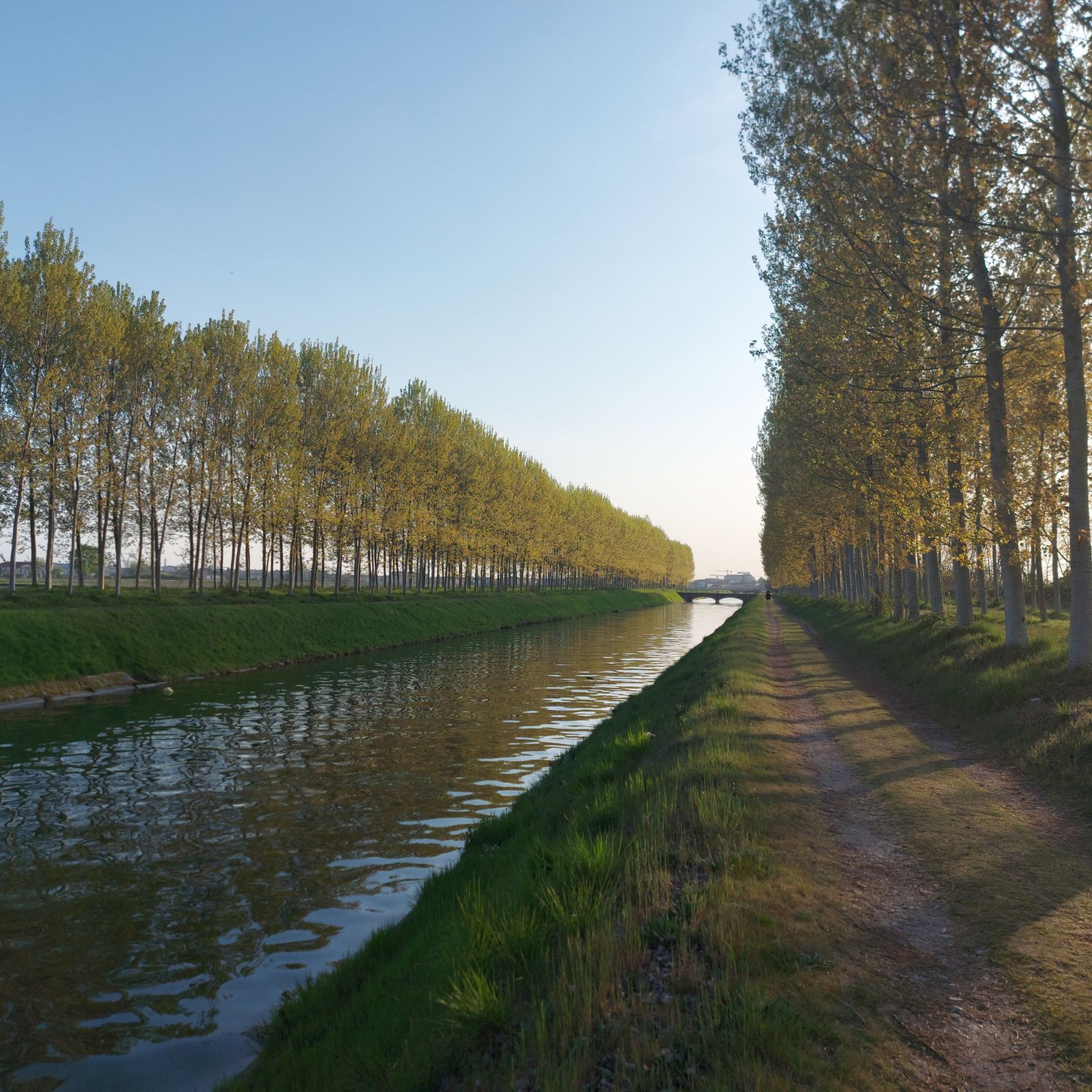
Cycling in Novara
Other adventures in Novara


Tips from the Community

The castle is located in the center of the village, on a hill overlooking the valley below and part of the town. The presence of a castle or "castrum" is mentioned as early as 1191, but the construction of the current fortress appears to date between 1454-1464 and 1489, that is, between the reign of Filippo Borromeo and that of his sons, Giovanni and Vitaliano. It is known with certainty that in 1493 the building and its grounds were inherited by Ludovico Visconti Borromeo. The old square fortress, on the northern side, features the elegant and solid forms of the original fifteenth-century structure, with beautiful pointed-arch windows softened by terracotta decorations. The castle's current appearance is the result of various renovations over the centuries, the most significant dating back to the eighteenth century. The new reconstruction was commissioned by Giulio Visconti Borromeo Arese.
0
0

Spectacular view of the city of Arona and Lake Maggiore
0
0

Once you arrive in Arona, walk along the lakeside and have an ice cream, go up to visit the statue of S. Carlone but... don't forget to visit the Rocca too! Founded in a period shortly before the year 1000 under the control of the Lombards, for four centuries the Rocca remained in the hands of the Borromeo family, giving birth to Cardinal San Carlo Borromeo in 1538; the history of the Rocca di Arona ends in 1800 when the Napoleonic army received the order to destroy some fortifications occupied by the Austrians; from that moment on only a few ruins of the Rocca di Arona remain. From above you can also enjoy a spectacular view of Arona below, of Angera opposite and of this entire stretch of lake!
0
0

The Visconti-Sforza Castle of Novara is a castle located in the south-western border of the old center of Novara. It was erected on the former corner of the Roman and Middle Age walls that surrounded the city. The origin of the castle is connected to the transfer of Novara under the influence of Milan, taking place in the second half of the 13th century. In 1272 Francesco Della Torre (member of the family ruler of Milan), after taking over the city, ordered the construction of a fortification on the site belonged to the Tettoni family. In the 14th century, after the exchange of the ruling families from the Della Torre to the Visconti, the Lord of Milan Giovanni Visconti (1339-1354) paid again attention to Novara and had the castle built. The castle was strengthened by his successors Galeazzo II (1354-1378) and Gian Galeazzo (1378-1402). Works and repairs were done over the years by Francesco Sforza. His son, the duke Galeazzo Maria, carried out the major transformation of the building. https://en.wikipedia.org/wiki/Visconti-Sforza_Castle_(Novara)
0
0
The Church of the Purification of the Virgin Mary is the parish church of Massino Visconti in the Province and Diocese of Novara. It is part of the Vergante pastoral unit. The first mention of a Catholic church in Massino dates back to 887. The new church was built in the second half of the 16th century with three naves and was given the title of parish church during the same period, after the Church of San Michele was severely damaged by a landslide. In the first half of the 19th century, the old Romanesque bell tower was demolished and replaced with a new tower. The church's striking, west-facing façade consists of three volumes interrupted by pilasters: the main body, characterized by the main portal, is preceded by a small portico opening into a serliana in the center, while the two side wings have secondary entrances. Attached to the parish church is the stone bell tower with a square floor plan. Its cell has a single-lancet window on each side, protected by a balustrade, and is crowned by a pyramidal spire resting on a drum with an octagonal base. The interior of the building is divided into three naves, overlooking which the side chapels face. Pillars and columns support round arches, above which runs the molded and projecting entablature, upon which the vaults rest. At the end of the hall is the presbytery, raised a few steps, bordered by balustrades and housing the main altar. Several valuable works have been preserved here, including the 16th-century frescoes depicting Saint Mary of the Assumption and the Coronation of Mary, as well as the paintings on the vaults depicting the Doctors of the Church and the symbols of the Evangelists. it.wikipedia.org/wiki/Chiesa_della_Purificazione_di_Maria_Vergine_(Massino_Visconti)
0
0

Place of historical, cultural, architectural and tourist interest Via Giacomo Matteotti, 3, 28070 Nibbiola NO https://www.comune.nibbiola.no.it/it-it/vivere-il-comune/cosa-vedere/castello-dei-tornielli-sec-xvi-1508-1-7e9642c99f50bcd94c59251ea96c529b
1
0

Its construction began in 1476 on an ancient Visconti fortress, the works were interrupted due to the death of the Duke of Milan Galeazzo Maria Sforza. It was Ludovico Maria Sforza known as Il Moro who completed its construction in 1496.
0
0
Castello Sforzesco built between 1476 and 1496 It was Ludovico il Moro who completed the works after the death of Galeazzo Maria Sforza had blocked the works. built on an ancient Rocca Viscontea since the 12th century it had been a bulwark of the Duchy of Milan against attacks coming from the West.
0
0
Frequently Asked Questions
Which castles in Novara offer a glimpse into the Sforza era?
The Sforzesco Castle of Galliate, built between 1476 and 1496 by Galeazzo Sforza, is a prime example. It transitioned from a feudal residence to a military fortress and now serves as a cultural center. The Visconti-Sforza Castle (Novara) also saw major transformations under the Sforzas and is now a significant cultural hub in the city center.
Are there any castles in Novara that are still inhabited or well-preserved?
Yes, the Castello di Briona, first mentioned in 995, has been adapted over time and remains inhabited today, maintaining a good state of preservation. Its strategic position also offers panoramic views of the surrounding plain.
Which castles in Novara are known for their unique architectural features?
The Castello di Briona stands out with its unique suspended interior courtyard at the height of the first floor, supported by groin arches. The Castello-Ricetto di Ghemme is also a rare example in Piedmont of a complex urban fortification with a central road branching into secondary paths.
Can I visit castles in Novara that have been repurposed for cultural activities?
Absolutely. The Sforzesco Castle of Galliate houses a city library, a Museum of Modern Art, and exhibition halls. Similarly, the Visconti-Sforza Castle (Novara) functions as the city's most important cultural center, hosting exhibitions, conferences, and events.
Are there family-friendly castles to visit in the Novara region?
Many castles in the Novara region are considered family-friendly. For instance, the Sforzesco Castle of Galliate and the Visconti-Sforza Castle (Novara) are highlighted as suitable for families. The Castello di Proh is also noted as family-friendly, though it is currently undergoing renovations and can only be visited externally.
Which castle offers wine tasting experiences?
The Castello-Ricetto di Ghemme, a medieval fortified complex, has cellar spaces that have been used for centuries to store Ghemme DOCG wine. Some local wineries within the complex offer castle tours and wine tastings in these historic cellars.
What kind of views can I expect from castles in Novara?
From the Buccione Tower, a remnant of a 12th-century castle, you can enjoy a fantastic view over Lago d'Orta. The Castello di Briona, strategically located on a hilltop, also offers commanding views of the surrounding plain.
Are there opportunities for outdoor activities near the castles in Novara?
Yes, the Novara region offers various outdoor activities. You can find numerous hiking routes, such as the 'Anello Falò Trail' or 'Pescone Waterfalls Loop', and running trails like 'Views of Lake Orta - Ring Tour'. For more details, explore the Hiking in Novara or Running Trails in Novara guides.
Which castle has an interesting museum dedicated to a famous race car driver?
The Sforzesco Castle of Galliate hosts the Achille Varzi Museum, dedicated to the famous Galliate race car driver, in addition to its Museum of Modern Art.
What is the best time of year to visit the castles in Novara?
While specific seasonal considerations for each castle vary, generally, spring and autumn offer pleasant weather for exploring the region's historical sites and enjoying the surrounding natural beauty. Many castles, especially those with outdoor areas or gardens, are particularly enjoyable during these milder months.
Are there any castles in Novara that are only partially accessible or privately owned?
Yes, the Castello di Caltignaga, with origins dating back to shortly after the year 1000, is privately owned and can only be visited externally. Similarly, the Castello di Proh is currently undergoing renovations, so it can only be visited externally, though cultural initiatives and guided excursions are available.
What do visitors particularly appreciate about the castles in Novara?
Visitors often appreciate the rich history and diverse architectural heritage of the castles. The komoot community has shared over 70 photos and given more than 70 upvotes, highlighting the unique structures, historical significance, and beautiful views, such as those from Buccione Tower over Lago d'Orta.
Most popular routes in Novara
Most popular attractions in Novara

Get inspired with the komoot mobile app


Didn’t find what you were looking for?
Explore Novara’s best castles region by region:
Explore more
Looking for the best castles somewhere else? Discover other guides in Novara:
