Top 20 Castles in Bratislava
Best castles in Bratislava offer a journey through centuries of history, set against a backdrop of the Danube River and the Small Carpathians. The city is home to several historic castles, providing panoramic views and cultural significance. These landmarks showcase the region's rich past, from ancient settlements to royal strongholds. Visitors can explore a variety of historical sites, from reconstructed fortresses to dramatic ruins.
Best castles in Bratislava
- The most popular castles is Bratislava Castle, a castle that was rebuilt in the 15th century and later reconstructed in 1968. Today, it houses a large number of temporary or permanent exhibitions, including a gold treasure from the 17th century.
- Another must-see spot is Devín Castle, a castle that was an important historical crossroads used by the Romans as a military base. This historical and restored monument features expositions on the history of the Slavs and offers beautiful views of the confluence of the Morava and Danube rivers.
- Visitors also love Pajštún Castle Ruins, a castle that consists of beautiful ruins on a rock in the Little Carpathians. This site provides nice views of the surroundings, including the Devín TV tower on clear days.
- Bratislava is known for reconstructed Baroque fortresses, ancient castle ruins, and historical palaces. The region offers a diverse range of historical sites to explore, from well-preserved museums to dramatic cliffside remnants.
- The castles in Bratislava are appreciated by the komoot community. The guide features 27 highlights, with 938 upvotes and 190 photos from visitors.
Last updated: July 21, 2026
Bratislava Castle
Highlight • Castle
Today the castle houses a large number of temporary or permanent exhibitions - one of the most interesting is the gold treasure from the 17th century.
Translated by Google •
Tip by

St. Martin's Cathedral, Bratislava
Highlight • Religious Site
The Gothic three-aisled church from the 15th century is considered the coronation church of the Hungarian kings.
The three-aisled Gothic cathedral of Bratislava was built on the site of an earlier Romanesque church from 1221, which was dedicated to the Holy Saviour.
It was here that Ludwig van Beethoven performed his work Missa solemnis for the first time in Pressburg in 1835. A few years later, in 1884, Franz Liszt also conducted a Hungarian coronation mass here. The cathedral is without doubt one of the largest and best preserved Gothic religious buildings in Bratislava.
Its construction began at the beginning of the 14th century, on the site where a Romanesque church had previously stood. Many masters were involved in the extension and expansion, including those who built St. Stephen's Cathedral in Vienna. The most famous include Hans Puchsbaum and Anton Pilgram. The temple was consecrated in 1452, but it did not take on its final form until 1510.
The 18th century saw another reconstruction in the Baroque style, which was again carried out by the most talented artists. The last change in the Gothic style followed in the middle of the 19th century. The cathedral can be admired in this form more or less to this day.
Text / Source: Touristinfo Bratislava / visitbratislava.com
visitbratislava.com/de/setzt/die-kathedrale-des-heiligen-martin
Translated by Google •
Tip by

Sign up now to discover places like this
Get recommendations on the best single tracks, peaks, & plenty of other exciting outdoor places.
Sign up for free
Devín Castle
Highlight • Castle
Translated by Google •
Tip by
Primate's Palace (Primaciálny palác)
Highlight • Historical Site
St. George's Fountain with a Dragon
The Renaissance fountain in the courtyard of the Primate's Palace depicts the fight of St. George with the dragon.
It dates from the 17th century and represents the patron saint of Archbishop Juraj Lippay. St. George on horseback fights with a spear against a three-headed dragon. The dragon's heads are gargoyles. The sandstone fountain is located in an octagonal basin. It originally stood in the garden of the Summer Archbishop's Palace, which also housed other works of art. In 1930 it was moved to the courtyard.
Text / Source: Ministry of Tourism and Sports of the Slovak Republic, Bratislava
visitbratislava.com/sk/miesta/fontana-sv-juraja-s-drakom
Translated by Google •
Tip by
Biely Kameň Castle Ruins
Highlight • Castle
Since 2021, the citizens' association Castrum Sancti Georgii has been committed to the preservation of the castle ruins. Volunteers cleared the walls of ivy and overgrown trees, built access paths, benches for visitors, and stairs for greater safety. They cleaned the impressive vaulted room measuring 17 x 6.5 m. The association had the ruin geodetically surveyed and a 3D model of the castle created.
Subsequently, a static assessment of the individual objects and an architectural-historical study of the monument were carried out. Based on the developed restoration concept, the association began the renovation of the most endangered parts of the castle. First, the half-destroyed, dominant western defensive tower was restored. You can follow the progress of the restoration on the website hradbielykamen.sk.
You can support the work of the citizens' association Castrum Sancti Georgii in restoring the castle with a voluntary donation.
Showing Translation
Tip by

Esterházy Palace – Slovak National Gallery
Highlight • Historical Site
Translated by Google •
Tip by

Pajštún Castle Ruins
Highlight • Castle
The yellow tourist sign from Stupava is passable, only the last 200-500 meters need to be pushed by a bike.
Translated by Google •
Tip by

Iron Curtain Memorial – Devín
Highlight • Monument
Translated by Google •
Tip by

Western Gate of Devín Castle
Highlight • Castle
The Western Gate itself is an impressive relic of the medieval fortification. It consists of massive stone walls that once formed the entrance to the fortress. Although the fortress has been heavily damaged over time, parts of the Western Gate are still well preserved and give a sense of the former strength and importance of the structure.
Today, Devín's Western Gate is a popular tourist attraction and a symbol of Slovak history and culture. Visitors can explore the remains of the fortification, enjoy the scenic landscape along the Danube and Morava, and learn more about the region's turbulent past.
Translated by Google •
Tip by

Upper Castle (Horný Hrad), Devín
Highlight • Castle
The castle reached its peak of importance in the Middle Ages, when it played a major role in the conflicts between Hungary, Austria and other powers. It served as an important military base and as a centre for trade and administration.
Today, only ruins remain of Devín Upper Castle, but it still attracts visitors from all over the world. Its imposing location high above the rivers offers spectacular views of the surrounding countryside and the city of Bratislava.
Visitors to Devín Upper Castle can explore the remains of the fortress walls, wander through the historic ruins and learn about the castle's fascinating history and its importance to the region. The castle is also a popular venue for cultural events and festivals celebrating Slovakia's rich cultural heritage.
Translated by Google •
Tip by
Sign up for free to discover even more castles in Bratislava.
Sign up for free
Already have an account?
Start today with a free account
Your next adventure awaits.
Login or Signup
Popular around Bratislava
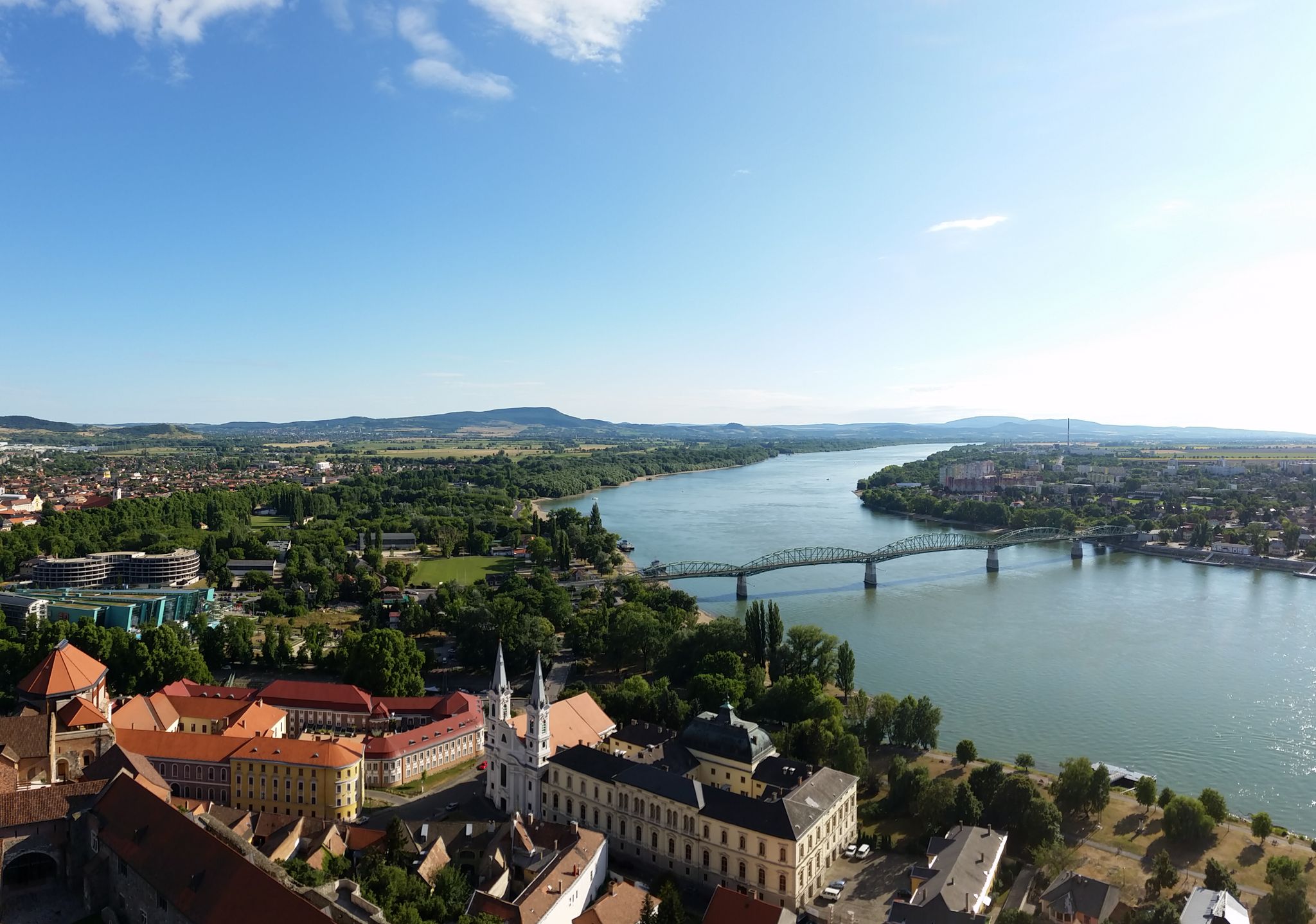
The Danube Cycle Path – From Donaueschingen to Budapest
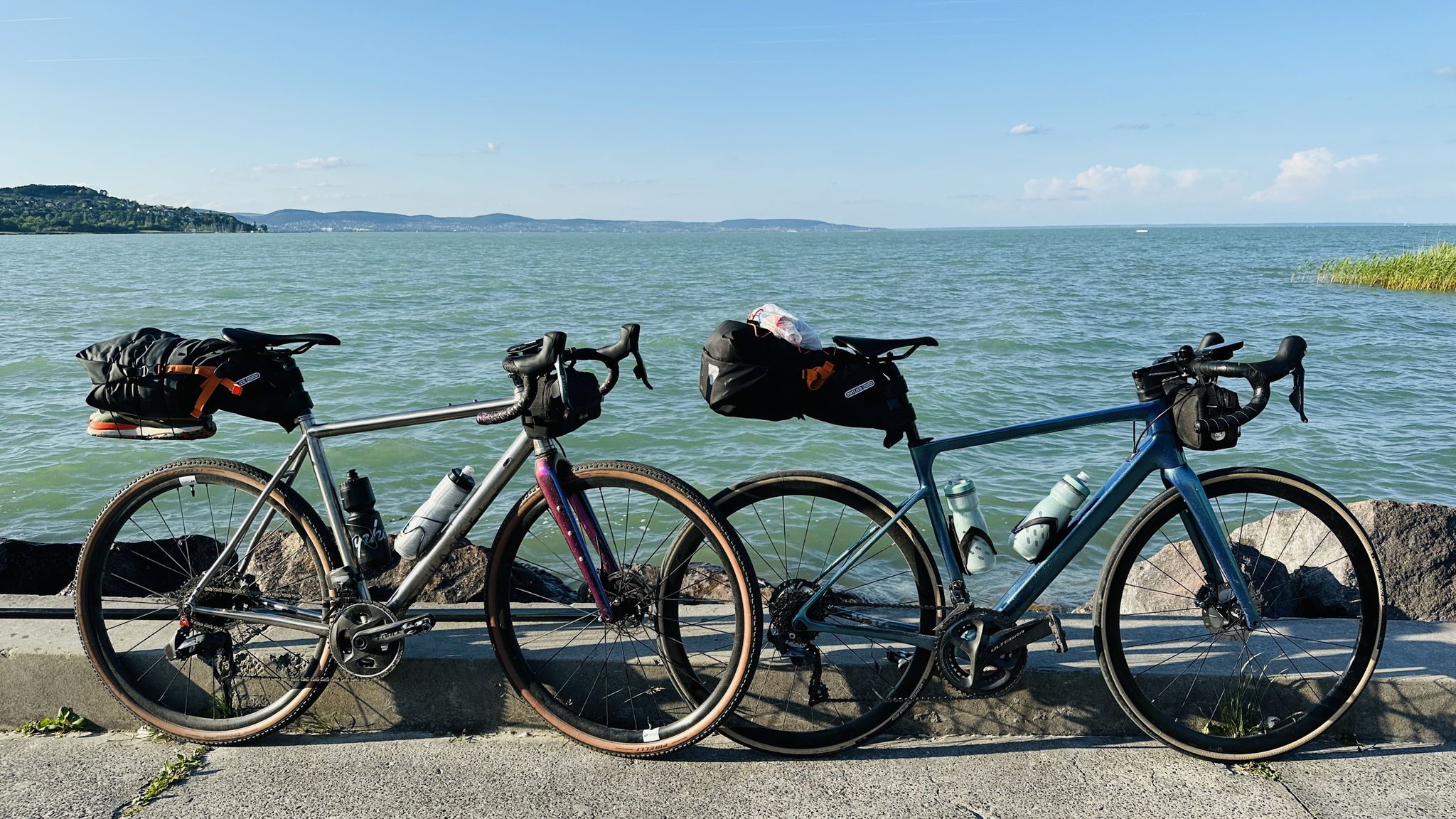
Riding two Koppels through five countries
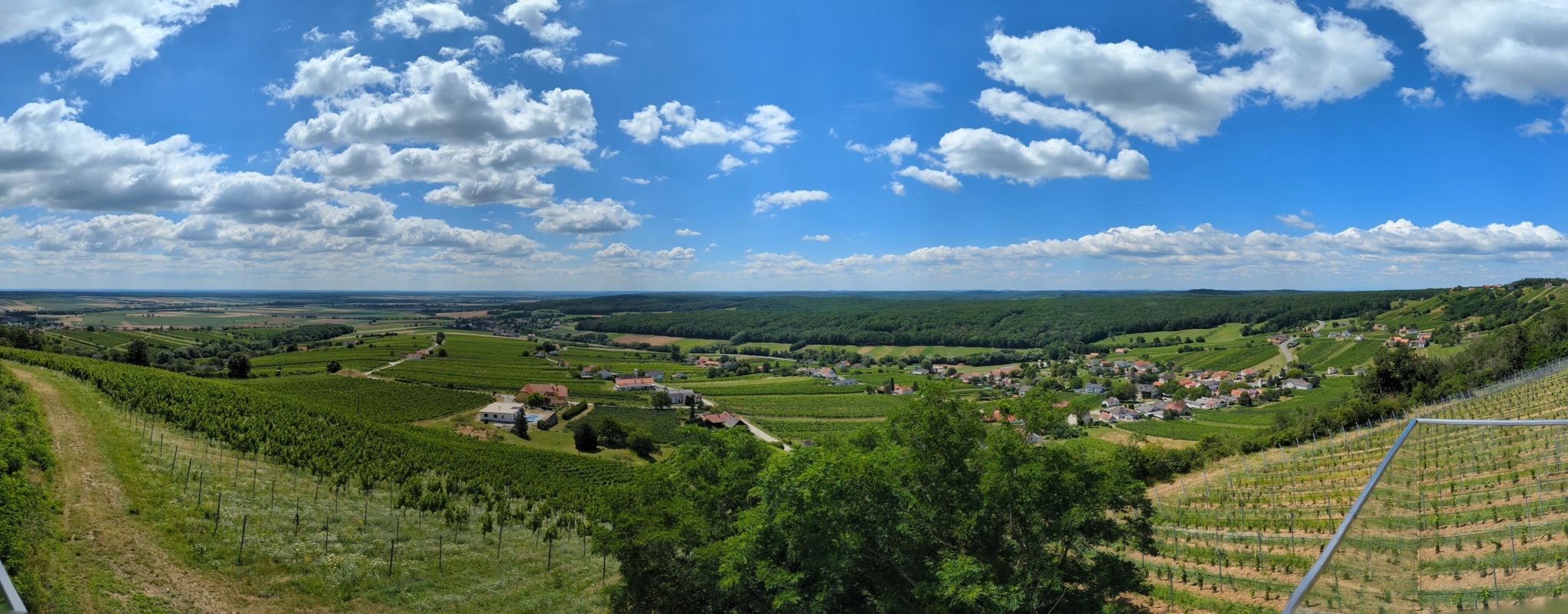
Jubiläumsradweg cycle path through Burgenland
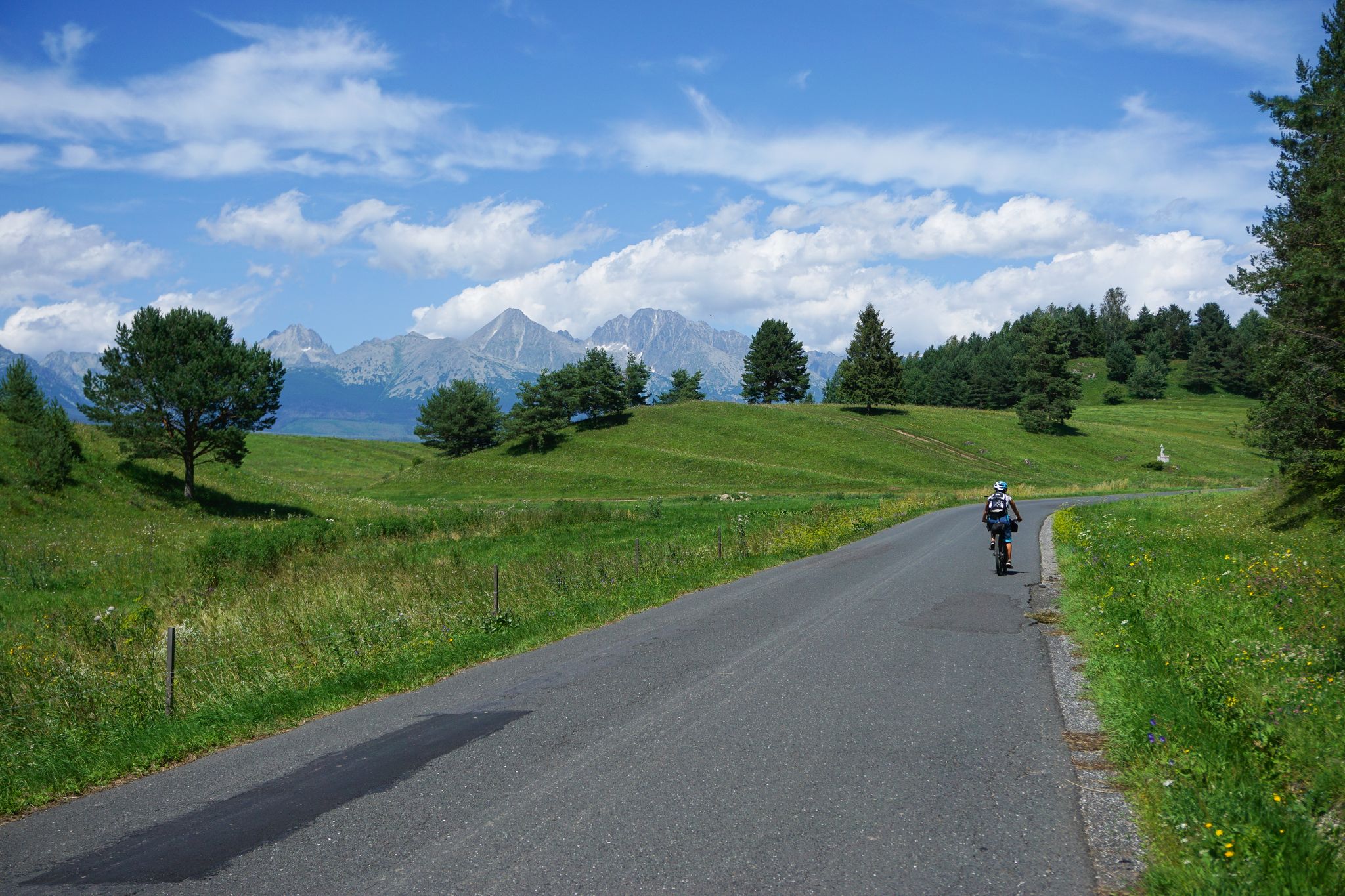
From Vienna to Košice – a bikepacking adventure in Slovakia
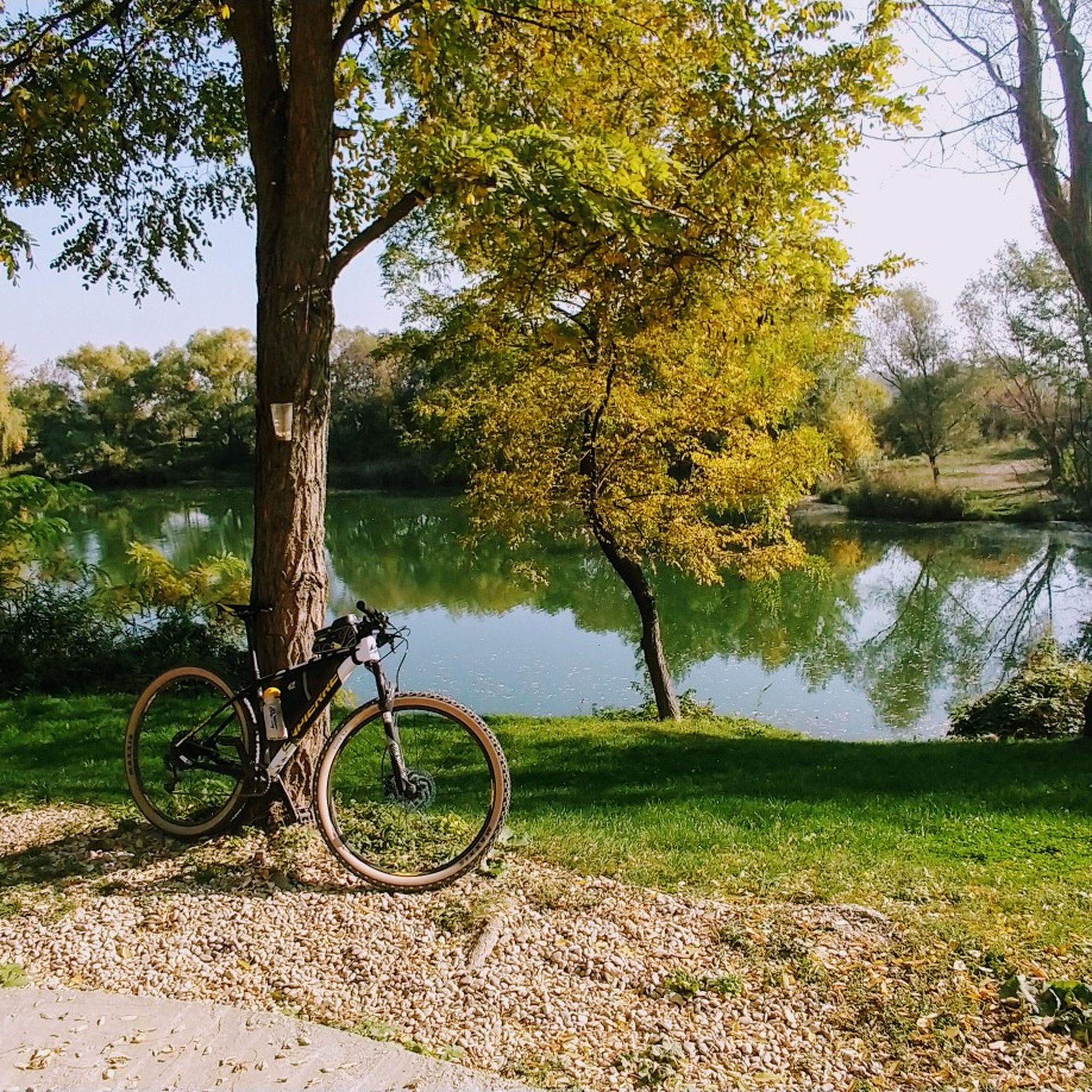
Cycling in Bratislava
Road Cycling Routes in Bratislava
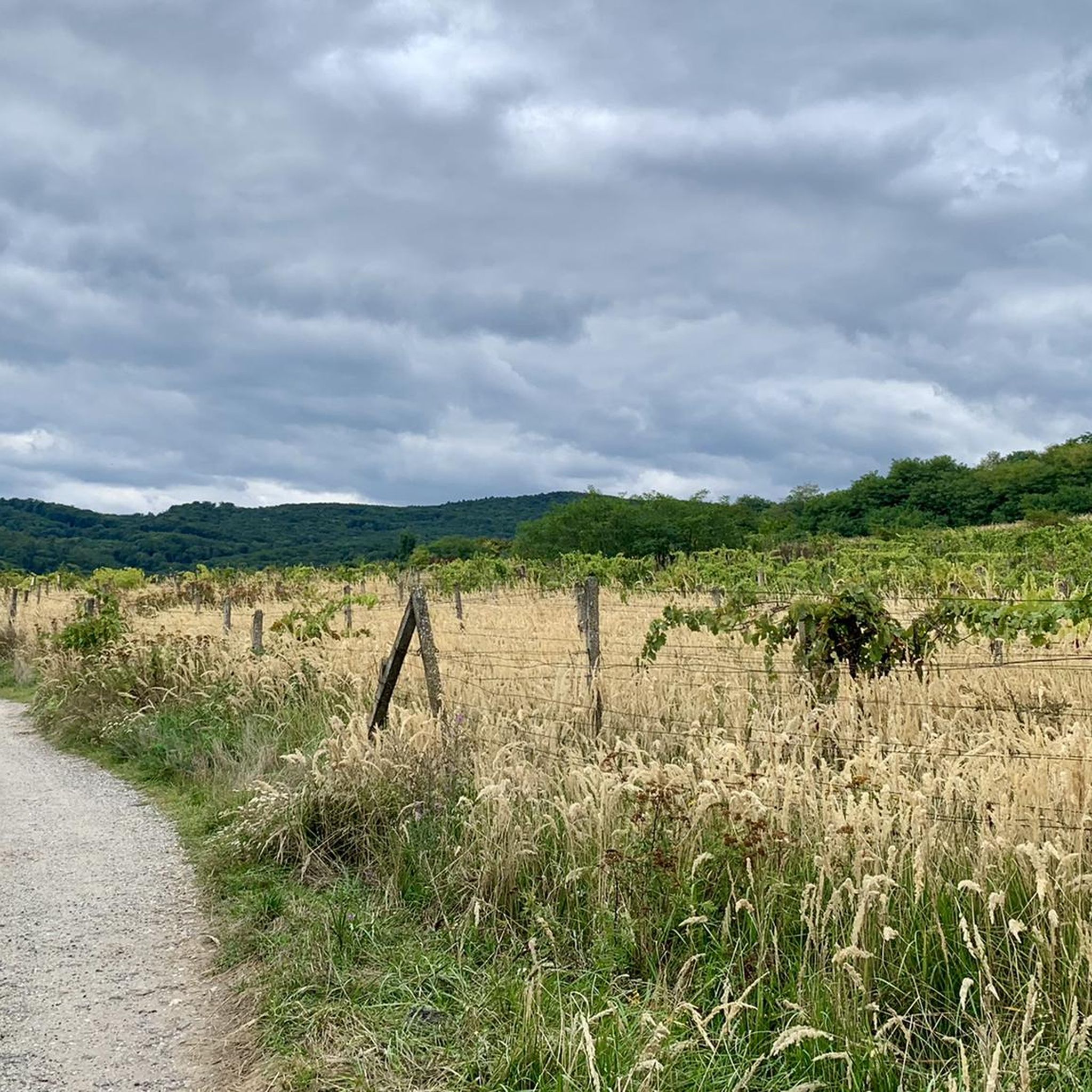
Running Trails in Bratislava
Hiking in Bratislava
MTB Trails in Bratislava

Gravel biking in Bratislava
Other adventures in Bratislava


Tips from the Community

The Ranogien Castle was built after the Tatar invasion of 1241/42 by the local counts of Sveti Jur and Pezinok, the Hunt-Poznanovci. The castle, first documented in 1271, gradually took over the settlement and guard function of the Great Moravian castle (fortress) on the opposite side of the valley and became the center of a growing estate. It was part of the Little Carpathians system. After a reconstruction in the 14th century, the castle consisted of an inner and an outer part. The entrance led over a drawbridge across a dry moat that surrounded the castle along with a rampart. The inner castle comprised palace buildings with two residential buildings, one of which served as a prison. In addition to the living quarters for the count's household, the palace housed a tavern, chambers, cellars, kitchens, and a bakery. The outer castle had three towers, including a water tower. The fresh water supply was provided by a system of ceramic pipes and a cistern. The castle also had a bailey enclosed by defensive walls. The remains of the vaults date from the time of the Renaissance reconstruction. With the construction of the manor house by Katarína Pálffyová and her husband Štefan Illésházy, the successors of the counts of Svätý Jur and Pezinok, in 1609, the seat of the estate was permanently moved to the town. As a result, the castle lost its original function and gradually fell into disrepair. During the Turkish uprising, it offered refuge and temporary accommodation to the surrounding population. After the devastating attack by the Turks in 1663, it finally fell into ruin. In 2002, Biely Kamen Castle was declared a national cultural monument. The finds from the excavation site can be visited at the Museum of Literature and Local History in Svätý Jur – a branch of the Museum of the Little Carpathians in Pezinky. Did you know that Biely Kamen Castle was located on an important trade route from Bratislava to Trnava? It also controlled the mountain road to Stupava and Lozorno.
1
0
The ruin is currently being renovated with extensive voluntary work by a citizens' initiative. Since 2021, the citizens' association Castrum Sancti Georgii has been committed to the preservation of the castle ruins. Volunteers cleared the walls of ivy and overgrown trees, built access paths, benches for visitors, and stairs for greater safety. They cleaned the impressive vaulted room measuring 17 x 6.5 m. The association had the ruin geodetically surveyed and a 3D model of the castle created. Subsequently, a static assessment of the individual objects and an architectural-historical study of the monument were carried out. Based on the developed restoration concept, the association began the renovation of the most endangered parts of the castle. First, the half-destroyed, dominant western defensive tower was restored. You can follow the progress of the restoration on the website www.hradbielykamen.sk. You can support the work of the citizens' association Castrum Sancti Georgii in restoring the castle with a voluntary donation.
1
0

Memorial to the Victims of the Iron Curtain. It is a rust-colored iron sculpture deliberately reminiscent of a broken border element – raw, angular, open. Engraved are the names and dates of those who died trying to escape from Czechoslovakia to the West. The memorial stands on the banks of the Morava River, where the heavily guarded border with the neutral zone of Austria once ran. Today, it is part of a small memorial area overlooking the Danube, Devín Castle, and the open borderland. It is a quiet place of remembrance that, with its minimalist design and raw materials, makes the pain of separation visible – while simultaneously honoring the hope for freedom.
1
0

The Primate's Palace, built at the beginning of the 19th century in the neoclassical style, captivates with its delicate pink façade and the elegant columns at the main entrance. Inside, the magnificent Hall of Mirrors impresses, reflecting eight enormous tapestries depicting scenes from Hungarian history. A stroll through the tranquil courtyard and manicured gardens invites you to take a breather before continuing on to the neighboring Jesuitengasse and into the winding alleys of the Old Town. The palace is not only architecturally remarkable, but also a site of historical significance: It was here that Napoleon signed the Peace of Pressburg after his coronation in 1805.
2
0
The late Gothic St. Martin's Cathedral in the heart of Bratislava impresses with its striking tower, delicate pointed arches, and ornate gargoyles. Once the coronation site of Hungarian kings, the interior captivates with colorful stained glass windows and Baroque Rococo details. A quick detour here is worthwhile—especially for photos with a view of the Old Town and Castle Hill.
6
0

St. Martin's Cathedral is the oldest and most important church in Bratislava. It is located on the edge of the Old Town below the castle and served as the coronation church of Hungarian kings for centuries. Its tower, with its golden St. Stephen's Crown, is particularly striking.
6
0

Fontána sv. Juraja in the Primate's Palace, Bratislava St. George's Fountain with a Dragon The Renaissance fountain in the courtyard of the Primate's Palace depicts the fight of St. George with the dragon. It dates from the 17th century and represents the patron saint of Archbishop Juraj Lippay. St. George on horseback fights with a spear against a three-headed dragon. The dragon's heads are gargoyles. The sandstone fountain is located in an octagonal basin. It originally stood in the garden of the Summer Archbishop's Palace, which also housed other works of art. In 1930 it was moved to the courtyard. Text / Source: Ministry of Tourism and Sports of the Slovak Republic, Bratislava https://www.visitbratislava.com/sk/miesta/fontana-sv-juraja-s-drakom/
12
0
Primatial Palace, Bratislava / Pressburg The Primatial Palace was built on the orders of Cardinal Joseph Count of Batthyány as the most magnificent and largest stately residence in the city. The 18th century classicist palace witnesses the signing of the Peace of Bratislava, which was concluded after the Battle of Austerlitz, which was won by Napoleon I. This happened during the golden years of the then capital of Hungary, just before it lost this status. The Viennese architect Melchior Hefele created his design in French classicism and this unique winter residence of the Archbishop of Gran (Esztergom) was completed in 1781. Occasionally the palace provided accommodation for the kings after the coronation ceremony. Since 1903 it has been the town hall and houses a unique collection of six English tapestries from the 17th century. The representative first floor is open to the public and is considered the biggest tourist attraction. The beautiful Hall of Mirrors is also located here, where concerts are held and weddings are also held. The palace can be visited every day except Mondays between 10 a.m. and 5 p.m. On Sundays and public holidays, masses are celebrated in the St. Ladislaus Chapel at 8 a.m. Text / Source: Ministry of Tourism and Sports of the Slovak Republic, Bratislava / Pressburg https://www.visitbratislava.com/de/setzt/primatialpalais/
12
0
Frequently Asked Questions
What are the main differences between Bratislava Castle and Devín Castle?
Both are significant historical sites, but they offer different experiences. Bratislava Castle is a reconstructed Baroque fortress housing the Historical Museum, offering panoramic city views and cultural events. Devín Castle is a dramatic ruin on a cliff overlooking the Danube and Morava rivers, known for its ancient history (from Stone Age to Roman times) and stunning natural scenery. Bratislava Castle is more about museum exhibits and formal gardens, while Devín offers a blend of ruins, archaeological finds, and outdoor activities.
Are there family-friendly castles to visit in Bratislava?
Yes, both Bratislava Castle and Devín Castle are considered family-friendly. Bratislava Castle has extensive grounds, a Baroque Garden, and museum exhibits that can engage older children. Devín Castle offers open spaces to explore ruins, impressive views, and often hosts cultural events suitable for families. The nearby Iron Curtain Memorial at Devín also provides a historical context for families.
What is the best time of year to visit the castles in Bratislava?
The spring and summer months (April to September) are generally ideal for visiting Bratislava's castles. The weather is pleasant for exploring the outdoor grounds and ruins, and many cultural events, concerts, and markets are held during this time, especially at Bratislava Castle and Devín Castle. Winter visits are possible, but some outdoor areas or events might be limited, and the weather can be cold.
How can I reach Devín Castle using public transport?
Devín Castle is accessible by public transport from Bratislava. You can take bus number 29 from Most SNP (SNP Bridge) in Bratislava city center directly to Devín. The journey takes approximately 20-30 minutes.
Are there any hiking opportunities near the castles?
Yes, the area around Bratislava's castles, particularly Devín Castle and Pajštún Castle Ruins, offers excellent hiking opportunities. Devín is situated at the confluence of the Danube and Morava rivers, with paths leading through natural landscapes. Pajštún Castle Ruins are located on a rock in the Little Carpathians, providing scenic trails and rewarding views. For more detailed routes, you can explore the running trails in Bratislava.
What kind of views can I expect from Bratislava Castle?
Bratislava Castle, perched 80 meters above the Danube River, offers breathtaking panoramic views. You can see the entire city of Bratislava, the winding Danube River, and on clear days, even parts of neighboring Austria and Hungary. The castle grounds and its highest tower provide excellent vantage points.
Are there any cycling routes near the castles?
Yes, the region around Bratislava's castles is popular for cycling. The Morava Cycle Route, for instance, offers paths through untouched landscapes along the former Iron Curtain border near Devín Castle. You can find various cycling routes, including those passing by Bratislava Castle, in the Cycling in Bratislava guide or for more rugged terrain, the Gravel biking in Bratislava guide.
Can I visit the Baroque Garden at Bratislava Castle?
Yes, the beautifully restored Baroque Garden (Hradná Záhrada) at Bratislava Castle is open to visitors. It features symmetrical layouts with silver linden trees, boxwood hedges, seasonal flowers, sculptures, and a central fountain, based on 18th-century plans for Empress Maria Theresa.
What historical significance does Devín Castle hold?
Devín Castle has an exceptionally long history, with evidence of settlement dating back to the Stone Age. It was inhabited by Celts and Romans, integrated into the Limes Romanus, and served as an important stronghold for Prince Rastislav of Great Moravia in the 9th century. Later, it became a royal border castle for the Hungarian Kingdom before being destroyed by Napoleon's troops in 1809. Today, it's a National Historic Landmark with archaeological exhibitions.
Are there any lesser-known castle ruins worth exploring near Bratislava?
Beyond the main castles, the Pajštún Castle Ruins offer a rewarding experience. These beautiful ruins are situated on a rock in the Little Carpathians and provide excellent views of the surrounding landscape, including the Devín TV tower on clear days. It's a popular spot for hikers and offers a more rugged, natural exploration compared to the reconstructed castles.
Is Bratislava Castle accessible for visitors with mobility challenges?
While the castle grounds and some parts of the museum at Bratislava Castle are generally accessible, some areas, especially ascending to the highest tower, may involve stairs. For specific accessibility details, it's recommended to check the official website: visitbratislava.com.
What cultural events are held at Bratislava Castle?
Bratislava Castle often hosts various cultural events, especially during the Bratislava Cultural Summer. These can include theater performances, organ concerts, and medieval craft markets. The Bratislava Coronation Days are a major attraction, featuring a large coronation procession.
Most popular routes in Bratislava
Most popular attractions in Bratislava

Get inspired with the komoot mobile app


Didn’t find what you were looking for?
Explore Bratislava’s best castles region by region:
Explore more
Looking for the best castles somewhere else? Discover other guides in Bratislava:
