Top 20 Castles around Woluwe-Saint-Lambert
Castles around Woluwe-Saint-Lambert provide a glimpse into the region's historical and architectural landscape. The municipality features the Château Malou, a neoclassical building from 1776, set within the expansive Parc Malou. This location offers a blend of cultural activities and natural scenery, making it a point of interest for visitors. The château's design reflects 18th-century Belgian residential architecture, surrounded by mature trees and a tranquil pond.
Best castles around Woluwe-Saint-Lambert
- The most popular castles is The Prinsen Castle, a castle whose ruins are located in the Prinsenbos. This castle served as the residence for the Lords of Grimbergen from the 14th century.
- Another must-see spot is Leefdaal Castle, a Renaissance castle with late medieval elements. Its origins trace back to the 12th century manor "Leven Dale".
- Visitors also love Sint-Hubertus Chapel, a baroque castle chapel built in 1617. This chapel is located in the Park of Tervuren and is associated with the former Castle of Tervuren.
- Woluwe-Saint-Lambert is known for its historical estates, including neoclassical châteaux and castle ruins. The area offers a variety of historical sites to explore, from well-preserved buildings to remnants of medieval structures.
- The castles around Woluwe-Saint-Lambert are appreciated by the komoot community, with more than 200 upvotes and 16 photos shared across the highlights.
Last updated: November 24, 2026
Hoeilaart Castle
Highlight • Castle
Translated by Google •
Tip by

Meise Botanic Garden
Highlight • Natural
But you can also discover a lot outside in the spacious garden. The hoarfrost glistens on dried fruit stands and grasses, the snow is heavy. The buds are already swelling, the kittens jumping, soon the snowdrops are ringing and the winterlings are turning blue - nature knows no standstill.
During the winter idyll from December 10th to January 8th, the garden is bathed in magical lights, light installations with music along a 3.5 kilometer long path will enchant you and (re) awaken your belief in elves and fairies. The garden is open until 11 p.m. on these evenings.
Our tip: A mulled wine in the orangery, the garden's self-service restaurant. The lord of the castle used to winter his "orange trees" and other exotic plants here - now you can warm up and strengthen yourself here.
Translated by Google •
Tip by

Sign up now to discover places like this
Get recommendations on the best single tracks, peaks, & plenty of other exciting outdoor places.
The Prinsen Castle
Highlight • Castle
Translated by Google •
Tip by

Mirror Pond with a view of the AfricaMuseum
Highlight • Lake
The Palais de l'Afrique quickly became too small, so Leopold II commissioned Charles Girault, architect of the Petit Palais in Paris, to build a new museum and redevelop the entire site. Leopold II died before the project was completed, and the museum was inaugurated in 1910 by King Albert I.
The museum was closed for five years, from 2013 to 2018, for major restoration and renovation work.
Translated by Google •
Tip by

Saint Hubert Chapel
Highlight • Religious Site
The chapel served as a place of worship for Tervuren Castle, one of the most important castles of the Dukes of Brabant.
Translated by Google •
Tip by
Sign up for free to discover even more castles around Woluwe-Saint-Lambert.
Already have an account?
Start today with a free account
Your next adventure awaits.

Tips from the Community

Two important lordships formed the basis of the current Hoeilaart: the lordship of Ter Heyde south of the IJse on the one hand, and the lordship of Holaer or Hoeilaart north of the IJse on the other. Here once stood the castle of the Ter Heyde lordship from the fifteenth century. That lordship ceased to exist after the abolition of the ancien régime. The current castle was built in 1858 on the orders of baron Jean de Man d’Attenrode (mayor of Hoeilaart from 1854-1878) and his wife Maria Carolina d’Ormesson. It is therefore not a remnant of the old lordship. BUT: the chapel and former closed farm next to it are. This building has now, as others have mentioned, been given a different function and dominates the view in the park. Inventory of Immovable Heritage: Kasteel van Hoeilaart, https://id.erfgoed.net/erfgoedobjecten/39785
6
0

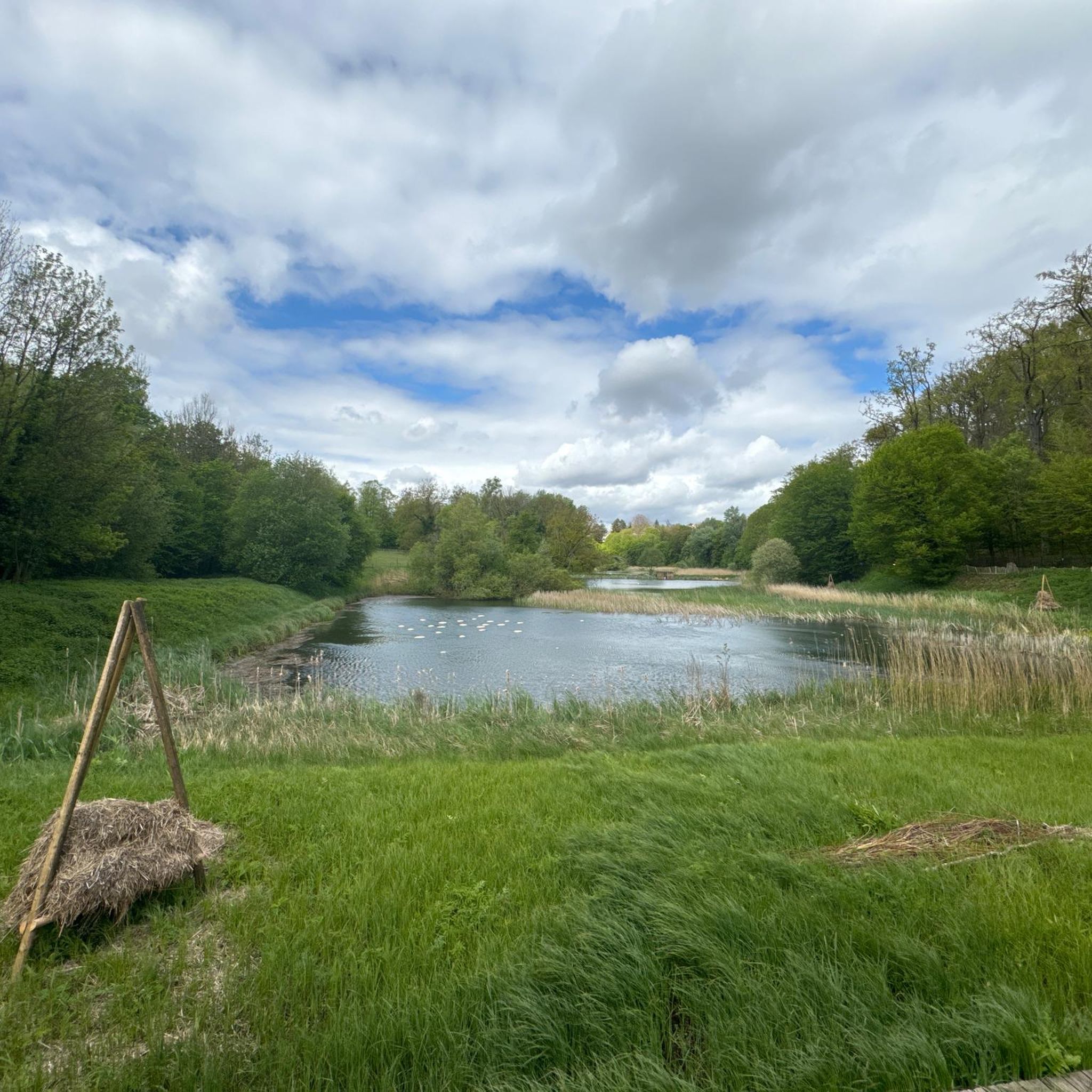
A beautiful place for rest and walking: you can stroll along it, enjoy the greenery and water, and it is part of the historical and natural charm of Tervuren.
7
0

The veneration of Saint Hubert in Tervuren, the presumed place of death of the patron saint of hunters, dates back to at least the 16th century and is probably even older. Every year on the last Sunday in October, an open-air mass is celebrated there in honor of Saint Hubert, and horses and dogs are blessed to protect them from running amok.
4
0

This castle has been a ruin since the end of WWII. Work is now being done to prevent it from collapsing further.
4
0

The restoration of the castle ruins has started.
5
0

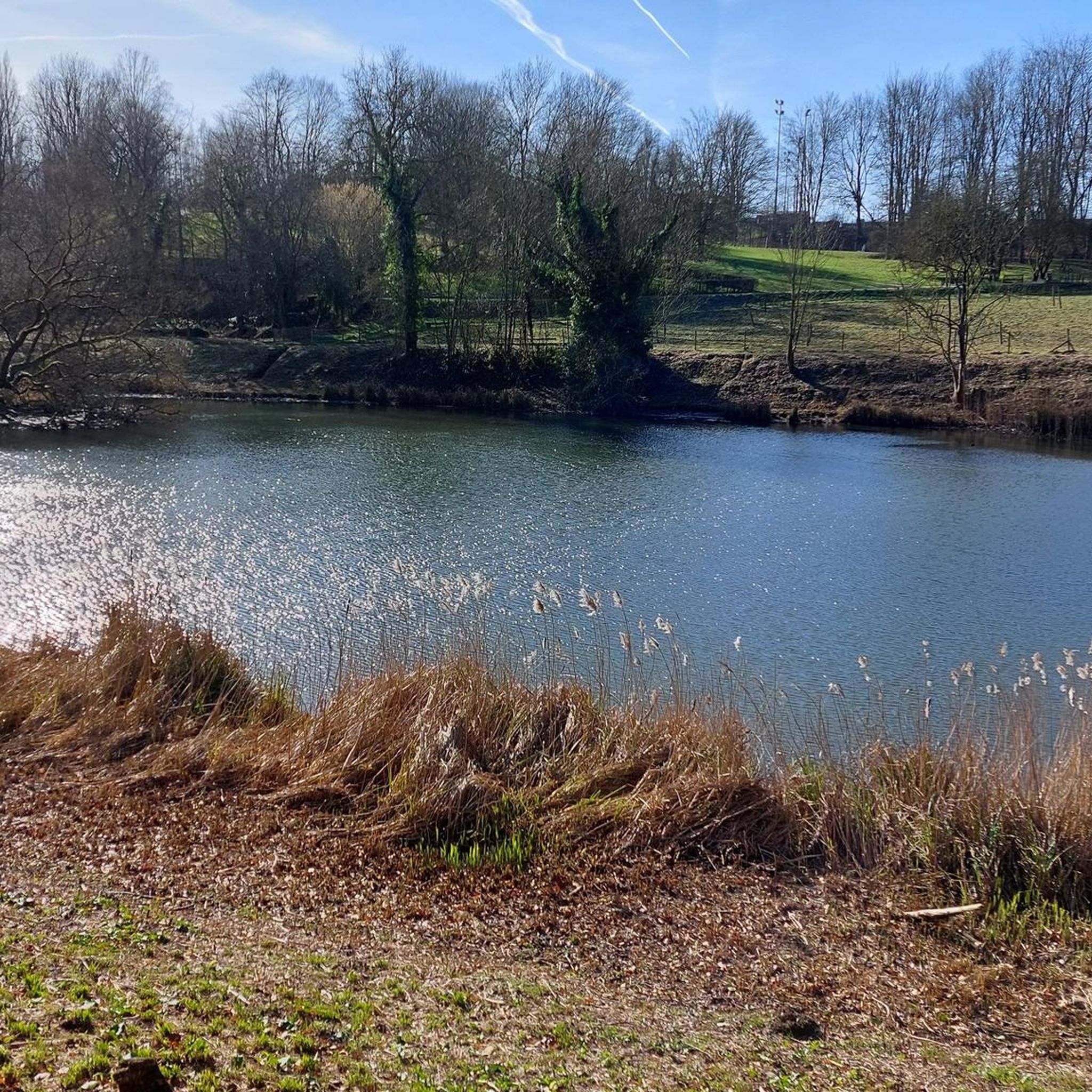
Green lung of the centre of Hoeilaart.
1
0

Beautiful view of the AfricaMuseum. At the moment there are works so you can't go to the castle.
13
0
The Saint-Hubertus Chapel is a chapel in the Park of Tervuren in the Belgian Tervuren. The chapel is a baroque castle chapel of the former Castle of Tervuren. It was built in 1617 according to plans by Wenceslas Cobergher on behalf of the Archdukes Albert and Isabella. Cobergher replaced the wooden chapel in front of the drawbridge with the current stone structure. According to legend, Saint Hubertus died at this location. (Wikipedia)
11
0
Frequently Asked Questions
What historical castles can I visit directly in Woluwe-Saint-Lambert?
Within Woluwe-Saint-Lambert, the primary historical site is the Château Malou. This neoclassical building, constructed in 1776, is nestled within the picturesque Parc Malou. It serves as a cultural hub, hosting exhibitions and conferences, and is appreciated for its architectural beauty and serene setting.
Are there other significant castles near Woluwe-Saint-Lambert worth exploring?
Yes, several notable castles are located in the broader region. You can visit the ruins of The Prinsen Castle, a former residence of the Lords of Grimbergen. Another option is Leefdaal Castle, a Renaissance castle with medieval origins. The majestic Laeken Castle, a royal residence, is also nearby, surrounded by a vast park.
What kind of historical significance do the castles in this region hold?
The castles around Woluwe-Saint-Lambert offer a rich historical tapestry. Château Malou reflects 18th-century neoclassical architecture and has been owned by influential figures. The Prinsen Castle was the seat of the Lords of Grimbergen from the 14th century. Leefdaal Castle traces its origins back to a 12th-century manor, while Laeken Castle has served as a royal residence since the 19th century.
Can I find family-friendly activities at these castles or nearby?
Yes, the Château Malou is located within Parc Malou, which is ideal for family strolls and picnics. The Sint-Hubertus Chapel is situated in the Park of Tervuren, which is also family-friendly. Additionally, the Meise Botanic Garden, which includes a 12th-century castle tower, offers extensive grounds for families to explore.
Are there green spaces or parks associated with these castles?
Absolutely. Château Malou is a central feature of the expansive Parc Malou, offering beautiful scenery and mature trees. Laeken Castle is surrounded by a large 120-hectare park, which also houses the Royal Greenhouses. The Prinsen Castle ruins are found within the Prinsenbos, and the Sint-Hubertus Chapel is in the Park of Tervuren.
What outdoor activities can I do near these castles?
The parks surrounding these castles offer various outdoor activities. For example, near the castles, you can find numerous routes for MTB, cycling, and running. Parc Malou, where Château Malou is located, is perfect for leisurely strolls.
Is Château Malou accessible to the public, and what can I do there?
Yes, Château Malou and its surrounding Parc Malou are easily accessible. The château currently functions as a cultural center, hosting exhibitions and conferences. It also provides a unique setting for events like weddings. The park itself is ideal for tranquil walks and enjoying nature.
Are there any castles that are dog-friendly for walks?
While specific dog rules for each castle's interior vary, the parks surrounding many of these historical sites are generally dog-friendly. Parc Malou, home to Château Malou, is a popular spot for walks with dogs. Always check local signage for specific leash regulations within the parks.
What is the best time of year to visit the castles and their parks?
The castles and their surrounding parks are beautiful year-round. Spring and summer offer lush greenery and pleasant weather for outdoor activities. Autumn brings vibrant foliage, particularly in parks like Parc Malou and the park around Laeken Castle. Even in winter, the serene landscapes can be quite picturesque.
Where can I find parking or public transport options for Château Malou?
Château Malou and Parc Malou are easily accessible. There are parking facilities available near the park. Additionally, Woluwe-Saint-Lambert has good public transport connections, making it convenient to reach the area by bus or tram.
Are there cafes or restaurants near Château Malou?
Yes, the area around Parc Malou and Château Malou offers various cafes and restaurants where you can relax and enjoy a meal or a drink after your visit. You'll find options ranging from casual eateries to more formal dining experiences within Woluwe-Saint-Lambert.
What makes the <a href="https://www.komoot.com/highlight/919387" target="_blank" rel="noopener">Meise Botanic Garden</a> a unique place to visit near Woluwe-Saint-Lambert?
The Meise Botanic Garden is one of Europe's largest and most biodiverse botanical gardens, spanning 92 hectares. It features numerous historic buildings, including a 12th-century castle with a tower. Beyond its extensive plant collections, it offers a blend of natural beauty and historical architecture, making it a unique destination.
Most popular routes around Woluwe-Saint-Lambert
Most popular attractions around Woluwe-Saint-Lambert

Get inspired with the komoot mobile app


Explore more
Looking for the best castles somewhere else? Discover other guides around Woluwe-Saint-Lambert:
